Indautxu sits in the heart of Bilbao's Ensanche expansion district, a well-kept residential and commercial quarter with flat, walkable streets, strong metro connections, and one of the city's finest parks on its doorstep. Less touristed than the Casco Viejo or the Guggenheim area, it offers a genuine slice of everyday Bilbao life alongside useful amenities and a calm, orderly character.
Indautxu is the quietly confident side of Bilbao's Ensanche: a flat, largely residential quarter where locals shop, study, and get on with daily life without much tourist interference. It lacks a single showpiece attraction, but its position between the Gran Vía, easy access toward the Guggenheim, and the green expanse of Doña Casilda park makes it one of the most practical and pleasant bases in the city.
Orientation
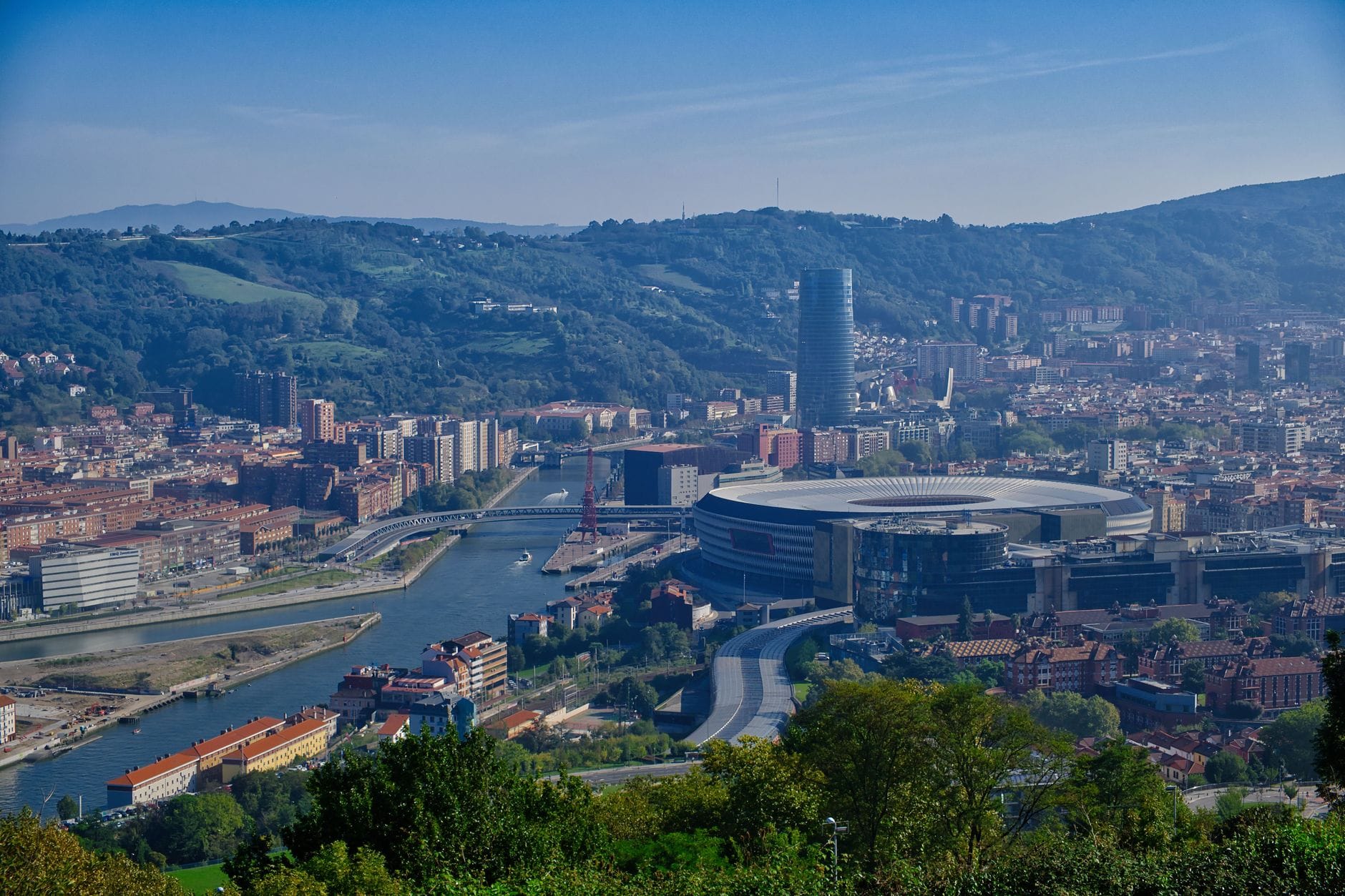
Indautxu occupies the western section of Bilbao's Abando district, on the left bank of the Nervión estuary. It is part of the wider Ensanche, the 19th-century grid expansion that gave Bilbao its orderly street layout west of the medieval Casco Viejo. The terrain here is rare for Bilbao: almost completely flat, which makes navigation straightforward and walking genuinely comfortable.
The neighbourhood is broadly bounded by Calle Autonomía to the south, Alameda Recalde to the east, Calle Sabino Arana to the west, and the Ría de Bilbao (the estuary) to the north. To the east, it blends into the commercial core of the Ensanche along the Gran Vía de Don Diego López de Haro. To the north, beyond Doña Casilda park and the Abandoibarra waterfront, lies the Guggenheim Museum — a walk or short tram ride away. The park of Doña Casilda Iturrizar sits at Indautxu's northern edge, forming a green buffer between the neighbourhood and the river.
Understanding Indautxu means understanding how Bilbao's districts layer together. The Ensanche district covers both Abando and Indautxu, functioning as the city's commercial spine. Casco Viejo, Bilbao's medieval core, is about 25 minutes on foot to the northeast, or two metro stops away. The Abandoibarra waterfront, home to the Guggenheim Museum Bilbao, is a 10 to 15 minute walk north through the park.
Character & Atmosphere
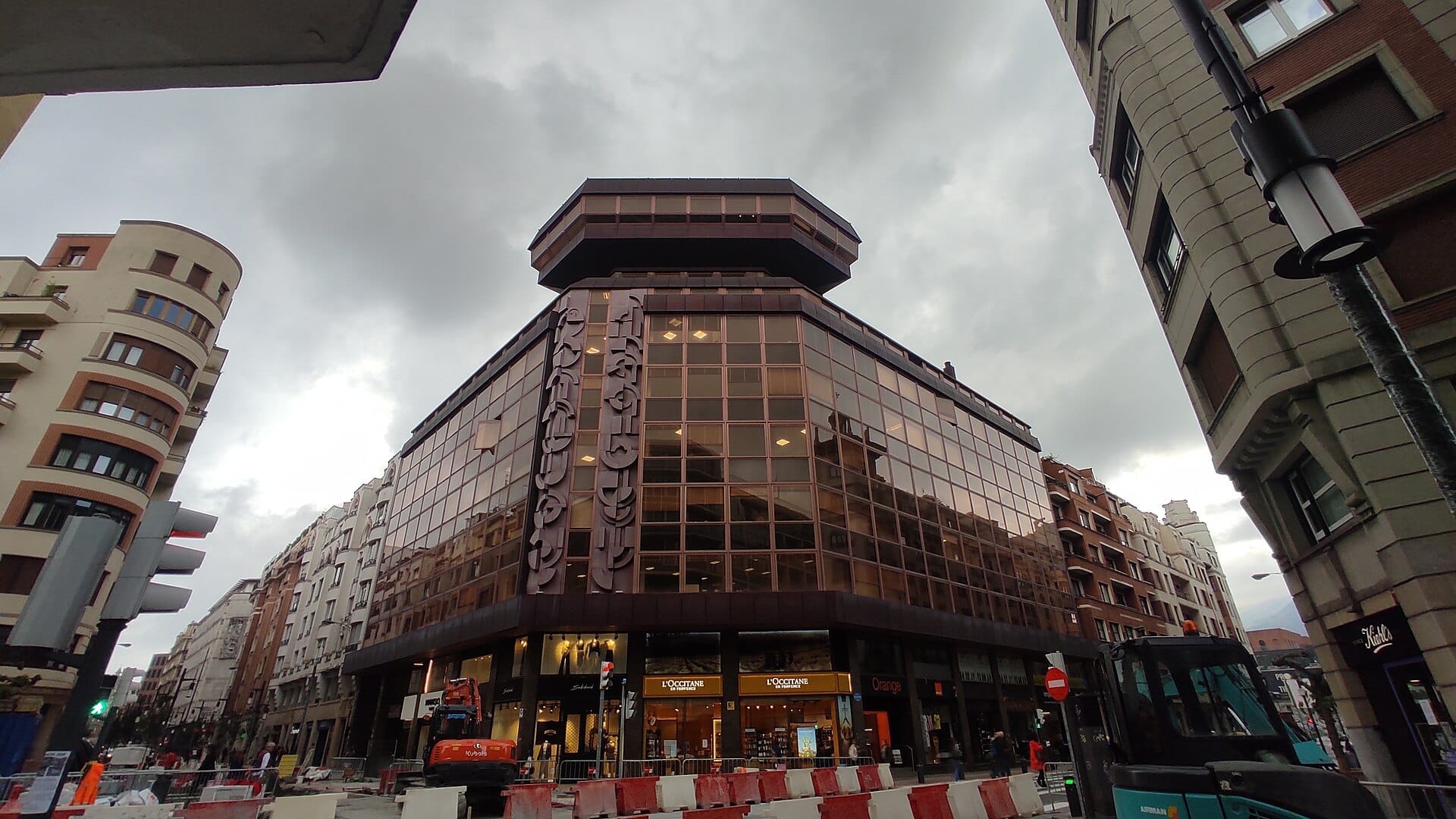
Indautxu does not perform for visitors. Its streets carry the reliable rhythm of an upper-middle-class urban neighbourhood: pharmacy queues in the morning, school runs at midday, couples walking dogs past well-maintained apartment facades in the evening. The architecture is Ensanche standard, meaning wide, handsome streets lined with stone and brick residential blocks from the early 20th century, many with wrought-iron balconies and ground-floor commercial units.
In the morning, the area around Plaza Indautxu fills with commuters funnelling in and out of the metro station. Cafes along the surrounding streets see the first rush of cortados and croissants before 9am, and the pace is brisk and purposeful. By mid-morning the neighbourhood quietens, with shoppers drifting between local businesses and the part-pedestrianised streets nearby. The flat terrain means elderly residents are visibly active on foot, which gives the area a settled, community-oriented feel that many Ensanche streets lack.
Afternoons, especially in summer, gravitate toward Doña Casilda park. The park's central pond, shaded paths, and open lawns draw families, joggers, and people reading on benches under the plane trees. The light in late afternoon is soft and warm, filtering through the canopy along the park's main avenue. After dark, Indautxu is calm rather than lively: there are neighbourhood bars open late, but the area does not have a major nightlife concentration. If loud late nights are what you want, the Casco Viejo or parts of the Ensanche closer to the Gran Vía will serve better.
ℹ️ Good to know
Indautxu is one of Bilbao's flattest neighbourhoods, which makes it particularly well suited for travellers with mobility considerations or anyone who wants to avoid the city's many hills.
What to See & Do
The most important green space in this part of Bilbao is the Doña Casilda Iturrizar Park, which sits directly on Indautxu's northern boundary. Opened in the early 20th century and named after a local benefactress, it is a formal park in the European tradition: symmetrical paths, a long ornamental pond populated with ducks and geese, a fountain, and a bandstand. It is free to enter and well maintained, and functions as the neighbourhood's living room. On weekend mornings it draws a steady stream of locals.
Immediately adjacent to the park is the Bilbao Fine Arts Museum (Museo de Bellas Artes), one of Spain's most significant art collections outside Madrid. The museum holds works spanning Flemish masters, Spanish Golden Age painters, and a strong Basque art section, alongside rotating contemporary exhibitions. It is consistently underrated compared to the Guggenheim and rarely crowded. Entry is free on certain days, and the combined visit with a walk through Doña Casilda makes for an excellent half-day without leaving the immediate area.
Plaza Indautxu itself is worth a few minutes. Redesigned and reopened in 2006, it is a modern urban square with a large circular layout, more than a hundred trees providing shade, children's play facilities, and benches arranged for people-watching. Below the square is a small underground shopping mall and, crucially, the Indautxu metro station. The square functions as the neighbourhood's natural gathering point, and it is a good place to orient yourself when arriving for the first time.
Indautxu's position makes it an ideal base for day trips and wider exploration. The Guggenheim Museum Bilbao is a 15-minute walk north through the park and along the waterfront. The Euskalduna Concert Hall, one of the city's main venues for classical music and international events, is reachable in under 20 minutes on foot heading west along the river. For those interested in the city's architecture more broadly, the Bilbao architecture guide covers the major landmarks within walking distance.
Doña Casilda Iturrizar Park: free, open daily, the neighbourhood's main green space
Bilbao Fine Arts Museum: world-class collection, often quieter than the Guggenheim
Plaza Indautxu: modern redesigned square, good for orientation and people-watching
San Mamés Stadium: Bilbao's iconic football ground is around 15 minutes west on foot
Guggenheim Museum: 15-minute walk north through the park and along Abandoibarra
Eating & Drinking
Indautxu's food scene is neighbourhood-oriented rather than destination dining. The bars and cafes here cater primarily to residents and office workers, which tends to mean reliable quality, reasonable prices, and little in the way of tourist-facing gimmickry. The streets around Plaza Indautxu and along Calle Autonomía concentrate a decent range of options, from traditional Basque pintxo bars to modern cafes and international restaurants.
Pintxos, the Basque version of bar snacks, are central to eating out anywhere in Bilbao, and Indautxu has its share of good pintxo bars. The difference from the more famous pintxo bars in the Casco Viejo is that here you are more likely to be standing beside a local than a tour group. For background on what to order and how pintxos work, the pintxos guide for Bilbao is a useful starting point.
For sit-down meals, the neighbourhood offers a mix of traditional Basque restaurants, Italian and Asian options reflecting the city's cosmopolitan character, and a handful of more modern gastro-style spots. Prices sit in the mid-range for most places, with the fixed-price lunchtime menu del día common across the area, typically offering three courses with wine for around 12 to 18 euros. This is one of the best ways to eat well without spending much in Bilbao, and Indautxu has no shortage of places offering it.
Coffee culture is strong. The neighbourhood has numerous traditional cafes where a café con leche costs under two euros and the croissants are fresh in the morning. As you move toward the park and the Fine Arts Museum, the cafe offer shifts slightly upmarket, with more brunch-oriented places attracting a weekend crowd from across the city.
💡 Local tip
Look for the menu del día at lunchtime (roughly 13:30 to 15:30). Most neighbourhood restaurants offer a three-course set menu at a fixed price that represents significantly better value than ordering à la carte. Ask for 'el menú' when you sit down.
Getting There & Around
Indautxu is one of the best-connected neighbourhoods in Bilbao for public transport. The Indautxu metro station sits directly under Plaza Indautxu and is served by Metro Bilbao Lines 1 and 2, giving direct access to the Casco Viejo, Plaza Moyúa in the Ensanche (from which the Guggenheim is a further walk or tram ride), the main train station at Abando, the beach suburbs along the estuary, and the airport bus connection at Termibus. Metro services typically run from around 6am to 12am on weekdays, with extended hours to around 2am on Friday and Saturday nights.
The Bilbobus urban bus network also covers the area, with several lines running along Calle Autonomía and the surrounding streets. For visitors arriving from the airport, the Bizkaibus A3247 connects Bilbao Airport (BIO) to the city centre, with Plaza Moyúa as the main stop in the Ensanche, a 10-minute walk from Plaza Indautxu. Full details on getting around the city are in the getting around Bilbao guide.
On foot, Indautxu is well positioned for reaching most central Bilbao destinations without needing transport at all. The Guggenheim takes around 15 minutes walking north through Doña Casilda park and along the Abandoibarra waterfront. The Casco Viejo is about 25 minutes on foot heading northeast across the Ensanche. San Mamés Stadium, home of Athletic Club de Bilbao, is around 15 to 20 minutes west. The neighbourhood's flat terrain makes all of these walks genuinely pleasant rather than effortful.
💡 Local tip
The Barik card is a rechargeable smart card that works on the metro, Bilbobus, tram, and most regional transport. It gives discounted fares compared to single tickets and is worth buying if you plan to use public transport more than a few times during your stay.
Where to Stay
Indautxu makes a strong case as a base for visitors who want central location, easy transit, and a genuine neighbourhood feel without the noise of the old town or the premium prices of the Guggenheim waterfront zone. Hotels and aparthotels in this part of the Ensanche tend to be mid-range to upper-mid-range, catering to both business travellers and tourists who appreciate the practicality of the area. For a broader comparison of where to stay across the city, the where to stay in Bilbao guide covers the main options across all neighbourhoods.
The best location within Indautxu for staying is close to Plaza Indautxu or along the streets between the square and Doña Casilda park. This puts you within a few minutes of the metro, a short walk to the park and the Fine Arts Museum, and a comfortable 15-minute stroll to the Guggenheim. Streets here are quiet enough for good sleep but not so remote that you feel cut off from the city's energy.
Indautxu is not the right choice for travellers whose priority is nightlife or the most intense concentration of pintxo bars and medieval atmosphere. For that, the Casco Viejo or the streets immediately around the Gran Vía will suit better. But for families, longer-stay visitors, business travellers, or anyone who wants to experience Bilbao as a functioning city rather than a tourist set, Indautxu delivers consistently.
Who Indautxu Is For
Indautxu rarely appears on shortlists of Bilbao's most exciting neighbourhoods, and that is broadly accurate. It does not have the medieval drama of the Casco Viejo, the architectural spectacle of Abandoibarra, or the beach-town character of Getxo. What it has is competence: good transport, flat streets, solid restaurants, a genuine park, and one world-class art museum that most visitors overlook in favour of its more famous neighbour down the road.
For first-time visitors on a short trip, Indautxu works best as a base rather than a destination in itself. Staying here while spending your days at the Guggenheim, the Casco Viejo, and on day trips to the Basque coast makes practical sense. For repeat visitors or those spending a week or more in Bilbao, the neighbourhood rewards slower exploration, particularly around the park, the Fine Arts Museum, and the quieter residential streets away from the commercial axis.
⚠️ What to skip
If you are visiting Bilbao primarily for nightlife, Indautxu is not the right base. The neighbourhood quietens significantly after 11pm. The Casco Viejo and parts of the Ensanche closer to the Gran Vía have a much more active late-night scene.
TL;DR
Indautxu is Bilbao's most practical central neighbourhood: flat, well connected by metro (Lines 1 and 2 at Plaza Indautxu), and genuinely residential in character.
The Bilbao Fine Arts Museum sits on its edge and is one of Spain's best art collections, consistently less crowded than the Guggenheim 15 minutes away.
Doña Casilda Iturrizar Park provides significant green space and a calm, local atmosphere that is rare in a city-centre neighbourhood.
Eating and drinking options are solid and good value, oriented toward residents rather than tourists, with strong pintxo bars and reliable lunchtime menus del día.
Best suited to: families, longer-stay visitors, travellers with mobility needs (flat terrain), and anyone who wants a central base without the noise and crowds of the old town.
Bilbao rewards a focused weekend with world-class architecture, one of Spain's best food cultures, and a walkable city centre that packs serious depth into 48 hours. This itinerary covers the essential stops across two well-structured days.
The Basque Country packs extraordinary variety into a compact region: world-class museums, Gothic old towns, wild Atlantic coastline, and some of Europe's finest food. This guide covers the essential stops in and around Bilbao, from the Guggenheim to the fishing villages of the Bizkaia coast.
Bilbao sits at the heart of the Basque Country, one of Europe's most serious food cultures. This guide covers the essential dishes, where to eat them, how the pintxos bar system actually works, and what to skip — so you eat well from your first meal to your last.
Bilbao has a strong museum scene for a city of its size. This guide covers the city's top institutions, from Frank Gehry's titanium icon on the riverfront to the quiet rooms of the Basque Museum in the Casco Viejo, with practical tips to help you plan your visit.
Bilbao's Atlantic climate means rain is always possible, but some months are dramatically better than others. This guide breaks down every season by weather, crowd levels, hotel prices, and festivals so you can pick the right time for your trip.
Bilbao Airport (IATA: BIO) is the main gateway to the Basque Country, located just 9-12 km from the city centre. This guide covers every transport option into Bilbao, with real fares, journey times, seasonal timetable notes, and the common mistakes first-time visitors make.
Bilbao's architectural story spans Gothic old-town churches, grand 19th-century boulevards, and one of the most consequential buildings of the 20th century. This guide covers every major landmark, the best walking routes, seasonal tips, and what to prioritize if your time is limited.
Bilbao sits inland on the Nervión estuary, but within 40 km you'll find some of northern Spain's finest coastline. This guide covers the best beaches near Bilbao, from sheltered urban strands reachable by metro to dramatic surf breaks and picturesque fishing villages.
Aste Nagusia (Semana Grande) turns Bilbao into one of Europe's great street festivals every August. This guide covers exact dates, the free concert schedule, txosna culture, accommodation realities, and practical tips for navigating nine days of non-stop celebration.
Bilbao in winter is mild, rainy, and far less crowded than summer. This guide covers the real weather, what to do indoors and out, how to navigate the city, and why the off-season has genuine advantages for the right kind of traveler.
Bilbao's nightlife runs later and harder than most visitors expect. This guide walks you through every stage of a proper Bilbao evening, from early pintxo crawls and riverside sunset walks to cocktail bars, live music, and clubs that don't fill until 2am.
Two Basque cities, 77 kilometres apart, and both worth your time — but for very different reasons. This guide breaks down what Bilbao and San Sebastián each do best, who they suit, how much each costs, and why the real answer is often 'both'.
Bilbao is compact enough to explore on foot in a single day, but the route you choose makes all the difference. This guide covers the best self-guided walking tour of Bilbao from Casco Viejo to the Guggenheim, with practical timings, admission costs, seasonal advice, and practical tips on what to skip.
Bilbao is a strong family destination. This guide covers the best kid-friendly attractions in the city and the wider Bizkaia province, from interactive museums and funicular rides to fairy-tale castles and sheltered beaches.
Bilbao's compact centre is walkable, but its integrated public transport network — metro, tram, city buses, and regional rail — makes the whole metro area easy to navigate. This guide covers every option, from the Barik smart card to airport transfers, with practical advice on what's worth using and what to skip.
Bilbao has pulled off one of Europe's most remarkable urban reinventions, transforming from a grimy industrial port into a world-class destination for architecture, food, and culture. But is it right for your trip? This guide gives you the full picture: what genuinely impresses, what disappoints, and exactly how to make the most of it.
Pintxos are the beating heart of Bilbao's food culture. This guide covers the best neighbourhoods and bars for a classic txikiteo crawl, how ordering works, what things cost, and the etiquette mistakes most visitors make. Whether you have one evening or three, here's how to eat like a Bilbaíno.
Bilbao offers a surprising amount for a city of around 350,000. This guide covers the best things to do in Bilbao, Spain, from world-class museums and Europe's largest covered market to coastal day trips and the Basque food scene, with practical advice on timing, pricing, and getting around.
Bilbao packs a lot into 40 square kilometres. This guide breaks down the city's main neighbourhoods by traveller type, budget, and atmosphere, so you can choose where to stay with confidence, whether you're here for a weekend city break or a longer Basque Country trip.