Bilbao Pintxos Guide: Best Bars & How to Do a Pintxos Crawl
Pintxos are the beating heart of Bilbao's food culture. This guide covers the best neighbourhoods and bars for a classic txikiteo crawl, how ordering works, what things cost, and the etiquette mistakes most visitors make. Whether you have one evening or three, here's how to eat like a Bilbaíno.
Plan and book this trip
Tools from our partner Travelpayouts help you compare flights and hotels. If you book through them, we may earn a commission at no extra cost to you.
Flights
Hotels map
TL;DR
- Pintxos are always paid in Bilbao — they are never free with drinks, unlike tapas in other parts of Spain.
- The traditional format is a txikiteo: one drink and 1-2 pintxos per bar, then move to the next. Don't camp in one spot.
- Budget around €15-25 per person for a solid 3-4 bar crawl, or €25-40 if you go deeper into the evening.
- The top crawl zones are Casco Viejo (especially around Plaza Nueva), the Ensanche, and the emerging Bilbao La Vieja neighbourhood.
- Peak hours are 13:00-15:00 for lunch and 19:30-22:00 for evening — arrive early or expect to squeeze in.
What Pintxos Actually Are (and Why Bilbao's Are Different)
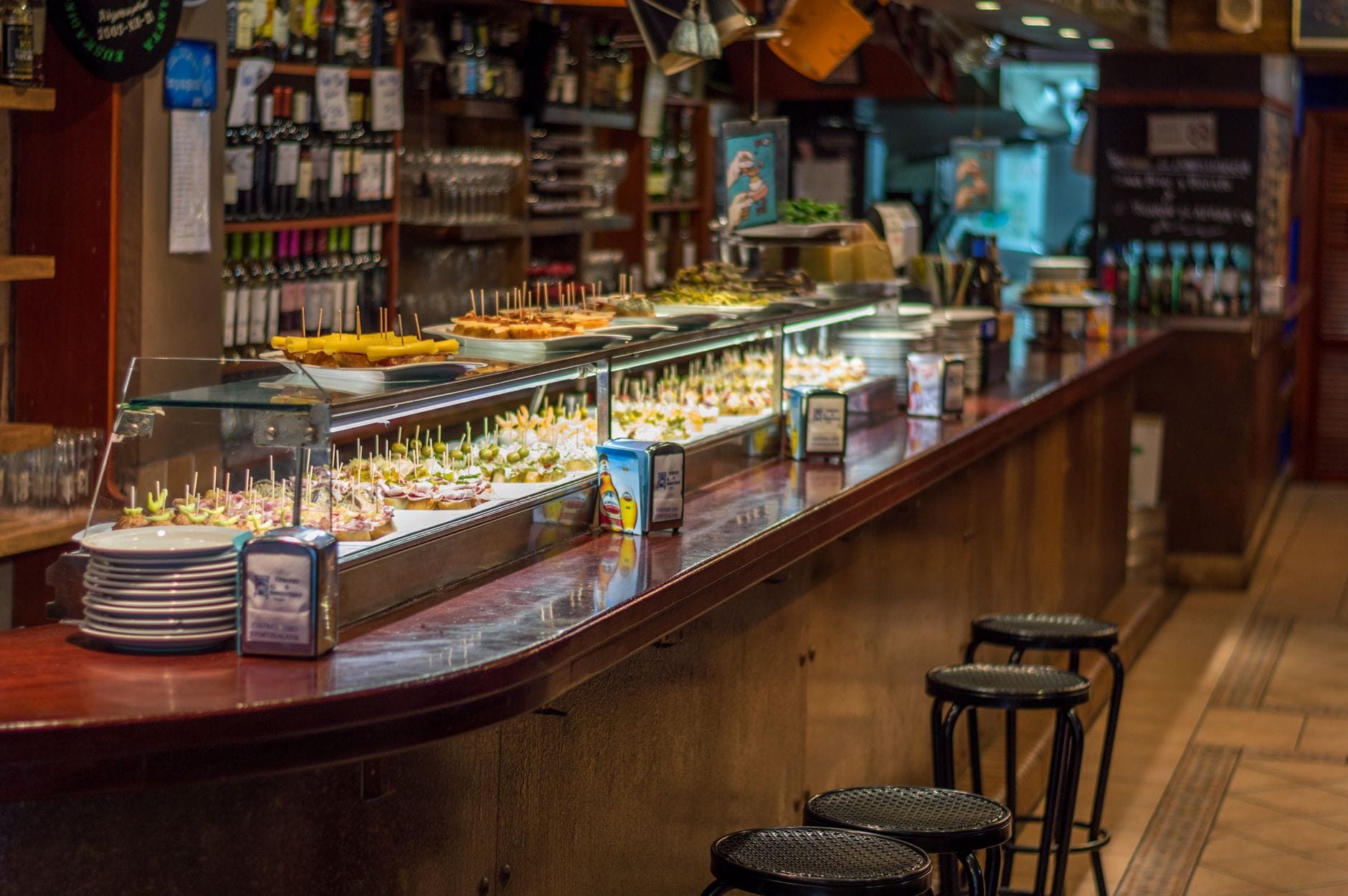
Pintxos (pronounced 'peen-chos') are Basque bar snacks, typically bite-sized portions served on small slices of bread and pinned with a toothpick — the word itself means 'spike' in Basque. But reducing them to 'fancy tapas' misses the point. In Bilbao, pintxos represent a distinct culinary tradition with decades of craft behind it. The cold pintxos displayed on bar counters are just the entry point; the real action is the hot, made-to-order kitchen specials — foie gras on brioche, salt cod croquetas, txangurro (spider crab) on toast — that serious bars rotate daily.
The other key difference from tapas culture elsewhere in Spain: pintxos are always paid. There is no bar in Bilbao that will give you food for free with your drink. Each piece costs what it costs, and you order accordingly. This is not a complaint — it means the quality is consistently higher, and bars compete hard on their product rather than using food as a loss-leader.
ℹ️ Good to know
The Basque spelling is 'pintxos' (from Euskara). You'll also see the Spanish spelling 'pinchos' on some menus — they refer to the same thing. In Bilbao, 'pintxos' is the standard term used in everyday conversation and on most bar signage.
The Four Best Neighbourhoods for a Pintxos Crawl
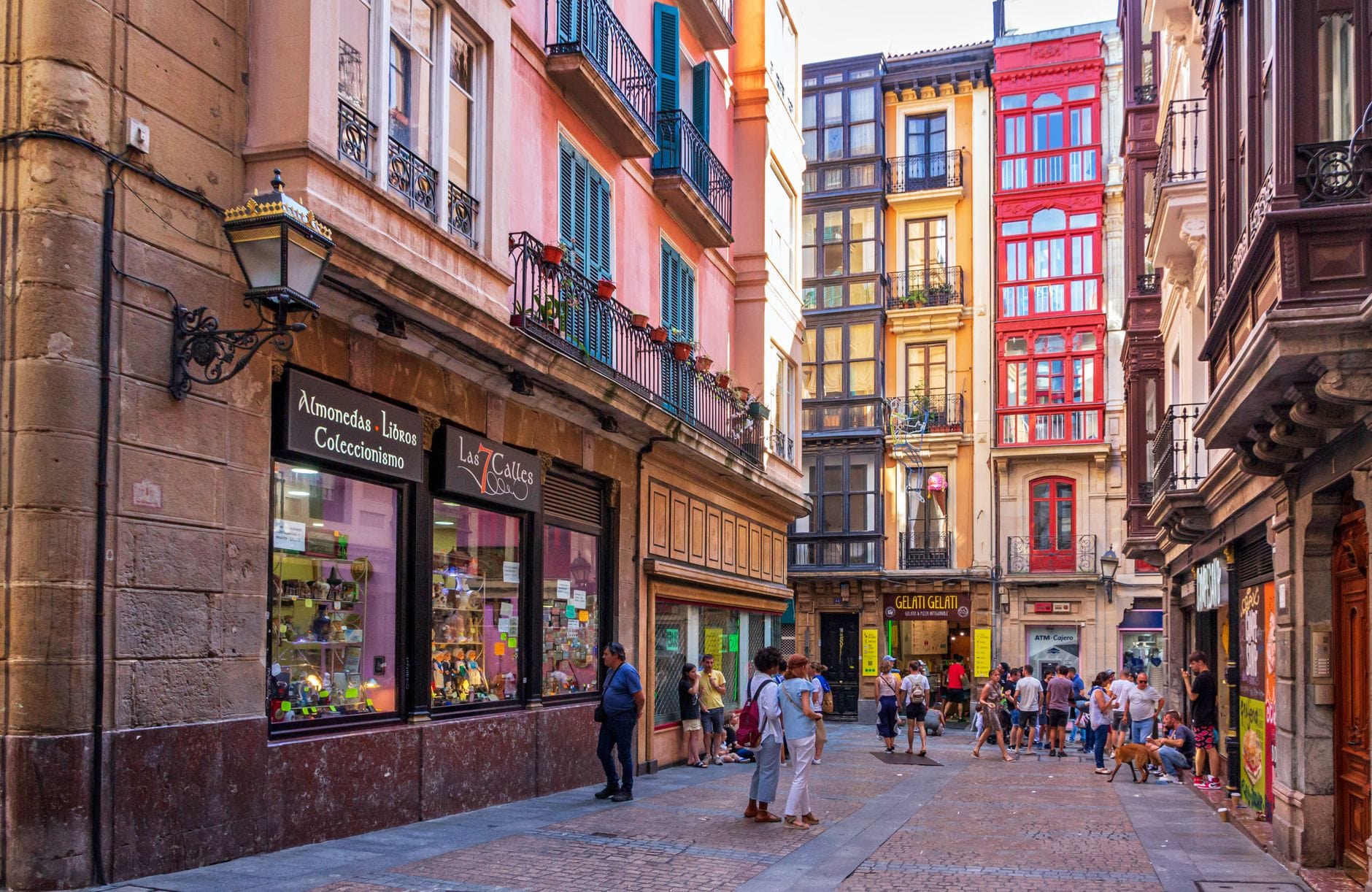
Bilbao's pintxos scene is geographically compact. The four main crawl zones are within walking distance of each other, which is exactly how a Bilbao walking tour tends to unfold naturally. Each area has a distinct character, and the best evenings move between at least two of them.
- Casco Viejo (Old Town) The traditional epicentre. The seven streets (Zazpikaleak) and the area around Plaza Nueva pack over 100 pintxos bars into a compact medieval grid. Expect high energy, standing-room crowds on weekends, and a mix of classic counter displays and excellent hot kitchens. This is where you start.
- Plaza Nueva A neoclassical arcaded square inside Casco Viejo that functions as its own pintxos micro-district. Bars like Gure Toki and Café Bar Bilbao operate from the colonnaded perimeter. It's slightly more polished than the side streets but no less local in feel.
- Ensanche (Abando) The 19th-century expansion district across the river, centred on Gran Vía. The pintxos bars here skew more refined and slightly less chaotic than Casco Viejo. La Viña del Ensanche is the flagship — a serious wine bar with impeccable pintxos that draws a mixed crowd of locals and food tourists. Good option for a calmer, higher-end session.
- Bilbao La Vieja The city's most interesting emerging neighbourhood for food. Younger chefs are running creative, experimental pintxos operations here — more technique, more unusual ingredients, more willingness to break from tradition. Still rougher around the edges than the other zones but increasingly worth the short walk from Casco Viejo.
How a Txikiteo Crawl Works: The Rules Locals Follow
The txikiteo is a Basque social ritual, not just a pub crawl with food. The traditional format is disciplined: you enter a bar, order one drink, eat one or two pintxos (either from the counter or hot from the kitchen), pay, and move to the next place. The point is variety — both in food and in social atmosphere. Locals cover six to ten bars in an evening without ever feeling stuffed or drunk, because the portions and drinks are small.
When you arrive at a bar, stand at the counter. You'll see the cold pintxos on display under glass or on boards — point at what you want. For hot pintxos, ask what's available from the kitchen (the bartender will usually tell you or hand you a small card). Order your drink at the same time: a zurito (small draft beer, about 150ml), a glass of txakoli (the local slightly sparkling white wine), or a small red wine are the standard choices. Pay after eating your items, not at the start. Staff keep track, either mentally or by counting your toothpicks. Tipping is not expected; rounding up to the nearest euro is perfectly sufficient if you want to acknowledge good service.
⚠️ What to skip
Sitting down at a table instead of standing at the bar can add 10-15% to your bill in some bars — this is common practice in Basque Country establishments. Unless you specifically want table service, stay at the counter. It's also more sociable and more in keeping with how locals actually use these bars.
A few practical points that catch visitors off guard: not all pintxos on the counter are equally fresh. The best counter displays are replenished frequently, but in busy bars during off-peak hours, some items have been sitting longer than others. When in doubt, order hot pintxos from the kitchen — these are made to order and represent the bar's real ambition. Also, if a bar you planned to visit is closed (Sundays and Monday lunchtimes see higher closure rates), treat it as an opportunity rather than a problem. There are always excellent alternatives within fifty metres.
✨ Pro tip
Ask for the 'carta caliente' (hot menu) at any bar that looks serious about its food. This is where chefs show what they can actually do — the cold counter pintxos are often more basic. At top bars, the hot specials change daily and sell out, so asking early in the evening is worth it.
Prices, Budgeting, and What to Expect at Each Level
Bilbao pintxos pricing follows a fairly predictable structure across the city, with some variation at high-end spots. Cold pintxos displayed on the counter typically run €2-4 per piece. Hot or made-to-order pintxos are usually €3-6, though at prestige bars in the Ensanche you can pay €6-8 per piece for something genuinely elaborate. Drinks are inexpensive: a zurito costs around €1.50-2.50, a glass of txakoli or house wine €2-3.
- Budget crawl (3-4 bars, 1-2 pintxos and 1 drink per bar): €15-25 per person
- Mid-range crawl (4-6 bars, mix of cold and hot pintxos, txakoli included): €25-40 per person
- High-end session (focusing on creative bars and gourmet pintxos at €6-8+ per piece): €40-60 per person
- Cold counter pintxos: €2-4 each
- Hot kitchen pintxos: €3-6 each, up to €8-12 at premium spots
- Zurito (small beer): €1.50-2.50
- Txakoli (local white wine, per glass): €2-3.50
One thing that consistently surprises visitors: how affordable a great evening can be if you stick to the txikiteo format. Two or three high-quality pintxos and a drink per bar, across four bars, is a full and satisfying meal for around €25-30 per person. That's considerably less than a sit-down restaurant meal of equivalent quality. For a broader picture of eating in Bilbao across different price points, the Basque food guide for Bilbao covers everything from market snacks to Michelin-starred dining.
When to Go: Timing Your Crawl for the Best Experience
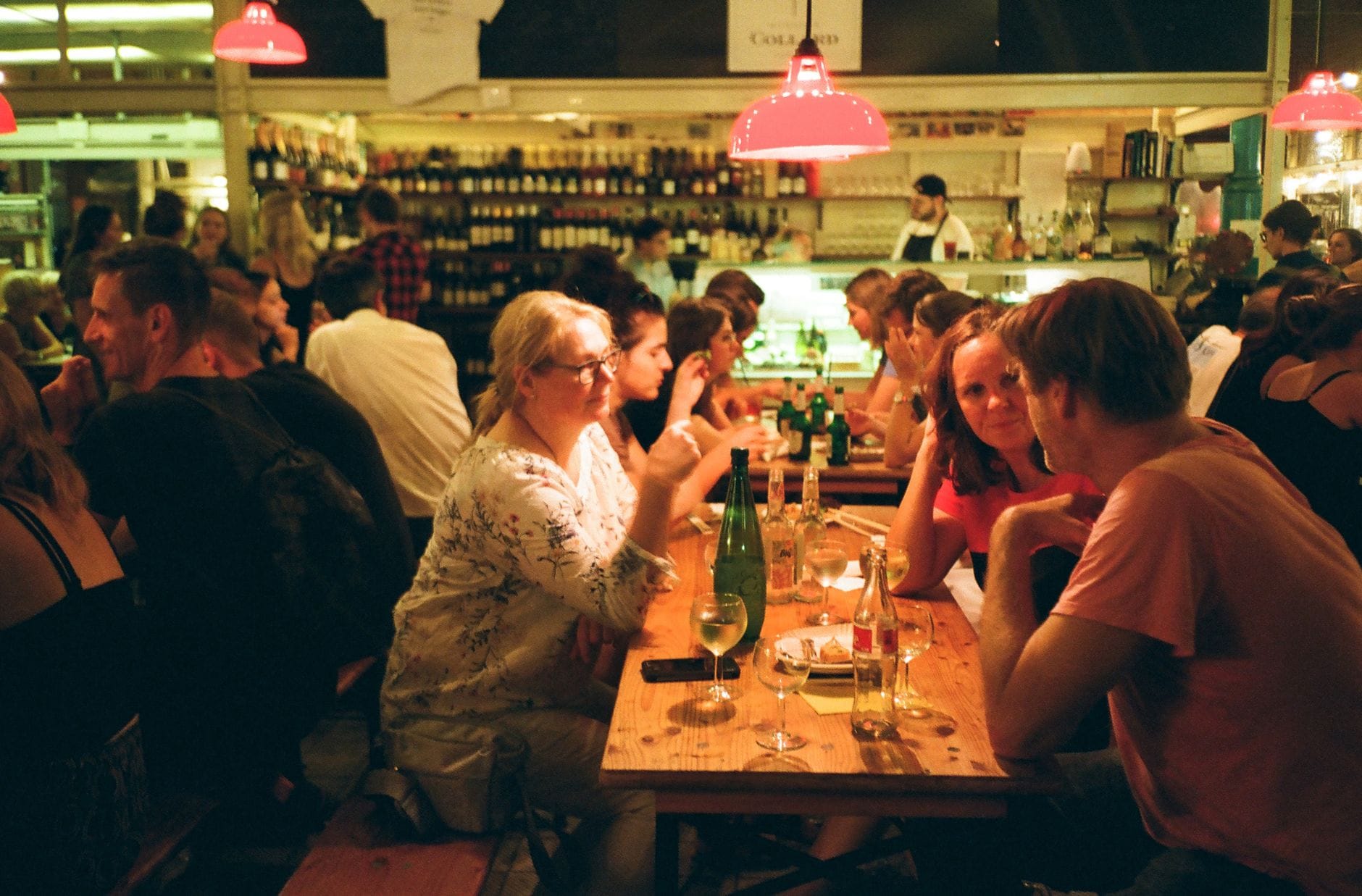
Pintxos bars in Bilbao operate on two daily peaks that follow the Spanish rhythm of eating. The lunch window runs roughly 13:00-15:00, when locals stop for a quick txikiteo before their main meal. This is a good time to go if you want to eat well without fighting for counter space. The evening window is 19:30-22:00, and this is where the real atmosphere builds. By 20:30 on a Friday or Saturday, the bars around Casco Viejo are properly packed — you'll be shoulder to shoulder, which is part of the experience, not a problem to avoid.
Thursday through Saturday evenings are the liveliest, with Friday and Saturday bringing the biggest crowds. Sunday afternoons can also be excellent — many locals do a traditional midday txikiteo before Sunday lunch — but expect some bars to close by mid-afternoon and most to be shut by early evening. Monday and Tuesday are quieter and some bars are closed entirely, which makes them better for a more relaxed experience but limits your options. If you're visiting during August, note that the city transforms for Aste Nagusia — the week-long festival changes everything about bar culture and crowds; the Bilbao in August guide covers what to expect during that period.
Seasonally, the pintxos scene is year-round but the experience differs. Winter evenings in Bilbao draw a very local crowd — fewer tourists, more neighbourhood regulars, bars that feel more intimate. Summer brings an influx of visitors but also longer evenings and a festive energy that suits bar crawls well. Spring and autumn are arguably the sweet spot: manageable crowds, good weather for walking between bars, and the full range of bars operating normal hours.
Specific Bars Worth Knowing About
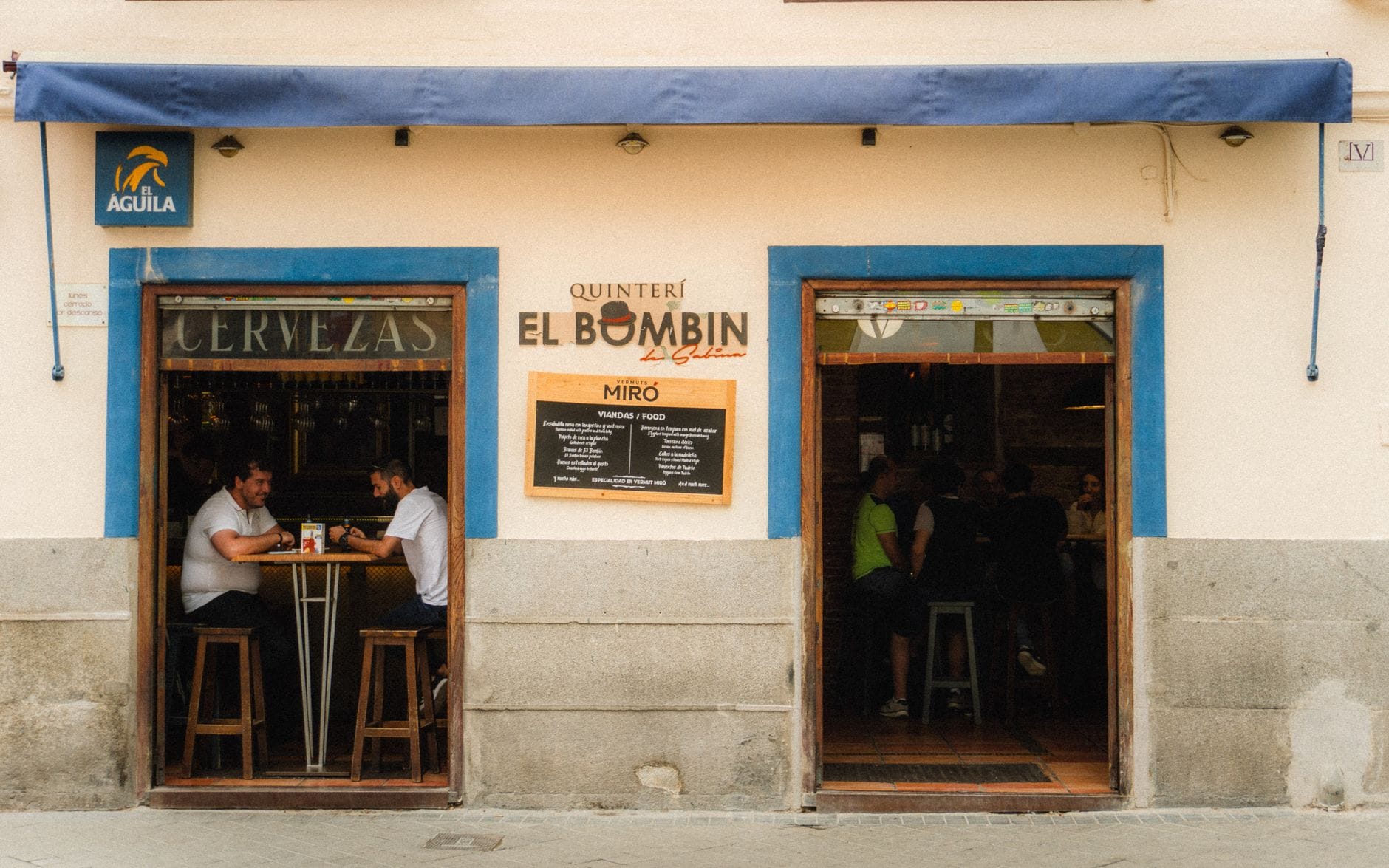
Rather than an exhaustive list of every bar in the city, these are the places that consistently deliver across different categories. Note that opening hours change and should be verified before you visit. The Casco Viejo neighbourhood is the best starting point for any crawl — set aside at least 2-3 hours to do it properly.
- Gure Toki (Plaza Nueva, Casco Viejo) One of the most consistently excellent bars on the square. The hot pintxos are the highlight — creative, well-executed, and seasonal. Usually open Mon-Thu 11:00-23:00, Fri-Sat 11:00-00:00, Sun 11:00-16:00, but verify before visiting.
- Café Bar Bilbao (Plaza Nueva, Casco Viejo) A classic, old-school bar with marble counters and a loyal local following. Less about experimentation, more about getting traditional pintxos exactly right. The anchovy-based pintxos are reliable benchmarks.
- La Viña del Ensanche (Ensanche/Abando) The go-to bar if you want serious wine alongside serious pintxos. The wine list is deep, the hot pintxos are polished, and the crowd is a mix of local professionals and food-savvy visitors. Open Mon-Sat approximately 10:00-23:00; closed Sundays.
- El Globo (Ensanche) Known for creative hot pintxos and a slightly more relaxed atmosphere than the Casco Viejo rush. Good for a later-evening stop when the Old Town gets overwhelming.
- Bars in Bilbao La Vieja No single bar dominates here yet — the neighbourhood is still developing its food identity. Walk the main streets around Calle Corro and Calle San Francisco and look for bars with visible kitchen activity and handwritten daily menus. The most interesting options change frequently.
For a structured introduction to the pintxos scene with local context, a guided food tour is worth considering — particularly on a first visit when you don't yet know which bars are having a good night. Guided experiences also tend to cover Mercado de la Ribera, the covered market on the riverbank, which is an excellent complementary stop to a pintxos crawl for understanding the raw ingredients behind Basque cooking.
💡 Local tip
If you're planning a 2-day trip and want to fit in both a solid pintxos crawl and the main sights, the neighbourhood structure makes it easy to combine. An evening crawl through Casco Viejo pairs naturally with daytime visits to the Guggenheim and the riverside. The 2 days in Bilbao guide has a practical itinerary that builds this in.
One practical note on navigation: Casco Viejo's bar density means you almost can't go wrong walking the main streets. Calle Jardines, Calle Somera, and Calle Santa María are the core bar streets — all within a few minutes' walk of Plaza Nueva. The Ensanche district is a 10-15 minute walk across the Arenal bridge, or a single metro stop. Don't try to cover both zones in depth in one evening — you'll end up rushing rather than enjoying.
Common Mistakes to Avoid
The most frequent errors visitors make are easy to avoid once you know about them. Ordering too many pintxos at a single bar is the biggest one — it defeats the purpose of the crawl format and you'll fill up before you've seen the best of what the neighbourhood offers. One drink, two pintxos maximum per stop, then move on.
A second common error is eating only from the cold counter without asking about hot options. The displayed pintxos are convenient but the kitchen specials are usually superior. A third mistake is sitting at a table when a bar is crowded — this can add a table service charge and removes you from the social energy of the counter, which is where conversations happen and where bartenders will offer recommendations.
Finally, don't do your pintxos crawl immediately after a heavy restaurant lunch. Pintxos reward a bit of hunger — you want to be able to try five or six different things across the evening without hitting a wall after bar two. If you're combining pintxos with other food activities, structure your day accordingly. The Basque food guide for Bilbao has good advice on pacing food experiences across a full day or multi-day visit.
FAQ
Are pintxos free in Bilbao?
No. Pintxos are always paid in Bilbao, regardless of whether you order a drink. This is a fundamental difference from tapas culture in cities like Granada or Almería, where food often comes free with drinks. In Bilbao, every pintxo is priced individually — typically €2-4 for cold counter items and €3-6 for hot kitchen pintxos.
What is a txikiteo and how does it work?
A txikiteo is the Basque tradition of moving between pintxos bars, having one drink and one or two pintxos at each stop before moving to the next. It's a social ritual as much as a way of eating. The format keeps portions small, variety high, and the evening social. Most locals cover five to eight bars in a session without feeling stuffed.
What is the best area for pintxos in Bilbao?
Casco Viejo (the Old Town), particularly around Plaza Nueva and the streets of Jardines, Somera, and Santa María, is the traditional heart of Bilbao's pintxos scene with over 100 bars in a compact area. The Ensanche district offers a more refined, less crowded alternative. Bilbao La Vieja is worth exploring for creative modern pintxos.
What should I drink with pintxos?
The three standard choices are a zurito (a very small draft beer, around 150ml — normal-sized beers are also available), txakoli (the local slightly fizzy white wine from the Basque coast, served cold and poured from height to aerate it), or a small glass of red wine. Txakoli is particularly well-matched to seafood pintxos. Avoid ordering cocktails or spirits in a pintxos bar — you'll stand out and miss the point.
When is the best time to do a pintxos crawl in Bilbao?
The two peak windows are 13:00-15:00 (lunch txikiteo) and 19:30-22:00 (evening). Evening sessions on Thursday through Saturday are the liveliest. Sunday afternoons are also good but options narrow as bars close by late afternoon. Avoid Monday and Tuesday if you want full choice — some bars are closed those days.