Visiting Bilbao in Winter: What to Expect
Bilbao in winter is mild, rainy, and far less crowded than summer. This guide covers the real weather, what to do indoors and out, how to navigate the city, and why the off-season has genuine advantages for the right kind of traveler.
Plan and book this trip
Tools from our partner Travelpayouts help you compare flights and hotels. If you book through them, we may earn a commission at no extra cost to you.
Flights
Hotels map
TL;DR
- Winter in Bilbao (December–February) means mild temperatures (January highs often ~7–10°C), frequent rain, and shorter daylight hours — not snow or freezing cold.
- Crowds are thin, hotel prices drop noticeably, and museums and pintxos bars are at their most relaxed.
- The Guggenheim Museum Bilbao, Museo de Bellas Artes, and Euskal Museoa are the core winter draws — all indoors and world-class.
- Pack a waterproof layer and layers you can shed — an umbrella alone won't cut it when the Atlantic wind picks up.
- Winter is an excellent time to explore Casco Viejo and the Ensanche without fighting summer crowds on narrow streets.
Winter Weather in Bilbao: The Honest Picture
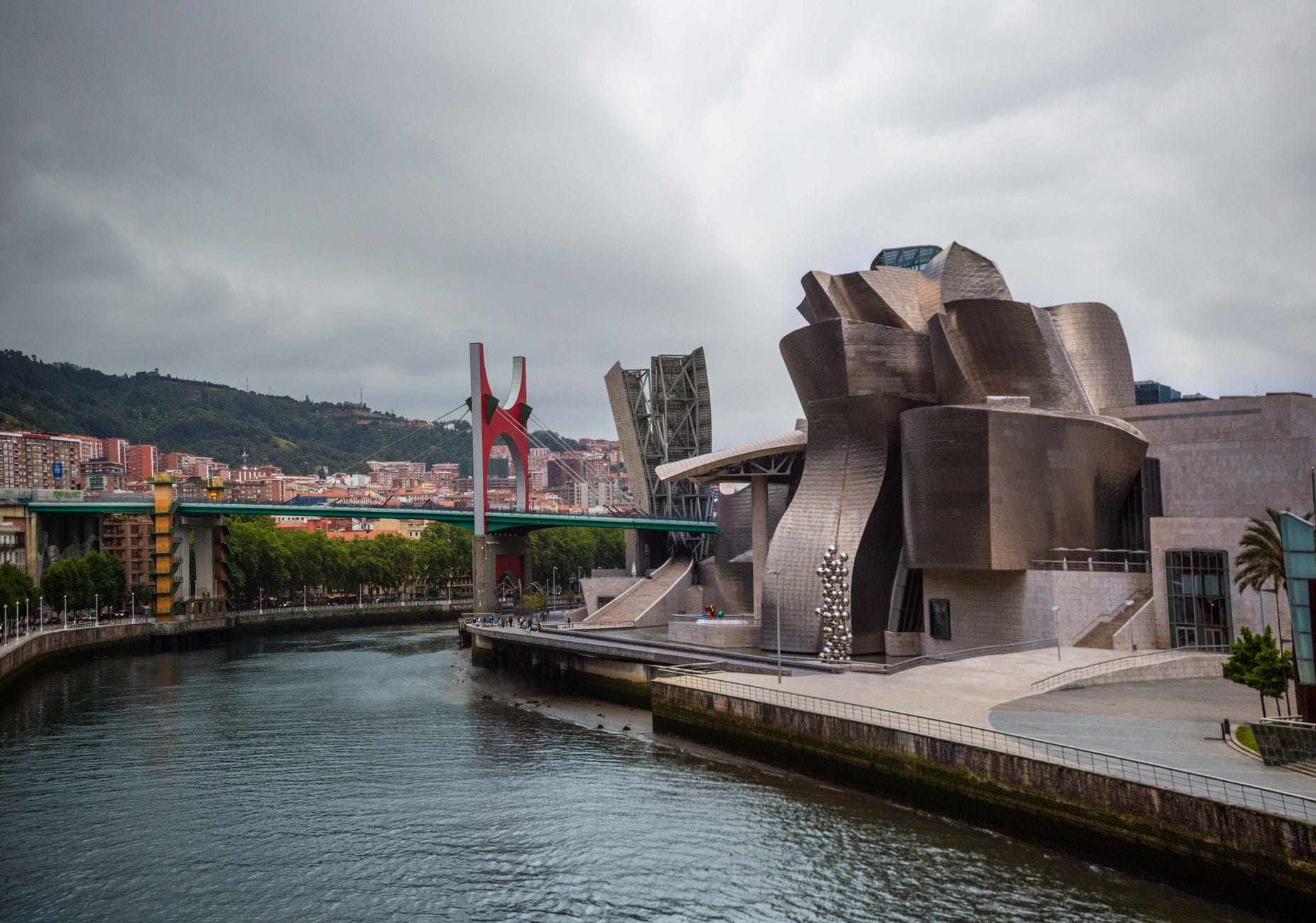
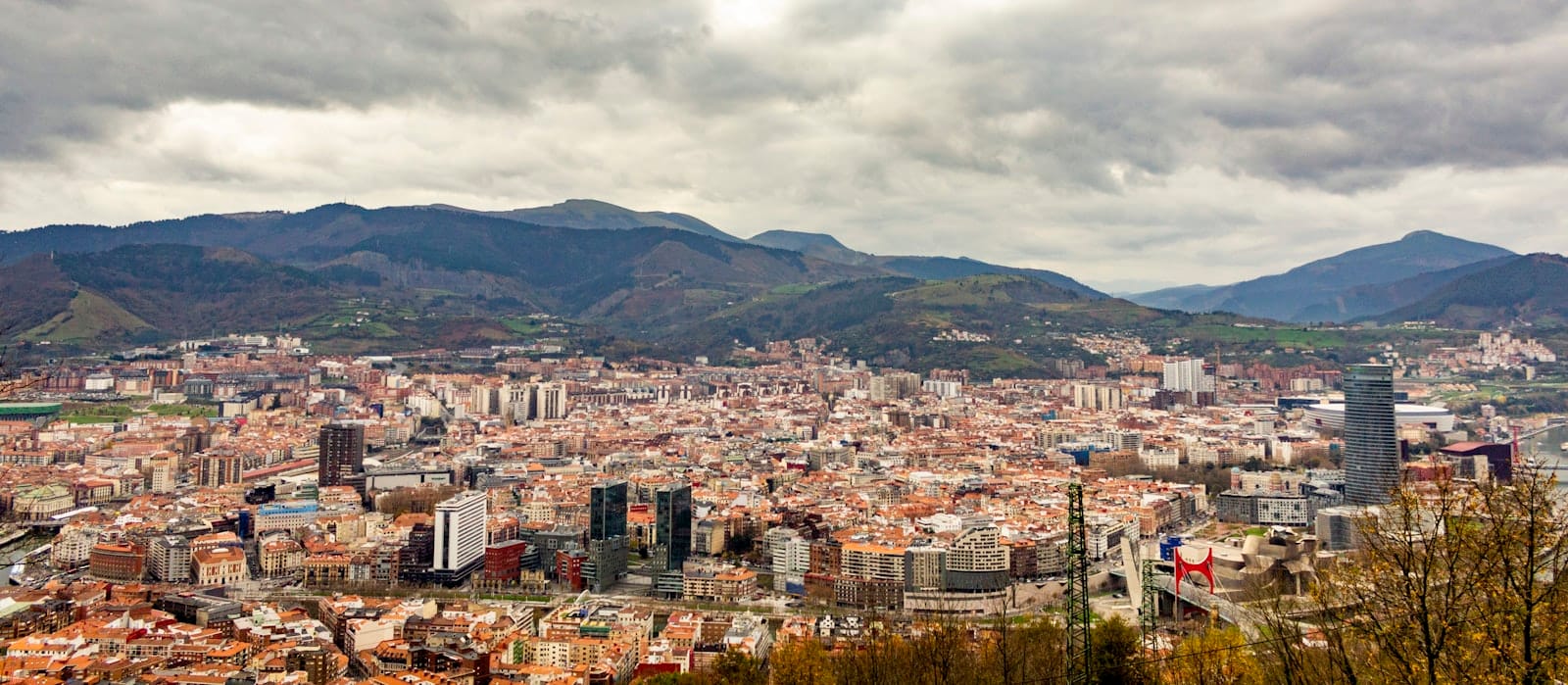
Bilbao sits on the Nervión estuary about 11 km inland from the Bay of Biscay, at roughly 43°N latitude. That position gives it a humid oceanic climate (Köppen Cfb) — which means winters are consistently mild but reliably damp. January highs typically sit around 7–10°C, with daytime averages across December–February often in the high single digits to low teens. Nights often fall to 5–8°C, and occasionally 3–4°C. Snow in the city center is rare — most winters see none at all.
What you will get is rain. Winter is statistically among Bilbao's wettest periods, and the rain tends to be persistent Atlantic drizzle rather than dramatic downpours. Expect overcast skies on most days, with occasional bright spells that make the titanium panels of the Guggenheim gleam unexpectedly. Daylight hours are short: sunrise around 8:30–9:00 and sunset by 17:30–18:00 in December and January, stretching slightly by February. Plan outdoor activities for the middle of the day and front-load museum visits.
⚠️ What to skip
Do not confuse 'mild' with 'warm.' Bilbao in winter is cool and damp in a way that feels colder than the thermometer suggests, especially with Atlantic wind. A waterproof jacket with a mid-layer is more practical than a heavy coat paired with a compact umbrella.
The hills surrounding the city — rising above 400 m — do get snow in winter, and that can occasionally affect road access to rural excursions. If you plan day trips to places like Gorbea Natural Park or higher-altitude villages in Bizkaia, check conditions before you go. The city itself stays green and mostly frost-free throughout the season.
What Winter Actually Looks Like for Visitors
Bilbao is not a city that shuts down in winter. It is a working Basque city of 350,000 people, and daily life carries on exactly as usual. Restaurants, bars, and pintxos spots are fully open. The metro, trams, and buses run their regular schedules. The cultural calendar stays active through December with Christmas markets, txikiteo (bar-hopping) culture in full swing, and New Year events that Bilbaínos take seriously.
The main shift is crowd volume. Summer sees significant tourist pressure, particularly around the Guggenheim and Casco Viejo. In winter, queues shrink, restaurant tables open up without reservations, and locals reclaim their city. For travelers who prefer to move at their own pace, that alone makes winter worth considering.
- December Christmas lights go up along Gran Vía and the old town. The Mercado de la Ribera hosts seasonal stalls. Navidad atmosphere without the package-holiday crowds of Mediterranean Spain.
- January The quietest month. Best hotel prices, fewest tourists. Some smaller businesses take brief winter holidays in early January, but major attractions stay open.
- February Carnival (Inauteriak in Basque) brings street events and costume parades, particularly in Casco Viejo. Dates shift annually — check the city calendar before booking if this is a draw.
The Best Things to Do in Bilbao in Winter
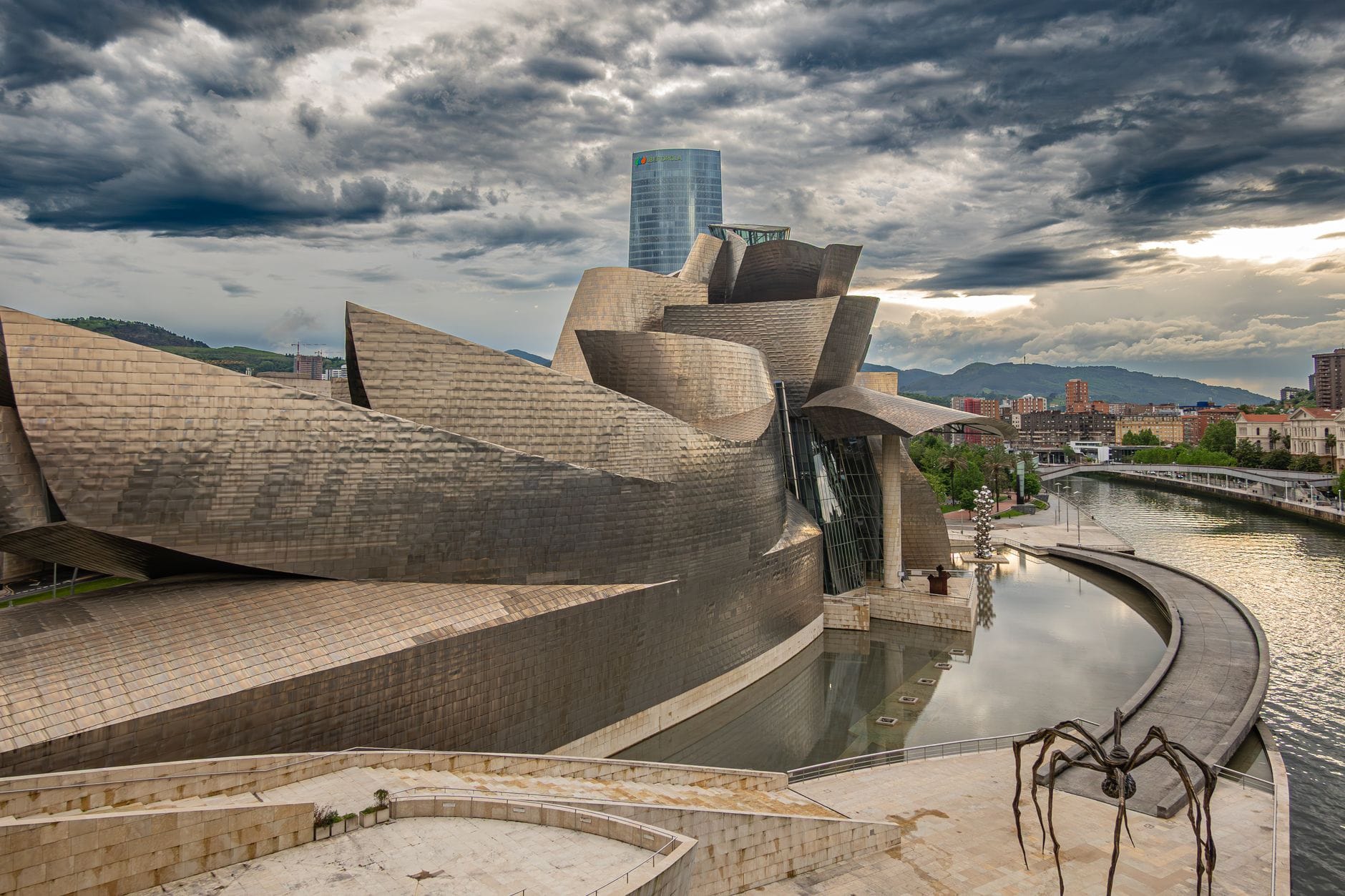
Winter works well for Bilbao's museum circuit. The Guggenheim Museum Bilbao is the anchor — Frank Gehry's titanium building is dramatic in grey winter light, and inside, the rotating temporary exhibitions tend to be among the year's most ambitious. Plan at least two to three hours. Book tickets online to skip any queue, though winter lines are short.
The Museo de Bellas Artes — just a ten-minute walk from the Guggenheim — is one of Spain's strongest fine art collections and consistently undervisited relative to its quality. In winter, it feels like a private tour. Nearby, Parque Doña Casilda is pleasant even in winter for a short walk between museums, though the fountains are typically switched off.
For Basque culture and history, the Euskal Museoa in Casco Viejo is compact but informative. Pair it with a visit to the Mercado de la Ribera, one of Europe's largest covered markets, which is particularly atmospheric in winter when locals do their weekly shopping without a tourist lens pointed at everything.
💡 Local tip
Pintxos culture runs at full speed in winter and is arguably more enjoyable than summer. Bars in Casco Viejo and the Ensanche are warm, convivial, and not packed to the door. Go between 19:00 and 21:00 when Bilbaínos do their evening txikiteo — order a small wine or a Basque cider, point at what looks good on the bar counter, and move on after two or three.
Architecture fans should walk the Abandoibarra waterfront regardless of weather — the sequence from the Zubizuri bridge to the Guggenheim and on to the Euskalduna Concert Hall is one of the most considered urban regeneration stretches in Europe. Check the Euskalduna programme for winter concerts — the schedule is usually strong from October through March.
Day Trips from Bilbao in Winter: What's Feasible
Winter restricts some outdoor excursions but doesn't eliminate them. The key is picking days when the weather cooperates, which does happen, and timing your outdoor time for midday. Some of the most dramatic coastal and inland scenery in the Basque Country is accessible from Bilbao year-round.
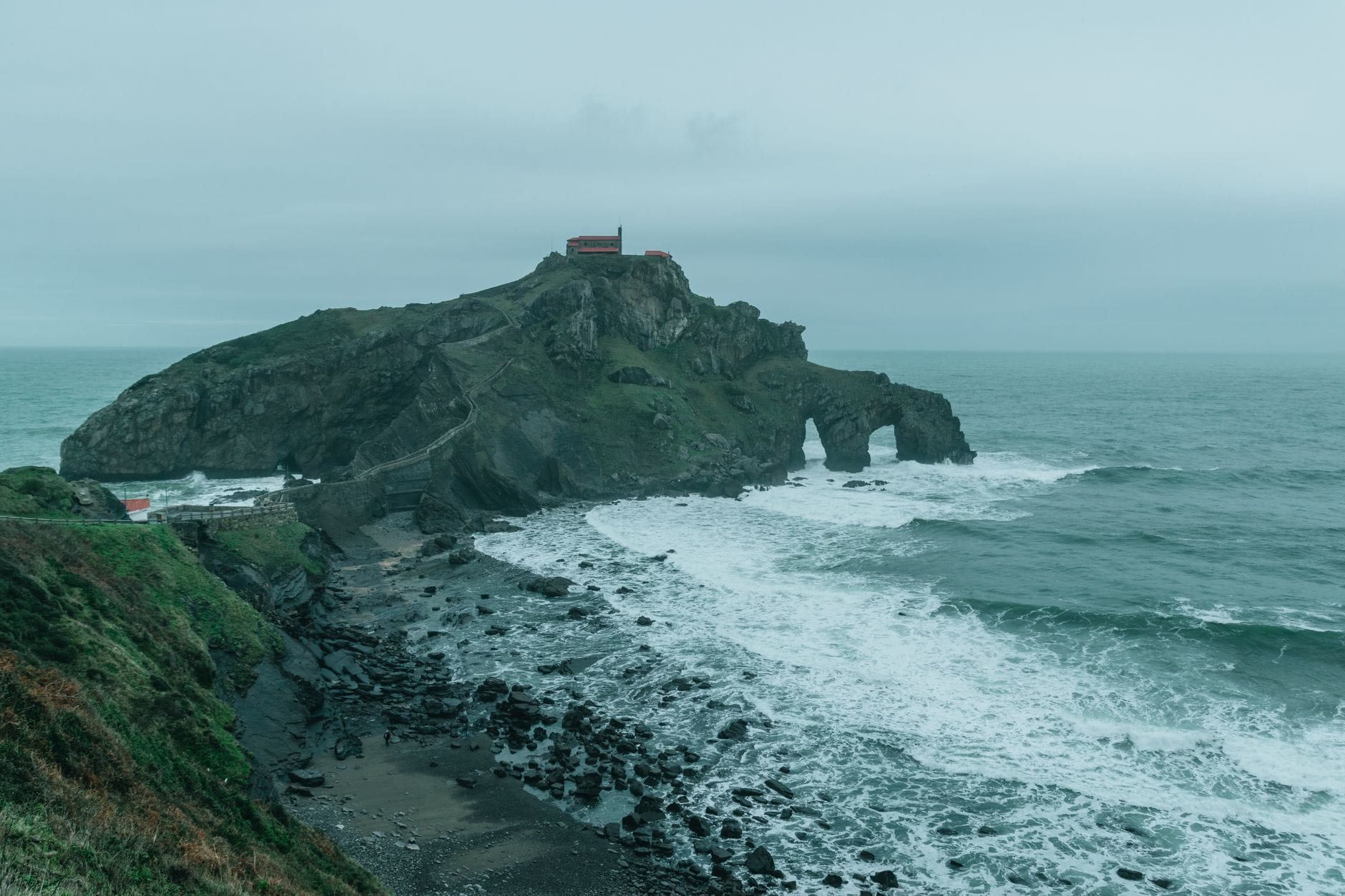
Gaztelugatxe, the island hermitage on the Biscay coast, is accessible in winter and far less crowded than in summer, when timed-entry reservations are mandatory. In winter, access rules are more relaxed, but the path can be slippery after rain — walking boots are essential. The Atlantic in winter is raw and impressive from the clifftops.
Guernica is a straightforward day trip by Euskotren from Bilbao's Casco Viejo (Zazpikaleak) station (around 50 minutes) and works well in any weather. The Gernikako Arbola (Tree of Gernika) and the Basque Parliament building are outdoors but brief visits. The Museo de la Paz (Peace Museum) is indoors and offers serious historical context on the 1937 bombing.
- Getxo (30 min by Metro Line 1) The Bizkaia Bridge (Puente Bizkaia), a UNESCO World Heritage transporter bridge, is a short detour. Ereaga beach is dramatic in winter light. Low effort, easy return.
- Gaztelugatxe (bus from Bilbao, check seasonal schedules) Spectacular in winter, less crowded, but check weather and path conditions before going. Allow half a day minimum.
- Guernica (50 min by Euskotren) History-heavy, mostly indoors, works on a rainy day. Tuesday market day adds local interest.
- Gorbea Natural Park (car recommended) Higher elevations will have snow in winter — beautiful but requires proper gear and road checks. Not suitable for casual day-trippers without hiking experience.
Getting Around and Practical Logistics
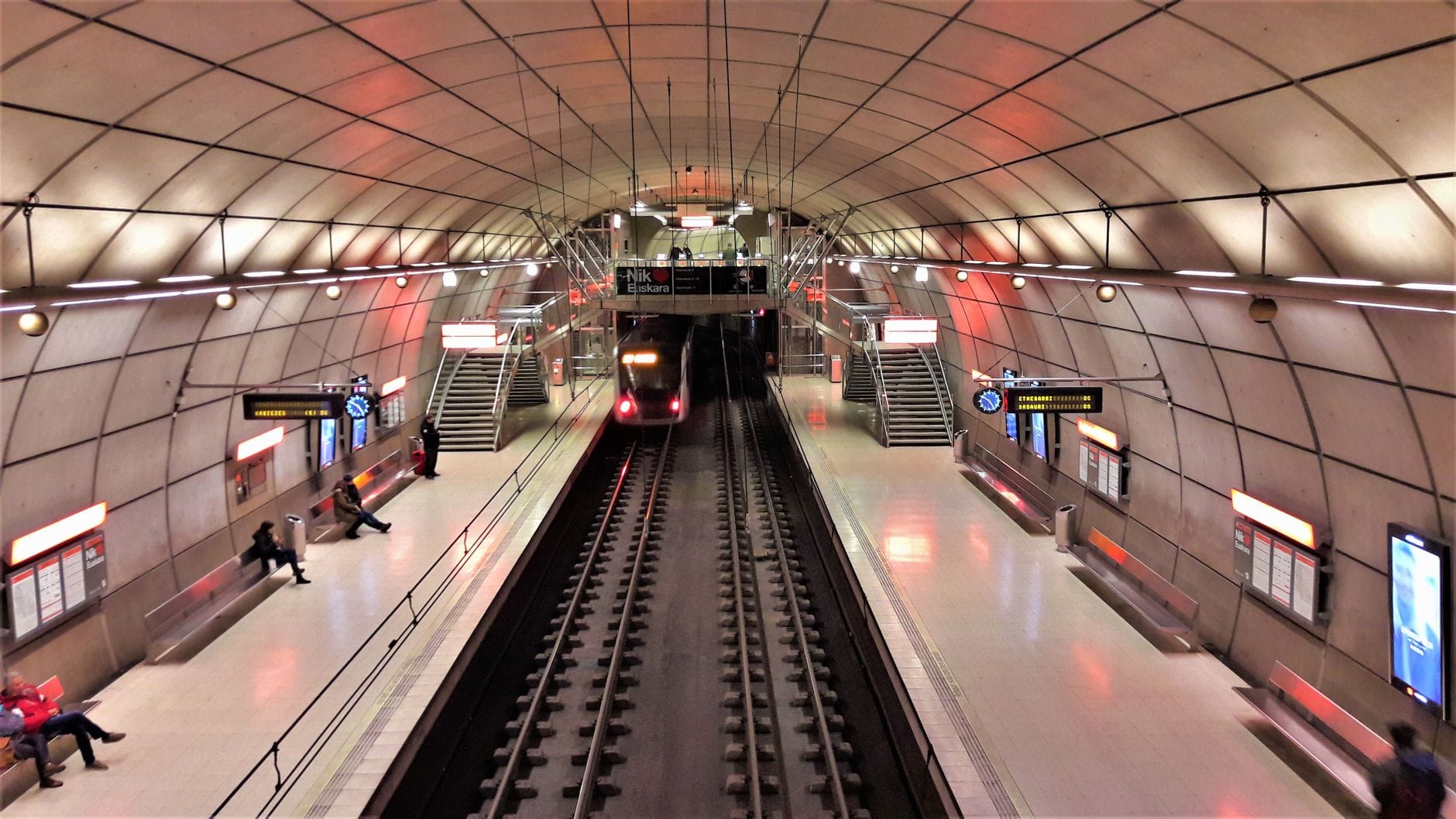
Bilbao's public transport is excellent and runs reliably through winter. Metro Bilbao covers most of the city and the metro area along the estuary, with service from around 06:00 to 23:00 on weekdays, extended past midnight on Fridays and Saturdays. The Euskotren tram runs through central Bilbao connecting the Guggenheim area to the main Abando railway station. Get a Barik card from metro stations for discounted fares across metro, bus, and tram — single tickets cost more and add up quickly.
Bilbao Airport (IATA: BIO) is in Loiu, about 12 km northwest of the city. The Bizkaibus A3247 connects the airport to Plaza Moyúa roughly every 15–20 minutes and costs around €3 one-way (verify current fare before travel). Taxis run €25–30 to the centre in around 15–20 minutes depending on traffic. Full details on options are in the Bilbao airport transport guide.
✨ Pro tip
Hotel rates in January are typically the lowest of the year in Bilbao. If your dates are flexible, mid-January to early February avoids Christmas/New Year premiums and Carnival weekend spikes. Three-star properties in the Ensanche that cost €120–150 in summer regularly drop to €70–90 in January. Book directly with hotels for best rates — Bilbao is not a city where OTA discounts are especially generous.
For accommodation, the Ensanche district (around Gran Vía and Plaza Moyúa) puts you close to the museum strip and good pintxos bars, with easy metro access to Casco Viejo. Staying in Casco Viejo itself is atmospheric but the streets are narrow and parking is essentially impossible if you're hiring a car. Full neighbourhood breakdown is in the where to stay in Bilbao guide.
Is Winter a Good Time to Visit Bilbao?
That depends on what you want. If your priority is beach access, coastal hiking in reliable sun, or Aste Nagusia (the August festival week), winter is the wrong season. But if you want Bilbao's food, architecture, and cultural life without the mid-year tourist layer on top, winter is legitimately strong.
The city's indoor offer is genuinely world-class: two major museums, a concert hall with a serious programme, covered markets, and a pintxos circuit that ranks among the best urban food experiences in Spain. The pintxos scene in Bilbao doesn't have an off-season. Bars in Casco Viejo and the Ensanche are warm and full of locals from October through April, and the bar-to-tourist ratio is far more favorable in winter.
The main drawbacks: you will get rained on at some point, probably more than once. Daylight is limited, so outdoor photography and long walks need to be planned around midday. A handful of smaller attractions and some rural excursion routes are better in summer. But for two to four days of focused city exploration — museums, food, architecture, and a possible day trip — winter holds up well. It is not a compromise. It is a different kind of visit, with its own advantages.
FAQ
Does it snow in Bilbao in winter?
Snow in Bilbao's city center is rare — most winters see none at all. The surrounding hills above 400 m can get snow, but the low-lying urban area stays mild. Expect rain and grey skies rather than frost or snow.
What is the coldest month in Bilbao?
January is typically the coldest month, with highs often around 7–10°C. Nights often fall to 5–8°C, and occasionally 3–4°C, so a warm layer is necessary, but heavy winter coats are generally overkill.
Is Bilbao worth visiting in winter?
Yes, for the right traveler. Museums, pintxos bars, architecture, and the compact walkable city center all work well in winter. Crowds are low, prices are down, and the food culture is at its most local. It is not ideal if you want beach or reliable outdoor hiking weather.
What should I pack for Bilbao in winter?
A waterproof jacket is the single most important item — waterproof, not just water-resistant. Layers underneath (a fleece or light down jacket) work better than one heavy coat. Waterproof walking shoes or boots are practical for wet cobblestones. An umbrella is useful for still days but less so when the wind picks up.
Are museums and restaurants open in Bilbao in December and January?
Yes. The Guggenheim, Museo de Bellas Artes, Euskal Museoa, and most major attractions stay open through winter, though hours can vary slightly. Check individual venue websites before visiting. Restaurants and pintxos bars operate normally. Some very small family businesses may close briefly around Christmas or early January — call ahead if a specific spot is important to your trip.