Getxo is an affluent coastal municipality on the edge of Greater Bilbao, sitting where the Nervión estuary meets the Bay of Biscay. Known for its grand Basque bourgeois architecture, the UNESCO-listed Bizkaia Bridge, and a rugged clifftop promenade, it offers a complete change of pace from the urban intensity of central Bilbao, all reachable in roughly 20–30 minutes on Metro Line 1.
Getxo is where Bilbao exhales. Spread across the northern tip of the Nervión estuary, this well-heeled coastal municipality trades the city's industrial grit for clifftop promenades, sandy beaches, and a streetscape of early 20th-century palaces built by the Basque industrial elite. It is not a neighbourhood in the strict sense but a separate municipality, and that distinction matters: Getxo has its own rhythms, its own identity, and its own reasons to visit.
Orientation
Getxo sits roughly 11 to 14 kilometres north of central Bilbao, occupying the right bank where the Nervión estuary widens into the Bay of Biscay. The municipality covers just under 12 square kilometres and is bordered by Sopelana to the north, Berango and Leioa to the east, Erandio to the south with Portugalete across the water, and the open Atlantic to the west. Thinking of it as a single neighbourhood undersells its internal variety: Getxo is actually a collection of five distinct areas, each with a different character.
Las Arenas is the southernmost neighbourhood, closest to the estuary mouth and the Bizkaia Bridge. Moving north along the coast, Neguri is the grandest residential district, lined with early 20th-century mansions built by Bilbao's industrial elite. Algorta sits above a small working port called Puerto Viejo and has the most atmospheric old quarter. Romo occupies the more workaday inland core. Andra Mari, or Santa María de Getxo, is the historic parish heart of the municipality, quieter and more residential in feel.
For travelers staying in central Bilbao, Getxo slots neatly into a half-day or full-day excursion. The Bizkaia Bridge at Las Arenas is the single most iconic reason to come, but the cliff walk north toward Sopelana and the pintxos bars around Algorta's old port are what make the trip feel complete. If you're planning a broader trip around the region, pair Getxo with a visit to the Abandoibarra waterfront in Bilbao on the same day, since both sit along the same estuary axis.
Character & Atmosphere
The first thing you notice walking through Neguri is the silence. After the compression of central Bilbao's streets, Getxo feels deliberately unhurried. Wide, tree-lined avenues pass behind high stone walls that hint at what's beyond: formal gardens, glazed balconies, and the occasional tower rising above a Rationalist or Modernista facade. This is where Bilbao's 19th and early 20th-century industrial fortunes were spent, and the architecture is a physical record of that wealth.
The mood shifts completely as you descend into Puerto Viejo in Algorta. The streets narrow to barely two metres, fishermen's houses painted in white and ochre crowd together above a small harbour, and on weekend mornings the smell of coffee and frying from the bars on the waterfront competes with the salt air. This is one of the most photogenic corners of the entire Bilbao metropolitan area, and it remains genuinely local in feel, without the density of tourists you find in Casco Viejo on a Saturday afternoon.
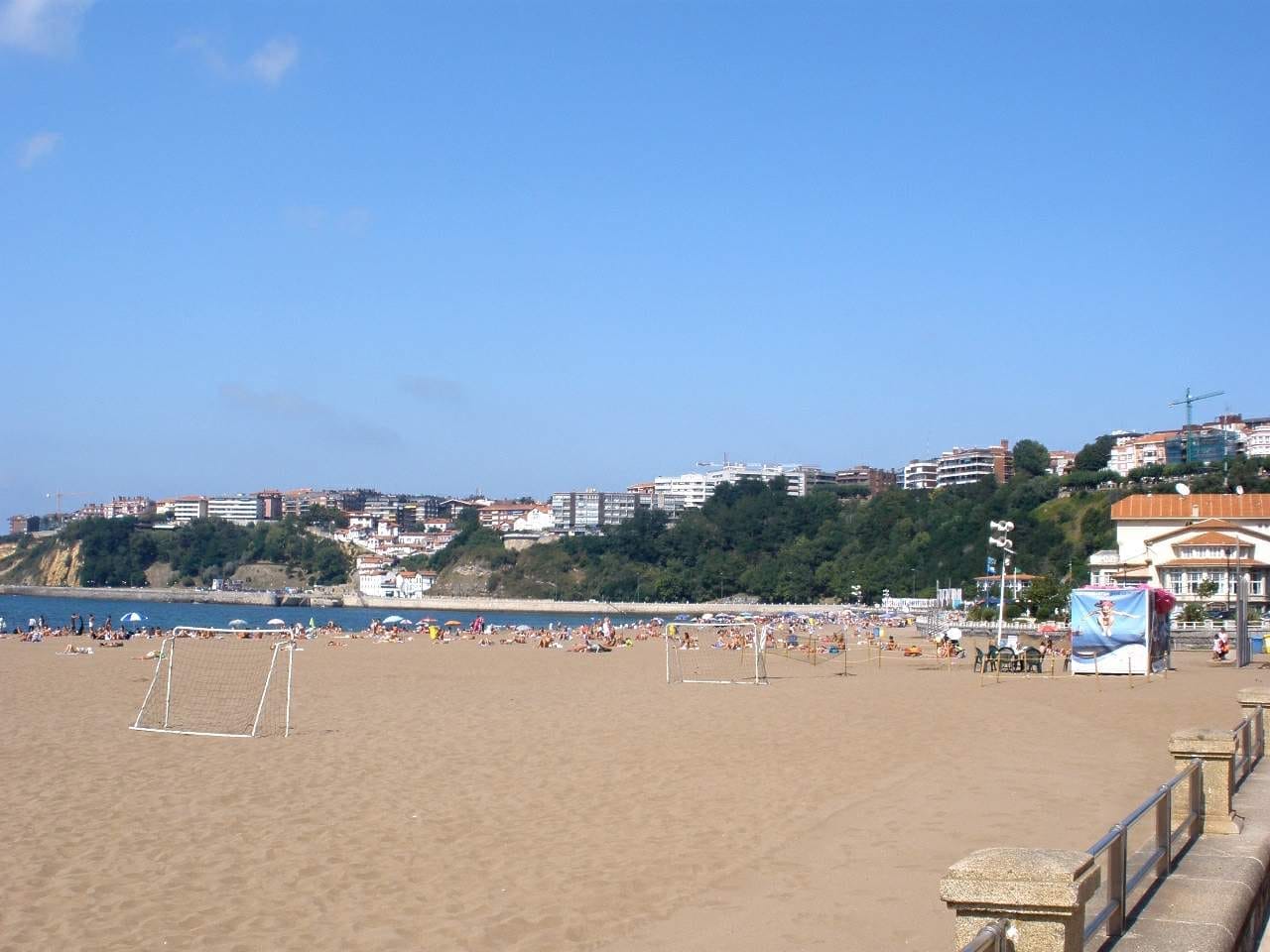
Ereaga beach, a sheltered cove just north of Puerto Viejo, fills with families from mid-morning in summer. The light here on a clear afternoon in July is remarkable: the bay faces west-southwest, which means the water catches the late sun and the promenade along the beach feels entirely Mediterranean in warmth while remaining firmly Atlantic in wind and temperature. In the evenings, locals walk the paseo, and the bars around the beach square fill for the pre-dinner txikiteo, the Basque ritual of bar-hopping with small glasses of wine or beer.
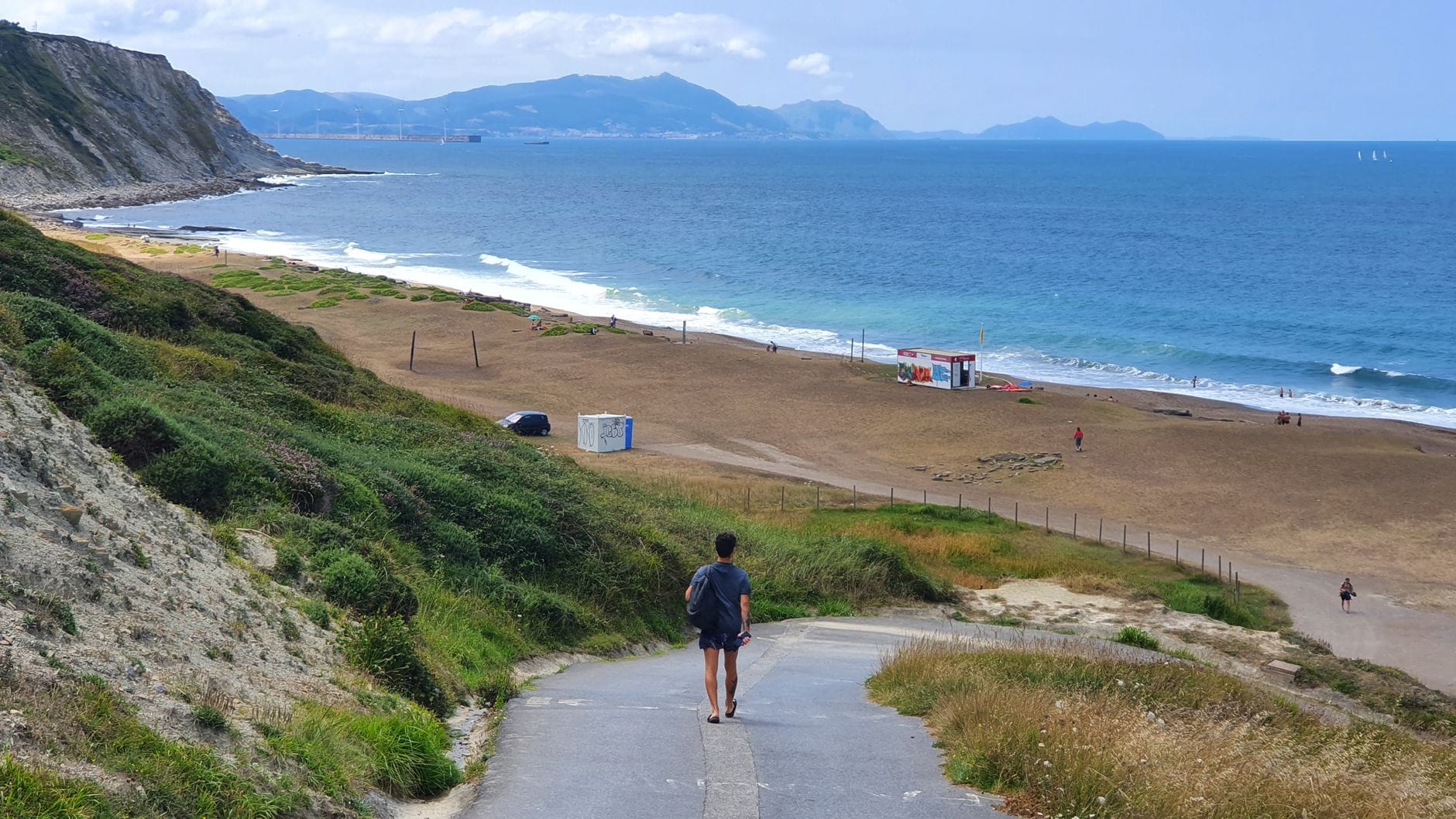
In autumn and winter, Getxo changes register. The Punta Galea clifftop promenade becomes genuinely dramatic: waves from Atlantic storms crash against the limestone cliffs below, the Aixerrota windmill stands against low grey sky, and the path to Sopelana is nearly empty. This off-season version of Getxo is arguably more authentic, though it is emphatically not beach weather. The indoor pintxos bars in Algorta and Las Arenas take on a different importance when the wind is coming in hard off the Cantabrian Sea.
ℹ️ Good to know
Getxo hosts a well-regarded international folk festival and a blues festival during summer months, typically in July and August. Dates change yearly, so check with Getxo's municipal tourism office or the official Getxo.eus website before planning around them.
What to See & Do
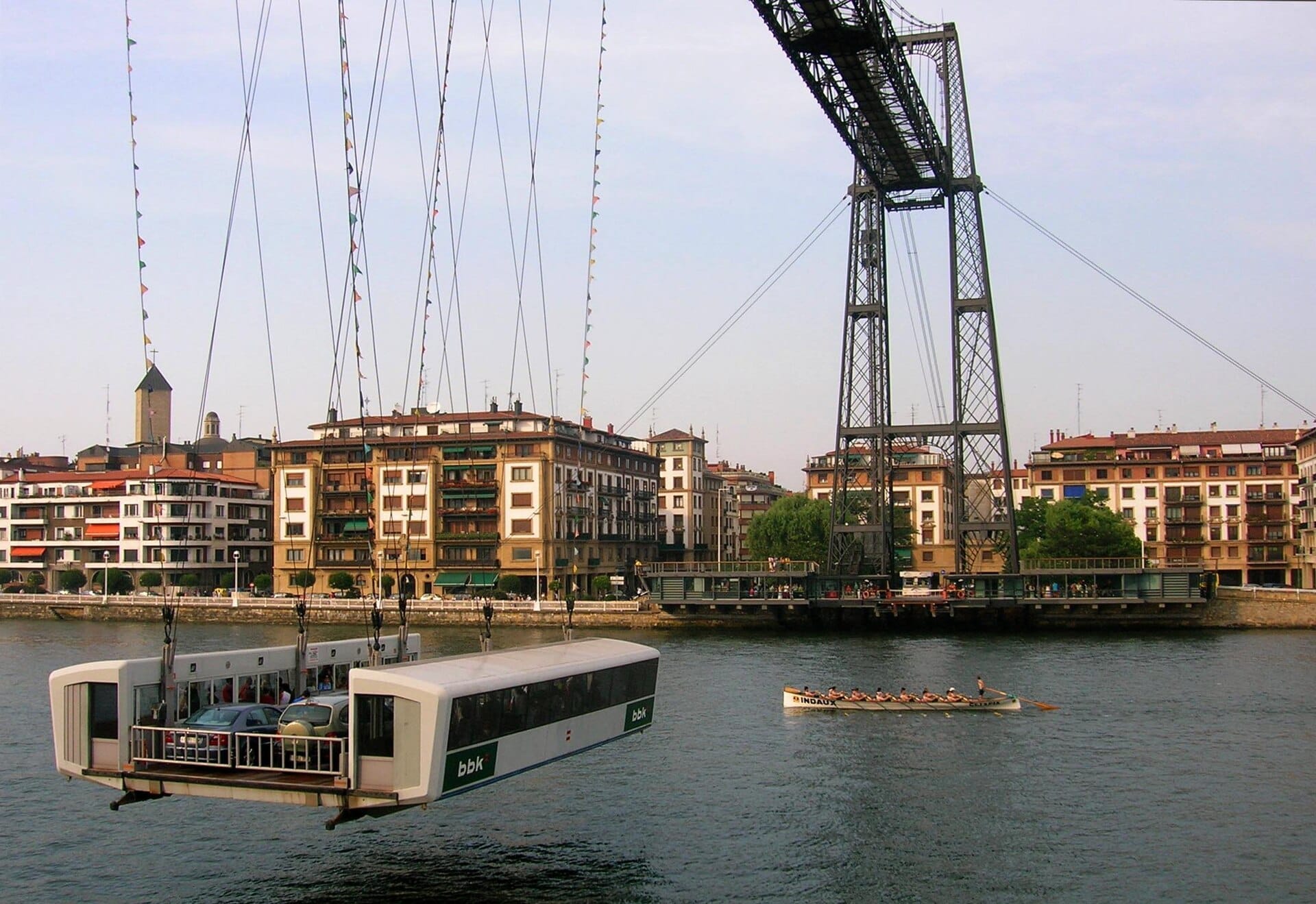
The Bizkaia Bridge, known locally as the Puente Colgante, is the cornerstone of any visit to Getxo. Built in 1893 to designs by Alberto de Palacio, a student of Gustave Eiffel, it was the world's first transporter bridge and remains one of the oldest still in operation. Its UNESCO World Heritage status (awarded in 2006) reflects both its engineering significance and its near-perfect state of preservation. You can cross on the gondola, which hangs from the upper structure and carries passengers and cars across the estuary in a few minutes, or pay separately to walk across the high footbridge at the top for sweeping views over the estuary mouth.
The Punta Galea cliff walk is the other essential experience. The path runs north from the Ereaga beach area, passing the 18th-century Galea fortress and the Aixerrota windmill before continuing toward Sopelana beach. The walk takes between 45 minutes and two hours depending on how far you go, and the coastal views, particularly from the headland itself, rank among the finest accessible from any Bilbao metro stop. The cliffs drop steeply and there are unfenced sections, so keep to the marked path, especially when wet.
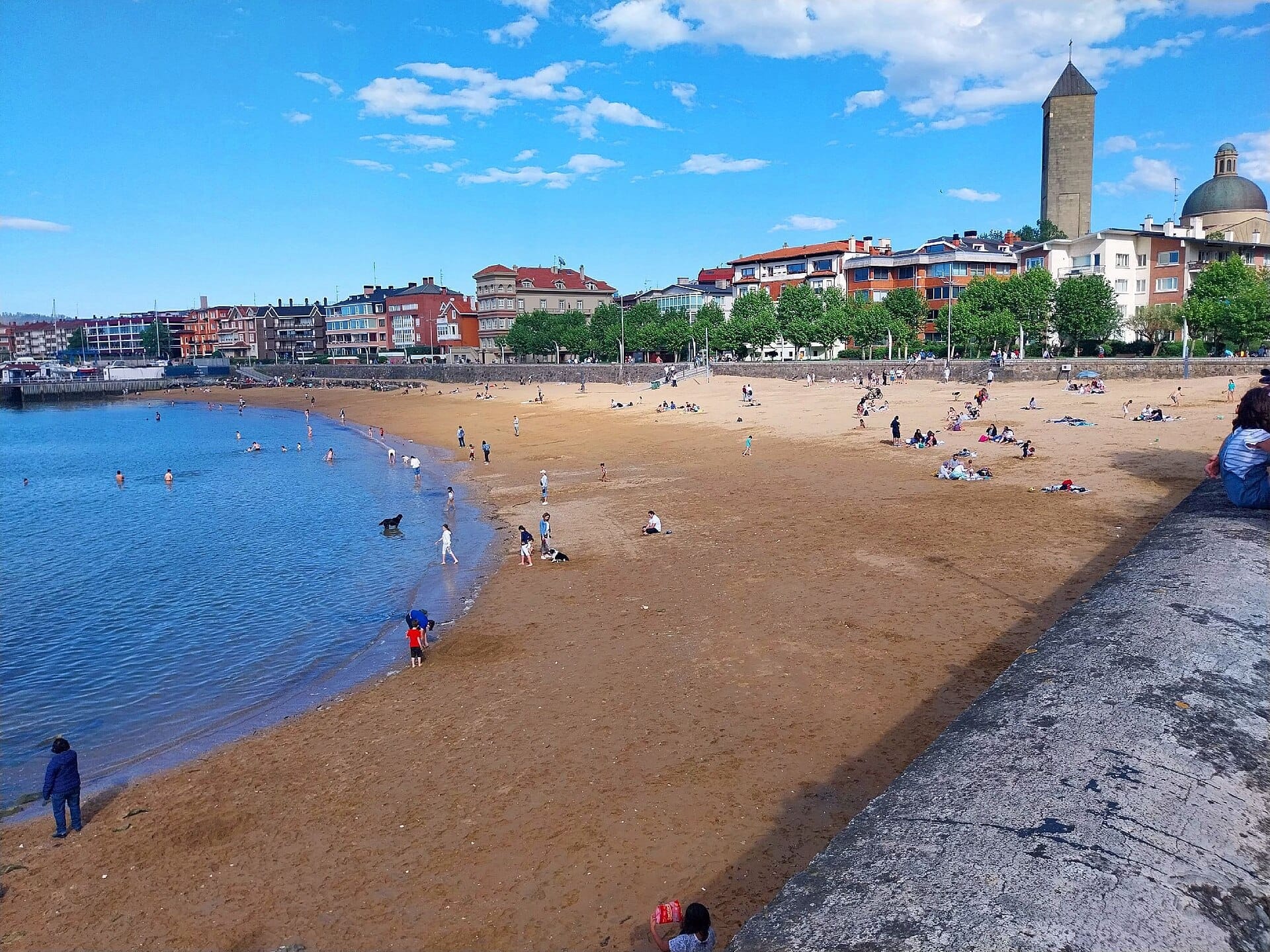
Puerto Viejo in Algorta rewards slow exploration. The old fishermen's quarter has barely changed in plan since the 19th century, and the labyrinth of narrow lanes above the harbour is worth an hour without any specific destination in mind. The Ereaga beach and the adjacent Las Arenas beach offer calm swimming in the bay. Both are well-serviced in summer with lifeguards and beach facilities.
The Neguri district is worth a walking detour purely for the architecture. The seafront Muelle de Ereaga promenade and the streets behind it contain an unusually concentrated collection of early 20th-century villas in Rationalist, Modernista, and Basque Regionalist styles. There are no formal tours, but a self-guided walk through the streets between the Neguri metro station and the beach gives a clear sense of what Bilbao's pre-war merchant class aspired to build.
Cross the Bizkaia Bridge by gondola for the historic engineering experience
Walk the high footbridge over the Bizkaia Bridge for estuary panoramas
Follow the Punta Galea cliff path north toward Sopelana on a clear day
Explore Puerto Viejo's narrow lanes and harbour in Algorta
Swim or sunbathe at Ereaga or Las Arenas beaches in summer
Walk the Muelle de Ereaga promenade for Neguri's villa architecture
Eating & Drinking
Getxo's food scene runs on pintxos, and the bars around Puerto Viejo in Algorta are the best place to experience them. The quality here is consistently high, the prices are fair, and the atmosphere on a Friday or Saturday evening is convivial without being overwhelming. For a broader guide to how pintxos culture works and what to order, the Bilbao pintxos guide is a useful primer before you arrive.
The bars and cafés along the Las Arenas waterfront near the Bizkaia Bridge are more tourist-oriented and slightly pricier, but they are convenient for a coffee or a glass of txakoli (the local dry white wine) after crossing the bridge. The neighbourhood of Neguri also has a handful of high-end restaurants catering to its well-heeled residents, where the cooking tends to be contemporary Basque with a focus on local seafood.
For everyday eating, the streets around Algorta's main square and the area just above Puerto Viejo have a good mix of neighbourhood bars and modest restaurants. These places are not designed for tourists and menus may only be in Spanish and Basque, but that is part of their appeal. A set lunch menu (menú del día) in these spots typically includes three courses with wine for a very reasonable price by Spanish urban standards.
💡 Local tip
If you visit Getxo on a Sunday, note that many of the smaller neighbourhood bars and restaurants close or keep reduced hours. The bars around Puerto Viejo and the Ereaga beach front are most reliably open throughout the week in summer.
Getting There & Around
Metro Line 1 is the backbone of getting to and from Getxo. From central Bilbao, the journey to Neguri station takes around 20 to 25 minutes and the line runs frequently throughout the day. Neguri is the most useful stop for the beach promenade and the grand villa district. Algorta station puts you closer to Puerto Viejo and the old fishing quarter. For the Bizkaia Bridge and Las Arenas, the Areeta station (also on Line 1) is the correct stop. All three are on the same line, so you can travel between them without changing trains. For full transit context, the guide to getting around Bilbao covers the metro system, Barik card, and ticketing in detail.
The Barik rechargeable smart card offers significantly cheaper fares than single tickets and can be used across Metro Bilbao, Bilbobus, and most other public transport in the metropolitan area. It is worth buying even for a short visit if you plan more than two metro journeys. Cards are available at metro station machines.
Bizkaibus also runs several services to the Getxo area from Bilbao, including routes that serve stops near the Bizkaia Bridge. However, the metro is faster and more straightforward for most visitors. Within Getxo itself, the three main areas of interest (Algorta/Puerto Viejo, Neguri/Ereaga, and Las Arenas/Bizkaia Bridge) are connected by pleasant walking routes along the coast and are also served by local bus.
Walking between the Bizkaia Bridge at Areeta and Puerto Viejo in Algorta takes roughly 25 to 35 minutes along the coast, passing through Neguri and the Ereaga promenade. This is the recommended way to move between areas if the weather cooperates, since the seafront path connects all the main points of interest and the views justify the detour.
⚠️ What to skip
The Punta Galea cliff walk has sections with steep drops and no railings. After heavy rain the limestone path can become slippery. Wear footwear with grip and keep to the marked trail. Take care around the unfenced cliff edges, especially with children.
Where to Stay
Most visitors to Getxo stay in central Bilbao and come out for the day, which is the most practical approach. The metro connection is reliable enough that basing yourself in the Ensanche or Casco Viejo gives you faster access to Bilbao's main museums and food scene while keeping Getxo within easy reach. If you specifically want a coastal stay close to Bilbao, there are hotels and apartment rentals in Las Arenas and Algorta that put you within walking distance of the beach.
Staying in Getxo suits travelers who prioritize a quieter, residential atmosphere over proximity to Bilbao's main attractions. The Bizkaia Bridge, the cliff walk, and the beaches are all accessible on foot, and the metro connects you to the Guggenheim, the Mercado de la Ribera, and the rest of the city in under half an hour. It is a reasonable choice for families or those who find central Bilbao too loud, but it is not the right base for someone who wants to maximize sightseeing efficiency.
For a broader overview of accommodation options across the city and its surrounding areas, the where to stay in Bilbao guide compares all the main neighborhoods and explains the trade-offs clearly.
Who Getxo Is For
Getxo is not a substitute for central Bilbao, and it does not try to be. There is no world-class museum here, no concentrated food market, and relatively little nightlife compared to the city. What it offers is specific and valuable: a chance to see a different face of the Basque Country, where Atlantic weather, bourgeois architecture, and fishing village grit coexist in a small coastal strip that most visitors reach in under half an hour from the Guggenheim.
If you have more than two days in Bilbao, Getxo belongs on your itinerary. If you only have one day, it is a harder sell against the Guggenheim Museum Bilbao, the old town, and the waterfront. The Bizkaia Bridge alone is not quite worth a half-day trip for everyone, but paired with the cliff walk and a lunch in Algorta, it becomes a genuinely rewarding excursion.
TL;DR
Getxo is a coastal municipality 11–14 km north of central Bilbao, reached in roughly 20–30 minutes on Metro Line 1 (Areeta, Neguri, or Algorta stations).
The UNESCO-listed Bizkaia Bridge, the Punta Galea cliff walk, and the Puerto Viejo fishing quarter in Algorta are the three essential experiences.
The food scene, particularly pintxos bars around Puerto Viejo, is high quality and less tourist-pressured than central Bilbao.
Best suited for travelers with 2+ days in Bilbao who want a coastal half-day, architecture enthusiasts, beach visitors in summer, and families wanting space and quiet.
Not ideal as a base for first-time visitors focused on Bilbao's museums and old town, and limited for nightlife compared to the city centre.
Bilbao rewards a focused weekend with world-class architecture, one of Spain's best food cultures, and a walkable city centre that packs serious depth into 48 hours. This itinerary covers the essential stops across two well-structured days.
The Basque Country packs extraordinary variety into a compact region: world-class museums, Gothic old towns, wild Atlantic coastline, and some of Europe's finest food. This guide covers the essential stops in and around Bilbao, from the Guggenheim to the fishing villages of the Bizkaia coast.
Bilbao sits at the heart of the Basque Country, one of Europe's most serious food cultures. This guide covers the essential dishes, where to eat them, how the pintxos bar system actually works, and what to skip — so you eat well from your first meal to your last.
Bilbao has a strong museum scene for a city of its size. This guide covers the city's top institutions, from Frank Gehry's titanium icon on the riverfront to the quiet rooms of the Basque Museum in the Casco Viejo, with practical tips to help you plan your visit.
Bilbao's Atlantic climate means rain is always possible, but some months are dramatically better than others. This guide breaks down every season by weather, crowd levels, hotel prices, and festivals so you can pick the right time for your trip.
Bilbao Airport (IATA: BIO) is the main gateway to the Basque Country, located just 9-12 km from the city centre. This guide covers every transport option into Bilbao, with real fares, journey times, seasonal timetable notes, and the common mistakes first-time visitors make.
Bilbao's architectural story spans Gothic old-town churches, grand 19th-century boulevards, and one of the most consequential buildings of the 20th century. This guide covers every major landmark, the best walking routes, seasonal tips, and what to prioritize if your time is limited.
Bilbao sits inland on the Nervión estuary, but within 40 km you'll find some of northern Spain's finest coastline. This guide covers the best beaches near Bilbao, from sheltered urban strands reachable by metro to dramatic surf breaks and picturesque fishing villages.
Aste Nagusia (Semana Grande) turns Bilbao into one of Europe's great street festivals every August. This guide covers exact dates, the free concert schedule, txosna culture, accommodation realities, and practical tips for navigating nine days of non-stop celebration.
Bilbao in winter is mild, rainy, and far less crowded than summer. This guide covers the real weather, what to do indoors and out, how to navigate the city, and why the off-season has genuine advantages for the right kind of traveler.
Bilbao's nightlife runs later and harder than most visitors expect. This guide walks you through every stage of a proper Bilbao evening, from early pintxo crawls and riverside sunset walks to cocktail bars, live music, and clubs that don't fill until 2am.
Two Basque cities, 77 kilometres apart, and both worth your time — but for very different reasons. This guide breaks down what Bilbao and San Sebastián each do best, who they suit, how much each costs, and why the real answer is often 'both'.
Bilbao is compact enough to explore on foot in a single day, but the route you choose makes all the difference. This guide covers the best self-guided walking tour of Bilbao from Casco Viejo to the Guggenheim, with practical timings, admission costs, seasonal advice, and practical tips on what to skip.
Bilbao is a strong family destination. This guide covers the best kid-friendly attractions in the city and the wider Bizkaia province, from interactive museums and funicular rides to fairy-tale castles and sheltered beaches.
Bilbao's compact centre is walkable, but its integrated public transport network — metro, tram, city buses, and regional rail — makes the whole metro area easy to navigate. This guide covers every option, from the Barik smart card to airport transfers, with practical advice on what's worth using and what to skip.
Bilbao has pulled off one of Europe's most remarkable urban reinventions, transforming from a grimy industrial port into a world-class destination for architecture, food, and culture. But is it right for your trip? This guide gives you the full picture: what genuinely impresses, what disappoints, and exactly how to make the most of it.
Pintxos are the beating heart of Bilbao's food culture. This guide covers the best neighbourhoods and bars for a classic txikiteo crawl, how ordering works, what things cost, and the etiquette mistakes most visitors make. Whether you have one evening or three, here's how to eat like a Bilbaíno.
Bilbao offers a surprising amount for a city of around 350,000. This guide covers the best things to do in Bilbao, Spain, from world-class museums and Europe's largest covered market to coastal day trips and the Basque food scene, with practical advice on timing, pricing, and getting around.
Bilbao packs a lot into 40 square kilometres. This guide breaks down the city's main neighbourhoods by traveller type, budget, and atmosphere, so you can choose where to stay with confidence, whether you're here for a weekend city break or a longer Basque Country trip.