Urdaibai Biosphere Reserve: The Basque Country's Most Important Wild Landscape
Declared a UNESCO Biosphere Reserve in 1984, Urdaibai protects about 22,000 hectares of estuary, marshland, coastal cliffs, and oak forest along the Oka River valley in Biscay. Free to access and about an hour from Bilbao, it rewards visitors who come with patience and good walking shoes.
Quick Facts
- Location
- Busturialdea, Biscay — approx. 40–50 km northeast of Bilbao, spanning 22 municipalities around the Oka River estuary
- Getting There
- By car via N-634 then BI-635; by Euskotren from Bilbao (Zazpikaleak/Casco Viejo station) toward Bermeo or Mundaka — check current timetables at euskotren.eus
- Time Needed
- Half day minimum; full day recommended. Multi-day if hiking or birdwatching seriously
- Cost
- Free access to the reserve landscape. Individual facilities (Urdaibai Bird Center, museums) charge separate fees — verify on-site
- Best for
- Birdwatchers, hikers, coastal scenery, nature photography, escaping Bilbao's urban core
- Official website
- www.urdaibai.eus/en
What Urdaibai Actually Is
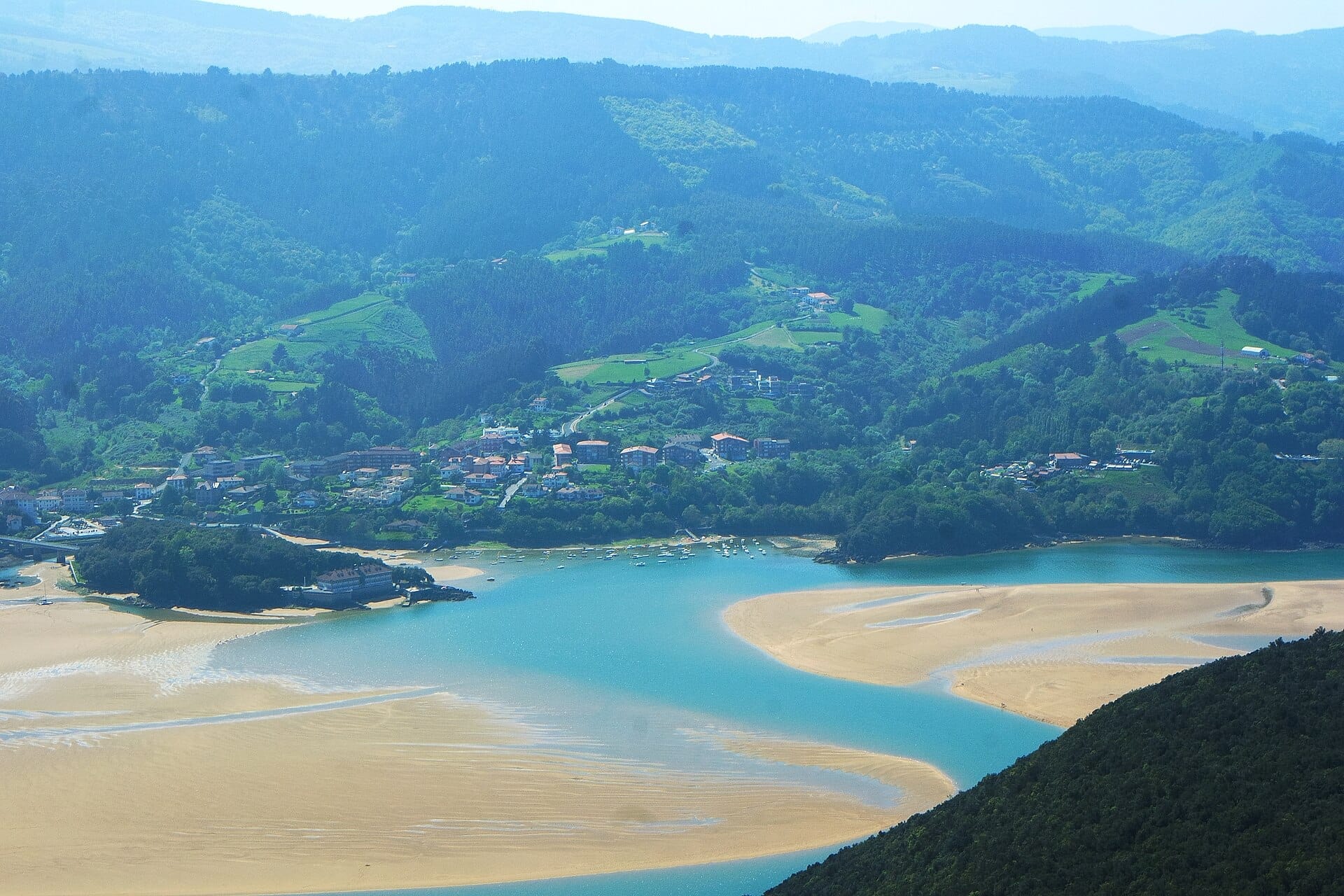
The Urdaibai Biosphere Reserve is not a single park with a gate and a ticket booth. It is a working, inhabited landscape — 22 municipalities, roughly 22,000 hectares of terrestrial area (UNESCO cites about 22,068 ha) plus around 269 hectares of marine zone — all organized around the estuary of the Oka River as it widens and meets the Bay of Biscay near the town of Mundaka. UNESCO granted it Biosphere Reserve status on 6 December 1984 under the Man and the Biosphere Programme, and in 1992 the estuary wetlands were added to the Ramsar List of Wetlands of International Importance.
The reserve covers roughly 10 percent of Biscay's total surface. Within that area you will find salt marshes, tidal mudflats, coastal dune systems, sea cliffs, oak and ash woodland, rivers, farmland, and small fishing villages. No two corners look alike, which is both the reserve's main appeal and the reason first-time visitors sometimes struggle to know where to start.
ℹ️ Good to know
The reserve has no single entrance or visitor hub. Plan your route around specific anchor points: Guernica (cultural context and road connections), Mundaka (surf beach and estuary mouth), or the Urdaibai Bird Center near Gernika-Lumo for structured birdwatching.
The Estuary: Heart of the Reserve
The Oka estuary is what gives Urdaibai its ecological significance. At low tide, the mudflats stretch wide and gray, and the smell of salt and exposed sediment is sharp and unmistakable. Herons stand motionless in the shallows. Wading birds probe the mud. The light in the estuary changes constantly — flat and pale in the morning, warmer and more textured by late afternoon when the sun drops toward the western hills.
At high tide the character shifts entirely. The water rises to cover the marshes, small boats bob near the villages, and the estuary takes on a calmer, almost lake-like quality. If you are driving through, stopping at one of the pullouts along the BI-635 road at different tidal stages gives a markedly different experience each time. Tidal timing matters here in a way it rarely does for urban attractions.
The estuary is internationally recognized as a critical staging and wintering area for migratory waterbirds traveling the Atlantic Flyway. Species counts run into the tens of thousands during peak migration periods in autumn and spring. For serious birdwatchers, the area around the Mundaka coastline and the Urdaibai Bird Center observation hides provide the best access to the core wetland habitats.
Tickets & tours
Hand-picked options from our booking partner. Prices are indicative; availability and final rates are confirmed when you complete your booking.
San Juan de Gaztelugatxe guided tour from Bilbao
From 65 €Instant confirmationFree cancellationSan Sebastian, Hondarribia, Hendaye, and Getaria from Bilbao
From 54 €Instant confirmationFree cancellationGaztelugatxe and Mundaka small group guided tour from Bilbao
From 50 €Instant confirmationFree cancellationBilbao walking tour
From 16 €Instant confirmationFree cancellation
Anchor Points: Where to Actually Go
Given the reserve's scale, choosing two or three focal points makes for a coherent visit. Three stand out as reliably worthwhile.
Mundaka and the Estuary Mouth
The fishing village of Mundaka sits at the northern tip of the reserve where the Oka meets the sea. It is small, compact, and attractive without being polished for tourists. The left-hand breaking wave off the river mouth is considered one of the finest surf breaks in Europe, and on good autumn swells you can watch surfers from the clifftop path without getting close to the water. Across the estuary mouth, the island of Izaro sits offshore, and on clearer days the coastline toward Bermeo is visible. Mundaka is also a convenient jumping-off point for San Juan de Gaztelugatxe by road — the coastal shrine lies roughly 12–15 km west, making it a worthwhile combination if you have a full day.
Urdaibai Bird Center
Located near Gernika-Lumo, the Urdaibai Bird Center (Urdaibaiko Txori Zentroa) is the reserve's most structured visitor facility. It combines an interpretation center with observation hides overlooking the marshes. The center has its own opening hours and admission fees that must be checked directly at birdcenter.org before visiting, as these are subject to change. Even non-birders find the hide experience rewarding in autumn and winter when the estuary is full of ducks, waders, and raptors. The footpath network around the center is well-signed and manageable for visitors without specialist hiking gear.
Gernika-Lumo (Gateway Town)
Gernika-Lumo (commonly called Guernica in English) is the largest town near the reserve's center and the most practical base for exploring. It has restaurants, a Tuesday market, and historical significance that extends well beyond the reserve itself — the town was heavily bombed in April 1937 during the Spanish Civil War, an event commemorated in Picasso's famous painting. The Guernica Peace Museum is located here and adds meaningful cultural weight to what would otherwise be a nature-focused day trip.
How the Experience Changes by Season
Spring (April to June) is when the oak woodlands are at their most lush, the hillsides green in a way that feels almost saturated, and breeding birds are active and audible. The marshes are alive with reed warblers and sedge warblers. Rain is frequent, as it is throughout Urdaibai's Atlantic climate, but the landscape absorbs it well and the air has a clean, resinous quality after showers.
Autumn, particularly September through November, is the prime season for birdwatching. Migrating raptors pass along the coast, and wildfowl numbers build steadily in the estuary. The light in October is low and warm, excellent for photography. Crowds are thin compared to summer. This is the season most serious visitors choose.
Summer brings more visitors, particularly to Mundaka and the coastal edge of the reserve. The Basque coast stays mild rather than hot — average temperatures in the mid-20s Celsius — but holiday traffic on the BI-635 can slow progress significantly on weekends. If you visit in July or August, early morning starts make a real difference.
Winter is the most atmospheric and the least crowded. The estuary holds its largest concentrations of wintering waterbirds. Gray skies, empty footpaths, and the sound of wind through the reed beds characterize the experience. It is not comfortable in the conventional sense, but it is quietly memorable. Bring waterproof layers regardless of the forecast.
⚠️ What to skip
Urdaibai's weather is classic Atlantic: rain can arrive suddenly at any time of year. A waterproof jacket is not optional. Mud on trails after rain is significant, so waterproof footwear matters on anything other than paved paths.
Getting There from Bilbao
By car, the most direct route from Bilbao follows the N-634 east to the junction with the BI-635, which runs north through the heart of the reserve between Amorebieta-Etxano and Bermeo. The drive takes approximately 45 to 60 minutes depending on traffic and your specific destination within the roughly 22,000-hectare reserve. Parking in Mundaka can be tight in summer; Gernika-Lumo has more space.
By public transport, Euskotren operates train services from Bilbao's Zazpikaleak/Casco Viejo station to both Bermeo and Gernika-Lumo. This is a pleasant approach — the train follows the Oka valley into the reserve, and the views from the window give a good sense of the landscape before you arrive. Check current timetables at euskotren.eus before travel, as schedules vary by day and season. From Gernika-Lumo, local buses connect to some villages within the reserve, but a car gives significantly more flexibility. For travelers combining the reserve with the coast, Gaztelugatxe is roughly 12–14 km west of Mundaka by road.
Practical Walkthrough: A Sensible Day Plan
A well-structured day in Urdaibai might run as follows: arrive at the Urdaibai Bird Center in the morning when light is best for the hides and the interpretation center is less busy. Spend two hours there, then drive or take the train north to Gernika-Lumo for lunch — the town has a reasonable range of pintxos bars and sit-down restaurants. After lunch, continue to Mundaka for the estuary mouth views and the village atmosphere. If energy remains, the clifftop path toward Bermeo offers one of the better coastal panoramas in the reserve.
For those with a car and a full day, combining Urdaibai with Mundaka's beach and a stop in Bermeo adds depth without overloading the itinerary. This pairs well with the broader Basque Country itinerary if you are spending more than two days in the region.
💡 Local tip
Photography tip: The estuary is most photogenic at low tide in the hour after sunrise or the hour before sunset. The Mundaka clifftop gives a wide view over the sandbar and river mouth — bring a medium telephoto if you want to capture surfers or birds at distance.
Who Gets the Most From This Place
Urdaibai is not a passive experience. There is no single viewpoint where you stand for five minutes, take a photo, and feel satisfied. The reserve rewards people who are willing to walk, to wait, and to pay attention. Birdwatchers who do their homework on tidal timing and seasonal migration will find it outstanding. Hikers who prefer varied terrain over dramatic peaks will enjoy the estuary-edge trails and the oak woodland routes. Photographers with an interest in natural light and landscape will find constant material.
Travelers who need clear narratives and structured experiences may find the reserve's diffuse character frustrating. If you visit on a tight schedule expecting a single obvious highlight, you risk driving through and feeling underwhelmed. The reserve asks something of you, and it returns more when you give it time.
For families, the terrain around the Bird Center is manageable, and the interpretation center works well for older children with an interest in wildlife. Younger children may find long stretches of estuary-edge walking less engaging. If you are traveling with kids and looking for a balance of nature and other activities, the Bilbao with kids guide covers how to integrate day trips like this into a broader family itinerary.
Insider Tips
- Check tide tables before you go — the estuary experience changes dramatically between low and high tide, and low tide in the morning gives the best conditions for both birdwatching and photography. Tide times for Mundaka are available from several free maritime forecast apps.
- The Euskotren train from Bilbao's Zazpikaleak/Casco Viejo station is underused by tourists and enjoyable. The Gernika-Lumo line follows the Oka valley directly through the reserve, giving you a free scenic overview before you even step off the train.
- Tuesday is market day in Gernika-Lumo, when the town's covered market fills with local produce, cheese, and seasonal vegetables. Combining a Tuesday visit adds a layer of local life that the reserve itself cannot provide.
- The clifftop path between Mundaka and Bermeo is less walked than the estuary trails and offers the best cliff scenery in the reserve. It takes about 90 minutes one way and requires good shoes — the path is uneven in places.
- If you are primarily visiting for birds, contact the Urdaibai Bird Center in advance. They run guided visits and can advise on current species and optimal hide positions for the season, information that is not available in any printed guide.
Who Is Urdaibai Biosphere Reserve For?
- Birdwatchers targeting Atlantic migratory species and wintering waterbirds
- Hikers and walkers who prefer coastal and estuary terrain over mountain routes
- Nature and landscape photographers seeking non-urban Basque scenery
- Travelers combining culture and nature who want to pair Guernica's Peace Museum with the reserve
- Day-trippers from Bilbao looking for a full sensory break from the city
Nearby Attractions
Combine your visit with:
- Bakio Beach
Stretching nearly a kilometre along the Bizkaia coast, Bakio Beach is the largest and most complete sandy beach within easy reach of Bilbao. With reliable surf, a long promenade, full facilities, and Blue Flag certification, it draws everyone from families to serious wave riders.
- Bermeo
Perched on the rugged Biscay coast about 35 kilometres northeast of Bilbao, Bermeo is one of the Basque Country's oldest and most significant fishing towns. With a harbour still piled with nets, a medieval old quarter dating to 1236, and a front-row seat to one of northern Spain's most dramatic coastlines, it rewards travellers who venture beyond the city.
- Castillo de Butrón
Rising from dense Biscayan woodland just over 20 km from Bilbao, Castillo de Butrón is one of the most visually striking pieces of architecture in the Basque Country. Originally a medieval tower-house, it was radically rebuilt in neo-Gothic style in 1878 and today stands as a classified Historic Monument. Interior access is currently not available to the general public, but the exterior alone makes the short drive worthwhile.
- San Juan de Gaztelugatxe
A 10th-century hermitage perched on a jagged sea islet connected to the mainland by a cobbled stone bridge and 241 steps. San Juan de Gaztelugatxe sits roughly 45 minutes by car from Bilbao and delivers one of the most visually striking landscapes on the entire Atlantic coast of Spain. Free to enter, but requiring advance reservation in peak season.