Sydney CBD is the commercial and cultural heart of the city, stretching from Circular Quay south to Central Station and flanked by Darling Harbour to the west and the Domain to the east. It packs world-famous landmarks, major shopping streets, fine dining, and one of Australia's most efficient transit networks into a compact, walkable grid.
Sydney CBD is where the city's ambitions are most legible: the Opera House curves over the water to the north, George Street runs ruler-straight through the middle, and the whole grid tilts slightly toward a harbour that is never entirely out of view. It is simultaneously a working city centre and one of the most visited urban cores in the Pacific.
Orientation
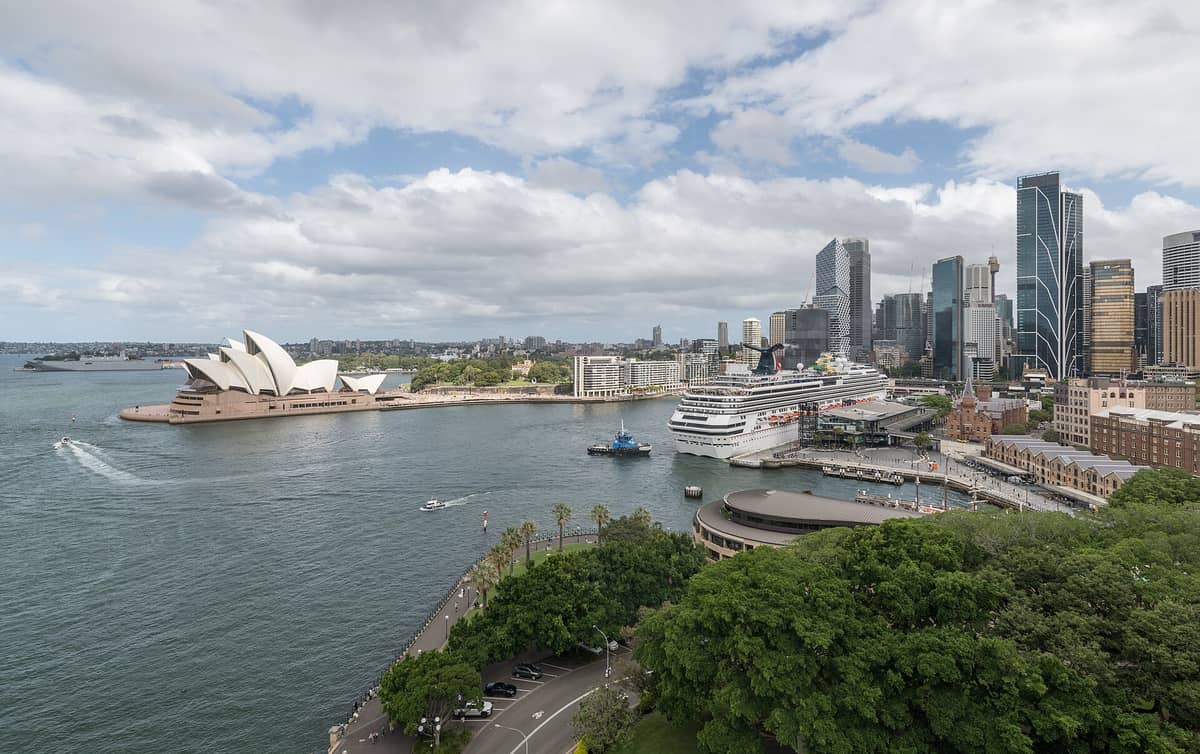
The CBD occupies the tip of a peninsula that juts into Port Jackson. Its northern edge is Circular Quay, where ferry wharves, train lines, and the start of The Rocks converge at the base of the Sydney Harbour Bridge. The eastern boundary runs roughly along Macquarie Street and the edge of the Royal Botanic Garden, which opens onto the Domain parklands. The southern limit is Central Station, the city's main rail interchange. To the west, the CBD meets Darling Harbour along the reclaimed foreshore of Darling Drive and Pyrmont Bridge Road.
George Street is the CBD's central spine, running almost perfectly north-south from Circular Quay to Central. It carries the light rail and most of the street-level foot traffic. Pitt Street, one block east, is the main retail corridor and home to Pitt Street Mall. Martin Place cuts east-west between George and Macquarie Streets and functions as the CBD's civic square. Understanding these three streets gives you a mental map that makes the rest of the grid fall into place. From the CBD, neighbouring areas radiate outward: Circular Quay and The Rocks sit directly to the north, Darling Harbour to the west, and Surry Hills and Darlinghurst begin just beyond the CBD's southeastern edge near Central.
Distances are deceptive on a map. The walk from Central Station to Circular Quay along George Street takes roughly 25 to 30 minutes at a comfortable pace, passing through the CBD's most dense commercial and retail blocks. The walk from Town Hall west to the Darling Harbour waterfront takes about 10 minutes. Because the terrain is mostly flat except for a gentle rise around Hyde Park and the eastern edge near St Mary's Cathedral, walking is genuinely practical for most visitors.
Character and Atmosphere
Early on a weekday morning, the CBD belongs to its workers. By 7:30am, the coffee queues outside cafés on York Street and Clarence Street are already deep. The light rail on George Street fills with commuters, and Wynyard Station disgorges a steady crowd from the North Shore. The streets around Martin Place have a purposeful, slightly compressed energy that feels entirely different from the same blocks at noon on a Sunday.
By late morning, tourists layer over the weekday rhythm. The stretch between Town Hall and Circular Quay fills with international visitors moving between the Queen Victoria Building, the Pitt Street Mall shops, and the waterfront. On weekends, much of this happens without the commuter overlay, giving the CBD a slightly more relaxed pace — though the major landmarks are busier than ever. The harbour end of the city, from Circular Quay around to the Opera House forecourt, draws crowds almost around the clock.
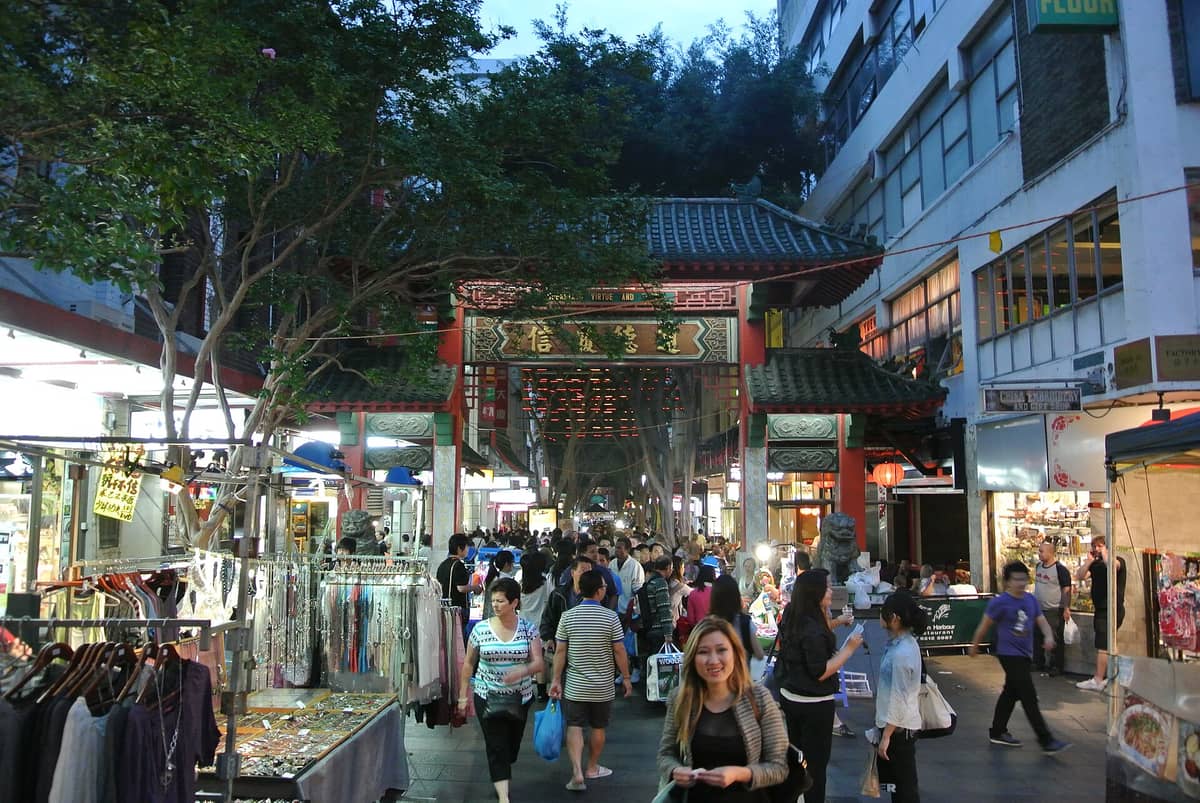
After dark, the CBD splits into distinct zones. The financial district around Martin Place and Macquarie Street empties quickly after 6pm. The area around World Square and the blocks south of Town Hall stays active later, fed by restaurants and cinema-goers. Chinatown and Haymarket, technically at the CBD's southern fringe near Paddy's Markets, run noisily until well past midnight on weekends, with restaurants serving until late. The Rocks precinct to the north has its own pub culture, particularly on Thursday and Friday evenings.
ℹ️ Good to know
The CBD is denser and more vertical than it looks from the water. Street-level noise from construction, light rail, and deliveries is part of daily life in the centre. If you're sensitive to urban noise, choose accommodation on a higher floor or in a quieter sub-precinct like Macquarie Street or the Domain-adjacent eastern edge.
What to See and Do
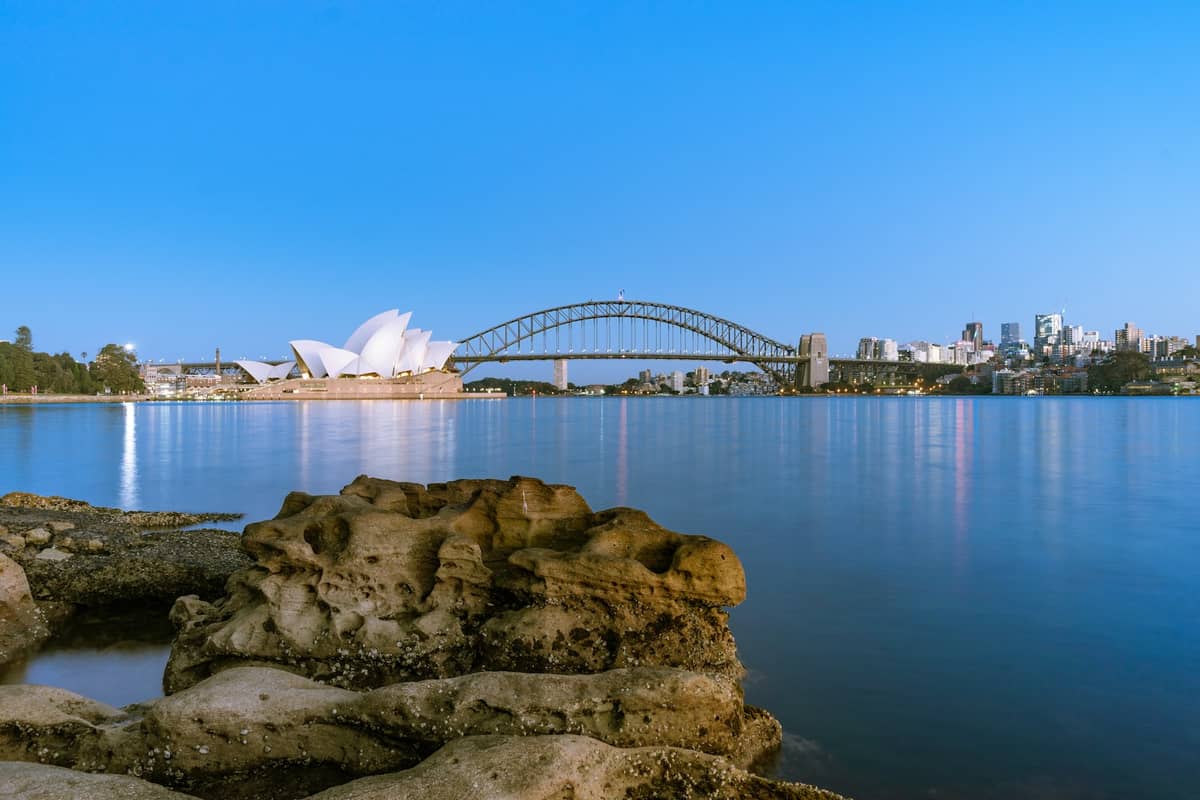
The CBD's most iconic draw is immediately north: the Sydney Opera House sits at Bennelong Point, technically just beyond the CBD's edge but universally treated as part of a Circular Quay visit. Walk north from Town Hall along George Street, pass under the Cahill Expressway, and you're at the quay in under 25 minutes. The Opera House is best seen from two angles: head-on from the ferry wharves, or from the walkway above the Opera Bar looking back toward the Harbour Bridge.
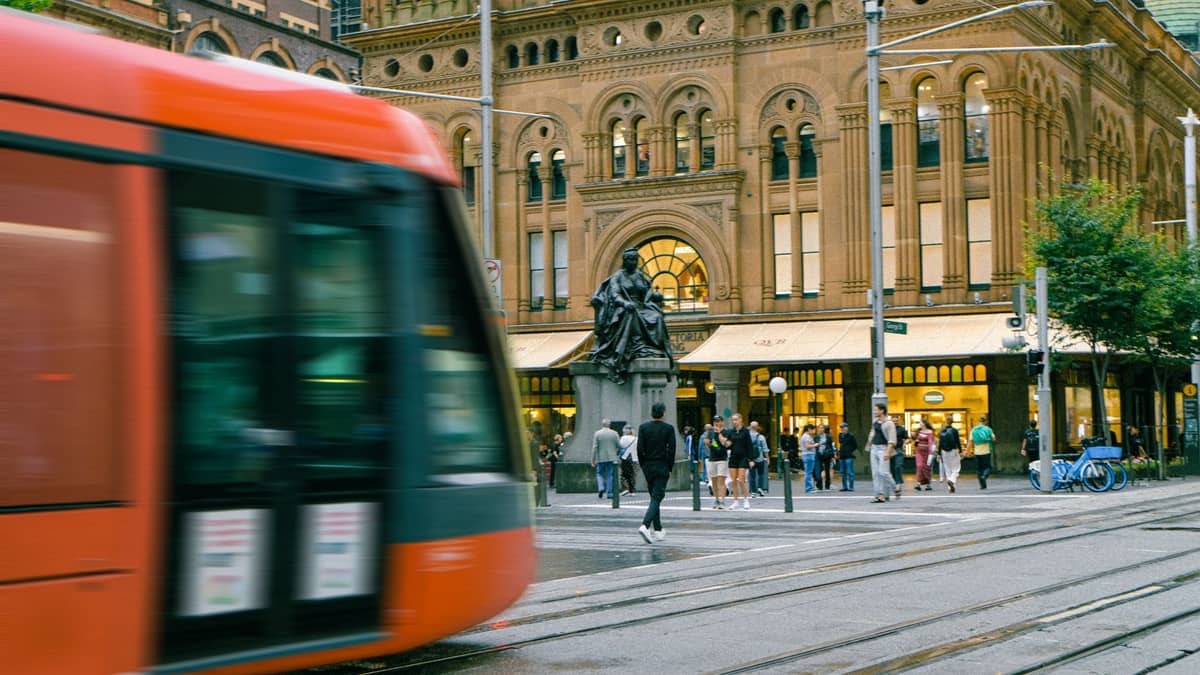
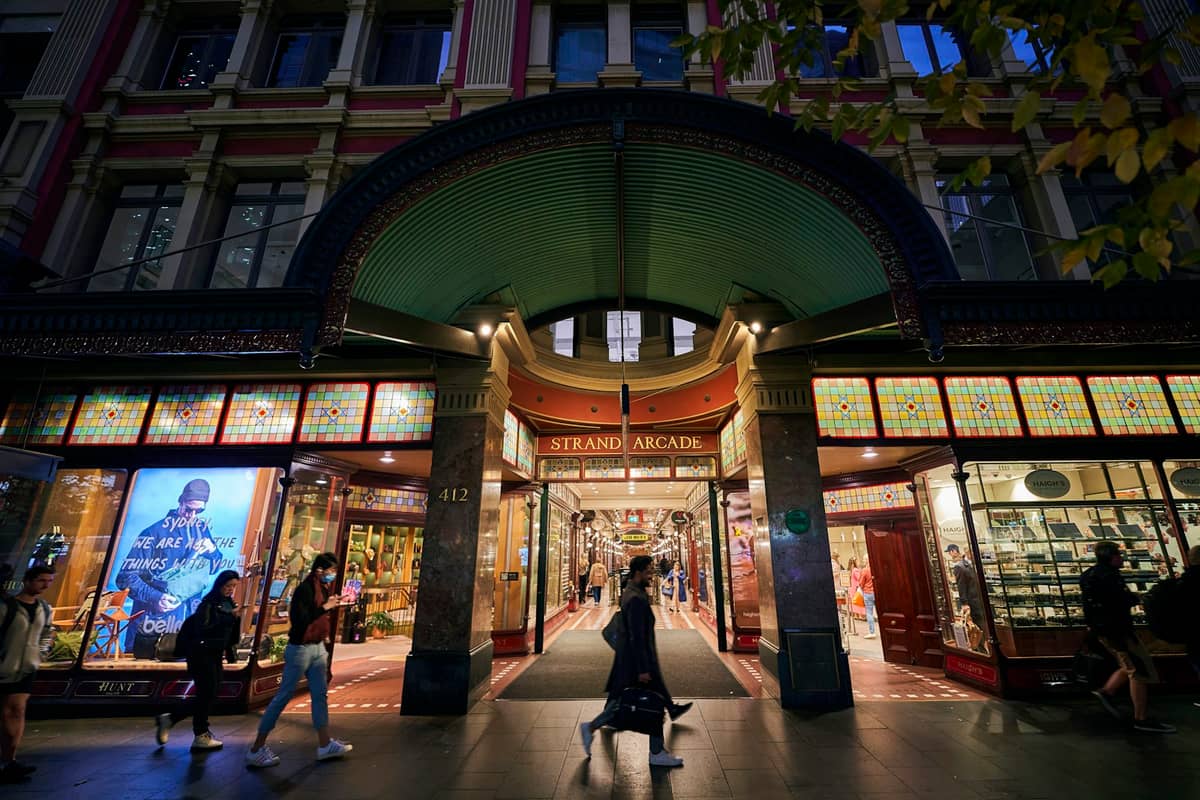
Within the CBD proper, the Queen Victoria Building on George Street is worth entering even if you're not shopping. The Victorian Romanesque building stretches an entire city block, with stained glass ceilings and suspended clocks. A block east, the The Strand Arcade between Pitt and George Streets is the finer of Sydney's two Victorian shopping arcades, with tessellated floors and wrought-iron balustrades.
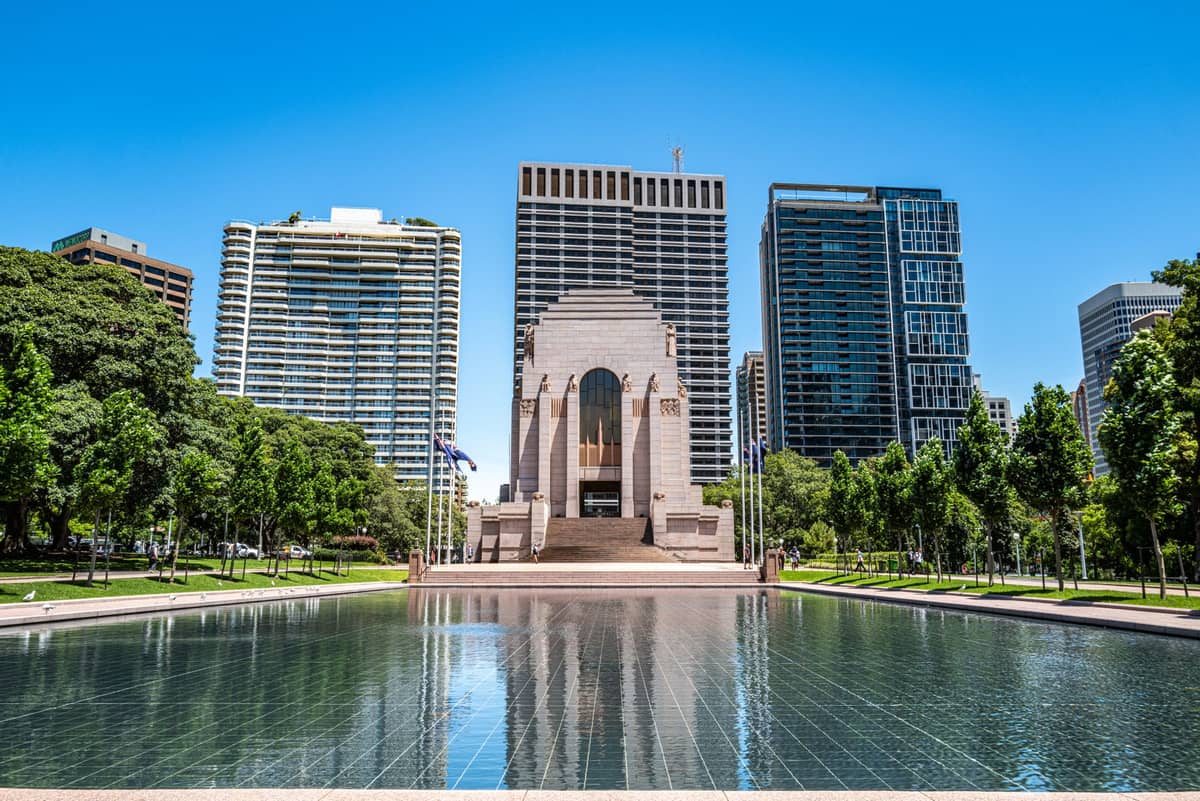
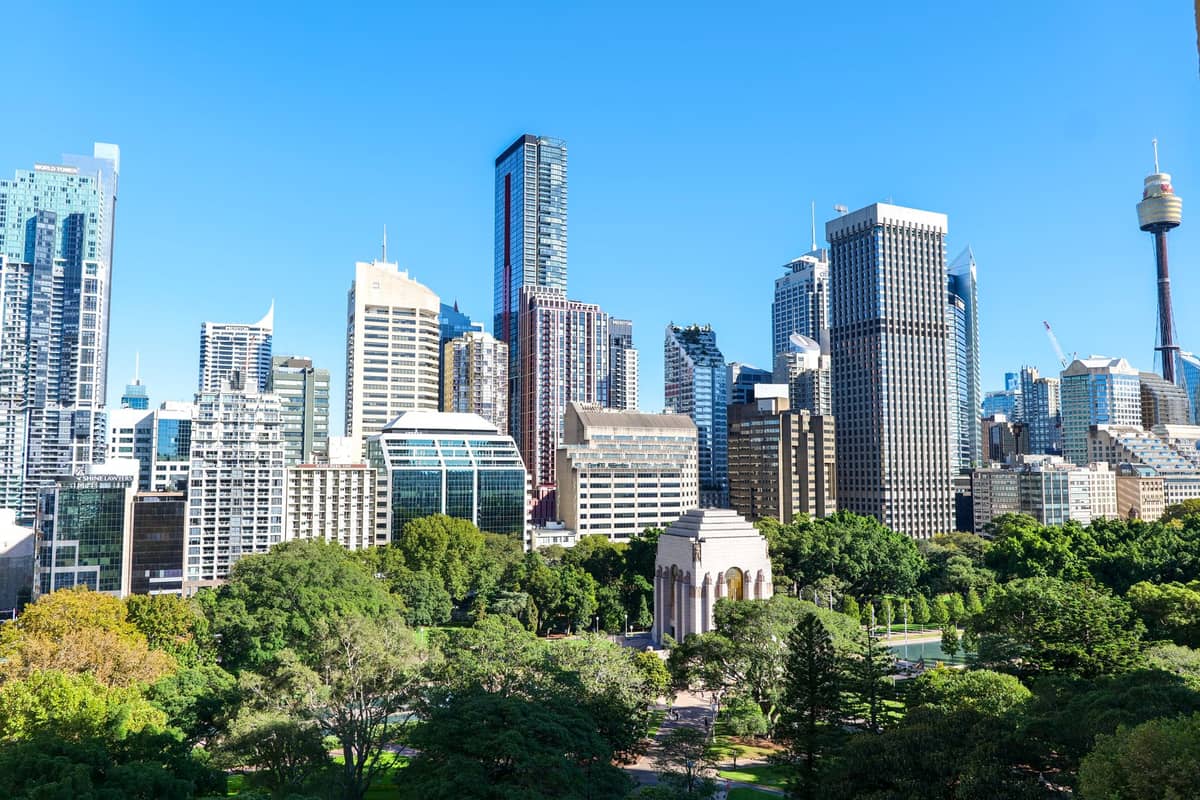
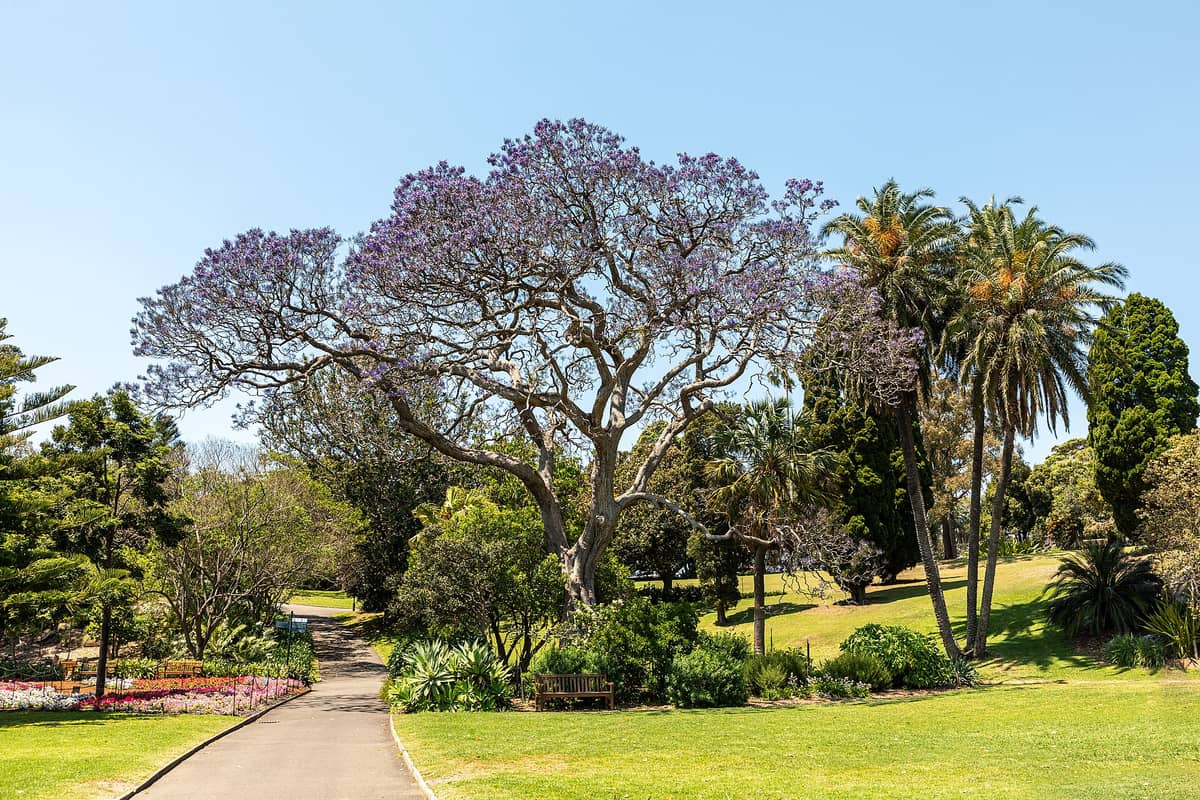
The eastern edge of the CBD opens onto Hyde Park, which runs from Park Street south to Liverpool Street. It's a proper urban park with an Archibald Fountain at its northern end and the Anzac Memorial at its southern end — a significant Art Deco structure that is free to enter and worth more than a passing glance. The park provides the only genuine breathing space within the CBD grid and is busy with office workers at lunchtime.
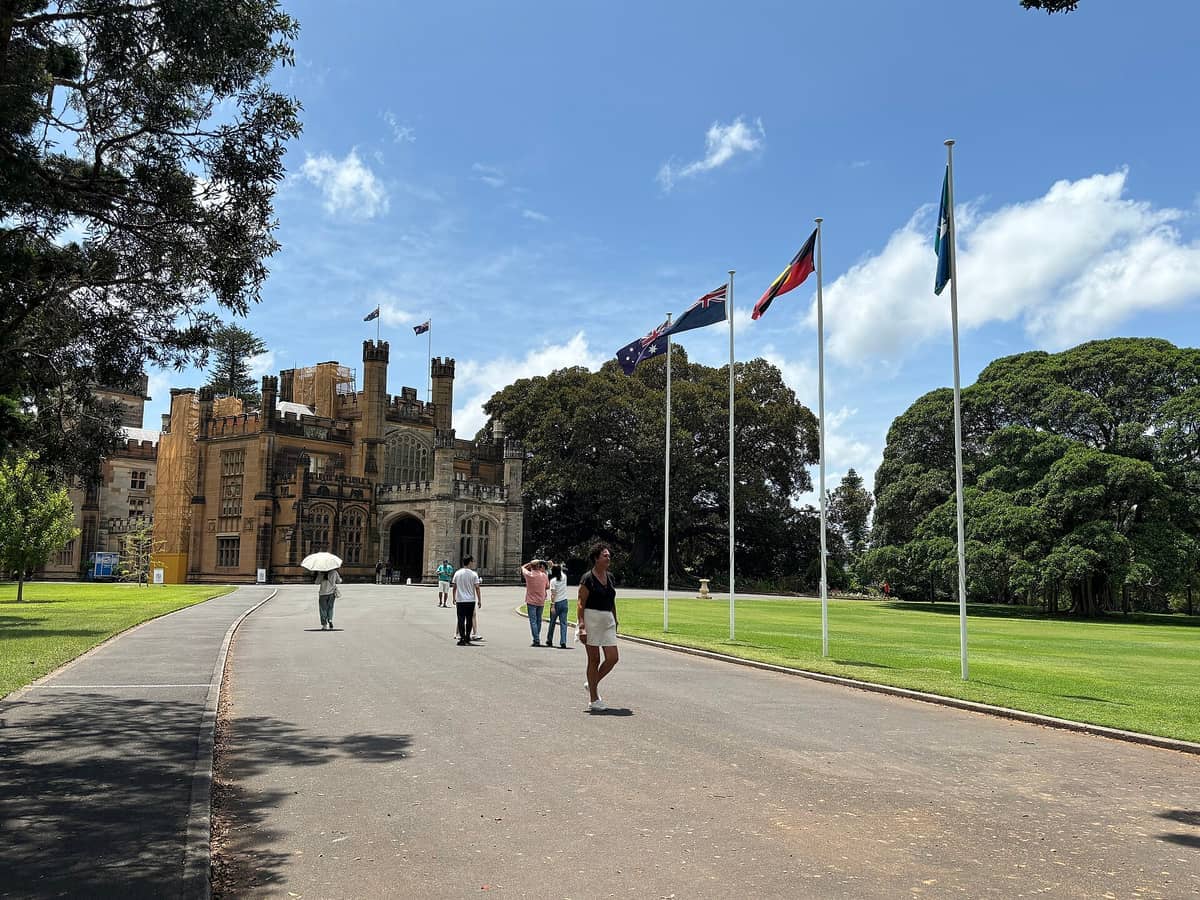
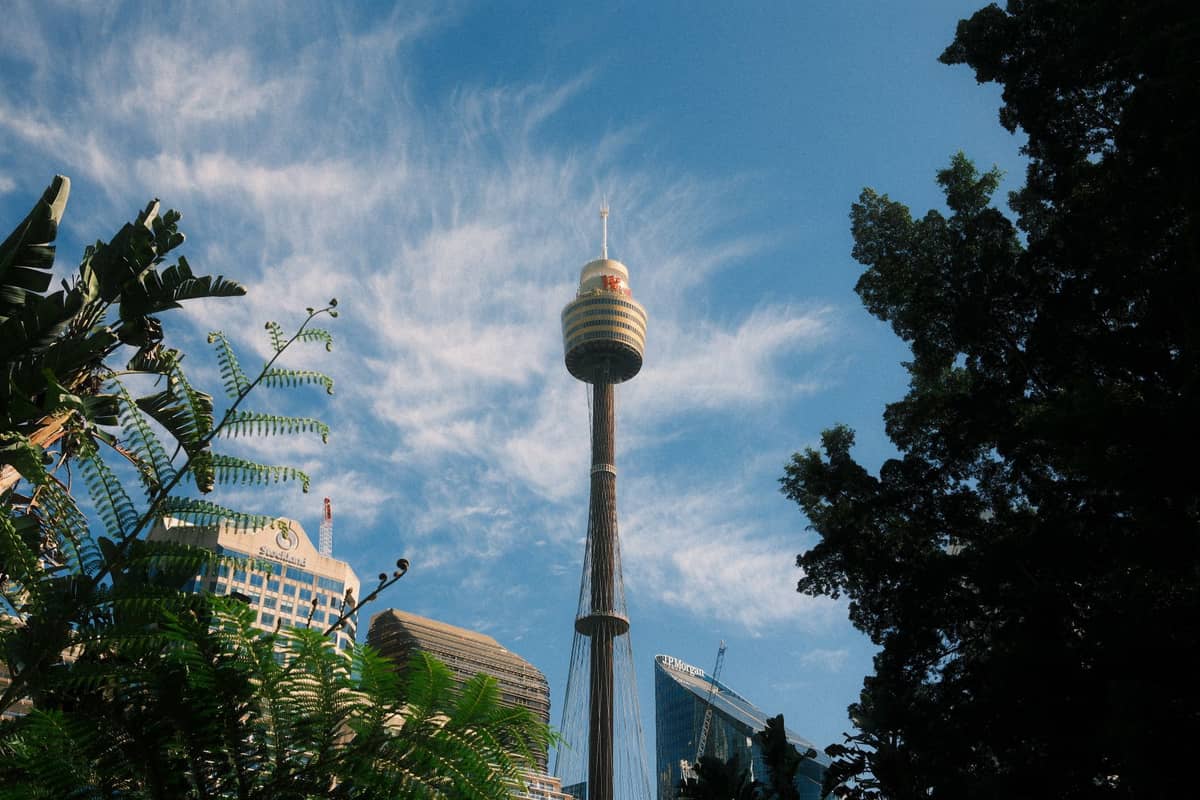
For views that situate the entire city geographically, the Sydney Tower Eye on Market Street is the straightforward option. More atmospheric is the observation area at the top of Sydney Observatory on Observatory Hill, just northwest of the CBD core in The Rocks, which also offers evening stargazing programs.
Queen Victoria Building (George Street): Victorian shopping arcade, free to enter and walk through
The Strand Arcade (between Pitt and George Streets): Sydney's most ornate Victorian arcade
Hyde Park and the Archibald Fountain: largest park within the CBD grid
Anzac Memorial (Hyde Park South): free Art Deco memorial with a permanent exhibition
Sydney Tower Eye (Market Street): highest public viewpoint in the city
Martin Place: the CBD's civic square, site of public events and the cenotaph
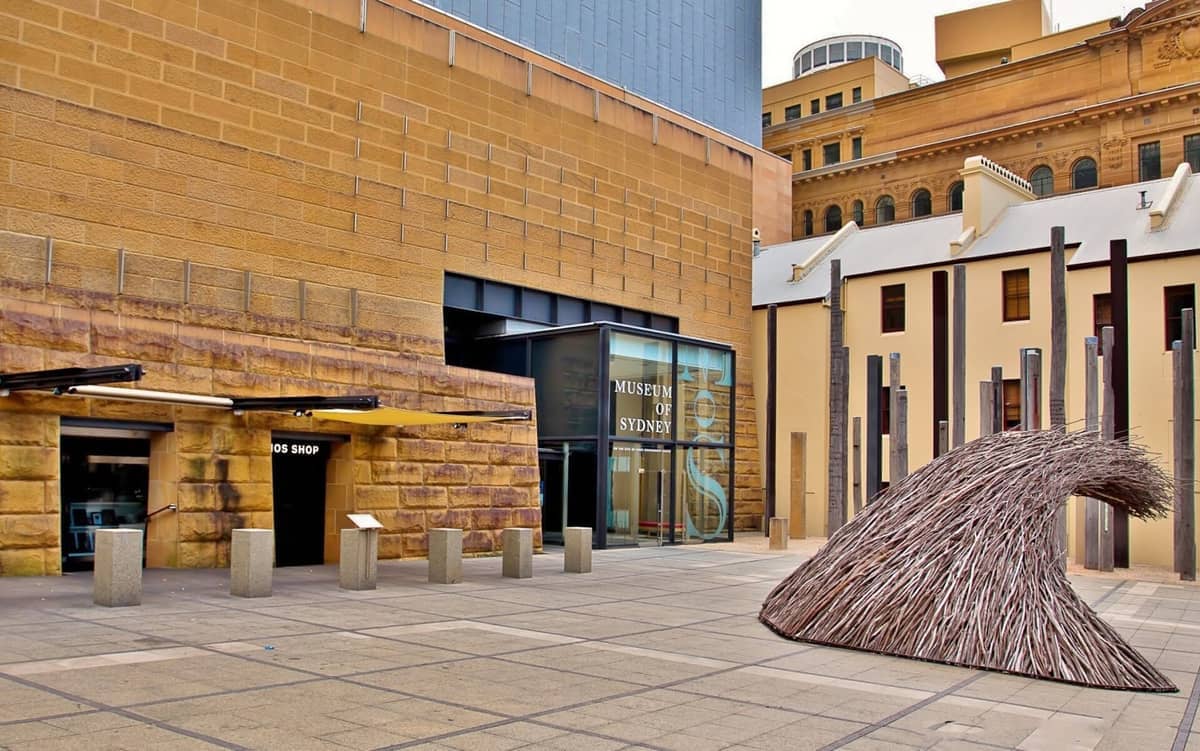
Museum of Contemporary Art Australia (Circular Quay): free general admission, significant collection
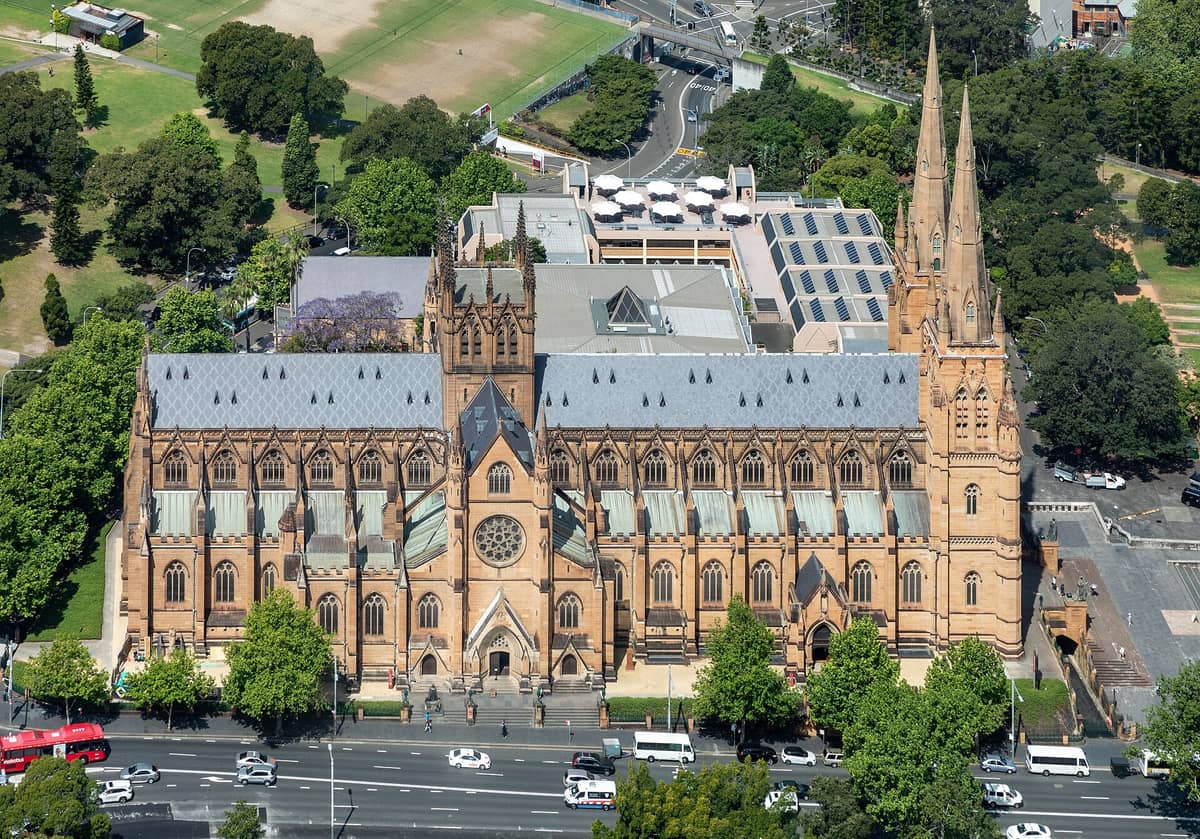
St Mary's Cathedral (College Street): the largest Catholic cathedral in Australia, free entry
💡 Local tip
Many of the CBD's most interesting buildings are entered through their lobbies, not just admired from the street. The MLC Centre, the GPO Building on Martin Place (now a hotel), and the Customs House at Circular Quay all have publicly accessible interiors worth a look. Customs House has a scale model of the city embedded in its floor under glass.
Eating and Drinking
The CBD's food scene is enormous but uneven. The highest density of genuinely good restaurants sits in two clusters: the western side of the CBD around Barangaroo and King Street Wharf, and the southern end toward Chinatown and Haymarket. The blocks immediately around Pitt Street Mall skew toward chain restaurants and fast food serving the shopping crowd, which is fine for a quick lunch but not representative of what the city's food culture actually looks like.
Chinatown and Haymarket, clustered around Dixon Street and Thomas Street south of the CBD proper, represent Sydney's most concentrated Asian food precinct. Cantonese yum cha restaurants fill their floors on weekend mornings, and the streets offer everything from Vietnamese bánh mì to Sichuan hotpot late into the night. The nearby Paddy's Markets runs on weekends and has a food section worth exploring for cheap produce and street snacks.
For coffee, the CBD has a strong café culture rooted in the Australian third-wave espresso tradition. The laneways running east-west between George and Pitt Streets, and west toward York Street, have small independent cafés that take their coffee seriously. Milk-based espresso drinks like flat whites and long blacks are the default here, and the standard is reliably high even in mid-range spots. Chain coffee shops exist but rarely attract the office workers who know where to go.
For a broader sense of Sydney's food culture beyond the CBD, see the complete guide to what to eat in Sydney. The nearby Sydney Fish Market at Pyrmont, about a 15-minute walk west of the CBD across Pyrmont Bridge, is worth a morning visit for seafood eaten at waterside tables.
Chinatown and Dixon Street: the city's best concentration of Asian cuisines, open late
Barangaroo waterfront: higher-end dining and bars with harbour views
CBD laneways around Pitt and York Streets: independent cafés for quality espresso
World Square (corner of George and Liverpool Streets): casual dining and a decent food court for fast, affordable meals
The Rocks nearby: pubs, seafood restaurants, and weekend market food stalls
⚠️ What to skip
Lunch near Pitt Street Mall and the major tourist attractions is expensive by Australian standards and often mediocre. Walk two or three blocks east toward Elizabeth Street or south toward Chinatown and you will find significantly better value. Budget around AUD 18 to 25 for a satisfying café lunch in the CBD; restaurants at the harbour end of town run considerably higher.
Getting There and Around
Sydney CBD is the hub of the city's entire transit network, which means arriving is easy from almost anywhere in Greater Sydney. Train stations within the CBD include Central (the main southern terminus), Town Hall, Wynyard, Circular Quay, St James, and Museum. These are all on the City Circle rail loop, so trains arrive frequently throughout the day. The newer Sydney Metro adds stations at Barangaroo, Martin Place, Gadigal (Park and Bathurst Streets), and Central, running rapid-transit services that are separate from the suburban train network.
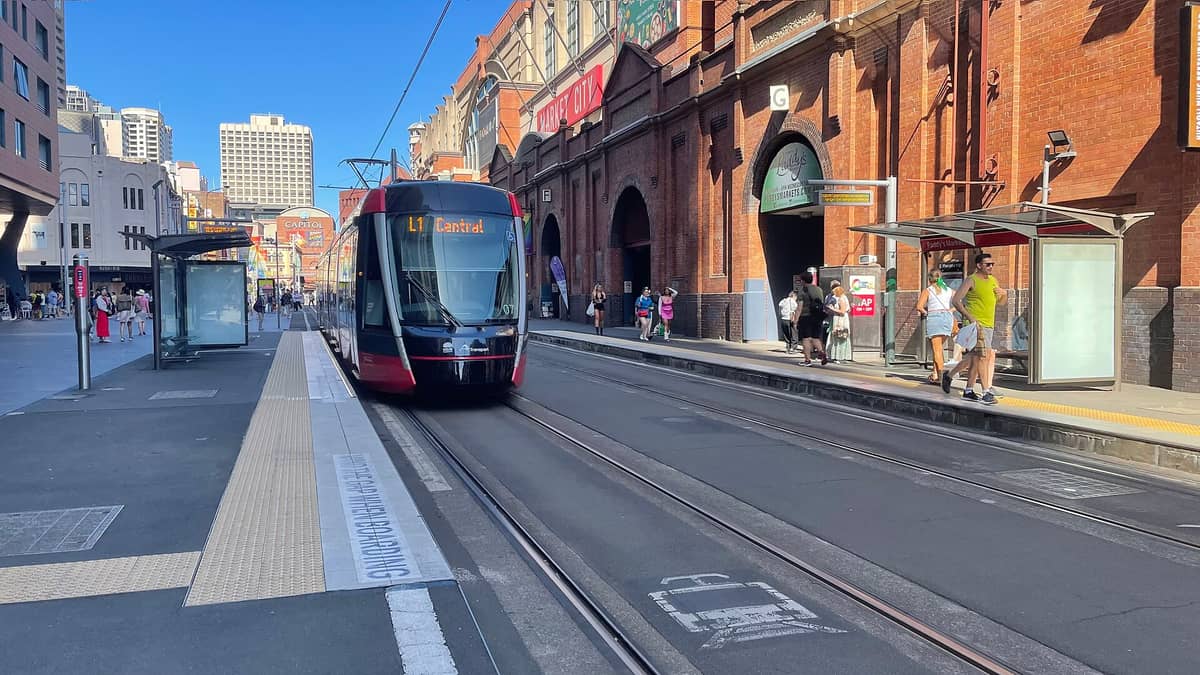
The light rail runs along George Street between Circular Quay and Central, stopping at major intersections including Town Hall and Central. It is the most useful service for moving up and down the CBD's main spine without walking. Ferries connect Circular Quay to Manly, Darling Harbour, and dozens of other harbour destinations — the ferry network is one of Sydney's genuine pleasures and a practical way to see the harbour at the same time. The Sydney ferry guide covers routes and tips in detail.
From Sydney Kingsford Smith Airport, the Airport Link train connects directly to Central Station. The journey takes approximately 13 minutes to the CBD, though airport station access fees apply on top of the standard fare — the published adult fare example using Opal or contactless payment is around AUD 22.94 peak (verify current fares with Transport for NSW before travel). Rank taxis from Sydney Airport to the designated CBD area are a fixed AUD 60 for a standard taxi (AUD 80 for a requested maxi), under the official fare trial; confirm current rules before travel. Ride-hailing services operate from a designated pickup area.
An Opal card or contactless bank card (Visa, Mastercard, or American Express) is the standard way to tap on and off trains, buses, metro, ferries, and light rail. A single card works across all modes, which simplifies navigation considerably. For a broader guide to moving around the city, see getting around Sydney.
Where to Stay
The CBD has the widest range of accommodation in Sydney, from international luxury hotels around Macquarie Street and the harbour end of the grid down to budget properties near Central Station. Staying in the CBD puts every major transit connection within walking distance, which is particularly valuable if your time is short or you're planning day trips to places like the Blue Mountains or the Northern Beaches.
The northern end of the CBD, within ten minutes of Circular Quay, is the most expensive strip and commands a premium for harbour adjacency. The area around Town Hall and Pitt Street Mall is the most central for retail and transit. Properties near Central Station are often better value and are still well-connected, though the immediate surroundings at night are less polished. Travellers who prioritise restaurant access and nightlife might consider basing themselves just outside the CBD in Surry Hills or Darlinghurst, which are quieter than the CBD core but a short walk or light rail ride from the centre.
For a full overview of Sydney's accommodation landscape and how to choose between neighbourhoods, see the where to stay in Sydney guide. Families with children might find that being in the CBD gives easy access to attractions like the aquarium and wildlife zoo at Darling Harbour; see the Sydney with kids guide for more.
💡 Local tip
Hotel rates in the CBD vary significantly between weekdays and weekends. Business hotels in the financial district around Martin Place sometimes drop rates on Friday and Saturday nights when corporate demand falls. Check mid-week rates as well as weekend rates when comparing options.
Honest Drawbacks
The CBD is not a neighbourhood in the way that Newtown or Paddington are neighbourhoods. It does not have the kind of embedded local life that comes from generations of residents walking the same streets. Its residential population is growing, particularly in apartment towers near Barangaroo and around World Square, but the dominant daytime identity remains commercial. After 7pm on a weekday, large stretches of the financial district around Macquarie Street and the southern end of Pitt Street feel noticeably empty.
Petty crime in the CBD follows the patterns of most large city centres. NSW Police advise keeping bags close and belongings attended to, particularly in crowded areas around Pitt Street Mall and on public transport during peak hours. The area near Central Station at night is livelier than the financial district but warrants the same general awareness you would apply in any busy transit hub.
Construction is a persistent fact of CBD life. Several large infrastructure and commercial projects are ongoing at any given time, which means street closures, noise, and altered pedestrian paths are common. The light rail itself is excellent once you understand its stops, but the pedestrianisation of George Street has created some confusion for drivers and cyclists that spills onto adjacent parallel streets.
Summary
TL;DR
Sydney CBD is the city's commercial and cultural centre, anchored by Circular Quay and the Opera House to the north and Central Station to the south, with George Street running between them as the main spine.
Best for: first-time visitors to Sydney who want maximum proximity to major attractions and transit connections; business travellers; short-stay visitors.
Transit: six train stations on the City Circle line, four Sydney Metro stations, light rail along George Street, and Circular Quay ferry wharves make this the best-connected area in the city.
Food: strong for Asian cuisine in Chinatown, quality coffee in CBD laneways, and waterfront dining at Barangaroo — but tourist-facing blocks near Pitt Street Mall are overpriced for what you get.
Honest note: the CBD lacks the neighbourhood character of inner suburbs like Newtown or Surry Hills; it is a city centre first and a residential community second, and visitors looking for local texture will find more of it a short train or bus ride away.
Three days is enough to experience Sydney's iconic harbour, golden beaches, historic laneways, and world-class food scene — if you plan well. This itinerary is built for efficiency without sacrificing depth, moving logically between neighbourhoods to save time and maximise what you actually see.
Sydney has more than 100 beaches within the greater metropolitan area, ranging from world-famous surf breaks to calm harbour coves perfect for families. This guide covers the best of them, from Bondi's golden crescent to the white-sand solitude of Palm Beach.
Sydney's museum scene spans 200 years of collecting, from Australia's oldest natural history institution to a world-class gallery of 21st-century Chinese art. This guide covers the city's finest collections, with practical details on free entry, opening hours, and how to plan your visits.
Sydney rewards visitors year-round, but the right timing depends on what you want to do. This guide breaks down Sydney's four seasons by weather, crowds, costs, and major events so you can plan a trip that actually matches your priorities.
Sydney rewards those who seek elevation. Whether you want the classic Opera House and Harbour Bridge framed together, vast ocean panoramas, or Blue Mountains escarpments stretching to the horizon, the city and its surrounds deliver some of the most dramatic viewpoints in the Southern Hemisphere. This guide covers the finest lookouts, from free hilltop perches to ticketed sky-high platforms.
The Blue Mountains is Sydney's most popular day trip, and for good reason: dramatic sandstone escarpments, ancient rainforest valleys, and a train ride straight from Central Station. This guide covers exactly how to get there, what to prioritise, what Scenic World actually costs, and the planning details most visitors overlook.
Sydney's surroundings are as rewarding as the city itself. Within two to three hours you can reach ancient rainforests, world-class wine country, remote surf beaches, and wildlife-filled national parks. This guide covers the best day trips from Sydney, with practical advice on how to get there and what to do when you arrive.
Sydney is one of the world's great cities, and you don't need a big budget to experience it at its best. From free-entry museums and galleries to iconic coastal walks and harbour lookouts, this guide covers 22 of the best free things to do in Sydney.
Sydney's public transport network covers nearly every corner of the city, but it has quirks that trip up first-time visitors. This guide breaks down every option, from the Opal card fare system to ferry routes and airport transfers, so you can move around confidently from day one.
Sydney rewards travellers who spend well. From harbour-view suites at Park Hyatt to degustation menus overlooking the Opera House, this guide breaks down exactly where to stay, eat, and what to do when budget is not the deciding factor.
Seven days is enough time to cover Sydney's iconic landmarks, explore its best neighbourhoods, and still squeeze in a day trip or two. This itinerary is structured around geography to minimise transit time, with honest notes on what to skip and what to prioritise.
Sydney sits on the Country of the Eora Nation, home to Aboriginal peoples whose connection to this land stretches back tens of thousands of years. This guide covers the key heritage sites, cultural tours, museums, and ceremonies that offer genuine insight into First Nations history and living culture across the city.
Sydney's coastline is one of its defining features, and walking it is the best way to understand the city. This guide covers the top coastal walks in Sydney, with clear assessments of difficulty, logistics, and what each route actually delivers.
Sydney has one of the most serious coffee cultures in the world, anchored by the flat white and driven by a generation of specialty roasters and technically obsessed baristas. This guide covers where to drink, what to order, how much to pay, and which neighbourhoods to explore cup by cup.
Sydney's ferry network is one of the most practical and scenic ways to move around the city. This guide covers every route, how to pay, fare caps, seasonal changes, and which journeys are worth doing for their own sake.
Sydney is one of the world's great cities for romance, with a harbour that practically does the work for you. This guide covers the most memorable experiences for couples — from iconic landmarks to quieter corners most visitors never find — with practical details on timing, cost, and what to actually expect.
Sydney's famous icons are worth every visit, but the city's real character lives in its quieter corners. From a free Chinese art gallery in Chippendale to a convict island you can camp on, these are the experiences most visitors overlook.
Sydney Mardi Gras is one of the world's largest LGBTQIA+ celebrations, running across several weeks each late summer. This guide covers the full festival program, parade logistics, neighbourhood highlights, transport tips, and everything visitors need to plan a trip with confidence.
Sydney's market scene covers serious ground, from heritage-listed weekend stalls in The Rocks to one of the Southern Hemisphere's biggest fish markets. This guide breaks down the best markets in Sydney by type, location, and what you actually get for your time.
Sydney New Year's Eve is one of the world's great spectacles, but the difference between a memorable night and a frustrating one comes down to planning. This guide covers the best free and ticketed vantage points around Sydney Harbour, the fireworks schedule, transport logistics, and the practical details that most guides skip.
Sydney's nightlife runs deeper than the Opera House forecourt and a few cocktail bars with harbour views. From the craft-beer pubs of Newtown to late-night rooftops in the CBD and live music venues in Surry Hills, this guide breaks down where to go, what to expect, and what to avoid on a night out in Sydney.
Sydney has a reputation for being expensive, and it's not entirely undeserved. But with the right approach to transport, food, and sightseeing, you can experience the best of this city without spending a fortune. This guide breaks down exactly where to save and where it's worth spending a little more.
Sydney's shopping scene runs deeper than most visitors expect. This guide breaks down the best shopping in Sydney by precinct and purpose, covering everything from grand Victorian arcades in the CBD to independent boutiques in Newtown and Saturday markets in Paddington.
Sydney sits within reach of some of Australia's most accessible wildlife experiences, from koalas and kangaroos at dedicated wildlife parks to humpback whales off the coast. This guide covers the best options, clear trade-offs, and practical logistics for every budget.
Sydney is one of Australia's most family-friendly cities, with a mix of free attractions, world-class wildlife encounters, and outdoor adventures that suit kids of all ages. This guide covers the best activities, honest cost breakdowns, seasonal tips, and transport advice to help you plan a stress-free family visit.
Sydney rewards exploration far beyond the postcard shots. This guide covers the best things to do in Sydney Australia — iconic landmarks, great beaches, cultural highlights, and neighbourhood experiences — with practical detail on timing, costs, and getting around.
Vivid Sydney is one of the Southern Hemisphere's largest light, music, and ideas festivals, turning Sydney Harbour into an annual winter spectacle. This guide covers the Light Walk route, ticketed events, transport logistics, crowd strategy, and what first-timers consistently get wrong.
Sydney's food scene is one of the most diverse and seriously good in the world, shaped by decades of immigration, exceptional local produce, and a coastal geography that puts extraordinary seafood at the centre of the table. This guide covers the dishes, markets, neighbourhoods, and practical tips you actually need.
Choosing where to stay in Sydney shapes your entire trip. This guide breaks down the city's key neighbourhoods by location, vibe, price range, and transport access, so you can pick the right base before you book.