Where to See Australian Wildlife Near Sydney: Parks, Zoos & Wild Encounters
Sydney sits within reach of some of Australia's most accessible wildlife experiences, from koalas and kangaroos at dedicated wildlife parks to humpback whales off the coast. This guide covers the best options, clear trade-offs, and practical logistics for every budget.
Tickets & tours
Live prices and dates from our booking partner. If you book, we may earn a commission at no extra cost to you.
TL;DR
- Taronga Zoo is the most convenient option from the city, just a 12-minute ferry from Circular Quay to Taronga Zoo.
- Featherdale Sydney Wildlife Park in Doonside offers close-up encounters with koalas and kangaroos at a lower price point than Taronga.
- Free whale watching is possible from headlands like Cape Solander and North Head during the May–November migration season, though sightings are never guaranteed.
- National parks surrounding Sydney, including Ku-ring-gai Chase and Royal National Park, give you chances to spot wildlife in its natural habitat at little to no cost.
- Plan around early mornings for the best chance of spotting wildlife in the wild. See our day trips from Sydney guide for further context on reaching these destinations.
Taronga Zoo: The Classic Sydney Wildlife Experience
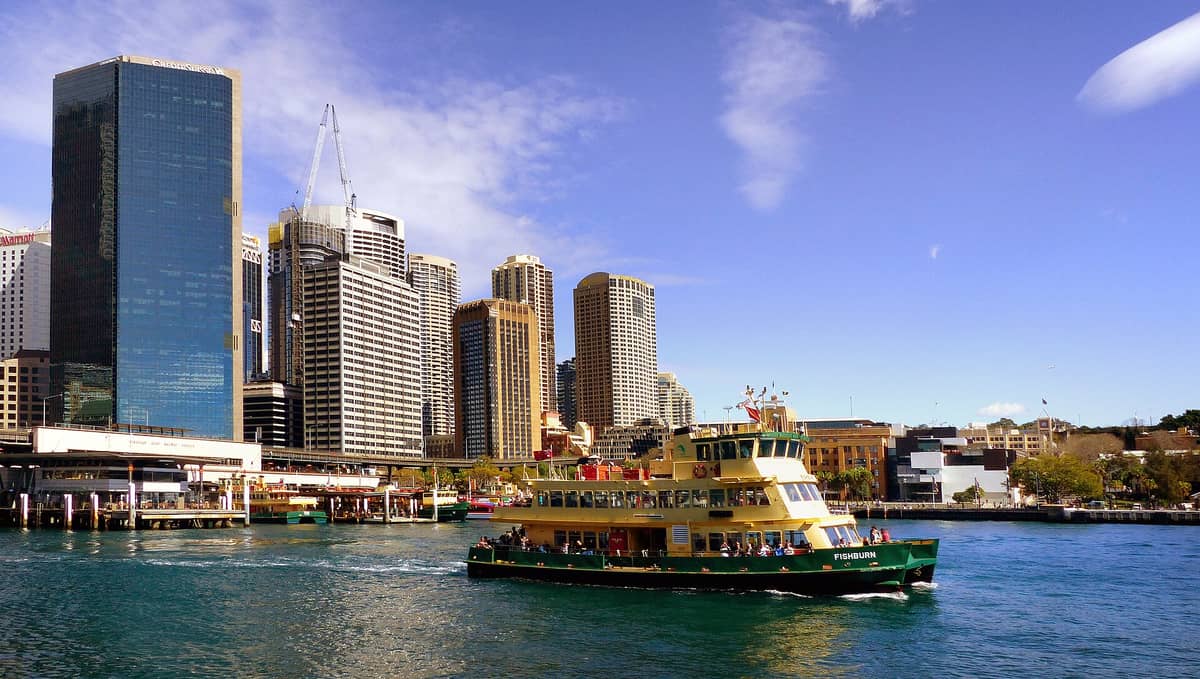
Taronga Zoo sits on the north shore of Sydney Harbour at Mosman, with one of the more memorable approaches of any zoo in the world. You take a Sydney ferry from Wharf 4 at Circular Quay, and the 12-minute crossing delivers you directly to the zoo's lower entrance. Ferries run on the current published timetable.
The zoo opens daily at 9:30am, closing at 5pm from September through April and at 4:30pm from May through August. It houses more than 4,000 animals including koalas, wombats, Tasmanian devils, platypuses, and a wide range of Australian reptiles and birds. The platypus enclosure in particular is worth seeking out as platypuses in the wild are notoriously difficult to spot. Ticket prices vary and are best confirmed on Taronga's official website before you go, as peak-period pricing and add-on experiences (like koala photos) carry extra costs.
💡 Local tip
Book Taronga tickets online in advance. The zoo can get crowded on school holidays and weekends, and the Sky Safari cable car adds to the experience without adding much cost on a combined ticket. Arriving at opening time means shorter queues at popular exhibits like the koala enclosure.
Taronga is a genuine conservation organisation, not just an entertainment venue. It runs breeding programs for threatened species including the corroboree frog and orange-bellied parrot. If you're travelling with children or want the broadest range of Australian animals in one place, Taronga is the benchmark. That said, it covers significant ground across steep terrain, so budget at least three to four hours and wear comfortable shoes.
Featherdale Sydney Wildlife Park: Closer Encounters, Lower Cost
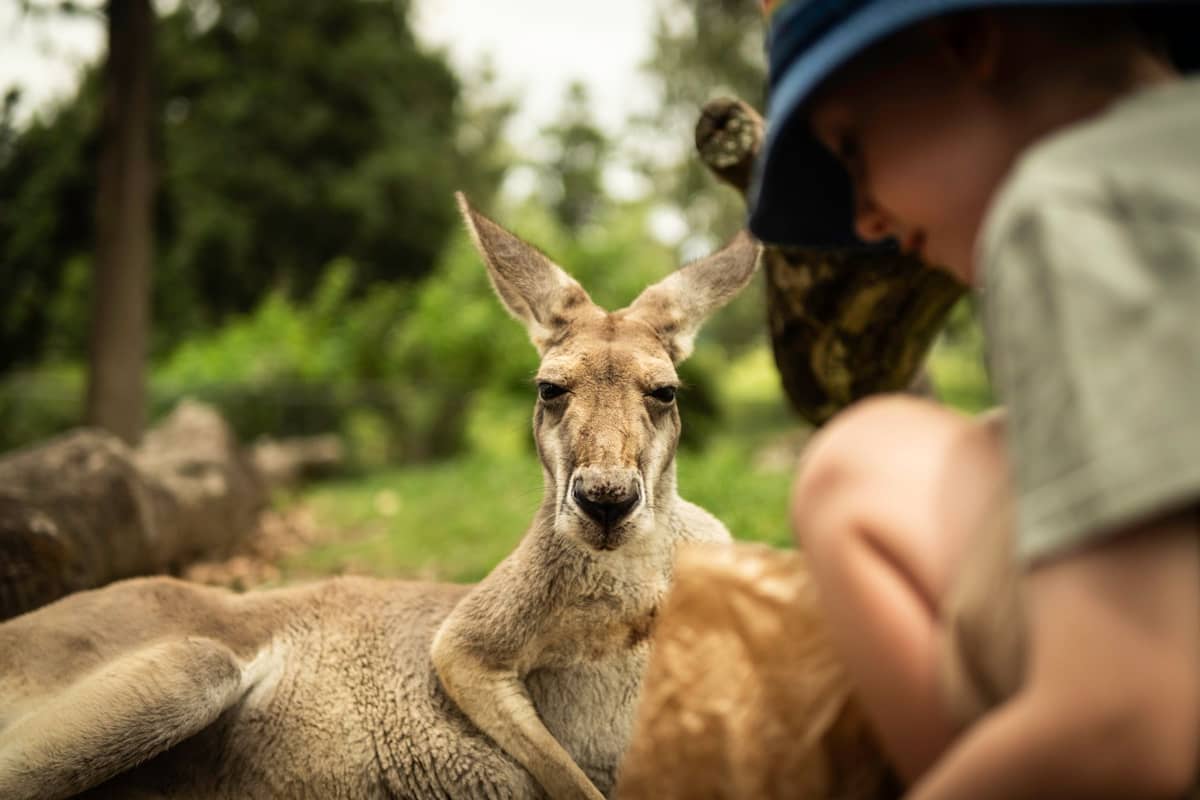
Featherdale Sydney Wildlife Park in Doonside, about 40km west of the CBD, offers close-up encounters with Australian wildlife. It is smaller than Taronga. You can hand-feed kangaroos and wallabies directly, and the koala encounters are a popular feature. You can hand-feed kangaroos and wallabies directly, and the koala encounters are among the most accessible in New South Wales.
Featherdale is open daily from 8am to 5pm. Adult admission is A$49, children aged 3 to 15 pay A$29, and children under 3 enter free. Verify current pricing on the Featherdale website before visiting. Getting there without a car requires a train to Blacktown Station on Sydney Trains' Western Line, then a short bus ride or taxi to the park. It's worth combining with a visit to Parramatta nearby if you want to make a full day of it.
ℹ️ Good to know
Koalas are marsupials, not bears. The term 'koala bear' is a common misnomer. Featherdale's keeper talks throughout the day explain the biology and conservation status of the animals you're seeing, which adds real value beyond a standard zoo visit.
- Taronga Zoo Best for: breadth of species, harbour views, conservation credentials. Ferry access from Circular Quay. Expect A$50+ per adult for standard admission.
- Featherdale Sydney Wildlife Park Best for: hands-on encounters, koala and kangaroo feeding, families on a tighter budget. A$49 adults, A$29 children. Requires train to Blacktown plus bus or taxi.
- Wild Life Sydney Zoo Best for: convenience if you're already at Darling Harbour. Focuses exclusively on Australian species but is smaller than either alternative above. Good for a 2-hour visit.
Wild Life Sydney Zoo: Convenient but Compact
Located in Darling Harbour, Wild Life Sydney Zoo focuses exclusively on Australian fauna and sits alongside Sea Life Sydney Aquarium. It is the most convenient option if you're already in the CBD, but it is noticeably smaller than either Taronga or Featherdale. For most adults travelling without children, the price-to-experience ratio is hard to justify. For families with young kids who need a short, self-contained activity in the city centre, it makes more sense.
Highlights include a walk-through kangaroo habitat, cassowaries, saltwater crocodiles, and a good collection of Australian reptiles. Combine it with the Sea Life Aquarium next door for a discounted bundled ticket if aquatic wildlife is also on your list.
Free Whale Watching: Sydney's Most Underrated Wildlife Experience
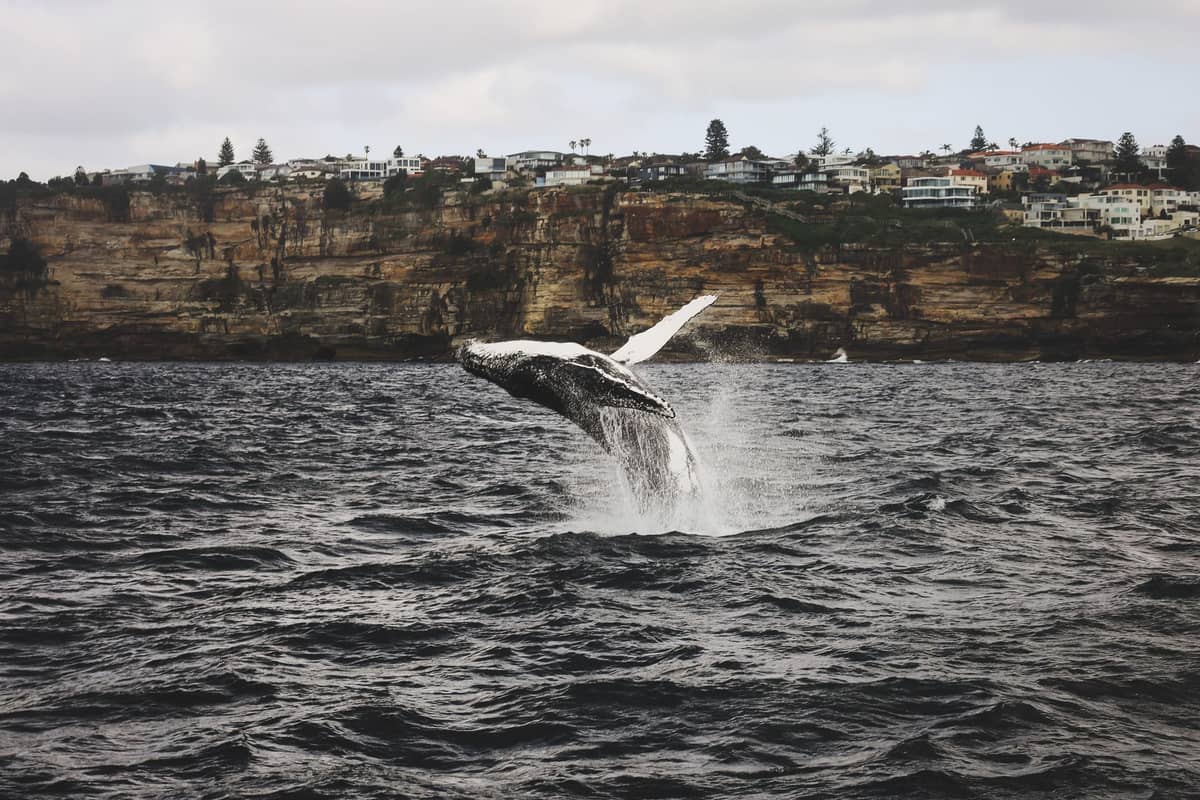
Each year, humpback and southern right whales migrate along the New South Wales coastline in one of the most accessible whale-watching corridors in Australia. The broad migration window runs from May to November. Northward migration (heading toward warmer Queensland waters) peaks around June and July; southward migration back toward Antarctica peaks from September through November. Neither phase comes with a guarantee of sightings.
North HeadNSW National Parks lists several land-based lookouts within reach of Sydney. Cape Solander in Kamay Botany Bay National Park is widely regarded as one of the best vantage points in the country. North Head Sanctuary at Manly also provides excellent elevated views, and South Head near Watsons Bay is easy to combine with a harbour walk. Dobroyd Head in Sydney Harbour National Park is a less-visited option worth considering.
✨ Pro tip
Arrive at a whale-watching headland at least an hour before peak light (aim for 7–9am or late afternoon). Binoculars make a significant difference. Scan the horizon patiently for spouts rather than full breaches. On a good day in July, it's possible to count dozens of spouts from Cape Solander without spending a cent.
Whale-watching boat tours also depart from Circular Quay and Darling Harbour between June and November, typically lasting 2 to 3 hours. They increase your odds of a close sighting but cost around A$80 to A$130 per adult depending on the operator and vessel type. If budget is a concern, try the headland lookouts first and save the boat tour as a backup for when conditions are confirmed good.
National Parks: Wildlife in Its Natural Habitat
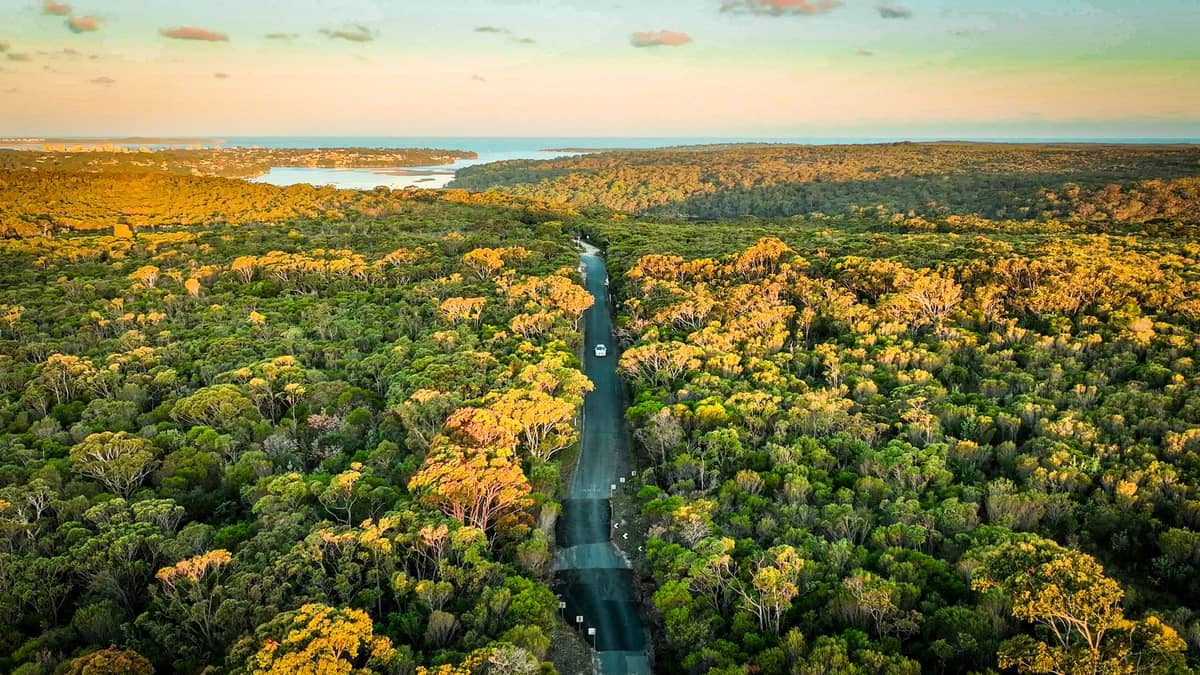
Royal National ParkKu-ring-gai Chase National ParkSydney is unusual among major cities for how much protected bushland sits within and around its borders. Ku-ring-gai Chase National Park to the north and Royal National Park to the south are both reachable within 45 to 90 minutes of the CBD by public transport or car, and both offer genuine chances to encounter Australian wildlife without paying admission to a zoo.
In these parks, realistic sightings include eastern grey kangaroos, wallabies, lace monitors (large goannas), echidnas, and a huge variety of native bird species including cockatoos, kookaburras, lorikeets, and lyrebirds. Bandicoots are active at dusk around Ku-ring-gai's picnic areas. Platypuses exist in some freshwater systems but are genuinely difficult to spot and should be considered a bonus, not a plan.
- Early morning is the most productive time for wildlife spotting in national parks: aim to be on a trail by 6:30–7am.
- Move slowly and quietly, especially around creek lines and forest edges where animals concentrate.
- Echidnas are ground-dwelling and slow-moving; they're more commonly seen than you might expect along bush tracks in spring.
- Lace monitors (goannas) can reach 1.5m in length. They are not aggressive but do not feed them, as habituated individuals can become a nuisance.
- National parks in NSW charge a vehicle entry fee at some gates. Walking or cycling in is free at most access points. Check the NSW National Parks website for current fees before you visit.
For a coastal wildlife walk that combines native birds and marine life, the Bondi to Coogee Coastal Walk passes through several headland reserves where you may spot little penguins at dawn or dusk around Manly and North Head and various seabirds. It's a free experience that doubles as one of Sydney's best urban walks.
Planning Your Wildlife Visit: Timing, Seasons & Timing, Seasons and Caveats
Sydney's temperate climate means wildlife experiences are possible year-round, but the right time depends on what you want to see. Spring (September to November) is arguably the best all-round season: temperatures are mild (maximums around 21–24°C), wildflowers are in bloom in national parks, birds are active for breeding, and the southward whale migration is underway. School holiday periods in January and April tend to bring larger crowds to zoo attractions.
Summer (December to February) brings heat that can push daytime temperatures past 30°C in western Sydney, making outdoor wildlife spotting genuinely uncomfortable in the middle of the day. Animals seek shade, so early mornings become even more important. The benefit is longer daylight hours for evening wildlife activity. Winter (June to August) is the peak of the northward whale migration and also a good time for whale-watching boat tours.
⚠️ What to skip
Australia has strict biosecurity laws. Do not approach or handle wildlife without authorisation, and never attempt to feed native birds or animals in national parks with human food. Habituated wildlife suffers health consequences, and some species (particularly magpies during nesting season, September to November) can be aggressive. If you encounter an injured animal, contact WIRES (Wildlife Information, Rescue and Education Service) on 1300 094 737.
Australian MuseumFor travellers who want to go deeper on Australia's cultural relationship with native animals, the Sydney Aboriginal culture guide explains the significance of Country and native species in the traditions of the Gadigal and other Sydney basin peoples. Many of the parks and headlands mentioned in this guide sit on Country with thousands of years of history.
FAQ
Where can I see koalas near Sydney?
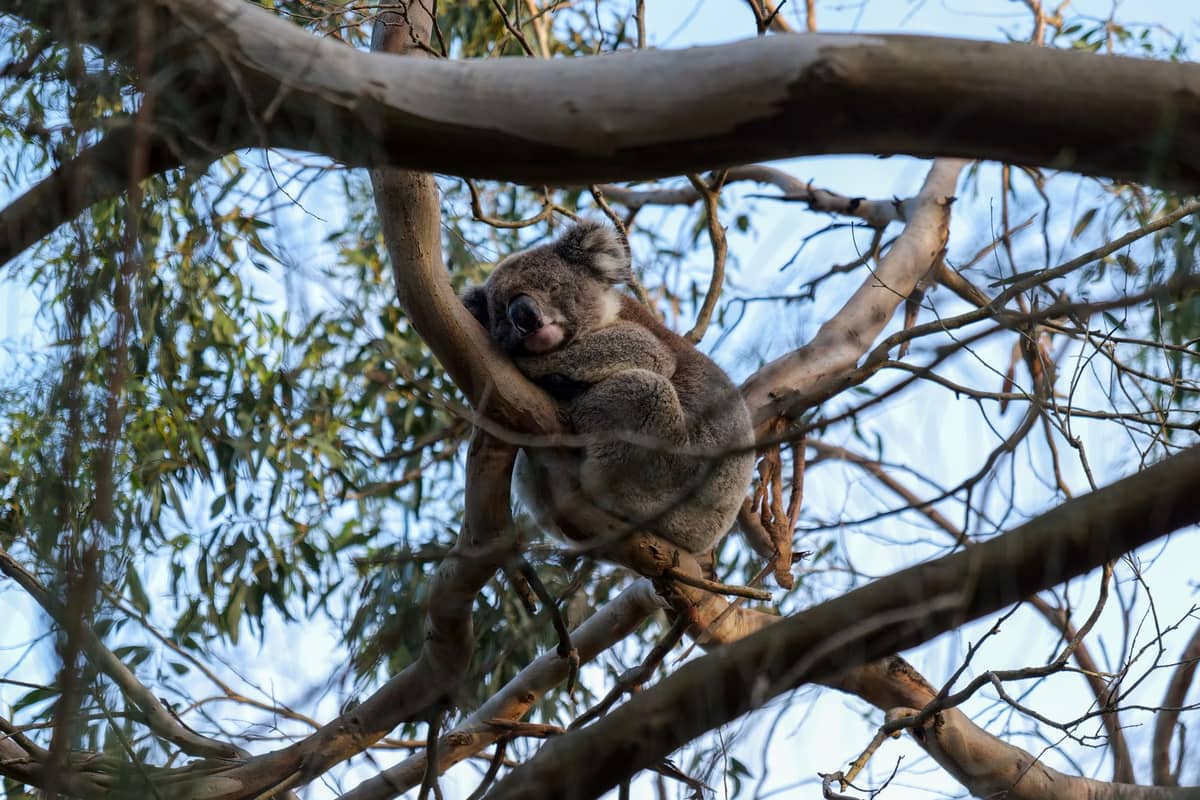
The most reliable places to see koalas near Sydney are Featherdale Sydney Wildlife Park in Doonside (A$49 adults) and Taronga Zoo in Mosman. Both have dedicated koala habitats with daily keeper presentations. Koalas in the wild are present in some NSW bushland but are genuinely difficult to spot, and their populations around Greater Sydney are limited. Do not plan a trip expecting wild koala sightings unless you're heading to areas like the Hunter Valley or Blue Mountains foothills.
When is the best time to see whales from Sydney?
The whale migration season runs from May to November. Humpbacks travel north along the coast around June and July, and return south between September and November. Sightings are possible throughout this window but are not guaranteed on any given day. Cape Solander at Kamay Botany Bay National Park is considered one of Australia's best land-based whale watching sites. Check NSW National Parks whale alerts for real-time sighting reports before making the trip.
Can I see kangaroos in the wild near Sydney?
Yes. Eastern grey kangaroos are common in national parks surrounding Sydney, particularly Ku-ring-gai Chase National Park to the north and Royal National Park to the south. Wallabies are also frequently spotted at dawn and dusk near picnic areas and forest edges. Your chances are highest on weekday early mornings when trails are quieter. Kangaroos are also present in some suburban areas on Sydney's fringe, particularly in the Hills District and outer west.
Is Taronga Zoo or Featherdale better for families?
Both are strong family options but suit different circumstances. Taronga Zoo offers a broader range of animals, spectacular harbour views, and is easily reached by ferry from the city centre, making it ideal if you're staying in the CBD. Featherdale is smaller, cheaper, and allows closer hands-on contact with animals including kangaroo feeding and koala encounters, which younger children often find more memorable. If budget and interactive experiences are priorities, Featherdale wins. If convenience and spectacle matter more, Taronga is the stronger choice.
Are there free wildlife experiences near Sydney?
Several good ones. Land-based whale watching from Cape Solander, North Head, or South Head costs nothing. Bushwalking in Ku-ring-gai Chase or Royal National Park (no vehicle entry fee if you walk in) gives genuine chances of spotting kangaroos, echidnas, goannas, and native birds. The Royal Botanic Garden in central Sydney is home to a large colony of grey-headed flying foxes that are visible daily at no cost. The Bondi to Coogee Coastal Walk offers seabird and marine wildlife viewing for free.
Tickets & tours
Live prices and dates from our booking partner. If you book, we may earn a commission at no extra cost to you.
Planning a trip? Discover personalized activities with the Nomado app.