North Head Sanctuary: Headland History, Native Bush, and Harbour Views Above Manly
North Head Sanctuary sits at the northern jaw of Sydney Harbour, where military history, ancient heathland, and sweeping ocean views converge on a single dramatic headland. Free to enter and refreshingly quiet by Sydney standards, it rewards those willing to make the short trip out from Manly.
Quick Facts
- Location
- North Head Scenic Drive, Manly NSW 2095 (Sydney Harbour Federation Trust managed land)
- Getting There
- Ferry to Manly Wharf from Circular Quay, then bus 161 to North Head. By car: follow Darley Road and North Head Scenic Drive, turning at North Fort.
- Time Needed
- 2 to 4 hours for a thorough visit; 1 hour minimum for the lookout and a short walk
- Cost
- Free general access. Guided tours from A$11 (Sydney Harbour Federation Trust; verify current pricing before visiting)
- Best for
- Walkers, history enthusiasts, wildlife watchers, photographers, and anyone wanting harbour views without the crowds
- Official website
- http://www.harbourtrust.gov.au/our-places/north-head-sanctuary
What North Head Sanctuary Actually Is
North Head Sanctuary occupies the northernmost headland at the entrance to Sydney Harbour, a rugged wedge of sandstone and scrub that spent most of the 20th century locked behind military fences. Formally opened as a public sanctuary in 2007 under the management of the Sydney Harbour Federation Trust, it protects one of the largest and least-disturbed remnants of Sydney sandstone heathland remaining within the metropolitan area. That ecological fact alone makes it unusual. Add to it the intact World War II fortifications, a dramatic quarantine-era cemetery, panoramic views from the headland tip, and a near-total absence of cafes or gift shops, and you have somewhere that feels genuinely different from the manicured attractions around Sydney Harbour.
The sanctuary is divided into distinct precincts: the North Fort military area (where the visitor centre sits), the Quarantine Station (now a hotel and heritage site with its own separate management), and the open heathland tracks that run toward the headland tip. First-time visitors often underestimate the size of the site. Plan your priorities before arriving. If coastal views and walking are your focus, head straight for the Fairfax Lookout at the headland tip. If military history draws you, allocate time at North Fort and consider booking a guided tour through the broader Manly headland trail network that connects with the area.
ℹ️ Good to know
The visitor centre operates daily 10am–3pm, though availability can vary. The sanctuary itself is open during daylight hours. Check the Sydney Harbour Federation Trust website before visiting, especially on public holidays.
The Landscape: What You're Walking Through
The heathland that covers North Head is dominated by low-growing banksias, hakeas, and grevilleas rooted in poor, shallow sandstone soil. This is not lush rainforest, and it should not be expected to be. The vegetation is wind-pruned and sun-bleached, with an open canopy that lets in the sky and channels the sea breeze. In spring, the flowering banksias and scribbly gum woodlands along the track edges attract honeyeaters in numbers; the sound of wattlebirds working the banksias is a constant backdrop from late winter through November.
The underlying sandstone breaks through the surface in long golden outcrops along the paths, and on calm days the light bouncing off the pale rock gives the whole headland a warm, bleached quality. After rain, the exposed roots of scribbly gums glisten and the tracks smell of wet earth and eucalyptus — a combination that is distinctly Sydney bush, even this close to the ocean.
Eastern pygmy possums and long-nosed bandicoots have been recorded here following conservation work on the site, though neither is reliably spotted during daylight. The local population of little penguins that nests around the headland base is more predictable: stay on the marked tracks after dusk if you want to see them returning from the water, and do not use flash photography or shine lights toward them.
Tickets & tours
Live prices and dates from our booking partner. If you book, we may earn a commission at no extra cost to you.
The Rocks historic walking tour
From 20 €Instant confirmationFree cancellationBeginner surf lesson at Bondi Beach
From 79 €Instant confirmationFree cancellationSydney whale-watching cruise with breakfast or lunch
From 62 €Instant confirmationFree cancellationBlue Mountains Waterfalls Full-Day Tour with Lunch and Dinner
From 171 €Instant confirmationFree cancellation
The Views: Fairfax Lookout and the Headland Tip
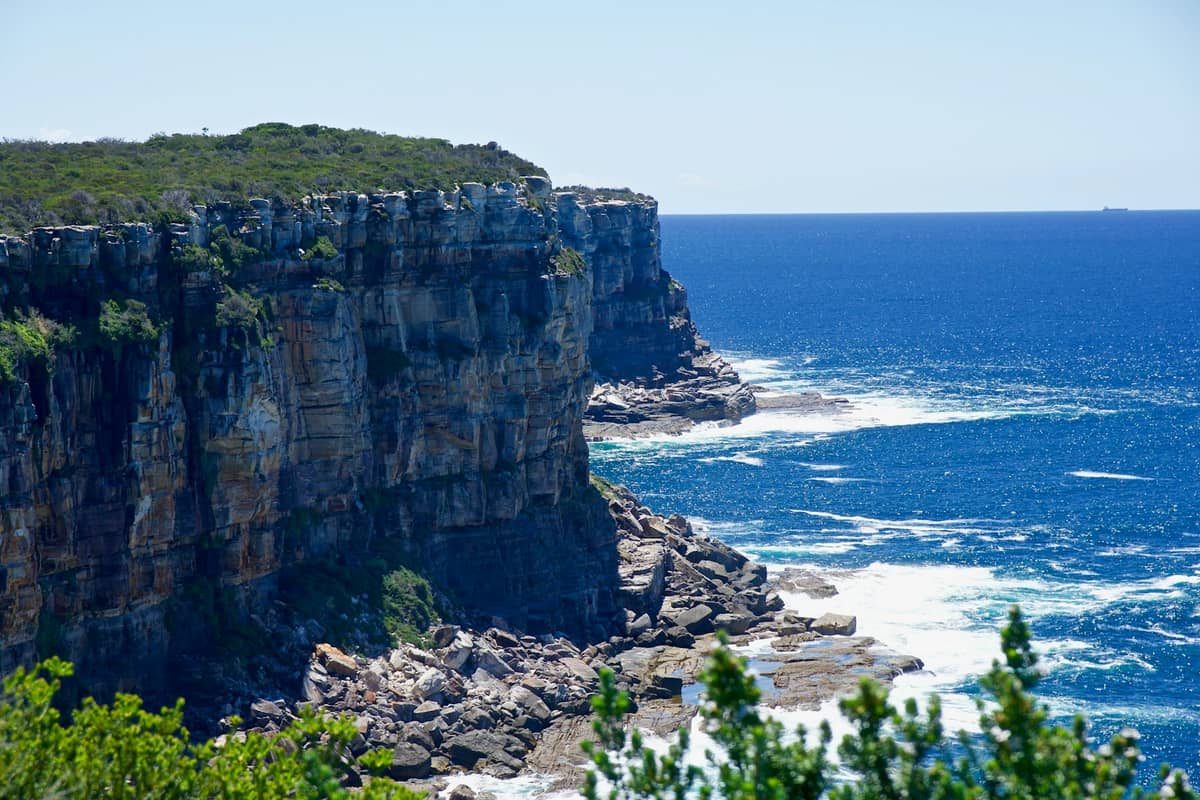
Fairfax Lookout, at the southern tip of the headland, delivers one of the most complete panoramas of Sydney Harbour's entrance. To the south, the cliffs of South Head frame the harbour mouth, with the red and white striped lighthouse visible on clear days. To the east, the Pacific runs to the horizon with nothing between you and New Zealand. Closer in, the ferry wakes cutting across the harbour below give the scene scale.
In the morning, the light falls across the headland from the east, illuminating the sandstone cliffs below and making the water an almost improbable shade of blue-green. Late afternoon brings softer, warmer light and, in the right seasons, the sight of tankers and container ships moving through the heads. Sunset from the lookout facing west is better experienced from a different vantage point within the sanctuary, where the city skyline appears low on the horizon across the water. For more classic harbour views in Manly, the Manly Beach oceanfront is a simpler option, but it trades the solitude for crowds.
💡 Local tip
Photography tip: Arrive before 9am for the sharpest morning light at Fairfax Lookout, and bring a zoom lens if you want to capture details on the South Head cliffs across the harbour entrance. A polarising filter cuts glare from the water significantly.
Military History: North Fort and the Fortifications
North Head was first fortified in the 1870s, when colonial authorities positioned gun batteries here to protect Sydney Harbour from potential naval attack. The fortifications were expanded significantly during World War II, when the threat from Japanese submarines felt urgent and real. The guns are gone, but the concrete emplacements, underground magazines, observation posts, and communications tunnels remain in a state of careful preservation rather than reconstruction. Walking into the underground passages on a guided tour, with the smell of damp concrete and the sense of mass overhead, communicates something about wartime anxiety that no display board can replicate.
The North Fort visitor centre, housed in the original military buildings, provides context for what you're looking at across the site. It is small and not exhaustive, but it orients visitors effectively. Guided tours run through the tunnels and gun emplacements and are the recommended way to access parts of the military infrastructure that are not self-accessible. Tours start from A$11 per person; book through the Sydney Harbour Federation Trust website and verify current availability, as schedules can change.
Those with a broader interest in Sydney's colonial and military past will find useful connections between North Head and other heritage sites around the harbour. The Museum of Sydney in the CBD covers the early colonial context, while Cockatoo Island offers a different angle on Sydney Harbour's industrial and military heritage.
How the Experience Changes Through the Day
Before 9am on weekdays, North Head Sanctuary is as close to empty as Sydney's northern headland gets. Dog walkers from Manly occasionally appear near the entrance, but the main tracks toward Fairfax Lookout carry almost no foot traffic at this hour. The birds are most active, the light is at its best for photography, and the cool air off the Pacific makes the walking genuinely comfortable, even in summer.
Midday on weekends brings families and school groups, particularly to the North Fort area and the lookout. The tracks are never uncomfortably crowded in the way that Bondi or the harbour foreshore can become, but the solitude of the early morning disappears. From roughly 1pm to 3pm in summer, the exposed heathland tracks offer little shade and can feel hot. Carry at least 750ml of water per person; there is no reliably available water source on the open tracks.
Late afternoon, particularly from about 4pm onward, sees the site settle again. The light returns to the headland from the west, and the views across the harbour entrance take on a different quality. On clear winter afternoons, the air is sharp and visibility is exceptional, making this one of the better seasons for the coastal panorama.
⚠️ What to skip
The sanctuary can be exposed and windswept in any season. The headland catches southerly and easterly winds without shelter. Even on warm city days, bring a layer if you're heading to the lookout or the open tracks near the headland tip.
Getting There and Getting Around
The standard approach is the Manly Ferry from Circular Quay, one of Sydney's great commuter trips that also functions as a harbour sightseeing experience. From Manly Wharf, the 161 bus runs to North Head. Check the Transport for NSW trip planner for current timetables, as frequency varies. If you're already on the Manly Scenic Walkway, North Head is accessible as part of the broader route, though the full walkway and sanctuary combined is a serious half-day commitment.
By car, follow Darley Road from Manly town centre and continue onto North Head Scenic Drive, turning at the North Fort entrance. Parking is available, with accessible spaces near the visitor centre. A car gives more flexibility for timing, particularly if you want to catch the site at quieter hours or visit in winter when daylight runs short.
The Manly Ferry from Circular Quay takes roughly 30 minutes and is a worthwhile experience in its own right. Factor travel time into your visit planning, particularly if you want a full morning at the sanctuary.
Accessibility
The visitor centre car park has accessible parking, and the North Fort buildings have wheelchair access. Accessible toilets are available on site. The broader sanctuary tracks involve uneven sandstone surfaces, stairs, inclines, and loose gravel in places; not all walking routes are suitable for wheelchairs or prams. Contact the Sydney Harbour Federation Trust in advance if accessibility is a priority, so you can plan a realistic route for your visit.
Is It Worth the Effort?
Honestly, North Head Sanctuary is not for everyone, and it is worth being clear about that. If your interest is a quick, scenic lookout with easy access and nearby cafes, Manly Beach and the Shelly Beach area delivers that without the bus journey. The sanctuary asks more of visitors: a bit of planning, reasonable footwear, and some comfort with a site that has no coffee cart at the top.
What it gives back is scale, quiet, and the specific feeling of being on a headland that has not been built over or polished for visitors. The military history has depth. The bush is genuine. The views from Fairfax Lookout rank among the finest on the entire Sydney Harbour foreshore. For the right visitor, it is exactly that kind of place.
Insider Tips
- Book guided tunnel tours through the Sydney Harbour Federation Trust website before arriving. Places on weekend tours fill quickly, and the underground sections of North Fort are not accessible independently.
- The 161 bus from Manly Wharf does not run at high frequency. Check the current timetable before you head down to the wharf, and build buffer time into your plan so you're not rushing the walk to catch a return service.
- Little penguins nest along the lower headland. If you're at the site near dusk, linger near the colony zone (marked with signs) and watch quietly. Penguins returning from the sea at last light is a genuinely memorable experience, and it costs nothing.
- The Quarantine Station at North Head (now Q Station hotel) has its own history separate from the military site. Its cemetery, containing graves from the 1800s quarantine era, is accessible on specific tours and adds a completely different layer of history to the headland.
- Wear closed shoes with grip. The sandstone tracks look smooth and are often not. This is not a sandals and thongs destination, particularly after rain when the rock surface becomes slippery.
Who Is North Head Sanctuary For?
- Hikers and walkers who want bush trails without leaving Sydney's metropolitan area
- History enthusiasts interested in colonial-era defence and WWII military infrastructure
- Wildlife watchers, particularly those hoping to spot little penguins at dusk or honeyeaters in the heathland
- Photographers looking for a less-visited vantage point for Sydney Harbour entrance shots
- Visitors who want a slow half-day away from Sydney's more commercial attractions
Nearby Attractions
Other things to see while in Manly & the Northern Beaches:
- Barrenjoey Lighthouse
Barrenjoey Lighthouse crowns the northern tip of Palm Beach on a sandstone headland above Pittwater and the Pacific Ocean. The 1881 sandstone tower rewards the 1km climb with some of the most far-reaching coastal views in greater Sydney, and a Sunday guided tour opens the historic interior for a deeper look.
- Manly Beach
Manly Beach stretches along Sydney's Northern Beaches, backed by Norfolk Island pines and connected to the city by one of the world's great ferry rides. Free to enter, patrolled year-round, and far more relaxed than Bondi, it rewards visitors who make the short trip north.
- Manly Scenic Walkway
The Manly Scenic Walkway traces 10 kilometres of undeveloped Sydney Harbour foreshore between Spit Bridge and Manly Wharf. Free to walk, rich in Aboriginal heritage and colonial history, and genuinely quieter than its reputation suggests, this is one of Sydney's most rewarding half-day outings for anyone who can handle a moderate trail.
- Palm Beach
Palm Beach sits at the northern tip of Sydney's coastline, where a long arc of sand separates the open Pacific from the sheltered waters of Pittwater. Add a working 1881 lighthouse on the headland above, and it's easy to understand why this stretch of NSW coast has become an enduring benchmark for what a Sydney beach can be.
Planning a trip? Discover personalized activities with the Nomado app.