Sydney Ferry Guide: Best Routes & How to Use Them
Sydney's ferry network is one of the most practical and scenic ways to move around the city. This guide covers every route, how to pay, fare caps, seasonal changes, and which journeys are worth doing for their own sake.
Tickets & tours
Live prices and dates from our booking partner. If you book, we may earn a commission at no extra cost to you.
TL;DR
- Pay with an Opal card or contactless bank card; tap on and tap off at every wharf (except on the F1 Manly Ferry) or risk being charged the default maximum fare..
- The F1 Manly Ferry is the standout scenic route, but routes like F3 Parramatta River and F8 Cockatoo Island are genuinely useful as well as enjoyable.
- Adult daily caps are $19.30 Monday to Thursday and $9.65 Friday to Sunday; the weekly cap is $50 across all Transport for NSW services.
- Sydney Ferries are operated by Transport for NSW, but some private operators share wharfs. Fares and payment rules differ, so always confirm your operator.
- For the full picture on getting around the city, see the getting around Sydney guide.
How the Sydney Ferry Network Works
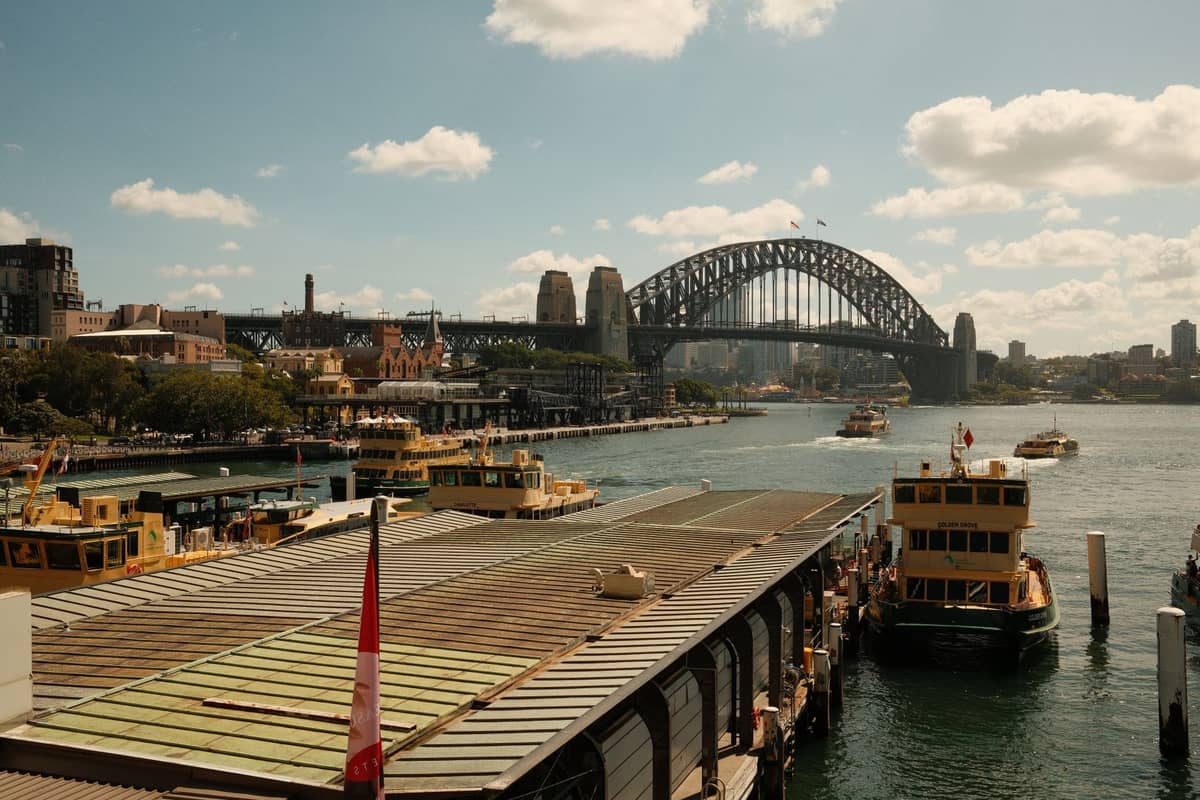
Sydney Ferries, operated by Transport for NSW, runs ten numbered routes radiating mostly from Circular Quay. Each route carries a letter-number code: F1 through F10, Sydney Ferries, operated by Transport for NSW, runs ten numbered routes radiating mostly from Circular Quay. Each route carries a letter-number code: F1 through F10. The network connects the CBD to destinations across Sydney Harbour, the Parramatta River, and several inner-west bays. Most services run seven days a week, with reduced frequency on evenings and Sundays. The network connects the CBD to destinations across Sydney Harbour, the Parramatta River, and several inner-west bays. Most services run seven days a week, with reduced frequency on evenings and Sundays.
The main interchange point is Circular Quay, which has multiple numbered wharfs. Read the wharf signs carefully before boarding. Wharfs 2 and 3 handle the highest-frequency routes; other wharfs serve specific routes only. The Transport for NSW trip planner at transportnsw.info is the most reliable way to find departure times for your specific route and day.
⚠️ What to skip
Not every vessel at Circular Quay is a Sydney Ferries service. Private operators including Captain Cook Cruises and Manly Fast Ferry share some wharfs. Not every vessel at Circular Quay is a Sydney Ferries service. Private operators including Captain Cook Cruises and Manly Fast Ferry share some wharfs. These may have different fares and payment rules; some private ferry services accept OpalPay, while others use separate payment methods. Check the operator and payment requirements before boarding.
Fares, Payment, and the Opal Card
You can pay for Sydney Ferries using an Opal card, a contactless bank card, or a contactless payment device such as a phone or watch. Single-trip Opal paper tickets are also available at some wharfs, but they cost more than tapping on with a card and offer no cap benefits. For any visit longer than a day or two, use a linked payment method.
The fare system is distance-based, calculated in fare bands. As of the most recent published figures, adult fares for most inner-harbour trips fall in the $4-7 range, while the longer Parramatta River run is higher. Always verify current fares at transportnsw.info before you travel, as these figures are subject to change.. As of the most recent published figures, adult fares for most inner-harbour trips fall in the $4-7 range, while the longer Parramatta River run is higher. Always verify current fares at transportnsw.info before you travel, as these figures are subject to change.
- Daily cap: $19.30 (Mon-Thu) Once you reach this total in a calendar day, any additional Transport for NSW travel is free. Useful if you plan multiple ferry trips in one day.
- Weekend/public holiday cap: $9.65 (Fri-Sun) The cheapest way to maximise the network. A Friday afternoon Manly trip plus a Sunday harbour loop can cost as little as this combined cap.
- Weekly cap: $50 Applies across the entire Transport for NSW network, including trains, buses, metro, and ferries. Heavy commuters hit this by midweek.
⚠️ What to skip
For most Sydney Ferries services, tap ON before boarding and tap OFF after leaving the ferry; F1 Manly passengers only need to tap on. If you forget a required tap, the system charges the default maximum fare for that service. Wharf readers are located on the gangway or at the wharf entrance, not on the vessel itself.
The Best Sydney Ferry Routes, Ranked by Purpose
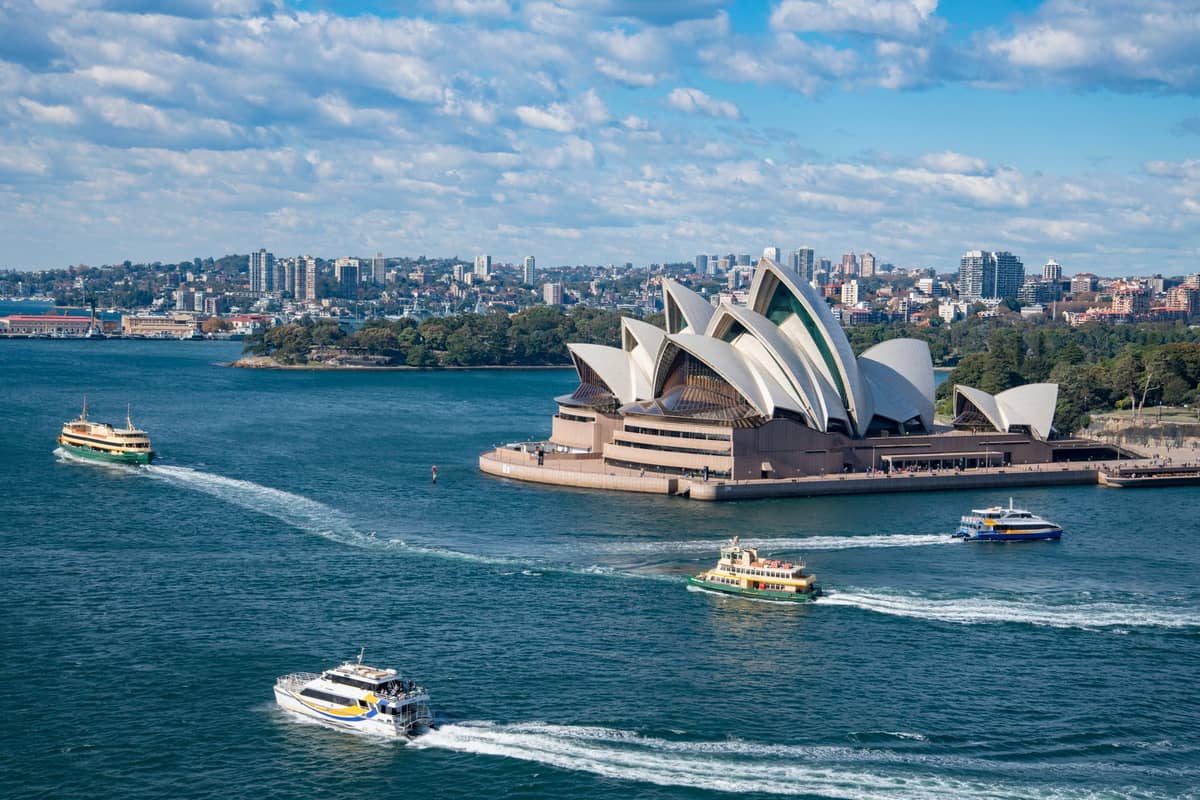
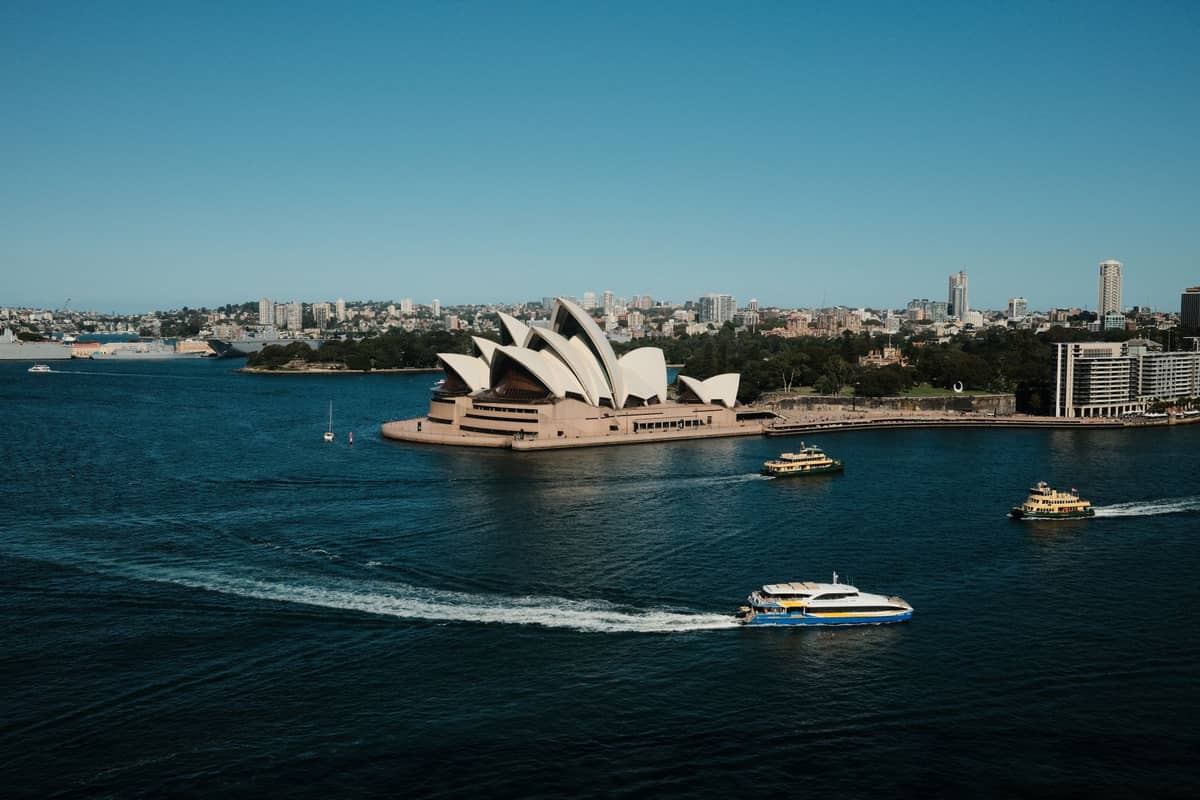
The F1 Manly Ferry is the route most visitors should prioritise. It departs from Circular Quay Wharf 3, takes around 30 minutes, and The F1 Manly Ferry is the route most visitors should prioritise. It departs from Circular Quay Wharf 3, takes around 30 minutes, and crosses Sydney Harbour on the way to Manly. On a clear day, you get unobstructed views of the and the as you pull away from Circular Quay. This is one of the best free viewpoints in the city, and you are paying a public transport fare rather than a tourist surcharge. On a clear day, you get unobstructed views of the Sydney Opera House and the Sydney Harbour Bridge as you pull away from Circular Quay. This is one of the best free viewpoints in the city, and you are paying a public transport fare rather than a tourist surcharge.
At Manly, the wharf is a three-minute walk from Manly Beach. The Corso pedestrian strip connects the two sides. Manly also serves as the starting point for the Manly Scenic Walkway, a 10-kilometre coastal track to Spit Bridge. If you are combining the ferry with a walk, catch an early service to avoid the midday heat in summer.
- F1 Manly: Best scenic journey 30 minutes each way. Full harbour crossing with Opera House and Bridge views. Runs frequently, roughly every 30 minutes at peak times. Board at Circular Quay Wharf 3.
- F2 Taronga Zoo: Best for families 12-15 minutes from Circular Quay to Taronga Zoo wharf. The ferry is the recommended approach: you arrive at the lower entrance and can take the zoo's cable car (Sky Safari) to the top. Check Taronga Zoo opening hours separately.
- F3 Parramatta River: Best for length and variety Runs from Circular Quay to Parramatta via stops including Meadowbank and Rydalmere. The full journey takes around 60-70 minutes. Passes industrial heritage sites, mangroves, and suburban reaches of the river. Less crowded than the harbour routes.
- F8 Cockatoo Island: Best for history Stops at Cockatoo Island on the Parramatta River route. The island is a former convict prison and shipyard, now managed by the Sydney Harbour Federation Trust. You can camp overnight or visit for the day.
- F4 Pyrmont Bay and F10 Blackwattle Bay: Best for Darling Harbour access Connects Circular Quay to the Darling Harbour precinct. Useful for reaching the Sea Life Aquarium, the Maritime Museum, and the Fish Market area without navigating surface streets.
- F5 Neutral Bay / F6 Mosman Bay / F7 Double Bay: Best for local character These shorter harbour routes serve residential north and eastern shore suburbs. Less frequented by tourists, they give a glimpse of how Sydneysiders actually use the water. Double Bay has good cafes near the wharf.
✨ Pro tip
If you want the Manly Ferry view without the crowds, take the last return service from Manly around sunset rather than the midday peak. The light on the harbour in the late afternoon is exceptional, and the ferry is significantly less crowded on the return leg after 6pm on weekdays.
What to Know Before You Board
Sydney's ferry timetables change across weekdays, weekends, public holidays, and school holidays. The standard published timetable does not always account for major harbour events such as New Year's Eve fireworks, the Sydney to Hobart Yacht Race start, or large concerts at nearby venues. On these dates, ferries run on modified schedules with much higher demand. Book ferry experiences around events several days in advance if possible, or accept that you will queue.
Seating on the F1 Manly Ferry is split between an indoor deck with bench seating and an upper outdoor deck. On weekday mornings, the outdoor deck fills quickly with commuters who use the crossing as their daily commute. Visitors who want the best views should arrive at the wharf at least 10 minutes before departure to board early and claim an outdoor spot. This is especially true during the Vivid Sydney festival in late May and June, when the ferry crowd swells dramatically after dusk.
Bicycles are permitted on most services but are subject to availability of space. Pushchairs and prams are accommodated, though space and accessibility can vary between vessels. Check the current service accessibility information before travelling.
💡 Local tip
Sydney Ferries does not operate luggage storage. If you are catching a ferry to Manly or Parramatta with large bags, plan for limited luggage space and be prepared to hold bags between your feet on busy services.
Combining Ferries with Walking Routes and Day Trips
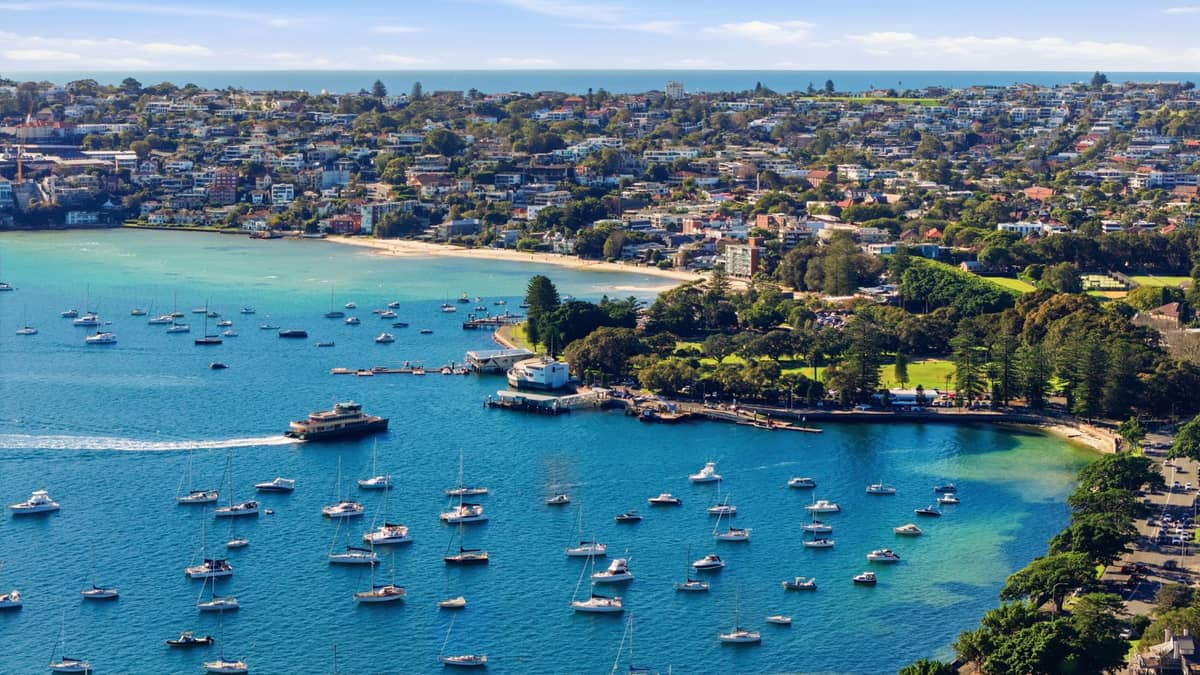
The ferry network pairs well with several of Sydney's best coastal walks. The Bondi to Coogee coastal walk is not directly ferry-accessible, but catching the F1 to Manly and doing the Manly Scenic Walkway in the opposite direction achieves a similar effect on the northern side of the harbour. The is not directly ferry-accessible, but catching the F1 to Manly and doing the Manly Scenic Walkway in the opposite direction achieves a similar effect on the northern side of the harbour. Check the current route information for distance and walking time, and start early to allow time for the walk.
For a longer day out, the F3 to Parramatta connects directly to Old Government House in Parramatta, Australia's oldest surviving public building, and the broader Parramatta heritage precinct. The river journey takes longer than the train, but that is the point: you see the city transition from dense harbour suburbs to river flats across the 60-plus-minute journey.
Watsons Bay is accessible on a modified version of the eastern harbour routes; check the current Transport for NSW timetable for wharf stops and availability. The suburb has Camp Cove beach and cliff-edge views back toward the CBD from South Head. It works well as a half-day trip combined with the ferry leg.
Common Mistakes and Overrated Options
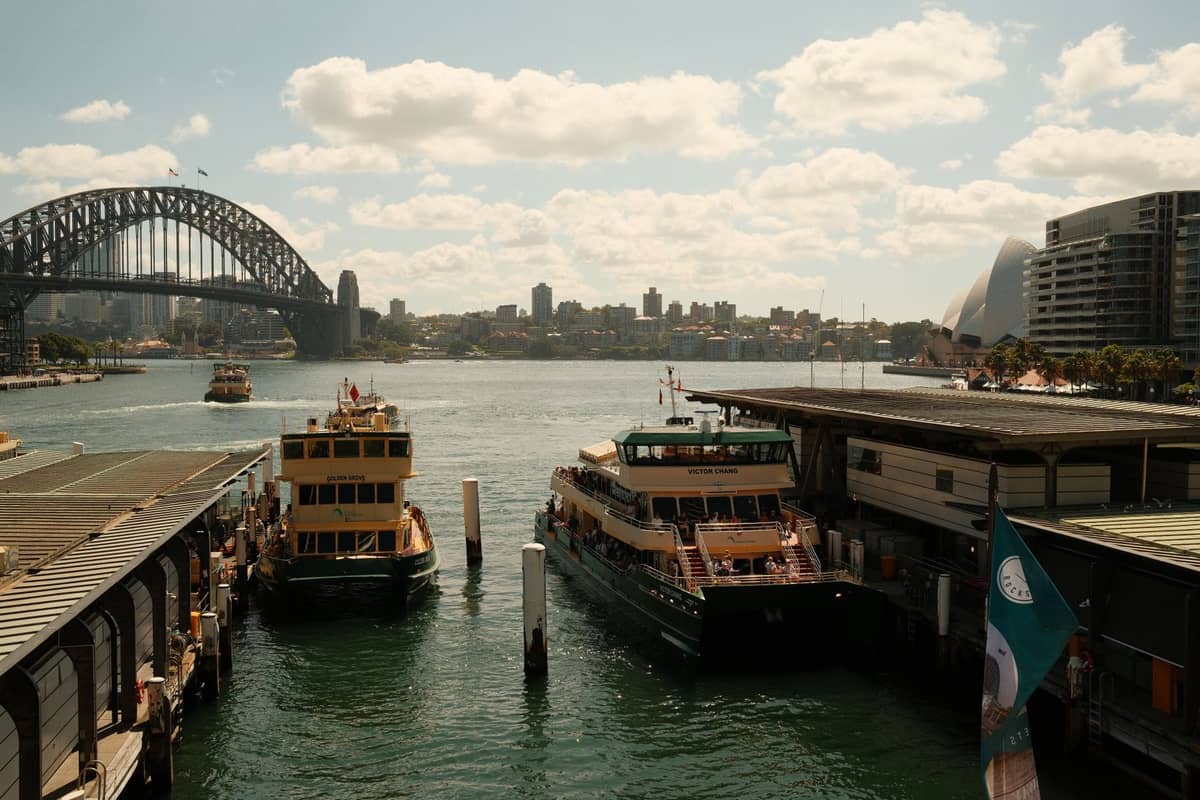
The biggest mistake most visitors make is assuming that any vessel at Circular Quay is part of the Opal-linked network. Private cruise operators and the Manly Fast Ferry are positioned close to public wharfs, and their signage can look similar. The biggest mistake most visitors make is assuming that any vessel at Circular Quay is part of the Opal-linked network. Private cruise operators and the Manly Fast Ferry are positioned close to public wharfs, and their signage can look similar. The Manly Fast Ferry is faster than the public F1 service, but it charges a separate fare not covered by standard Opal fares, and you miss the harbour crossing view that is the whole point of the journey.
Harbour cruise packages sold at Circular Quay kiosks are an expensive alternative to the public ferry for sightseeing. A 2-hour lunch cruise can run $90-130 AUD per person. For most visitors, the F1 Manly return crossing gives comparable harbour views at a fraction of the price. If you want a dedicated harbour cruise experience, the Sydney for couples guide covers evening options that are genuinely worth the premium.
Finally, the Taronga Zoo ferry (F2) is excellent value if you are already visiting the zoo, but there is no particular reason to ride it if you are not. The view from Taronga Zoo back toward the city is genuinely one of the best in Sydney, framed by animal enclosures in the foreground. That view, however, is only accessible with a zoo entry ticket.
FAQ
Can I use my credit card to pay for Sydney Ferries?
Yes. Contactless bank cards, phones, and watches that support tap payment work on all Transport for NSW ferry services. Yes. Contactless bank cards, phones, and watches that support tap payment work on Transport for NSW ferry services. You tap the card reader at the wharf before boarding and, on services that require it, again after you disembark; F1 Manly passengers only need to tap on. You do not need an Opal card if you have a contactless payment method, though an Opal card works too. Ensure your card is enabled for contactless payments before you travel. You do not need an Opal card if you have a contactless payment method, though an Opal card works too. Ensure your card is enabled for contactless payments before you travel.
How often do the Manly Ferries run?
Frequency varies by time of day. During weekday peak periods, the F1 Manly Ferry runs approximately every 30 minutes from Circular Quay. Off-peak and late evening services are less frequent, sometimes hourly or less. Always check the live Transport for NSW timetable before heading to the wharf, as services can also be affected by weather, events, or operational changes.
Is the Sydney Ferry free on weekends?
No, it is not free. However, the daily cap of $9.65 on Fridays, Saturdays, Sundays, and public holidays means that after you spend that amount across all Transport for NSW travel in a single day, the rest of that day's trips cost nothing extra. No. However, the daily cap of $9.65 on Fridays, Saturdays, Sundays, and public holidays means that after you spend that amount across all Transport for NSW travel in a single day, the rest of that day's trips cost nothing extra. For visitors doing multiple harbour trips in one of those days, this can feel like effectively free travel after the first couple of journeys.
Which ferry route is best for seeing the Sydney Opera House and Harbour Bridge?
The F1 Manly Ferry gives the best view of both landmarks from the water. As you leave Circular Quay heading north toward Manly, the Opera House is on your right and the Harbour Bridge spans the view ahead and to the left. Sit or stand on the upper outdoor deck, starboard (right) side on the outbound journey from Circular Quay, for the clearest Opera House sightline.
Can I take a ferry to Bondi Beach?
No. Bondi Beach is on the Pacific Ocean coast and is not connected to the harbour ferry network. To reach Bondi, take a train from the CBD to Bondi Junction station, then a bus to the beach. The journey takes around 30-40 minutes from the city centre, depending on connections.
Tickets & tours
Live prices and dates from our booking partner. If you book, we may earn a commission at no extra cost to you.
Planning a trip? Discover personalized activities with the Nomado app.