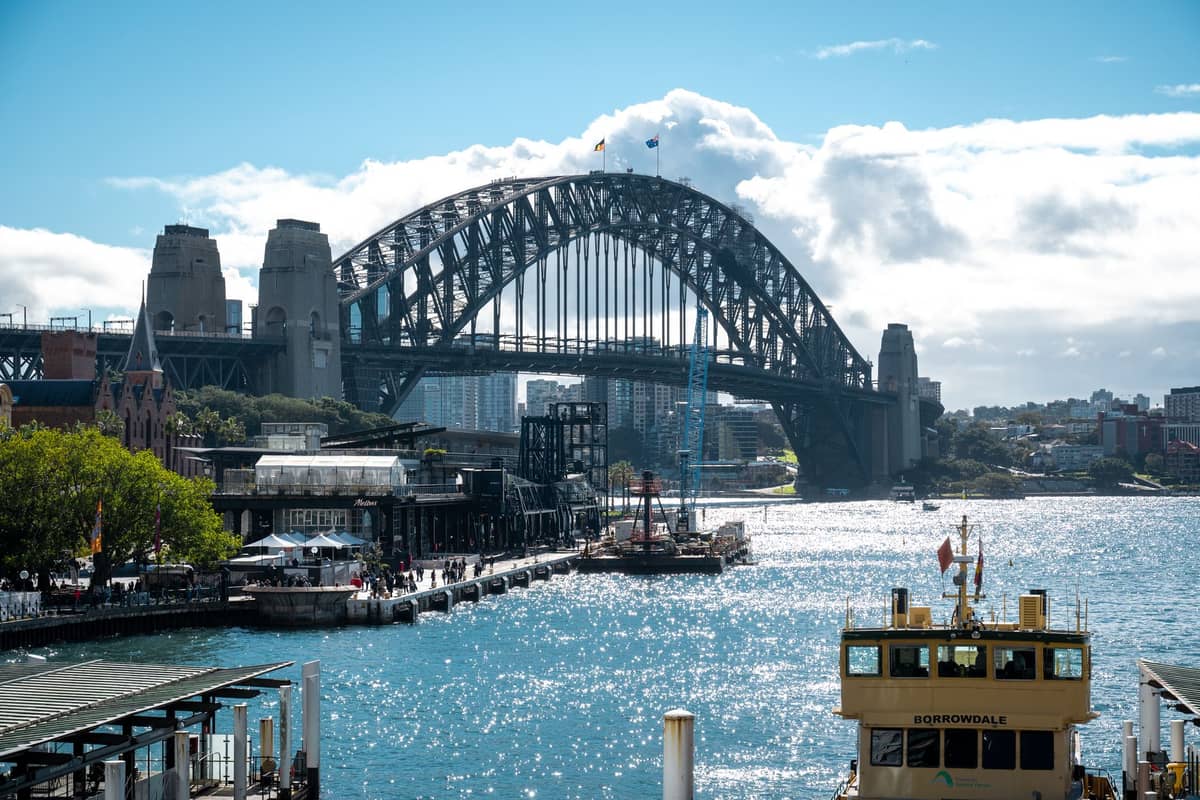
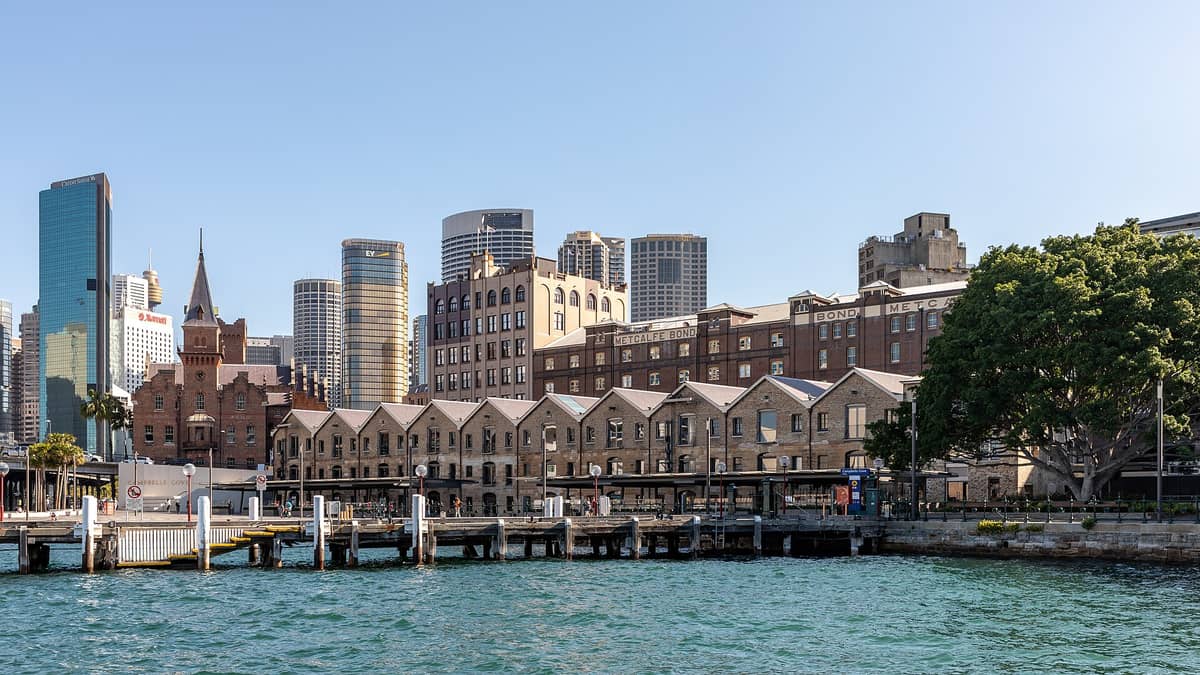
Circular Quay and The Rocks together form Sydney's historic harbour heart, where the city's oldest colonial streets meet its most iconic waterfront views. This is where the Sydney Harbour Bridge, the Opera House, and the ferry network all converge, making it a major visitor destination in Australia. It rewards a slow walk as much as a quick connection.
Circular Quay and The Rocks sit at the northern edge of the Sydney CBD, where the city's oldest colonial streets run down to one of the world's most recognisable harbours. The Sydney Opera House curves into view from the east, the Harbour Bridge arches overhead to the west, and the ferry wharves in between keep the whole precinct in constant, purposeful motion. This is where Sydney began, and it remains the place where the city puts its best face forward.
Orientation
Circular Quay and The Rocks occupy the northern tip of the Sydney CBD, between Dawes Point in the west and Bennelong Point in the east. The Rocks runs roughly from the Harbour Bridge approaches south to Grosvenor Street, and west to Kent Street. Circular Quay sits between those two landmarks, curving along the harbour's edge in a broad arc of wharves, promenades, and transit infrastructure.
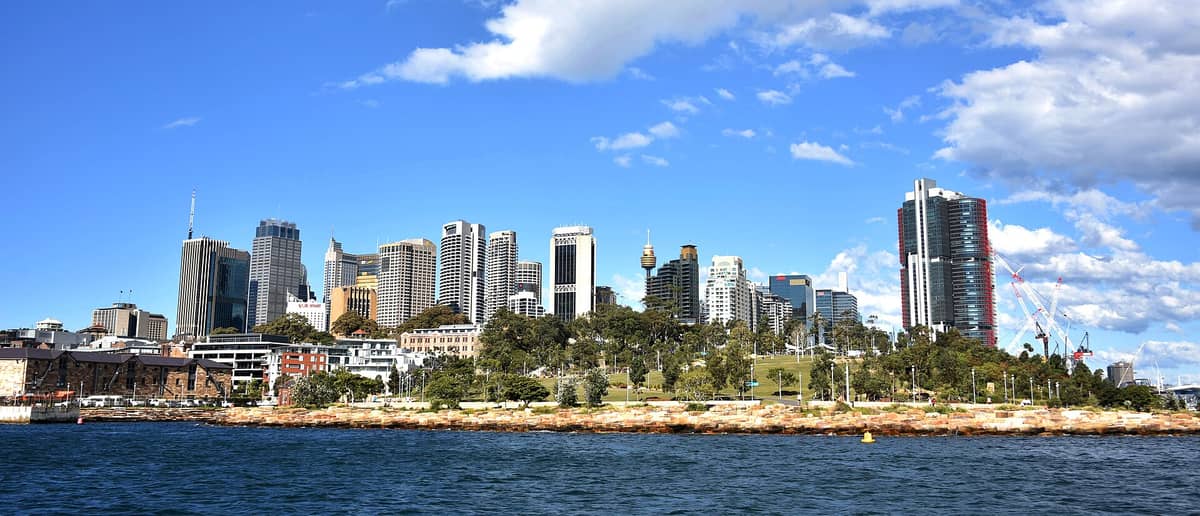
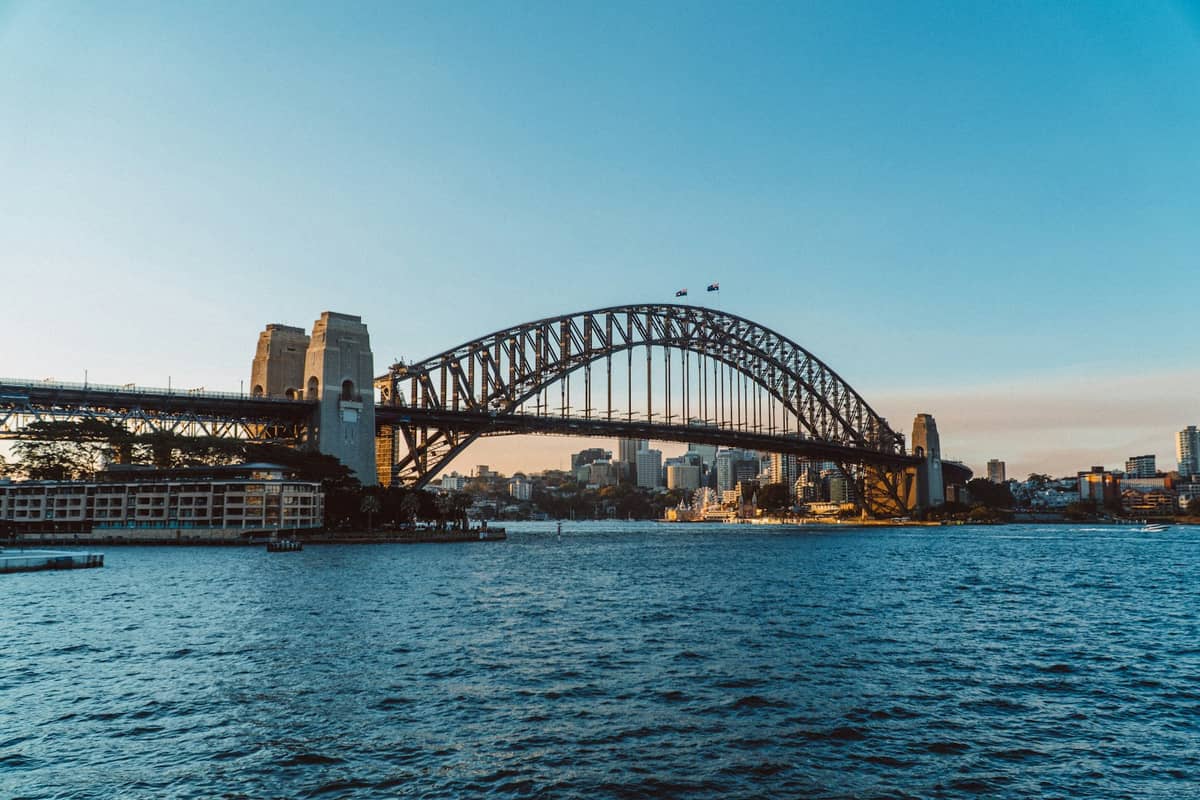
To the immediate south lies the rest of Sydney's CBD, with Martin Place, George Street, and the retail core all within a ten-minute walk. The Royal Botanic Garden extends east from Bennelong Point, offering a green buffer between the foreshore and Macquarie Street's institutional buildings. To the north and west, the harbour itself forms the boundary, with the bridge carrying road and rail across to the North Shore.
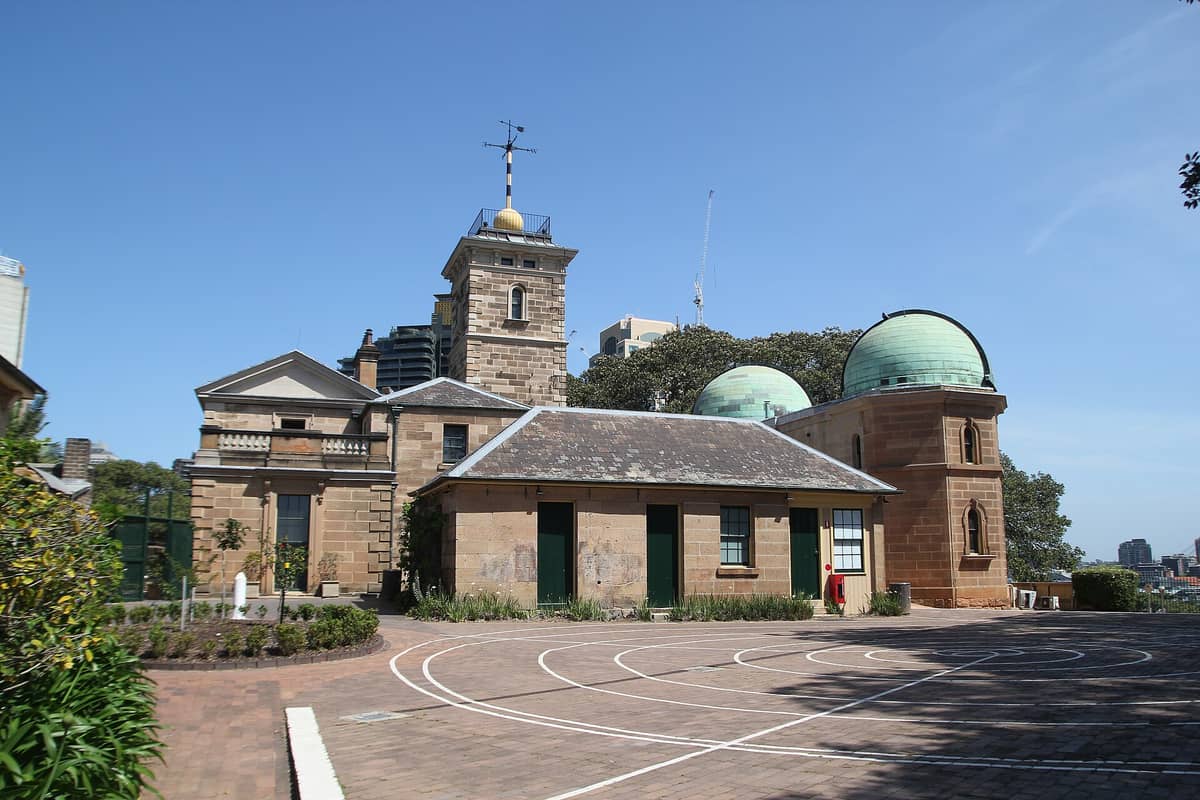
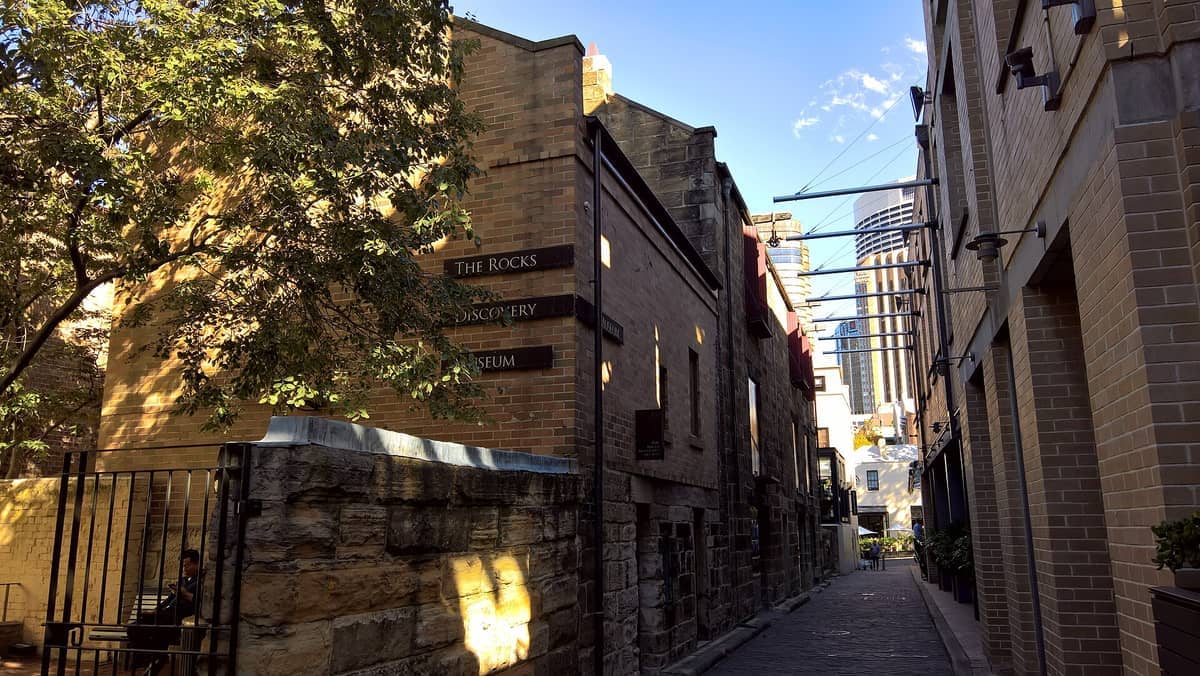
The two areas feel distinct despite their proximity. The Rocks is topographically higher and more enclosed, its laneways pushing uphill from the waterfront through a mix of sandstone warehouses and terrace houses. Circular Quay, by contrast, is flat, open, and relentlessly public-facing, built around the logic of movement: trains arrive, buses pull in, ferries depart, and crowds funnel through constantly.
Character & Atmosphere
Early mornings at Circular Quay have a specific quality that the midday crowds erase entirely. By seven o'clock, the light on the harbour is low and golden, the Opera House sails catch it at an angle that makes them look almost warm, and the ferry workers are already loading passengers for Manly, Taronga Zoo, and Parramatta. Commuters move fast along Alfred Street, coffee cups in hand, barely glancing at the view that stops tourists cold.
By mid-morning, the tourist economy takes over. Tour groups gather under the Harbour Bridge pylons, buskers set up along the Quay promenade, and the restaurants lining the waterfront begin filling their outdoor tables. The light is harshest in the middle of the day, flattening the harbour and making the space feel more crowded than it actually is. This is when most visitors take their Opera House photos and tick the landmark boxes.
The Rocks, a few minutes' walk west, operates on a different register. The laneways off George Street and Playfair Street are quieter even when the precinct is busy. The sandstone walls absorb heat and seem to deaden sound. In the early afternoon, the light angles down through the gaps between buildings in a way that makes the colonial-era streetscapes look genuinely cinematic. Weekends bring markets to the upper areas, drawing local families and browsers alongside the usual visitor traffic.
After dark, the precinct splits again. Circular Quay goes quiet quickly on weeknights once the commuter ferries have gone. The Rocks, particularly around the older pubs on George Street, holds its energy into the evening, with a mix of after-work crowds, dinner groups, and tourists who have stayed to see the bridge and Opera House lit up. The foreshore walk from the Quay to the Opera House is well-lit and well-populated on most evenings, making it one of the more comfortable waterfront walks in the city at night.
💡 Local tip
For the best light on the Opera House and Harbour Bridge together, walk to Mrs Macquaries Point in the Royal Botanic Garden at sunrise or in the late afternoon. It adds about twenty minutes to any itinerary and changes what you see entirely.
What to See & Do
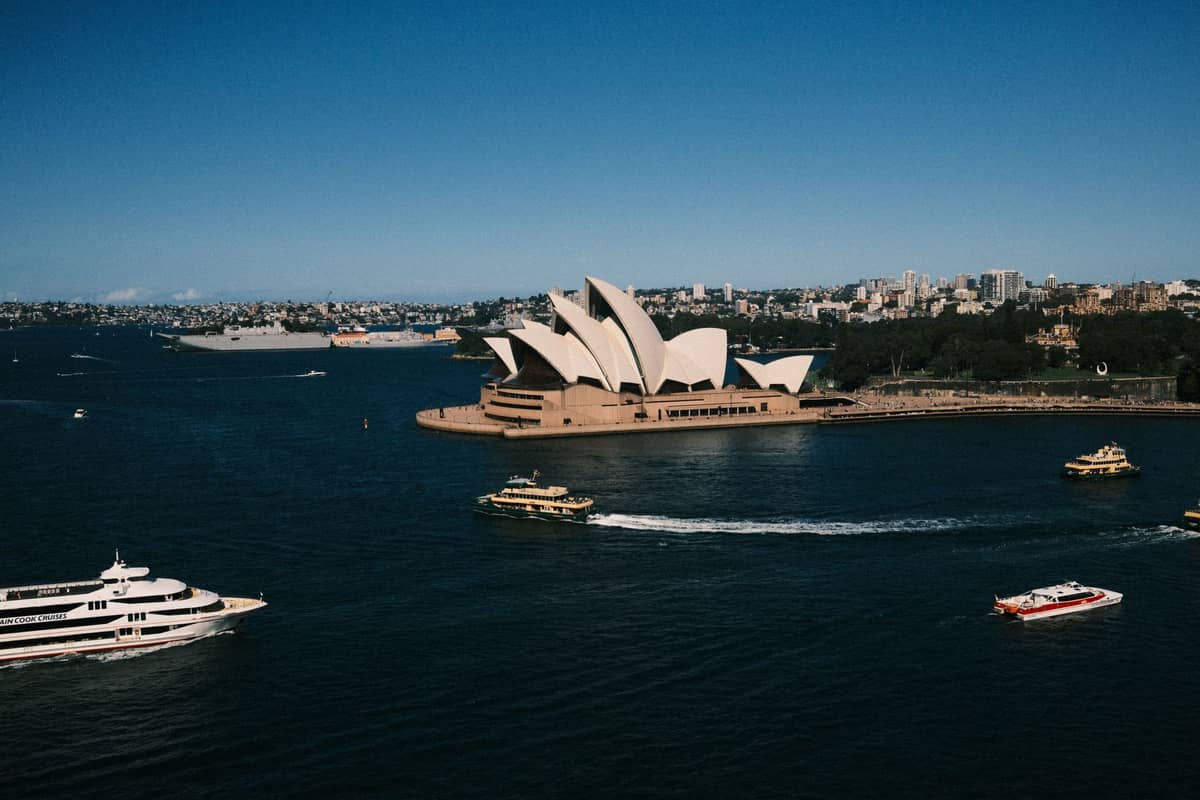
The Sydney Opera House at Bennelong Point is the obvious starting point, and it genuinely warrants the attention it gets. The exterior alone takes time to absorb from multiple angles: from the Quay ferry ramps, from the Royal Botanic Garden path, and from the western concourse looking back toward the CBD. Guided tours run through the interior during the day, and attending a performance in the evening is worth planning ahead for.
The Sydney Harbour Bridge is accessible on foot via the footpath on the eastern side of the bridge deck, reached by stairs from Cumberland Street in The Rocks. The walk across to the North Shore takes about twenty minutes each way and offers progressively better views of the city and harbour the higher you climb. The bridge climb itself is a separate commercial experience that requires advance booking.
Within The Rocks, the precinct's historic fabric rewards careful exploration. The Rocks Discovery Museum on Kendall Lane is a free museum covering the site's Indigenous and colonial history, and it provides the kind of context that makes the surrounding streets more legible. The nearby The Rocks Discovery Museum covers more than 55,000 years of history on this specific site, including the Cadigal people's occupation of the land long before European settlement.
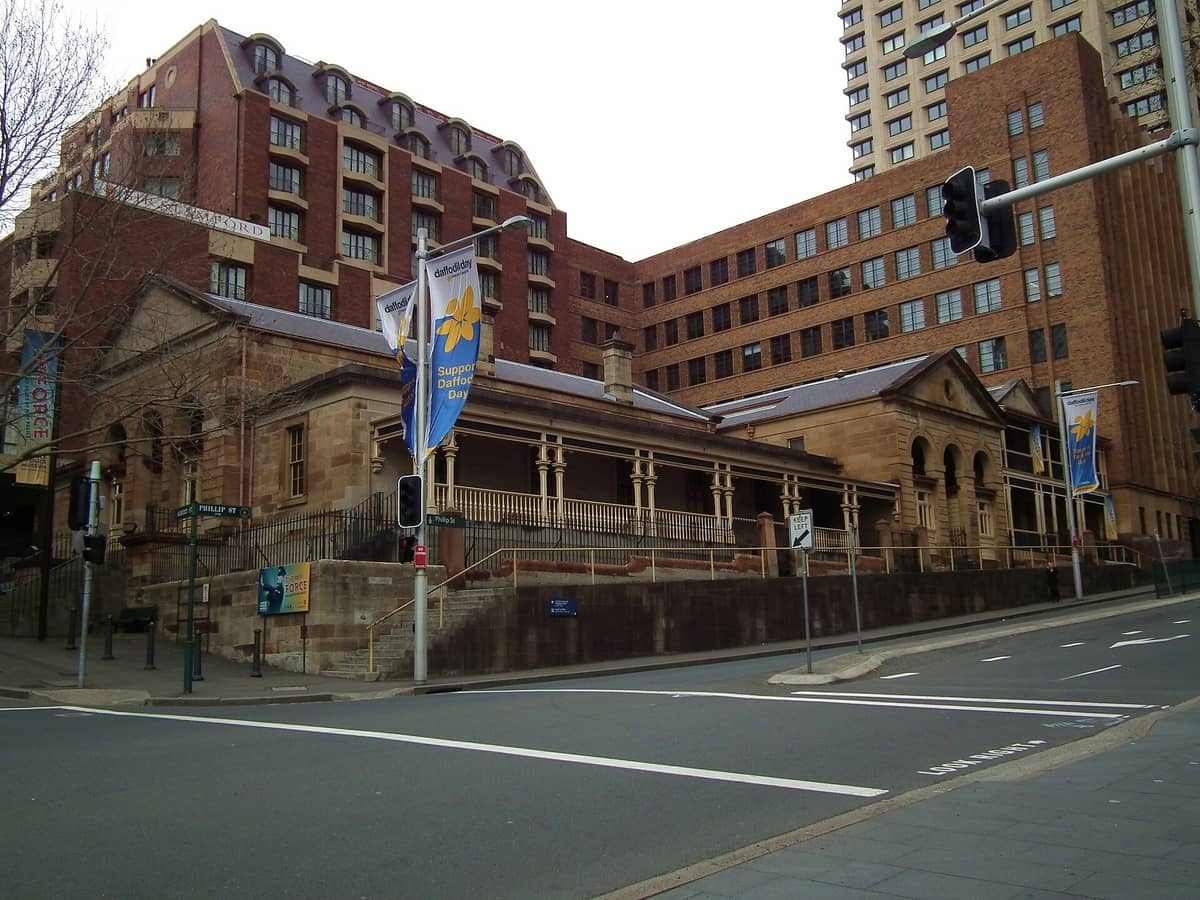
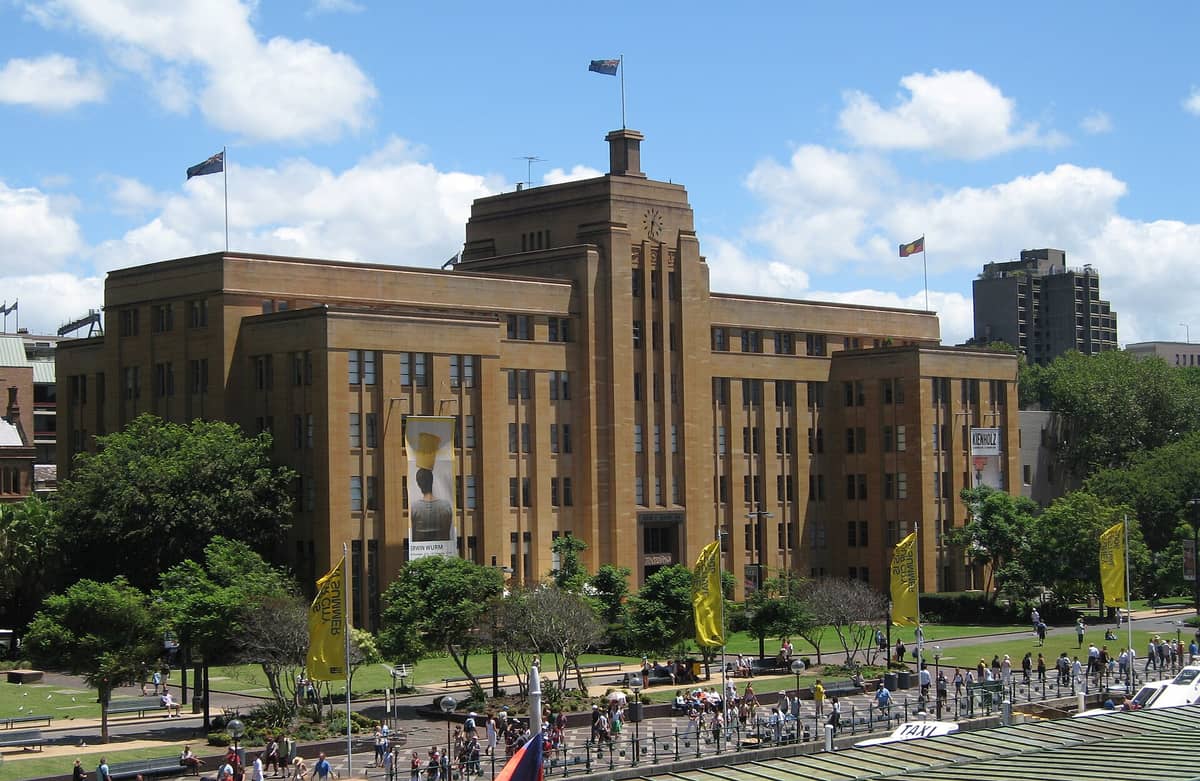
The Museum of Contemporary Art Australia occupies a large art deco building directly on the western edge of Circular Quay at 140 George Street. Admission to the permanent collection is free. The rooftop terrace cafe has an unobstructed view of the Opera House and is worth visiting independently of the galleries. The Justice and Police Museum at the corner of Albert and Phillip Streets covers Sydney's colonial legal and criminal history in a building that served as a court and police station into the 1980s.
Sydney Opera House — exterior walk and guided interior tours, plus evening performances
Sydney Harbour Bridge — free pedestrian crossing via the eastern footpath from Cumberland Street
Museum of Contemporary Art Australia — free permanent collection, paid special exhibitions
The Rocks Discovery Museum — free, covers 55,000 years of local history
Justice and Police Museum — colonial law and order history in a heritage building
Mrs Macquaries Chair — foreshore lookout in the Botanic Garden, about 1.5 km east
Weekend markets in The Rocks precinct, typically Saturdays and Sundays near Argyle Street
Eating & Drinking
The honest assessment of eating and drinking at Circular Quay is that most of the waterfront restaurants are built around location rather than cuisine. Prices along the promenade at Alfred Street run high, service is sometimes stretched thin during peak tourist hours, and the menus lean toward crowd-pleasing Australian and international fare. You are paying for the view, and on a clear day that view is extraordinary, which is a reasonable trade-off if you go in knowing it.
The Rocks offers more character, particularly in its older pubs. The Australian Hotel on Cumberland Street has been trading since the 1800s and maintains a genuinely Australian food focus, including game meats and local produce. The Lord Nelson Brewery Hotel on Kent Street near the bridge is one of Sydney's oldest licensed premises and brews its own beers on site, making it worth a stop purely for the context of drinking in a sandstone building that has been doing exactly this since the 1840s.
For coffee, the precinct has improved substantially in recent years, with several independent cafes operating on the lanes off George Street. The CBD coffee culture documented across Sydney's cafe scene has reached The Rocks, and a good flat white is no longer hard to find. For a more serious meal, the upper end of the precinct near Observatory Hill has some restaurant options that trade less on tourist footfall and more on the local dinner crowd.
⚠️ What to skip
The restaurants with the best harbour views at Circular Quay are almost all in the premium price bracket, with mains typically starting above AUD 35-40. If budget is a consideration, eat further into the CBD or in The Rocks' laneways and walk to the waterfront for the view separately.
The nearby Sydney Fish Market at Pyrmont is about a 20-minute walk or a short light rail trip from Circular Quay, and offers better seafood at more honest prices than most of the waterfront dining here.
Getting There & Around
Circular Quay station serves the precinct directly and sits on the City Circle rail loop, making it directly connected to Central, Town Hall, Wynyard, and St James stations. It also has a light rail stop (the L2 and L3 lines run between Circular Quay and Randwick or Juniors Kingsford), bus stops along Alfred Street, and the main ferry wharves for services across Sydney Harbour. For a full picture of how to navigate the city's public transport network, the guide to getting around Sydney covers Opal card use, zone pricing, and route planning in detail.
Ferries from Circular Quay are the defining transport experience of the precinct and arguably the best value sightseeing in the city. The Manly Ferry route is the most scenic, crossing the full breadth of the harbour in about 30 minutes, and the standard Opal fare applies. The ferry to Taronga Zoo, Watsons Bay, and various inner-harbour stops all depart from here. The Sydney ferry guide has route details, timetables, and wharf numbers.
Wynyard station is the alternative rail option, about a ten-minute walk south through the CBD along George Street or Pitt Street. It is worth knowing if Circular Quay station is congested during peak hours or special events. The precinct itself is compact and entirely walkable: the walk from the Harbour Bridge pylon at Dawes Point to the Opera House forecourt at Bennelong Point is about 15 minutes at a moderate pace along the foreshore.
From Sydney Airport, the Airport Link train runs to Circular Quay station via Central and Town Hall. Journey time is approximately 25 minutes depending on stops, and the adult fare includes an airport station access fee in addition to the standard Opal rail charge. Rank taxis from the airport to the designated CBD area are a fixed AUD 60 (AUD 80 maxi). Verify current fares directly with Transport for NSW or your taxi provider before travel, as pricing is subject to change.
ℹ️ Good to know
Opal cards and contactless bank cards both work on Sydney trains, ferries, light rail, and buses. Tapping on and off is required on all modes. For ferry travel, tap on at the wharf gates before boarding — not on the vessel.
Where to Stay
Accommodation in and immediately around Circular Quay and The Rocks sits at the premium end of the Sydney market. This is one of the most desirable addresses in the country for hotels, and pricing reflects that. The benefit is direct access to the waterfront, the ferry network, and the major landmarks with no transit required. For a broader look at accommodation options across the city, the Sydney accommodation guide covers all major neighbourhoods.
The Rocks is the better base if you want character: several heritage hotels occupy converted sandstone buildings, and the streets are quieter than those immediately on the Quay. Circular Quay itself has large international hotels positioned for the harbour view, with rooms above certain floors commanding unobstructed sightlines to the Opera House or the Bridge. Expect to pay a significant premium for those specific outlooks.
The precinct is not ideal for budget travellers. Hostels and mid-range options are sparse here; better value in those categories is found in Surry Hills, Darlinghurst, or further into the CBD. That said, staying within walking distance of Circular Quay means early-morning access to the foreshore before the crowds arrive, which has a genuine value for travellers who plan to make the most of the light.
Noise is worth considering. George Street through The Rocks carries traffic, and the foreshore near the wharves has ambient harbour noise from ferries from early morning. Rooms in the interior laneways of The Rocks tend to be quieter than those directly on the water.
Honest Drawbacks
Circular Quay and The Rocks are the most touristified part of Sydney, and that shapes everything from pricing to the character of the street-level experience. On busy days during school holidays or major events, the Quay promenade becomes genuinely difficult to walk through at a comfortable pace. The cruise ship terminal at the western end of the Quay amplifies this significantly when a large vessel is in port, adding thousands of day visitors to an already dense precinct.
The Rocks has a weekend market culture that brings its own crowds, and some of the more interesting independent businesses in the laneways are surrounded by souvenir shops selling the same range of Australiana found in every tourist precinct nationwide. The authenticity of daily Sydney life is not really present here in the way it is in Newtown or Surry Hills. This is not a flaw in itself, but travellers expecting to find local neighbourhood texture alongside the harbour views will need to walk south into the CBD or catch a ferry somewhere to find it.
The Women's Safety Strategy published by The Rocks management identifies lighting and public space access as ongoing priorities, which reflects that some of the quieter laneways warrant awareness after dark. The main foreshore walk and George Street are well-lit and well-used at night, and the precinct is generally safe for independent exploration. Sydney's broader nightlife guide provides more context on after-dark movement across the city.
Summary
TL;DR
Circular Quay is Sydney's harbour transport hub and the departure point for ferries to Manly, Taronga Zoo, Watsons Bay, and Parramatta: it is operationally central regardless of where you are staying.
The Rocks is Australia's oldest colonial settlement and offers more genuine historical texture than most other parts of the city, particularly in the sandstone laneways between Cumberland Street and the waterfront.
The Sydney Opera House and Harbour Bridge are both within easy walking distance, and the free pedestrian crossing of the bridge via the eastern footpath is one of the best free experiences in Sydney.
Eating and drinking at the waterfront is expensive and tourist-oriented: budget-conscious travellers should eat in the laneways or the CBD and use the Quay for views rather than meals.
Best suited to first-time visitors to Sydney, travellers who want landmark access without transit overhead, and anyone whose itinerary centres on harbour activities and ferry travel. Less suited to those looking for neighbourhood character, budget accommodation, or a quiet base.
Three days is enough to experience Sydney's iconic harbour, golden beaches, historic laneways, and world-class food scene — if you plan well. This itinerary is built for efficiency without sacrificing depth, moving logically between neighbourhoods to save time and maximise what you actually see.
Sydney has more than 100 beaches within the greater metropolitan area, ranging from world-famous surf breaks to calm harbour coves perfect for families. This guide covers the best of them, from Bondi's golden crescent to the white-sand solitude of Palm Beach.
Sydney's museum scene spans 200 years of collecting, from Australia's oldest natural history institution to a world-class gallery of 21st-century Chinese art. This guide covers the city's finest collections, with practical details on free entry, opening hours, and how to plan your visits.
Sydney rewards visitors year-round, but the right timing depends on what you want to do. This guide breaks down Sydney's four seasons by weather, crowds, costs, and major events so you can plan a trip that actually matches your priorities.
Sydney rewards those who seek elevation. Whether you want the classic Opera House and Harbour Bridge framed together, vast ocean panoramas, or Blue Mountains escarpments stretching to the horizon, the city and its surrounds deliver some of the most dramatic viewpoints in the Southern Hemisphere. This guide covers the finest lookouts, from free hilltop perches to ticketed sky-high platforms.
The Blue Mountains is Sydney's most popular day trip, and for good reason: dramatic sandstone escarpments, ancient rainforest valleys, and a train ride straight from Central Station. This guide covers exactly how to get there, what to prioritise, what Scenic World actually costs, and the planning details most visitors overlook.
Sydney's surroundings are as rewarding as the city itself. Within two to three hours you can reach ancient rainforests, world-class wine country, remote surf beaches, and wildlife-filled national parks. This guide covers the best day trips from Sydney, with practical advice on how to get there and what to do when you arrive.
Sydney is one of the world's great cities, and you don't need a big budget to experience it at its best. From free-entry museums and galleries to iconic coastal walks and harbour lookouts, this guide covers 22 of the best free things to do in Sydney.
Sydney's public transport network covers nearly every corner of the city, but it has quirks that trip up first-time visitors. This guide breaks down every option, from the Opal card fare system to ferry routes and airport transfers, so you can move around confidently from day one.
Sydney rewards travellers who spend well. From harbour-view suites at Park Hyatt to degustation menus overlooking the Opera House, this guide breaks down exactly where to stay, eat, and what to do when budget is not the deciding factor.
Seven days is enough time to cover Sydney's iconic landmarks, explore its best neighbourhoods, and still squeeze in a day trip or two. This itinerary is structured around geography to minimise transit time, with honest notes on what to skip and what to prioritise.
Sydney sits on the Country of the Eora Nation, home to Aboriginal peoples whose connection to this land stretches back tens of thousands of years. This guide covers the key heritage sites, cultural tours, museums, and ceremonies that offer genuine insight into First Nations history and living culture across the city.
Sydney's coastline is one of its defining features, and walking it is the best way to understand the city. This guide covers the top coastal walks in Sydney, with clear assessments of difficulty, logistics, and what each route actually delivers.
Sydney has one of the most serious coffee cultures in the world, anchored by the flat white and driven by a generation of specialty roasters and technically obsessed baristas. This guide covers where to drink, what to order, how much to pay, and which neighbourhoods to explore cup by cup.
Sydney's ferry network is one of the most practical and scenic ways to move around the city. This guide covers every route, how to pay, fare caps, seasonal changes, and which journeys are worth doing for their own sake.
Sydney is one of the world's great cities for romance, with a harbour that practically does the work for you. This guide covers the most memorable experiences for couples — from iconic landmarks to quieter corners most visitors never find — with practical details on timing, cost, and what to actually expect.
Sydney's famous icons are worth every visit, but the city's real character lives in its quieter corners. From a free Chinese art gallery in Chippendale to a convict island you can camp on, these are the experiences most visitors overlook.
Sydney Mardi Gras is one of the world's largest LGBTQIA+ celebrations, running across several weeks each late summer. This guide covers the full festival program, parade logistics, neighbourhood highlights, transport tips, and everything visitors need to plan a trip with confidence.
Sydney's market scene covers serious ground, from heritage-listed weekend stalls in The Rocks to one of the Southern Hemisphere's biggest fish markets. This guide breaks down the best markets in Sydney by type, location, and what you actually get for your time.
Sydney New Year's Eve is one of the world's great spectacles, but the difference between a memorable night and a frustrating one comes down to planning. This guide covers the best free and ticketed vantage points around Sydney Harbour, the fireworks schedule, transport logistics, and the practical details that most guides skip.
Sydney's nightlife runs deeper than the Opera House forecourt and a few cocktail bars with harbour views. From the craft-beer pubs of Newtown to late-night rooftops in the CBD and live music venues in Surry Hills, this guide breaks down where to go, what to expect, and what to avoid on a night out in Sydney.
Sydney has a reputation for being expensive, and it's not entirely undeserved. But with the right approach to transport, food, and sightseeing, you can experience the best of this city without spending a fortune. This guide breaks down exactly where to save and where it's worth spending a little more.
Sydney's shopping scene runs deeper than most visitors expect. This guide breaks down the best shopping in Sydney by precinct and purpose, covering everything from grand Victorian arcades in the CBD to independent boutiques in Newtown and Saturday markets in Paddington.
Sydney sits within reach of some of Australia's most accessible wildlife experiences, from koalas and kangaroos at dedicated wildlife parks to humpback whales off the coast. This guide covers the best options, clear trade-offs, and practical logistics for every budget.
Sydney is one of Australia's most family-friendly cities, with a mix of free attractions, world-class wildlife encounters, and outdoor adventures that suit kids of all ages. This guide covers the best activities, honest cost breakdowns, seasonal tips, and transport advice to help you plan a stress-free family visit.
Sydney rewards exploration far beyond the postcard shots. This guide covers the best things to do in Sydney Australia — iconic landmarks, great beaches, cultural highlights, and neighbourhood experiences — with practical detail on timing, costs, and getting around.
Vivid Sydney is one of the Southern Hemisphere's largest light, music, and ideas festivals, turning Sydney Harbour into an annual winter spectacle. This guide covers the Light Walk route, ticketed events, transport logistics, crowd strategy, and what first-timers consistently get wrong.
Sydney's food scene is one of the most diverse and seriously good in the world, shaped by decades of immigration, exceptional local produce, and a coastal geography that puts extraordinary seafood at the centre of the table. This guide covers the dishes, markets, neighbourhoods, and practical tips you actually need.
Choosing where to stay in Sydney shapes your entire trip. This guide breaks down the city's key neighbourhoods by location, vibe, price range, and transport access, so you can pick the right base before you book.