Sydney Fish Market: The Complete Visitor Guide
Housed in a striking new building that opened on 19 January 2026, Sydney Fish Market is a working seafood market, dining destination, and waterfront attraction rolled into one. Whether you're after fresh oysters at 7am or a leisurely lunch with harbour views, here's everything you need to plan your visit.
Quick Facts
- Location
- 1 Bridge Road, Glebe, NSW 2037
- Getting There
- L1 Light Rail to Wentworth Park (approx. 400m walk); buses also serve the area
- Time Needed
- 1–3 hours depending on whether you eat on site
- Cost
- Free entry; budget AUD 20–60 per person for food and seafood purchases
- Best for
- Seafood lovers, food-focused travellers, early risers, families
- Official website
- www.sydneyfishmarket.com.au
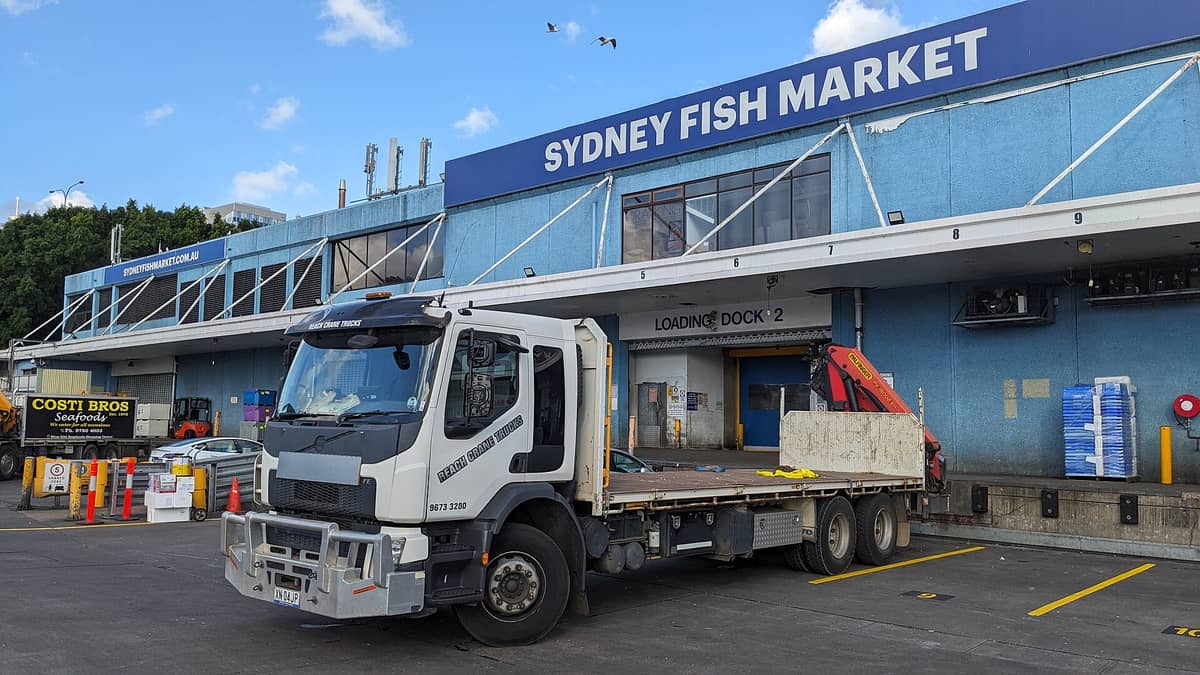
What Sydney Fish Market Actually Is
Sydney Fish Market is a working seafood market, retail precinct, and waterfront dining destination Sydney Fish Market is a working seafood market, retail precinct, and waterfront dining destination located at 1 Bridge Road, Glebe, on Blackwattle Bay. It handles a significant proportion of the seafood that reaches Sydney restaurants and home kitchens each week. The public side of the operation includes fishmongers, cooked seafood retailers, a sushi counter, oyster bars, and a handful of broader food stalls — all under the same sweeping roof.
The market gained a new chapter on 19 January 2026 when it relocated into a purpose-built facility on Blackwattle Bay. The new building's roof canopy stretches 200 metres and frames views across the water toward the city. It is not a polished food hall in the European tradition; the atmosphere is closer to a working port with retail grafted on. That combination is precisely what makes it worth a visit.
ℹ️ Good to know
Entry is free. Entry is free. The market is open daily from 7am to 10pm Sunday to Thursday, and until midnight on Friday and Saturday, though individual retailers may keep shorter hours. Confirm specific stall trading times on arrival or via the official website before planning a very early or late visit.
The New Building: What Changed in 2026
The original Sydney Fish Market on Pyrmont Bridge Road had been a Sydney institution for decades, but it was cramped, the facilities were aging, and the layout made it difficult to separate the working fish auction from the public retail areas. The new Blackwattle Bay building resolves those friction points with a proper separation of wholesale and retail, wider pedestrian circulation, and a waterfront promenade that did not exist before.
The 200-metre canopy is the defining architectural feature — a long, sweeping roof that shields the market floor from rain while keeping the space open to the harbour breeze. On cooler mornings, when the salt air comes off the water and mixes with the smell of fresh fish and frying batter, the environment feels genuinely connected to the bay in a way the old site rarely did.
The new site is also significantly more accessible. Main market areas have step-free access via ramps and lifts, with accessible parking and toilets on site, including a Changing Places facility for visitors with higher support needs. Wheelchairs are not permitted on the auction floor or in operational areas, which is a reasonable safety requirement rather than an oversight.
Tickets & tours
Live prices and dates from our booking partner. If you book, we may earn a commission at no extra cost to you.
Sydney whale-watching cruise with breakfast or lunch
From 62 €Instant confirmationFree cancellationBlue Mountains guided tour with Sydney Zoo and Scenic World visit
From 134 €Instant confirmationFree cancellationSydney Harbour scenic flight - private 20 minutes tour
From 404 €Instant confirmationFree cancellationSydney's Razor Gangs true crime tour
From 21 €Instant confirmationFree cancellation
How the Experience Changes by Time of Day
Arrive between 7am and 9am and the market is closest to its working-port self. The retail fishmongers are arranging their displays: whole snappers and barramundi laid out on ice, trays of prawns, live mud crabs in tanks, and oysters already shucked in neat rows. The floor is damp, the staff are focused, and the pace feels purposeful rather than leisurely. This is the best window to buy whole fish or select cuts if you are self-catering.
By mid-morning, the cooked seafood counters pick up. Battered fish, prawn cutlets, calamari, and crumbed scallops come out of the fryers in steady rotation. The smell shifts from salt and ice to hot oil and lemon. Seating areas on the waterfront promenade start to fill with people eating from paper trays or polystyrene boxes, watching the light move across the bay.
Weekends between 11am and 1pm are the busiest period. Queues at popular cooked seafood stalls can stretch to 15 minutes or more. If you have flexibility, a Thursday or Friday morning visit gives you the same fresh stock with a fraction of the crowd. Avoid the school-holiday period if you want a relaxed experience at the cooked food counters.
💡 Local tip
Go early on weekdays for the best fish selection and shortest queues. Many of the most popular species — coral trout, Moreton Bay bugs, freshly shucked Sydney rock oysters — sell out or are restocked less frequently by early afternoon.
What to Eat and Buy
Sydney rock oysters are the starting point for most visitors, and for good reason. They are farmed in NSW estuaries, shucked to order, and typically cost a few dollars each depending on size. Eat them with nothing, or with a squeeze of lemon from the provided condiment bar. Avoid the branded bottled sauces if you want to taste the oyster rather than the dressing.
For cooked seafood, the classic Sydney Fish Market format is a tray of mixed fried fish and calamari eaten at a waterfront table. The quality varies between retailers, so watch what other people are eating before you queue. Larger prawns from the ice display, bought by weight and eaten cold, are often better value than the same prawns in a cooked combo tray.
If you are buying to take home or cook elsewhere, the retail fishmongers carry a broad range of whole fish, fillets, crustaceans, and prepared seafood. Prices are competitive with fish counters at good supermarkets, and the selection is considerably wider. For context on how Sydney's food culture fits together, see the guide to what to eat in Sydney, which covers the city's broader dining landscape.
Non-seafood options exist but are limited. There is typically at least one stall with broader Asian food options, and some retailers sell prepared salads and bread. If someone in your group does not eat seafood, they will find enough to get by, but the market is unambiguously designed around seafood.
Getting There and Getting Around
The most straightforward public transport option is the L1 Dulwich Hill light rail line. Alight at Wentworth Park, about 400 metres away on foot; Glebe and Bank Street stops are also nearby. The walk is flat and takes around five minutes. Buses also serve the surrounding streets; use the Transport for NSW trip planner to confirm the best route from your accommodation. The walk is flat and takes around five minutes. Buses also serve the surrounding streets; use the Transport for NSW trip planner to confirm the best route from your accommodation.
If you are combining the market with other harbour-area attractions, note that it is not within easy walking distance of Darling Harbour, though the two are reasonably close by bus or light rail. The guide to getting around Sydney covers the full public transport network in detail, including the Opal card system used across trains, buses, light rail, and ferries.
Parking is available on site but is charged separately. Rates are listed on the official website and should be confirmed before your visit, as they are subject to change. On busy weekend mornings, the car park fills quickly. Arriving by light rail or bus sidesteps that problem entirely.
Photography and Practical Notes
The new building photographs well in the early morning when the light is low and the ice displays are fully stocked. The 200-metre canopy creates strong graphic lines from almost any angle. The waterfront promenade, looking back toward the city skyline, is the most rewarding outdoor shot — best in the hour after sunrise when the harbour is relatively still and the light is warm.
Inside the market, be aware of the working environment. Floors are regularly wet and staff are moving product constantly. Sensible footwear is genuinely useful here, not just a theoretical precaution. The smell of fish is real and pervasive indoors, which is worth considering if you are sensitive to strong odours.
Families with children generally do well here — the energy of a working market is interesting to kids, and eating fish and chips by the water is a straightforward activity. For more structured family-oriented planning in Sydney, see the guide to Sydney with kids.
Who Should Think Twice
Sydney Fish Market is not for everyone. If you are vegetarian or vegan, there is little here beyond the novelty of the setting. If you dislike the smell of fish or feel uncomfortable in working-market environments, the indoor sections will be unpleasant regardless of the architecture. And if you arrive expecting a pristine food hall experience similar to a high-end urban market in Europe or Japan, the utilitarian aspects of the market — wet floors, styrofoam containers, plastic utensils — may disappoint.
Budget travellers can eat well here without overspending, but it is not as cheap as some visitors expect. A generous portion of cooked seafood for two with drinks will typically cost AUD 40–70. For a broader overview of managing costs in Sydney, see the Sydney on a budget guide.
Insider Tips
- Arrive before 8am on a weekday for the best fish selection and to watch the retail stalls being set up — the market feels entirely different before the lunch crowd arrives.
- Sydney rock oysters are the local specialty and typically the best value buy at the market. Ask which estuary the current stock is from; staff at good fishmongers will know and it affects the flavour noticeably.
- If you plan to take fresh fish home, bring a cooler bag or a small esky. The market sells ice and packaging, but having your own means you can buy more freely without worrying about transit.
- The waterfront promenade on the harbour side of the building is the best spot to eat, but seating fills fast on weekend mornings. Stake out a table before joining the food queue, especially if you are in a group.
- Avoid peak holiday periods for cooked food — Christmas Eve and Easter Saturday are famously chaotic at Sydney Fish Market, with queues that can take 30 minutes or more at popular counters.
Who Is Sydney Fish Market For?
- Seafood enthusiasts who want access to a genuine working fish market rather than a curated food hall
- Early-morning visitors looking for a purposeful start to the day before the rest of the city wakes up
- Families with older children who enjoy hands-on, sensory food experiences
- Self-catering travellers staying in apartments who want to source high-quality fresh seafood directly
- Food-focused travellers building an itinerary around Sydney's distinctive coastal food culture
Nearby Attractions
Combine your visit with:
- Blue Mountains National Park
Blue Mountains National Park covers around 268,000 hectares of sandstone plateaus, deep gorges and temperate rainforest west of Sydney. It is a popular national park in New South Wales and one of the most rewarding day trips or overnight escapes from the city, provided you know where to go and when to arrive.
- Featherdale Wildlife Park
Featherdale Sydney Wildlife Park in Doonside is one of the few places near Sydney where you can get genuinely close to Australian wildlife, from koalas and wombats to Tasmanian devils and freshwater crocodiles. Open daily from 8:00 am, it suits families and animal lovers who want more than a glimpse through a fence.
- Figure Eight Pools
Figure Eight Pools are naturally formed rock pools on the coastal shelf of Royal National Park, south of Sydney. Reaching them requires a 6km return walk over steep terrain and careful timing around tides and surf. The reward is a striking geological curiosity in one of Australia's oldest national parks.
- Hunter Valley Wine Region
The Hunter Valley is Australia's oldest premium wine-producing region, sitting roughly two hours north of Sydney. Spread across 2,605 hectares of vineyard land near the village of Pokolbin, it rewards visitors with cellar door tastings, open countryside, and a pace that feels genuinely removed from city life. Whether you come for a single afternoon or a full weekend, understanding how the region works before you arrive makes a real difference.
Planning a trip? Discover personalized activities with the Nomado app.