Sydney on a Budget: How to Visit Without Breaking the Bank
Sydney has a reputation for being expensive, and it's not entirely undeserved. But with the right approach to transport, food, and sightseeing, you can experience the best of this city without spending a fortune. This guide breaks down exactly where to save and where it's worth spending a little more.
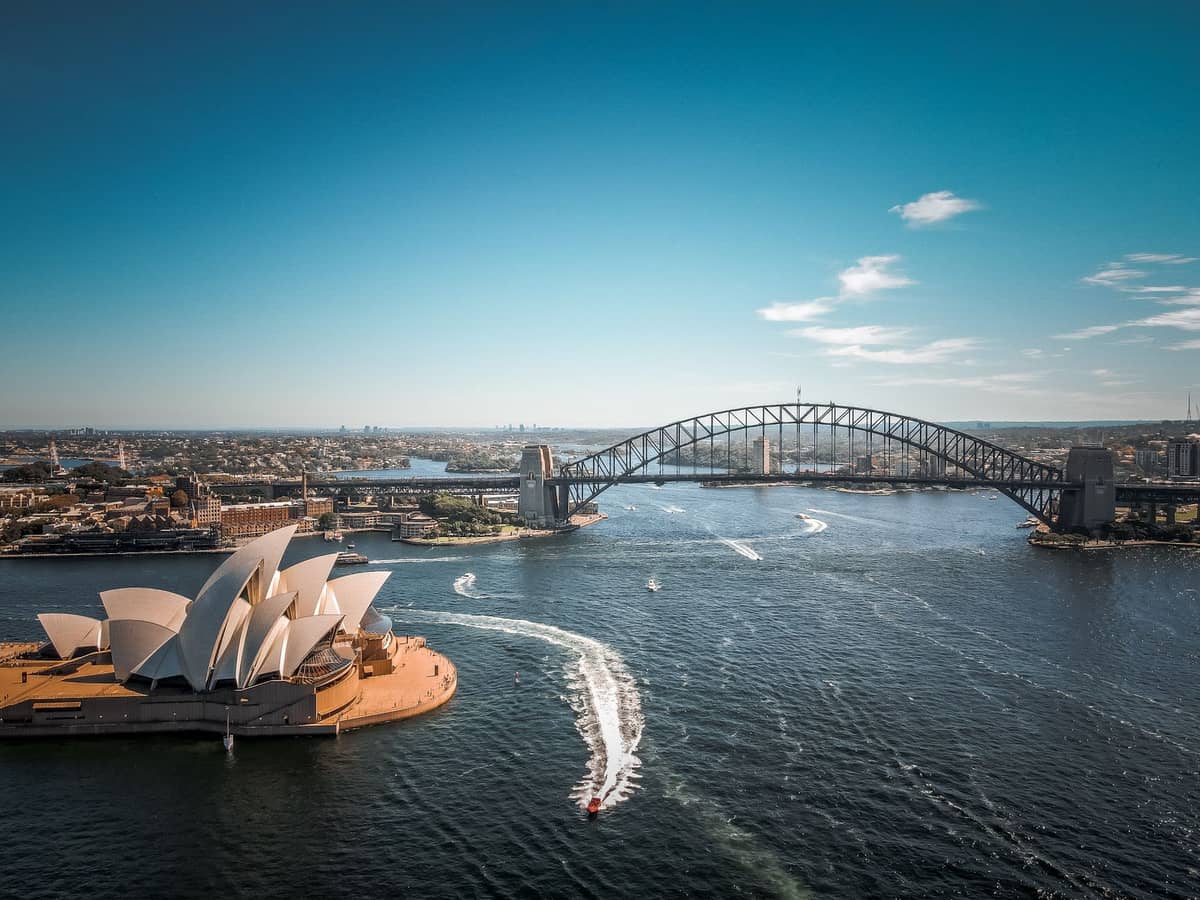
Tickets & tours
Live prices and dates from our booking partner. If you book, we may earn a commission at no extra cost to you.
TL;DR
- Sydney's public transport daily cap (Mon–Thu) is A$19.30 and drops to A$9.65 on Fridays, weekends, and public holidays — plan sightseeing days accordingly.
- Many of Sydney's best experiences are free: Bondi Beach, the Royal Botanic Garden, coastal walks, and most permanent museum collections.
- Skip the airport train's access fee trap — it's not covered by the standard daily or weekly Opal cap.
- Neighbourhoods like Newtown and Chinatown offer filling meals for A$10–18 — a fraction of CBD restaurant prices.
- Shoulder seasons (March–May and September–November) bring lower accommodation rates and more comfortable temperatures.
Getting Around Without Overspending
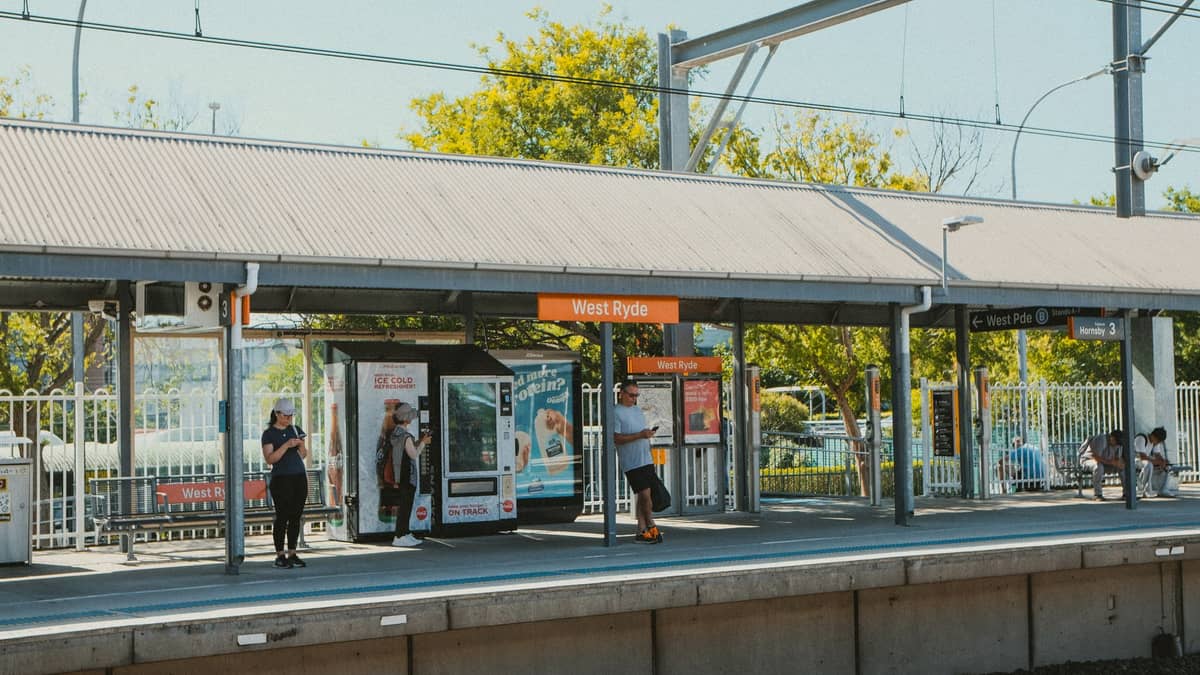
Transport is one area where Sydney rewards travellers who understand the system. The city's Opal card and contactless payment network covers trains, buses, ferries, metro, and light rail. You tap in and tap out with the same card or device — mixing modes is fine as long as you use the same payment method throughout a journey.
The key numbers to know: adult Opal fares are capped at A$19.30 per day Monday through Thursday, A$9.65 on Fridays, weekends, and public holidays, and A$50 for a full Monday-to-Sunday week. That means a Saturday spent ferry-hopping to Manly, catching a bus to Bondi, and riding the train back to the CBD costs a maximum of A$9.65. If you can structure your biggest sightseeing days around Fridays and weekends, transport becomes nearly negligible.
⚠️ What to skip
The airport train access fee is NOT included in the standard daily or weekly cap. Using Airport Link from Sydney Kingsford Smith Airport adds a separate gate fee on top of your regular fare — the adult cost including the access fee runs around A$21–23 depending on peak or off-peak travel. Rank taxis from the airport to the designated CBD area are a fixed A$60 (A$80 maxi). Budget travellers with flexibility can check if any public bus routes serve their terminal, but routes and access vary, so verify with Transport for NSW before you arrive.
The ferry network is one of Sydney's great underrated transport advantages. Ferries to Manly, Watsons Bay, and Taronga Zoo are regular public services, not tourist cruises — you pay a standard Opal fare and get harbour views included. For a deep dive into routes and tips, see the Sydney ferry guide.
Free and Low-Cost Things to Do
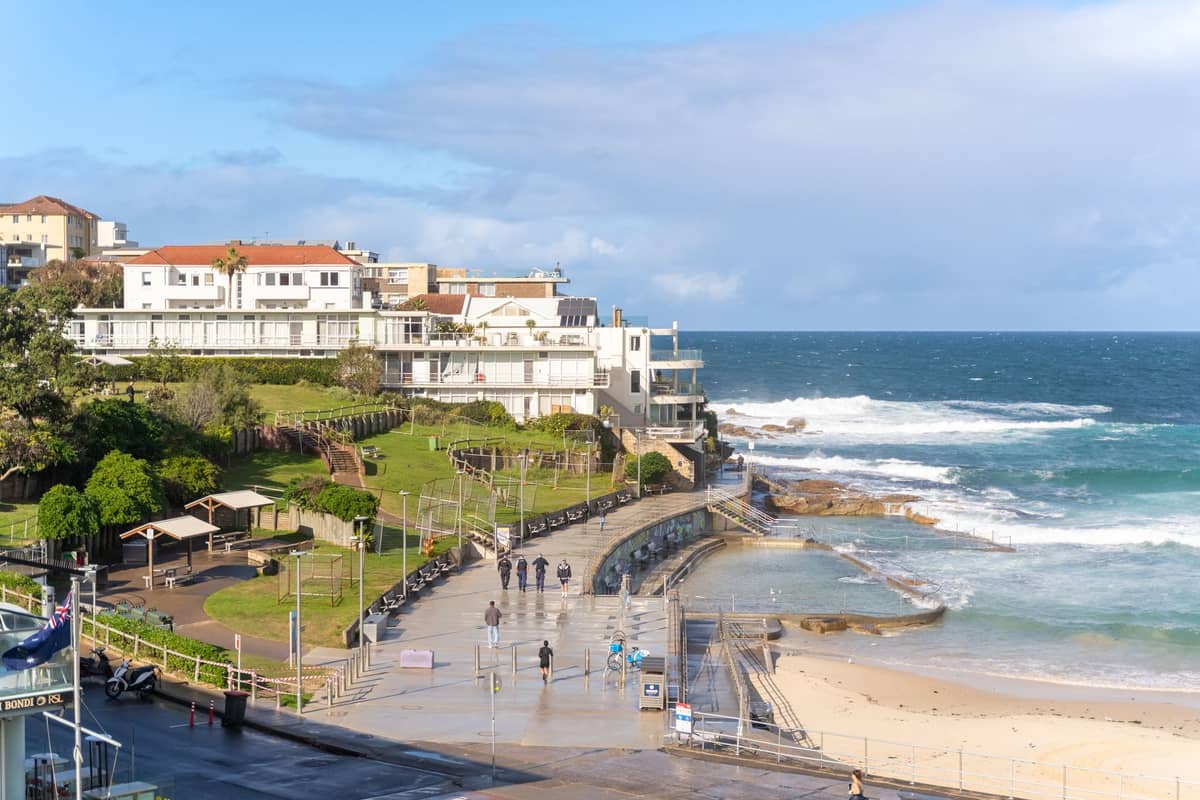
Sydney's geography does a lot of the heavy lifting for budget travellers. The harbour, beaches, and coastal headlands are all public — no entry fee, no booking required. The challenge is knowing which paid attractions are worth the money and which ones you can skip entirely.
- Royal Botanic Garden Sydney Free entry, open daily. 30 hectares of gardens with direct harbour views and access to Mrs Macquaries Chair — one of the best vantage points in the city without paying for an observation deck.
- Bondi to Coogee Coastal Walk A 6km clifftop walk connecting five beaches. Completely free, takes 2–3 hours at a relaxed pace, and passes the iconic Bondi Icebergs pool.
- Art Gallery of New South Wales Permanent collection is free. Special exhibitions charge admission. The North Building expansion (AGNSW's 'Sydney Modern') is substantial — budget 2–3 hours for the free galleries alone.
- Museum of Contemporary Art Australia (MCA) Permanent collection free, at Circular Quay. The rooftop café is worth visiting for harbour views, even if you only order a coffee.
- Barangaroo Reserve A 6-hectare foreshore park with harbour walks and native plantings. Free, open daily, and significantly less crowded than the Opera House forecourt.
- Manly Scenic Walkway A 10km trail from Manly to Spit Bridge through Sydney Harbour National Park. Free to walk; you pay only the standard ferry fare to reach the start.
The full list of free things to do in Sydney goes well beyond beaches and parks — including free museum access, outdoor cinema screenings in summer, and public art installations that most visitors walk past without realising.
✨ Pro tip
The Sydney Tower Eye observation deck charges around A$29–39 for adults. For a comparable harbour panorama at zero cost, walk to Mrs Macquaries Chair in the Royal Botanic Garden at dusk. You get the Opera House, Harbour Bridge, and the city skyline in one frame — and you're not looking at it through glass.
Where and What to Eat on a Budget
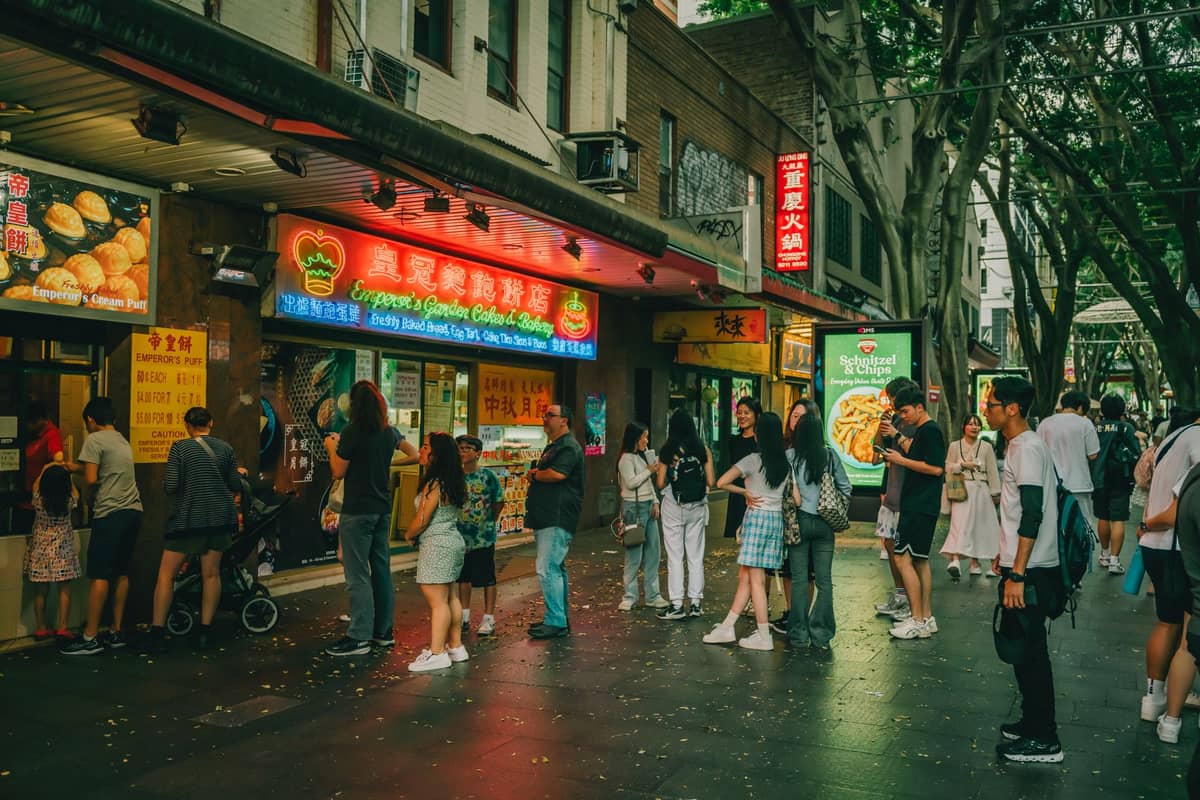
Food is where Sydney's reputation for expense is most deserved and most easily beaten. CBD restaurants and waterfront dining at Circular Quay will reliably charge A$30–45 per main. But travel 2km in almost any direction and the options change dramatically.
Chinatown and Haymarket, just south of the CBD, remain the most reliable zone for cheap, filling meals. Roast duck rice from a BBQ shop runs A$10–14. A bowl of pho or laksa at any of the Vietnamese or Malaysian restaurants along Dixon Street or in the food courts below the Paddy's Market precinct costs A$12–18. Combine a meal here with a browse through Paddy's Markets on weekends for produce and cheap souvenirs.
Newtown on King Street is the other go-to for budget eating. The neighbourhood has dense competition between cafés and restaurants, which keeps prices honest. You'll find Thai, Ethiopian, Japanese, and modern Australian food, most of it in the A$12–22 range for a main. It's also one of the better areas for vegetarian and vegan options in the city. Check the broader Newtown and Inner West area for context.
- Bakeries and delis in Surry Hills often do lunch specials (soup + sandwich or a daily special plate) for A$12–16 — better quality than most food courts at similar prices.
- The Sydney Fish Market at Pyrmont sells retail seafood and cooked fish and chips from market vendors. It's popular, so arrive early to avoid crowds, and eat outside on the dock to avoid seagull issues at the tables.
- Supermarket sushi rolls (Woolworths and Coles both stock them) cost A$3–5 for a pack of six and are a legitimate lunch option if you're doing a heavy walking day.
- Tipping is discretionary in Australia — not compulsory. You will not be chased or judged for not tipping at casual dining venues.
Affordable Accommodation: What to Expect and Where to Look
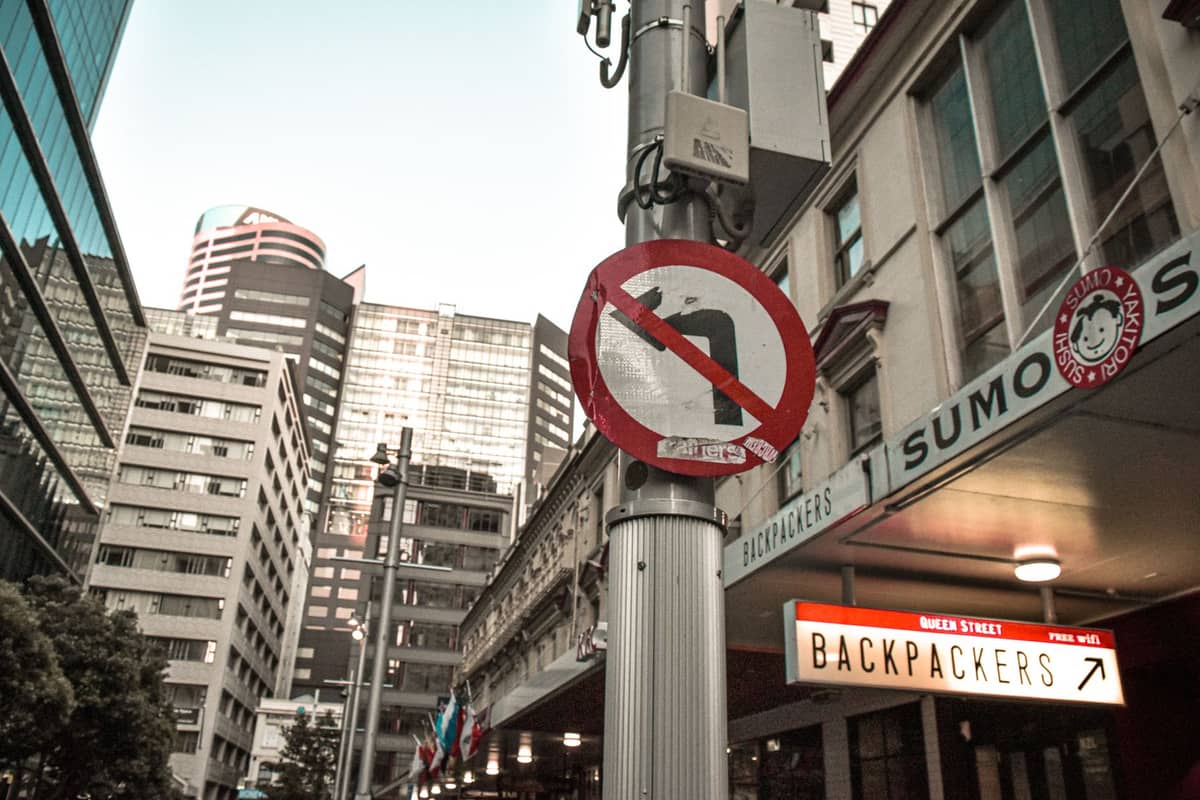
Sydney accommodation pricing reflects a city where demand consistently outpaces supply, particularly in the inner suburbs. Budget hostels in the CBD and Kings Cross area start around A$35–55 per night for a dorm bed. Private rooms in mid-range hostels or budget hotels run A$110–170 depending on the neighbourhood and season.
The most cost-effective strategy is to stay slightly outside the CBD core. Newtown, Glebe, and Surry Hills are all within 15–25 minutes of the city centre by bus or train, and accommodation rates are meaningfully lower than equivalent options in the CBD or Circular Quay. The tradeoff is slightly more time spent commuting, which the transport caps make cheaper anyway.
💡 Local tip
Shoulder season travel (March–May and September–November) reduces accommodation costs noticeably compared to the December–February summer peak. Sydney's winters (June–August) are mild — daytime highs around 17–19°C — and this is often the cheapest period to visit if you don't mind cooler beach conditions. The city doesn't shut down in winter; most attractions and restaurants operate on normal schedules.
For a full breakdown of neighbourhoods, price tiers, and what each area is actually like to stay in, the Sydney accommodation guide covers the options in detail. If you're also weighing up the best time to book, when to visit Sydney addresses pricing patterns alongside weather and events.
Paid Attractions Worth the Entry Fee (and a Few to Skip)
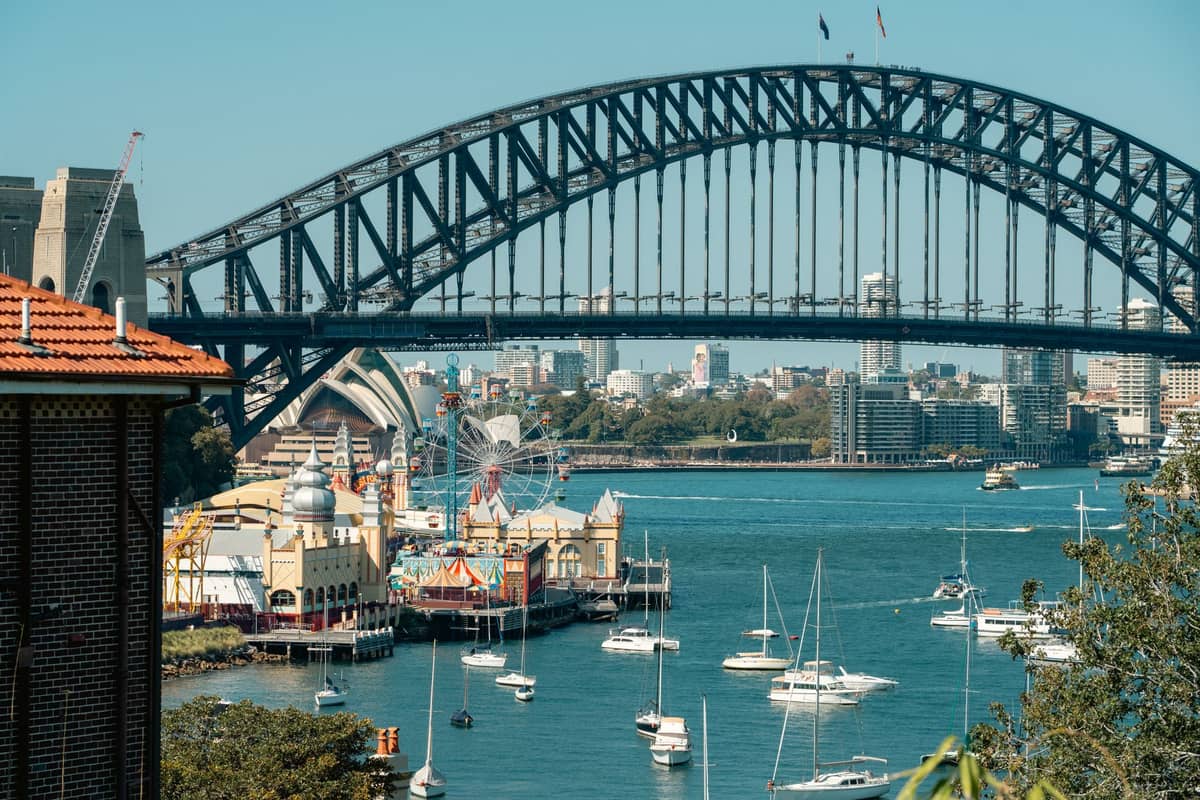
Not every attraction in Sydney justifies its ticket price for a budget traveller. Here's an honest assessment of what delivers real value.
- Taronga Zoo (Worth It) Around A$50–55 for adults. Pricey, but the zoo sits on a harbour headland with views that other zoos don't come close to. The ferry ride across the harbour is part of the experience and costs only your standard Opal fare. If you're travelling with children, this one earns its cost.
- Sydney Opera House Tour (Situational) A$50 pre-booked or A$55 on the day for a general tour. The exterior and the forecourt are free and equally photogenic. The interior tour is genuinely interesting if architecture is a priority, but skippable if you're watching every dollar.
- Sea Life Sydney Aquarium (Skip for Most) Gate prices run A$50+, but online advance booking typically reduces this to A$30–35. The aquarium is well maintained but not exceptional by international standards. The touch pools and dugong exhibit are the highlights. If you have children under 10, it works. For adults without kids, the fish market delivers more authentic marine Sydney at far less cost.
- Sydney Harbour Bridge Climb (Big Splurge) around A$300–435 depending on climb type and time; verify on the BridgeClimb site. Spectacular, but firmly in the bucket-list-splurge category. Budget travellers can walk across the bridge on the pedestrian walkway for free — the views from the footpath are excellent, even if you're not standing on the arch.
Sydney's coastal walks deserve particular attention as a budget activity. The Bondi to Coogee walk and the Manly Scenic Walkway are both free, well-maintained, and genuinely among the best things to do in the city at any budget level. The Sydney coastal walks guide has route details, logistics, and what to bring.
Budget Planning: Sample Daily Costs
To give a realistic frame of reference, here's what a careful budget day in Sydney looks like on a weekend (when transport caps are lowest).
- Transport (entire day, weekend cap): A$9.65
- Breakfast at a bakery or café (coffee + pastry): A$8–12
- Lunch at Chinatown or Newtown: A$12–18
- Afternoon at a free beach or coastal walk: A$0
- Dinner at a mid-range restaurant in Surry Hills or Newtown: A$20–28
- One drink at a pub or bar: A$8–12
- Total estimate: A$58–80 per person, excluding accommodation
A higher-spend day that includes one paid attraction (say, Taronga Zoo at A$50) and a harbour-view dinner pushes toward A$130–160. That's still competitive with comparable global cities at that tier. The real budget risk in Sydney is accommodation, not activities — getting that right has the biggest impact on your total spend.
ℹ️ Good to know
Sydney uses the Australian dollar (AUD/A$). Australia has no general visa-on-arrival scheme for most nationalities — you'll need an Electronic Travel Authority (ETA) or visa arranged before departure. Check the Australian Department of Home Affairs Visa Finder for your specific passport. Tap water is safe to drink throughout metropolitan Sydney.
FAQ
Is Sydney really expensive, or is it overstated?
It depends on your habits. Accommodation and restaurant dining at waterfront locations are genuinely expensive by international standards. But beaches, coastal walks, most museums, and public parks are free, and the transport cap system means getting around on weekends costs under A$10 for the entire day. A careful budget traveller can do Sydney well for A$70–90 per day excluding accommodation.
What is the cheapest way to get from Sydney Airport to the city centre?
The Airport Link train is fast (around 13 minutes to Central Station) but the station access fee pushes the adult fare to approximately A$21–23, and this is NOT covered by the standard daily Opal cap. A rank taxi to the designated CBD area is a fixed A$60 (A$80 maxi); rideshare quotes vary. Some public buses serve airport terminals without the access fee surcharge — check Transport for NSW's trip planner before you travel, as routes and terminal access can change.
How does the Opal card fare cap work, and can tourists use it?
Yes, tourists can use an Opal card or simply tap a contactless bank card or device at readers on trains, buses, ferries, metro, and light rail. The daily cap is A$19.30 Monday–Thursday and A$9.65 Friday–Sunday and public holidays. There's also a weekly cap of A$50 for a full Monday–Sunday week. Use the same card or device for every tap-in and tap-out throughout the day for the cap to apply. Note that the airport station access fee sits outside these caps.
Which Sydney neighbourhoods are best for budget travellers?
Newtown and Glebe in the inner west offer cheaper accommodation than the CBD and have good access by bus and train. Chinatown and Haymarket are the best zones for cheap meals. Surry Hills has a middle tier of cafés and restaurants that are notably more affordable than equivalent quality in the CBD or waterfront precincts. Bondi is worth visiting but accommodation there is expensive — better to visit as a day trip and stay elsewhere.
Are there free museums in Sydney?
Yes. The Art Gallery of New South Wales has free general admission to the permanent collection. The Australian Museum and the Museum of Sydney also have free general admission to permanent exhibitions; special exhibitions may be ticketed. The Museum of Contemporary Art charges adult general admission (under-18s are free). Always confirm current details directly with each venue.
Tickets & tours
Live prices and dates from our booking partner. If you book, we may earn a commission at no extra cost to you.
Planning a trip? Discover personalized activities with the Nomado app.