Best Time to Visit Sydney: A Season-by-Season Guide
Sydney rewards visitors year-round, but the right timing depends on what you want to do. This guide breaks down Sydney's four seasons by weather, crowds, costs, and major events so you can plan a trip that actually matches your priorities.
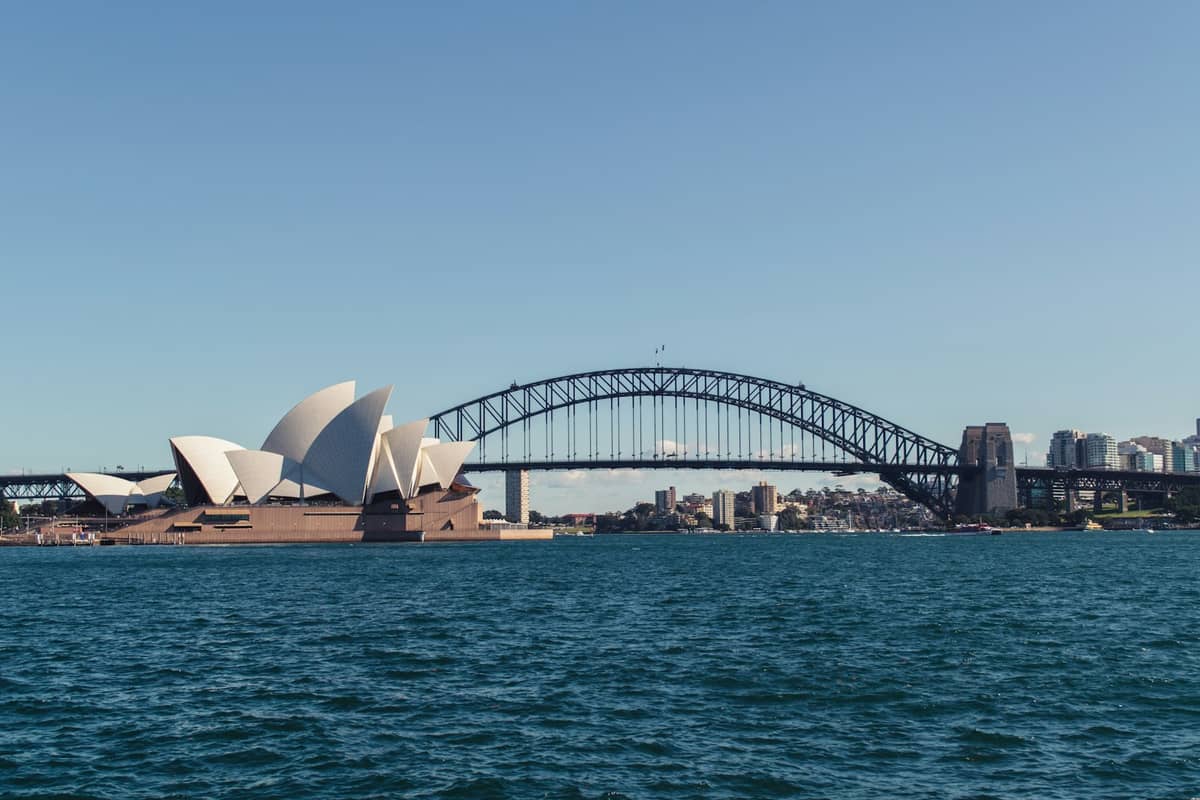
Tickets & tours
Live prices and dates from our booking partner. If you book, we may earn a commission at no extra cost to you.
TL;DR
- Sydney's best time to visit for most travellers is March to May (autumn) or September to November (spring), when temperatures are comfortable, crowds are thinner, and accommodation costs drop.
- Summer (December to February) is peak season: warmest for beaches but more crowded and expensive, especially around Bondi Beach and during the school holiday period.
- Winter (June to August) is the most affordable season and offers mild, often sunny weather, not the cold, grey slog many visitors expect.
- Sydney uses Australian Eastern Standard Time (AEST, UTC+10) in winter and Australian Eastern Daylight Time (AEDT, UTC+11) during daylight saving, which runs roughly from early October to early April.
- Whatever season you choose, Sydney's public transport, Sydney Opera House, and coastal walks are open year-round.
Understanding Sydney's Seasons (They're Reversed)
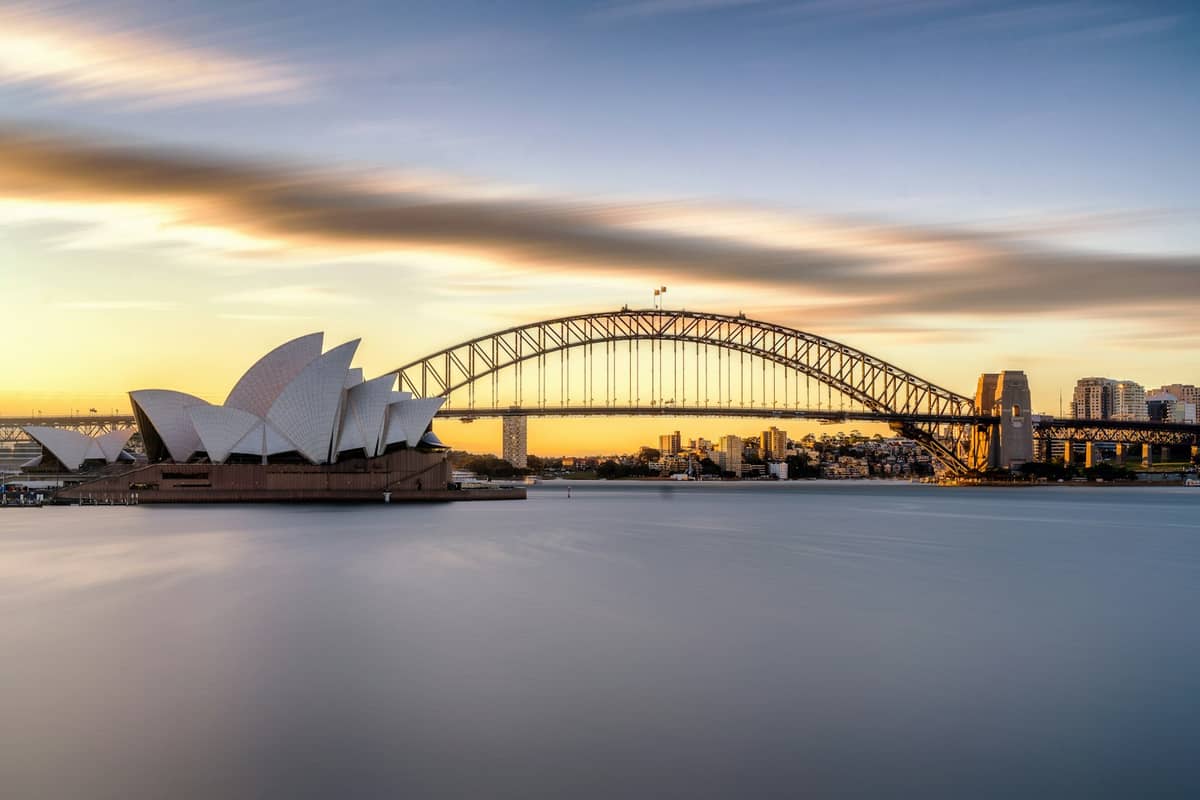
Sydney sits in the Southern Hemisphere at roughly 33.87° S latitude, which means its seasons run opposite to those in Europe or North America. December through February is summer. June through August is winter. This is the single most important thing to get right when searching for the best time to visit Sydney Australia, because most travellers planning from the Northern Hemisphere instinctively think of July as a warm-weather month. In Sydney, July is the coldest month of the year.
Sydney has a temperate coastal climate with warm summers, mild winters, and rainfall spread across all twelve months. According to Bureau of Meteorology (BoM) climate averages recorded at Observatory Hill, the mean daily maximum in January sits around 26°C, while July averages around 16°C. There is no true dry season: monthly rainfall ranges from roughly 68 mm in September to around 132 mm in March. The practical takeaway is that you can get a wet day in any month, but prolonged stretches of bad weather are rare.
ℹ️ Good to know
Sydney observes daylight saving time as Australian Eastern Daylight Time (AEDT, UTC+11). The clocks move forward in early October and back in early April. If you are coordinating flights or events around those dates, double-check local Sydney time rather than assuming a fixed UTC offset.
Summer (December to February): Warmest, Busiest, Most Expensive
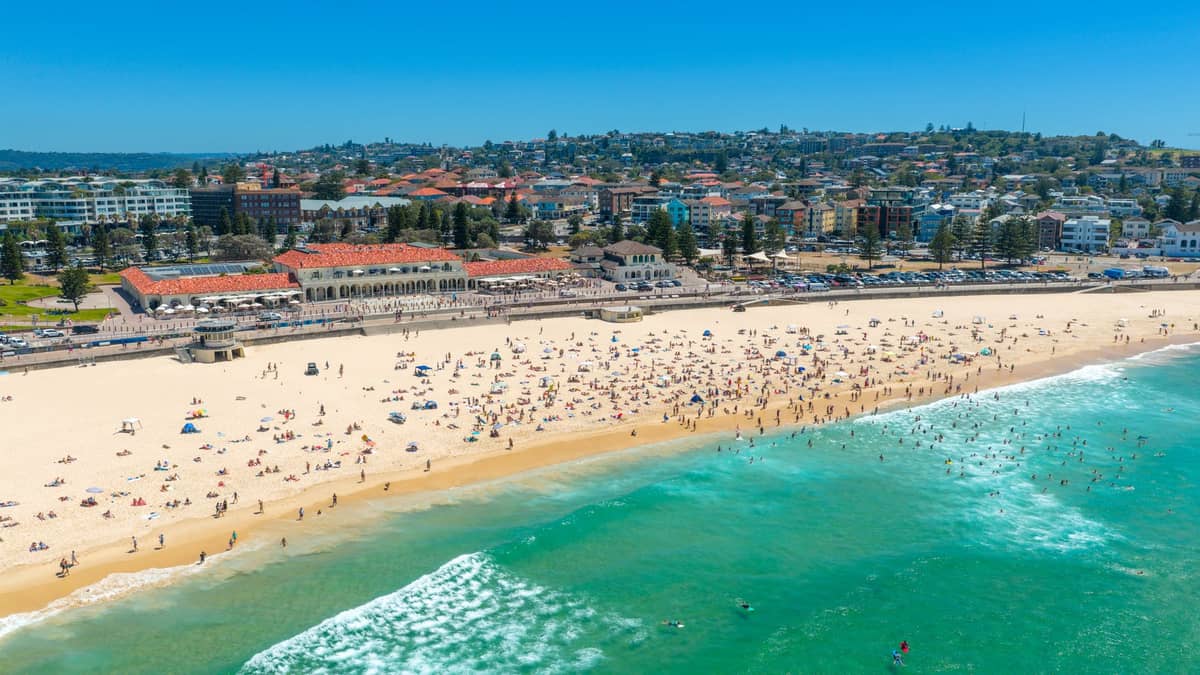
Summer is when Sydney shows off. Mean daily maximums hover between 26 and 27°C, ocean water temperatures reach their most comfortable, and the city's beach culture hits full stride. Bondi Beach and the Eastern Suburbs fill with domestic and international visitors. The Sydney Harbour Bridge and Opera House look spectacular in long evening light, and outdoor dining is effortless.
The flip side is real. Australian school summer holidays run from mid-December through late January, pushing domestic tourism to its annual peak. Hotels and short-stay rentals cost significantly more. The Sydney New Year's Eve fireworks draw crowds of over a million people to the harbour foreshore, making accommodation in January one of the most expensive periods of the year to book. If you want the beach season without the maximum crowds, late February is a sweeter spot: school is back, prices soften slightly, and the weather remains excellent.
- Pros Warmest swimming weather, long daylight hours (sunset after 8pm), peak outdoor event calendar, Sydney Festival in January.
- Cons Highest accommodation prices, Bondi and Manly Beach parking is chaotic, school holiday crowds at major attractions, occasional summer thunderstorms and heatwaves with temperatures exceeding 35°C.
- Best for Beach lovers, families during school breaks, travellers with flexible budgets who want the iconic sun-and-harbour experience.
⚠️ What to skip
Sydney summers can produce extreme heat events, with temperatures occasionally topping 40°C. Stay hydrated, apply SPF 50+ sunscreen (the UV index regularly hits 'extreme' between 10am and 3pm), and plan outdoor activities for mornings or late afternoon on forecast hot days.
Autumn (March to May): The Underrated Sweet Spot
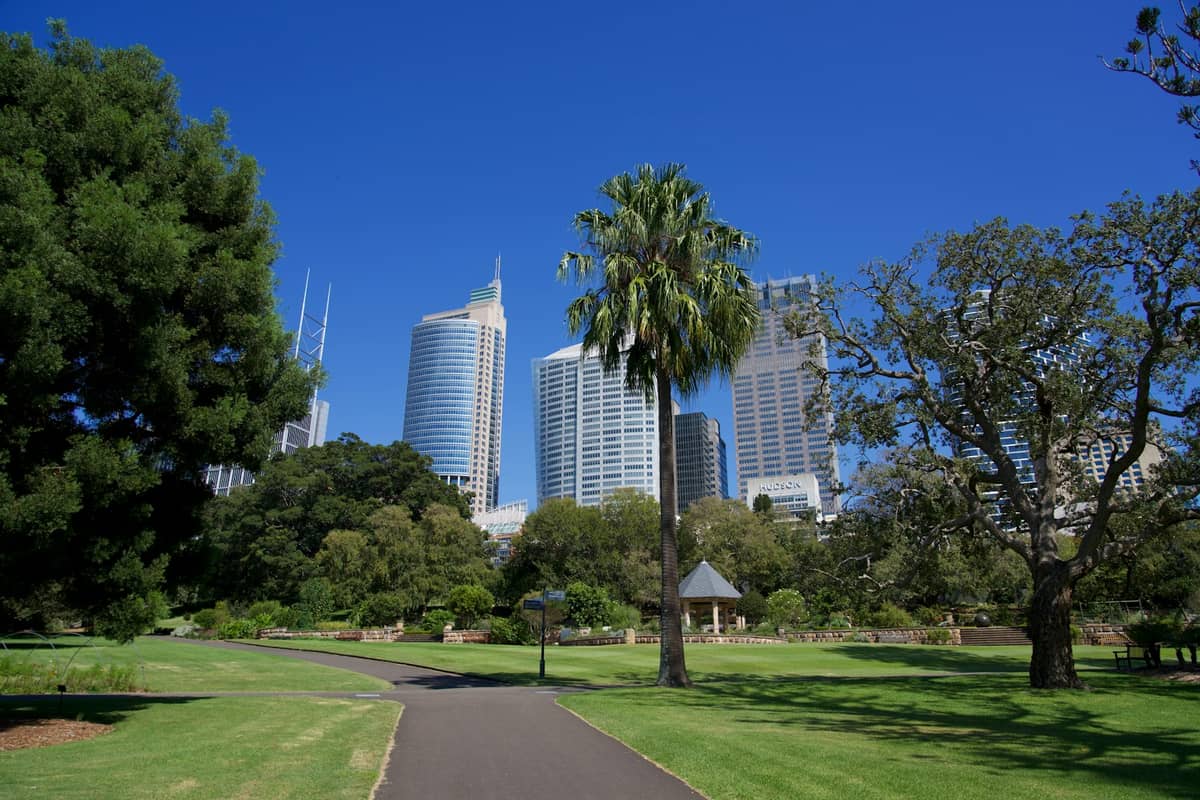
March to May is arguably the most balanced time to visit Sydney for travellers who are not locked into school holiday schedules. Temperatures cool gradually from around 26°C in March to roughly 20°C by May. The ocean stays warm enough for swimming through April. Rainfall is statistically higher in March and April than in spring or winter, so pack a light layer and be aware that the tail end of summer shower activity can persist.
Crowds thin out noticeably after late January, and hotel rates begin to drop. The Sydney Gay and Lesbian Mardi Gras parade typically takes place in late February or early March, drawing significant visitor numbers to Oxford Street in Darlinghurst, so book early if your dates overlap. By April and May, the city settles into a comfortable rhythm. The Royal Botanic Garden is particularly pleasant in this period, and the afternoon light over the harbour is exceptional.
Anzac Day (25 April) is a national public holiday. Sydney holds a significant Dawn Service and march, which can affect transport and cause some businesses to close in the morning. It also draws domestic visitors, so accommodation around that date books up faster than the surrounding weeks might suggest.
Winter (June to August): Budget-Friendly and Often Overlooked
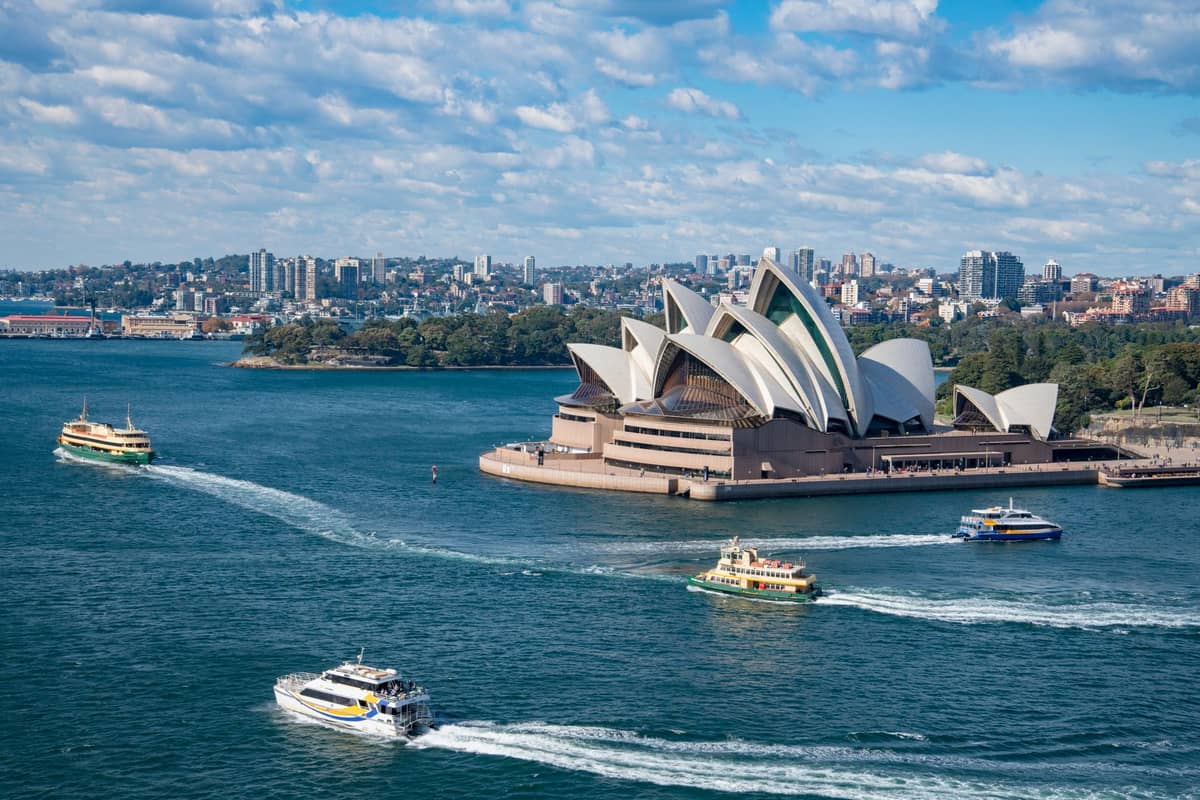
Sydney winter gets an undeserved reputation. The BoM averages show mean daily maximums between 16 and 18°C, with overnight minimums around 8 to 9°C. That is genuinely mild by global standards. Rain does occur, but June through August is actually drier on average than the autumn months. Clear, sunny winter days with cool air and sharp harbour views are common, and this is the time of year when Sydney arguably looks its most photogenic.
For budget-conscious travellers, winter is the most affordable season. Accommodation rates drop across the board. The city's galleries, museums, and indoor attractions are a natural draw in cooler weather. The Vivid Sydney festival runs across May and June, projecting large-scale light installations across the Opera House, harbour foreshore, and CBD buildings. It is one of the largest events on Sydney's calendar and reliably attracts major crowds, particularly on weekend evenings. If your trip falls during Vivid, book accommodation well in advance despite it being low season.
Winter is not suitable if your priority is beach swimming. The ocean drops to around 17 to 18°C, which is cold for most people. However, outdoor activities like coastal walks, harbour kayaking, and whale watching tours are genuinely excellent. Humpback and southern right whales migrate northward along the NSW coast between May and November, making winter and spring the best window to spot them from headlands or on whale-watching vessels departing from Circular Quay or Darling Harbour.
Spring (September to November): The Crowd-Conscious Choice
Spring sits alongside autumn as one of the most popular recommendations for the best time to travel to Sydney. Temperatures build from around 20°C in September to 24°C by November. Rainfall is lighter than in autumn, September being statistically one of the driest months of the year. Daylight saving kicks in on the first Sunday of October, extending evening light and opening up more time for outdoor exploration. The Sydney beaches start filling again from October onwards as locals shake off winter.
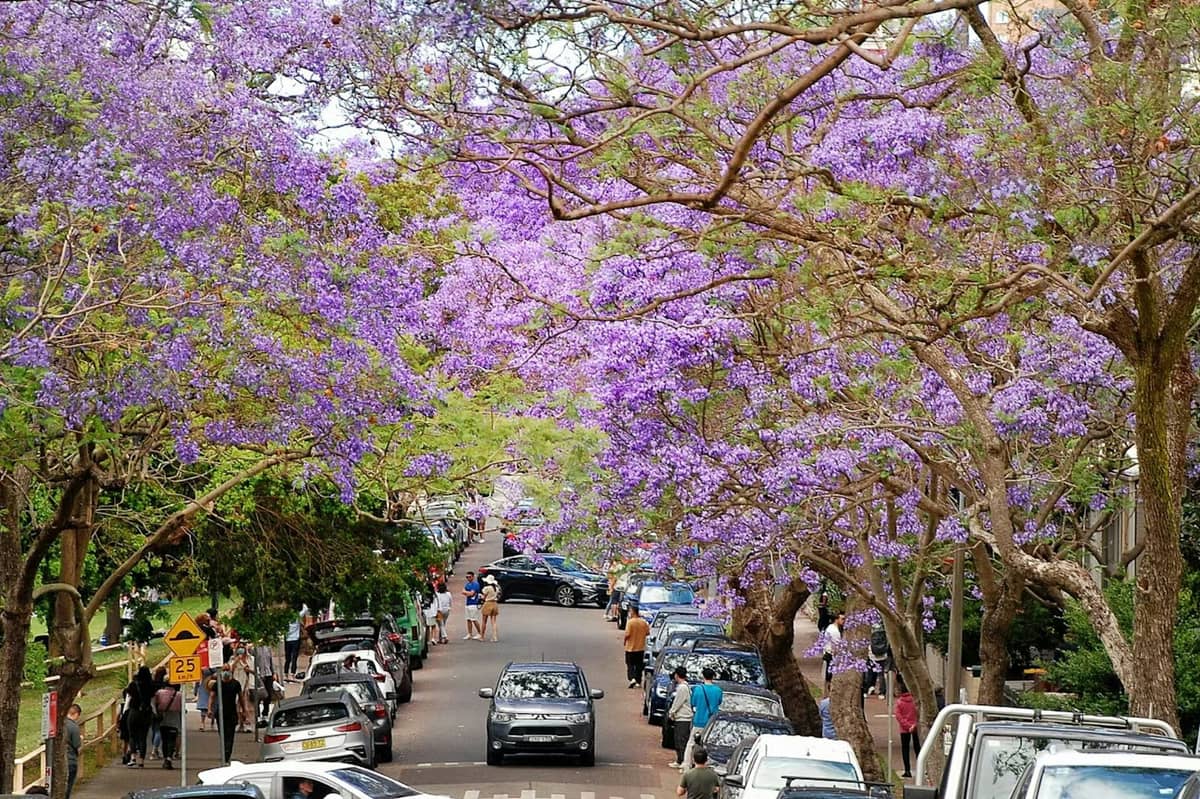
The drawback of spring is that it is no longer a quiet secret. It has become a popular travel window, particularly October and November, so the 'shoulder season' price advantage has narrowed compared to a decade ago. That said, rates remain noticeably lower than the December to January peak. Spring also brings jacaranda season: from mid-October through November, jacaranda trees across the inner suburbs explode in purple, particularly around the University of Sydney in Camperdown and along streets in Kirribilli and Lavender Bay.
✨ Pro tip
For the best balance of weather, cost, and manageable crowds, target late September to mid-October. The school holiday period does not start until late November or December in NSW, daylight saving has just started, and spring flowers are in bloom without the full summer surge.
Planning Around Events, Crowds, and Key Practical Details
Sydney's event calendar shapes crowd patterns as much as the weather. Beyond Vivid Sydney (May to June) and New Year's Eve, the city hosts the Sydney Festival in January, the Royal Easter Show in March or April, the City2Surf fun run in August, and the Sydney Marathon in late August. Each of these concentrates domestic visitors in the city and can spike hotel prices for the relevant weekend.
Getting around Sydney is straightforward using the Opal card or contactless payment across metro, trains, buses, ferries, and light rail. From Sydney Kingsford Smith Airport (SYD), approximately 8 to 9 km from the CBD, the Airport Link train runs to central city stations in roughly 13 minutes, with adult fares around AUD 22 to 23 peak (verify current fares on the Airport Link website before travel). Rank taxis from Sydney Airport to the designated CBD area are a fixed AUD 60 (AUD 80 maxi); confirm current rules before travel. If you plan to use ferries extensively, check the Sydney ferry guide for routes and schedules, particularly for Manly, which is one of the best harbour crossings in the world.
- Visa: Australia does not offer visa-on-arrival for most nationalities. Most visitors need an eVisitor (subclass 651), Electronic Travel Authority (subclass 601), or a tourist visa before departing. Check the Australian Department of Home Affairs Visa Finder before booking flights.
- Electricity: Type I plugs, 230V/50Hz. Bring a universal adapter if your devices use Type A, B, C, or G plugs.
- Tipping: Not expected in Australia. Rounding up or leaving 10% is appreciated in restaurants but never obligatory.
- Currency: Australian dollar (AUD). ATMs are widely available and most venues accept contactless card payment.
- Emergency services: Dial 000 for police, fire, or ambulance.
For a deeper dive into building an itinerary once you have chosen your season, the 3 days in Sydney guide and the one-week Sydney itinerary cover the sequencing of key sights in detail. If budget is a primary concern, the Sydney on a budget guide is worth reading alongside this one.
FAQ
What is the best time to visit Sydney for good weather?
For the most consistently comfortable conditions, autumn (March to May) and spring (September to November) offer mild temperatures between 20 and 26°C, lower rainfall risk than summer, and thinner crowds than December and January. Summer (December to February) is warmest for beach swimming but comes with peak crowds and prices.
What time zone is Sydney Australia in?
Sydney uses Australian Eastern Standard Time (AEST, UTC+10) during the winter months and Australian Eastern Daylight Time (AEDT, UTC+11) during daylight saving, which runs from early October to early April. When coordinating international calls or flights, always confirm the current offset because the changeover dates shift slightly year to year.
Is Sydney worth visiting in winter?
Yes, for most types of travel. Sydney winters are mild by global standards, with daytime temperatures regularly reaching 17 to 19°C and plenty of sunny days. It is the most affordable season and the best window for Vivid Sydney (May to June), whale watching, and museum-heavy itineraries. It is not suitable if beach swimming is your primary goal.
How crowded is Sydney in December and January?
Very crowded. Australian school summer holidays run from mid-December to late January, coinciding with the peak international travel season. New Year's Eve in particular brings over a million people to the harbour foreshore. Accommodation prices are at their annual high, and popular beaches and attractions are at maximum capacity. Book at least three to four months ahead if travelling in this window.
What is the cheapest time to visit Sydney?
June and July are typically the cheapest months for flights and accommodation. The exception is Vivid Sydney, which runs across May and June and causes a spike in demand during festival weekends. If you want the lowest overall costs, target July or August, avoiding any major event weekends by checking the Sydney events calendar before booking.
Tickets & tours
Live prices and dates from our booking partner. If you book, we may earn a commission at no extra cost to you.
Planning a trip? Discover personalized activities with the Nomado app.