3 Days in Sydney: The Perfect Itinerary
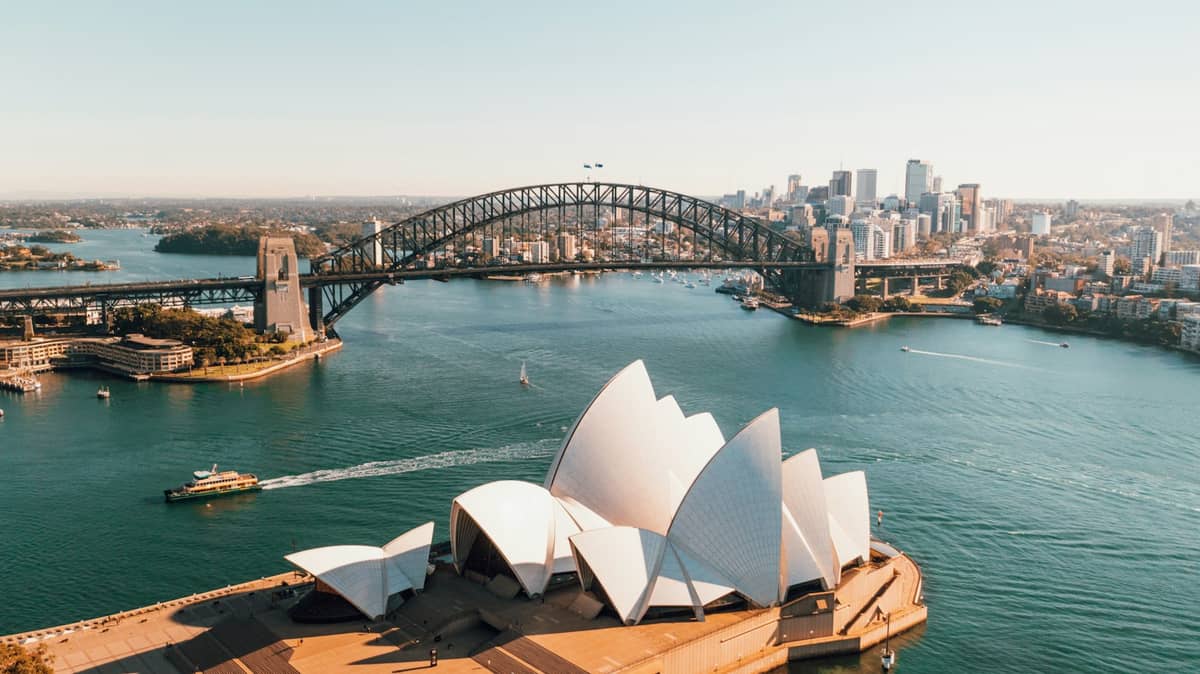
Three days is enough to experience Sydney's iconic harbour, golden beaches, historic laneways, and world-class food scene — if you plan well. This itinerary is built for efficiency without sacrificing depth, moving logically between neighbourhoods to save time and maximise what you actually see.
Tickets & tours
Live prices and dates from our booking partner. If you book, we may earn a commission at no extra cost to you.
TL;DR
- Day 1 focuses on the harbour: Sydney Opera House, The Rocks, and Circular Quay — see the Sydney Opera House in the morning before crowds arrive.
- Day 2 heads east to Bondi Beach and the coastal walk to Coogee — one of Sydney's best free experiences.
- Day 3 crosses the harbour to Manly via ferry, then explores Taronga Zoo or the inner west depending on your pace.
- Get an Opal card or use contactless payment on all trains, ferries, buses, and light rail. The Friday–Sunday travel cap of A$9.65 is excellent value.
- Book Opera House tours (A$50 pre-booked, A$55 on the day) and Taronga Zoo tickets (from A$51.30 online) in advance to avoid sellouts and queues.
Before You Arrive: Logistics Worth Knowing
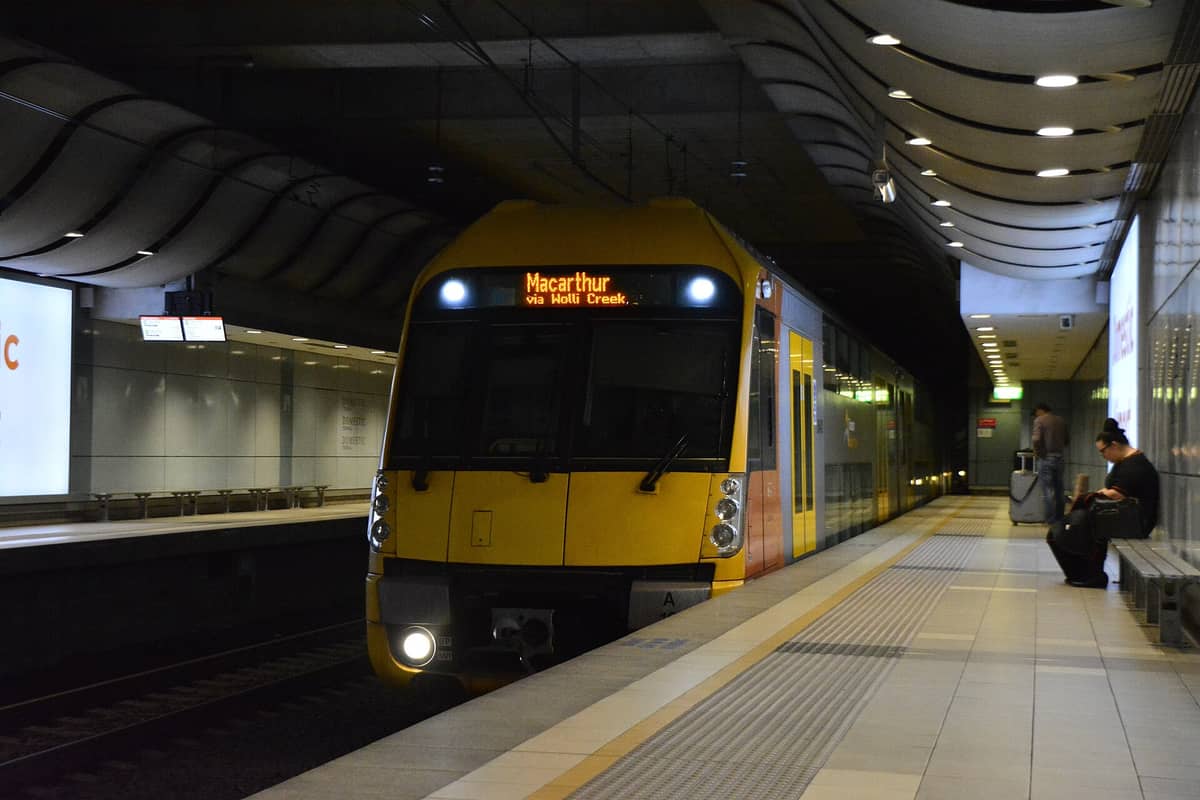
Sydney Kingsford Smith Airport (SYD) sits roughly 8–9 km from the CBD. The Airport Link train is the fastest option into the city, taking around 13 minutes to Central Station, but the access fee catches most visitors off guard: adults pay A$18.61 in airport station fees on top of the standard rail fare, and this amount does not count toward Opal daily travel caps. Budget around A$20–23 total for a one-way trip to the city by train. A rank taxi to the designated CBD area is a fixed A$60 (A$80 maxi). Verify fares with Sydney Airport's official transport page before you travel, as these figures can change.
⚠️ What to skip
The airport station access fee (A$18.61 for adults with Opal or contactless payment) is NOT included in the Opal daily or weekly travel caps. It is billed separately and will not reduce your capped travel costs for the rest of the day. This surprises almost every first-time visitor.
Once in the city, Sydney's public transport network is genuinely good. A single Opal card or contactless bank card covers trains, buses, ferries, metro, and light rail. The adult travel cap is A$19.30 Monday to Thursday, and just A$9.65 on Fridays, weekends, and public holidays — meaning a Manly ferry, a trip to Bondi, and a harbour cruise can all fall within that cap on a Saturday. For a full breakdown of getting between neighbourhoods, the getting around Sydney guide covers routes, timing, and what to avoid.
- Currency Australian dollar (AUD). Tipping is discretionary, not expected.
- Time zone AEST (UTC+10) in winter, AEDT (UTC+11) during daylight saving (roughly October to April).
- Electricity Type I plugs, 230V/50Hz. Bring an adapter if coming from the US, UK, or Europe.
- Tap water Safe to drink. Sydney Water maintains treated mains water across the city.
- Visas Australia has no visa-on-arrival for most nationalities. Check the Department of Home Affairs Visa Finder before booking flights.
Day 1: The Harbour, The Rocks, and the CBD
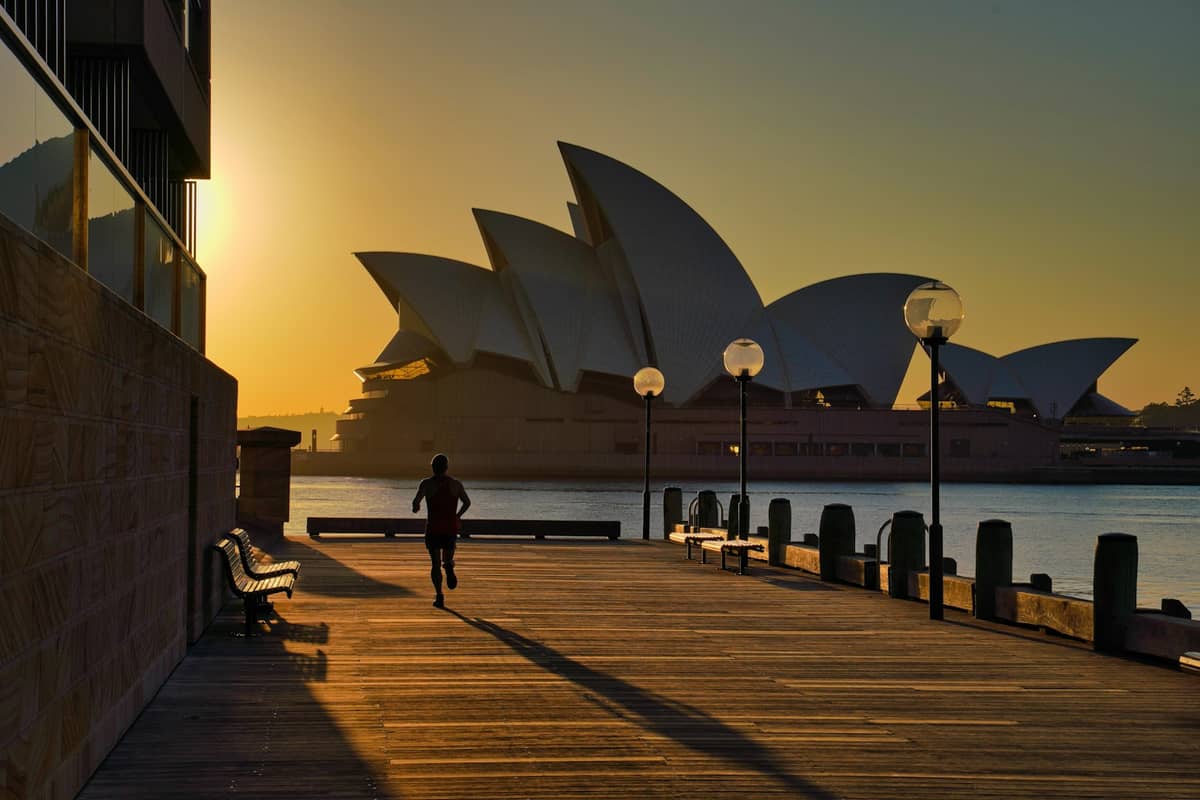
Start at Circular Quay by 8:30am. The Opera House catches the morning light from the east, and the ferry terminal and Cahill Expressway crowds have not yet built up. Walk the eastern boardwalk toward the Opera House and give yourself 20 minutes just to move around it — the building looks completely different from every angle, and most photos are taken from the same two spots. If you have not booked a tour, the box office opens at 9am. The one-hour guided tour costs A$50 pre-booked or A$55 on the day, and it is worth doing at least once for the backstage access and the acoustic explanation of the concert hall.
From the Opera House, follow the path west through the Royal Botanic Garden toward Mrs Macquaries Chair — a sandstone bench carved in 1810 for Governor Macquarie's wife, and still one of the best free views in Sydney. The walk takes about 20 minutes at a leisurely pace. Continue back along the foreshore to Circular Quay and cross into The Rocks precinct for lunch. The Rocks is frequently dismissed as a tourist trap, and parts of it are, but the sandstone laneways, the weekend markets, and the oldest pubs in Australia are genuinely worth an hour of exploration.
💡 Local tip
The Museum of Contemporary Art (MCA) at Circular Quay has free general admission and a rooftop cafe with direct Opera House views. It makes an excellent alternative to paid attractions if you have already done the Opera House tour, or if the afternoon heat pushes you indoors.
In the afternoon, either cross the Harbour Bridge on foot (free, approximately 30 minutes one-way from the southern pylon, with the option to visit the BridgeMuseum (formerly Pylon Lookout) for around A$40 online) or head to Darling Harbour via a short walk or light rail from Town Hall. Darling Harbour works better for families and anyone wanting the aquarium, maritime museum, or easy waterfront dining. It is also where to find Sydney Fish Market, about 10 minutes' walk south, if you want fresh seafood for a late lunch. End the day in Surry Hills or the CBD for dinner — both have far better dining per dollar than the immediate Circular Quay strip.
Day 2: Bondi to Coogee and the Eastern Suburbs
Take the train from the CBD to Bondi Junction (on the T4 Eastern Suburbs line), then the 333 bus to Bondi Beach. The bus drops you at the beach's northern end. Arrive before 10am if you are visiting in summer (December to February, when mean maximums hit 26–27°C) — the beach and the carpark both fill fast on clear days. In autumn and spring, Bondi is genuinely pleasant and far less crowded, with temperatures in the low-to-mid 20s and good surf.
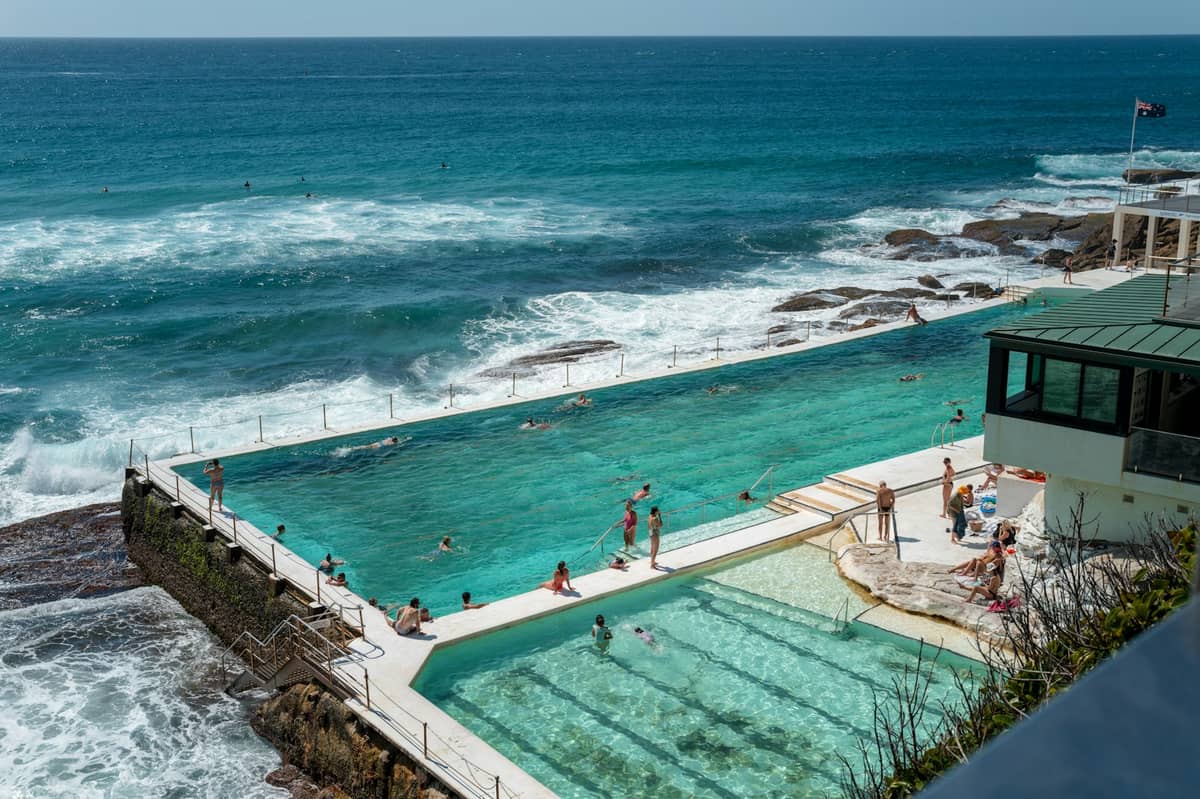
After an hour at the beach, walk south along the clifftop path that begins behind the Bondi Icebergs pool. The Bondi to Coogee coastal walk covers about 6 km over two hours at a comfortable pace, passing Tamarama, Bronte, Clovelly, and Gordons Bay before ending at Coogee Beach. The path is almost entirely paved and well-signposted. It is free, and it is consistently one of the best things to do in Sydney regardless of budget or fitness level. Bring water, sunscreen, and a hat — there is almost no shade on the exposed clifftop sections.
- Stop at Bronte Beach (halfway point) for a coffee or a swim in the ocean pool — smaller and less crowded than Bondi.
- Clovelly's unusual rectangular inlet is perfect for snorkelling and sheltered enough for children.
- End the walk at Coogee and catch the 372 or 373 bus back to the city, or the 313/314/X73 depending on your destination.
- Bondi Icebergs pool (a saltwater ocean pool that refills with each wave) charges a small entry fee — around A$10 — and is worth it for the spectacle if not the swim.
If the coastal walk feels like too much for one day, swap the afternoon for Paddington. The suburb sits directly between the CBD and Bondi and has some of Sydney's best independent boutiques, galleries, and cafe streets along Oxford Street and the surrounding terraces. Saturday is ideal, when the Paddington Markets run in the church grounds on Oxford Street.
Day 3: Manly, the Ferry, and What to Do With Leftover Time
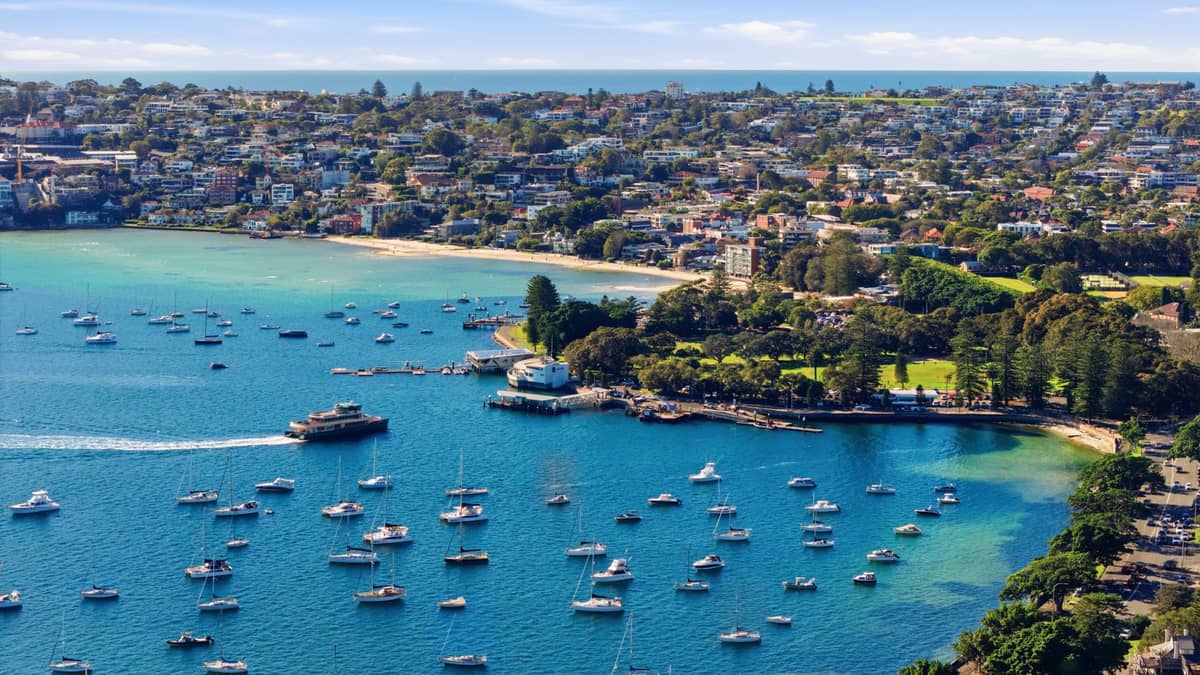
The Manly Ferry from Circular Quay Wharf 3 is the single best value journey in Sydney. The 30-minute crossing costs a standard adult Opal/contactless fare (no surcharge beyond the transport cap) and gives you views of the Opera House, the Harbour Bridge, North Head, and the open harbour that no harbour cruise can match at that price point. Ferries generally run every 30 minutes during peak times; check the Transport for NSW trip planner for current timetables, as they vary by day and season.
Manly itself has a pedestrian mall (the Corso) connecting the ferry wharf on the harbour side to Manly Beach on the ocean side. The beach is long, well-patrolled, and less crowded than Bondi on most days. For something quieter, walk 10 minutes south to Shelly Beach, a protected cove that is one of Sydney's best snorkelling spots. If you have energy for a longer walk, the Manly Scenic Walkway runs 10 km along the harbour foreshore to Spit Bridge, with native bush, Aboriginal heritage sites, and harbour views the entire way.
✨ Pro tip
If you are visiting on a weekday, consider combining Day 3's morning ferry with Taronga Zoo before crossing to Manly in the afternoon — or vice versa. Taronga Zoo is on the F2 ferry from Circular Quay Wharf 4, not the F1 Manly ferry. Adult admission is A$57 at the gate or from A$51.30 online; book ahead. The zoo's Sky Safari cable car gives elevated harbour views at no extra cost once you are inside.
Back in the city for your final evening, the inner west neighbourhoods of Newtown and Glebe offer the most local-feeling dining and bar options. Newtown's King Street has everything from cheap Thai and Ethiopian to natural wine bars, and the Newtown and inner west precinct is a 10-minute train ride from Central on the T2 or T3 line. If you would rather stay harbour-side, Barangaroo Reserve on the western CBD foreshore is a well-designed public park for a sunset walk, and the Barangaroo dining precinct has options across most price ranges.
Seasonal Considerations and When to Plan Each Day
Sydney's seasons are reversed from the Northern Hemisphere. Summer runs December to February with mean daily maximums around 26–27°C, while winter (June to August) sees maximums of 17–19°C. Rain occurs in every season, with higher average monthly totals in late summer and autumn and lower totals in late winter and spring. There is no sharply defined wet or dry season as you would find in tropical Australia.
For this three-day itinerary, the coastal walk on Day 2 and the Manly ferry on Day 3 are weather-dependent. Check the Bureau of Meteorology forecast the night before and have a backup plan: swap the coastal walk for the Art Gallery of NSW (free general admission) or the Australian Museum if rain arrives. For deeper planning around timing, events, and crowd patterns, the best time to visit Sydney guide breaks down each month in detail.
- Summer (Dec–Feb) Best for beaches, worst for heat and crowds. Book everything in advance. Start outdoor activities before 10am.
- Autumn (Mar–May) Ideal conditions: mild temperatures, lower humidity, and thinning crowds. March is Sydney's sweet spot.
- Winter (Jun–Aug) Cool but rarely cold. No swimming for most visitors, but excellent for walking, museums, and eating. Vivid Sydney light festival runs in late May to mid-June.
- Spring (Sep–Nov) Warming up with spring wildflowers in the botanic gardens. Good for the coastal walk before summer crowds return.
Where to Stay and Budget Benchmarks
For a three-day itinerary built around this structure, the CBD, Circular Quay, or The Rocks is the most logical base for Day 1. Surry Hills and Darlinghurst are better value and a 15-minute walk or short bus from most Day 1 sights. For Days 2 and 3, location matters less because you will be using public transport regardless. A full breakdown of options by neighbourhood and price point is in the where to stay in Sydney guide.
Budget travellers can complete this itinerary for around A$100–150 per day including accommodation, food, and transport, if they use the Opal weekend cap, eat at markets or takeaway spots, and skip paid attractions. Mid-range travellers spending A$200–300 per day can add the Opera House tour, Taronga Zoo, a harbour dinner, and a nicer hotel. The transport system is the same for everyone — Sydney does not have a tourist-class public network, which is a genuine advantage.
ℹ️ Good to know
Sydney's Friday–Sunday Opal travel cap of A$9.65 for adults covers unlimited train, bus, ferry, and light rail travel (excluding airport access fees). If your three-day trip overlaps with a weekend, plan your longest travel days for Saturday and Sunday to maximise this cap.
FAQ
Is 3 days enough to see Sydney?
Three days is enough to cover Sydney's highlights without feeling rushed, provided you plan the days logically by geography. You will not see everything — day trips to the Blue Mountains or the Hunter Valley require a full additional day each — but the Opera House, Harbour Bridge, Bondi, Manly, and the inner city are all achievable. Accept that you will need to return for the rest.
How much does 3 days in Sydney cost?
A realistic budget depends on accommodation and dining choices. Transport is capped at A$19.30 per day Monday to Thursday and A$9.65 on Friday to Sunday (excluding airport access fees). Budget travellers can manage around A$100–150 per day all-in. Mid-range travellers should budget A$200–300 per day including a hotel, the Opera House tour (A$50), Taronga Zoo (from A$51.30 online), and restaurant meals.
What is the best way to get from Sydney Airport to the city?
The Airport Link train is fastest at around 13 minutes to Central Station, but the adult access fee of A$18.61 applies on top of the standard fare, bringing the total to approximately A$20–23. This fee does not count toward Opal daily caps. A rank taxi to the designated CBD area is a fixed A$60 (A$80 maxi). Verify current fares with Sydney Airport's official transport page before travel, as prices can change.
Do I need to book attractions in advance for 3 days in Sydney?
Yes, for two things in particular: the Sydney Opera House tour (A$50 pre-booked vs A$55 on the day, and sometimes fully booked) and Taronga Zoo (cheaper online from A$51.30 vs A$57 at the gate). The Bondi to Coogee coastal walk and the Manly ferry need no booking. Free attractions like the Art Gallery of NSW and the Museum of Contemporary Art also need no booking for general admission.
Can I do a day trip from Sydney in a 3-day visit?
It is possible but it means sacrificing one full day in the city. The Blue Mountains is the most popular and accessible option, about two hours by train from Central Station to Katoomba. If your itinerary above has already been done, or if you are returning to Sydney, the Blue Mountains makes a logical extension. See the dedicated day trips guide for route logistics and what to prioritise once you are there.
Tickets & tours
Live prices and dates from our booking partner. If you book, we may earn a commission at no extra cost to you.
Planning a trip? Discover personalized activities with the Nomado app.