Getting Around Sydney: Transport, Fares and Local Know-How
Sydney's public transport network covers nearly every corner of the city, but it has quirks that trip up first-time visitors. This guide breaks down every option, from the Opal card fare system to ferry routes and airport transfers, so you can move around confidently from day one.
Tickets & tours
Live prices and dates from our booking partner. If you book, we may earn a commission at no extra cost to you.
TL;DR
- The Opal card (or a contactless bank card) is the smartest way to pay — it unlocks daily and weekly fare caps across trains, metro, buses, ferries and light rail.
- Airport train fares include a separate station access fee of AUD 18.61 that does NOT count toward your regular travel caps — a common and costly surprise.
- Ferries are the most scenic and often the most practical way to reach Manly and waterfront precincts — don't treat them as a tourist extra.
- Peak fares apply weekday mornings and evenings; off-peak travel (and all day Friday, weekends and public holidays) gets a 30% discount.
- Rank taxis from the airport to the designated CBD area are a fixed AUD 60 (AUD 80 maxi); ride-hailing apps like Uber are available but use designated pickup zones at the terminals.
The Opal Card: Your Essential Payment Tool
Getting around Sydney starts with understanding one payment system. Adult travellers can tap on and off using an Opal card or a contactless Visa, Mastercard or American Express card (including phone and smartwatch payments). Both methods charge adult fares and unlock the same cap benefits, but there is one critical rule: use the same card or device for every single tap within a journey. Getting around Sydney starts with understanding one payment system. Adult travellers can tap on and off using an Opal card or a contactless Visa, Mastercard or American Express card (including phone and smartwatch payments). Both methods charge adult fares and unlock the same cap benefits, but there is one critical rule: use the same card or device for every single tap within a journey. Mixing a phone payment on one leg and a physical card on another means they are treated as separate payment methods, so you may not receive the correct fare or transfer discount.
⚠️ What to skip
If you use Apple Pay for one tap and your physical bank card for another, the system treats these as two separate payment methods. You may not get the correct fare or transfer discount. Pick one and stick with it for the entire trip.
The fare cap system is genuinely good value once you understand the structure. The current adult caps are AUD 19.30 per day Monday through Thursday, AUD 9.65 on Fridays, weekends and public holidays, and AUD 50 per Opal week (Monday to Sunday). The Friday and weekend cap is particularly useful for day-trip planning. A 30% fare discount also applies to metro, train, bus and light rail trips taken outside peak hours. Always check the Transport for NSW website before travel since fares are updated periodically.
- Daily cap (Mon–Thu) AUD 19.30 — travel as much as you like after hitting the cap
- Daily cap (Fri, weekends, public holidays) AUD 9.65 — plan heavier travel days around this
- Weekly cap AUD 50 (Mon–Sun) — useful for stays of five or more days
- Off-peak discount 30% off metro, train, bus and light rail outside peak windows
- Airport station access fee AUD 18.61 adult — separate from all caps above, applies each time you use an airport station
Trains and Metro: The Backbone of the Network
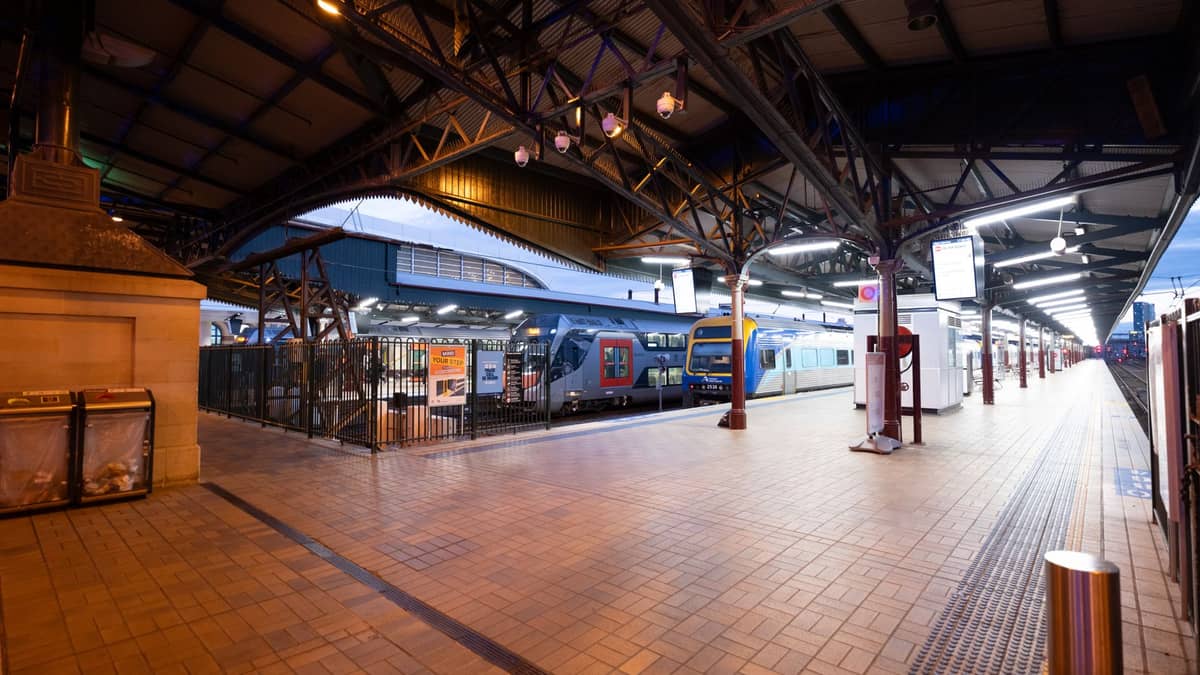
Sydney Trains covers the city and its wider metropolitan area with a spoke-and-hub layout centred on the City Circle (a loop connecting Central, Town Hall, Wynyard, Circular Quay, St James and Museum stations). For most visitors, these stations put you within walking distance of the major precincts. Sydney Metro runs rapid-transit services on a separate network; check the current Transport for NSW network map since the metro lines are still expanding and station availability changes.
Trains are the best way to reach areas like Newtown and the Inner West, Parramatta to the west, and the airport. They run frequently during peak hours but can thin out late at night — on weekends, especially after midnight, buses take over some rail corridors. Always check the Trip Planner on the Transport for NSW website or the Opal Travel app before a late-night journey.
💡 Local tip
Download the Transport for NSW 'Opal Travel' app before you arrive. It shows real-time departures, service alerts and lets you plan door-to-door routes across all modes. The Trip Planner on transportnsw.info works just as well on mobile without needing an app.
Getting to and from Sydney Airport (SYD)
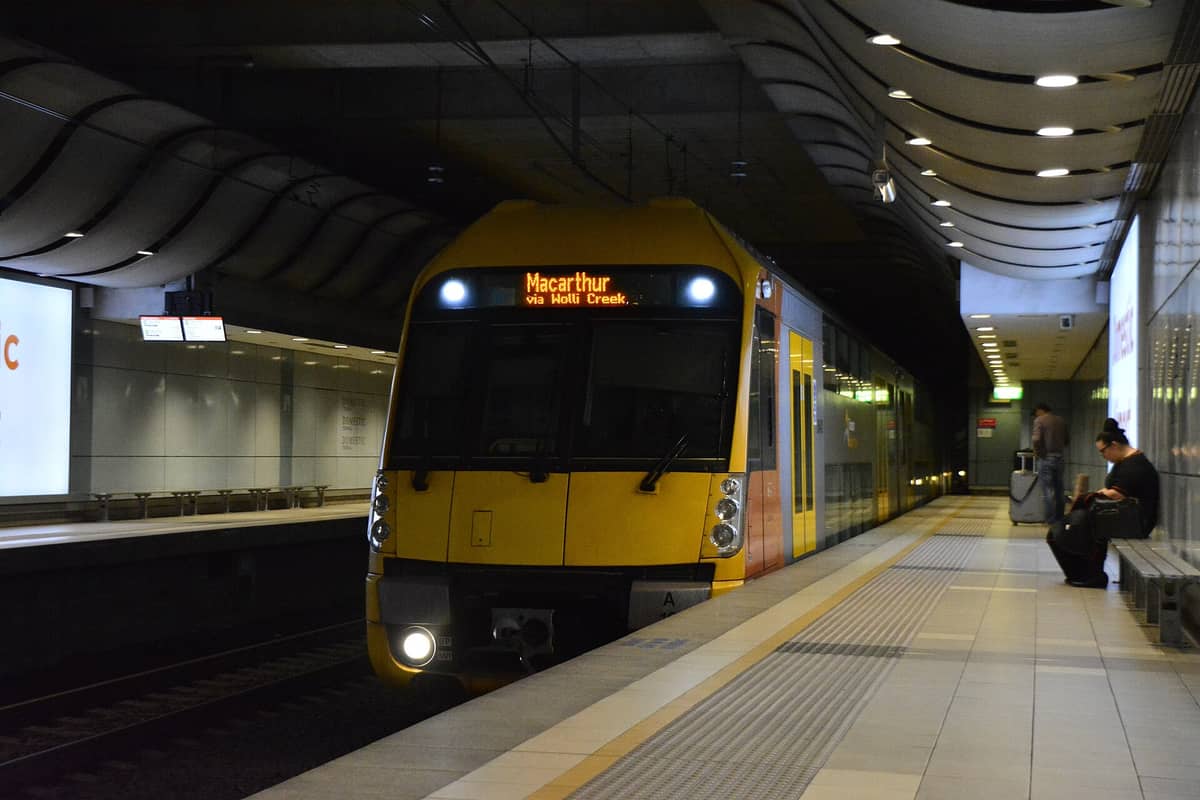
Sydney Kingsford Smith Airport sits roughly 8–9 km from the CBD, but the Airport Link train — despite the short distance — is one of the more expensive short urban train rides in Australia. The adult fare to a city station varies with the destination and time of travel and includes the station access fee. The airport states the CBD journey takes around 13 minutes by train, though this varies by destination station and service frequency.
The station access fee of AUD 18.61 is the part most visitors miss. It applies every time you pass through an airport station gate — it does not count toward your regular daily or weekly travel caps. If you are making multiple airport trips in one week, there is a separate weekly airport access cap of AUD 37.75. Rank taxis from the airport to the designated CBD area are a fixed AUD 60 for a standard taxi (AUD 80 maxi). Ride-hailing services including Uber operate from designated pickup zones at the terminals, not curbside — follow the airport signage.
✨ Pro tip
If your hotel is near a City Circle station, the Airport Link train is fast and stress-free. If you are heading somewhere with awkward connections (like Bondi or the Northern Beaches), a taxi or ride-hail may actually be simpler despite costing more, especially with luggage.
Ferries: Practical and Scenic in Equal Measure
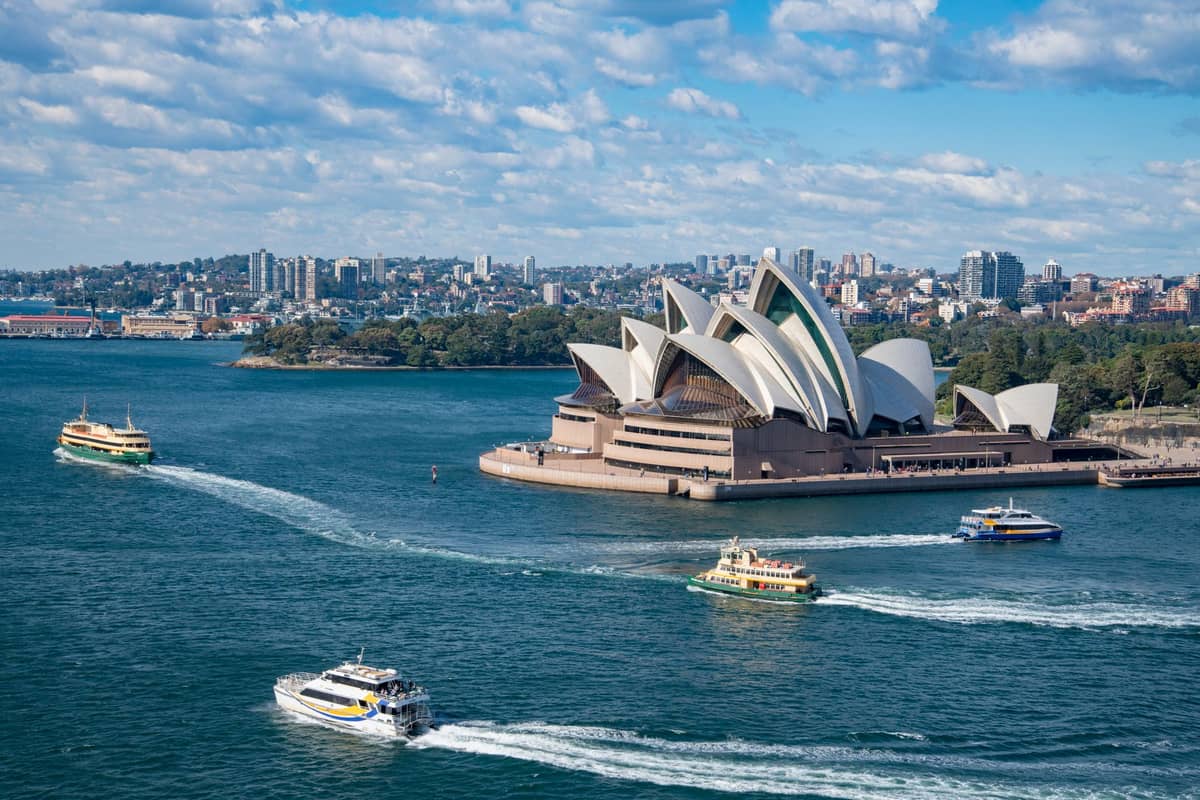
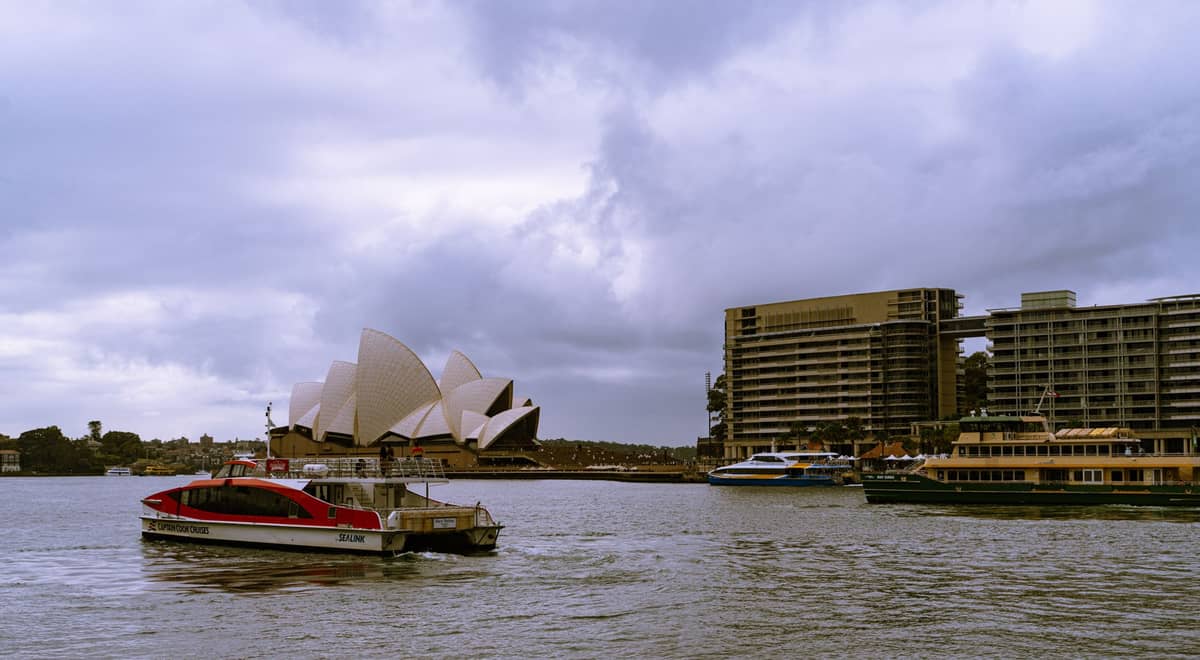
Sydney's ferry network is one of the best reasons to pay attention to the Opal system. Circular Quay serves as the main ferry hub, with services fanning out across the harbour and up the Parramatta River. The most iconic route is the F1 to Manly, a 30-minute crossing that gives you views of the Sydney Opera House and the Harbour Bridge on the way out. It is covered by the standard Opal fare, not a separate ticket — making it extraordinary value.
Ferries also connect Darling Harbour, Balmain, Mosman, Neutral Bay and other harbour-side suburbs. For visitors staying near the water or planning to visit multiple harbour precincts, the Sydney ferry network deserves more than a passing glance in your planning. Services run frequently during the day but can run hourly in evenings, so time your return journey.
Buses, Light Rail and Getting to the Beaches
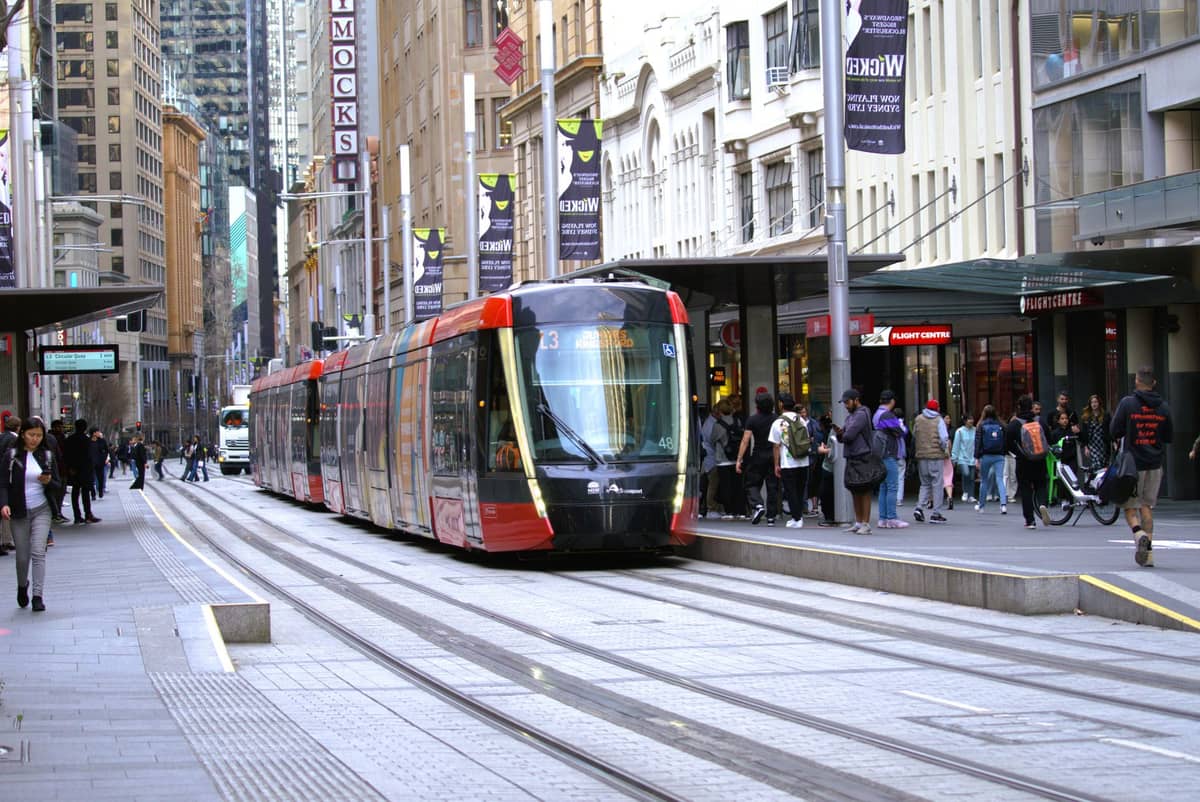
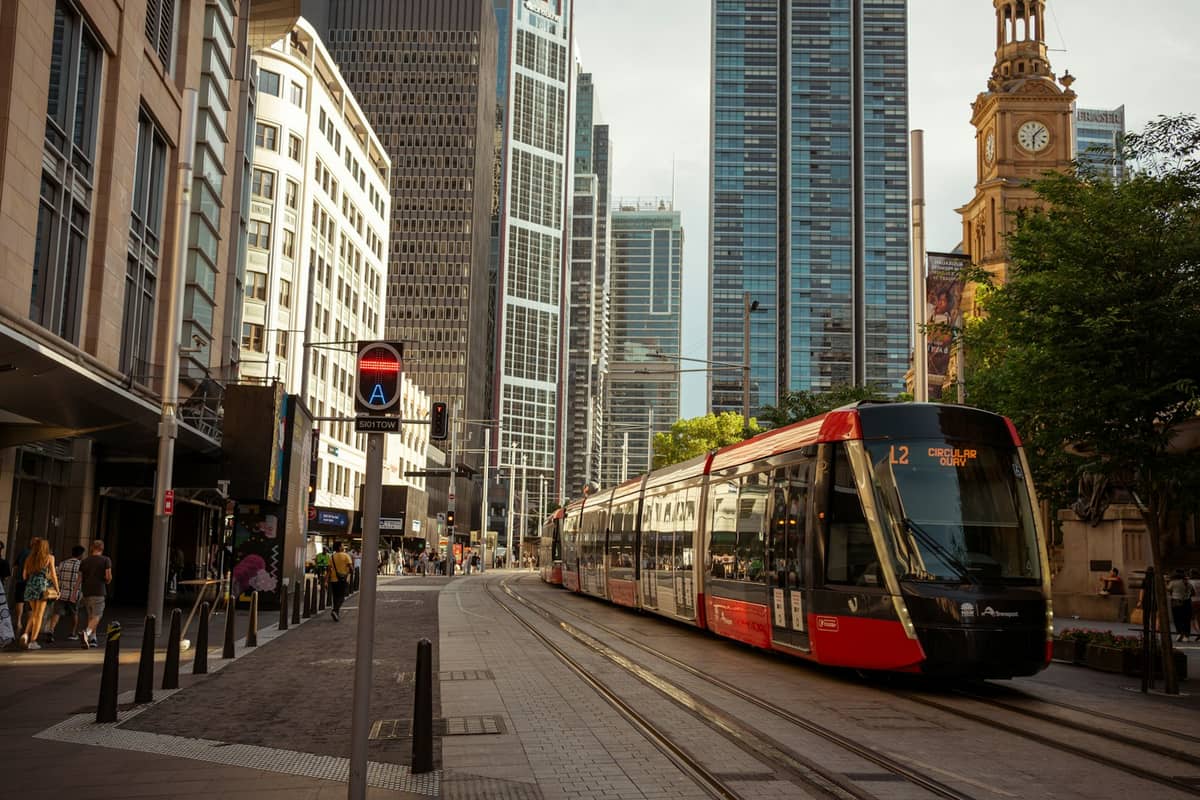
Buses fill the gaps that trains and ferries cannot reach, including most of the eastern suburbs, inner south and many northern areas. Key routes for visitors include the 333 (Circular Quay to Bondi Beach, passing through the CBD and Kings Cross), the L2 light rail to Randwick (near Coogee), and the L3 light rail to Kingsford. Light rail runs on a dedicated track through the CBD and is faster than buses along that corridor.
Reaching Bondi Beach by public transport means taking the train to Bondi Junction (on the T4 Eastern Suburbs line), then hopping on the 333 or 380 bus down to the beach — total journey from the CBD is typically 30–40 minutes. There is no direct train to Bondi Beach itself, a detail that surprises many visitors. For the Bondi to Coogee coastal walk, buses serve both ends so you can walk one way and ride back.
- Bus 333: Circular Quay to Bondi Beach via Oxford Street
- L2 Light Rail: Central to Randwick (for Coogee connections)
- L3 Light Rail: Central to Kingsford
- F1 Ferry: Circular Quay to Manly (30 minutes, harbour views)
- F3 Ferry: Circular Quay to Parramatta (scenic river route)
- T4 Train: City to Bondi Junction (change for Bondi Beach buses)
Taxis, Ride-Hailing and Driving Yourself
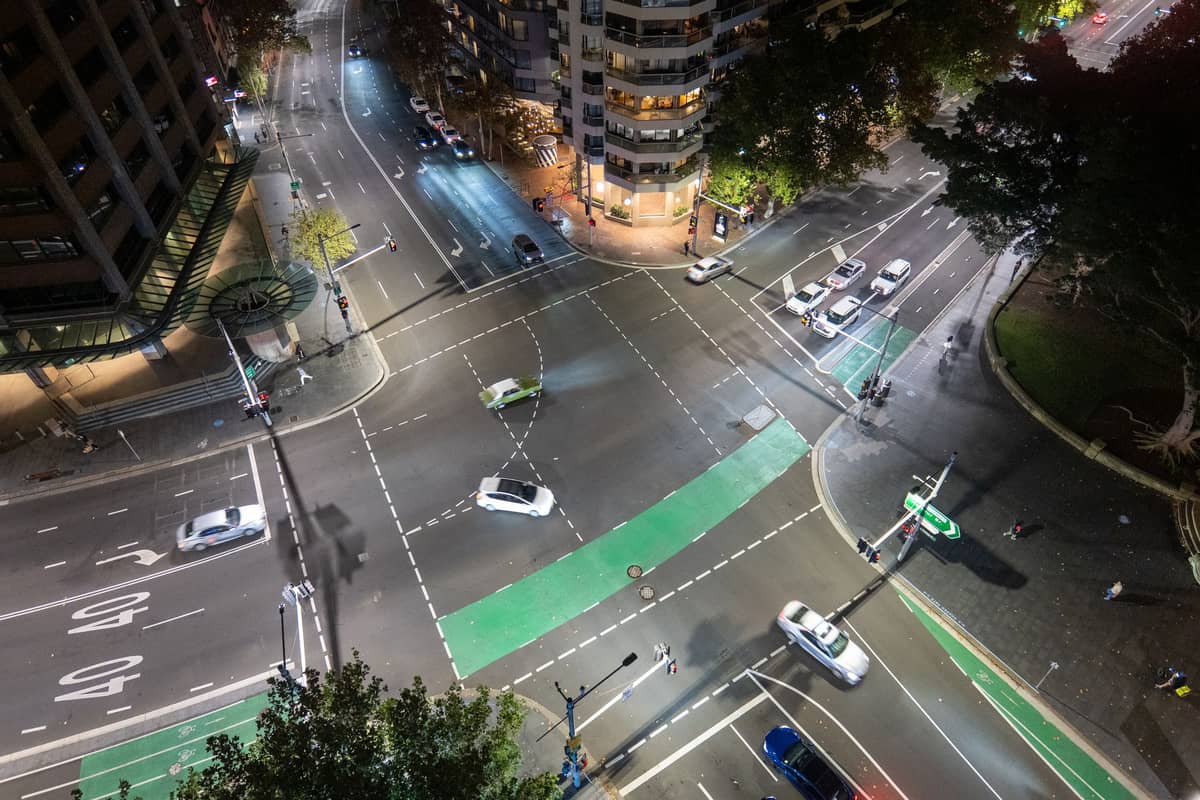
Taxis are metered, widely available from ranks outside hotels, major attractions and stations, and can be hailed on the street in most areas. Ride-hailing apps including Uber, Didi and Ola operate across Sydney. At busy periods like New Year's Eve or major events, surge pricing can make ride-hailing more expensive than a taxi, so it is worth checking both options. Neither taxis nor ride-hailing accept Opal cards — you pay separately.
Driving in Sydney is practical for day trips to places like the Blue Mountains or the Royal National Park, but inside the city it is not the most efficient choice. Traffic is heavy during morning and afternoon peak hours, parking is expensive in the CBD (often AUD 30–60 per day in a commercial car park), and some inner-city streets have confusing clearway restrictions. Tolls are common on Sydney motorways and are cashless — cars without an e-TAG account receive a pass invoice, but rental car companies typically handle this through their own systems at an extra fee. Confirm the toll arrangement with your hire company before driving.
ℹ️ Good to know
Tipping is not standard in Australia and is never expected in taxis or ride-hailing. Rounding up the fare is appreciated but entirely optional. Australia uses 230V Type I power outlets — bring an adaptor if your devices use a different plug type.
Practical Tips for Navigating the City
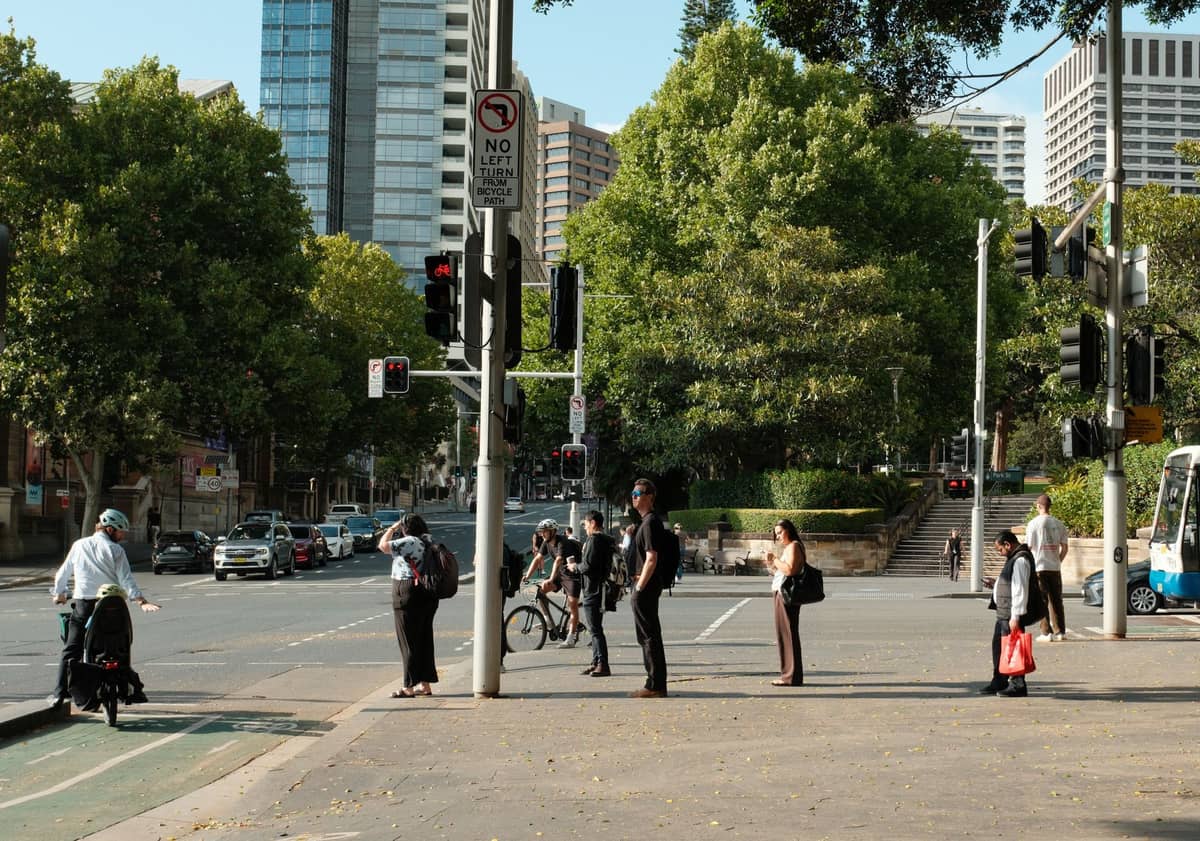
Sydney is a large, spread-out city. The CBD and inner precincts like Circular Quay and The Rocks are walkable from each other, but distances between neighbourhoods are deceptive on a map. Darling Harbour is a 10–15 minute walk west of Town Hall; Surry Hills is a 15–20 minute walk south of Hyde Park. For anything further, using public transport or a ride will save you more time than you expect.
Sydney's transport network is generally reliable, but disruptions happen, especially on weekends when track maintenance is scheduled. Bus replacements for trains are common on Saturday and Sunday mornings. Always check the Transport for NSW service alerts before travelling on weekends, particularly if you have a flight to catch or a timed booking. The Opal Travel app sends alerts for your saved routes.
For visitors covering a lot of ground in a short time, consider building your itinerary around transport logic rather than geography alone. Combining the Manly ferry with a walk along the Manly Scenic Walkway and returning by bus is far more efficient than doubling back. Similarly, the coastal walk from Bondi to Coogee makes more sense when paired with a one-way bus ride. Think in transport loops, not straight lines.
FAQ
Do I need an Opal card or can I just use my credit card?
You can use a contactless Visa, Mastercard or American Express card (including phone or smartwatch) instead of an Opal card — both unlock the same fare caps. The key rule is to use the same payment method for every tap in a journey. If you plan to travel a lot, either option works well. The Opal card can be loaded with credit and topped up at convenience stores and stations.
How much does it cost to get from Sydney Airport to the city?
The Airport Link train fare to a city station varies with the destination and time of travel and includes the station access fee of AUD 18.61 for adults using Opal or contactless. Rank taxis to the designated CBD area are a fixed AUD 60 (AUD 80 maxi). Ride-hailing apps are also available from designated terminal pickup zones. Fares change periodically — verify with Transport for NSW and Sydney Airport before travel. Rank taxis to the designated CBD area are a fixed AUD 60 (AUD 80 maxi). Ride-hailing apps are also available from designated terminal pickup zones. Fares change periodically — verify with Transport for NSW and Sydney Airport before travel.
Is the airport station access fee included in the standard Opal daily cap?
No. The airport station access fee (currently AUD 18.61 per adult tap-in) is charged separately and does not count toward your standard daily cap of AUD 19.30 or the weekly cap of AUD 50. There is a separate weekly airport access cap of AUD 37.75 for frequent users. This is the most common and expensive mistake visitors make with the Opal system.
What is the cheapest way to get around Sydney as a tourist?
Using Opal or contactless payment on public transport, especially on Fridays and weekends when the daily cap drops to AUD 9.65, is the most cost-effective approach. Planning heavy sightseeing days on weekends maximises this benefit. Ferries, buses, trains and light rail are all included under the cap, so you can cover significant ground for under AUD 10 on a weekend day.
Can I get to Bondi Beach by train?
There is no direct train to Bondi Beach. Take the T4 Eastern Suburbs line to Bondi Junction, then connect to bus 333 or 380 down to the beach — the total journey from the CBD takes around 30–40 minutes. Alternatively, the 333 runs directly from Circular Quay if you prefer a single-bus option, though it takes longer.
Tickets & tours
Live prices and dates from our booking partner. If you book, we may earn a commission at no extra cost to you.
Planning a trip? Discover personalized activities with the Nomado app.