Royal National Park: Sydney's Wild Backyard
Dedicated in 1879, Royal National Park is one of the oldest national parks on Earth, covering about 16,000 hectares of sandstone cliffs, coastal heath, rainforest gullies, and surf beaches just 30 kilometres south of the Sydney CBD. It rewards visitors who come prepared with a strong sense of how far removed it feels from the city just behind them.
Quick Facts
- Location
- Sutherland Shire, NSW — approx. 30km south of Sydney CBD. Visitor centre at 2 Lady Carrington Drive, Audley NSW 2232.
- Getting There
- Train to Loftus, Engadine, Heathcote, Otford or Waterfall (Illawarra Line) for walking entry. Ferry from Cronulla to Bundeena (no vehicle). By car via Princes Highway (Farnell Ave or McKell Ave entrances).
- Time Needed
- Half day for a single trail or beach; full day for serious hikes or coastal walk sections. Overnight camping requires advance booking.
- Cost
- A$12 per vehicle per day (vehicles up to 8 seats). Larger vehicles: A$4.40 per adult, A$2.20 per child. Verify fees at the official site before visiting.
- Best for
- Hikers, coastal walkers, swimmers, birdwatchers, and anyone wanting a full escape from the city without a long drive.
What Royal National Park Actually Is
Royal National Park was dedicated as a public reserve on 26 April 1879, making it the second national park established anywhere in the world, after Yellowstone in the United States. That age is not just a trivia point. It explains why the park feels genuinely wild despite sitting within the Sydney metropolitan region: more than 140 years of protection have allowed sandstone heathlands, subtropical rainforest pockets, and coastal cliff ecosystems to develop largely undisturbed.
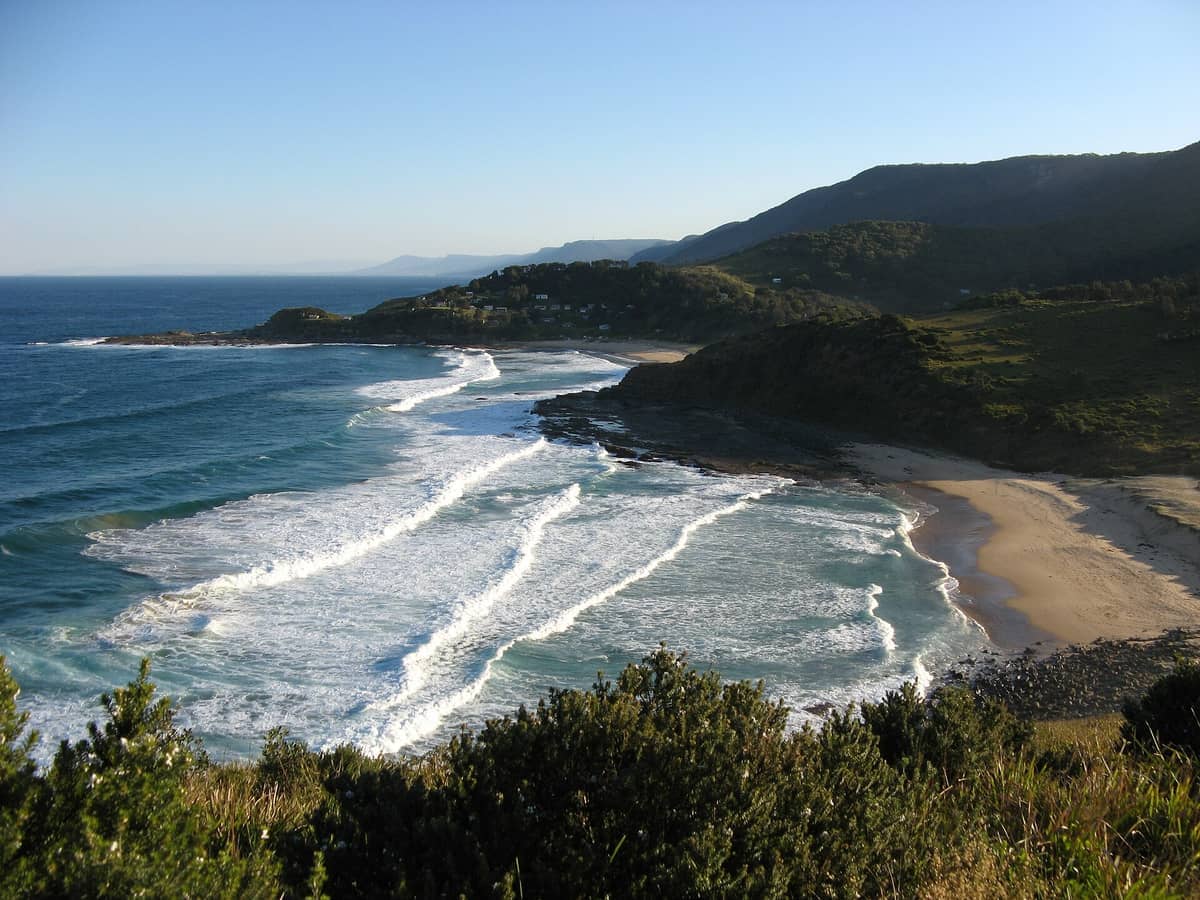
The park covers approximately 16,000 hectares between the southern suburbs of Sydney and the Royal National Park coastline, which runs for roughly 26 kilometres along the Tasman Sea. The terrain shifts dramatically within that space: from the eucalypt-lined Hacking River at Audley to wind-scoured cliff tops at Garie, from ferny rainforest gullies near Palona Cave to open surf beach at Era. No single day covers it all, which is actually part of the appeal.
ℹ️ Good to know
Park hours are generally 7:00am to 8:30pm, but closures can occur due to fire danger or severe weather. Check the NSW National Parks website or phone ahead on days with a Total Fire Ban or after heavy rain, when trails may be closed.
Getting There: Your Options Matter More Than You Think
How you arrive shapes your entire visit. Driving is the most flexible option: enter via Farnell Avenue near Loftus or McKell Avenue near Waterfall, both accessed from the Princes Highway. The A$12 vehicle fee is collected at the gate. Once inside, you can reach multiple trailheads, Audley, and the road down to Garie Beach. On summer weekends and public holidays, the Garie Beach road regularly fills to capacity by mid-morning, and rangers turn vehicles away.
Arriving by train is genuinely practical for walkers. The Illawarra Line serves Loftus, Engadine, Heathcote, Otford, and Waterfall — all park-adjacent stations. The Coastal Track (roughly 27 kilometres one way) can be walked as a multi-day trip or completed in sections, with train access at Otford and ferry access at Bundeena. There is no vehicle entry fee if you walk in from a station.
A third option is the Cronulla Ferry to Bundeena, a small community inside the park's northern boundary. The ferry runs from Cronulla Wharf and takes about 30 minutes across Port Hacking. From Bundeena, walkers can access the northern section of the Coastal Track, Little Marley Beach, and Marley Beach. This route is especially appealing for day-trippers who want the coastal experience without a car.
For broader transport context across Sydney's south, the getting around Sydney guide covers Opal card use, train lines, and ferry routes in detail.
Tickets & tours
Live prices and dates from our booking partner. If you book, we may earn a commission at no extra cost to you.
The Rocks historic walking tour
From 20 €Instant confirmationFree cancellationBeginner surf lesson at Bondi Beach
From 79 €Instant confirmationFree cancellationSydney whale-watching cruise with breakfast or lunch
From 62 €Instant confirmationFree cancellationBlue Mountains Waterfalls Full-Day Tour with Lunch and Dinner
From 171 €Instant confirmationFree cancellation
The Coastal Track: The Park's Signature Experience
The Coastal Track is the most celebrated walk in the park and one of the finest coastal walks in New South Wales. It runs approximately 27 kilometres from Bundeena in the north to Otford in the south, following clifftops and dipping into secluded beaches along the way. Most independent walkers complete it as a two-day trip, camping overnight at Era Beach (camping is bookable through NSW National Parks). Some fit walkers do it in a single long day, but that is a serious undertaking requiring an early start and good fitness.
The section between Otford and Garie Beach is particularly rewarding: the track hugs the cliff edge above the Tasman Sea, with nothing between you and New Zealand except open ocean. In the morning, the light hits the sandstone cliff faces from the east, turning them a deep amber. By midday that same stretch becomes exposed and hot. Afternoon sea breezes make conditions more comfortable, but if there has been recent rain the clay sections of track become slippery enough to warrant hiking boots rather than trail runners.
💡 Local tip
Carry at least 2 litres of water per person. There is no reliable water refill between Otford and Garie Beach on the Coastal Track. Garie has a kiosk that operates on weekends (hours vary seasonally) — do not rely on it.
Audley: The Park's Social Heart
Audley is where the park feels most like a classic Australian day out. The Hacking River flats are wide and grassy, edged by paperbarks and eucalypts, with a weir, picnic pavilions, a café, and a boatshed where you can hire canoes and rowboats. On a warm Sunday, local families claim picnic spots early — by 10am, the area is lively with children, dogs on leashes, and people unloading fold-up chairs from the backs of SUVs.
The visitor centre at 2 Lady Carrington Drive, Audley, is the best first stop for maps, trail conditions, and camping permits. Step-free paths connect the visitor centre, café, and pavilion to the Triangle car park, and the centre itself has step-free entry and an accessible toilet. The Bungoona path and lookout, also accessible for wheelchair users, provides elevated views over the river valley.
Lady Carrington Drive — now closed to vehicles — runs south from Audley as a flat, unsealed track through subtropical rainforest. It is popular with cyclists, joggers, and walkers who want a gentle outing rather than a cliff-top challenge. The canopy closes overhead in places, and the temperature drops noticeably. Lyrebirds are occasionally heard scratching through the leaf litter beside the track.
Beaches Inside the Park
Garie Beach is the park's most accessible ocean beach by car and the only one with a surf lifesaving club. It is patrolled on weekends and during school holidays — check current patrol flags before entering the water. The beach is backed by low scrub and a small picnic area. On a weekday in autumn it can feel almost completely empty, with just a few surfers working a modest swell. That kind of solitude, 30 kilometres from a city of five million people, is difficult to find elsewhere in the region.
Era Beach and Burning Palms Beach are only accessible on foot via the Coastal Track, which means they stay genuinely quiet even on summer weekends. Era has a cluster of historic shacks that have been occupied under a long-standing licence arrangement — they give the beach an unusual, almost anachronistic character. Swimming at both beaches is unpatrolled; conditions can be rough, and rip currents form quickly in this exposed stretch of coast.
Little Marley and Marley Beach, accessible from Bundeena or via the Coastal Track, offer another option. Little Marley is a small cove that can be reached in about 90 minutes of walking from Bundeena. The lagoon at Marley is a brackish freshwater system that sits just behind the beach — swimming in the lagoon is popular on hot days when the surf is rough.
If you are building a broader Sydney itinerary that includes coastal walking, the Sydney coastal walks guide covers routes from Bondi south and across the northern beaches.
Wildlife and Ecology
The park sits within the Sydney Basin bioregion and contains an unusually high diversity of plant communities for its size: over 700 plant species have been recorded here. The coastal heath in spring (September to November) is particularly striking, when waratahs, banksias, and hakeas flower across the cliff-top scrub. The waratah (Telopea speciosissima) is NSW's floral emblem and grows in abundance along several of the park's walking tracks.
Birdwatching is excellent throughout the year. Superb lyrebirds are reliably heard — and sometimes seen — in the wetter gullies, particularly along Lady Carrington Drive and in the forest around Waterfall. Yellow-tailed black cockatoos move through in feeding flocks, and peregrine falcons nest on some of the sea cliffs. Eastern water dragons are common at Audley near the river.
For a broader look at encountering native fauna around Sydney, the Sydney wildlife guide covers wildlife parks, reserves, and wild-encounter spots across the region.
Practical Planning: What to Know Before You Go
The park operates year-round, but the experience changes significantly by season. Spring brings wildflower blooms and comfortable temperatures for walking. Summer (December to February) means longer days and busy beaches, but heat on exposed cliff-top tracks can be serious: mean maximum temperatures at Sydney Airport in summer are around 26 to 27 degrees Celsius, and the park's open heathland offers little shade. Carry more water than you think you need, and start walking early. Autumn is arguably the best season: the crowds thin, the light is warm and angled, and the sea stays swimmable. Winter brings crisp clear days that are excellent for cliff-top walking, though water temperatures drop and the beaches are quiet.
Photography works best in the hour after sunrise on the Coastal Track, when the cliff tops face east and catch direct light. The Otford lookout, accessible by car, offers a sweeping south-facing view over the coast and is worth arriving early. Midday light on the white sand beaches is harsh but workable if you are shooting the water rather than the land.
⚠️ What to skip
The park closes in fire danger conditions, which can happen with little warning in summer and early autumn. Check the NSW National Parks fire closures page and the NSW Rural Fire Service website before any visit between December and April.
Mobile coverage is unreliable across most of the park interior and along the Coastal Track. Download offline maps before you leave, and let someone know your planned route if you are walking alone on a remote section of track. The park does not have fuel stations — fill the tank before entering.
Who Should Consider Skipping It
Royal National Park rewards visitors who are comfortable with planning, physical effort, or self-sufficiency. If you are looking for a leisurely waterfront experience with cafés, shopping, or harbour views within a short walk, the park is not the right fit. The Audley area offers a pleasant picnic setting, but it is not a destination in itself for visitors who are not interested in walking or paddling. Travellers with mobility limitations will find the accessible areas around Audley and Bungoona genuinely usable, but much of the park's most dramatic scenery requires moderate to difficult walking on uneven terrain.
If you are weighing up how Royal National Park fits into a wider Sydney trip, the day trips from Sydney guide compares it against other options including the Blue Mountains and the Southern Highlands.
Insider Tips
- The Garie Beach road fills to capacity on warm summer weekends. Rangers begin turning cars away by mid-morning. Arrive before 9am or take the train to Otford and walk in via the Coastal Track.
- The Cronulla to Bundeena ferry is one of the least-known ways into the park. It drops you directly into the park's northern section with immediate access to walking tracks and avoids any vehicle fee.
- Lady Carrington Drive is flat, unsealed, and closed to vehicles — it is the best option for cyclists, families with prams, or anyone wanting a quiet walk through tall forest without the effort of a cliff-top trail.
- Spring wildflowers peak roughly from late September through October. The section of Coastal Track near Garie and Era is particularly colourful with waratahs and banksias in flower against the cliff-top heath.
- If you want to swim and surf away from crowds on a weekday, Garie Beach in autumn can be strikingly empty. Weekday visits throughout autumn and winter give you the park at its least crowded and arguably most beautiful.
Who Is Royal National Park For?
- Hikers and coastal walkers ready for a serious day out or multi-day camping trip
- Day-trippers from Sydney wanting real nature without a long drive
- Birdwatchers, particularly anyone interested in lyrebirds, cockatoos, and shorebirds
- Photographers looking for dramatic coastal light on sandstone cliffs
- Families with older children who are comfortable walking several kilometres
Nearby Attractions
Combine your visit with:
- Blue Mountains National Park
Blue Mountains National Park covers around 268,000 hectares of sandstone plateaus, deep gorges and temperate rainforest west of Sydney. It is a popular national park in New South Wales and one of the most rewarding day trips or overnight escapes from the city, provided you know where to go and when to arrive.
- Featherdale Wildlife Park
Featherdale Sydney Wildlife Park in Doonside is one of the few places near Sydney where you can get genuinely close to Australian wildlife, from koalas and wombats to Tasmanian devils and freshwater crocodiles. Open daily from 8:00 am, it suits families and animal lovers who want more than a glimpse through a fence.
- Figure Eight Pools
Figure Eight Pools are naturally formed rock pools on the coastal shelf of Royal National Park, south of Sydney. Reaching them requires a 6km return walk over steep terrain and careful timing around tides and surf. The reward is a striking geological curiosity in one of Australia's oldest national parks.
- Hunter Valley Wine Region
The Hunter Valley is Australia's oldest premium wine-producing region, sitting roughly two hours north of Sydney. Spread across 2,605 hectares of vineyard land near the village of Pokolbin, it rewards visitors with cellar door tastings, open countryside, and a pace that feels genuinely removed from city life. Whether you come for a single afternoon or a full weekend, understanding how the region works before you arrive makes a real difference.
Planning a trip? Discover personalized activities with the Nomado app.