Hunter Valley Wine Region: What to Know Before You Go
The Hunter Valley is Australia's oldest premium wine-producing region, sitting roughly two hours north of Sydney. Spread across 2,605 hectares of vineyard land near the village of Pokolbin, it rewards visitors with cellar door tastings, open countryside, and a pace that feels genuinely removed from city life. Whether you come for a single afternoon or a full weekend, understanding how the region works before you arrive makes a real difference.
Quick Facts
- Location
- Pokolbin, NSW — approx. 2 hours north of Sydney CBD via M1 and Hunter Expressway (M15)
- Getting There
- Car is most practical. Coach tours depart Sydney regularly. Helicopter transfers also available.
- Time Needed
- Full day minimum; overnight or weekend stay recommended for a meaningful experience
- Cost
- No region-wide entry fee. Cellar door tastings vary by winery — some free, some ticketed. Verify with each venue.
- Best for
- Wine enthusiasts, couples, food lovers, weekend escapes from Sydney
- Official website
- www.winecountry.com.au
What the Hunter Valley Actually Is
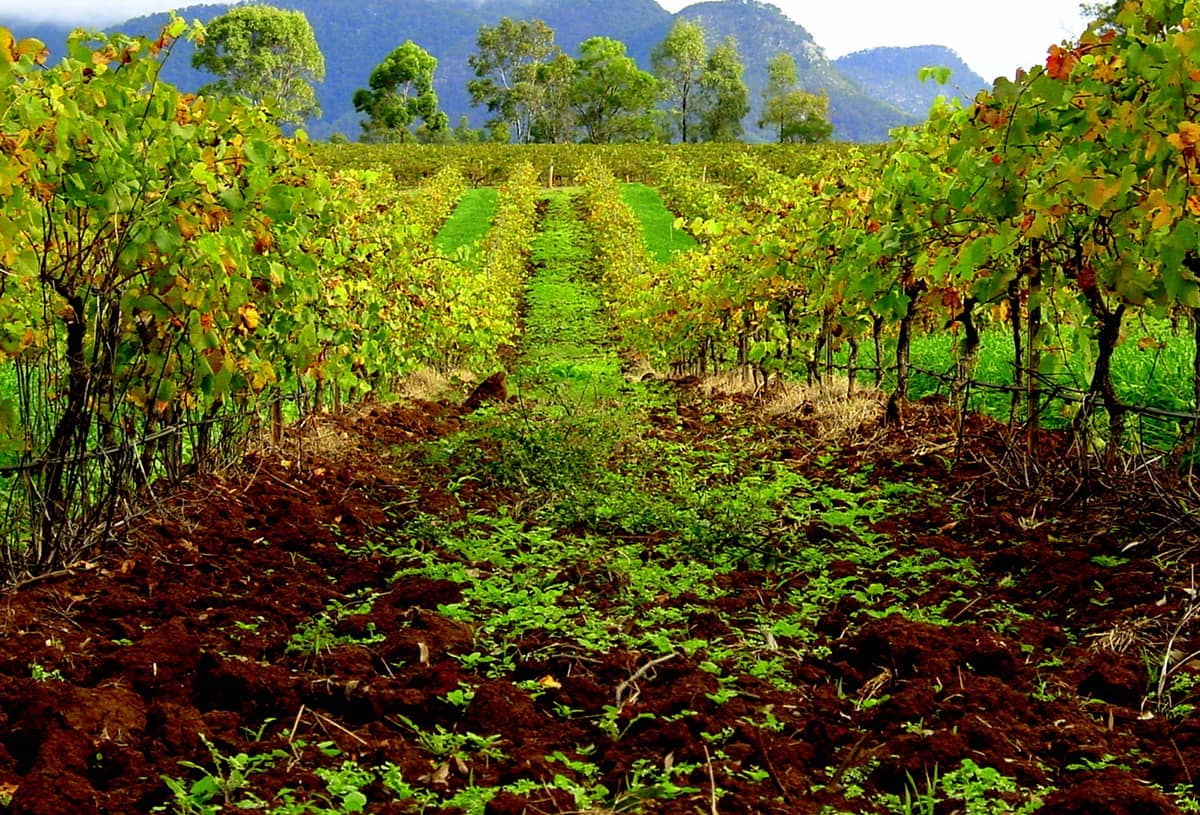
The Hunter Valley wine region is not a single attraction with gates and a ticket booth. It is a rural landscape threaded with cellar doors, restaurants, luxury lodges, and paddocks where vines run in long parallel rows toward ranges that shift from green to grey-blue depending on the light and the season. The main visitor concentration sits around Pokolbin, where Wine Country Drive serves as a loose spine connecting dozens of producers.
What makes the Hunter Valley historically significant is its age. It is recognised as Australia's oldest premium wine-producing region, with commercial winemaking dating back to the 1820s. Semillon and Shiraz are the varieties most closely identified with the region: Hunter Semillon in particular is a wine style found almost nowhere else, starting lean and citrus-sharp in youth and developing extraordinary honeyed complexity over a decade or more in the bottle.
For context on how the Hunter Valley fits into a broader Sydney trip, the day trips from Sydney guide covers the practical trade-offs between a day visit and an overnight stay, alongside other regional options.
ℹ️ Good to know
The Hunter Valley Visitor Information Centre (455 Wine Country Drive, Pokolbin NSW 2320) is open Monday–Saturday 9am–5pm and Sunday/public holidays 9am–4pm, closed Christmas Day. It offers step-free access, accessible bathrooms, and dedicated parking. Start here if you haven't planned a cellar door itinerary in advance.
Getting There: The Honest Assessment
Driving is the most flexible way to reach the Hunter Valley. From Sydney, take the M1 north and connect to the Hunter Expressway (M15), with the total journey running around two hours under normal traffic conditions. Leave Sydney before 8am on weekends to avoid the urban crawl, and expect the return to be slower on Sunday afternoons when the whole region empties out.
The critical issue with driving is alcohol. The region is built around wine tasting, and getting behind the wheel after a day of tastings is not only dangerous but illegal. This is where the experience calculus changes significantly. Your options are to travel with a designated driver, join a guided coach tour from Sydney, book a transfer, or stay overnight. Solo travellers or couples without a non-drinking companion often find a guided tour the most sensible approach, and several Sydney operators run full-day excursions that handle transport, cellar door access, and often lunch.
For those who prefer to keep it completely car-free, the official tourism site notes helicopter transfer options, which turn the journey into part of the experience. Scheduled coaches also connect Sydney with Cessnock, the main town, though you'll need additional transport once there to reach most wineries.
Tickets & tours
Live prices and dates from our booking partner. If you book, we may earn a commission at no extra cost to you.
Hunter Valley wine tour with lunch from Sydney
From 134 €Instant confirmationFree cancellationCulinary experience tour in Hunter Valley from Sydney
From 125 €Instant confirmationFree cancellationTaste of the Hunter Valley with lunch
From 116 €Instant confirmationFree cancellationMegalong Valley winery tour with tasting and lunch
From 113 €Instant confirmationFree cancellation
What a Day in the Region Feels Like
Arrive before 10am and the cellar doors are quiet. The air in autumn carries a particular clarity — cool, with the faint smell of damp earth and sometimes the sharp, ferment-adjacent scent drifting from production areas nearby. Staff are unhurried in the early hours, which means longer conversations, more generous pours, and the chance to ask genuine questions about vintages and regional style.
By midday, the character of the region shifts. Coach tours arrive, and the more prominent cellar doors pick up volume. The better-known names along Wine Country Drive can get genuinely crowded on weekends between October and April, which is when the weather draws the most visitors. Tables at the popular vineyard restaurants fill fast, and the relaxed one-on-one experience that defines a good cellar door visit can become harder to find.
Mid-afternoon brings a lull, particularly at smaller producers tucked off the main road. If you want to catch the golden-hour light falling across the vines with almost nobody else around, this is the window. The landscape photographs well in the hour before the cellar doors close, typically around 5pm at most venues, though hours vary and should be confirmed directly with each winery.
💡 Local tip
Visit on a weekday if at all possible. Weekend crowds at the Hunter Valley's most prominent cellar doors are substantial between October and April. On a Tuesday or Wednesday, the same tasting rooms offer a completely different, more personal experience.
Planning Your Cellar Door Route
The Hunter Valley has dozens of cellar doors across a relatively compact area, which makes it tempting to try to fit in as many as possible. Three to four producers per day is a realistic upper limit if you want to taste thoughtfully rather than just rush through pours. Beyond that, palate fatigue sets in and the visits blur together.
The region accommodates a wide range of interests beyond Semillon and Shiraz. Some producers focus on sparkling wine or alternative varieties. Others have pivoted heavily toward the hospitality side, with restaurant dining, cheese rooms, and garden spaces that make them feel less like a winery and more like a destination in their own right. A handful of estates have been operating for well over a century; others are smaller, newer, and more experimentally minded.
The Visitor Information Centre publishes an official map of the region. Picking up a copy before you set out, or using the digital version on the Hunter Valley Wine Country website, helps with route-planning and avoids backtracking along the narrow rural roads that connect the outlying producers.
Beyond Wine: What Else the Region Offers
The Hunter Valley works as a food destination alongside the wine. The area around Pokolbin has a cluster of restaurants attached to estates, ranging from long lunch-style affairs on elevated verandahs with vineyard views to more casual picnic options. The Hunter Valley Gardens, a large ornamental garden complex on Broke Road, draws visitors who may have limited interest in wine but want a reason to make the trip.
Hot air balloon flights launch early in the morning, weather permitting, and offer an aerial view of the valley before the cellar doors open. This is one activity genuinely worth doing in the Hunter Valley, as the low altitude and open landscape make for a different visual experience than balloon flights over busier terrain.
Cycling between cellar doors has become increasingly popular, and several operators offer bike hire and guided cycling tours. The terrain is relatively flat in the Pokolbin core, making it accessible to most fitness levels, though the main roads carry car traffic and can feel exposed on warmer days.
If you're planning a multi-day trip from Sydney and want to compare the Hunter Valley against other regional options, the one week in Sydney itinerary outlines how to sequence the Hunter Valley alongside other day trips and city sights.
When to Go and What to Expect Seasonally
The Hunter Valley has a warm, humid climate that reflects its coastal proximity. Summers (December to February) are hot, with temperatures in Pokolbin regularly reaching the low to mid 30s°C. This makes extensive walking or cycling between venues uncomfortable during midday, and some visitors find the heat takes the edge off the experience. Bring water, wear light clothing, and plan to be inside or shaded during the afternoon hours.
Autumn (March to May) is considered the best period for wine tourism. Harvest activity runs through February and March, and the vines shift colour through April, producing the golden and amber tones that appear in most promotional photography. Temperatures are mild, crowds are lighter than summer, and the cellar doors are often hosting vintage releases. This is genuinely the optimal season.
Winter (June to August) is quieter still, with cold mornings that burn off to clear, mild afternoons. Many visitors overlook the Hunter Valley in winter, which means shorter queues and more attentive service. Spring (September to November) sees wildflowers and new vine growth, with warming temperatures that are pleasant but bring increasing weekend crowd numbers as the season progresses.
⚠️ What to skip
Summer heat in the Hunter Valley can be intense. If you visit between December and February, start early, prioritise indoor cellar door experiences during the hottest part of the day, and drive rather than cycle.
Who Should Reconsider This Trip
The Hunter Valley is worth being honest about for certain travellers. If you do not drink alcohol and have no particular interest in food, gardens, or rural landscapes, the region's appeal is limited. Most of what is on offer is structured around wine, and the alternatives, while present, are secondary to that central focus.
Budget travellers will also find the Hunter Valley adds up quickly. Cellar door tastings, lunch, and a return transfer or tour can easily reach AUD 200 to 300 per person for a day trip before accommodation is considered. Driving yourself and picnicking can reduce costs, but the designated driver problem remains.
For visitors on a tighter budget, the free things to do in Sydney guide and the Sydney on a budget guide cover city-based options that deliver strong value without the transport overhead of a regional day trip.
Families with young children may prefer a different day trip. The Sydney with kids guide includes regional suggestions where the activities are designed with children in mind, unlike most of what the Hunter Valley offers.
Insider Tips
- Call ahead to smaller, boutique cellar doors before visiting. Some operate by appointment only, especially on weekdays, and showing up unannounced can mean a closed door.
- Buy at least one bottle of young Hunter Semillon to take home and age. Most visitors drink it too early. Leave a bottle in your cellar for five to eight years and it will be a completely different, better wine.
- Ask winery staff which producer they personally rate. Local recommendations inside the industry often point to smaller estates that don't feature in tour itineraries.
- Book restaurants for weekend lunch at least two weeks in advance during autumn. The popular vineyard dining rooms fill quickly on Saturdays in March and April.
- Accommodation prices in and around Pokolbin are highest on Friday and Saturday nights. Arriving Sunday and leaving Tuesday cuts costs significantly and puts you in the region when it's at its quietest.
Who Is Hunter Valley Wine Region For?
- Wine enthusiasts who want to taste Semillon and Shiraz in the region that defined both styles
- Couples looking for a relaxed weekend escape with good food and open countryside
- Groups able to share driving or willing to book a guided tour
- Visitors extending a Sydney trip into a multi-day NSW itinerary
- Food-focused travellers interested in vineyard restaurant dining in a rural setting
Nearby Attractions
Combine your visit with:
- Blue Mountains National Park
Blue Mountains National Park covers around 268,000 hectares of sandstone plateaus, deep gorges and temperate rainforest west of Sydney. It is a popular national park in New South Wales and one of the most rewarding day trips or overnight escapes from the city, provided you know where to go and when to arrive.
- Featherdale Wildlife Park
Featherdale Sydney Wildlife Park in Doonside is one of the few places near Sydney where you can get genuinely close to Australian wildlife, from koalas and wombats to Tasmanian devils and freshwater crocodiles. Open daily from 8:00 am, it suits families and animal lovers who want more than a glimpse through a fence.
- Figure Eight Pools
Figure Eight Pools are naturally formed rock pools on the coastal shelf of Royal National Park, south of Sydney. Reaching them requires a 6km return walk over steep terrain and careful timing around tides and surf. The reward is a striking geological curiosity in one of Australia's oldest national parks.
- Jervis Bay
Jervis Bay is a protected marine park and coastal wilderness about three hours south of Sydney, combining some of the country's most startling white-sand beaches with snorkelling, dolphin watching, and old-growth forest. It takes genuine effort to reach, but the payoff is a stretch of coastline that rarely disappoints.
Planning a trip? Discover personalized activities with the Nomado app.