One Week in Sydney: The Complete 7-Day Itinerary
Seven days is enough time to cover Sydney's iconic landmarks, explore its best neighbourhoods, and still squeeze in a day trip or two. This itinerary is structured around geography to minimise transit time, with honest notes on what to skip and what to prioritise.
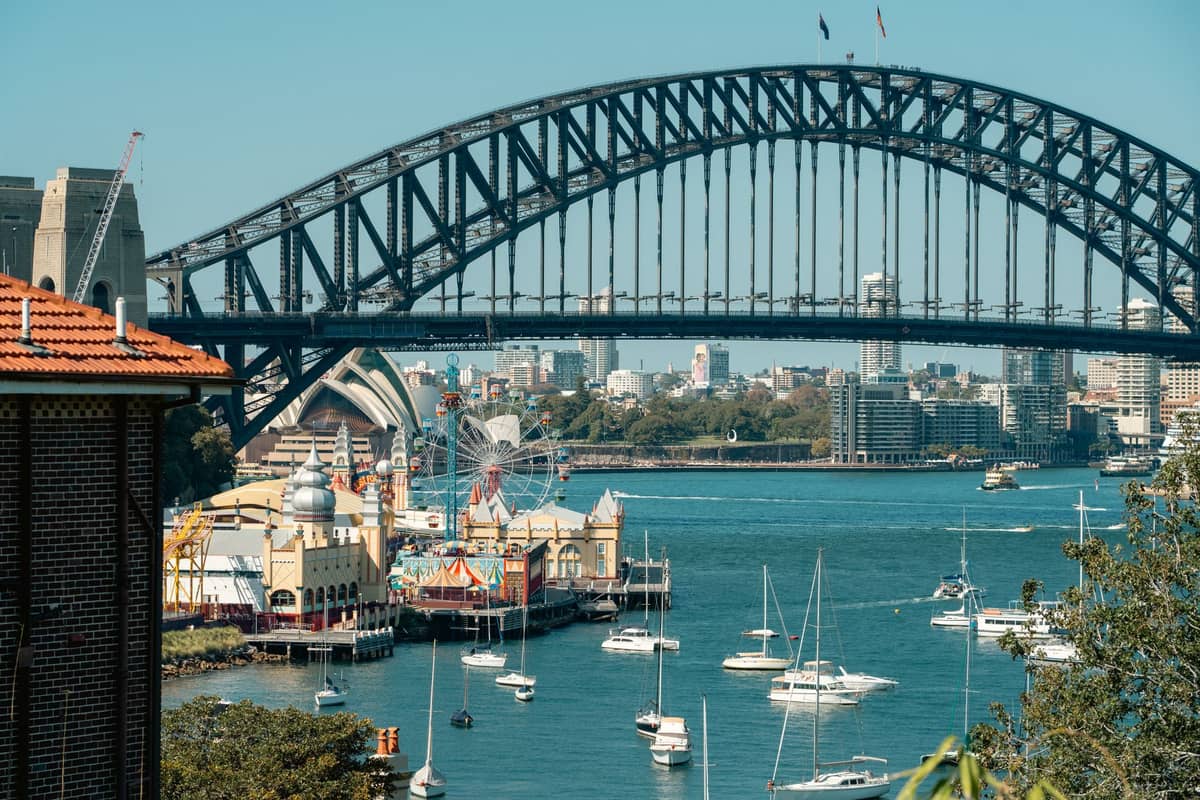
Tickets & tours
Live prices and dates from our booking partner. If you book, we may earn a commission at no extra cost to you.
TL;DR
- Seven days is the sweet spot for Sydney: enough for the harbour icons, beaches, inner suburbs, and at least one day trip without feeling rushed.
- Get an Opal card or use contactless payment from day one — it works on metro, trains, buses, ferries and light rail, with a weekly cap of $50 AUD (airport access fees sit outside the standard daily/weekly travel caps but have their own weekly cap). See getting around Sydney for the full breakdown.
- Structure days by area: Circular Quay and The Rocks, then Darling Harbour, then the Eastern Beaches, then inner-west neighbourhoods — backtracking wastes hours.
- The shoulder seasons (March to May, September to November) offer the best balance of temperature and smaller crowds. Summer (December to February) peaks at around 26–27°C but brings larger tourist volumes. Check the best time to visit Sydney before booking.
- Book Taronga Zoo, Sydney Opera House tours, and popular restaurants at least a week in advance — these sell out faster than most visitors expect.
Before You Arrive: Logistics Worth Sorting Early
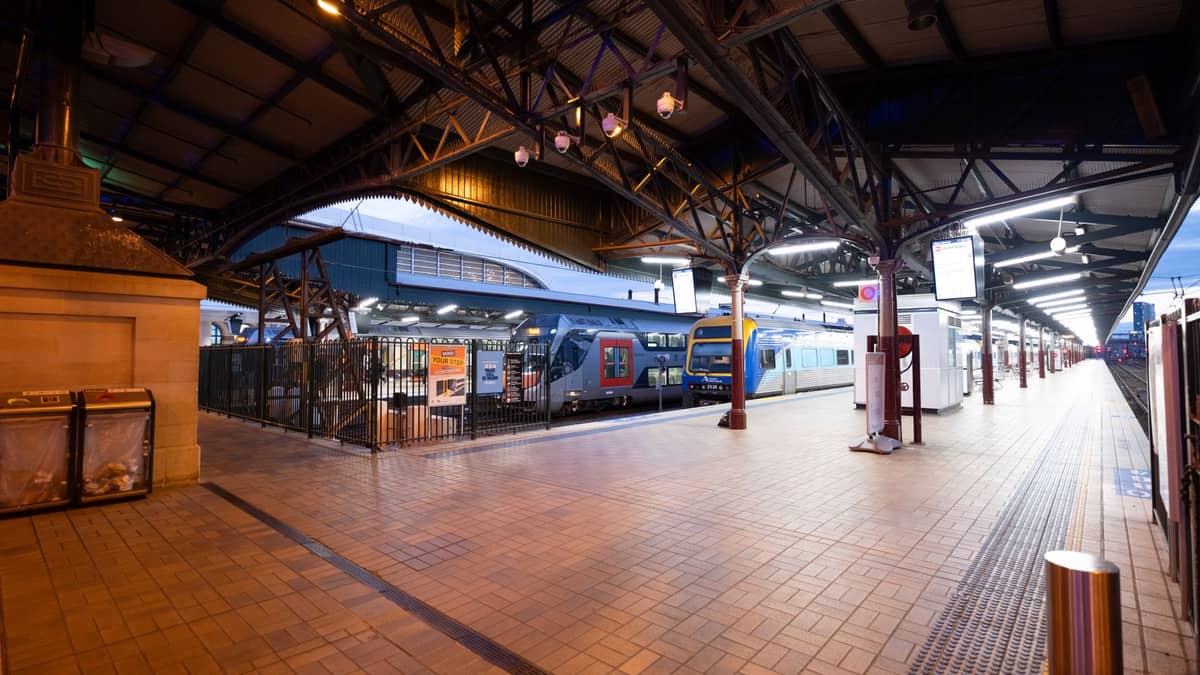
Sydney Kingsford Smith Airport (SYD) sits roughly 8 to 9 km from the CBD. The Airport Link train is the fastest way into the city centre — around 13 minutes to Central Station — but factor in the adult airport station access fee of $18.61 on top of the standard rail fare. That adds up to around $22–23 AUD for a peak journey using Opal or contactless payment. Rank taxis to the designated CBD area are a fixed $60 AUD ($80 maxi). Rideshare (Uber and equivalents) operate from a designated pickup area at the airport. Whichever option you choose, verify current fares at the Transport for NSW website before you travel, as prices change.
⚠️ What to skip
The airport train access fee ($18.61 adult) is NOT covered by the standard Opal daily cap ($19.30 Mon–Thu) or weekly cap ($50). The airport train access fee ($18.61 adult) is NOT covered by the standard Opal daily cap ($19.30 Mon–Thu) or weekly cap ($50). It is billed separately and has its own weekly cap for Opal and contactless payments. Many visitors don't realise this until they check their account.
Australia does not offer a general visa-on-arrival arrangement. Most visitors need to apply for a visa or Electronic Travel Authority (ETA) before flying. Check the Australian Department of Home Affairs Visa Finder well before booking. Sydney operates on Australian Eastern Standard Time (AEST, UTC+10) and shifts to AEDT (UTC+11) during daylight saving. Currency is the Australian dollar (AUD). Tipping is not compulsory and is genuinely discretionary — rounding up at restaurants is appreciated but not expected. Australian Type I power outlets run at 230V, 50Hz, so bring an adaptor if your devices use a different plug type.
Days 1–2: The Harbour Icons (Circular Quay, The Rocks, Opera House)
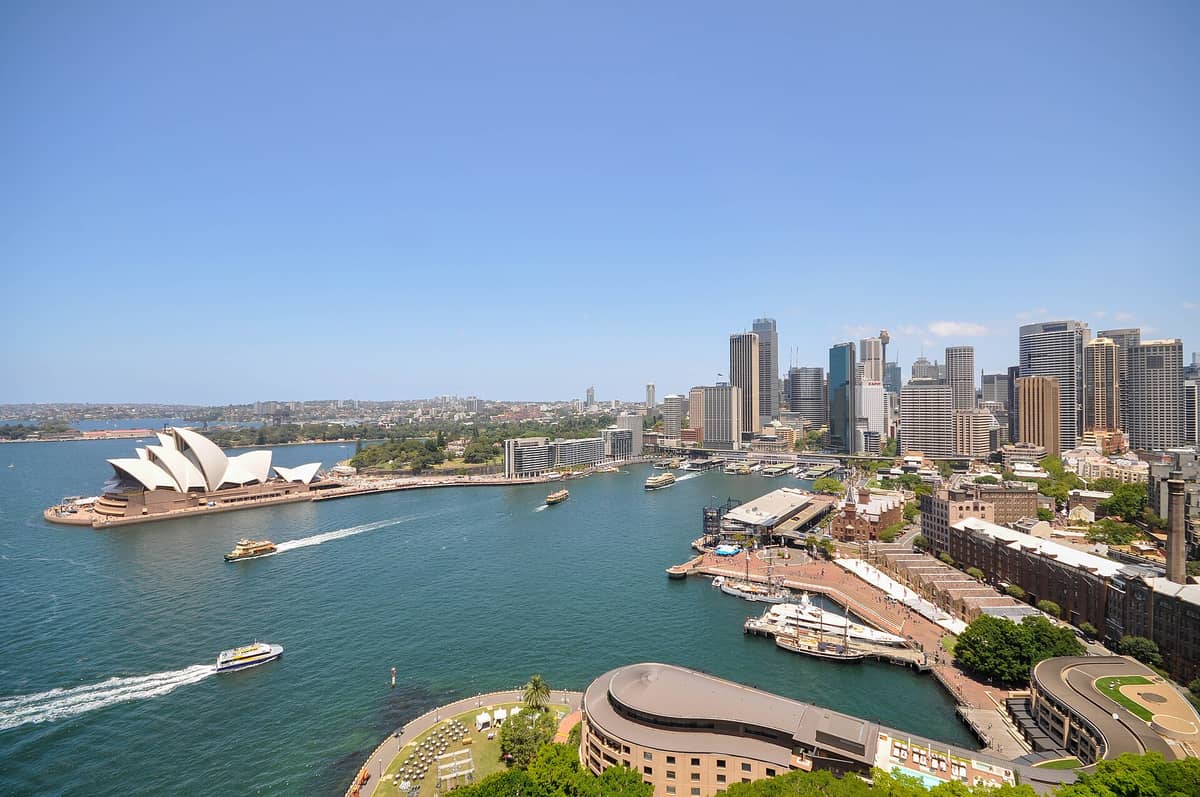
Start where most first-time visitors start: the harbour. Circular Quay and The Rocks pack a full two days without feeling forced. Day one should cover the obvious icons in the morning — the Sydney Opera House forecourt is free to walk around, and a guided interior tour (book ahead, around $50 AUD pre-booked) takes about an hour. Walk across the forecourt to the Royal Botanic Garden for a free, unhurried hour. The garden runs directly along the harbour foreshore and gives you a different angle on the Opera House and bridge without the crowds.
Afternoon of day one: walk to The Rocks, Sydney's oldest European-settled precinct. Spend time at the The Rocks Discovery Museum (free entry, genuinely worth an hour) to understand the precinct's layered history before wandering the laneways. On Saturday or Sunday morning, the Rocks Markets fill the upper end of George Street — local art, food, and craft.
Day two: cross the Sydney Harbour Bridge. The pedestrian walkway is free and takes around 20 minutes to walk across. The BridgeClimb is a separate ticketed experience (around $300–435 AUD depending on time and day) that puts you on the arch itself — genuinely spectacular, but not for anyone uncomfortable with heights. After the bridge, walk down to Mrs Macquaries Chair for the classic double-icon harbour photograph, then consider the Sydney Observatory on Observatory Hill for an afternoon with harbour views that most visitors walk straight past.
💡 Local tip
The best free views of the Opera House and Harbour Bridge together are from the ferry as you pull into or out of Circular Quay, and from Mrs Macquaries Chair at the eastern edge of the Domain. Both beat any paid lookout for this particular shot.
Day 3: Darling Harbour, Chinatown, and the Inner City
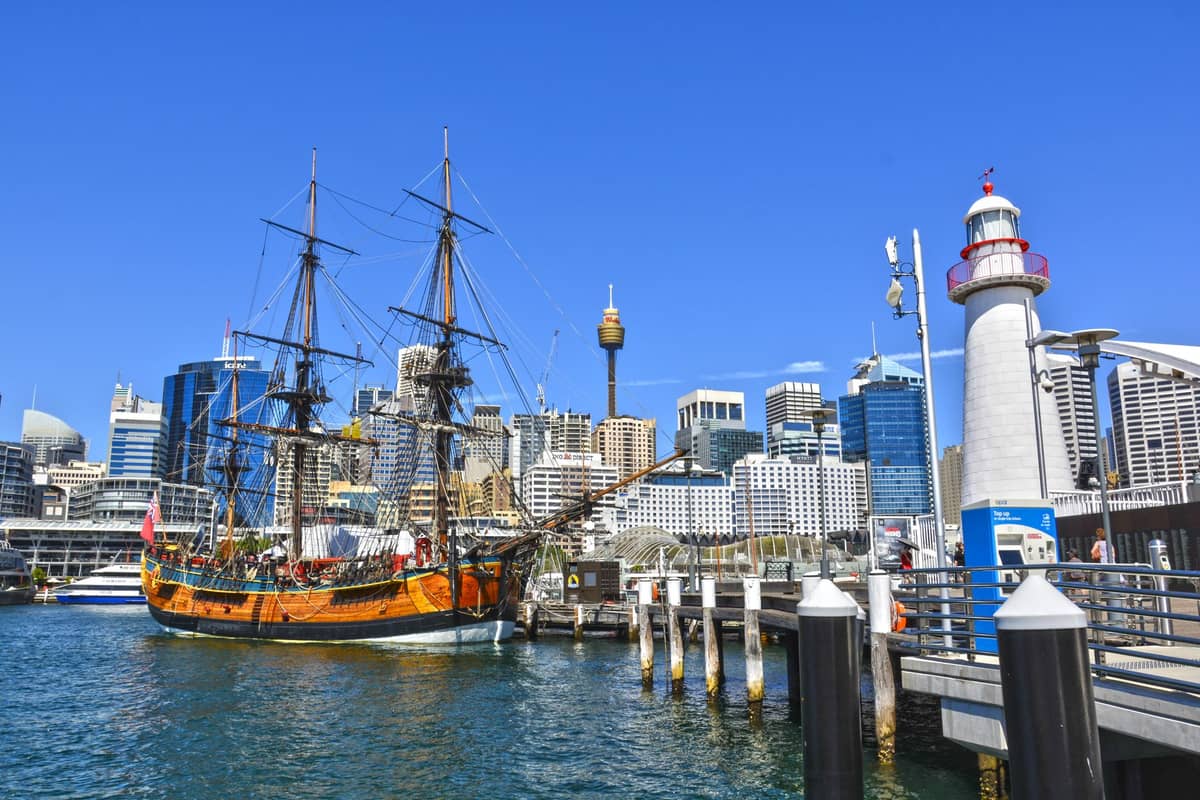
Darling Harbour works best as a single-day focus. The Australian National Maritime Museum is underrated and genuinely interesting — the basic entry is free, with a fee for some vessels. Sea Life Sydney Aquarium and Wild Life Sydney Zoo are adjacent, both popular with families, though booking online in advance saves around 20% on gate prices. The Chinese Garden of Friendship next door is a calm counterpoint to the precinct's general noise.
Walk south into Chinatown for lunch. The Dixon Street food court and the surrounding blocks offer some of Sydney's most affordable and diverse eating — Cantonese roast duck, Malaysian laksa, Japanese ramen, Vietnamese banh mi, all within a few hundred metres. End the afternoon at Paddy's Markets in Haymarket (open Wednesday to Sunday) for produce, cheap souvenirs, and a slice of everyday Sydney life that the harbour precinct does not show you.
Day 4: Bondi and the Eastern Beaches
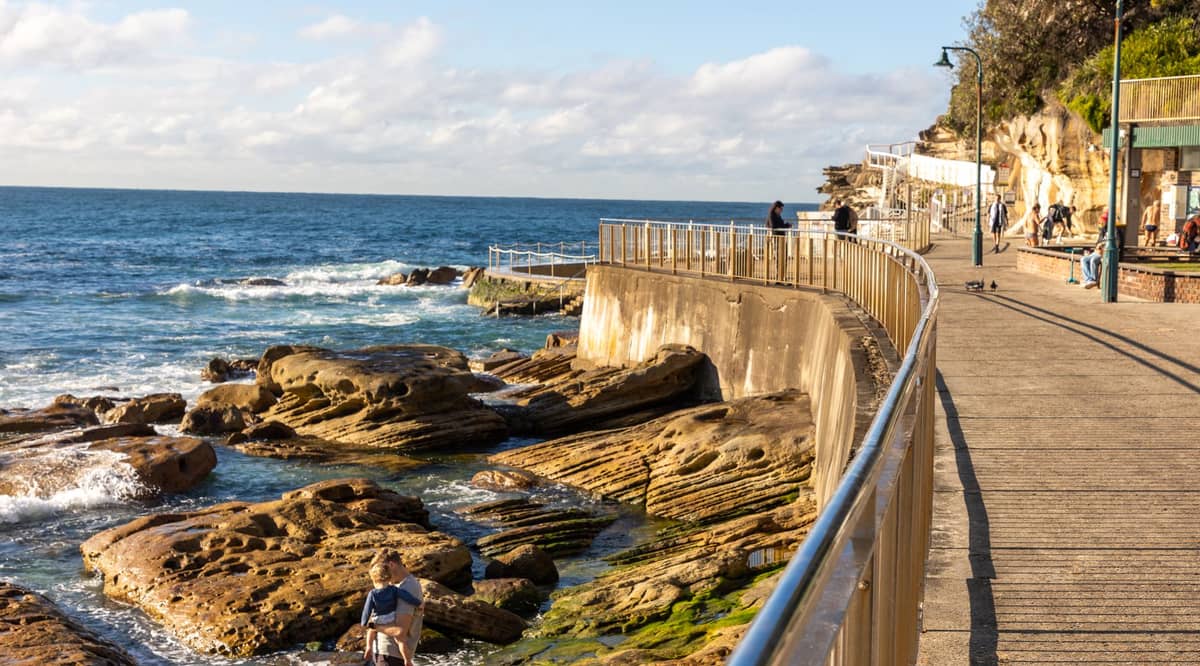
Catch a train from the CBD to Bondi Junction (roughly 15 minutes), then bus 380 or 333 down to Bondi Beach. Arrive before 10am in summer if you want a comfortable spot on the sand — the beach fills fast on weekends. Bondi itself is worth a swim and a coffee, but the real reward on day four is the Bondi to Coogee coastal walk: a 6 km clifftop path linking Bondi, Tamarama, Bronte, Clovelly and Coogee. Allow two to three hours at a relaxed pace. The views over the Pacific are consistent all the way along, and each beach has its own character.
The Bondi Icebergs Pool at the southern end of Bondi Beach is one of Sydney's most photographed spots. Entry to the ocean pool runs around $9–10 AUD for adults. It closes on Thursdays for cleaning — worth checking before you plan your route around it. For lunch, the strip along Campbell Parade has decent options but runs expensive for what it is; walk one block back to Gould Street for better value cafes.
Day 5: Taronga Zoo and the Harbour by Ferry
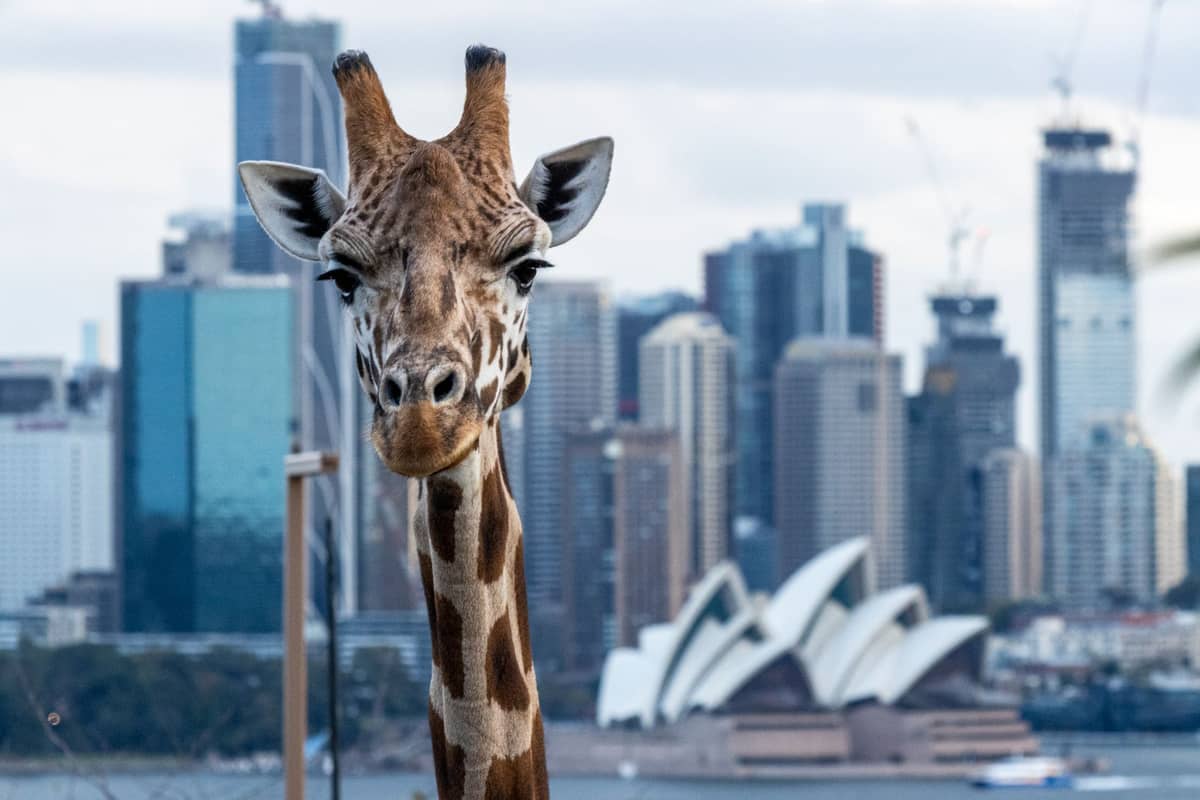
A Taronga Zoo day is also a harbour day. The ferry from Circular Quay Wharf 4 takes about 12 minutes and delivers you directly to the zoo's lower entrance, with the city skyline behind you the whole way. The zoo is open daily: 9:30am to 5pm from September to April, and 9:30am to 4:30pm from May to August. Adult tickets are listed at $57 at the gate, or from $51.30 if booked online in advance. Allow four to five hours to cover the main exhibits without rushing. The Sky Safari cable car runs between the lower and upper entrances and gives a good aerial view of the harbour for no extra cost.
On the return ferry, consider stopping at Watsons Bay — a separate ferry service from Circular Quay runs there in about 30 minutes. The fish and chips at Watsons Bay Boutique Hotel are a Sydney institution; eat on the lawn with harbour views. Alternatively, walk up to the Gap and South Head for coastal cliff views that feel a world away from the CBD.
✨ Pro tip
Sydney's Opal daily cap ($19.30 Mon–Thu, $9.65 Fri–Sun) makes Friday and the weekend the cheapest days for ferry-heavy days. Plan your Taronga Zoo and harbour ferry day on a Friday or weekend to maximise value from the fare cap.
Day 6: Manly, Day Trips, or Inner-West Neighbourhoods
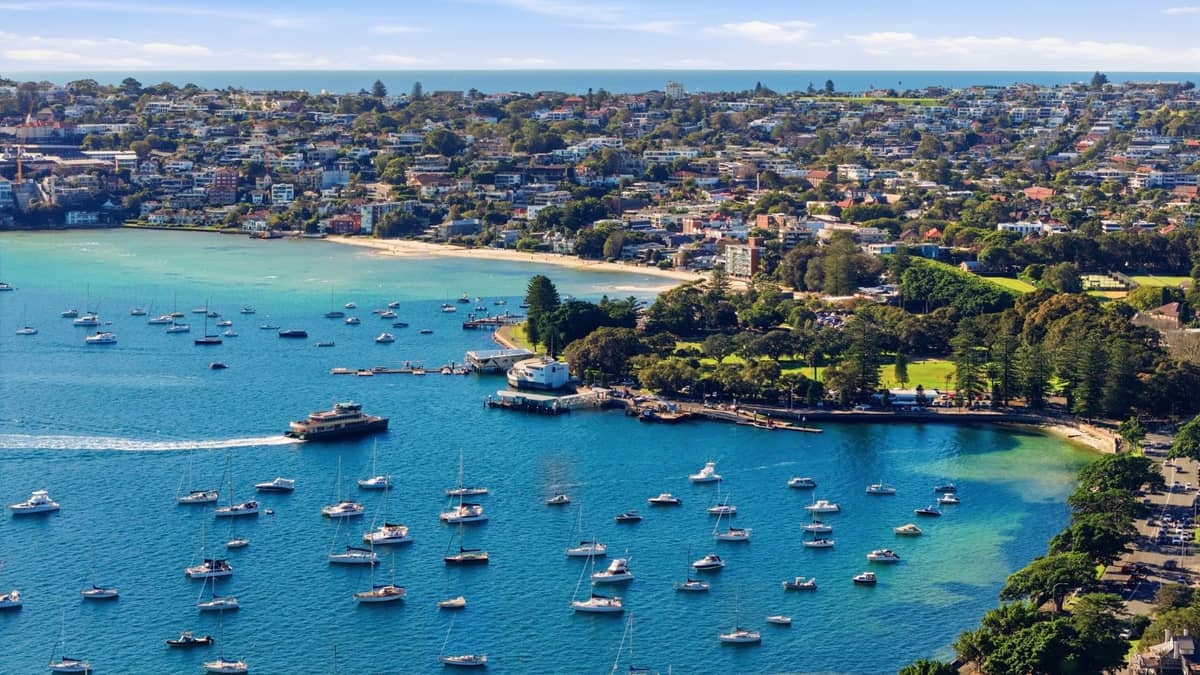
Day six offers a genuine fork in the road depending on your pace. The Manly option is the most scenic: the Manly Ferry from Circular Quay is a 30-minute harbour crossing that many locals consider the best value experience in Sydney. Manly Beach itself is a proper surf beach, different in character from Bondi — wider, less crowded on weekdays, with easier access to the Northern Beaches beyond. The Manly Scenic Walkway traces 10 km of harbour-side bush track from Manly to Spit Bridge, passing through Dobroyd Head and Sydney Harbour National Park — one of the best half-day walks in Greater Sydney.
The alternative: skip the coast entirely and spend day six in the inner west. Newtown along King Street is Sydney's most eclectic high street — second-hand bookshops, Thai restaurants, vintage clothing, and live music venues all within walking distance. Pair it with a visit to Carriageworks in Eveleigh (a converted industrial arts space with regular markets and exhibitions) and a flat white from one of Newtown's independent cafes. This day is a better fit for travellers who have already done the beach-heavy days and want something less tourist-facing. For visitors with a car or willing to take trains and buses further west, the Blue Mountains day trip is the most dramatic landscape within reach of Sydney — about two hours by train to Katoomba.
Day 7: Museums, Markets, and a Final Harbour Walk
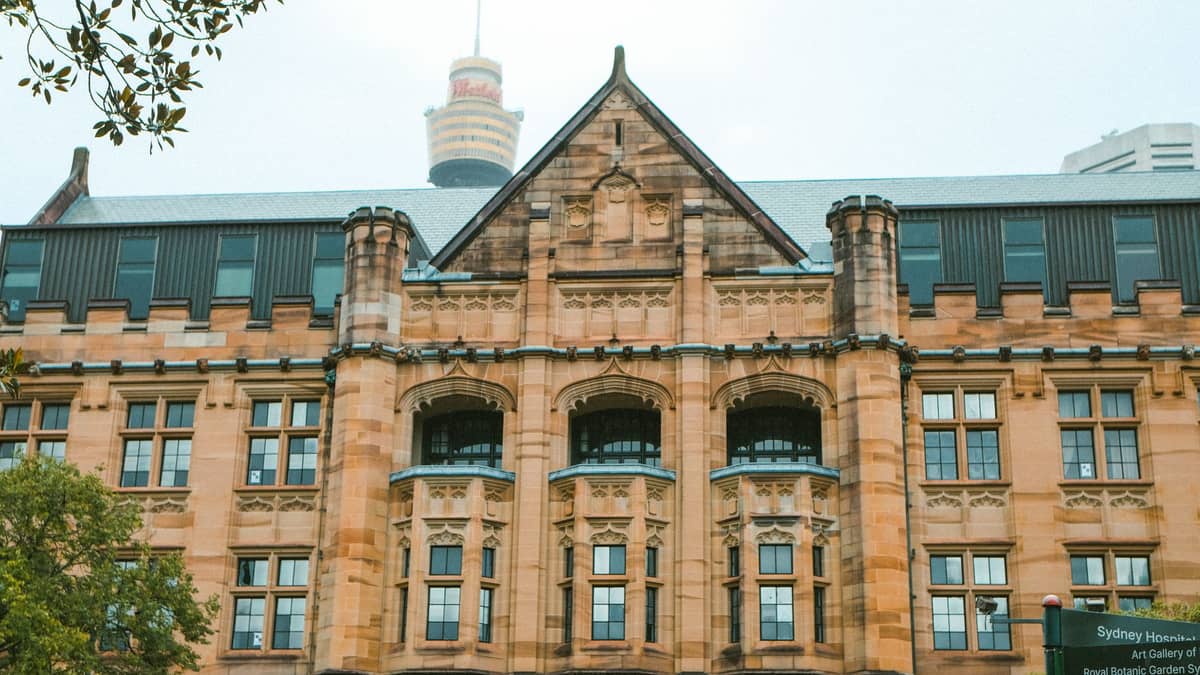
Use the last full day to fill gaps and revisit favourites rather than cramming in new areas. Sydney's museum precinct around the Domain and Hyde Park rewards a slow morning. The Art Gallery of New South Wales has free general entry to its permanent collection and strong First Nations and Australian art holdings. The Australian Museum covers natural history and Indigenous Australian culture with depth that most visitors underestimate. General admission is free; confirm any special-exhibition fees before visiting.
If you are around on a Saturday, the Paddington Markets in the grounds of Paddington Uniting Church run from 10am to 4pm and are a good representation of Sydney's independent designer and artisan scene — more curated than Paddy's, better for gifts. Walk back via Surry Hills and you will pass through one of Sydney's best neighbourhoods for dinner. Crown Street and its side streets have an unusually high density of quality restaurants across every price point. A final evening walk back along the Circular Quay foreshore closes the week neatly.
- Days 1–2: Circular Quay, The Rocks, Harbour Bridge Opera House tour, Royal Botanic Garden, Rocks Discovery Museum, Observatory Hill. Free walking plus one paid tour.
- Day 3: Darling Harbour and Chinatown Maritime Museum (free basic entry), Sea Life Aquarium, Chinatown lunch, Paddy's Markets.
- Day 4: Bondi to Coogee Coastal Walk Train to Bondi Junction, bus to Bondi, 6 km clifftop walk south, swim at Coogee, bus back.
- Day 5: Taronga Zoo and Watsons Bay by Ferry 12-minute ferry from Wharf 4, full zoo day, evening ferry to Watsons Bay for fish and chips.
- Day 6: Manly Ferry and Scenic Walkway (or Blue Mountains) 30-minute harbour ferry, Manly Beach, 10 km scenic walkway to Spit Bridge. Or: train to Katoomba for the Three Sisters.
- Day 7: Art Gallery, Paddington Markets, Surry Hills Dinner Free museum morning, Saturday markets (if applicable), neighbourhood dinner, final harbour stroll.
- Book Opera House tours, BridgeClimb, and Taronga Zoo tickets online before you arrive — each discounts for advance purchase.
- Load your Opal card at airport convenience stores, station machines, or newsagents; alternatively, tap contactless bank cards directly.
- Ferry timetables on weekends differ from weekdays — check Transport for NSW's trip planner the night before any ferry-heavy day.
- Sydney restaurants fill fast on Friday and Saturday evenings; book dinner a day ahead in Surry Hills and Newtown.
- Sunscreen is essential year-round. The UV index in Sydney regularly hits 'extreme' in summer and 'high' even in winter — the climate is deceptive for visitors from northern Europe or North America.
ℹ️ Good to know
Sydney's public transport daily cap ($19.30 Mon–Thu, $9.65 Fri–Sun and public holidays) and weekly cap ($50) apply to metro, trains, buses, ferries, and light rail. Sydney's public transport daily cap ($19.30 Mon–Thu, $9.65 Fri–Sun and public holidays) and weekly cap ($50) apply to metro, trains, buses, ferries, and light rail. The airport station access fee ($18.61 adult) is billed separately and has its own weekly cap for Opal and contactless payments. Using contactless bank cards works like an Opal card for fares without needing to pre-load funds.
FAQ
Is one week enough time to see Sydney properly?
Seven days covers the major landmarks, one or two beaches, a harbour ferry experience, and enough neighbourhood time to get a real sense of the city. You will not exhaust Sydney in a week — there are strong arguments for extending to 10 days if you want a day trip to the Blue Mountains AND a proper Northern Beaches day AND more time in the inner-west suburbs. But one week is enough for a thorough, satisfying visit without feeling like you are rushing.
What is the cheapest way to get from Sydney Airport to the city?
The Airport Link train is the fastest option at around 13 minutes to Central Station. The adult fare using Opal or contactless payment is roughly $22–23 AUD including the airport station access fee of $18.61. Rank taxis to the designated CBD area are a fixed $60 AUD ($80 maxi). Some public bus routes serve the airport, but these take significantly longer. Verify current fares at Transport for NSW before you travel, as prices are updated periodically.
Do I need to book attractions in advance for a Sydney trip?
For the Sydney Opera House interior tour, Taronga Zoo, BridgeClimb, and popular restaurants in Surry Hills or Newtown on weekends — yes, book ahead. The Opera House and BridgeClimb both sell out on peak days. Taronga Zoo offers a meaningful discount for online bookings. Most museums (Art Gallery of NSW, Australian Museum, Maritime Museum basic entry) can be visited without advance booking.
What is the best area to stay in Sydney for a first visit?
The CBD, Circular Quay, or The Rocks puts you within walking distance of the harbour icons and Darling Harbour, with easy access to trains and ferries for every day of this itinerary. Surry Hills is worth considering if you want a neighbourhood feel and good restaurant access without paying top-end CBD hotel prices. Bondi is a reasonable base if your priority is beach time, but it adds travel time to the western and harbour-side attractions.
When is the best time of year to do this 7-day Sydney itinerary?
March to May (autumn) and September to November (spring) offer the most comfortable conditions: temperatures in the low to mid-20s°C, lower humidity than summer, and smaller crowds at the major attractions. Summer (December to February) is peak season with maxima around 26–27°C, which is fine for beaches but brings more visitors and higher accommodation prices. Winter (June to August) is mild at 17–19°C daytime, rarely cold by international standards, and good for museums and urban exploration.
Tickets & tours
Live prices and dates from our booking partner. If you book, we may earn a commission at no extra cost to you.
Planning a trip? Discover personalized activities with the Nomado app.