Blue Mountains Day Trip from Sydney: The Complete Guide
The Blue Mountains is Sydney's most popular day trip, and for good reason: dramatic sandstone escarpments, ancient rainforest valleys, and a train ride straight from Central Station. This guide covers exactly how to get there, what to prioritise, what Scenic World actually costs, and the planning details most visitors overlook.
Tickets & tours
Live prices and dates from our booking partner. If you book, we may earn a commission at no extra cost to you.
TL;DR
- The Blue Mountains are roughly 80 km west of Sydney's CBD; the train from Central Station to Katoomba takes around 2 hours on the Blue Mountains Line.
- Katoomba is the practical base for a day trip, giving you access to the Three Sisters, Echo Point, and Scenic World within easy walking or shuttle distance.
- Scenic World day passes start from around A$64 for adults; check and book on their official site before you arrive, especially on weekends.
- The Glenbrook section of Blue Mountains National Park charges an A$8-per-vehicle daily fee, but this does not apply across the whole park. Most Katoomba-area attractions are fee-free to enter on foot.
- Always check NSW National Parks alerts before departure: weather, fire danger, and track conditions can close specific areas without warning. See also our full day trips from Sydney guide for alternatives.
Getting to the Blue Mountains from Sydney
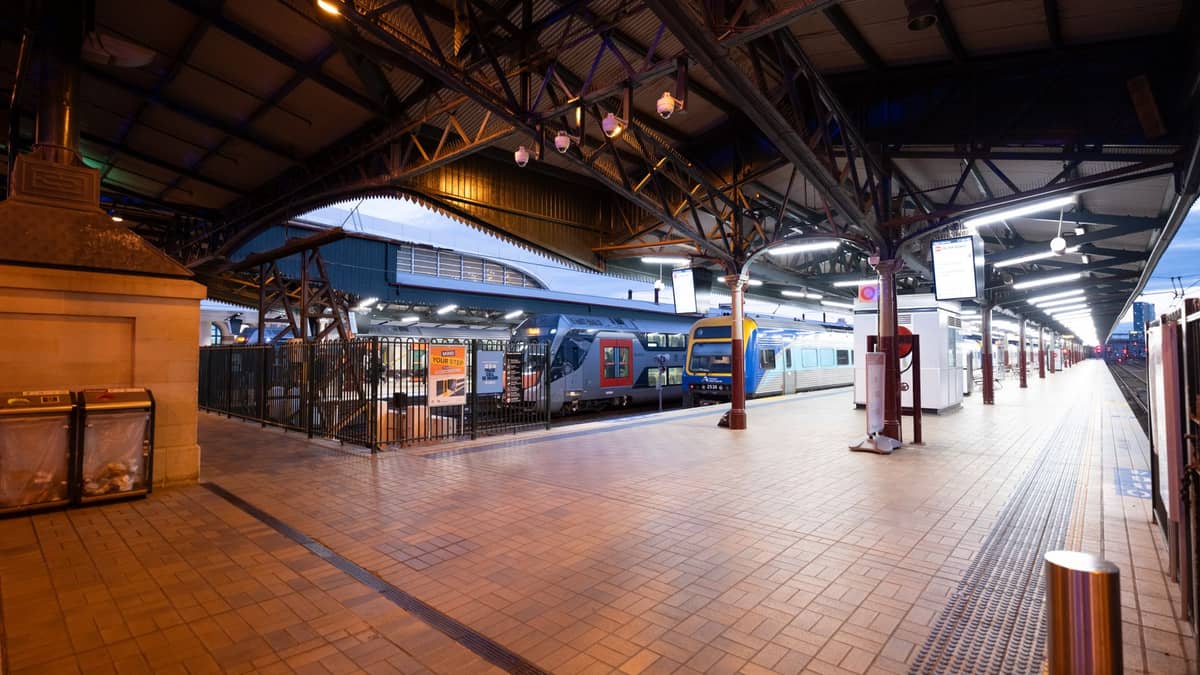
The most practical option for most visitors is the Blue Mountains Line train from Sydney's Central Station to Katoomba. The trip takes roughly 2 hours and runs throughout the day, making it entirely feasible as a return day trip. You don't need to hire a car, navigate mountain roads, or stress about parking. Check the Transport for NSW trip planner for the exact timetable on your travel date, since services vary and engineering works occasionally affect the schedule.
Fares are paid using an Opal card or contactless bank card, which gives you the standard discounted fare rather than a higher cash price. To make the most of a day trip, aim to catch a train departing Central between 7:30 am and 9:00 am. This gets you to Katoomba before the tour buses arrive and gives you a full six to seven hours on the ground before heading back. Trains back to Sydney run regularly throughout the afternoon and evening, so you're not locked into a tight return window.
Driving is another option, particularly if you want to reach multiple areas like Leura, Blackheath, or Wentworth Falls, which are spread along the Great Western Highway and not efficiently linked by train stops. The drive from Sydney's CBD typically takes 90 minutes to 2 hours depending on traffic. Be aware that weekend and school holiday traffic heading west on the M4 can extend that significantly, especially late Friday afternoons.
💡 Local tip
Catch the train rather than joining a coach tour if you prefer flexibility. Organised day tours from Sydney are convenient but often leave little time at each stop and don't allow you to linger at viewpoints or take longer walks. The train gives you full control of your schedule.
What to See: Priorities for a Day Trip
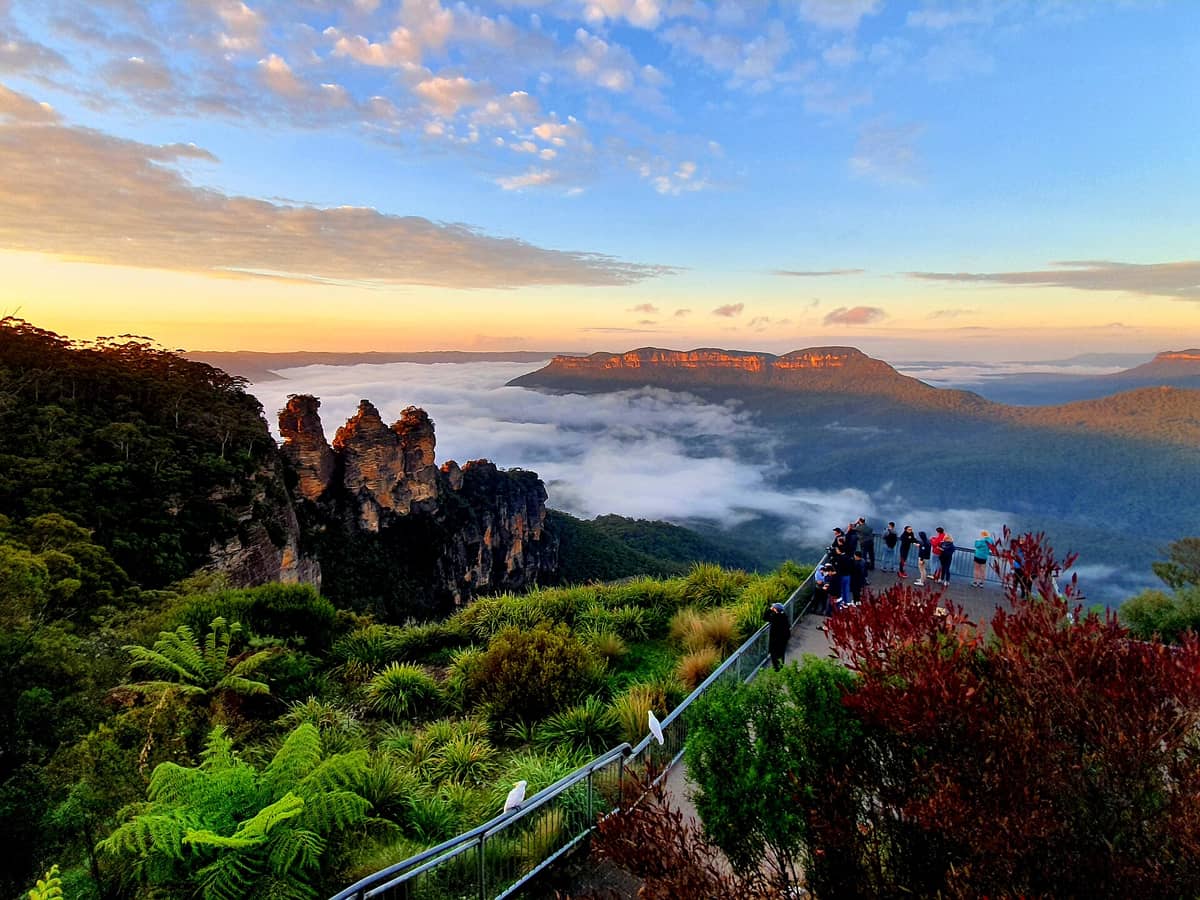
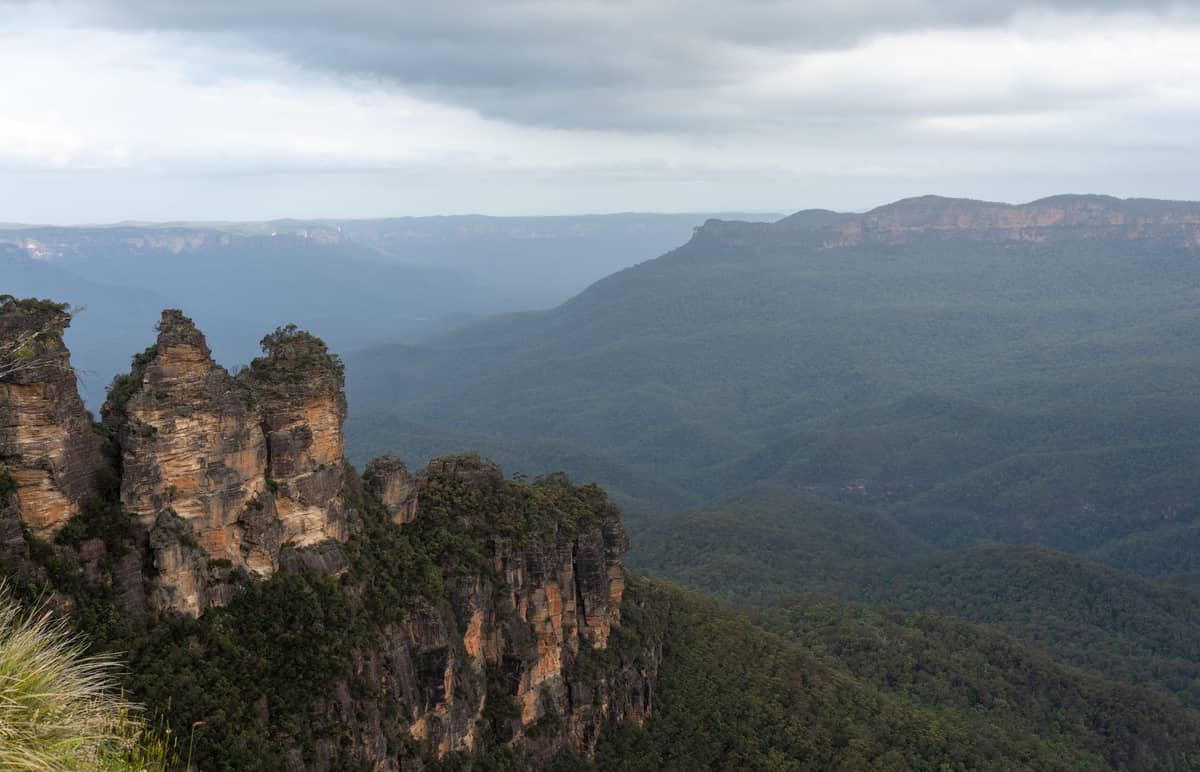
For a single day, Katoomba is where you should concentrate your time. The iconic Three Sisters rock formation at Echo Point is a 10-minute walk from Katoomba town centre and free to view. The lookout platform is one of the more dramatic vistas in the region, with the Jamison Valley dropping away steeply below three distinctive sandstone pillars. It gets crowded by mid-morning, so if you're on an early train, get here first.
From Echo Point, you can descend the Giant Stairway into the valley below for a more immersive experience of the rainforest floor, though this is a steep and physically demanding route (around 800 steps down) and you'll need to return the same way or plan a circuit. For those who want the valley experience without the climb, Scenic World offers four rides including the Scenic Railway, billed as the world's steepest passenger railway, and the Scenic Cableway. The complex is about 1.5 km from Echo Point and walkable, though a free shuttle runs in the area on weekends.
- Echo Point and the Three Sisters Free entry, 25–30 minute walk from Katoomba Station. Best early morning for fewer crowds and better light for photography.
- Scenic World Ticketed complex with four rides into and across the Jamison Valley. Day passes from around A$64 per adult; book online in advance. Open 8:45 am–5:00 pm daily, with last rides departing before closing.
- Leura Village A 5-minute train ride or short drive from Katoomba. A quieter main street with independent cafés, bookshops, and some reliable lunch options. Worth an hour in the afternoon.
- Wentworth Falls One of the more accessible waterfall walks in the mountains, closer to Sydney. Better suited to visitors with a car or those willing to change trains. The falls are dramatic after rainfall.
- Blackheath Lookouts Further west from Katoomba, Govetts Leap and Pulpit Rock offer arguably more panoramic views with fewer crowds. Best reached by car; also accessible by train but requires walking from Blackheath Station.
⚠️ What to skip
The Blue Mountains National Park is generally open, but specific tracks, roads, and areas can close without much notice due to weather, fire danger, rockfall, or trail damage. An 'open park' does not mean every trail is accessible. Check the NSW National Parks local alerts page for Blue Mountains National Park before you leave Sydney.
Scenic World: Is It Worth the Price?
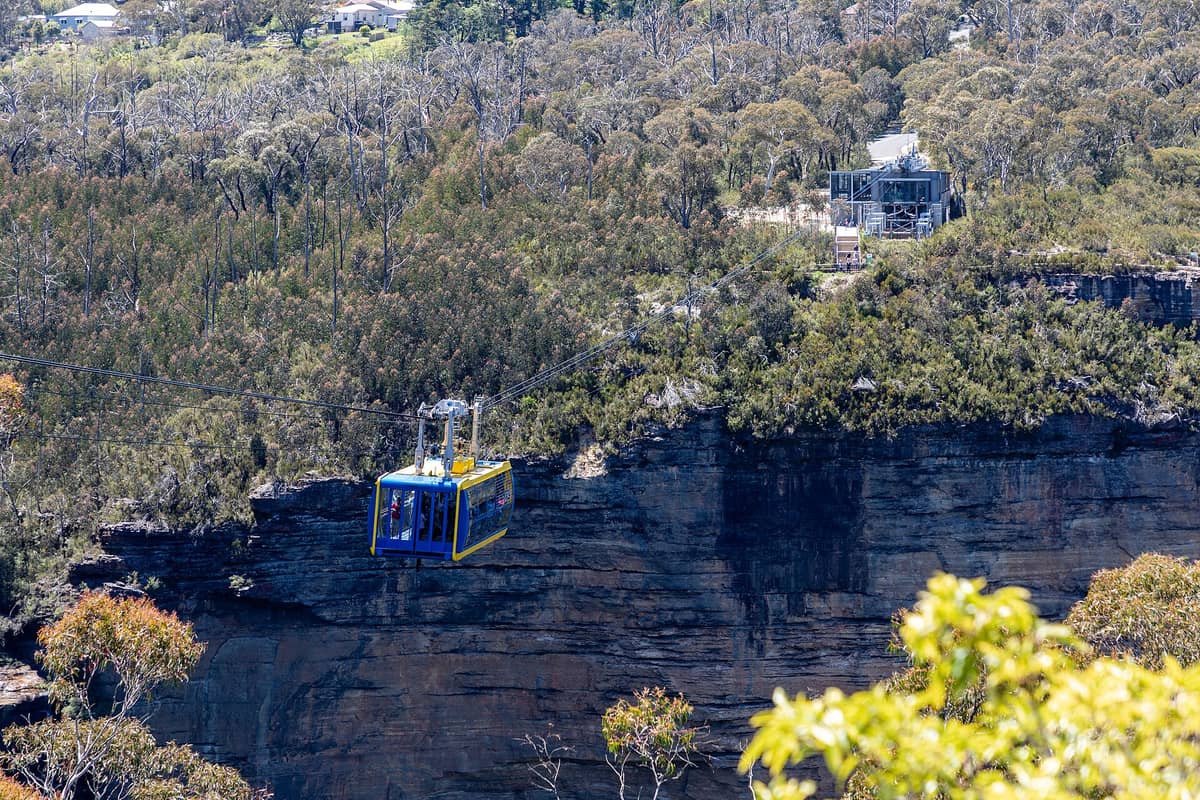
Scenic World is a private tourism operation, not a national park facility, and the pricing reflects that. At around A$64 per adult for a day pass (covering all four rides), it is one of the pricier single attractions in the region. Whether it's worth the cost depends on what you want from the day.
The Scenic Railway, descending at a gradient of up to 52 degrees into the Jamison Valley, is genuinely impressive and unlike anything else you'll find in Australia. The Scenic Walkway at the bottom is a 2.4 km boardwalk through temperate rainforest that gives real valley-floor access without requiring the fitness level of the bush tracks. If that sounds appealing, the ticket pays for itself. If you primarily want viewpoints and a walk, Echo Point is free and the Giant Stairway gives a more authentic (if demanding) alternative.
✨ Pro tip
Buy Scenic World tickets online before you arrive. Not only does this avoid queues at the ticket desk (which can be long on peak weekends), but occasionally online-only pricing or bundled deals are available. Always confirm current prices on the Scenic World official website, as they update periodically.
Planning Your Day: A Practical Schedule
A well-timed day trip to the Blue Mountains from Sydney works best when you treat the first train as non-negotiable. Arriving at Katoomba before 10:30 am is the difference between a relaxed morning at Echo Point and fighting through coach tour groups for a spot at the railing.
- 7:30–8:30 am: Depart Central Station on the Blue Mountains Line. Grab coffee and breakfast at the station or on Katoomba Street once you arrive.
- 9:30–10:30 am: Walk from Katoomba Station to Echo Point (about 2 km) or take a local bus. Spend an hour at the Three Sisters lookout and surrounds before the crowds peak.
- 10:30 am–12:30 pm: Head to Scenic World for the Scenic Railway and Scenic Walkway. Allow at least 1.5 to 2 hours to do it properly without rushing.
- 12:30–1:30 pm: Lunch on Katoomba Street. Options range from casual cafés to a few sit-down restaurants; the street gets busy around 1 pm on weekends.
- 1:30–3:30 pm: Optional extension to Leura for a quieter afternoon, or take a short walk along the cliff edge at Princes Rock or Gordon Falls if you have energy.
- 4:00–5:00 pm: Return to Katoomba Station and board a train back to Sydney. You'll be back at Central by around 6:30–7:00 pm.
If you're planning a longer trip and want to spend more time exploring, our one week in Sydney itinerary includes a fuller Blue Mountains section with accommodation recommendations in the mountains. For families, the Scenic World rides tend to go over well with children, and the flat boardwalk is manageable with older kids. See our Sydney with kids guide for more context on what to prioritise with younger travellers.
Park Fees, Access, and Common Misconceptions
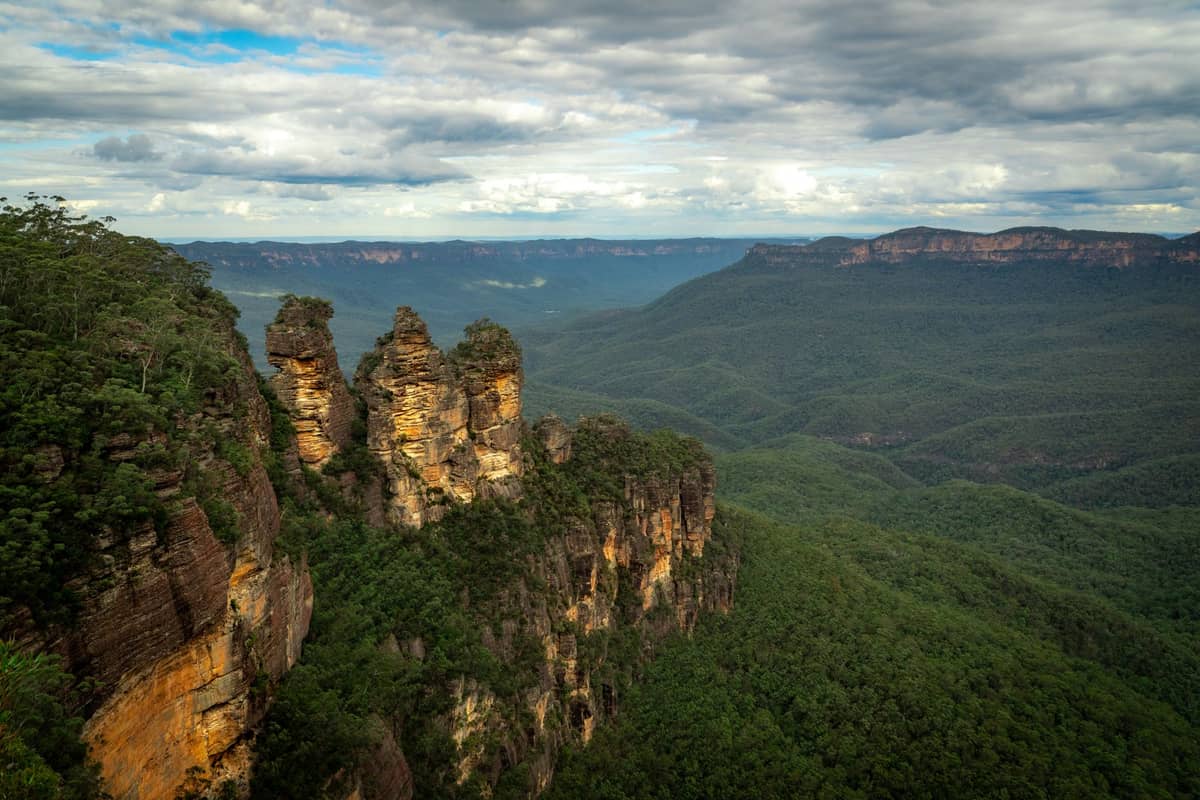
Blue Mountains National Park does not charge a general entry fee for foot traffic. The A$8-per-vehicle daily fee applies specifically to certain facilities in the Glenbrook area, in the eastern part of the park closest to Sydney. If you're arriving by train and exploring Katoomba, Leura, or Blackheath on foot, you won't pay any park entry fee.
Visitors driving into the Glenbrook section, which includes Red Hands Cave and the lower Blue Mountains trails closer to Penrith, should plan for the vehicle fee and pay at the entry station. The broader national park, including the Katoomba escarpment lookouts and the Jamison Valley, is freely accessible on foot. Confusion about this fee is common and leads some visitors to believe they're getting 'free' access when driving through another part of the park.
ℹ️ Good to know
Blue Mountains National Park is a UNESCO World Heritage Area, part of the Greater Blue Mountains Area listed for its biodiversity and eucalyptus forest ecosystems. The distinctive blue haze that gives the mountains their name comes from fine droplets of eucalyptus oil dispersed in the air, not mist or smoke.
What to Bring and Seasonal Conditions
The Blue Mountains sit at elevations around 1,000 metres above sea level, which means temperatures run noticeably cooler than Sydney's coast. On a clear summer day (December to February), Katoomba might sit around 22–25°C while Sydney swelters above 30°C. In winter (June to August), temperatures can drop to single digits in the evening and occasional light frost is possible. Bring layers regardless of the season.
Rainfall can arrive quickly and dramatically in the mountains. Wet weather is not just uncomfortable; it makes sandstone tracks genuinely slippery and increases rockfall risk. If there's been heavy rain in the days before your trip, check the NSW National Parks alerts page and reconsider any plans to descend into the valley on steep trails. For a broader picture of when to visit Sydney and its surrounds, the best time to visit Sydney guide covers seasonal conditions across the region.
- Footwear: Closed-toe shoes with grip are essential for any walking beyond the Echo Point platform. Sandals are fine for the Scenic Walkway boardwalk but not for bush trails.
- Layers: A light jacket or mid-layer is useful in every season. Mornings can be cold even in summer.
- Water: Bring at least one litre per person. Katoomba has cafés and a supermarket on the main street, but once you're on the trails, refill options are limited.
- Sun protection: The UV index in Australia is extreme; apply sunscreen before leaving Sydney and repack it for reapplication at open lookouts.
- Cash and card: Katoomba has ATMs and most businesses accept cards, but a small amount of cash is useful at markets or smaller food stalls.
The Blue Mountains is one of the most accessible and rewarding day trips from Sydney, but it rewards preparation over spontaneity. Check conditions, book Scenic World tickets in advance on busy weekends, and leave early. For more ways to explore the region's natural side, the Sydney coastal walks guide and the broader Blue Mountains National Park attraction page cover additional routes and planning details.
FAQ
How long does the train take from Sydney to the Blue Mountains?
The Blue Mountains Line from Central Station to Katoomba takes approximately 2 hours. Trains run throughout the day, and you should check the Transport for NSW trip planner for exact departure times and any service changes on your travel date. Arrive at Central with time to spare, as early morning trains can be busy on weekends.
Do I need to book Scenic World tickets in advance?
You don't strictly need to, but booking online in advance is strongly recommended on weekends and during NSW school holidays. Walk-up queues at the ticket desk can add 30–45 minutes to your wait. Day passes start from around A$64 per adult, but confirm current pricing on the Scenic World website before your visit as prices can change.
Is there an entry fee for Blue Mountains National Park?
There is no general entry fee for foot access to the national park. An A$8-per-vehicle daily fee applies specifically to the Glenbrook area in the eastern part of the park. If you're arriving by train and visiting Katoomba, Echo Point, or Blackheath, you won't pay any park entry fee. Confirm current fees and any area closures at the NSW National Parks website before you go.
Can I do the Blue Mountains as a day trip without a car?
Yes, and the train is the most straightforward option. Katoomba's main attractions, including Echo Point, the Three Sisters, and Scenic World, are all reachable on foot from Katoomba Station or via local buses and shuttles. A car gives you more flexibility to explore Leura, Blackheath, and Wentworth Falls, but for a first day trip, the train is entirely sufficient.
What should I do if there are trail closures on the day?
Check the NSW National Parks local alerts page for Blue Mountains National Park before you depart Sydney. Trail and road closures can happen at short notice due to fire danger, rockfall, or storm damage. If a specific walk is closed, there are usually alternative viewpoints and shorter walks available. Echo Point itself is a paved lookout platform and is very rarely affected by closures.
Tickets & tours
Live prices and dates from our booking partner. If you book, we may earn a commission at no extra cost to you.
Planning a trip? Discover personalized activities with the Nomado app.