Watsons Bay: Sydney's Harbour Village at the Edge of the Continent
Watsons Bay sits at the southern tip of South Head, where Sydney Harbour meets the Pacific Ocean. The area offers ocean cliff walks, a calm harbour beach, historic fortifications, and some of Sydney's best seafood — all reachable by a scenic ferry ride from Circular Quay.
Quick Facts
- Location
- Watsons Bay, Eastern Suburbs, Sydney NSW — southern tip of South Head Peninsula
- Getting There
- Ferry from Circular Quay to Watsons Bay Wharf (check Sydney Ferries timetable); bus routes also serve the area from the city
- Time Needed
- 2–4 hours for a relaxed visit; a full day if you swim, walk the cliffs, and linger over lunch
- Cost
- No admission fee to enter the suburb or its parks; ferry fare applies (Opal card or contactless payment); verify current fares at transportnsw.info
- Best for
- Harbour swimming, coastal walks, seafood dining, sunset views, and a half-day escape from the city
What Watsons Bay Actually Is
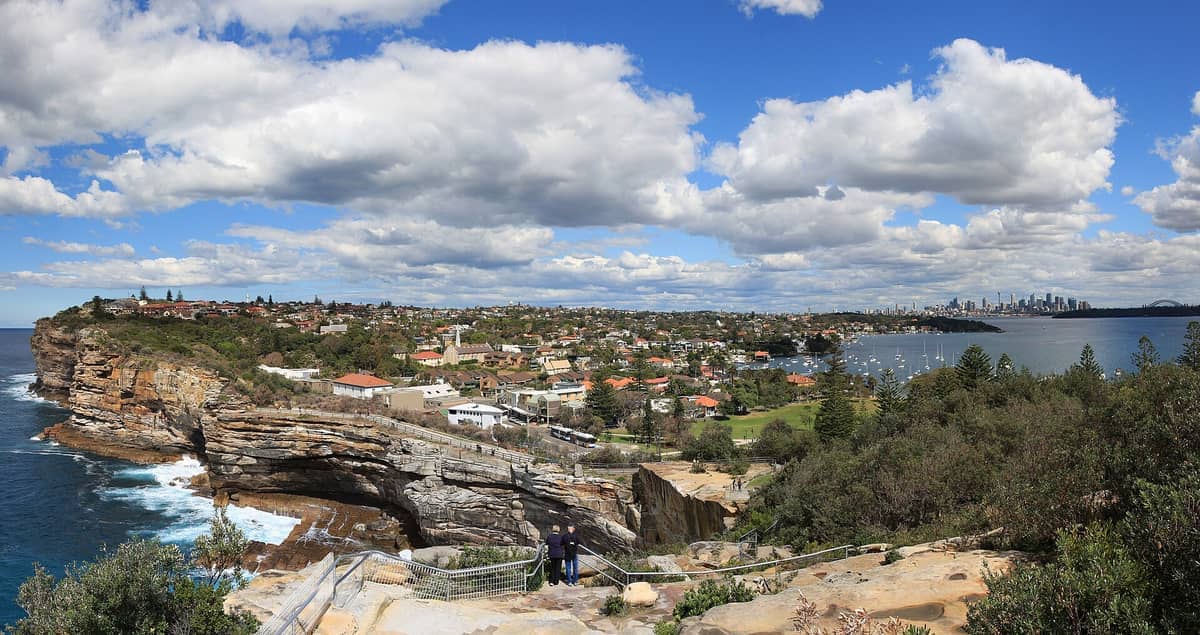
Watsons Bay is a small harbour-side suburb on the tip of the South Head Peninsula, roughly 11 kilometres by road from the Sydney CBD but feeling considerably further away in character. It is one of the oldest European-settled areas in Australia, and the Aboriginal place name associated with this location is Kutti, as documented by the Australian Museum. The suburb faces both ways: its western shore looks across the sheltered harbour toward the city, while its eastern edge drops sharply to the ocean via South Head and the dramatic Gap cliff face.
Unlike a single-entry attraction, Watsons Bay is a place you move through rather than arrive at. There is no gate, no ticket booth, and no fixed itinerary. What you encounter depends on where you walk, when you arrive, and whether the harbour is flat or whipped by an easterly. That flexibility is part of the appeal — and it also means that visitors who want a packaged experience may find it slightly undefined.
💡 Local tip
Take the ferry from Circular Quay rather than driving. The approach by water — watching the city skyline recede and the sandstone cliffs of the Heads grow closer — is itself part of the experience. Driving and parking in Watsons Bay is genuinely difficult, especially on summer weekends.
The Ferry Ride: The Journey Is Part of the Visit
Sydney Ferries has connected Watsons Bay with Circular Quay since the 1870s, with the Dictionary of Sydney recording a regular service from 1876 and a wharf at the current location by 1881. That longevity is not incidental: the ferry route traces the inner harbour past a sequence of bays, coves, and headlands that no road trip replicates.
The crossing takes roughly 30 minutes depending on whether your service stops at intermediate wharves. On a clear day the water shifts from the grey-green of the central harbour to a deeper blue-green as you pass Shark Island and approach the peninsula. If you are putting together a broader harbour day, the Sydney ferry network guide covers how to combine multiple routes and stops without backtracking.
Arrive at the wharf on a weekday morning and the suburb is genuinely quiet: the smell of salt air, the low creak of boats in the marina, a few dog walkers heading toward Camp Cove. By noon on a Saturday in summer the same wharf is thick with day-trippers, the pub garden at Doyles is filling up, and the narrow footpaths require some patience.
Tickets & tours
Live prices and dates from our booking partner. If you book, we may earn a commission at no extra cost to you.
The Rocks historic walking tour
From 20 €Instant confirmationFree cancellationBeginner surf lesson at Bondi Beach
From 79 €Instant confirmationFree cancellationSydney whale-watching cruise with breakfast or lunch
From 62 €Instant confirmationFree cancellationBlue Mountains Waterfalls Full-Day Tour with Lunch and Dinner
From 171 €Instant confirmationFree cancellation
Camp Cove and Watsons Bay Baths: The Calm, Harbour Side
A short walk north from the ferry wharf brings you to Camp Cove, a sheltered crescent of sand on the harbour's inner face. The water here is calm, protected from ocean swell, and swimmable for most of the year. It is a different proposition from Bondi Beach — smaller, quieter, and more local in feel. Families with young children often visit because of its sheltered harbour setting.. In the early morning, the beach is mostly empty and the light on the sandstone cliffs across the water is a warm amber.
Closer to the wharf, Watsons Bay Baths is a netted harbour pool that has occupied this location for well over a century. It offers an all-ability water-access ramp and aquatic wheelchairs available to visitors who hold an MLAK key. The baths are a practical option for those who want a contained swimming environment rather than open water.. Check current operating arrangements with Woollahra Council before visiting, as seasonal schedules apply.
The Gap and South Head: The Ocean Side
Cross to the eastern side of the peninsula and the mood changes entirely. The Gap is a sheer cliff face where the Pacific Ocean has cut into the sandstone headland, and the view from the clifftop lookout is one of the most dramatic in Sydney. The water below is not turquoise and inviting; it is dark, churning, and entirely inhospitable. Waves refract off the rock walls and send spray upward even on days when the sea appears relatively mild.
The Gap has a complicated reputation as a site of tragedy, and this context is present in the landscape itself: there are safety fences, information panels, and a memorial to Robert Vance, a local man who spent decades talking to people in distress at this location. Visiting the Gap is a genuine experience, not just a photo opportunity, and it asks something of you emotionally. The view is arresting regardless.
From the Gap, a clifftop path continues north along South Head to Hornby Lighthouse, a red-and-white striped lighthouse built in 1858 that marks the southern entrance to Sydney Harbour. The walk takes around 20 minutes at a comfortable pace and passes through the Sydney Harbour National Park section of the headland. The view north from the lighthouse tip, with the harbour entrance framed between the Heads, is the sort of perspective that makes clear why the first European explorers described this harbour the way they did.
⚠️ What to skip
The Gap is an exposed headland. Keep children close and follow safety signs and barriers, particularly in wet or windy conditions. Wind from the south-east can be sudden and strong on this exposed headland.
How the Place Changes by Time of Day
Early morning (before 9am) is when Watsons Bay belongs to its residents. The bakery near the main street is open, a few swimmers are at Camp Cove, and the light on the harbour is low and golden. The Gap walk is empty enough that you can hear the ocean without competition. This is objectively the best time to visit if you want to think clearly or take photographs without crowds in the frame.
By late morning the character shifts. The ferry services from Circular Quay deposit increasing numbers of visitors, and the restaurant gardens begin setting up for lunch. Midday to early afternoon on a summer weekend is peak density: loud, cheerful, and not unpleasant, but a different experience from the morning. The pub garden at the waterfront hotel is genuinely enjoyable in this configuration if you have the right companions.
Late afternoon and evening bring another shift. The day-trippers take the last ferries back, the light softens over the harbour, and the suburb quiets considerably. Sunset from the western-facing beach or jetty area, with the city skyline visible across the water, is one of those Sydney moments that is hard to improve on. If you are planning a sunset visit, check the ferry return timetable carefully — services reduce in frequency after peak hours.
Eating and Drinking: Seafood and the Waterfront
Watsons Bay is most associated with seafood, and the beachfront fish-and-chip-style dining at Doyles has been drawing Sydney visitors for generations. It is an institution, and like many institutions, the experience is partly about the setting and partly about what you order. The fish is fresh and the outdoor waterfront tables are genuinely lovely; the prices reflect the location. There are also more casual takeaway options along the main strip if you want to eat on the beach.
For those who want to extend the day into the evening, the hotel pub is a relaxed option with harbour views. If Watsons Bay itself feels too isolated for a full dinner, the broader eastern suburbs area offers more variety — the Bondi and Eastern Beaches precinct has everything from neighbourhood cafes to sit-down restaurants within a short bus or taxi ride.
Practical Information for Your Visit
Watsons Bay is not a single gated site, so there are no opening hours or admission fees for the suburb itself. Ferry fares apply for the Circular Quay to Watsons Bay service; use an Opal card or contactless payment and verify current fares at transportnsw.info before travel, as fares are subject to change. Bus services from the city also reach the area, though travel times are longer than the ferry.
Footwear matters more than you might expect. The cliffside paths to the Gap and South Head are mostly well-maintained gravel and paved surfaces, but sections can be uneven. Flat, closed-toe shoes are more practical than sandals if you plan to walk beyond the beach. In summer, sun protection is non-negotiable: there is almost no shade on the clifftop path and reflected light off the water intensifies the UV exposure further.
Photography is strongest early morning (harbour light from the west side) and in the hour before sunset. The Gap is best photographed from the lookout platform rather than the cliff edge. For a broader perspective on Sydney's coastal walking options, the Sydney coastal walks guide provides context on how the South Head walk compares to other harbour and clifftop routes across the city.
Accessibility within Watsons Bay varies by destination. The main street and beach area are relatively flat and manageable. The Gap path includes some steps and uneven terrain that may be difficult for wheelchair users or those with limited mobility. The Watsons Bay Baths all-ability ramp requires an MLAK key for access to aquatic wheelchairs; contact Woollahra Council directly to arrange this in advance.
Who Should Skip This Trip
Watsons Bay rewards those who like to move at their own pace and compose a day from loose elements: a swim, a walk, lunch, a view. If you prefer structured itineraries with set entry times and guided interpretation, or if you have limited mobility and the clifftop sections are not accessible, it may not be the best use of your Sydney hours.
It also does not replace the bigger Sydney harbour experiences. The views from the South Head area are spectacular but different in character from the more iconic city-facing panoramas at Mrs Macquaries Chair or from across the water at Taronga Zoo. Watsons Bay is most valuable as a complement to those perspectives, not a substitute.
Insider Tips
- Take the first or second ferry of the morning from Circular Quay on a weekday. You will have Camp Cove and the Gap walk almost entirely to yourself, and the light is better for photography before 9am than at any other time of day.
- The South Head Heritage Trail from Camp Cove reaches Hornby Lighthouse on an easy 1 km loop; continue along the trail for the harbour-entrance views rather than turning back at the Gap.
- Check the return ferry timetable before you arrive, not when you are ready to leave. Services thin out significantly after the afternoon peak, and the bus journey back to the city takes considerably longer than the ferry.
- Watsons Bay Baths has an all-ability water-access ramp and aquatic wheelchairs for visitors who hold an MLAK key. Contact Woollahra Council in advance to make arrangements if this is relevant to your group.
- If the south-easterly wind is up, the ocean side of the peninsula is raw and can be unpleasant for walking. On those days, the harbour side at Camp Cove remains sheltered and perfectly comfortable. Check the Bureau of Meteorology forecast for coastal Sydney before you go.
Who Is Watsons Bay For?
- Swimmers who prefer calm harbour water over ocean surf
- Walkers looking for a half-day coastal route with genuine drama at the cliff edge
- Visitors who want a seafood lunch with a harbour view outside the city centre
- Photographers working on early-morning harbour light or late-afternoon sunset shots
- Travellers on a budget who want a full day's experience with no admission costs beyond the ferry
Nearby Attractions
Other things to see while in Bondi & the Eastern Beaches:
- Bondi Beach
Bondi Beach is a 1-kilometre arc of white sand in Sydney's eastern suburbs, free to enter and open year-round. It draws everyone from serious surfers to Sunday café-goers, and its promenade connects to one of the city's great coastal walks. Here is what to know before you go.
- Bondi Icebergs Pool
Perched at the southern tip of Bondi Beach, the Bondi Icebergs Pool is a 50-metre saltwater lap pool carved into the sandstone headland. The Bondi Icebergs Winter Swimming Club was established in 1929, it offers one of the most photographed swim experiences in Australia, with waves crashing over the pool walls and the full sweep of Bondi Beach stretching to the north.
- Bondi to Coogee Coastal Walk
The Bondi to Coogee Coastal Walk is a free 6-kilometre clifftop route connecting two of Sydney's most famous beaches. It takes in ocean pools, sandstone headlands, cemetery views, and a string of smaller beaches that most visitors never reach. Allow 2 to 3 hours at a relaxed pace.
- Bronte Beach
Tucked between Bondi and Coogee, Bronte Beach offers a more relaxed pace than its famous neighbours. With a free ocean pool, a grassy reserve backed by sandstone cliffs, and direct access to the coastal walk, it rewards visitors who venture a little further south.
Planning a trip? Discover personalized activities with the Nomado app.