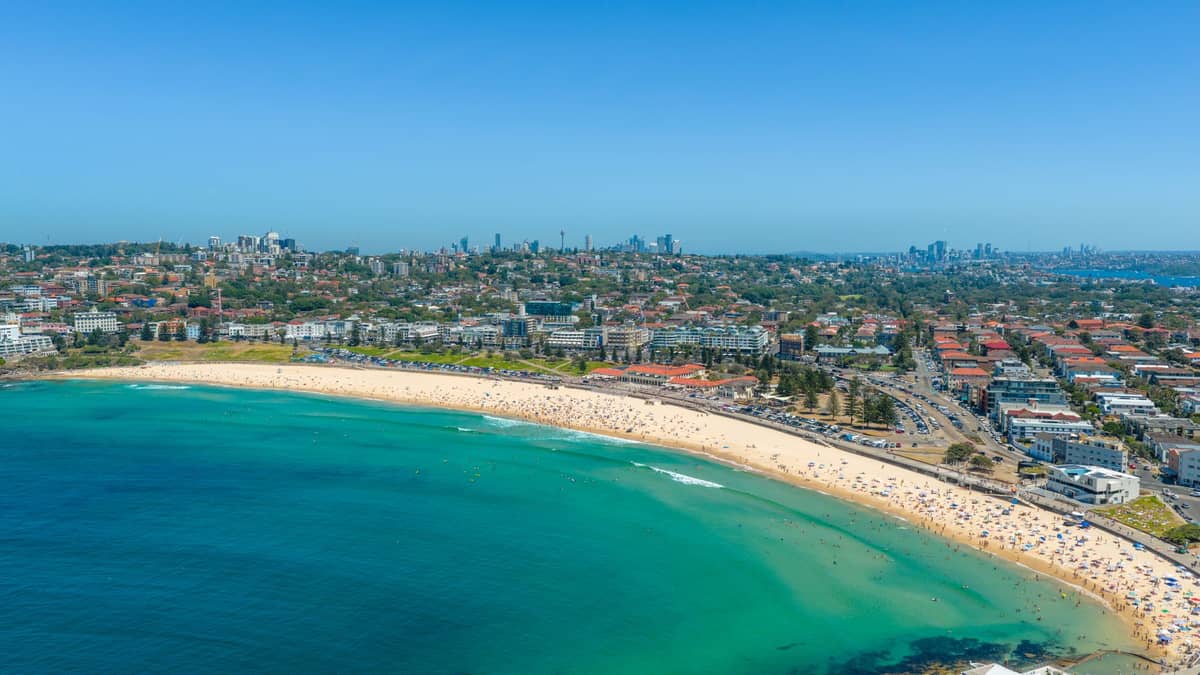
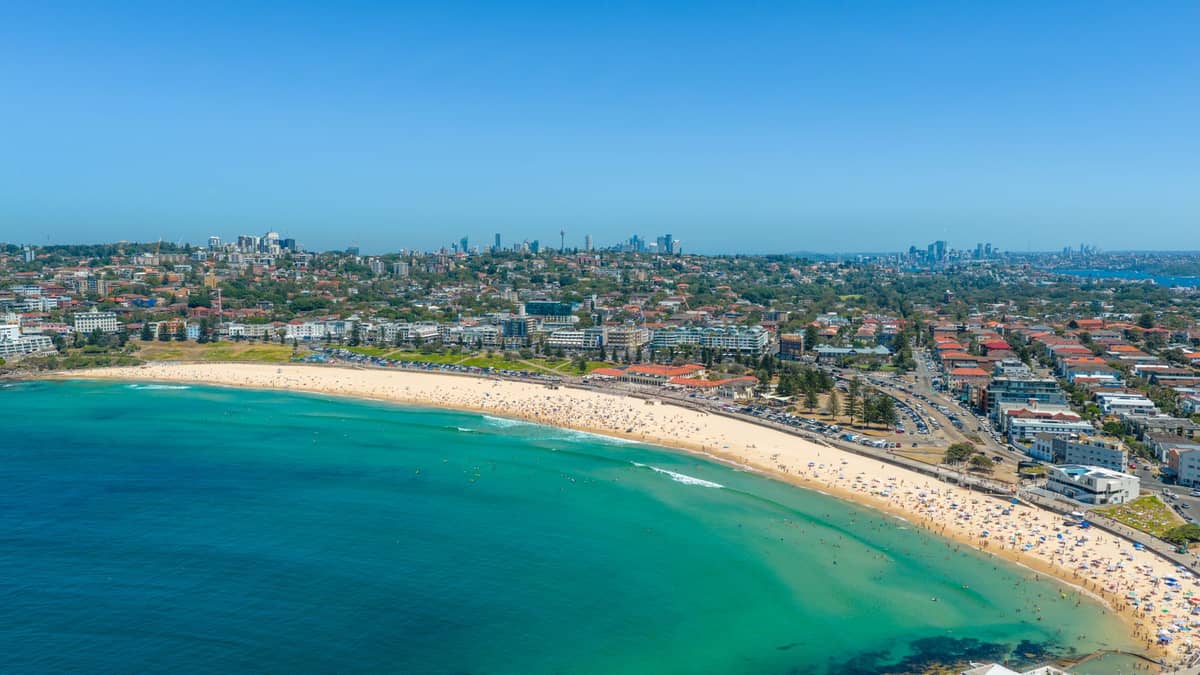
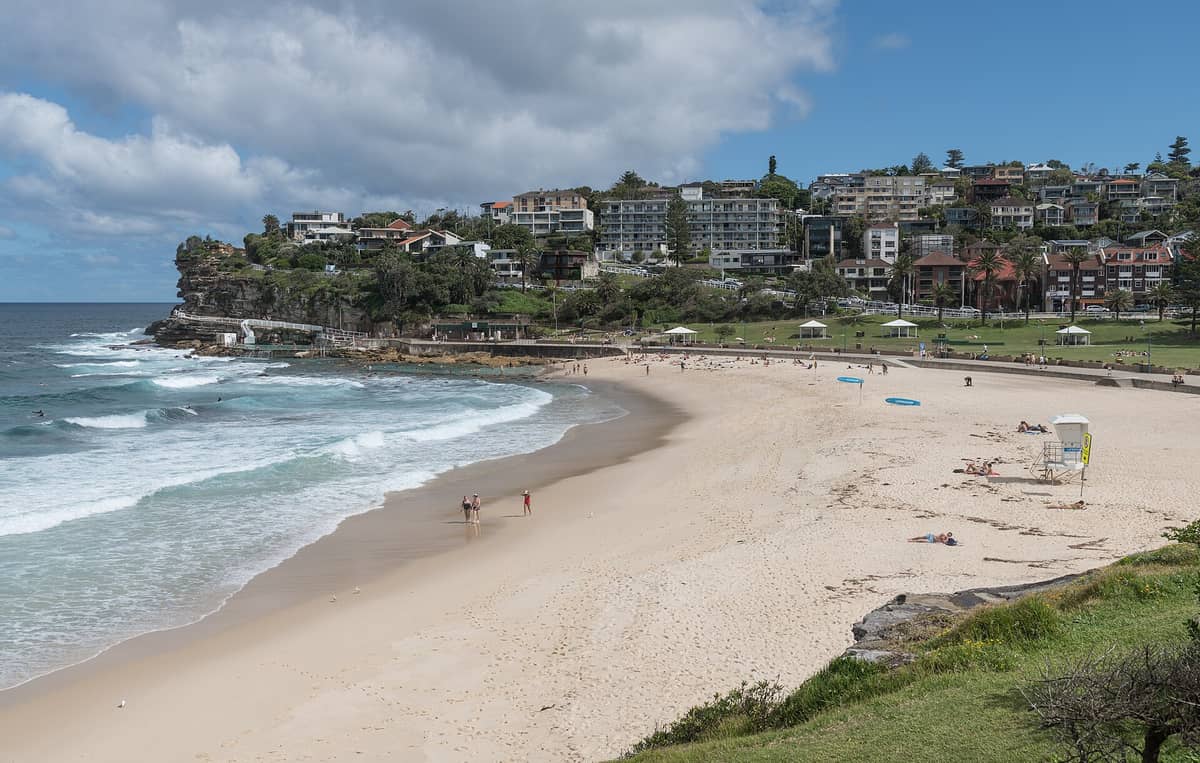
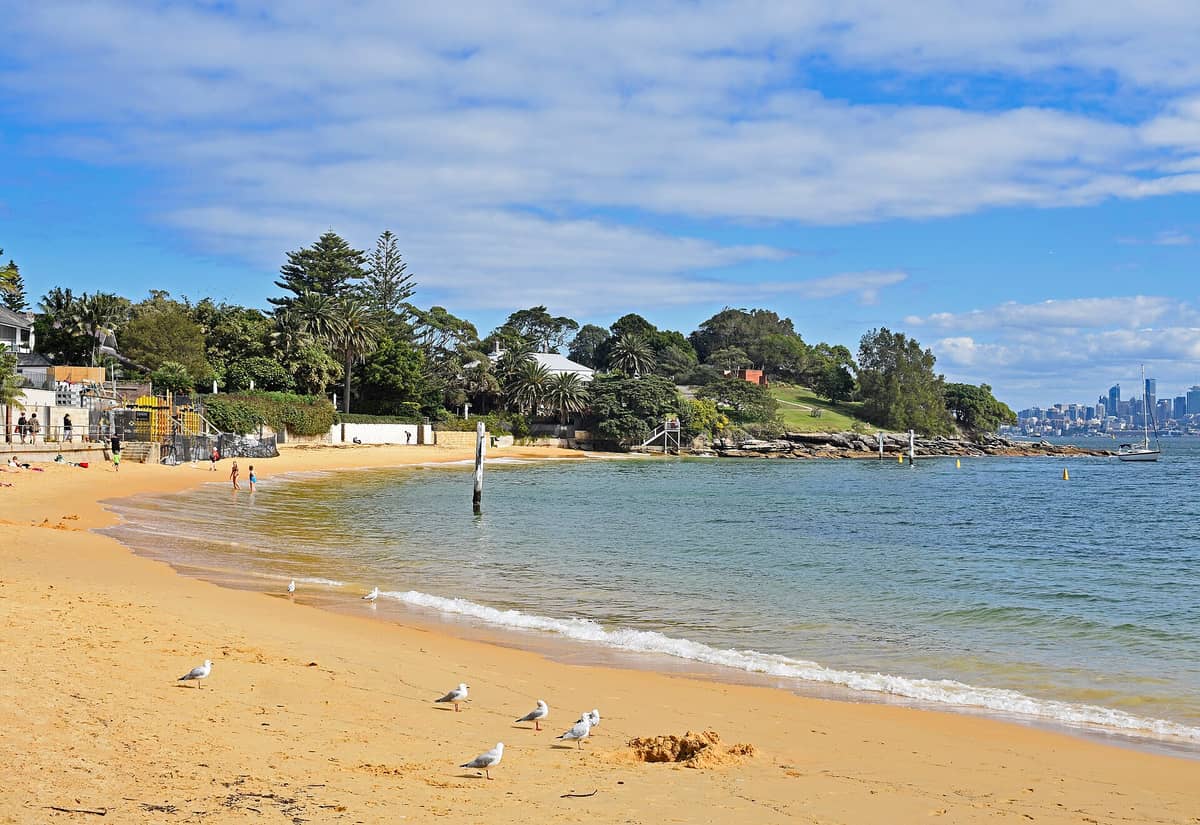
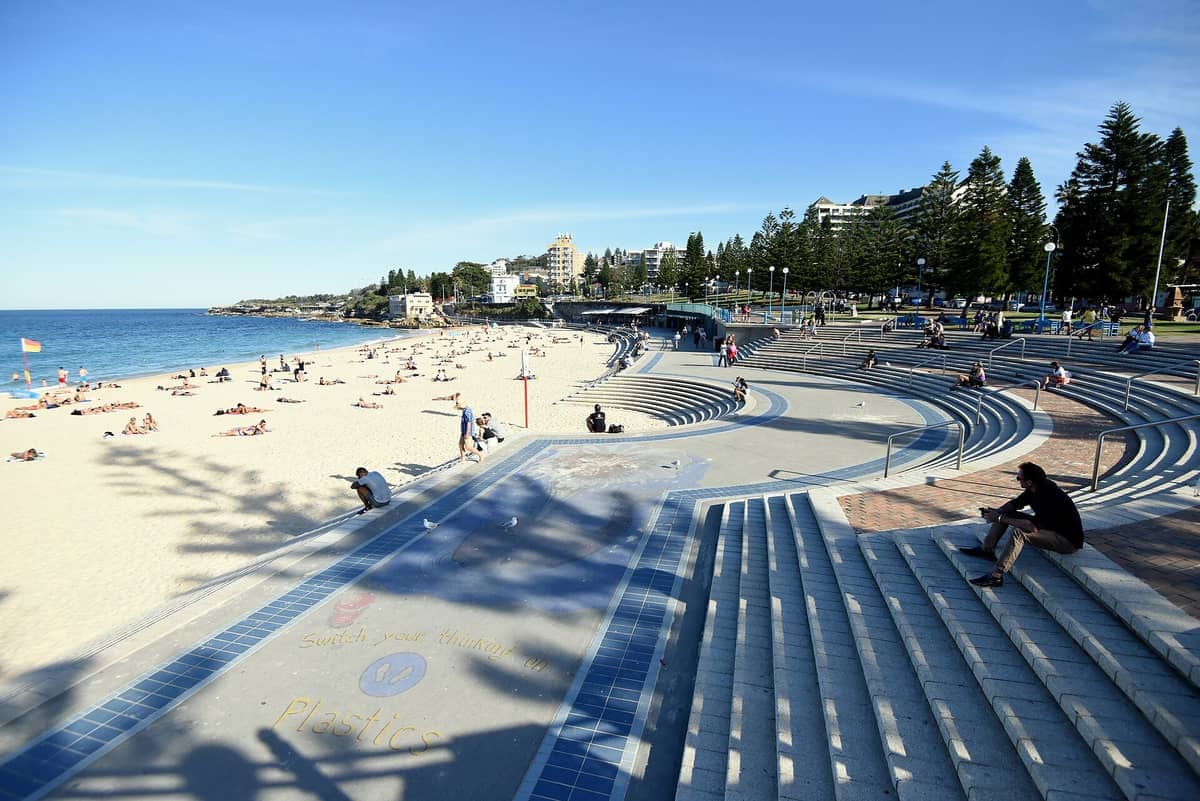
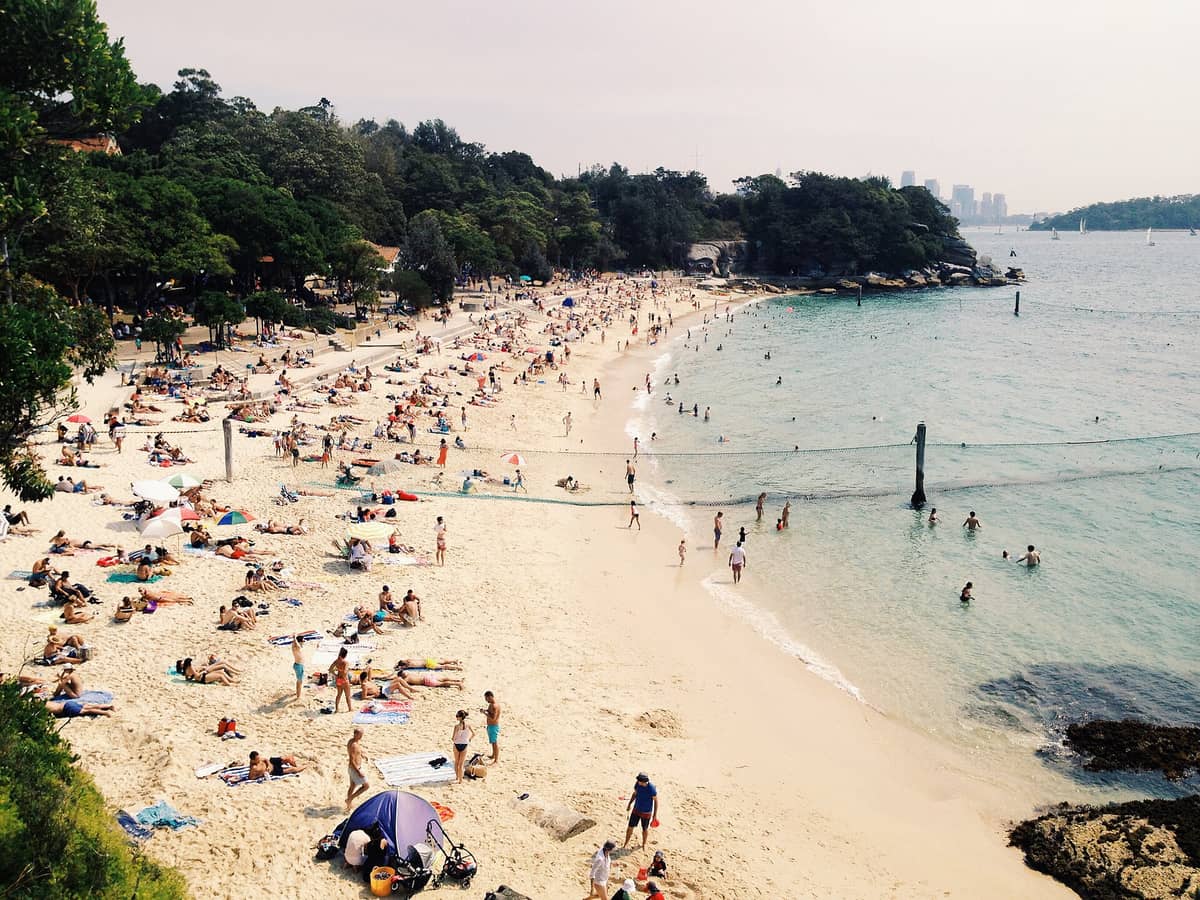
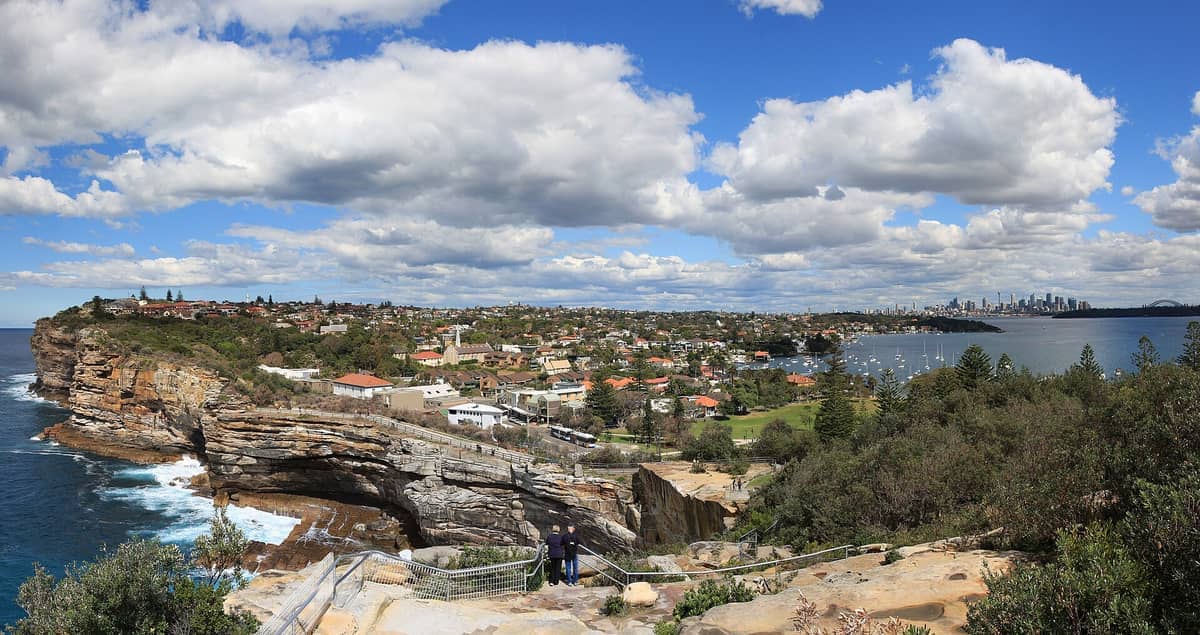
Sydney's Eastern Beaches stretch south from the rocky headland of Ben Buckler through Bondi, Tamarama, and Bronte, offering a concentrated run of ocean swimming, coastal walking, and beachside eating. Bondi itself is one of the world's most recognisable beaches, and for good reason, but the surrounding suburbs reward those who look beyond the main strip.
Bondi and the Eastern Beaches form Sydney's most iconic coastal corridor, running from the exposed surf at Bondi south through the bluff-backed cove of Tamarama and the family-friendly arc of Bronte. The area is genuinely world-class for ocean swimming, coastal walking, and cafe culture, but it pulls enormous crowds in summer and the tourist infrastructure along Campbell Parade can feel as polished as it is predictable.
Orientation
Bondi Beach sits roughly 8 kilometres east of the Sydney CBD, tucked into a curved bay between Ben Buckler headland to the north and McKenzie Point to the south. The beach itself is about one kilometre long, flanked by Marks Park and the Icebergs pool at the south end and the North Bondi RSL at the north. Campbell Parade runs the full length of the beachfront, and behind it a grid of residential streets climbs west toward the commercial hub of Hall Street and then Bondi Road, which connects everything to Bondi Junction.
Bondi Junction is the area's main transport interchange, sitting about 2 kilometres west of the beach. From the junction, the suburb slopes steadily east and downhill toward the water. The Eastern Beaches corridor continues south from Bondi: Tamarama sits along the clifftops, and Bronte follows further south. Each beach has its own distinct personality, and they are all linked by the clifftop path that forms the first leg of the Bondi to Coogee Coastal Walk.
To the west, the area transitions into the inner-eastern suburbs of Paddington and Woollahra. To the south, the walk continues past Clovelly to Coogee. For a broader sense of where these beaches fit within Sydney's geography, the best beaches in Sydney guide covers the full range from the Eastern Beaches to the Northern Beaches.
Character & Atmosphere
Early mornings at Bondi are one of the better-kept secrets of a place that has very few secrets left. By 6am, the beach is already populated with ocean swimmers cutting laps between the flags, joggers circling the promenade, and surfers reading the break from the sand. The light at this hour comes in low and golden from the northeast, turning the water a deep green where it's shallow and a sharp blue further out. The cafes along Hall Street are already open, and the queue at the better ones starts forming before 8am.
By mid-morning on a weekend in summer, the tone shifts entirely. Campbell Parade becomes difficult to walk along without navigating tourists, deliveries, and people dragging surfboards. The beach itself is packed by 11am, and the rip near the southern headland is a constant presence that the lifeguards manage carefully. Parking is essentially a lost cause without arriving before 7am or after 4pm. The International and domestic tourists who make up a large share of the daytime crowd give the main strip a transient energy that can feel more like an airport departure lounge than a neighbourhood.
Walk south along the clifftops and the crowd thins quickly. Tamarama, known locally as Glamarama for its reputation among Sydney's more appearance-conscious beachgoers, has a tiny beach hemmed in by steep sandstone cliffs. It has strong rips, so swimming conditions can be hazardous and closures may occur; the setting is dramatic and the surrounding streets are quiet. Bronte feels like a proper neighbourhood beach: there is a deep ocean pool on the rocks at the south end, a grassy park behind the sand, and a row of cafes on Bronte Road that serve a mostly local crowd even on busy summer weekends.
After dark, the energy concentrates back on the Bondi strip and the backstreets around Hall Street and Gould Street. This is not a late-night suburb in the way that Kings Cross once was, but there are enough bars and restaurants to keep things going until midnight on weekends. The beach itself is unlit and quiet, and walking the promenade after sunset has a completely different quality to the daytime crush.
⚠️ What to skip
Bondi has persistent rip currents, including a strong and well-documented rip near the southern headland. Always swim between the red and yellow flags and follow lifeguard instructions. The southern half of the beach is particularly rip-prone. Never swim alone or outside patrolled hours.
What to See & Do
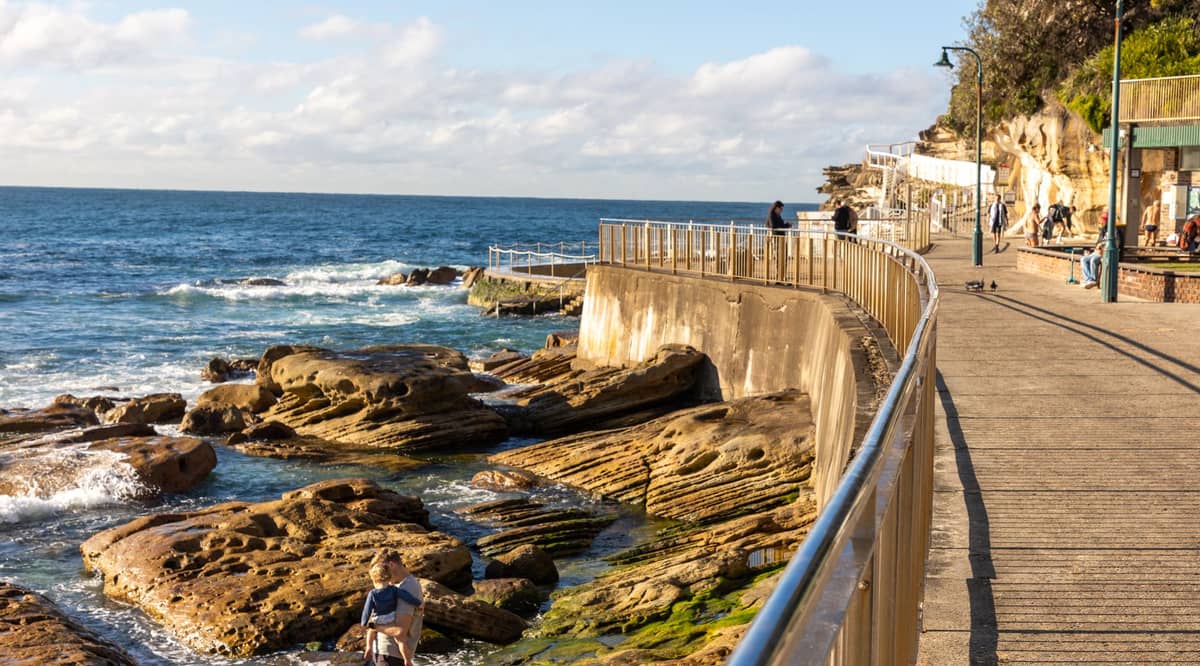
The Bondi to Coogee Coastal Walk is the single best thing you can do in this part of Sydney, and it costs nothing. The roughly 6-kilometre route runs south along the clifftops from Bondi Beach through Tamarama, Bronte, Clovelly, and on to Coogee, passing sandstone rock shelves, ocean pools, and headland lookouts along the way. The full walk takes around two hours at a comfortable pace, but most sections can be done as shorter out-and-back trips. Morning light hits the northern-facing sections of the coast particularly well.
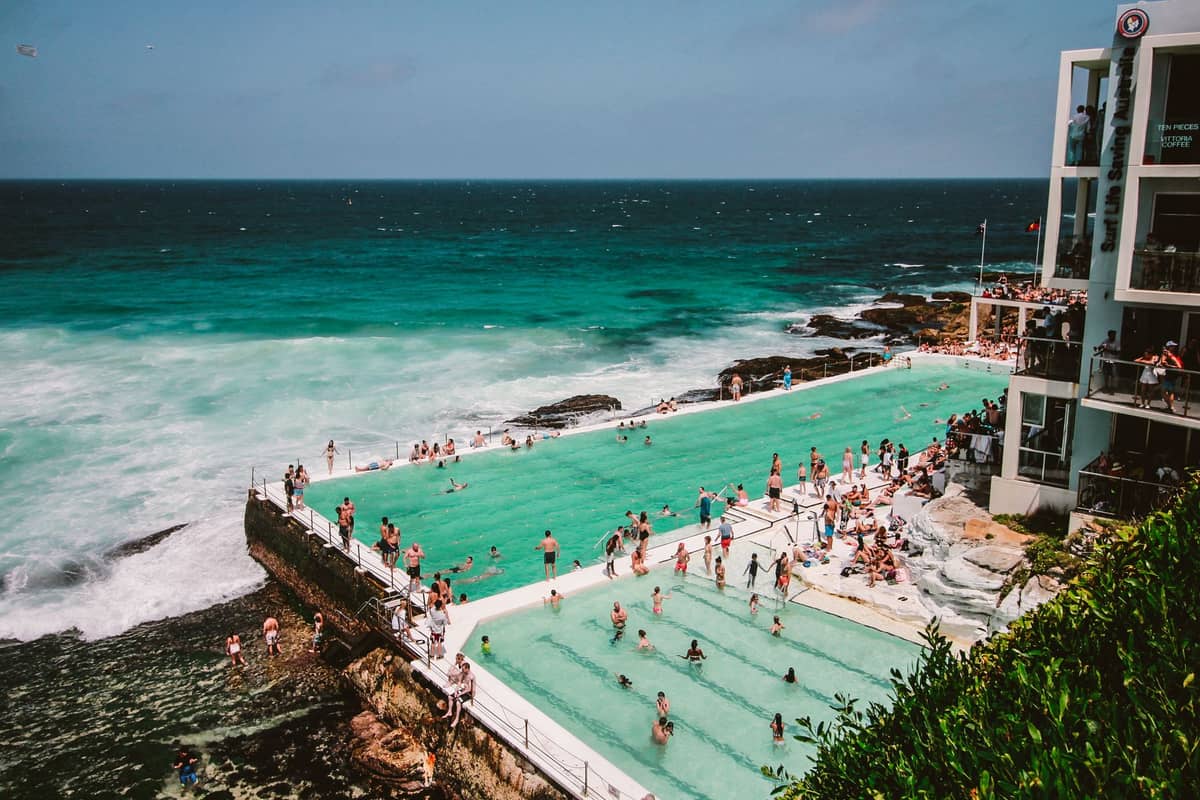
At the southern end of Bondi Beach, the Bondi Icebergs Pool is one of Sydney's most photographed spots and one of its genuinely great ocean pools. The 50-metre pool sits right on the rocks at the base of the southern headland, with waves washing over the edge on rough days. It is operated by the Bondi Icebergs Swimming Club and is open to the public for a small entry fee. Arrive early to avoid the queue.
Bondi Beach itself is the main event for most visitors. The beach is patrolled by Surf Life Saving clubs during scheduled patrol hours, which vary by season. Learning to surf is genuinely feasible here, with several surf schools operating on the northern end of the beach where conditions are typically gentler. For those who prefer to watch, the beach on a decent south swell is worth seeing: the break is a beach break that works across most of the bay, and the standard of surfing on busy days is high.
Bondi Pavilion: the heritage-listed bathhouse on the beachfront, now a community and arts centre with regular events and exhibitions
Bondi Farmers Market: held Saturday mornings at Bondi Beach Public School on Campbell Parade, typically from 9am
Sculpture by the Sea: annual outdoor sculpture exhibition along the Bondi to Tamarama clifftops, usually held in spring
North Bondi cliffs: a quieter walk north from the beach around Ben Buckler headland, with views back across the bay
Bronte ocean pool: a calm, free rock pool at the southern end of Bronte Beach, excellent for children and less confident swimmers
💡 Local tip
If you are visiting in late October, the Sculpture by the Sea exhibition transforms the clifftop path between Bondi and Tamarama into a free outdoor gallery with large-scale works by Australian and international artists. Arrive on a weekday morning to avoid peak crowds.
Eating & Drinking
The food scene around Bondi is extensive and, in places, very good. The challenge is separating the genuinely worthwhile from the tourist-facing operations on Campbell Parade, where location premium tends to outweigh food quality. The streets that reward more careful attention are Hall Street, Gould Street, and the quieter blocks of Bondi Road heading toward the junction.
Breakfast and brunch are taken seriously here. The cafe culture along Hall Street and the surrounding blocks is competitive, and the standard of coffee and food is generally high. Expect queues at the better spots on weekend mornings, particularly between 9am and midday. Flat whites and single-origin filter coffee are the default, and many cafes operate a no-bookings policy.
For a broader introduction to Sydney's cafe culture and where to find the best coffee by neighbourhood, the Sydney coffee guide is a useful reference. Bondi consistently features as one of the city's strongest precincts for specialty coffee.
Dinner options range from casual beachside seafood to more considered modern Australian cooking. The area has a strong lean toward health-conscious menus, grain bowls, and fresh seafood, which reflects the demographics of the resident population. Italian, Japanese, and Middle Eastern influences all appear across the local restaurant scene. Price ranges vary considerably: a breakfast at a popular Hall Street cafe might run AUD 20-28 per person, while dinner at a sit-down restaurant on or near Campbell Parade can reach AUD 60-80 per person with drinks.
For drinking, the options are more limited than in inner-city suburbs like Surry Hills or Newtown, but there are several good bars. The Icebergs Dining Room and Bar, above the famous pool at the southern end of the beach, offers one of the best views of any bar in Sydney and a drinks list to match the setting. The North Bondi RSL is unpretentious, inexplicably affordable, and has unobstructed views of the northern end of the bay.
Getting There & Around
There is no train station at Bondi Beach. This is a persistent source of confusion for first-time visitors. The closest train station is Bondi Junction, on the T4 Eastern Suburbs and Illawarra Line, which runs directly from the Sydney CBD through Town Hall, Central, and Edgecliff. From Bondi Junction, route 333 runs to the beach; route 380 serves Watsons Bay and Bondi Junction. The trip from the junction takes around 10 minutes depending on traffic. Buses also run directly from the CBD: the 333 from Circular Quay is a reliable option and takes roughly 40 minutes.
Transport for NSW's Opal card or contactless bank card payment covers all buses and trains in the network. For a full breakdown of how to navigate Sydney by public transport, the getting around Sydney guide covers fares, zone structures, and the fastest routes between major areas.
Driving to Bondi Beach on a summer weekend is not recommended. Parking along Campbell Parade and the surrounding streets is metered, limited, and typically full by 9am. Several council car parks operate nearby but fill quickly. A ride-share or bus from Bondi Junction is the practical choice for most visitors.
To reach Tamarama and Bronte from Bondi, the clifftop walk is the best option: it is faster and more pleasant than any available bus route. Bronte can also be reached directly by bus from Bondi Junction. Taxis and ride-share services serve all three beaches, though surge pricing applies on summer weekends and after events.
ℹ️ Good to know
Bondi Junction station is a major interchange with bus connections to Bondi Beach and other Eastern Beaches destinations. If you are staying elsewhere in Sydney, getting to Bondi Junction first and then connecting by bus is a practical approach.
Where to Stay
Bondi is one of Sydney's most popular accommodation areas, particularly for international visitors and backpackers. The range runs from YHA-style hostels within walking distance of the beach to boutique hotels and serviced apartments. For a broader comparison of where to base yourself in Sydney, the where to stay in Sydney guide sets out the trade-offs between the Eastern Beaches, the CBD, and inner-city alternatives.
Staying within the Bondi Beach suburb itself, close to Campbell Parade, puts you within walking distance of the sand but places you in a noisy, tourist-facing environment. The streets behind Hall Street, roughly between Gould Street and Lamrock Avenue, tend to be quieter while remaining very close to the beach and the better cafes. Serviced apartments and holiday rentals are common in this zone and suit visitors planning a stay of several days.
Bondi Junction, further west, has more mid-range hotel options close to the Westfield shopping centre and train station. It is less atmospheric than the beach itself but quieter at night and better connected to the rest of Sydney by public transport. This suits travellers who want beach access without being embedded in the tourist strip.
Bondi is not the right base for every visitor. If your focus is on the CBD, the Harbour, or inner-city nightlife, staying in Surry Hills, Potts Point, or the city centre will save you significant daily travel time. Bondi works best as a base when the beach, the coastal walk, and the surrounding suburbs are genuinely central to your itinerary.
Practical Notes
Peak season at Bondi runs from December through February, when daily maximum temperatures along the coast typically sit around 26-27 degrees Celsius and the beach is at its busiest. Shoulder season, from March to May and September to November, offers more manageable crowds and comfortable temperatures for walking. The Bondi to Coogee walk is genuinely pleasant year-round, including on overcast winter days when the clifftops are almost empty.
Sun protection is essential year-round. The UV index in Sydney regularly reaches extreme levels from September through April, and the beach environment amplifies exposure. Reef-safe sunscreen, a hat, and UV-protective rash vests are standard equipment for most regular beach users. For timing your visit more broadly, the best time to visit Sydney guide covers seasonal factors across the city.
TL;DR
Best for: ocean swimmers, surfers, coastal walkers, and anyone who wants Sydney's beach experience close to hand.
The Bondi to Coogee Coastal Walk is the area's standout free activity and connects Bondi, Tamarama, and Bronte in a single route.
Avoid driving on summer weekends: bus from Bondi Junction or Circular Quay is the practical alternative.
Campbell Parade is tourist-facing and price-elevated; the better cafes and bars are on Hall Street and the surrounding backstreets.
Not ideal as a Sydney base if the Harbour, CBD, or inner-city neighbourhoods are your main focus: the Eastern Beaches are a destination in their own right rather than a central hub.
Three days is enough to experience Sydney's iconic harbour, golden beaches, historic laneways, and world-class food scene — if you plan well. This itinerary is built for efficiency without sacrificing depth, moving logically between neighbourhoods to save time and maximise what you actually see.
Sydney has more than 100 beaches within the greater metropolitan area, ranging from world-famous surf breaks to calm harbour coves perfect for families. This guide covers the best of them, from Bondi's golden crescent to the white-sand solitude of Palm Beach.
Sydney's museum scene spans 200 years of collecting, from Australia's oldest natural history institution to a world-class gallery of 21st-century Chinese art. This guide covers the city's finest collections, with practical details on free entry, opening hours, and how to plan your visits.
Sydney rewards visitors year-round, but the right timing depends on what you want to do. This guide breaks down Sydney's four seasons by weather, crowds, costs, and major events so you can plan a trip that actually matches your priorities.
Sydney rewards those who seek elevation. Whether you want the classic Opera House and Harbour Bridge framed together, vast ocean panoramas, or Blue Mountains escarpments stretching to the horizon, the city and its surrounds deliver some of the most dramatic viewpoints in the Southern Hemisphere. This guide covers the finest lookouts, from free hilltop perches to ticketed sky-high platforms.
The Blue Mountains is Sydney's most popular day trip, and for good reason: dramatic sandstone escarpments, ancient rainforest valleys, and a train ride straight from Central Station. This guide covers exactly how to get there, what to prioritise, what Scenic World actually costs, and the planning details most visitors overlook.
Sydney's surroundings are as rewarding as the city itself. Within two to three hours you can reach ancient rainforests, world-class wine country, remote surf beaches, and wildlife-filled national parks. This guide covers the best day trips from Sydney, with practical advice on how to get there and what to do when you arrive.
Sydney is one of the world's great cities, and you don't need a big budget to experience it at its best. From free-entry museums and galleries to iconic coastal walks and harbour lookouts, this guide covers 22 of the best free things to do in Sydney.
Sydney's public transport network covers nearly every corner of the city, but it has quirks that trip up first-time visitors. This guide breaks down every option, from the Opal card fare system to ferry routes and airport transfers, so you can move around confidently from day one.
Sydney rewards travellers who spend well. From harbour-view suites at Park Hyatt to degustation menus overlooking the Opera House, this guide breaks down exactly where to stay, eat, and what to do when budget is not the deciding factor.
Seven days is enough time to cover Sydney's iconic landmarks, explore its best neighbourhoods, and still squeeze in a day trip or two. This itinerary is structured around geography to minimise transit time, with honest notes on what to skip and what to prioritise.
Sydney sits on the Country of the Eora Nation, home to Aboriginal peoples whose connection to this land stretches back tens of thousands of years. This guide covers the key heritage sites, cultural tours, museums, and ceremonies that offer genuine insight into First Nations history and living culture across the city.
Sydney's coastline is one of its defining features, and walking it is the best way to understand the city. This guide covers the top coastal walks in Sydney, with clear assessments of difficulty, logistics, and what each route actually delivers.
Sydney has one of the most serious coffee cultures in the world, anchored by the flat white and driven by a generation of specialty roasters and technically obsessed baristas. This guide covers where to drink, what to order, how much to pay, and which neighbourhoods to explore cup by cup.
Sydney's ferry network is one of the most practical and scenic ways to move around the city. This guide covers every route, how to pay, fare caps, seasonal changes, and which journeys are worth doing for their own sake.
Sydney is one of the world's great cities for romance, with a harbour that practically does the work for you. This guide covers the most memorable experiences for couples — from iconic landmarks to quieter corners most visitors never find — with practical details on timing, cost, and what to actually expect.
Sydney's famous icons are worth every visit, but the city's real character lives in its quieter corners. From a free Chinese art gallery in Chippendale to a convict island you can camp on, these are the experiences most visitors overlook.
Sydney Mardi Gras is one of the world's largest LGBTQIA+ celebrations, running across several weeks each late summer. This guide covers the full festival program, parade logistics, neighbourhood highlights, transport tips, and everything visitors need to plan a trip with confidence.
Sydney's market scene covers serious ground, from heritage-listed weekend stalls in The Rocks to one of the Southern Hemisphere's biggest fish markets. This guide breaks down the best markets in Sydney by type, location, and what you actually get for your time.
Sydney New Year's Eve is one of the world's great spectacles, but the difference between a memorable night and a frustrating one comes down to planning. This guide covers the best free and ticketed vantage points around Sydney Harbour, the fireworks schedule, transport logistics, and the practical details that most guides skip.
Sydney's nightlife runs deeper than the Opera House forecourt and a few cocktail bars with harbour views. From the craft-beer pubs of Newtown to late-night rooftops in the CBD and live music venues in Surry Hills, this guide breaks down where to go, what to expect, and what to avoid on a night out in Sydney.
Sydney has a reputation for being expensive, and it's not entirely undeserved. But with the right approach to transport, food, and sightseeing, you can experience the best of this city without spending a fortune. This guide breaks down exactly where to save and where it's worth spending a little more.
Sydney's shopping scene runs deeper than most visitors expect. This guide breaks down the best shopping in Sydney by precinct and purpose, covering everything from grand Victorian arcades in the CBD to independent boutiques in Newtown and Saturday markets in Paddington.
Sydney sits within reach of some of Australia's most accessible wildlife experiences, from koalas and kangaroos at dedicated wildlife parks to humpback whales off the coast. This guide covers the best options, clear trade-offs, and practical logistics for every budget.
Sydney is one of Australia's most family-friendly cities, with a mix of free attractions, world-class wildlife encounters, and outdoor adventures that suit kids of all ages. This guide covers the best activities, honest cost breakdowns, seasonal tips, and transport advice to help you plan a stress-free family visit.
Sydney rewards exploration far beyond the postcard shots. This guide covers the best things to do in Sydney Australia — iconic landmarks, great beaches, cultural highlights, and neighbourhood experiences — with practical detail on timing, costs, and getting around.
Vivid Sydney is one of the Southern Hemisphere's largest light, music, and ideas festivals, turning Sydney Harbour into an annual winter spectacle. This guide covers the Light Walk route, ticketed events, transport logistics, crowd strategy, and what first-timers consistently get wrong.
Sydney's food scene is one of the most diverse and seriously good in the world, shaped by decades of immigration, exceptional local produce, and a coastal geography that puts extraordinary seafood at the centre of the table. This guide covers the dishes, markets, neighbourhoods, and practical tips you actually need.
Choosing where to stay in Sydney shapes your entire trip. This guide breaks down the city's key neighbourhoods by location, vibe, price range, and transport access, so you can pick the right base before you book.