Nielsen Park & Shark Beach: Sydney Harbour's Best-Kept Picnic Spot
Nielsen Park in Vaucluse puts a calm, netted harbour beach, shaded picnic lawns, and a Victorian estate on the doorstep of Sydney Harbour National Park. It draws far fewer crowds than the ocean beaches, and entry is free. This guide covers exactly what to expect, when to go, and how to get there.
Quick Facts
- Location
- Vaucluse NSW 2030 (Greycliffe House, 6 Steele Point Road)
- Getting There
- Bus 325 from Circular Quay to Nielsen Park stop
- Time Needed
- 2–4 hours for a relaxed visit; longer if picnicking
- Cost
- Free park entry. No beach admission fee.
- Best for
- Families with young children, picnickers, calm-water swimmers
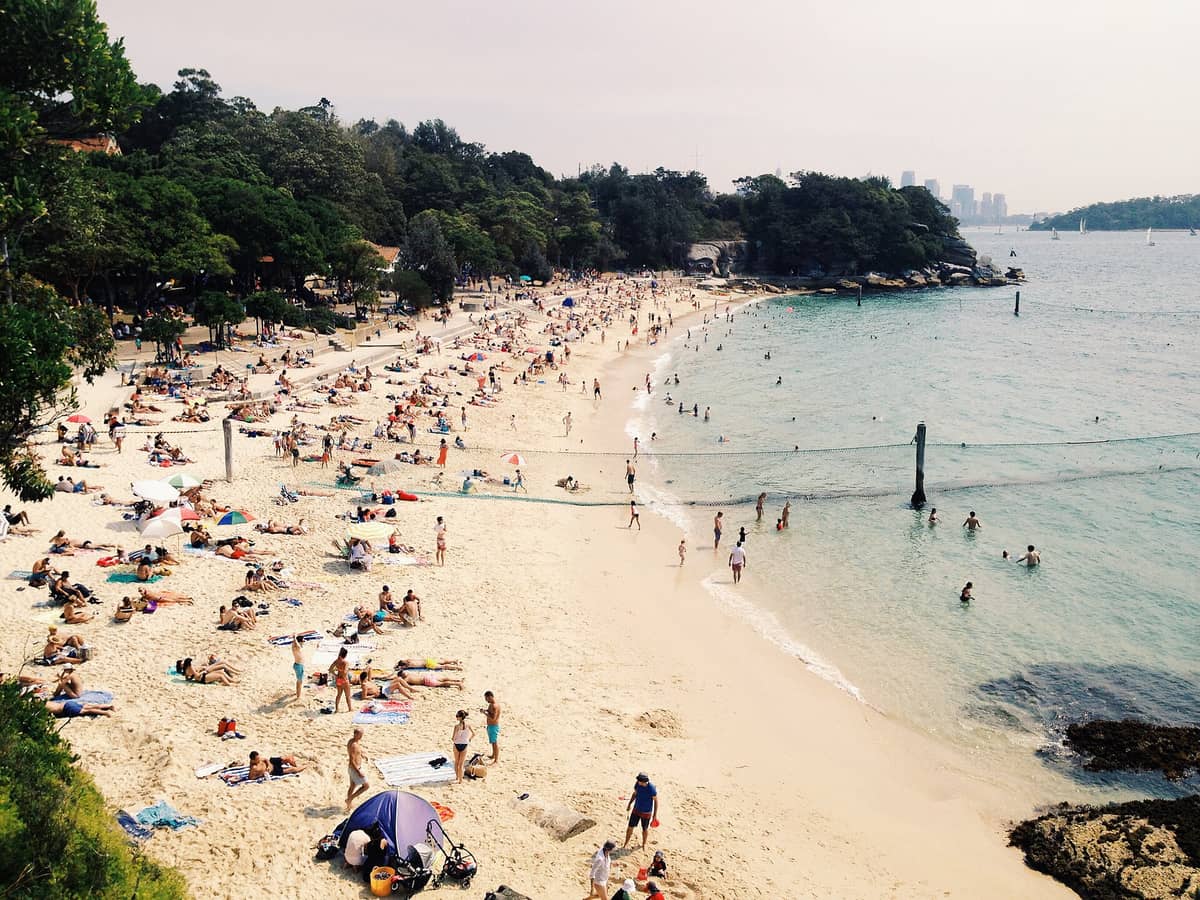
What Nielsen Park Actually Is
Nielsen Park is a public reserve within Sydney Harbour National Park, sitting on the harbour foreshore at Vaucluse, roughly 10 kilometres east of the CBD. At its centre is Shark Beach, a short arc of sand protected by a shark net during summer, facing northwest into the harbour. The water here is calm, tidal, and typically clear enough to see the bottom in knee-deep sections.
Despite the name, Shark Beach is one of the safer swimming spots in Sydney. The enclosure shelters the swimming area from surf, but conditions can vary and strong rip currents may occur.
The park was set aside for public enjoyment as early as 1879, making it one of Sydney's oldest recreational reserves. It sits within a broader national park that wraps around the harbour's southern headlands, and shares the same bushland corridor as attractions like Watsons Bay further east. The surrounding vegetation is Sydney sandstone scrub and dry sclerophyll forest, with scribbly gums visible as soon as you leave the picnic area.
ℹ️ Good to know
There is no general admission charge for Nielsen Park or Shark Beach. The $7 per person landing fee listed on some NSW National Parks pages applies only to Shark Island, a separate island in the harbour — not to this beach.
The Setting: What You See When You Arrive
The bus drops you at a low residential street, and the park entrance feels almost domestic. Within a minute of walking, that changes. The canopy opens onto a wide, flat picnic lawn bordered by Moreton Bay figs with roots that look like they belong in a botanical garden. The trees provide genuine shade, not decorative shade, and on warm days you can feel the temperature drop by several degrees underneath them.
Past the lawn, a concrete promenade runs along the beach frontage. The beach itself is about 200 metres long, gently curved, with coarse golden sand that gets firmer toward the waterline. On a clear morning, you can see across to the bush-covered slopes of Middle Head and, further out, past the entrance to the harbour. On still days the water surface acts like a mirror and the reflections of the sandstone headlands on the far shore are almost photographic.
Greycliffe House sits at the park's edge, a Victorian Gothic sandstone cottage built in 1852. It operates as a park office and occasional heritage tour venue. Its pointed arched windows and ornate bargeboards look architecturally incongruous next to gum trees and a harbour beach, which makes it quietly fascinating. The building is not generally open for walk-in visits, but it is clearly visible from the picnic area and worth a slow look from the outside.
Tickets & tours
Live prices and dates from our booking partner. If you book, we may earn a commission at no extra cost to you.
The Rocks historic walking tour
From 20 €Instant confirmationFree cancellationBeginner surf lesson at Bondi Beach
From 79 €Instant confirmationFree cancellationSydney whale-watching cruise with breakfast or lunch
From 62 €Instant confirmationFree cancellationBlue Mountains Waterfalls Full-Day Tour with Lunch and Dinner
From 171 €Instant confirmationFree cancellation
How the Experience Changes by Time of Day
Early mornings, particularly on weekdays, are the most rewarding time to visit. By 7am the light is low and golden across the water, the picnic tables are mostly empty, and the only sounds are harbour birds and the occasional ferry horn in the distance. Cormorants sit on the shark net poles drying their wings. The air smells of salt and eucalyptus, which is a combination that feels specifically Sydney in a way that is hard to describe.
From late morning through early afternoon on summer weekends, the dynamic shifts noticeably. The picnic lawn fills with groups claiming tables, and the beach itself becomes properly busy. The water remains calm regardless of crowds, but finding shade under the fig trees requires arriving before 10am. Parking in the surrounding streets can become difficult for those driving.
Late afternoons bring a second, quieter wave. Swimmers leave as the afternoon cools, but the light on the water in the hour before sunset is particularly good for photography. The northwest-facing aspect of the beach means the last light catches the harbour surface directly. If you take the bus and arrive around 4pm on a weekday, you are likely to have long stretches of beach almost to yourself.
💡 Local tip
Aim for a Tuesday to Thursday visit during school terms for the most relaxed experience. Summer weekends between December and February attract peak crowds by mid-morning.
Swimming and the Shark Net
Shark Beach has an enclosure net during the summer months that helps define the swimming area. The netted zone is large enough for laps, and the depth in the centre reaches roughly 2 metres at high tide, shallowing to wading depth at the edges. The bottom is sandy with occasional patches of seagrass visible in clearer conditions.
The water temperature follows harbour seasonal patterns. In summer, surface temperatures in Sydney Harbour typically reach the low-to-mid 20s Celsius, and Shark Beach benefits from the relatively sheltered, shallow aspect that can make the water feel warmer than ocean beaches in the same conditions. In winter, harbour temperatures drop to around 15–17°C, which is cold but not prohibitive for regular swimmers. The beach sees year-round use from locals who swim regardless of season.
There are no surf lifesavers on duty here. Although the beach is sheltered from ocean surf, conditions can vary and strong rip currents may occur; stay alert, particularly with young children. Check NSW National Parks for any temporary closures, which can occur during poor weather or high fire danger periods.
Getting There and Getting Around
The most practical access is Bus 325 from Circular Quay, which stops directly at the park. The journey takes around 30–40 minutes depending on traffic and time of day. Check live Transport for NSW trip planner for current timetables. If you are combining the visit with Watsons Bay or the broader harbour foreshore, the 325 route connects both areas. For an overview of how Sydney's bus network fits into a wider itinerary, the getting around Sydney guide covers Opal card use and ferry options in detail.
Driving is possible but Vaucluse side streets have limited parking, and on summer weekends spaces fill fast. There is no large dedicated car park at the park entrance, but parking is available in Greycliffe Avenue. Rideshares are a reasonable alternative for a half-day trip if public transport timing does not suit.
Wheelchair access from Greycliffe Avenue down to the Shark Beach promenade is rated as easy by NSW National Parks, with a ramp leading from the promenade to the beach. An accessible toilet and bench seating along the promenade are available. The picnic lawn surface is generally firm and flat.
Food, Facilities, and What to Bring
The Shark Beach Kiosk operates within the park and serves food and drinks, though hours and availability vary. Its seating faces the beach and the view from those tables is genuinely one of the better outdoor dining situations in the eastern suburbs. That said, the kiosk is not a restaurant and the menu is straightforward. Most visitors either bring a picnic or treat the kiosk as a top-up.
Covered barbecue facilities and picnic tables are available on a first-come basis. The facilities include toilets. Bring more sunscreen than you think you need: the reflected light off the harbour water is intense, and the breeze can mask how strong the UV exposure is. NSW regularly records high UV indices even on overcast days. Sun protection is not optional.
If you prefer a more structured food experience, Watsons Bay is accessible on the same bus route and has full restaurant options at the water's edge. Nielsen Park itself works best for those who arrive prepared to settle in for a few hours rather than those looking for a quick visit with a cafe stop.
Who May Not Enjoy This Visit
Nielsen Park is not the right choice for visitors looking for surf, big waves, or an ocean beach atmosphere. The harbour water is calm and enclosed, which is a feature for families but a drawback for anyone seeking the physical energy of a Sydney ocean beach. For that, the eastern suburbs have better options.
Visitors on a tight sightseeing schedule may find the 30-40 minute bus ride from the city centre hard to justify for a beach that, however pleasant, does not have the landmark status of Bondi Beach or the coastal scenery of the Bondi to Coogee coastal walk. Nielsen Park rewards those who come specifically for the calm and the setting, not those ticking boxes.
The park may close during poor weather or fire danger, which is worth checking before making the trip in summer, particularly after dry spells. No specific warning system exists beyond the NSW National Parks website and the NSW Rural Fire Service.
Insider Tips
- Take the 325 bus to the last stop on the Nielsen Park route and walk back through the park rather than retracing your steps. The short bush track section above Shark Beach gives a different view of the harbour through the tree canopy.
- The Moreton Bay figs on the picnic lawn throw their best shade from late morning onward — arrive early to secure a table near the water side of the lawn, which gets breeze off the harbour through the afternoon.
- Greycliffe House hosts periodic heritage tours run by NSW National Parks. These are rarely publicised prominently, so check the official website in advance if the history of the estate interests you.
- Bring a snorkel. The water near the shark net edges often has small fish and the visibility on calm days is better than most people expect from a harbour beach.
- The beach faces northwest, which means the afternoon light hits the water directly. If photography matters to you, plan to arrive by 3pm and stay until around 5pm for the best conditions.
Who Is Nielsen Park & Shark Beach For?
- Families with young children who need calm, safe swimming water rather than surf
- Picnickers wanting a genuine harbour setting without paying for a ferry tour
- Swimmers looking for a quiet weekday alternative to crowded ocean beaches
- Photographers interested in harbour light and Victorian sandstone architecture
- Visitors combining a half-day in Vaucluse with a stop at Watsons Bay on the same bus route
Nearby Attractions
Other things to see while in Bondi & the Eastern Beaches:
- Bondi Beach
Bondi Beach is a 1-kilometre arc of white sand in Sydney's eastern suburbs, free to enter and open year-round. It draws everyone from serious surfers to Sunday café-goers, and its promenade connects to one of the city's great coastal walks. Here is what to know before you go.
- Bondi Icebergs Pool
Perched at the southern tip of Bondi Beach, the Bondi Icebergs Pool is a 50-metre saltwater lap pool carved into the sandstone headland. The Bondi Icebergs Winter Swimming Club was established in 1929, it offers one of the most photographed swim experiences in Australia, with waves crashing over the pool walls and the full sweep of Bondi Beach stretching to the north.
- Bondi to Coogee Coastal Walk
The Bondi to Coogee Coastal Walk is a free 6-kilometre clifftop route connecting two of Sydney's most famous beaches. It takes in ocean pools, sandstone headlands, cemetery views, and a string of smaller beaches that most visitors never reach. Allow 2 to 3 hours at a relaxed pace.
- Bronte Beach
Tucked between Bondi and Coogee, Bronte Beach offers a more relaxed pace than its famous neighbours. With a free ocean pool, a grassy reserve backed by sandstone cliffs, and direct access to the coastal walk, it rewards visitors who venture a little further south.
Planning a trip? Discover personalized activities with the Nomado app.