What to Eat in Sydney: A Complete Food Lover's Guide
Sydney's food scene is one of the most diverse and seriously good in the world, shaped by decades of immigration, exceptional local produce, and a coastal geography that puts extraordinary seafood at the centre of the table. This guide covers the dishes, markets, neighbourhoods, and practical tips you actually need.
Tickets & tours
Live prices and dates from our booking partner. If you book, we may earn a commission at no extra cost to you.
TL;DR
- Sydney's food identity is built on fresh seafood, multicultural street food, and world-class café culture — not one single cuisine.
- The Sydney Fish Market is a precinct with 40+ independent retailers, not a single restaurant — prices and hours vary by stall, and the whole site is open daily 7am–10pm.
- For neighbourhood eating, Surry Hills leads for restaurants, Newtown for late-night and budget eating, and Circular Quay for harbour-view dining (with a tourist price premium).
- Tipping is discretionary in Australia — rounding up or adding 10% at restaurants is appreciated but never expected.
- Sydney's best eating follows the seasons: summer brings mangoes, cherries, and stone fruit; winter brings citrus, root vegetables, and hearty braises at the city's better bistros.
What Makes Sydney's Food Scene Distinctive

Sydney's food culture is the product of geography and migration working together over decades. The harbour and coastline deliver some of the Southern Hemisphere's finest seafood. Waves of immigration from China, Vietnam, Lebanon, Greece, Italy, and more recently Korea and India have created a city where you can eat extraordinarily well from a dozen different culinary traditions within a few blocks of each other. The result is a food scene that resists a single label.
The city also benefits from its position within New South Wales, one of Australia's most productive agricultural states. The Hunter Valley to the north produces wine. The Southern Highlands and Blue Mountains supply cool-climate produce. The Hawkesbury River region sends vegetables and oysters into the city's restaurants and markets. If you want to understand the produce side of things, Sydney's markets are the best starting point — particularly the Sydney Fish Market and Paddy's Markets in Haymarket.
ℹ️ Good to know
Australia has no compulsory tipping culture. At cafés and casual restaurants, most people pay exactly what's on the bill. At mid-range to fine dining, rounding up or adding around 10% is common but entirely optional. Check whether a service charge has already been added before leaving extra.
Seafood: Where Sydney Truly Excels
Seafood is the cornerstone of eating well in Sydney, and the Sydney Fish Market is where that conversation starts. The new market building, opened in recent years on Pyrmont's waterfront, now houses more than 40 retailers covering seafood, cafés, a bakery, and restaurants. The precinct is officially open daily from 7am to 10pm, but individual retailers set their own hours — some open early for wholesale trade, others only later in the morning. Check the official market site before planning a specific visit.
The market's prawn, oyster, and fish selections change with the catch, and prices are set independently by each retailer, so shopping around pays off. Sydney rock oysters are the local benchmark: smaller and more intensely flavoured than Pacific oysters, they're farmed in estuaries along the NSW coast. A dozen at a market stall will typically cost significantly less than the same quantity at a harbourside restaurant. For a fresh, no-fuss meal, buy a dozen oysters, a bag of cooked prawns, and find a spot near the waterfront.
- Sydney Rock Oysters The local species, smaller and brinier than Pacific oysters, at their best from autumn through winter. Farmed in Merimbula, Port Stephens, and the Hawkesbury River.
- Moreton Bay Bugs A flathead lobster-like crustacean with sweet, firm flesh. Usually grilled or served cold with aioli. Genuinely delicious and underrated by visitors.
- Barramundi Australia's most recognisable fish, with flaky white flesh. Farmed and wild-caught versions both appear on Sydney menus; wild-caught from Northern Australia is the better choice.
- Balmain bugs and morwong Less internationally known, these local species appear on the menus of better Sydney seafood restaurants and are worth trying when available.
- Fish and Chips at the Beach A genuine Sydney tradition. Seagull aggression near Bondi and Manly is the main hazard.
⚠️ What to skip
The Sydney Fish Market is not a single restaurant with fixed prices. It is a precinct of independent retailers, each setting their own prices and hours. Prices for popular items like prawns and crabs can vary significantly between stalls, and seasonal availability affects what's on offer. Always check before assuming something is in stock.
Sydney's Multicultural Food Neighbourhoods
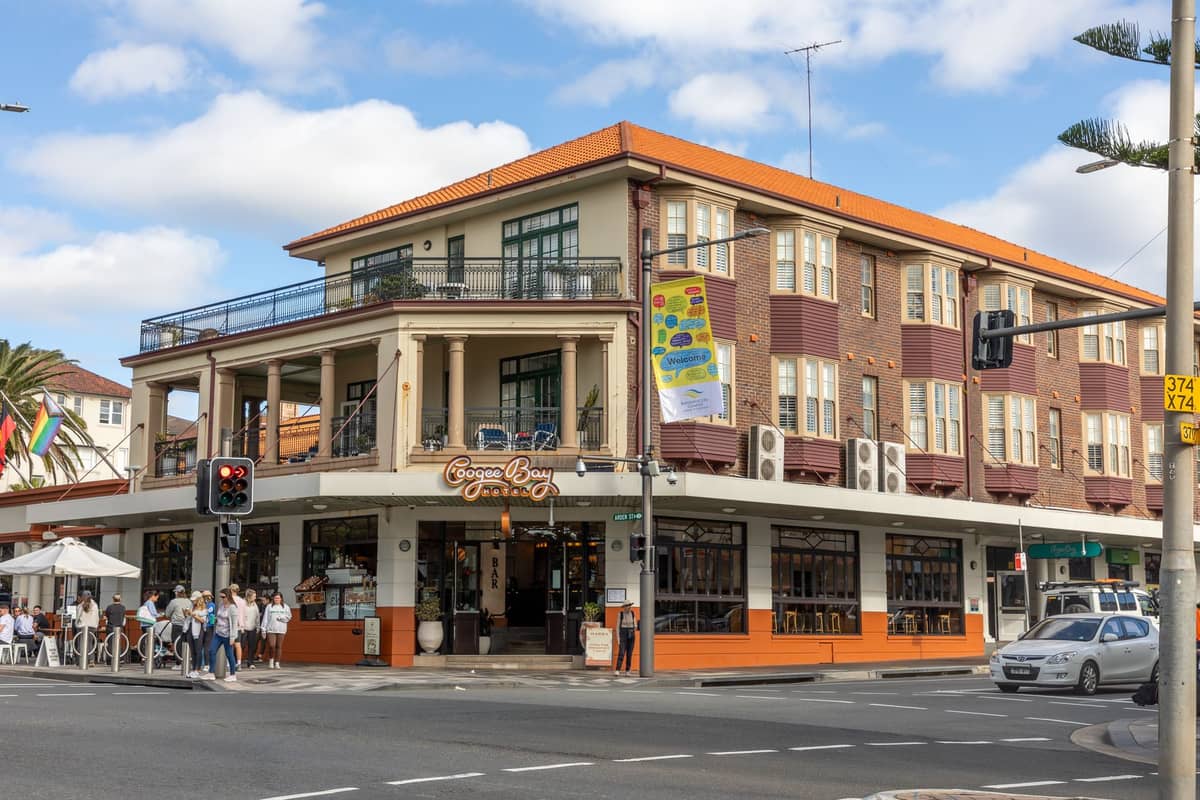
No single neighbourhood defines Sydney's food scene, but a few are worth understanding before you start planning meals. Surry Hills is the city's most restaurant-dense suburb, running the full spectrum from neighbourhood bistros to serious fine dining. Crown Street and its side streets reward slow walking and spontaneous decisions.
Newtown's King Street is the city's best strip for budget eating and late-night meals. Vietnamese, Thai, Korean fried chicken, Sri Lankan curries, and a strong vegan presence sit alongside each other. Most places are open until at least 10pm, and several run well past midnight on weekends. It's not polished — that's the point.
Chinatown in Haymarket is the city's most obvious destination for Chinese food, but the quality varies more than you'd expect. The upper floors of the Sussex Centre and Market City food courts offer better value than the street-level restaurants on Dixon Street, which lean heavily on tourist foot traffic. For Cantonese yum cha (dim sum), arrive before 11am on weekends to avoid a long queue. Golden Century, now at Crown Sydney in Barangaroo, is the revived benchmark for live-tank Cantonese seafood (the original Sussex Street site closed in 2021), particularly live mud crab and lobster.
The Lebanese community centred around Lakemba in Sydney's south-west produces some of the city's most authentic Middle Eastern food, but it's a 30-minute train ride from the CBD. For visitors staying centrally, Newtown and Surry Hills both have reliable Lebanese and broader Middle Eastern options. Pide, falafel, and shawarma at good quality are available across the inner west at prices that feel like a different city from the CBD.
✨ Pro tip
For the most economical and authentic multicultural eating, ride the train west. Cabramatta (Vietnamese), Lakemba (Lebanese), and Strathfield (Korean) are all reachable on a standard Opal card tap for a few dollars. These suburbs eat very differently from the tourist-facing inner city, and the food is often better for it.
Markets, Produce, and Seasonal Eating
Sydney's relationship with fresh produce is serious. The Sydney Markets wholesale complex at Flemington supplies most of the city's groceries, but for visitors, the accessible entry points are the retail markets: Paddy's Markets in Haymarket (open Wednesday to Sunday, 10am–6pm — confirm hours before visiting as they can change on public holidays), Paddington Markets on Saturdays, and Glebe Markets on Saturday mornings.
The city's seasonal rhythm matters if you're planning meals around local produce. Summer (December to February) means mangoes, cherries, berries, stone fruit, tomatoes, and sweet corn at their peak. Autumn (March to May) brings figs, persimmons, and the first citrus. Winter (June to August) is the season for navel oranges, mandarins, broccoli, sweet potatoes, and hearty cooking generally. Spring (September to November) sees asparagus, early strawberries, and lighter preparations returning to restaurant menus. The NSW seasonal produce guide maintained by Sydney Markets provides reliable monthly breakdowns.
- Summer (Dec–Feb): mangoes, cherries, stone fruit, heirloom tomatoes, sweet corn, fresh herbs
- Autumn (Mar–May): figs, persimmons, feijoas, early citrus, root vegetables
- Winter (Jun–Aug): navel oranges, mandarins, broccoli, cauliflower, sweet potatoes, leeks
- Spring (Sep–Nov): asparagus, strawberries, early peas, rhubarb, fresh garlic
Sydney's Café Culture and Coffee Scene
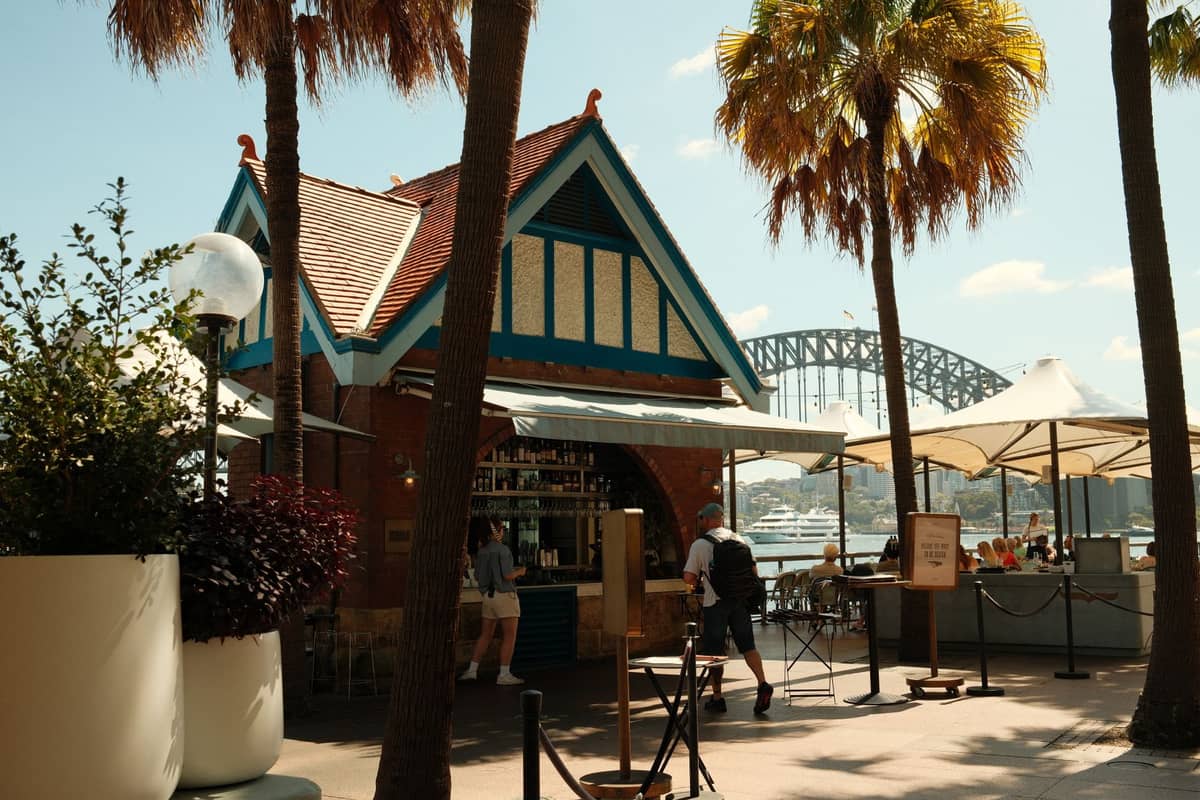
Sydney takes coffee seriously — genuinely seriously, in a way that can surprise first-time visitors from countries where filter coffee still dominates. The city's café culture is built around espresso, and the flat white (a double shot with steamed milk and a thin microfoam layer, smaller than a latte) originated in this part of the world, though Sydney and Melbourne both claim it. For a deeper dive into where to drink and what to order, the Sydney coffee guide covers the city's best roasters and neighbourhoods in detail.
For casual eating, Sydney's café breakfast culture is exceptional. Smashed avocado on toast became a cliché partly because Sydney café kitchens did it genuinely well before it spread everywhere. More interesting now are the café menus building around local grains, fermented products, and seasonal vegetables. Brunch in Surry Hills or Newtown on a Saturday morning is a legitimate Sydney experience: expect queues at the best spots from around 9am, and expect the wait to be worth it.
What to Skip and What's Overrated
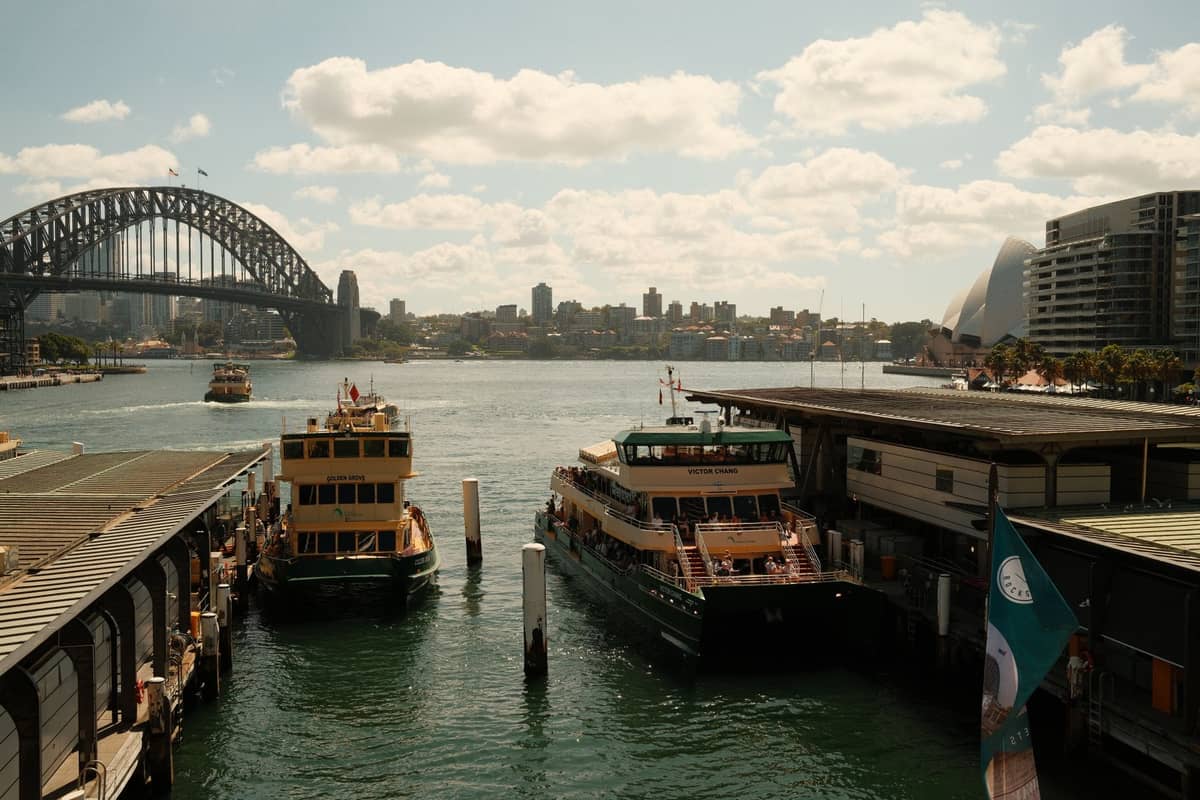
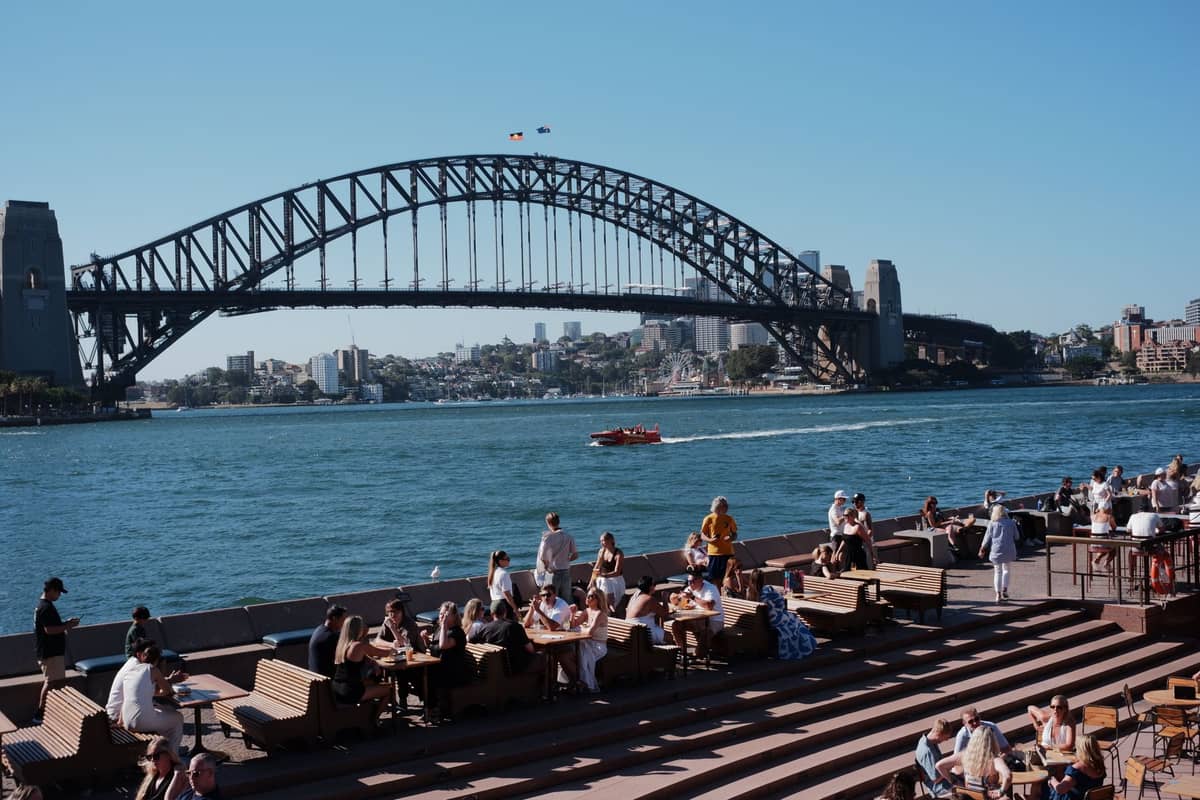
Restaurants with prime harbour views at Circular Quay command a significant premium, and the food quality rarely justifies it. The setting is genuinely spectacular, but you're paying for the view of the Opera House and Harbour Bridge more than what's on the plate. If you want the view, go for drinks or dessert rather than a full meal.
The food court situation in the CBD is worth knowing: many are fine for a quick, cheap meal, but the quality gap between a CBD food court and the restaurant strips in Surry Hills or Newtown is substantial. If you have the mobility to travel 20 minutes from the CBD, do it for at least a couple of meals.
The Rocks markets on weekends can be charming, but the food stalls are tourist-oriented and the prices reflect that. It's worth a walk, but not worth planning a serious meal around. For genuinely good food with a local crowd, Glebe and Paddington markets offer more interesting eating and a more grounded atmosphere.
Budget eating in Sydney is harder than it used to be, but it's not impossible. Newtown and Cabramatta remain the best value in the inner city and surrounds. For more ideas on eating without spending heavily, the Sydney on a budget guide covers affordable options across the city in more detail.
FAQ
What is the most iconic food to try in Sydney?
Sydney rock oysters are the most location-specific food you can eat here — they're farmed along the NSW coast and taste different to any oyster variety you'll find elsewhere. After that, fresh prawns from the Sydney Fish Market and a flat white from a Surry Hills café are genuine local experiences rather than tourist constructs.
Is the Sydney Fish Market worth visiting?
Yes, but go in with realistic expectations. It's a working seafood precinct with 40+ independent retailers, not a restaurant or theme park. The best approach is to arrive before 10am, buy fresh seafood or a cooked breakfast from one of the stalls, and eat by the water. Prices vary between retailers, so it's worth looking at two or three stalls before buying. The precinct is officially open daily 7am–10pm, but individual stall hours differ.
What neighbourhoods have the best restaurants in Sydney?
Surry Hills has the highest concentration of quality restaurants across all price points. Newtown is the best for budget eating and late-night options. Chinatown (Haymarket) is essential for Chinese, Vietnamese, and broader Asian food. For a neighbourhood with a more relaxed pace and good cooking, Paddington and Potts Point are both worth an evening.
How much should I budget for food in Sydney?
A basic café breakfast costs AUD 15–25. A casual lunch at a neighbourhood restaurant runs AUD 20–35 per person. A mid-range dinner with drinks is typically AUD 60–100 per person. At the budget end, Newtown's takeaway options and Chinatown's food courts can feed you for AUD 10–15. Sydney is not a cheap city, but you can eat very well without spending at fine-dining prices.
Is tipping expected at Sydney restaurants?
No. Tipping is discretionary in Australia and never expected. Most people pay the exact bill amount. At mid-range to upscale restaurants, rounding up or adding around 10% is a common courtesy if you've had good service, but no one will think less of you for not tipping. Always check whether a service charge has already been included in the total.
Tickets & tours
Live prices and dates from our booking partner. If you book, we may earn a commission at no extra cost to you.
Planning a trip? Discover personalized activities with the Nomado app.