Sydney Coffee Guide: Best Cafes and the Flat White Culture Explained
Sydney has one of the most serious coffee cultures in the world, anchored by the flat white and driven by a generation of specialty roasters and technically obsessed baristas. This guide covers where to drink, what to order, how much to pay, and which neighbourhoods to explore cup by cup.
Tickets & tours
Live prices and dates from our booking partner. If you book, we may earn a commission at no extra cost to you.
TL;DR
- Sydney's coffee culture is genuinely world-class, with Surry Hills and Newtown among the best precincts for specialty espresso in Australia.
- The flat white originated in Australia and New Zealand, with a Sydney café (Moors Espresso Bar, 1985) among the earliest documented uses of the term. Read more in our Sydney food and drink guide.
- A small flat white averages around A$5.80 across Sydney, but prices vary by suburb and venue, so always check the menu.
- The flat white is not standardised: cup size, shot count and milk texture differ by café. Ask your barista if the details matter to you.
- Best coffee neighbourhoods: Surry Hills, Newtown, Redfern, Bondi, and the CBD laneways around Clarence and York Streets.
Why Sydney's Coffee Culture Stands Apart
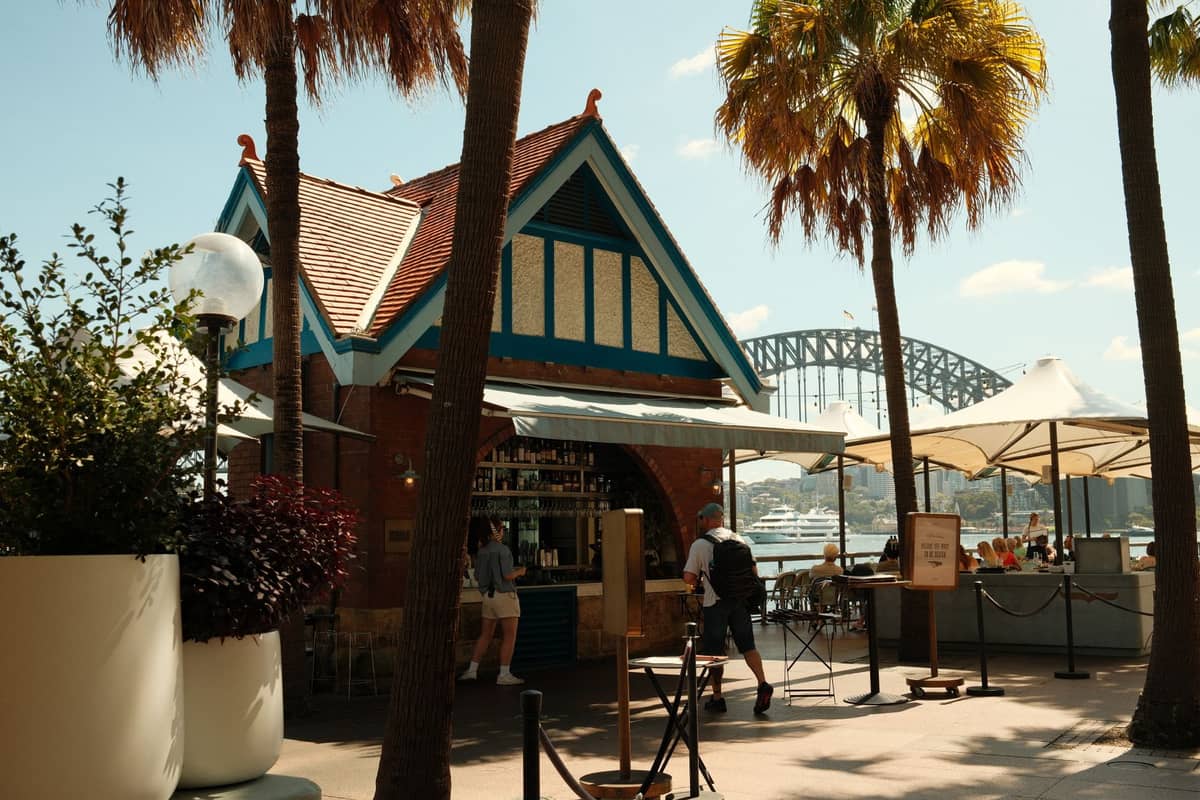
Sydney is one of a small number of cities where ordering a bad coffee is genuinely difficult. The standard across neighbourhood cafés, independent roasters, and even most hotel restaurants is consistently high in a way that surprises many international visitors. This is not an accident. A coffee culture that has been compounding for four decades, driven by Italian and Greek migrant café owners in the 1950s and 1960s and later refined by a wave of specialty roasters in the 2000s, has produced a city where barista craft is taken seriously at every price point.
The flat white sits at the heart of this culture. Sydney has a documented claim to the term's origin: the phrase appeared on a menu at Moors Espresso Bar on York Street in 1985, according to ABC News reporting. New Zealand also has credible claims, so the question of who invented it is genuinely unresolved. What is clear is that the flat white became the default order for Sydneysiders long before it appeared on menus in London or New York. If you want to understand how Sydney lives, watching how locals interact with their neighbourhood café is as revealing as any landmark.
ℹ️ Good to know
A flat white is not the same drink everywhere. The term describes espresso with steamed milk and a fine layer of integrated microfoam, but the cup size (typically 150–200ml), number of shots, and milk texture vary by café and barista. If you prefer a specific ratio or strength, ask before the milk hits the cup.
The Best Coffee Neighbourhoods in Sydney
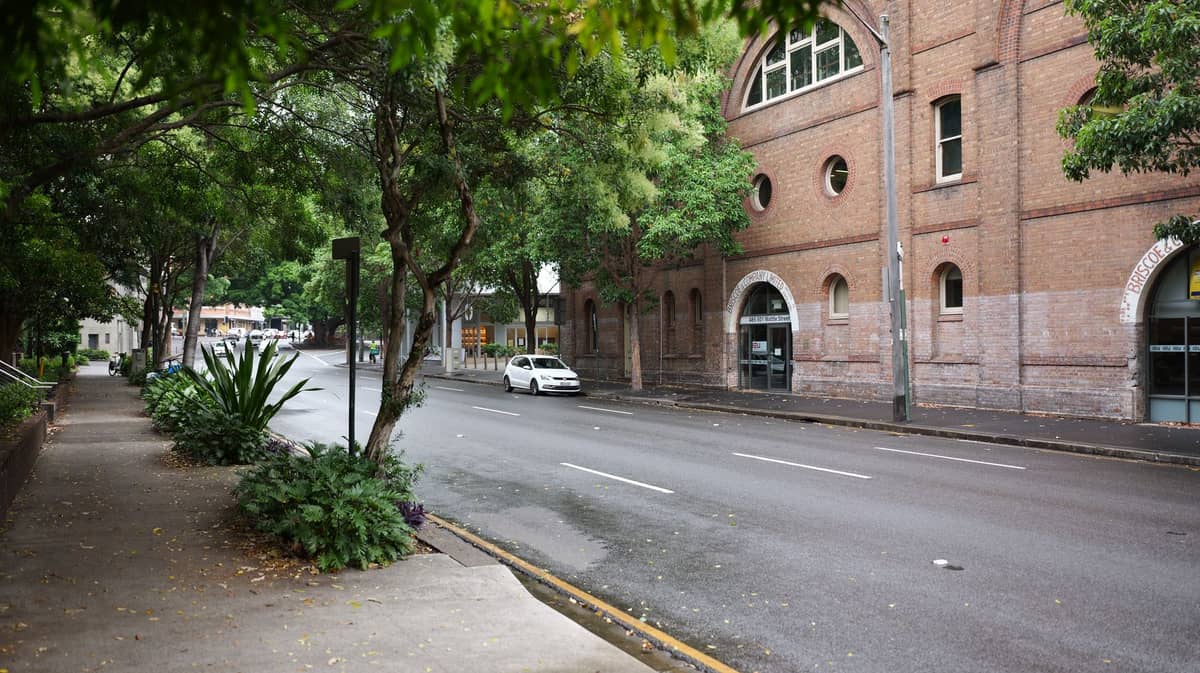
Surry Hills is the undisputed centre of gravity for specialty coffee in Sydney. The suburb is dense with roasters, single-origin-focused cafés, and the kind of equipment you only see in cities that take coffee seriously. Crown Street and its surrounding streets form a walkable coffee precinct where you could spend a morning moving from cup to cup without repeating a café. It is also one of the best neighbourhoods in the city full stop, as covered in our Surry Hills and Darlinghurst neighbourhood guide.
Newtown, along King Street in the inner west, has a different energy: more eclectic, more student-influenced, with a strong presence of independent cafés that have been operating for decades. The neighbourhood is less precious about coffee than Surry Hills, which some people prefer. It is also one of the most interesting places to eat and drink in the city generally. Our Newtown and Inner West guide covers the full picture.
Bondi's coffee scene caters to a crowd that wants quality without sitting still for too long. Many cafés near the beach are set up for takeaway, with queues moving fast on weekend mornings. The trade-off is that some spots lean heavily on the postcode's reputation rather than the quality in the cup. Stick to cafés where you can see the grinder being adjusted regularly and the milk being steamed to order.
Redfern, sandwiched between Surry Hills and the CBD, has developed a quieter but increasingly serious coffee culture over the past decade. It tends to attract locals rather than visitors, which means shorter queues and often better value. The CBD laneways, particularly around Clarence Street, York Street, and Barrack Street, are worth navigating for a pre-meeting flat white that is better than most city-centre hotel coffee.
- Surry Hills Best for: specialty roasters, single-origin espresso, weekend café crawls. Concentration of quality is higher here than anywhere else in the city.
- Newtown Best for: long blacks at independent cafés, relaxed atmosphere, no-fuss quality. King Street between Newtown and Enmore stations is the core strip.
- Bondi and Eastern Beaches Best for: takeaway flat whites with ocean proximity. Quality varies more than in Surry Hills; ask locals which spots they actually go to.
- Redfern Best for: serious coffee without the scene. Fewer tourists, lower prices, and a genuine neighbourhood feel.
- CBD Laneways Best for: pre-meeting or post-meeting espresso. Look around Clarence, York and Barrack Streets rather than the main pedestrian malls.
What to Order: A Practical Menu Decoder
Sydney café menus assume a level of familiarity that can wrong-foot international visitors. The vocabulary is specific, and getting it wrong often means receiving a drink you did not want. Here is what actually appears on most menus and what it means in practice.
- Flat white Espresso with steamed milk, fine integrated microfoam, typically 150–200ml. The default order for most Sydneysiders. Stronger milk-to-coffee ratio than a latte, less foam than a cappuccino.
- Long black Hot water with a double espresso poured over it. This is what Australians drink when they want black coffee. Stronger than an Americano and preserves more crema. Do not ask for an Americano unless you want to confuse the barista.
- Short black A single or double espresso. Rarely ordered by name in Sydney; most people just ask for an espresso.
- Piccolo latte A small latte served in a 90–100ml glass. Essentially a flat white with slightly more milk relative to the espresso. Popular at specialty cafés.
- Cold brew / batch brew Available at most specialty cafés, particularly in summer (December–February). Cold brew is steeped overnight; batch brew is filter coffee brewed in larger quantities. Both are worth ordering at cafés that take them seriously.
- Magic A Melbourne-originated order that has spread to Sydney: a double ristretto in a 130ml cup with steamed milk. More intense than a flat white. Not on every menu; ask if you are interested.
⚠️ What to skip
Do not order a 'medium' or 'large' coffee by those terms at a specialty café. Sydney baristas size drinks by type and shot count, not by American fast-food cup sizes. If you want more coffee, ask for an extra shot or a larger cup, but expect a conversation about whether it will taste better or just bigger.
How Much Does Coffee Cost in Sydney?
A 2026 Flat White Index survey of Sydney cafés reports an average price of A$5.80 for a small flat white, making Sydney one of the more expensive cities in Australia for coffee but still competitive with comparable cities internationally. Prices vary meaningfully by suburb: inner-city specialty cafés in Surry Hills or Paddington often charge A$6.00–6.50, while neighbourhood cafés in the outer suburbs typically sit at A$4.50–5.50. These are survey figures; always check the café's current menu before ordering.
Milk alternatives (oat, almond, soy) are almost universally available but come with a surcharge of around A$0.80–1.00 at most cafés. Specialty coffee will cost slightly more than the average at cafés that import single-origin beans or run their own roastery. Batch brew and filter coffee, where available, is often priced at A$4.00–5.00 and is worth considering if you drink black coffee.
💡 Local tip
Tipping is not expected or required at Australian cafés. It is entirely discretionary. Some cafés have tip jars on the counter; others offer a tip option on the card machine. Leaving a small tip for exceptional service is appreciated but will not change how you are treated if you do not.
Specialty Roasters Worth Knowing
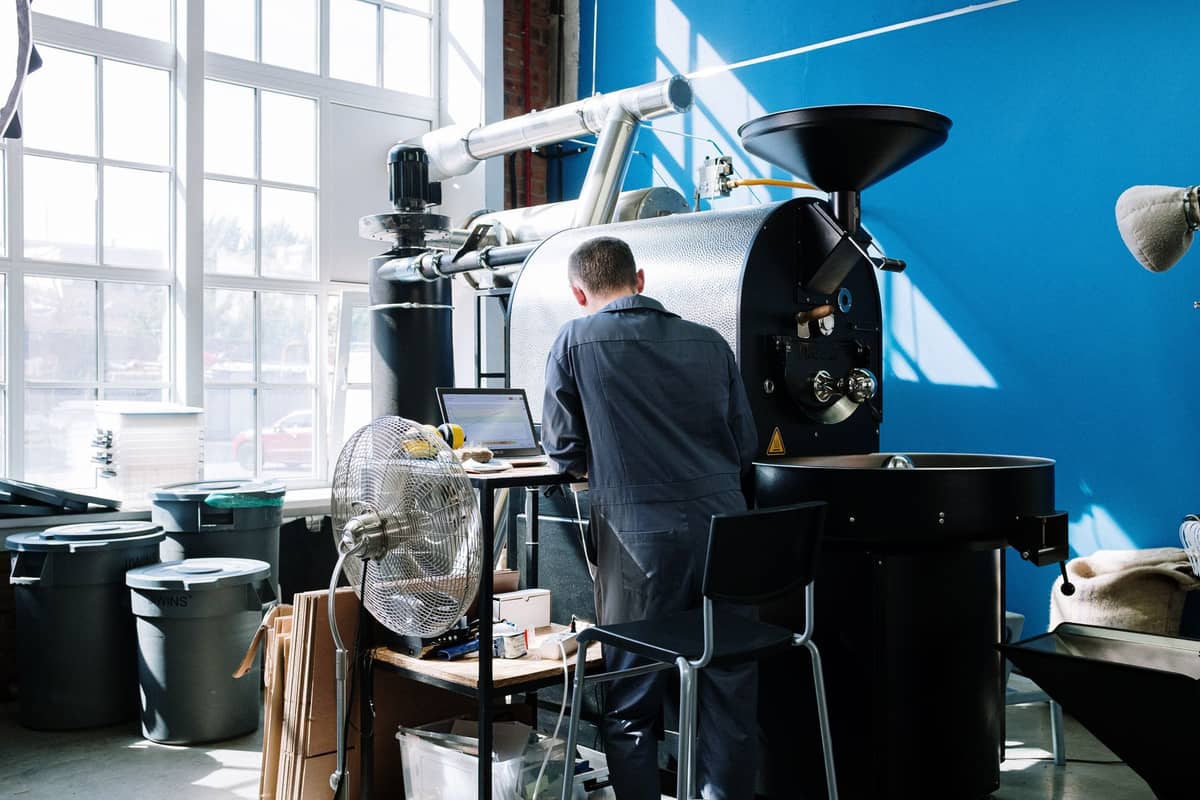
Sydney has a strong generation of independent roasters who source, roast, and serve their own beans. These are not café chains with a roasting side project. The best ones take the supply chain seriously, work directly with farms or importers, and adjust their roast profiles for specific brewing methods. If you care about where your coffee comes from, these are the places to seek out.
The roaster-café model, where you can buy retail bags of the beans in your cup, is now common across Surry Hills, Newtown, and Redfern. This is useful for visitors who want to take home something specific. Most roasters also run occasional cupping sessions or brewing workshops, which are worth checking if you have time. Confirm schedules directly with the venue, as these vary by season and demand.
For the broader food and drink context in these neighbourhoods, the Sydney food guide covers where coffee fits into a longer morning or brunch itinerary. Many of Sydney's best cafés are also serious about their food, particularly brunch, which runs later here than in most cities: ordering brunch at 11:30am is completely normal, and many cafés serve brunch menus until 2:30 or 3pm.
Practical Tips for Navigating Sydney's Café Scene
Weekend mornings between 9am and 11:30am are the peak period at most Sydney cafés, particularly in Bondi, Surry Hills, and Newtown. Queues at popular spots can run 20–30 minutes. Arriving before 9am or after midday on weekends solves the problem almost entirely. Weekday mornings are significantly calmer, and some of the best cafés are at their most focused during the mid-week rush.
Most Sydney cafés do not take reservations; they are walk-in only. Many do not have phone numbers in the traditional sense, relying instead on Instagram for updates about hours and menu changes. If a café has changed hours or closed for a private event, this is where you will find out. For planning a broader visit that incorporates coffee stops, our 3-day Sydney itinerary maps café neighbourhoods alongside key attractions.
If you are visiting Sydney during summer (December–February), note that some smaller cafés take a partial break over Christmas week or reduce their hours. The coffee scene is otherwise year-round, though cold brew and iced drinks become a significantly larger part of the menu from November onward. Winter (June–August), with mild temperatures averaging 17–19°C at midday, is actually a pleasant time to café-hop on foot, particularly in the inner suburbs. For a full seasonal breakdown, see our guide on the best time to visit Sydney.
- Avoid the main tourist precincts (Circular Quay, Darling Harbour) for coffee unless you have no choice. Quality drops and prices rise near the major attractions.
- Ask for your milk preference upfront. Full cream milk is the default; baristas will not automatically ask.
- At specialty cafés, trust the barista's recommendation on bean and brew method if you are open to it. Most are happy to talk through options.
- If a café has a filter coffee or batch brew option, it is worth trying. These are often the best expression of what a roaster is doing with a specific bean.
- Cashless payment is standard at most Sydney cafés. Contactless card or phone payment is accepted almost everywhere; carrying cash specifically for coffee is unnecessary.
✨ Pro tip
The best café in any Sydney neighbourhood is rarely the one with the longest queue or the most Instagram followers. Ask the person behind you in the queue where the locals actually go. Sydney's coffee culture has deep enough roots that most residents have strong opinions about their neighbourhood's best cup, and they are usually right.
For visitors combining coffee with sightseeing, the ferry to Manly is a good example of how to structure a morning: grab a flat white in the CBD or at Circular Quay before boarding, walk the foreshore in Manly, and find a café on the Corso or near Manly Beach for a second cup. The ferry itself takes around 30 minutes and is one of the better ways to see the harbour. Our Sydney ferry guide covers routes, fares, and what to see along the way.
FAQ
What is a flat white and how is it different from a latte?
A flat white is espresso with steamed milk and a thin, integrated layer of microfoam, typically served in a 150–200ml cup. A latte is larger (usually 220–300ml or more) with more milk relative to the coffee and a slightly thicker foam layer. The flat white has a stronger coffee flavour because the milk-to-espresso ratio is lower. That said, there is no universal standard: cup size and shot count vary by café, so ask if you want specifics.
Did Sydney invent the flat white?
Sydney has a documented claim: the term appeared on a menu at Moors Espresso Bar on York Street in 1985, according to ABC News reporting. New Zealand also has credible and well-documented claims to the drink's origin. The question is genuinely unresolved, and both countries claim it with equal conviction. What is undisputed is that the flat white has been central to Australian coffee culture for decades before it spread internationally.
How much does a flat white cost in Sydney?
Based on a 2026 Flat White Index survey of Sydney cafés, the average price of a small flat white is around A$5.80, though this varies by suburb and venue. Specialty cafés in Surry Hills or Paddington often charge A$6.00–6.50. Neighbourhood cafés in less central areas typically charge A$4.50–5.50. Milk alternative surcharges (oat, almond, soy) add around A$0.80–1.00. Always check the current menu at the café you visit.
Which Sydney neighbourhood has the best coffee?
Surry Hills has the highest concentration of quality specialty cafés in Sydney, making it the most reliable neighbourhood for serious coffee. Newtown is strong for independent cafés with a more relaxed atmosphere. Redfern is worth considering if you want quality without queues or tourist crowds. Bondi has good options near the beach but requires more selectivity. The CBD laneways around Clarence and York Streets are the best bet if you are staying in the city centre.
Are Sydney cafés open seven days a week?
Most Sydney cafés operate seven days a week, typically from around 7am to 3pm or 4pm, though hours vary by venue. Some specialty cafés keep shorter hours on Mondays or close one day a week. Cafés in business-heavy CBD areas may have reduced weekend hours. During the Christmas and New Year period (late December to early January), some smaller cafés reduce hours or close for a short break. Check the café's current hours directly or via their social media before visiting.
Tickets & tours
Live prices and dates from our booking partner. If you book, we may earn a commission at no extra cost to you.
Planning a trip? Discover personalized activities with the Nomado app.