Things to Do in Sydney: The Definitive Guide
Sydney rewards exploration far beyond the postcard shots. This guide covers the best things to do in Sydney Australia — iconic landmarks, great beaches, cultural highlights, and neighbourhood experiences — with practical detail on timing, costs, and getting around.
Tickets & tours
Live prices and dates from our booking partner. If you book, we may earn a commission at no extra cost to you.
TL;DR
- The Sydney Opera House and Harbour Bridge are the obvious starting points, but the city's coastal walks, ferry rides, and inner-city neighbourhoods are what make it genuinely worth several days of your time — see our 3-day Sydney itinerary for a practical framework.
- Shoulder seasons (March–May and September–November) offer mild temperatures of roughly 20–26°C and smaller crowds at major attractions.
- Use an Opal card or contactless bank card for all public transport — trains, metro, buses, ferries, and light rail. Note: the airport station access fee sits outside the standard Opal travel cap.
- Beaches require attention: always swim between the red and yellow flags at patrolled beaches. Conditions vary significantly between spots — check our guide to Sydney's best beaches before choosing where to go.
- Tipping is discretionary in Australia, tap water is safe to drink, and most visitors need a visa or Electronic Travel Authority arranged before arrival — check the Australian Department of Home Affairs visa finder.
The Iconic Waterfront: Where to Start
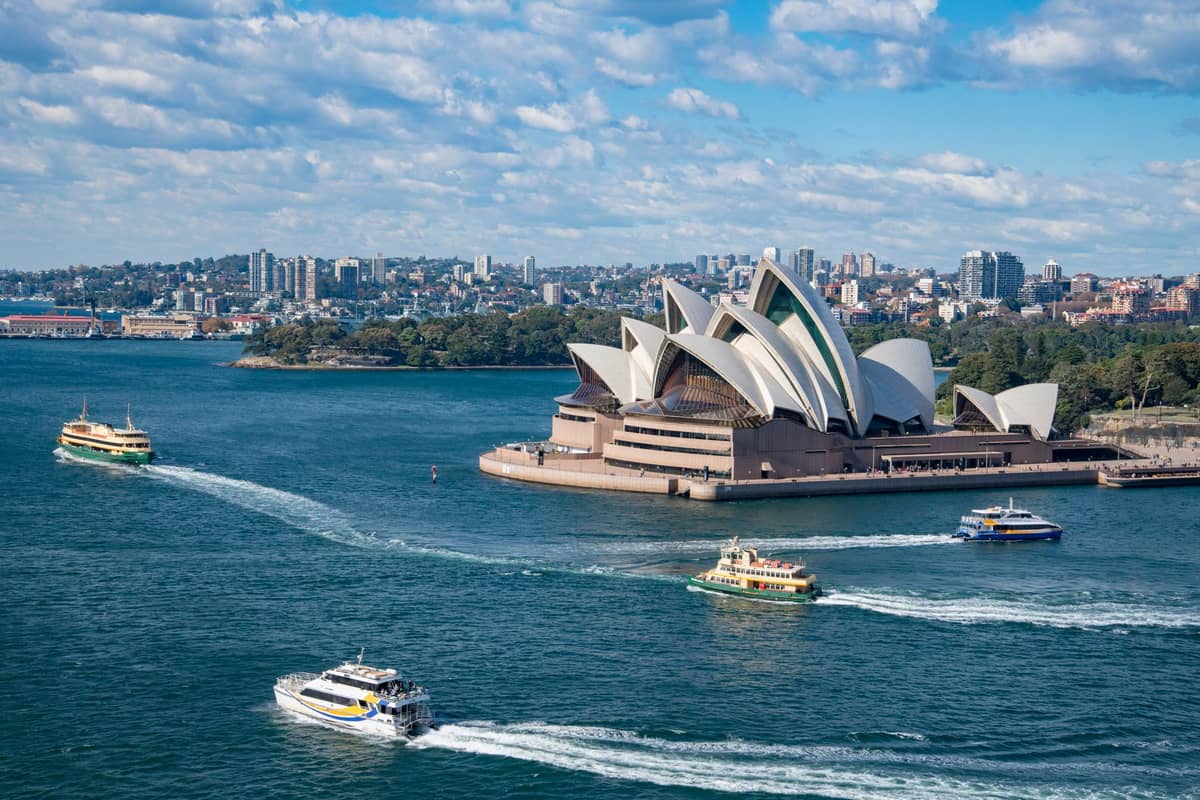
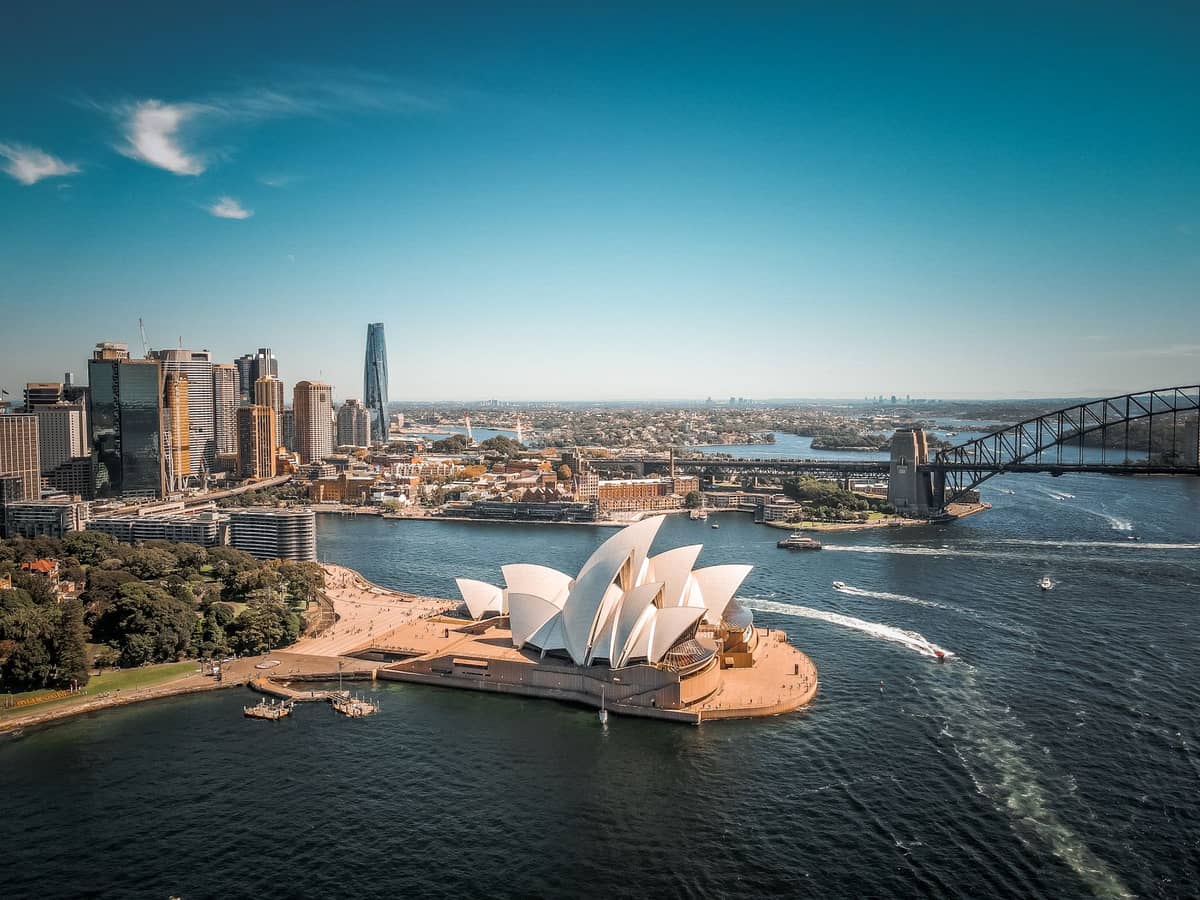
Sydney Harbour is the geographic and emotional centre of the city, and no visit makes sense without spending real time on and around the water. The Sydney Opera House is more than a photo opportunity — book a guided tour to understand Jørn Utzon's engineering decisions, or buy a ticket to an actual performance, which is often surprisingly affordable for rush seats. The building looks best in the late afternoon when the shell-like tiles catch the light from the west.
Across the water, the Sydney Harbour Bridge offers two genuinely different experiences. The BridgeClimb takes you to the top of the arch (around AUD 325–435 depending on time and availability — verify current pricing before booking), but simply walking or cycling across the bridge via the pedestrian and cycle lane is free and gives you excellent harbour views. The BridgeMuseum at the southeastern pylon charges admission and is significantly less crowded than the full climb.
The area around Circular Quay and The Rocks is where most visitors orient themselves. The Rocks is Sydney's oldest European-settled precinct, with a weekend market and streets of 19th-century sandstone buildings. It can feel touristy mid-afternoon, but early morning or evening it has genuine character. The Museum of Contemporary Art Australia sits right on Circular Quay and has free general admission — one of the better deals in the city.
💡 Local tip
For the best harbour views without paying for a cruise, take the Manly Ferry from Circular Quay. It's a regular public transport service covered by your Opal card or contactless payment, and the 30-minute crossing gives you a panoramic view of the Opera House, the Bridge, and the harbour heads. See our Sydney ferry guide for routes, fares, and timetables.
Beaches and Coastal Walks Worth Your Time
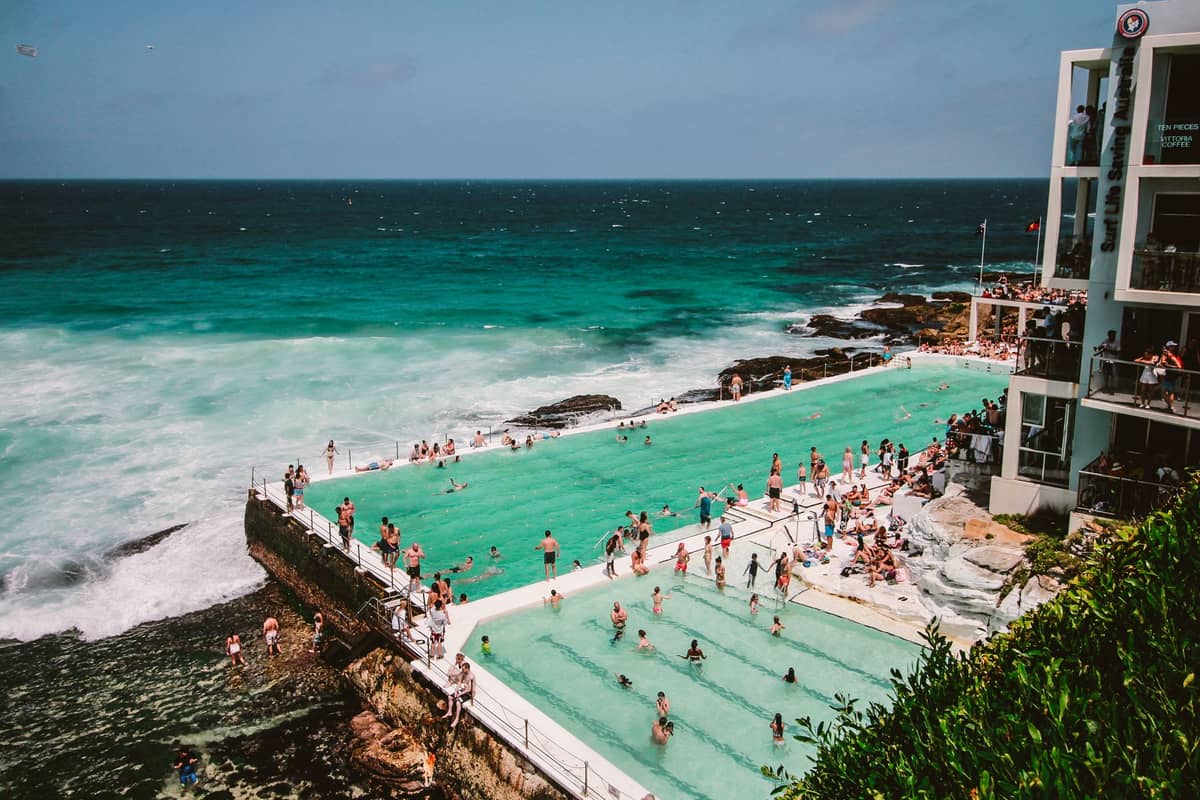
Sydney's eastern coastline is one of its strongest cards. Bondi Beach is the name everyone knows, and it delivers — a wide arc of sand backed by the suburb's cafes and the famous Bondi Icebergs Pool, which sits at the southern end of the beach and is one of the most photographed pools in the world. Summer weekends (December through February) are genuinely crowded; if you want Bondi without the masses, a Tuesday morning in October or April is a different experience entirely.
The Bondi to Coogee coastal walk is the most rewarding few hours you can spend in Sydney for free. The 6-kilometre route runs south along the cliffs from Bondi, passing Tamarama, Bronte Beach, Clovelly, and Coogee Beach. Allow two to three hours if you plan to stop. The path is mostly paved and manageable, but there are sections with stairs. Early morning on weekdays is ideal — you get the ocean views before the crowds and the sun reaches full intensity.
On the northern side of the harbour, Manly Beach has a different feel to Bondi — it's longer, slightly less crowded on average, and backed by a relaxed esplanade rather than a dense suburb. Nearby Shelly Beach is a protected cove about a 15-minute walk from Manly's main beach and one of the better snorkelling spots close to the city. The Manly Scenic Walkway extends west from Manly along the harbour foreshore through bushland — underrated compared to the Bondi to Coogee route, and significantly less trafficked.
⚠️ What to skip
Sydney beaches can be dangerous even on calm-looking days. Rip currents are common and not always visible from the shore. Swim only at patrolled beaches during patrol hours and stay between the red and yellow flags. If you're unsure about conditions, ask a lifeguard before getting in the water. Patrol hours vary by beach and season — check Surf Life Saving NSW for current patrol schedules.
Cultural Experiences and Museums
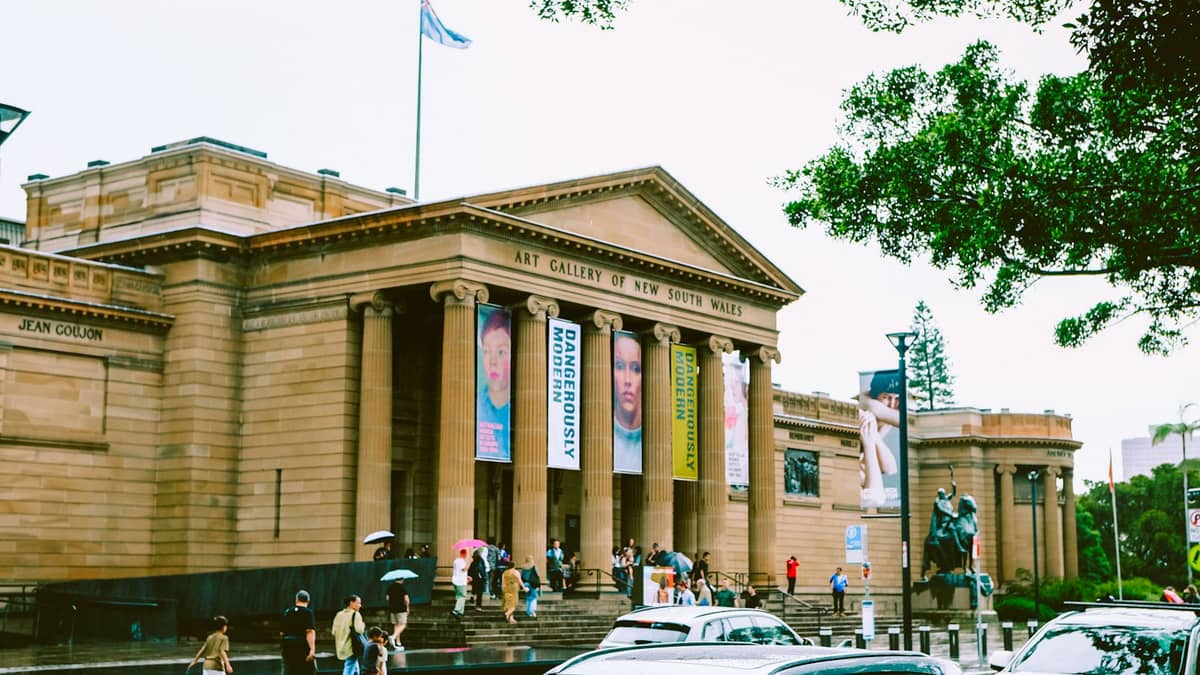
Sydney's cultural scene is strongest in three places: the domain near the CBD, Darling Harbour, and scattered across the inner suburbs. The Art Gallery of New South Wales has free entry to its permanent collection and sits beside the Royal Botanic Garden. The collection spans Australian, Aboriginal and Torres Strait Islander, and international work. The gallery's North Building expansion, called the Sydney Modern Project, opened in 2022 and significantly increased both the gallery's space and its focus on contemporary and First Nations art.
At Darling Harbour, the Australian National Maritime Museum covers Australia's relationship with the sea from Indigenous seafaring to modern naval history. Admission to the main galleries is free; some vessels and special exhibitions charge entry. The Sea Life Sydney Aquarium is next door and is worth considering if you're travelling with children, though it's priced at a premium — booking online in advance is consistently cheaper than paying at the door.
- Art Gallery of NSW Free permanent collection; covers Australian, Indigenous, and international art. The 2022 Sydney Modern expansion added significant contemporary focus. Located on Art Gallery Road near the Domain.
- Australian Museum Natural history and cultural collection, one of the oldest museums in Australia. General admission to permanent exhibitions is free; special exhibitions are ticketed.
- Museum of Contemporary Art Australia (MCA) Free general admission, right on Circular Quay. Strong on Australian and international contemporary work, with rotating exhibitions.
- Museum of Sydney Built over the foundations of Australia's first Government House. Good for understanding colonial and pre-colonial Sydney history. General admission is free.
- White Rabbit Gallery Free entry, focused entirely on 21st-century Chinese contemporary art. Located in Chippendale, open Thursday to Sunday. One of the more distinctive collections in the city.
Neighbourhoods Worth Exploring on Foot
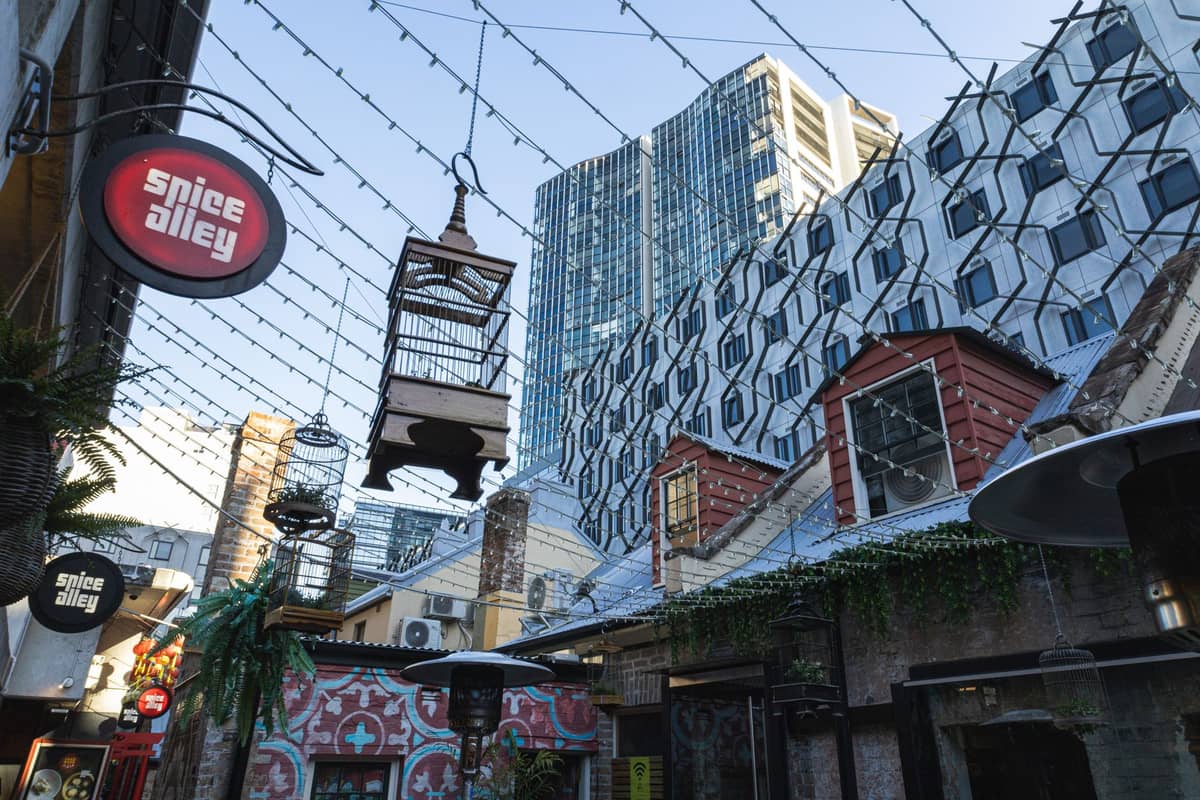
The best things to do in Sydney aren't always at ticketed attractions. The city's inner neighbourhoods reward slow walking and spontaneous stops. Surry Hills and Darlinghurst sit just east of the CBD and have some of the city's most interesting cafes, restaurants, and independent shops. Surry Hills in particular has become a benchmark for Sydney's coffee culture — expect flat whites taken seriously and queues at the better spots on weekend mornings.
Newtown offers a different character: King Street runs through it with secondhand bookshops, vintage clothing, Thai restaurants at every price point, and a genuinely diverse crowd. It's about 4 kilometres from the CBD and well connected by train. The suburb is popular with students, artists, and long-term residents who find the more tourist-heavy eastern suburbs overstated.
Paddington is the place for Victorian terrace houses, art galleries on William Street and Oxford Street, and the Saturday Paddington Markets at Uniting Church. The markets run weekly and mix local designers, vintage items, and handmade goods. It's a legitimate local institution rather than a purely tourist operation. From Paddington, it's an easy walk downhill into the eastern beaches suburbs if you want to combine neighbourhood browsing with a beach afternoon.
✨ Pro tip
Sydney's markets scene is worth planning around. Glebe Markets (Saturday mornings) and Paddington Markets (Saturday) are the most established. Carriageworks Farmers Market (Saturday mornings in Eveleigh) is the best for food — it stocks produce from NSW farmers and is a genuine farmers market rather than a craft fair with food on the side. Arrive before 9am for the best selection.
Day Trips and Escapes from the City
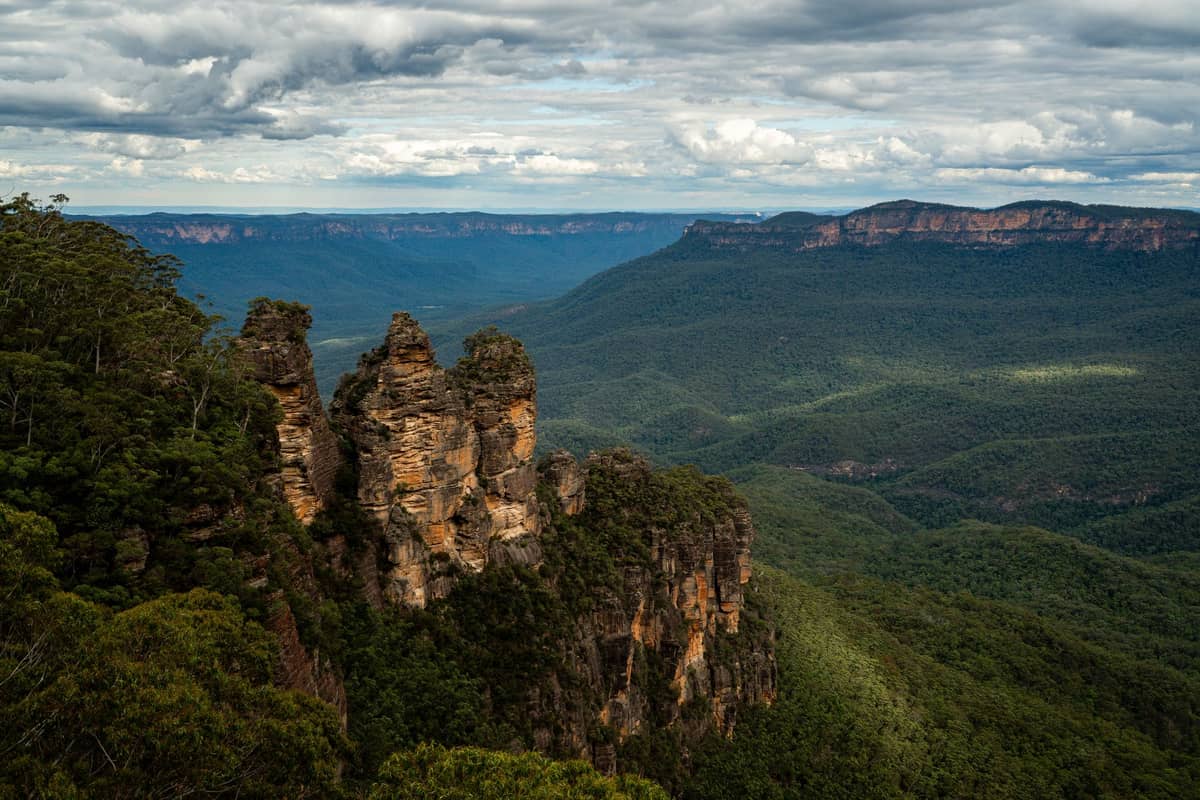
Sydney's geography puts some remarkable day trip options within reach. The Blue Mountains National Park begins around 50 kilometres west of the CBD and is accessible by train from Central Station to Katoomba in roughly two hours. The Three Sisters rock formation at Echo Point is the obvious drawcard, but the walking tracks around Katoomba and Leura reward anyone who goes beyond the lookout car park. Scenic World at Katoomba operates a railway, cable car, and boardwalk loop through the Jamison Valley, and is particularly good for those with limited mobility or time.
Closer to the city, the Royal National Park sits about 32 kilometres south of the CBD and is the second-oldest national park in the world. The coastal walk from Bundeena to Otford is excellent, and the park's Garie Beach is genuinely remote-feeling for somewhere so close to a major city. Access is by train to Cronulla and then ferry to Bundeena, or by car from the southern suburbs. Entry fees for vehicles apply.
- Blue Mountains (Katoomba) About 2 hours by train from Central. Best for bushwalking, cliff-edge lookouts, and the Three Sisters. Go on a weekday to avoid weekend visitor volume at Echo Point.
- Royal National Park Around 1 hour from the CBD. Coastal walks, beaches, and rainforest. Accessible by train plus ferry, or by car. Entry fee for vehicles applies.
- Manly and the Northern Beaches The ferry ride alone is worth the trip. Palm Beach at the northern end of the peninsula is around 1.5 hours by bus from the city and has a completely different feel to the eastern beaches.
- Hunter Valley Around 2.5 hours north by car. NSW's most established wine region, better suited to a weekend than a rushed day trip. Cellar doors typically open from 10am.
- Jervis Bay About 3 hours south by car. Known for some of the whitest sand beaches in Australia and dolphin populations in the bay. Fits better as an overnight trip than a day trip.
Practical Information for Visiting Sydney
Greater Sydney had 5,231,147 people at the 2021 Census and operates on Australian Eastern Standard Time (AEST, UTC+10), shifting to AEDT (UTC+11) during daylight saving in the warmer months. All prices are in Australian dollars (AUD). Sydney Airport (SYD) sits around 8–9 kilometres from the CBD. The Airport Link train connects the airport terminals to city stations in roughly 13 minutes, with adult fares around AUD 21–23 including the airport access fee depending on peak/off-peak timing — verify current fares on the Transport for NSW website before travelling. Rank taxis from Sydney Airport to the designated CBD area are a fixed AUD 60 for a standard taxi (AUD 80 for a requested maxi); confirm current rules before travel.
Getting around Sydney is straightforward with an Opal card or a contactless bank card, which work on trains, metro, buses, ferries, and light rail. One important detail many visitors miss: the airport station access fee is separate from the standard Opal fare structure and does not count toward your daily travel cap. For ferry routes and how to make the most of Sydney's water transport, the Sydney ferry guide covers everything you need. For a full breakdown of public transport options and navigation, see the getting around Sydney guide.
Sydney's climate is temperate coastal. Summers (December to February) bring mean daily maximums around 26–27°C. Winters (June to August) are mild by international standards, with maximums around 17–19°C and minimums around 7–9°C — not cold enough to significantly disrupt outdoor plans, but cool enough that a jacket is useful in the evenings. Rain occurs in every season, with higher monthly averages in late summer and autumn. There is no sharply defined dry season. The shoulder months of March to May and September to November are generally the most comfortable for sightseeing, with smaller crowds at major sites.
Australia uses Type I electrical plugs at 230V/50Hz — bring an adapter if your devices use a different standard. Tap water in Sydney is safe to drink. Tipping is not expected or required; it is entirely discretionary. Emergency services are reached by calling 000. Most international visitors need an Electronic Travel Authority or visa arranged before departure — eligibility depends on your passport, so check the official Australian Department of Home Affairs visa finder before booking flights.
FAQ
What are the best free things to do in Sydney?
The Bondi to Coogee coastal walk, walking across the Harbour Bridge, the Art Gallery of NSW (permanent collection), the Museum of Contemporary Art Australia (general admission), and exploring The Rocks and Circular Quay foreshore are all free. Many of Sydney's best beaches — Bondi, Manly, Bronte, Coogee — have no entry fee. The Royal Botanic Garden in the CBD is also free to enter. For a full breakdown, see the free things to do in Sydney guide.
How many days do you need in Sydney?
Three days covers the major waterfront attractions, one or two beaches, and a neighbourhood or two. Five to seven days allows you to add a Blue Mountains day trip, explore more of the inner suburbs, and get a proper feel for the city's pace. If you only have one or two days, prioritise the harbour, one coastal walk, and one neighbourhood over trying to see everything.
What is the best time of year to visit Sydney?
The shoulder seasons — March to May and September to November — offer mild temperatures (roughly 20–26°C daily maximums) and more manageable crowds at popular sites. Summer (December to February) is peak season with the warmest weather and best beach conditions, but also the highest visitor numbers and accommodation prices. Winter is mild enough that sightseeing is comfortable, and it's the lowest-cost season for flights and hotels.
Is it cheap to get from Sydney Airport to the city?
Not by train, relative to other major cities. The Airport Link train costs around AUD 21–23 for an adult to city stations, and the airport station access fee does not count toward your Opal daily travel cap — so it's not offset by other journeys that day. Rank taxis from the airport to the designated CBD area are a fixed AUD 60 (AUD 80 maxi). If you're travelling with luggage and splitting the cost with others, a taxi or rideshare can work out comparable to the train.
What neighbourhoods are worth visiting beyond the tourist centre?
Newtown (inner west) is the best single answer — King Street has bookshops, good food, and a less curated feel than the eastern suburbs. Surry Hills rewards slow walking and has serious cafes and restaurants. Paddington is better for gallery-browsing and the Saturday markets. For a broader overview of how Sydney's neighbourhoods differ from each other, the where to stay in Sydney guide includes clear assessments of each area's character.
Tickets & tours
Live prices and dates from our booking partner. If you book, we may earn a commission at no extra cost to you.
Planning a trip? Discover personalized activities with the Nomado app.