Aboriginal Sydney: History, Culture & Heritage Sites
Sydney sits on the Country of the Eora Nation, home to Aboriginal peoples whose connection to this land stretches back tens of thousands of years. This guide covers the key heritage sites, cultural tours, museums, and ceremonies that offer genuine insight into First Nations history and living culture across the city.
Tickets & tours
Live prices and dates from our booking partner. If you book, we may earn a commission at no extra cost to you.
TL;DR
- Sydney sits on Eora Nation Country, with the Gadigal people the traditional custodians of the city centre area.
- Barangaroo Reserve preserves shell middens and rock engravings dating back around 6,000 years, and runs 90-minute Aboriginal Cultural Tours from $16.50 (children) to $36.30 (adults), Monday to Saturday at 10:30am. Book ahead at Barangaroo Reserve.
- The Australian Museum offers free general admission, free permanent First Nations exhibitions, and guided Waranara Tours on Wednesdays and Saturdays at 11:30am and 1pm, with admission fees..
- Aboriginal culture in Sydney is contemporary and continuing, not only historical. Community events, public artworks, and ceremonies are active throughout the year.
- The WugulOra morning ceremony at Barangaroo on January 26 is one of Sydney's most significant annual cultural events. See our guide to things to do in Sydney for broader context.
Understanding Country: Whose Land Is Sydney Built On?
Before diving into sites and tours, some cultural grounding is worthwhile. Sydney was built on the Country of the Eora Nation, a term that encompasses multiple clan groups who have lived along this coastline, harbour, and hinterland for at least 60,000 years. The Gadigal people are the traditional custodians of the land on which the Sydney CBD and inner city now stand. Other groups whose Country overlaps with modern Sydney include the Wangal, Cammeraygal, Dharug, and Tharawal peoples, among others.
The phrase 'Country' carries a specific meaning in Aboriginal cultures: it refers not just to land but to the deep spiritual, ecological, and ancestral relationship between people and place, including waterways, sky, and all living things. Visitors who understand this distinction tend to engage more meaningfully with the sites and experiences described in this guide. When you hear a Welcome to Country at an event or the start of a tour, it is a genuine cultural protocol delivered by a Traditional Custodian or Elder, not a formality.
ℹ️ Good to know
A common misconception: Aboriginal culture in Sydney is not a relic of the past. The Australian Museum describes First Nations cultures as dynamic and continuing, with living connections to land, place, waters, and community. You will encounter contemporary Aboriginal art, language, ceremony, and leadership throughout the city today.
Barangaroo Reserve: The City's Most Significant Heritage Site
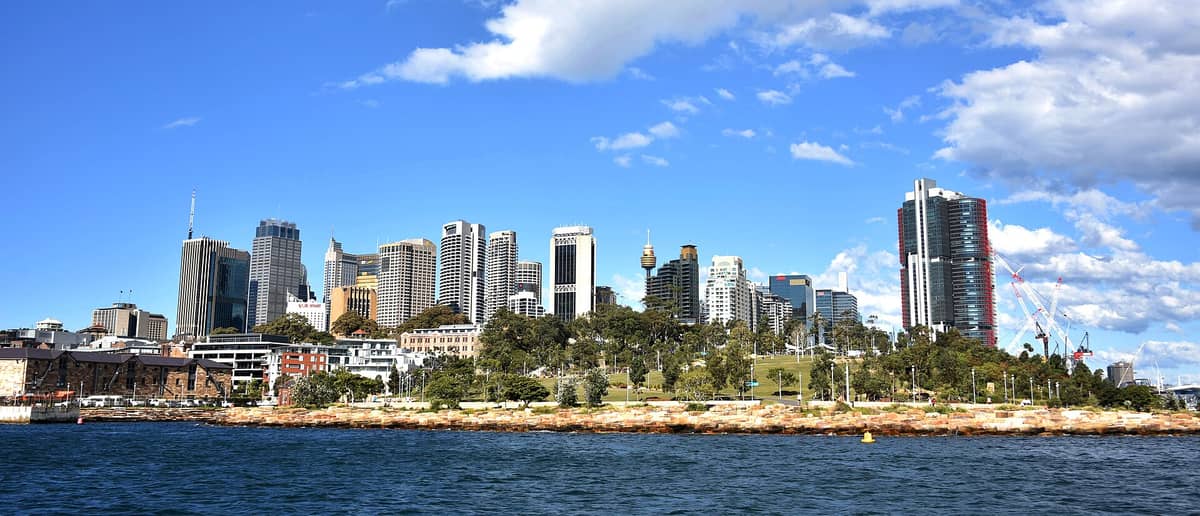
The six-hectare Barangaroo Reserve on the western edge of the CBD is the most accessible place in Sydney to engage with Aboriginal heritage in depth. The park was designed to recreate the pre-colonisation headland landscape, planted with more than 75,000 native plants. Beneath the sandstone terraces, shell middens and rock engravings indicate Aboriginal occupation of this foreshore for around 6,000 years. The site is named after Barangaroo, a Cammeraygal woman and respected Elder who was a prominent figure during the early contact period.
- Aboriginal Cultural Tours Offered Monday to Saturday at 10:30am. Duration: 90 minutes. Prices: $36.30 adults, $22 seniors/concession, $16.50 children 17 and under. Book via the Barangaroo official website. Tours cover the site's history, ecology, and living cultural significance.
- WugulOra Morning Ceremony Held annually on January 26 at Barangaroo. This is one of the largest public Aboriginal cultural gatherings in Sydney, featuring traditional ceremony, dance, and community reflection. Free to attend.
- Public Art and Installations Contemporary Aboriginal artworks are integrated throughout the precinct. Check the Barangaroo website for rotating exhibitions and cultural events across the broader precinct.
- Getting There Barangaroo Reserve is open 24 hours. Access via Barangaroo Metro Station, Barangaroo Wharf, or bus routes 252, 254, 261, 288, 290, and 292.
💡 Local tip
Book the Barangaroo Aboriginal Cultural Tour at least a few days in advance, especially in summer (December to February) and around January 26, when demand is highest. The tour is small-group and sells out regularly.
Museums with First Nations Collections: Where to Go and What to Expect
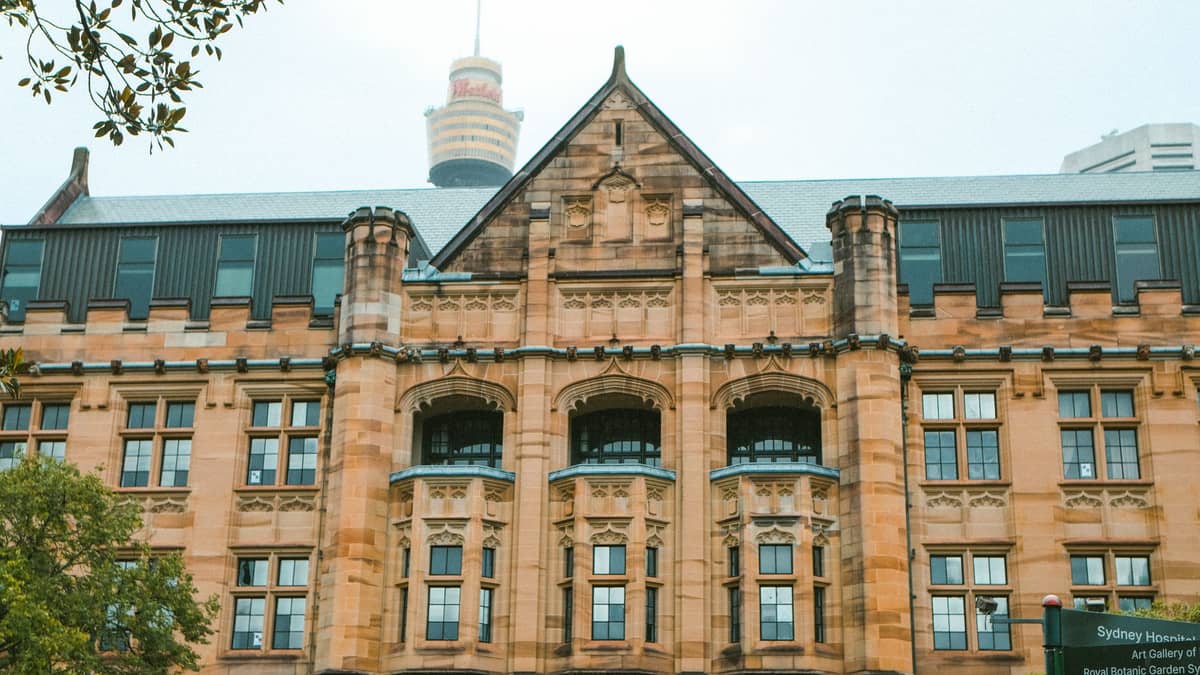
The Australian Museum in the CBD is the best starting point for First Nations cultural history in Sydney. General admission and all permanent exhibitions are free, and the museum is open daily from 10am to 5pm (closed Christmas Day). The First Nations galleries hold one of Australia's oldest and most significant collections, covering cultural objects, language, and histories from across the continent. Importantly, the museum approaches this material as the living heritage of contemporary communities, not archival curiosity.
First Nations Collection Tours run on Wednesdays and Saturdays at 11:30am and 1pm. These guided sessions are led by First Nations guides and provide context that you cannot get from reading labels alone. Special exhibitions with separate entry fees rotate through the year and sometimes focus on specific Aboriginal communities or contemporary artists. Check the Australian Museum website before visiting to see what is currently showing. and provide context that you cannot get from reading labels alone. Special exhibitions with separate entry fees rotate through the year and sometimes focus on specific Aboriginal communities or contemporary artists. Check the Australian Museum website before visiting to see what is currently showing.
The Museum of Sydney stands on the site of the first Government House and acknowledges the Gadigal people in its foundational interpretation. The pavement outside features the 'Edge of the Trees' installation, a collaborative work by Janet Laurence and Fiona Foley that embeds Aboriginal names, voices, and bones into the physical entry of the museum. It is confronting and worth spending time with before you go inside.
For contemporary Aboriginal and Pacific art, the Museum of Contemporary Art Australia at Circular Quay regularly features First Nations artists in its program. Admission to the permanent collection is free. The MCA tends to showcase urban and contemporary Aboriginal artistic voices, which contrasts usefully with the historical framing at the Australian Museum.
Rock Engravings, Sacred Sites, and Places in the Landscape
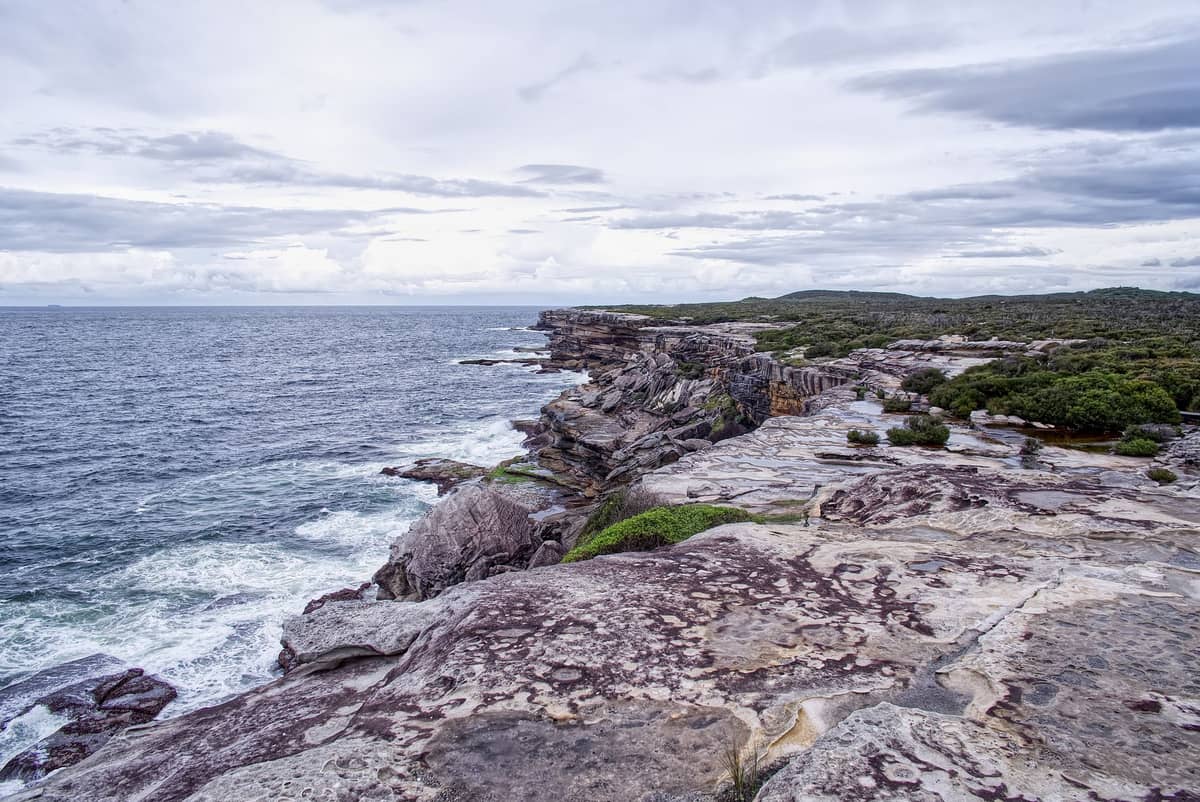
Sydney's Aboriginal heritage is not confined to institutions. The sandstone basin that underlies much of the city is carved with engravings that have survived tens of thousands of years. Many of these sites are within the national parks that ring greater Sydney, and some are accessible to visitors.
Ku-ring-gai Chase National Park, about 30 km north of the city, contains some of the most accessible Aboriginal rock engraving sites in the Sydney region. The Red Hands Cave at Ku-ring-gai Chase National Park preserves hand stencils created using ochre, while the Basin Track and other trails lead to engravings of fish, whales, wallabies, and human figures etched into the sandstone. A NSW National Parks entry fee applies for vehicles; pedestrians typically enter free.
North Head Sanctuary at Manly also sits on significant Cammeraygal Country and offers cultural heritage walks alongside its rich ecological landscape. Combined with a visit to North Head Sanctuary, the ferry crossing from Circular Quay to Manly is itself a crossing of Sydney Harbour waters that Aboriginal peoples have navigated in bark canoes for thousands of years.
⚠️ What to skip
Rock engravings and sacred sites across Greater Sydney are protected under NSW and Commonwealth heritage legislation. Do not touch, climb on, or trace engravings. Some sites are deliberately not publicised to protect them from damage. If you are unsure whether a site is open to visitors, check with NSW National Parks before visiting.
Guided Tours: Choosing the Right Experience
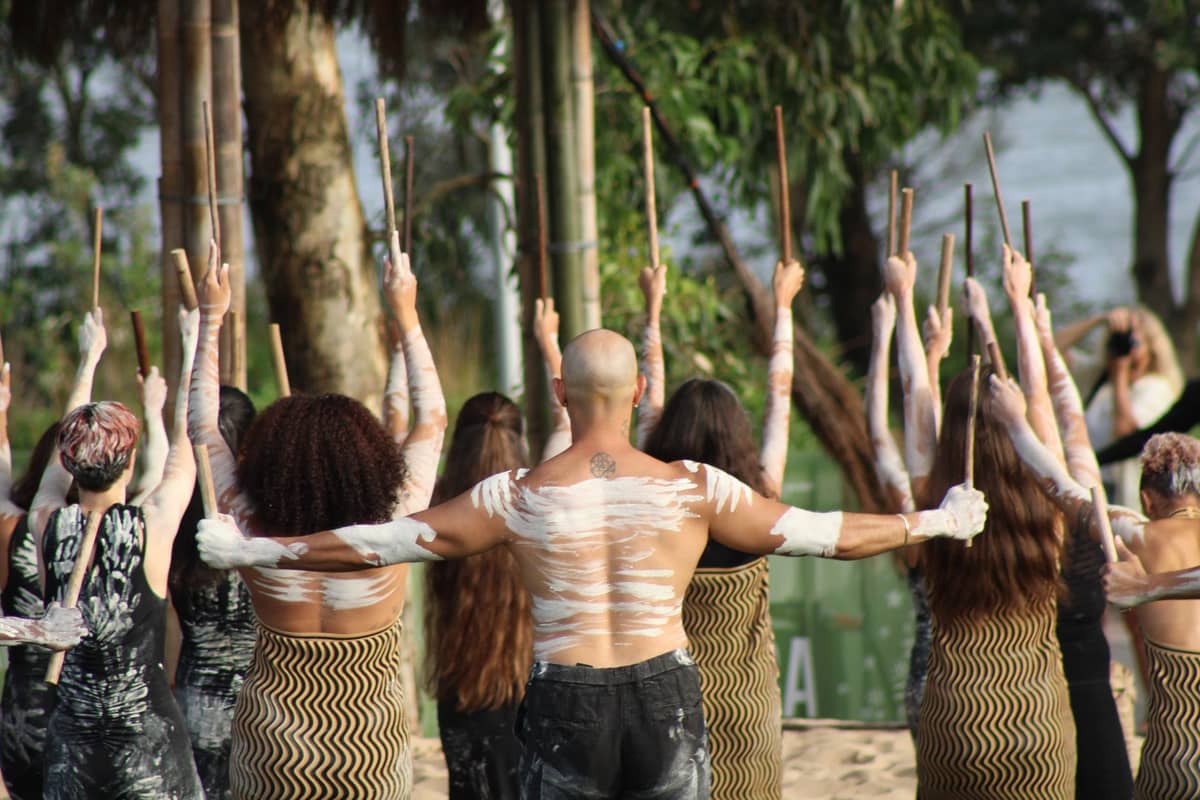
Not all 'Aboriginal tours' in Sydney are equal. The most meaningful experiences are led by Aboriginal guides with genuine community connection to the Country being discussed. When evaluating a tour operator, it is reasonable to ask whether guides are Aboriginal people, whether the business is Aboriginal-owned or operated, and whether a portion of revenue returns to community. This is not gatekeeping; it is the difference between an educational experience and cultural appropriation dressed as tourism.
- Barangaroo Aboriginal Cultural Tour The most centrally located option. 90 minutes, $16.50 to $36.30 depending on age. Monday to Saturday 10:30am. Covers heritage, ecology, and living culture. Best for first-time visitors.
- The Rocks Aboriginal Dreaming Tour Operates in The Rocks precinct near Circular Quay, covering the history of the Gadigal people through the colonial period and into the present. Check current providers and schedules through the Destination NSW website as offerings change seasonally.
- National Parks Cultural Tours NSW National Parks runs ranger-led programs at Ku-ring-gai Chase and Royal National Park that include Aboriginal cultural content. Schedules vary by season. Check the NPWS events calendar.
- Private and Customised Tours Several Aboriginal-owned operators offer tailored experiences across multiple Sydney sites. These cost more (typically $150 to $300+ per person for a half-day) but provide the most in-depth engagement. Look for operators listed through Tourism Australia's Indigenous Tourism Champions Program.
If you are interested in combining cultural history with time in one of Sydney's most historically significant precincts, Circular Quay and The Rocks sit at the intersection of Aboriginal Sydney and colonial history. The Rocks itself was a major settlement of the Gadigal people before British colonisation and the site of significant displacement, disease, and resistance. The The Rocks Discovery Museum is free to enter and includes Aboriginal heritage interpretation alongside colonial-era artefacts.
Practical Advice for Engaging Respectfully
Respectful engagement with Aboriginal culture in Sydney is not complicated, but it does require a shift from passive tourism to active attention. A few practical notes that are genuinely useful rather than performative.
- Attend a Welcome to Country when one is offered. It is not a speech to talk through.
- Acknowledge Country yourself if you are speaking publicly or leading a group. Saying 'I acknowledge the Gadigal people of the Eora Nation as the Traditional Custodians of this land' is appropriate in the city centre. For other parts of Sydney, look up the specific Country.
- Buy Aboriginal art and crafts only from reputable sources where the artist's community and Country are identified. Souvenir shops selling mass-produced boomerangs near Circular Quay are almost never selling authentic Aboriginal-made work.
- Photography at cultural events: always ask before photographing people, ceremony, or sacred objects. At the WugulOra ceremony and similar events, follow any instructions given by organisers about photography.
- Tipping is not standard in Australia, but leaving a donation when a guide has gone above and beyond is always welcome and appropriate.
Sydney's Aboriginal cultural landscape extends well beyond the city centre. For visitors with more time, combining a cultural focus with a broader exploration of the region pays dividends. The day trips from Sydney guide covers routes to Ku-ring-gai Chase and the Royal National Park, both of which have significant Aboriginal cultural heritage alongside their natural attractions.
✨ Pro tip
If you are visiting Sydney in late January, plan your itinerary around the WugulOra morning ceremony at Barangaroo on January 26. It is free, open to all, and offers a depth of cultural engagement that no paid tour can fully replicate. Arrive early; the foreshore fills quickly.
FAQ
Who are the traditional owners of the land Sydney is built on?
Sydney was built on the Country of the Eora Nation, encompassing multiple Aboriginal clan groups. The Gadigal people are the traditional custodians of the land now occupied by the CBD and inner city. Other groups whose Country overlaps with Greater Sydney include the Wangal, Cammeraygal, Dharug, and Tharawal peoples, among others.
Are there free Aboriginal cultural experiences in Sydney?
Yes. The Australian Museum offers free general admission and free permanent First Nations exhibitions, Yes. The Australian Museum offers free general admission and free permanent First Nations exhibitions, plus guided First Nations Collection Tours on Wednesdays and Saturdays at 11:30am and 1pm (fees apply). The Museum of Contemporary Art and The Rocks Discovery Museum also have free entry. The WugulOra ceremony at Barangaroo on January 26 is free and open to the public. The Museum of Contemporary Art and The Rocks Discovery Museum also have free entry. The WugulOra ceremony at Barangaroo on January 26 is free and open to the public.
How do I book the Barangaroo Aboriginal Cultural Tour?
Tours run Monday to Saturday at 10:30am and last 90 minutes. Prices are $36.30 for adults, $22 for seniors and concession, and $16.50 for children 17 and under. Book via the official Barangaroo website. Check availability before visiting as sessions can fill, particularly in summer and around late January.
Where can I see Aboriginal rock engravings near Sydney?
Ku-ring-gai Chase National Park, about 30 km north of the city, contains accessible Aboriginal rock engraving sites including the Red Hands Cave and engravings along the Basin Track. Royal National Park to the south also has significant sites. A NSW National Parks vehicle entry fee applies; check the NPWS website for guided tour schedules and site access details.
How can I tell if an Aboriginal tour or product is genuine?
Look for tours led by Aboriginal guides with stated community connections, and businesses that are Aboriginal-owned or operated. For art and crafts, buy from galleries or markets where the artist's name, Country, and community are clearly identified. Tourism Australia's Indigenous Tourism Champions Program lists verified operators. Avoid mass-produced souvenir items sold as 'authentic Aboriginal' without artist attribution.
Tickets & tours
Live prices and dates from our booking partner. If you book, we may earn a commission at no extra cost to you.
Planning a trip? Discover personalized activities with the Nomado app.