Taronga Zoo Sydney: Harbour Views, Wildlife Up Close, and a Full Day Worth Spending
Perched on the Mosman foreshore with sweeping views of Sydney Harbour, Taronga Zoo Sydney has been welcoming visitors since 1916. Home to thousands of animals across naturalistic habitats, it combines genuine conservation work with an experience that works for adults and families alike. Getting there by ferry from Circular Quay is half the appeal.
Quick Facts
- Location
- Bradleys Head Road, Mosman, NSW
- Getting There
- Ferry from Circular Quay Wharf 4 (approx. 12 min); Bus 100 from the city or Bus 238 from the ferry wharf to the zoo entrance
- Time Needed
- 4–6 hours; a full day if you are travelling with children
- Cost
- Paid admission; check taronga.org.au/sydney-zoo for current prices before visiting
- Best for
- Families, wildlife lovers, visitors who want harbour views alongside an attraction
- Official website
- www.taronga.org.au/sydney-zoo
What Taronga Zoo Sydney Actually Is
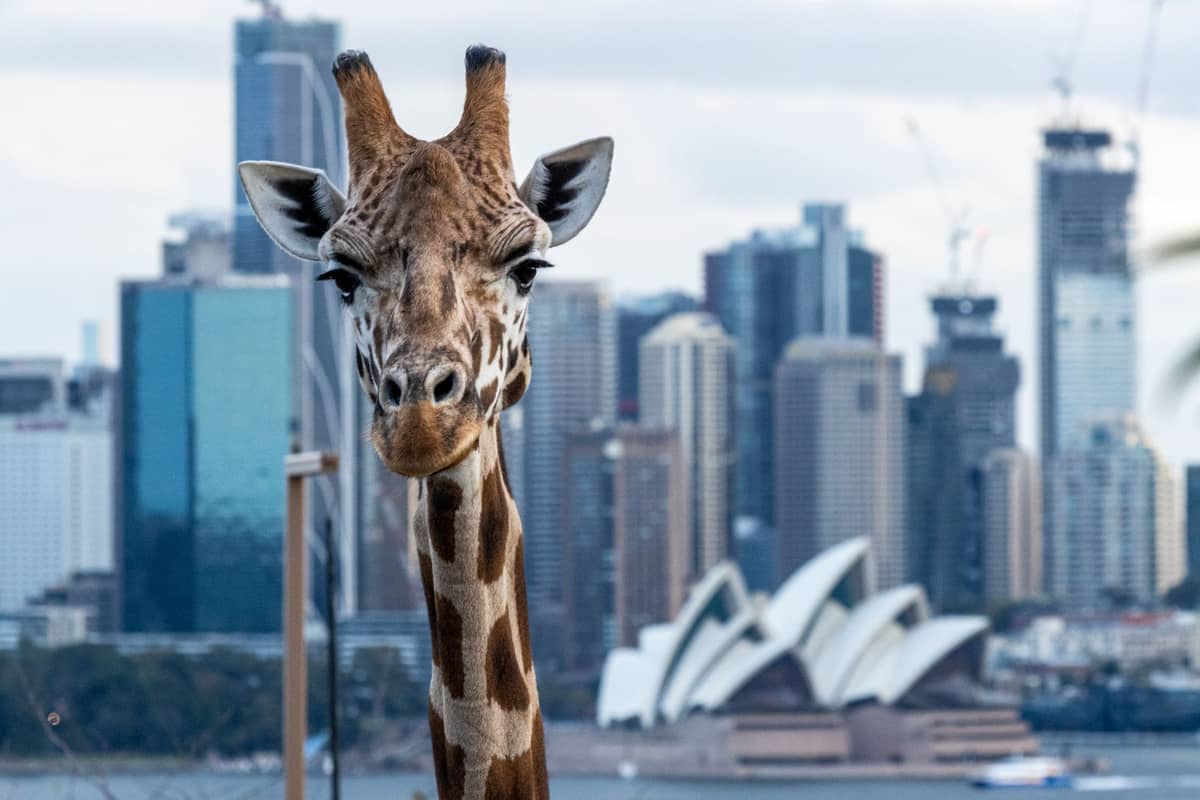
Taronga Zoo Sydney is a full-scale zoological park spread across a steep, forested headland on the Lower North Shore. It has been operating at this site since 1916, which makes it one of the older urban zoos in Australia. The grounds hold thousands of animals across hundreds of species, from Australian natives like koalas, wombats, and platypus to African elephants, snow leopards, and gorillas. What sets Taronga apart from a generic zoo experience is the physical setting: the terrain slopes dramatically toward Sydney Harbour, and at several points across the park you are watching animals with the Opera House and Harbour Bridge sitting in the background. It is a genuinely unusual combination.
The zoo is run by the Taronga Conservation Society Australia, a NSW Government agency with a stated focus on wildlife conservation and breeding programs. That institutional context is relevant: Taronga participates in species recovery programs for animals including the southern corroboree frog and the Regent honeyeater, among others. For visitors who care about whether a zoo is doing more than displaying animals, that background is worth knowing.
ℹ️ Good to know
Opening hours: 9:30 am to 5:00 pm daily from September to April; 9:30 am to 4:30 pm daily from May to August. Verify hours at taronga.org.au before you go, as they can change around public holidays.
Getting There: The Ferry Is the Right Choice
The standard approach is a ferry from Circular Quay Wharf 4, operated by Transport for NSW. The crossing takes around 12 minutes and runs across open harbour, with the zoo headland becoming visible as you approach Taronga Wharf. For a first-time visitor, this arrival by water, stepping off the ferry to the zoo's lower entrance with the city skyline behind you, is one of the better arrivals of any Sydney attraction. Check the Sydney ferry guide for Opal card tips and timetable advice before you travel.
From the wharf, a short walk takes you to the lower entrance. The Sky Safari gondola cable car is no longer operating. If you arrive by ferry, you can enter at the lower entrance or take Bus 238 from the ferry terminal to the top main entrance. Walking downhill through the zoo is considerably easier on the legs than climbing up. Bus 100 from the city centre also serves the zoo’s top entrance.
💡 Local tip
Arrive by ferry and enter through the lower gate, or take Bus 238 from the wharf to the top main entrance. Walk the zoo downhill rather than uphill — the slope is steep and the day gets long quickly if you do it in reverse.
Tickets & tours
Live prices and dates from our booking partner. If you book, we may earn a commission at no extra cost to you.
The Experience by Time of Day
Arriving when the gates open at 9:30 am gives you a noticeably different experience to arriving at midday. The light in the morning is softer and cooler, the paths are quieter, and many animals are more active before the heat of the day sets in. The African savannah exhibits in particular tend to show more animal movement early. Keepers are also more visible during morning rounds, and some keeper talks and feeding sessions are scheduled early.
By late morning on weekends and school holidays, the zoo fills quickly. The central paths around the Australian native section and the Great Southern Ocean exhibit see the heaviest foot traffic. Midday in summer can feel genuinely hot on the exposed sections of the grounds. Carrying a water bottle and wearing a hat and sunscreen is not optional advice in December and January — it is necessary.
Late afternoon, particularly in the hour before closing, offers a second wave of animal activity. The light is better for photography from the elevated viewing platforms. Crowds thin as families with young children leave, and the overall experience is calmer. If you are visiting without small children and want a more reflective experience, a late arrival timed for the afternoon is worth considering, though you will need to check whether you have enough time to cover the sections you want.
What You Are Looking At: The Highlights and the Layout
The zoo is divided into broad themed zones. The Australian native section is where most visitors spend a significant portion of their time. Koala encounters, where you can photograph a koala at close range with a keeper present, are a separate ticketed experience with limited availability — book in advance if this is a priority. The free-flight bird shows, when scheduled, take place in an amphitheatre with open harbour views; it is one of the more atmospheric settings for any animal demonstration in Sydney.
The elephant habitat houses a small herd, and the exhibit includes a significant amount of elevated walkway space that allows sightlines at different heights. The gorilla forest enclosure is genuinely large by zoo standards, with dense plantings that mean the animals are not always immediately visible — which is actually a mark of a well-designed habitat rather than a disappointment. The Great Southern Ocean precinct covers seals and little penguins in an underwater viewing area where the glass panels put you directly in line with swimming animals.
The views from the upper paths deserve specific mention. From several points along the ridge, you look across the treetops of the zoo directly to the Sydney CBD skyline and the harbour. On a clear day this is genuinely striking. If you are compiling a list of the best views in Sydney, the elevated platforms at Taronga belong on it, and they require no extra cost beyond zoo admission.
Photography Conditions and Practical Logistics
The harbour-facing enclosures photograph well in the morning, when the light comes from the east and illuminates both the animals and the skyline behind them. By afternoon, that same direction becomes backlit and less cooperative. If photography is your primary interest, plan your route to hit the harbour-facing lookouts and exhibits before midday.
Glass panels on several enclosures, particularly the underwater viewing areas, can cause reflections and colour casts. A circular polarising filter helps considerably for photographers carrying interchangeable lens cameras. Phone cameras handle these conditions with more difficulty; positioning yourself close to the glass and shading the lens with your free hand reduces reflections noticeably.
Food and drink are available at multiple points through the zoo. Bringing your own snacks is permitted and saves money; the on-site cafes and kiosks charge prices consistent with a major tourist attraction. There are lockers near the main entrance for storing bags if needed. Wheelchair access and accessible pathways are available across the grounds, and wheelchair hire is offered on site. Assistance animals are also accommodated — confirm specific arrangements with the zoo ahead of your visit.
⚠️ What to skip
School holiday periods and public holiday weekends push attendance significantly higher. If you are visiting during NSW school holidays, pre-purchase tickets online and arrive at opening time. The Sky Safari gondola is closed for rebuild, with reopening expected in late 2027.
Who Gets the Most Out of Taronga, and Who Might Not
Taronga Zoo Sydney works well for families with children, wildlife enthusiasts, and visitors spending a week or more in Sydney who want a full day away from the CBD. The combination of the ferry crossing, a diverse animal collection, and the harbour views gives it a layered experience that holds up for adults even without children in tow. It pairs naturally with a morning in The Rocks precinct near Circular Quay before catching the afternoon ferry across.
Visitors on a very tight itinerary or with only two or three days in Sydney may find the time investment harder to justify against competing priorities like the Harbour Bridge, Bondi, or the Blue Mountains. Taronga is not the kind of attraction you drop into for an hour. If you are ambivalent about zoos in principle, this one is well-run and its conservation credentials are genuine, but it will not change your view of the format. Budget travellers should also weigh up the admission cost against free alternatives: Sydney has excellent public parks, coastal walks, and beaches that cost nothing.
For visitors with a specific interest in Australian wildlife, Taronga is a solid choice, though it competes with options like Featherdale Wildlife Park in Western Sydney, which is smaller, less expensive, and more focused on hands-on native animal encounters. Both have merit; the right choice depends on whether you want the broader zoo experience and harbour setting or a more concentrated native wildlife focus.
Historical and Cultural Context
The land on which the zoo sits is part of the territory of the Cammeraygal people of the Eora Nation. The headland at Mosman was used for thousands of years before European settlement, and the harbour it overlooks remains central to the identity of Sydney's First Nations communities. The Taronga Conservation Society acknowledges this context in its public materials.
The zoo opened at this Bradleys Head site in 1916, having relocated from its original location in Moore Park in the CBD. The move was driven by the need for more space as the collection grew. Over the following century the grounds expanded and modernised considerably, though some of the original 1916 structures remain within the heritage-listed precinct. The architectural character of the older sections — sandstone walls, Federation-era detailing — gives parts of the zoo a physical depth that purpose-built modern facilities lack. For visitors with an interest in Sydney's architectural heritage, the Museum of Sydney covers the broader story of how the city developed across the same period.
Insider Tips
- Book the koala photo experience well in advance online — these sessions sell out, particularly during school holidays, and walk-up availability is not guaranteed.
- If you arrive by ferry, enter through the lower entrance or take Bus 238 from the wharf to the top main entrance; allow time to enjoy the views along the way.
- The zoo's evening event series, Roar and Snore (glamping nights) and occasional after-hours programs, offer a genuinely different experience to a standard day visit. Check the Taronga events calendar when planning your trip.
- Midweek visits in autumn or spring offer the best combination of comfortable weather and lower crowd density. The zoo does not empty out on weekdays the way some attractions do, but the difference from a Saturday in January is significant.
- The amphitheatre seating for the free-flight bird show fills from the back. Arrive 10–15 minutes early and sit toward the front centre section for the best sightlines and the most dramatic fly-overs.
Who Is Taronga Zoo Sydney For?
- Families with children of any age, particularly those with a first-time interest in Australian wildlife
- Visitors spending five or more days in Sydney who have already covered the major harbour landmarks
- Wildlife and conservation enthusiasts who want context beyond a standard display format
- Photographers looking for a combination of animal subjects and Sydney skyline backdrops in a single location
- Travellers who want to combine a ferry journey with a full-day land attraction
Nearby Attractions
Combine your visit with:
- Blue Mountains National Park
Blue Mountains National Park covers around 268,000 hectares of sandstone plateaus, deep gorges and temperate rainforest west of Sydney. It is a popular national park in New South Wales and one of the most rewarding day trips or overnight escapes from the city, provided you know where to go and when to arrive.
- Featherdale Wildlife Park
Featherdale Sydney Wildlife Park in Doonside is one of the few places near Sydney where you can get genuinely close to Australian wildlife, from koalas and wombats to Tasmanian devils and freshwater crocodiles. Open daily from 8:00 am, it suits families and animal lovers who want more than a glimpse through a fence.
- Figure Eight Pools
Figure Eight Pools are naturally formed rock pools on the coastal shelf of Royal National Park, south of Sydney. Reaching them requires a 6km return walk over steep terrain and careful timing around tides and surf. The reward is a striking geological curiosity in one of Australia's oldest national parks.
- Hunter Valley Wine Region
The Hunter Valley is Australia's oldest premium wine-producing region, sitting roughly two hours north of Sydney. Spread across 2,605 hectares of vineyard land near the village of Pokolbin, it rewards visitors with cellar door tastings, open countryside, and a pace that feels genuinely removed from city life. Whether you come for a single afternoon or a full weekend, understanding how the region works before you arrive makes a real difference.
Planning a trip? Discover personalized activities with the Nomado app.