Justice & Police Museum: Sydney's Grim, Gripping History of Crime and Punishment
Housed in a 19th-century court complex one block from Circular Quay, the Justice & Police Museum unpacks colonial Sydney's criminal underbelly through real evidence, mugshots, and courtroom drama. Entry is free, the building is atmospheric, and the exhibits are far more confronting than most museum visitors expect.
Quick Facts
- Location
- Corner of Albert and Phillip Streets, Sydney NSW 2000 (Circular Quay / The Rocks)
- Getting There
- Circular Quay Station (trains, buses, ferries) — 1 block walk
- Time Needed
- 1 to 1.5 hours
- Cost
- Free entry (verify on arrival as conditions may change)
- Best for
- History buffs, true crime enthusiasts, architecture lovers, families with older children
- Official website
- mhnsw.au/visit-us/justice-and-police-museum
What the Justice & Police Museum Actually Is
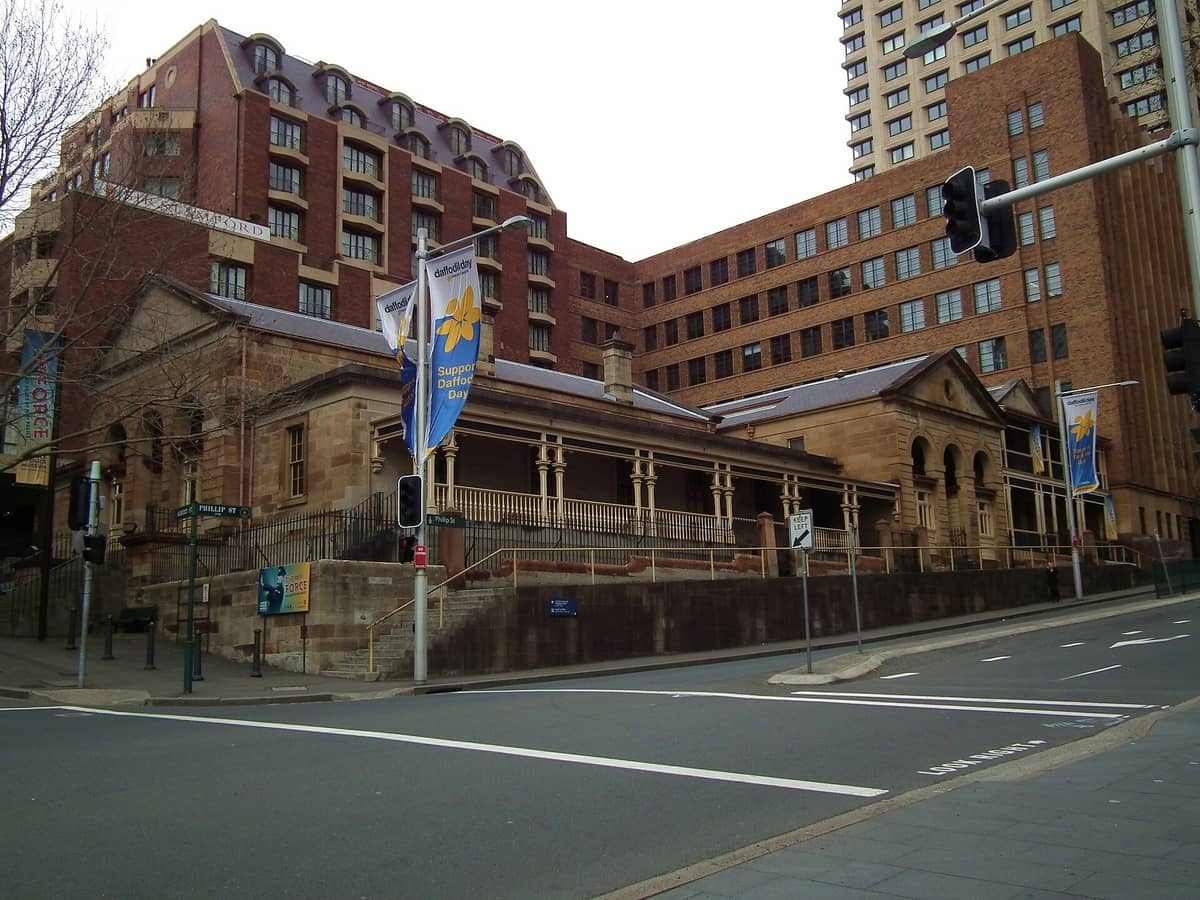
The Justice & Police Museum sits at the corner of Albert and Phillip streets, a single block from Circular Quay, in a sandstone complex that served as an actual working court and police facility for over a century. The Water Police Court on this site was completed in 1856, with a second court opening in 1886. These were not ceremonial buildings. They processed the dock workers, sailors, pickpockets, and violent offenders of a colonial port city that was considerably rougher than its harbour views suggested.
The museum is operated by Museums of History NSW and focuses on law, crime, and punishment in New South Wales. The museum is operated by Museums of History NSW and focuses on law, crime, policing, and justice in New South Wales. Its collection includes police evidence, weapons and other objects seized during investigations, period photographs, and an extensive archive of forensic negatives created by the NSW Police. It is a serious museum with real historical weight, not a dramatized theme park experience.
ℹ️ Good to know
Opening hours are Saturday and Sunday, 10am to 5pm. The museum opens every day during NSW school holidays. It is closed on Good Friday and Christmas Day. Entry is free. Confirm hours on the official Museums of History NSW website before visiting, as they can change.
The Building Itself: Why the Architecture Matters
Before you look at a single exhibit, the building will orient you. The sandstone walls, heavy timber joinery, and narrow corridors were designed to communicate authority, not comfort. Walking through the Albert Street entrance and into the main spaces, the proportions feel deliberately intimidating — ceilings high enough to project state power, dock areas tight enough to make anyone standing in them feel exposed.
The police court retains the magistrate's bench, dock, public gallery, and witness stand in a configuration that lets you read the room's power dynamics immediately. This is the kind of space where a heritage architect could spend an afternoon and a casual visitor still absorbs its logic in minutes.
The building's location is not incidental. In the 1800s, the waterfront area around Circular Quay and The Rocks was the densest, most contested urban space in the colony. Having a police court within walking distance of the wharves was a deliberate administrative decision. The geography still makes sense today — stand outside and you can see the water.
Tickets & tours
Live prices and dates from our booking partner. If you book, we may earn a commission at no extra cost to you.
The Rocks historic walking tour
From 20 €Instant confirmationFree cancellationBeginner surf lesson at Bondi Beach
From 79 €Instant confirmationFree cancellationSydney whale-watching cruise with breakfast or lunch
From 62 €Instant confirmationFree cancellationBlue Mountains Waterfalls Full-Day Tour with Lunch and Dinner
From 171 €Instant confirmationFree cancellation
Inside the Galleries: What You Will See
The museum's permanent and rotating exhibitions draw from one of the most unusual archival collections in New South Wales. The historical mugshots, taken by NSW Police from the late 1800s onward, are among the most arresting items on display. These are not romantic portraits of outlaws. They show tired, weathered faces — men and women arrested for crimes ranging from petty theft to murder, photographed with the clinical detachment of a bureaucratic system that had no interest in their stories beyond their offences.
The weapons collection includes confiscated knives, homemade firearms, and objects used as weapons in actual crimes recorded in NSW court files. There are also evidence items, court documents, and reconstructed spaces that give a tactile sense of how the criminal justice process worked at different points in Sydney's history. The exhibits are curated with enough context that they explain rather than simply display.
Temporary exhibitions at the museum tend to explore specific themes within crime, policing, or justice history. These change periodically, so it is worth checking the Museums of History NSW website to see what is current before your visit.
💡 Local tip
Photography is generally permitted in the public galleries, but ask staff before photographing specific items. Some exhibition material — particularly images of deceased individuals or culturally sensitive content — may have restrictions.
Timing Your Visit: How the Experience Changes
The museum is compact enough to feel uncomfortably crowded when school holiday groups move through. If you visit during the week in school holiday periods (when the museum opens daily), aim for opening time at 10am before tour groups arrive. On weekends outside school holidays, mid-morning is generally the quieter window. By midday on Saturdays, visitor numbers tend to climb as people combine the museum with lunch in The Rocks or a waterfront walk.
The interior lighting is consistent regardless of time of day, which suits the subject matter but means morning and afternoon visits feel similar. What changes is the noise level outside. Early in the day, the streets around Circular Quay are quieter and the sandstone exterior looks its best in the soft morning light. If you want a photograph of the building's facade without pedestrian traffic cluttering the frame, Saturday at 10am is your best opportunity.
Getting There and Getting Around
The museum is one of the easiest major cultural institutions in Sydney to reach by public transport. Circular Quay Station connects to the Sydney Trains network, and Circular Quay also has bus and ferry services. From the interchange, the museum is a short walk to the corner of Albert and Phillip streets. The route may involve urban footpaths and intersections, so check the route if you have mobility requirements.
If you are combining this visit with other nearby attractions, the Museum of Sydney is a short walk away on Bridge Street, and the The Rocks precinct with its weekend markets and historic laneways begins immediately to the west. A half-day circuit covering all three is entirely manageable.
Paid parking exists in the Circular Quay area but is expensive and unnecessary given the transit access. Cycling infrastructure connects the waterfront to surrounding areas; a secure rack is available near the Circular Quay transport interchange.
Accessibility
A ramp provides access beside the Albert Street entrance stairs. Wheelchair access reaches the main gallery, police court, and toilets. Some sections of the building involve narrow passages or steps that cannot be retrofitted without compromising the heritage fabric. If you have specific mobility requirements, the museum recommends contacting them in advance. Wheelchairs can be requested ahead of your visit.
Who Should Reconsider This Visit
The museum handles real criminal history, including violence, capital punishment, and in some exhibitions, the treatment of Aboriginal people within the colonial justice system. Some of the photographic material shows individuals in distress. It is not a place designed to be comfortable, and that is appropriate given its subject matter.
Visitors primarily interested in Sydney's natural scenery or outdoor experiences will find little here to hold their attention. For that, the Royal Botanic Garden Sydney is a ten-minute walk along the waterfront. Families with young children should consider whether the content is suitable — the museum is thoughtfully curated, but exhibits involving weapons, crime scene evidence, and punishment history may unsettle younger visitors.
If you are interested in Aboriginal and Torres Strait Islander history within a broader Sydney context, the Sydney Aboriginal culture guide offers a fuller picture than any single institution can provide.
Insider Tips
- The museum is free, but it is managed by Museums of History NSW, which also operates sites like the Museum of Sydney and Hyde Park Barracks. If you plan to visit multiple Museums of History NSW properties, check whether they offer any combined programming or events during your visit period.
- Visit on a weekday during NSW school holidays if you want the daily opening without weekend crowds. The museum draws significantly fewer visitors than the nearby Sydney Opera House or Harbour Bridge, making it one of the calmer cultural stops in the Circular Quay area.
- The original police collection and court-related records held by the museum represent detailed documentation of everyday colonial life in Sydney. Ask staff about the collection if your interest goes beyond the public galleries.
- Stand in the dock in the restored police court for a few minutes. The spatial experience — facing the magistrate's bench with the public gallery behind you — communicates the power structure of the 19th-century justice system more directly than any wall text.
- The sandstone exterior photographs particularly well in the hour after opening on a clear morning, before foot traffic builds. The Albert Street facade is largely unchanged from the 19th century and contrasts sharply with the glass towers visible in the background.
Who Is Justice and Police Museum For?
- True crime and criminal justice history enthusiasts who want original artefacts, not dramatizations
- Architecture and heritage visitors interested in intact 19th-century civic buildings
- Travellers following a free Sydney itinerary who want substance alongside the harbour scenery
- Older students and adults with an interest in colonial Australian social history
- Photographers looking for a sandstone heritage interior with controlled lighting
Nearby Attractions
Other things to see while in Circular Quay & The Rocks:
- Barangaroo Reserve
Once a concrete wharf, Barangaroo Reserve is now a six-hectare sandstone headland park hugging Sydney's western harbour foreshore. Open around the clock and free to enter, it offers coastal walking paths, sweeping views of the harbour bridge and North Shore, and a quietly powerful connection to the Gadigal and Cammeraygal peoples whose Country this has always been.
- Cockatoo Island
Cockatoo Island sits in the middle of Sydney Harbour, free to enter and reachable by public ferry. It holds 150 years of convict and industrial history across shipyards, sandstone buildings and water-level dockworks — and the views back toward the CBD are quietly spectacular.
- Museum of Contemporary Art Australia (MCA)
The Museum of Contemporary Art Australia sits at the edge of Sydney Harbour in The Rocks, offering rotating exhibitions of Australian and international contemporary art, a rooftop cafe with Opera House views, and free admission for under-18s. It rewards a few hours of unhurried looking, especially on a Thursday evening when the crowds thin and the harbour light shifts.
- Sydney Harbour Bridge
Sydney Harbour Bridge is one of the world's great pieces of civil engineering and the most recognisable landmark on the Australian skyline. Whether you cross it on foot, climb to the pylon museum, or simply photograph it from below, this guide covers everything you need to plan your visit.
Planning a trip? Discover personalized activities with the Nomado app.