Palm Beach, Sydney: The Northern Beaches at Their Most Dramatic
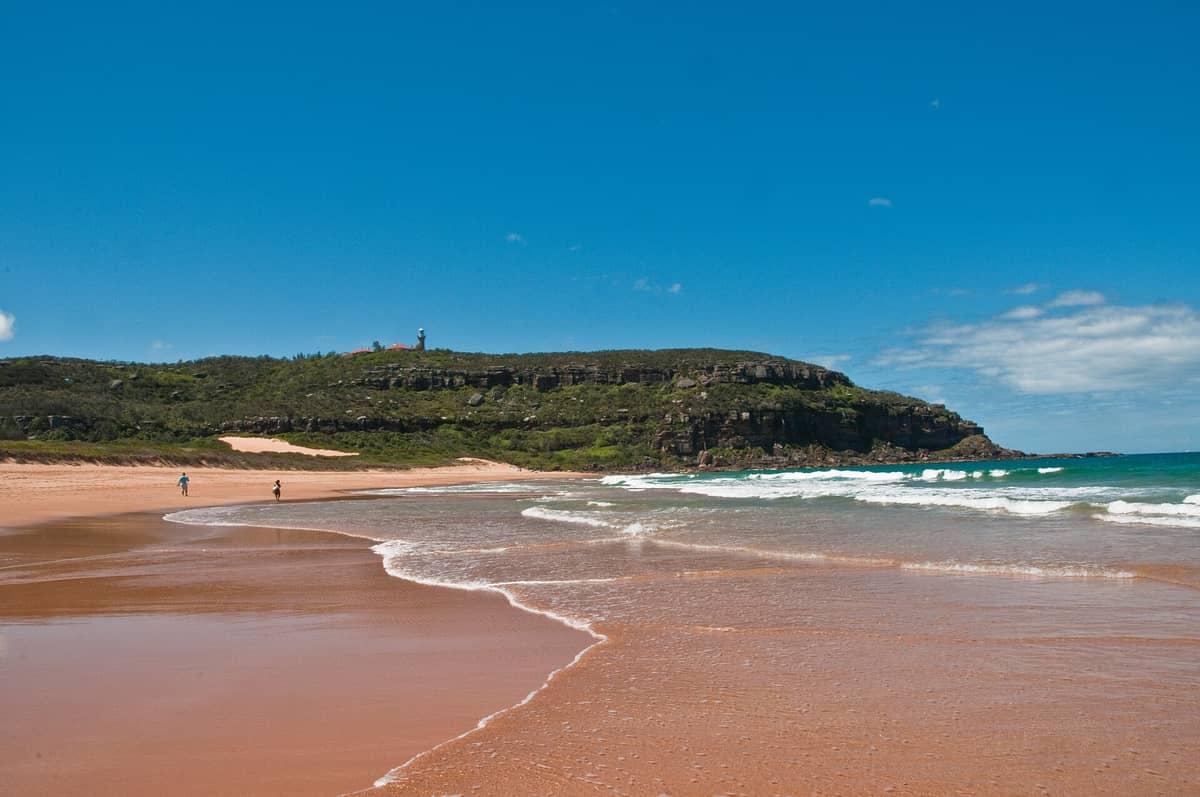
Palm Beach sits at the northern tip of Sydney's coastline, where a long arc of sand separates the open Pacific from the sheltered waters of Pittwater. Add a working 1881 lighthouse on the headland above, and it's easy to understand why this stretch of NSW coast has become an enduring benchmark for what a Sydney beach can be.
Quick Facts
- Location
- Palm Beach, NSW 2108 — northern tip of Sydney's Northern Beaches peninsula
- Getting There
- Bus L90 from Sydney CBD to Barrenjoey Head; check Transport for NSW for current routes and timetables. Ferry services from Palm Beach Wharf also operate — check Transport for NSW for current timetables.
- Time Needed
- Half a day minimum; allow a full day if you plan to walk to Barrenjoey Lighthouse
- Cost
- Free entry to the beach. Barrenjoey Lighthouse tours have a separate fee — verify with NSW National Parks before visiting.
- Best for
- Long beach walks, headland views, photography, day-trippers seeking space and scenery
What Palm Beach Actually Is
Palm Beach occupies the very northern tip of the Northern Beaches peninsula, roughly 50 km from the Sydney CBD by road. The suburb itself is long and narrow: the ocean beach runs along the eastern side, exposed to the Pacific swell, while the western side faces the calm waters of Pittwater and its network of bays and national park bushland. Barrenjoey Head rises steeply at the northern end, topped by a sandstone lighthouse completed in 1881. That combination — surf beach, sheltered waterway, and headland with a working heritage light — is what sets Palm Beach apart from the dozen-odd beaches you pass on the way up here from Manly.
The beach is an open public space with no entry fee and no set operating hours, in the way that most Australian ocean beaches work. You arrive, you walk, you swim — if conditions are safe and the flags are up. The lifeguards and surf lifesaving volunteers on Palm Beach patrol the beach; check the Northern Beaches Council surf report before you commit to a swim, particularly in winter when swells can be deceptively powerful.
ℹ️ Good to know
Accessibility note: The NSW Government listing for Palm Beach states that the site does not cater for people with access needs. The beach approach from the main car park involves soft sand and uneven terrain. The Barrenjoey Lighthouse track is a steep, rough fire trail and is not suitable for mobility aids.
The Beach Itself: What to Expect at Different Times of Day
Arrive early on a weekday and Palm Beach can feel almost unreasonably quiet for a beach this beautiful. The light in the morning comes from the north-east in summer, hitting the sand at a low angle and turning the water a green-blue that photographs almost too well. A handful of locals do laps in the shallows, and the smell of sunscreen hasn't yet mixed with salt air — it's mostly just sea and the faint eucalyptus drifting down from the headland.
By late morning on weekends and school holidays, the car parks fill quickly and the beach fills in from the southern end near the surf club toward the north. Families spread out with eskies and tents; teenagers cluster near the flags. Despite the numbers, the beach is long enough that you can walk ten minutes north and find a strip of sand that feels genuinely uncrowded. The southern end near the lagoon is often calmer for young children, as the lagoon water is warmer and shallower than the surf.
Afternoons bring an onshore breeze that can kick up quickly, particularly in spring and summer. Experienced surfers tend to gravitate here then, reading the break off the headland. If you're purely after a swim rather than surf, mornings are the more reliable choice. In autumn — roughly March to May by Sydney's climate pattern — the crowds thin, the water stays warm from summer, and the light softens. Many regular visitors consider autumn the best time to make the trip.
Tickets & tours
Live prices and dates from our booking partner. If you book, we may earn a commission at no extra cost to you.
The Rocks historic walking tour
From 20 €Instant confirmationFree cancellationBeginner surf lesson at Bondi Beach
From 79 €Instant confirmationFree cancellationSydney whale-watching cruise with breakfast or lunch
From 62 €Instant confirmationFree cancellationBlue Mountains Waterfalls Full-Day Tour with Lunch and Dinner
From 171 €Instant confirmationFree cancellation
Barrenjoey Lighthouse: The Walk Worth Making
The Barrenjoey Lighthouse at the northern tip of the headland is one of Sydney's genuinely significant heritage structures. Built in 1881 from sandstone quarried directly on site, it replaced an earlier temporary light that had guided ships through Broken Bay since the 1860s. The lighthouse is still operational, managed by NSW National Parks, and guided tours run on certain days — check availability and fees directly with NSW National Parks before making the trek up.
The walk to the summit takes roughly 30 minutes from the Governor Phillip parking area. The Smugglers Track is the steeper, shorter option; Barrenjoey Track winds more gently to the top. Wear shoes with grip. Do not attempt either track in thongs.
From the top, the view is what you came for. To the south stretches the entire Northern Beaches peninsula, one beach folding into the next in a line that eventually blurs into headland somewhere around Manly and then the Heads. To the north, Broken Bay and the Hawkesbury River estuary open out toward the Central Coast. On a clear winter morning, when the air lacks summer haze, the panorama is as good as any elevated lookout in greater Sydney. Bring water; drinking water is available at the parking area, not at the top.
💡 Local tip
Photography tip: The lighthouse photographs best in the two hours after sunrise when the eastern light hits the sandstone directly. In the afternoon, the headland face is in shadow. For the broadest coastal panorama looking south, position yourself just below the lighthouse lamp room on the eastern side.
Pittwater Side: The Quieter Half of Palm Beach
Most visitors focus on the ocean side and never cross to Pittwater, which means the western foreshore road and wharf area are notably calmer. Palm Beach Wharf is the departure point for ferry services across Pittwater and Broken Bay. The NSW Government listing describes a service to The Basin that may continue to Ettalong on the Central Coast; check Transport for NSW for current routes and timetables. It also makes a pleasant short cruise in its own right.
The Pittwater foreshore has a different character to the surf beach: quieter, shadier, with moored boats and the sound of halyards rather than breaking waves. Some visitors come solely to sit on the western side in the late afternoon and watch the light change over the water, which is a reasonable use of the day.
Getting There: Planning the Journey Realistically
Palm Beach is not close to central Sydney by any measure. The drive from the CBD takes 60 to 90 minutes depending on traffic; the route north along the peninsula has no motorway alternative. If you are driving, allow extra time on summer weekends and public holidays when the B-line bus also gets crowded. Parking fills by mid-morning on peak days. The B-Line bus from Wynyard to Mona Vale, with a connection via bus 199 to Palm Beach, is the main public transport option. For a more detailed breakdown of how buses and ferries connect across the Northern Beaches, the Sydney ferry and transport guide covers the key connections worth knowing before you go.
The bus journey from the CBD takes roughly 90 minutes, according to NSW National Parks; allow extra time for connections or delays. That is a real time commitment, and it is worth factoring into your plans honestly. Palm Beach rewards a full day, not a rushed half-afternoon. If you are based on the northern side of the harbour, the logistics are considerably easier.
⚠️ What to skip
Bus 199 is a regional route and not all services run at high frequency. Check the Transport for NSW trip planner at transportnsw.info before you leave, particularly for return services in the late afternoon and evening.
Cultural Context and the Neighbourhood
Palm Beach sits within the Country of the Guringai people, whose connection to this stretch of coast and waterway extends thousands of years before European settlement. The area around Barrenjoey Head and Broken Bay was a significant place for the Guringai, and the broader Ku-ring-gai region takes its name from this language group. For visitors interested in learning more about the Aboriginal history of Sydney's northern landscapes, the Sydney Aboriginal culture guide provides useful context.
In contemporary Australian culture, Palm Beach is widely recognised as the filming location for the long-running television series Home and Away, which has used the beach and surrounding streets as its backdrop since the late 1980s. Fans of the show do visit specifically for this reason, and several of the filming locations are visible from the beach and foreshore — the surf club building in particular. This is worth knowing before you arrive either way: the association shapes some of the local tourism infrastructure, and the cafe and restaurant strip near the beach reflects a clientele that skews toward well-off northern Sydney residents.
Who Should Think Carefully Before Making the Trip
Visitors with limited mobility should note that Palm Beach does not cater well for access needs, as stated in the NSW Government's official listing. The beach involves soft sand, and the lighthouse walk is a steep, unsealed track. If accessible beaches are a priority, Manly Beach has significantly better facilities and infrastructure.
Visitors with only a day in Sydney who haven't yet seen the Opera House, Harbour Bridge, or the inner-harbour area should probably visit those first. Palm Beach is best appreciated when you have time to spare — it is a destination that rewards slowness. If you're trying to check off multiple major sights in a day, the travel time alone will be a significant cost.
In terms of weather, Palm Beach is considerably more exposed than harbour beaches. On days with a strong southerly or north-easterly, wind-blown sand can make sitting on the beach genuinely uncomfortable. If weather conditions are uncertain, check the Bureau of Meteorology coastal forecast for the Sydney Northern Beaches zone before committing to the journey. For context on how Sydney's seasons affect beach visits more broadly, the best time to visit Sydney guide covers the seasonal patterns in detail.
Insider Tips
- The southern end of the beach, near the lagoon outlet, is where the calmer water pools in summer — useful to know if you're visiting with young children who aren't confident in surf.
- If you want the lighthouse walk without the weekend crowd, aim for a Tuesday or Wednesday morning outside school holidays. You may have the entire track to yourself.
- The ferry from Palm Beach Wharf across Broken Bay to Ettalong on the Central Coast is a useful connection if you're continuing your trip; check current routes and timetables before setting out.
- Fuel, groceries, and ATMs become increasingly sparse the further north you travel along the peninsula. Stock up before you leave Manly or Dee Why — prices at Palm Beach itself reflect its exclusivity.
- Mobile phone coverage can drop out on the western (Pittwater) side of the headland and along parts of the lighthouse track. Download offline maps before you leave and don't rely on live navigation once you're on the trail.
Who Is Palm Beach For?
- Travellers with a full day to spare who want Sydney's most dramatic coastal scenery without flying to Queensland
- Photographers chasing the lighthouse-over-headland shot at golden hour or early morning light
- Couples or solo travellers who want a long, uncrowded walk along an ocean beach away from the inner-city crowds
- Home and Away fans who want to see the real filming location
- Day-trippers combining the beach with a ferry crossing to Patonga or the Hawkesbury
Nearby Attractions
Other things to see while in Manly & the Northern Beaches:
- Barrenjoey Lighthouse
Barrenjoey Lighthouse crowns the northern tip of Palm Beach on a sandstone headland above Pittwater and the Pacific Ocean. The 1881 sandstone tower rewards the 1km climb with some of the most far-reaching coastal views in greater Sydney, and a Sunday guided tour opens the historic interior for a deeper look.
- Manly Beach
Manly Beach stretches along Sydney's Northern Beaches, backed by Norfolk Island pines and connected to the city by one of the world's great ferry rides. Free to enter, patrolled year-round, and far more relaxed than Bondi, it rewards visitors who make the short trip north.
- Manly Scenic Walkway
The Manly Scenic Walkway traces 10 kilometres of undeveloped Sydney Harbour foreshore between Spit Bridge and Manly Wharf. Free to walk, rich in Aboriginal heritage and colonial history, and genuinely quieter than its reputation suggests, this is one of Sydney's most rewarding half-day outings for anyone who can handle a moderate trail.
- North Head Sanctuary
North Head Sanctuary sits at the northern jaw of Sydney Harbour, where military history, ancient heathland, and sweeping ocean views converge on a single dramatic headland. Free to enter and refreshingly quiet by Sydney standards, it rewards those willing to make the short trip out from Manly.
Planning a trip? Discover personalized activities with the Nomado app.