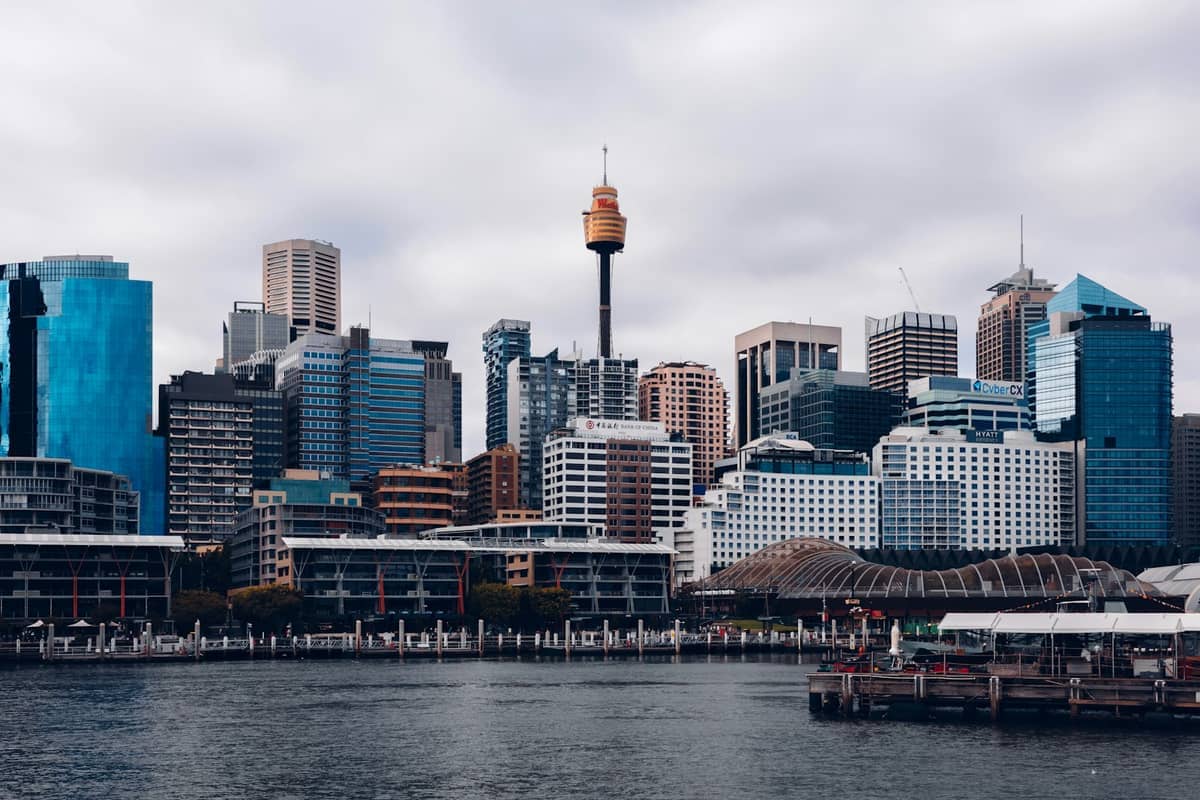
Parramatta sits 24 kilometres west of Sydney's CBD and functions as the city's second centre, combining a modern business district with one of Australia's most significant colonial and Indigenous heritage landscapes. The Parramatta River connects it to the harbour, while direct rail and ferry links make it easy to reach from anywhere in Greater Sydney.
Parramatta is not the Sydney most visitors picture, and that is exactly the point. This is where the colony began, where the river still sets the pace of daily life, and where a genuinely multicultural city of nearly a quarter of a million people goes about its business largely independent of the postcard harbour to the east.
Orientation
Parramatta sits at the geographical centre of Greater Sydney, approximately 24 kilometres west of the CBD along the Parramatta River. It is the administrative seat of the City of Parramatta local government area and functions as a genuine second city centre for western Sydney, with its own cluster of high-rise offices, a regional hospital, two universities, and a growing residential population.
The suburb's core is compact and walkable. The Parramatta CBD runs roughly between Church Street to the east and Phillip Street to the west, with the river forming its southern boundary and Parramatta Park its western edge. North of the CBD, the streets become more residential quickly. The suburb of North Parramatta begins just across the Great Western Highway, and Westmead, home to the major hospital precinct, sits immediately to the west.
For visitors staying in the inner city, Parramatta is most usefully understood as a half-day or full-day excursion destination, not a transit stop. It connects naturally with a broader western Sydney itinerary. Travellers interested in colonial history can pair a visit here with the World Heritage-listed Old Government House and nearby Parramatta Park, making it one of the most historically dense destinations in the country.
Character & Atmosphere
Walking through Parramatta's CBD on a weekday morning, you get the sense of a city that does not perform for anyone. Church Street fills with office workers collecting coffee, students from Western Sydney University crossing toward the river, and delivery vehicles edging through the traffic. The light is already flat and bright by 8am in summer, bouncing off the glass towers that have risen along the river corridor over the last decade. This is a working city, not a leisure precinct.
The character shifts significantly as you move west toward Parramatta Park. The noise of the CBD drops away almost as soon as you pass through one of the park's gates on George Street or Macquarie Road. Inside, the sandstone Georgian buildings, open grassland, and established fig trees create an atmosphere that feels genuinely separate from the surrounding city. On weekday mornings the park is largely the domain of joggers and dog walkers. Weekend afternoons bring families, cricket games on the oval, and a more relaxed rhythm.
The restaurant and cafe strip along Church Street, particularly around the northern end toward Eat Street, is one of the most culturally diverse dining corridors in all of Greater Sydney. Tamil, Lebanese, Vietnamese, Afghan, and Korean restaurants operate within blocks of each other, catering primarily to the local population rather than tourists. The lunchtime crowd during the week is almost entirely office workers; weekend evenings draw families from across western Sydney.
After dark, Parramatta is less active than the inner city but not empty. The entertainment precinct around Church Street and the riverside stays reasonably lively on Friday and Saturday nights. Away from those strips, however, the streets quiet down noticeably by 9pm. Visitors staying in Parramatta should keep this in mind if they are looking for a late-night food or entertainment scene.
ℹ️ Good to know
Parramatta has a notably multicultural population, with significant communities whose heritage traces to Lebanon, India, Sri Lanka, Vietnam, and the Pacific Islands. The food and cultural life of the city reflects this in a way that feels organic rather than curated.
What to See & Do
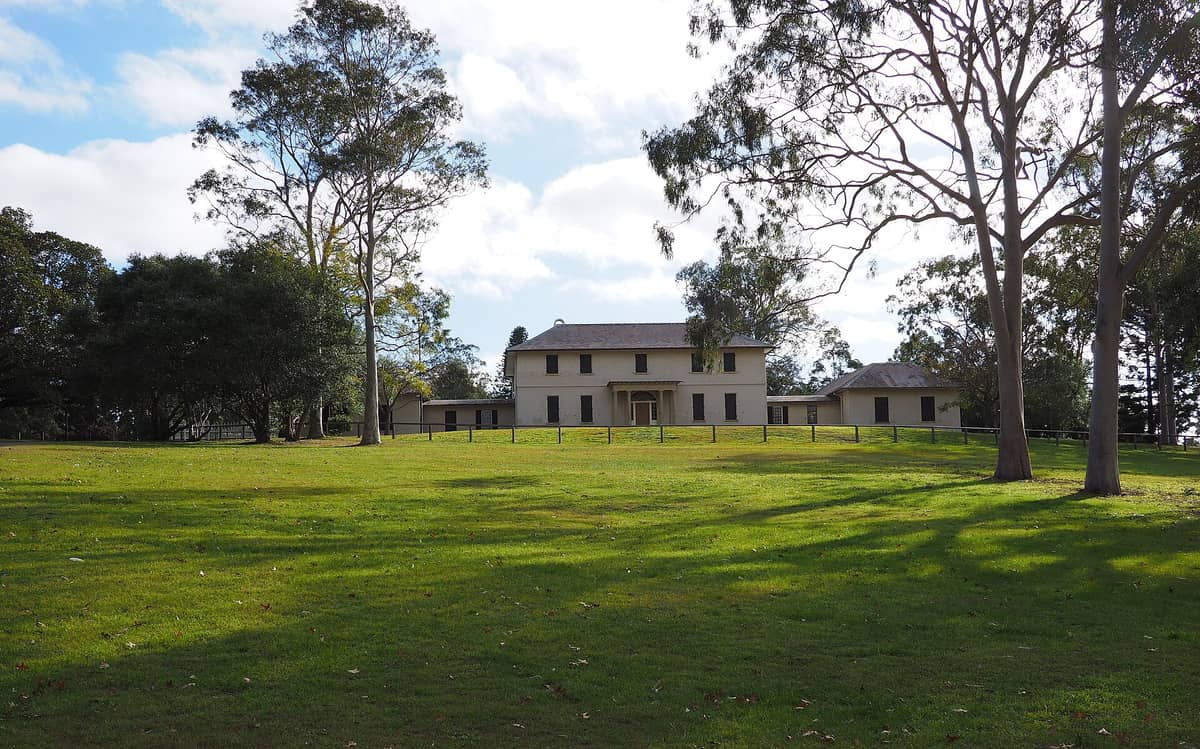
The single most significant site in Parramatta is Old Government House and its Domain, which together form part of the Australian Convict Sites UNESCO World Heritage listing. The building is the oldest surviving public edifice in Australia, constructed in stages from 1799, and it served as the country residence of the first ten governors of New South Wales. The house is now managed as a museum by the National Trust and contains period furniture and interpretive displays about colonial governance. Allow at least 90 minutes to do it justice.
The house sits within Parramatta Park, a 85-hectare expanse of landscaped and natural parkland on the western edge of the CBD. The park's main entrances are off George Street, Ross Street, Park Road, and Macquarie Road, as well as from the Great Western Highway. Beyond Old Government House, the park contains the Dairy Cottage, the Crescent, and a series of monuments documenting both Aboriginal and colonial history. The Parramatta River forms the southern boundary of the park, and walking trails follow the water in both directions.
The Parramatta River foreshore itself is worth exploring separately from the park. The riverside walk runs east from the park toward the ferry wharf, passing through a regenerated riverfront precinct with public art installations, open lawns, and views back toward the city skyline. The stretch around Prince Alfred Square and the wharf area has been significantly upgraded in recent years and is particularly pleasant in the late afternoon, when the sun comes from behind you and the water catches the light.
Old Government House: World Heritage museum in Parramatta Park, open Thursday–Sunday (closed Monday–Wednesday) (verify hours before visiting)
Parramatta Park: 85 hectares of heritage parkland with walking tracks, historic monuments, and the river foreshore
Parramatta River Walk: a flat, accessible riverside path connecting the CBD to the park and extending further east
Church Street and Eat Street: the primary dining and commercial corridor, best explored on foot
St John's Cemetery: Australia's oldest cemetery still in its original location, on O'Connell Street
The Crescent in Parramatta Park: the sweeping curved driveway and landscape dating to the early colonial period
Western Sydney Stadium: major events and NRL matches, located adjacent to the park
💡 Local tip
Old Government House is a 10 to 15-minute walk from both Parramatta Station and Parramatta Ferry Wharf. The walk through the CBD via Church Street and then through the park gates on George Street is the most direct route from the station.
Eating & Drinking
The food scene in Parramatta is one of the strongest arguments for making the trip out from the inner city. Unlike the more curated dining strips of Surry Hills or Paddington, Parramatta's restaurants cater to a genuinely local and diverse population, which keeps prices reasonable and quality competitive. For a broader overview of Sydney's multicultural food culture, the Sydney food guide gives useful context, but Parramatta holds its own as a destination in its own right.
Church Street and the lanes running off it are the main food strip. The northern section, around the intersection with Marsden Street and beyond toward the pedestrianised Eat Street precinct, has the highest concentration of restaurants. You will find South Indian and Sri Lankan curry houses, Lebanese charcoal chicken, Vietnamese pho and banh mi, Korean barbecue, and Afghan rice dishes all within a short walk of each other. This is primarily a lunch and dinner destination; breakfast options in the CBD are more limited, with cafes concentrated around the train station and Church Street's southern end.
The riverfront has seen a newer generation of cafes and casual dining venues open over the past several years, catering to the growing residential population and the daytime riverside foot traffic. These tend toward the more contemporary end of the spectrum, with better coffee and brunch-style menus. Prices along the riverfront are modestly higher than in the CBD dining strip but still significantly cheaper than equivalent venues in the inner eastern suburbs.
For a quick and inexpensive meal, Parramatta's food courts are worth knowing about. The large shopping centres on Church Street contain well-stocked food courts with a wide range of Asian cuisines at prices that reflect the local demographic rather than a tourist premium. Budget travellers will find this one of the better-value eating environments in Greater Sydney.
💡 Local tip
Parramatta's Church Street dining strip is busiest at Friday and Saturday dinner. If you want to eat without waiting, arrive before 6:30pm or after 8:30pm on weekends. Weekday lunches are faster and often slightly cheaper.
Getting There & Around
Parramatta Station is the main transport hub and sits at the centre of the CBD on Argyle Street. It is served by the T1 North Shore and Western line and the T5 Cumberland line. Journey time from Sydney Central Station is approximately 35 to 45 minutes by train, depending on the service and stops. For general advice on navigating Sydney's public transport network, the getting around Sydney guide covers Opal card use, ticketing, and route planning in detail.
The Parramatta Ferry Wharf offers a scenic alternative via the Parramatta River. Sydney's ferry networkThe F3 Parramatta River ferry connects the wharf to Circular Quay, though the journey takes significantly longer than the train. The ferry provides views of the river, Meadowbank, and the western suburbs that are not accessible by train or road. Consider taking the ferry one way for the experience and the train for the return trip.
Within Parramatta itself, the CBD core is compact enough to walk. From Parramatta Station to Old Government House in Parramatta Park is around 10 to 15 minutes on foot, following Church Street west and then entering the park via the George Street gate. The riverside walk is flat and wheelchair accessible. Transport for NSW buses serve surrounding suburbs and connect to the station, but most visitor sites are within reasonable walking distance of the rail and ferry interchange.
Driving to Parramatta from the inner city is possible but not recommended during peak hours, as the Parramatta Road and M4 corridor can be heavily congested. Parking in the CBD is available in a number of multi-storey car parks around Church Street, but the train is faster and less stressful for most visitors. Ride-hailing services operate throughout the area.
⚠️ What to skip
Airport Link trains do not run directly to Parramatta. From Sydney Kingsford Smith Airport, travel to the city and change to a western line service; check current journey options and allow extra time for interchange.
Where to Stay
Parramatta is not a conventional base for first-time visitors to Sydney, and it is worth being clear about that. Staying here means you are a 35 to 45-minute train journey from the Opera House, the harbour, and most inner-city attractions. The tradeoff is significantly lower accommodation prices than the CBD or eastern suburbs, a quieter environment, and easier access to western Sydney and the Blue Mountains.
The accommodation options in Parramatta are primarily business hotels and serviced apartments, clustered around the CBD and within walking distance of the station. This makes it a practical choice for travellers planning a Blue Mountains day trip, since trains to Katoomba depart from Parramatta Station directly, cutting journey time compared to starting from the CBD. Families attending events at Western Sydney Stadium may also find it convenient.
For most leisure travellers, however, staying in Parramatta and commuting to the harbour each day adds up to significant time costs. The where to stay in Sydney guide provides a full comparison of the city's neighbourhoods for accommodation, which may help in making that decision.
History & Context
Understanding Parramatta requires understanding its place in Australian history, because this is not a suburb that grew up in the shadow of the harbour city. It was established in 1788, just months after the First Fleet landed at Sydney Cove, when Governor Arthur Phillip established a farming settlement further up the river to address the colony's food crisis; it was renamed Parramatta in 1791. The fertile soil of the Parramatta basin made it the agricultural heart of early New South Wales, and for decades it was arguably more important to the colony's survival than Sydney itself.
Before European settlement, the land was part of the Country of the Darug people, whose connection to the area extends back tens of thousands of years. The name Parramatta is itself derived from a Darug word, most commonly interpreted as referring to the eels found in the river. The history of that displacement and of subsequent Aboriginal and Torres Strait Islander experience in the area is complex and ongoing. The park and Old Government House carry both the grandeur of colonial ambition and the weight of what that ambition cost.
Today, Parramatta is reshaping itself again. The construction of Sydney Metro West, which is scheduled to connect Parramatta to the CBD in about 20 minutes when it opens, currently targeted for 2032, is accelerating a development boom along the river corridor. Visitors who come now are seeing a city in transition: the old low-rise commercial blocks giving way to residential towers, the riverfront being stitched back into the urban fabric, and the heritage precinct holding its ground at the western edge of it all. For context on how Sydney's neighbourhoods connect, the broader Sydney attractions guide places Parramatta within the wider metropolitan picture.
TL;DR
Parramatta is Sydney's second CBD, located 24 kilometres west of the harbour, with direct train access from Central Station in around 35 to 45 minutes.
The primary draw for visitors is Old Government House and Parramatta Park, a World Heritage site combining colonial history, Aboriginal heritage, and 85 hectares of riverside parkland.
The Church Street dining strip offers one of Greater Sydney's most diverse and affordable multicultural food scenes, oriented toward local residents rather than tourists.
The scenic Parramatta River Cat ferry connects to Circular Quay and is worth taking at least one way for the river views.
Parramatta suits travellers interested in colonial and Indigenous history, those needing a budget-friendly base with train access to the Blue Mountains, and anyone wanting to experience a genuinely multicultural Sydney neighbourhood beyond the tourist circuit. It is not the right base for visitors prioritising quick access to the harbour and eastern beaches.
Three days is enough to experience Sydney's iconic harbour, golden beaches, historic laneways, and world-class food scene — if you plan well. This itinerary is built for efficiency without sacrificing depth, moving logically between neighbourhoods to save time and maximise what you actually see.
Sydney has more than 100 beaches within the greater metropolitan area, ranging from world-famous surf breaks to calm harbour coves perfect for families. This guide covers the best of them, from Bondi's golden crescent to the white-sand solitude of Palm Beach.
Sydney's museum scene spans 200 years of collecting, from Australia's oldest natural history institution to a world-class gallery of 21st-century Chinese art. This guide covers the city's finest collections, with practical details on free entry, opening hours, and how to plan your visits.
Sydney rewards visitors year-round, but the right timing depends on what you want to do. This guide breaks down Sydney's four seasons by weather, crowds, costs, and major events so you can plan a trip that actually matches your priorities.
Sydney rewards those who seek elevation. Whether you want the classic Opera House and Harbour Bridge framed together, vast ocean panoramas, or Blue Mountains escarpments stretching to the horizon, the city and its surrounds deliver some of the most dramatic viewpoints in the Southern Hemisphere. This guide covers the finest lookouts, from free hilltop perches to ticketed sky-high platforms.
The Blue Mountains is Sydney's most popular day trip, and for good reason: dramatic sandstone escarpments, ancient rainforest valleys, and a train ride straight from Central Station. This guide covers exactly how to get there, what to prioritise, what Scenic World actually costs, and the planning details most visitors overlook.
Sydney's surroundings are as rewarding as the city itself. Within two to three hours you can reach ancient rainforests, world-class wine country, remote surf beaches, and wildlife-filled national parks. This guide covers the best day trips from Sydney, with practical advice on how to get there and what to do when you arrive.
Sydney is one of the world's great cities, and you don't need a big budget to experience it at its best. From free-entry museums and galleries to iconic coastal walks and harbour lookouts, this guide covers 22 of the best free things to do in Sydney.
Sydney's public transport network covers nearly every corner of the city, but it has quirks that trip up first-time visitors. This guide breaks down every option, from the Opal card fare system to ferry routes and airport transfers, so you can move around confidently from day one.
Sydney rewards travellers who spend well. From harbour-view suites at Park Hyatt to degustation menus overlooking the Opera House, this guide breaks down exactly where to stay, eat, and what to do when budget is not the deciding factor.
Seven days is enough time to cover Sydney's iconic landmarks, explore its best neighbourhoods, and still squeeze in a day trip or two. This itinerary is structured around geography to minimise transit time, with honest notes on what to skip and what to prioritise.
Sydney sits on the Country of the Eora Nation, home to Aboriginal peoples whose connection to this land stretches back tens of thousands of years. This guide covers the key heritage sites, cultural tours, museums, and ceremonies that offer genuine insight into First Nations history and living culture across the city.
Sydney's coastline is one of its defining features, and walking it is the best way to understand the city. This guide covers the top coastal walks in Sydney, with clear assessments of difficulty, logistics, and what each route actually delivers.
Sydney has one of the most serious coffee cultures in the world, anchored by the flat white and driven by a generation of specialty roasters and technically obsessed baristas. This guide covers where to drink, what to order, how much to pay, and which neighbourhoods to explore cup by cup.
Sydney's ferry network is one of the most practical and scenic ways to move around the city. This guide covers every route, how to pay, fare caps, seasonal changes, and which journeys are worth doing for their own sake.
Sydney is one of the world's great cities for romance, with a harbour that practically does the work for you. This guide covers the most memorable experiences for couples — from iconic landmarks to quieter corners most visitors never find — with practical details on timing, cost, and what to actually expect.
Sydney's famous icons are worth every visit, but the city's real character lives in its quieter corners. From a free Chinese art gallery in Chippendale to a convict island you can camp on, these are the experiences most visitors overlook.
Sydney Mardi Gras is one of the world's largest LGBTQIA+ celebrations, running across several weeks each late summer. This guide covers the full festival program, parade logistics, neighbourhood highlights, transport tips, and everything visitors need to plan a trip with confidence.
Sydney's market scene covers serious ground, from heritage-listed weekend stalls in The Rocks to one of the Southern Hemisphere's biggest fish markets. This guide breaks down the best markets in Sydney by type, location, and what you actually get for your time.
Sydney New Year's Eve is one of the world's great spectacles, but the difference between a memorable night and a frustrating one comes down to planning. This guide covers the best free and ticketed vantage points around Sydney Harbour, the fireworks schedule, transport logistics, and the practical details that most guides skip.
Sydney's nightlife runs deeper than the Opera House forecourt and a few cocktail bars with harbour views. From the craft-beer pubs of Newtown to late-night rooftops in the CBD and live music venues in Surry Hills, this guide breaks down where to go, what to expect, and what to avoid on a night out in Sydney.
Sydney has a reputation for being expensive, and it's not entirely undeserved. But with the right approach to transport, food, and sightseeing, you can experience the best of this city without spending a fortune. This guide breaks down exactly where to save and where it's worth spending a little more.
Sydney's shopping scene runs deeper than most visitors expect. This guide breaks down the best shopping in Sydney by precinct and purpose, covering everything from grand Victorian arcades in the CBD to independent boutiques in Newtown and Saturday markets in Paddington.
Sydney sits within reach of some of Australia's most accessible wildlife experiences, from koalas and kangaroos at dedicated wildlife parks to humpback whales off the coast. This guide covers the best options, clear trade-offs, and practical logistics for every budget.
Sydney is one of Australia's most family-friendly cities, with a mix of free attractions, world-class wildlife encounters, and outdoor adventures that suit kids of all ages. This guide covers the best activities, honest cost breakdowns, seasonal tips, and transport advice to help you plan a stress-free family visit.
Sydney rewards exploration far beyond the postcard shots. This guide covers the best things to do in Sydney Australia — iconic landmarks, great beaches, cultural highlights, and neighbourhood experiences — with practical detail on timing, costs, and getting around.
Vivid Sydney is one of the Southern Hemisphere's largest light, music, and ideas festivals, turning Sydney Harbour into an annual winter spectacle. This guide covers the Light Walk route, ticketed events, transport logistics, crowd strategy, and what first-timers consistently get wrong.
Sydney's food scene is one of the most diverse and seriously good in the world, shaped by decades of immigration, exceptional local produce, and a coastal geography that puts extraordinary seafood at the centre of the table. This guide covers the dishes, markets, neighbourhoods, and practical tips you actually need.
Choosing where to stay in Sydney shapes your entire trip. This guide breaks down the city's key neighbourhoods by location, vibe, price range, and transport access, so you can pick the right base before you book.