West Bund and Xuhui District sit on the southwestern bank of the Huangpu River, combining a reimagined industrial waterfront with some of Shanghai's most respected contemporary art institutions, the leafy lanes of Hengshan Road, and the commercial gravity of Xujiahui. It is one of the city's most coherent neighborhoods for a full day of culture, walking, and eating without ever feeling like you are on a tourist circuit.
West Bund is what happens when a city decides to treat its industrial waterfront as a civic asset rather than a development opportunity: 11.4 kilometers of Huangpu riverbank turned into a continuous public promenade lined with serious art museums, open lawns, and new towers housing AI companies. Paired with the older, quieter streets of inner Xuhui, this is one of the few parts of Shanghai where you can move seamlessly between world-class contemporary art, French Concession-era architecture, and a river walk that genuinely belongs to its residents.
Orientation
Xuhui District sits southwest of Shanghai's historic core, roughly bounded by the Huangpu River to the east, Zhongshan South Road to the north, Longwu Road to the south, and Hongqiao Road and Hengshan Road to the west. Within Xuhui, two distinct zones matter most to visitors. The first is the West Bund waterfront, a 9.4-square-kilometer riverside strip that runs for about 11.4 kilometers along the Huangpu's western bank between Rihui Harbor in the north and the Guangang Port area in the south. The second is the older inland Xuhui, which includes the commercial hub of Xujiahui and the low-rise lanes around Hengshan Road and Fuxing Road, areas that were shaped by the former French Concession.
Geographically, West Bund sits directly south of the Former French Concession and across the river from the older industrial neighborhoods of Huangpu's southern edge. The Huangpu River that borders the east side of West Bund is the same river you see from the Bund promenade, just several kilometers upstream. This upstream position means the waterfront here feels quieter and less trafficked than the famous stretch near Nanjing Road, which works in its favor.
For orientation purposes, think of Xuhui District as having three layers moving east to west: the riverside West Bund promenade and its museums, the mid-district strip anchored by Longhua Temple and the metro corridors of Lines 7, 11, and 12, and the older residential-commercial fabric around Xujiahui and Hengshan Road further inland. The district's total area is approximately 54.93 square kilometers, making it one of the more spacious central districts in Shanghai, though most visitor activity concentrates along the river and the historic street network near Hengshan Road.
Character & Atmosphere
The West Bund riverfront operates on a rhythm you rarely find in central Shanghai: unhurried and locally used. Early morning, before 8am, the promenade fills with residents walking dogs, running in pairs, and practicing tai chi on the open lawns. The light on the Huangpu at that hour is flat and silver, and across the river you can make out the outline of warehouses on the eastern bank. There are no vendors calling out prices, no photo-opportunity queues. The scale of the public space, roughly 500,000 square meters of landscaped riverside park along an 8.95-kilometer publicly accessible stretch, absorbs people easily.
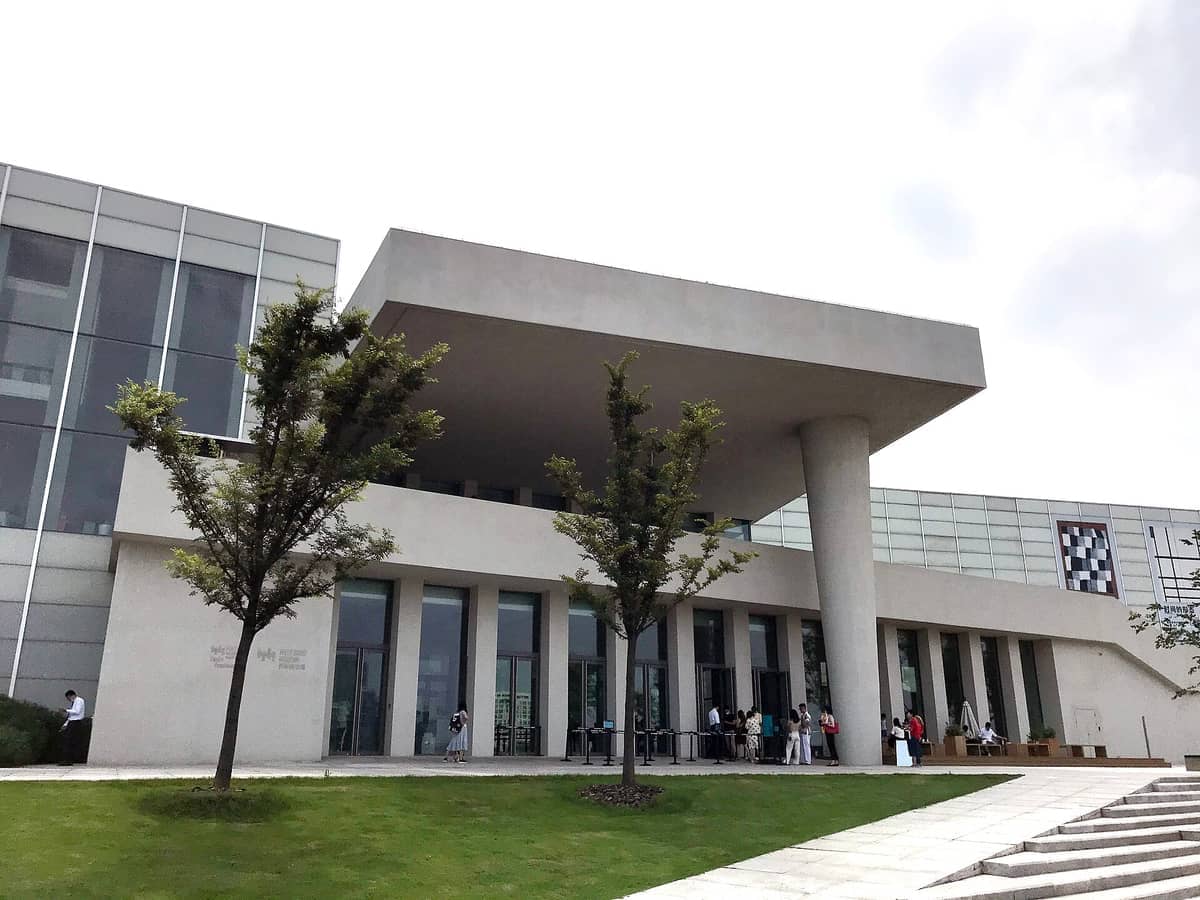
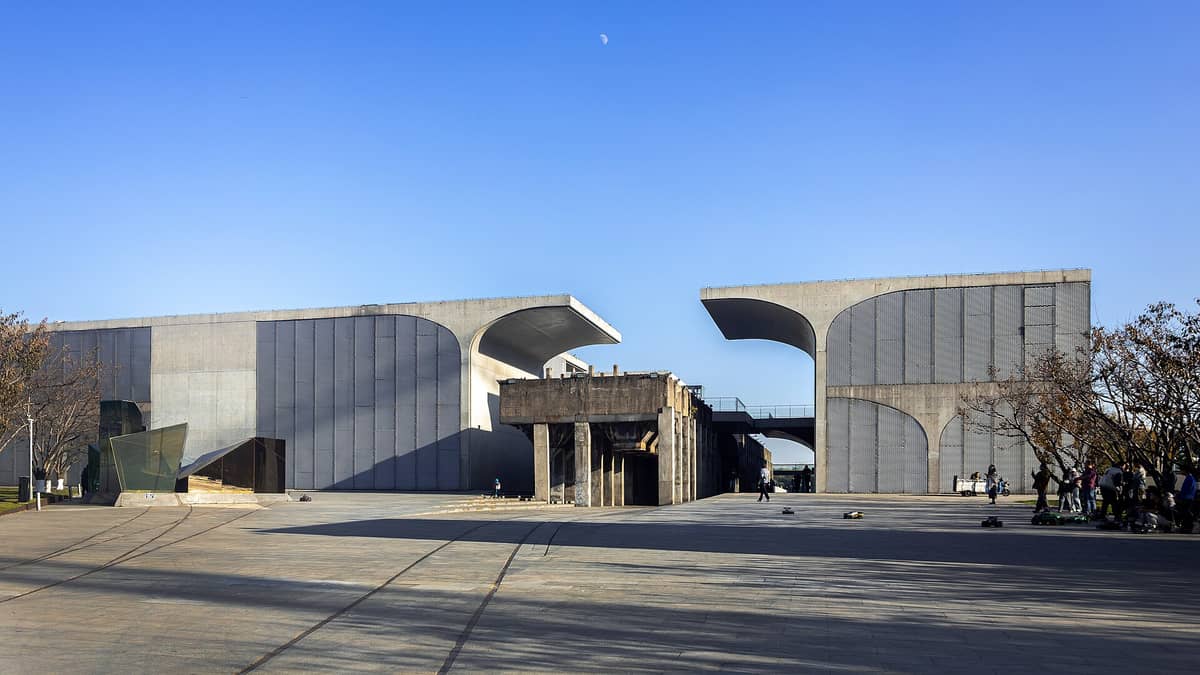
By mid-morning, the art museums along the waterfront begin opening their doors, and the character shifts slightly. On weekends, a design-literate crowd arrives: young Shanghainese in considered outfits, art students with sketchbooks, and a smaller number of international visitors. The museum buildings themselves are worth examining even from outside. Many were converted from former industrial structures, hangars and warehouses that processed goods and housed light manufacturing before the city decided to reframe this entire stretch as a cultural corridor. The Long Museum in particular occupies a coal hopper structure from the early twentieth century.
Inland Xuhui, around Hengshan Road and the streets feeding into Fuxing Road, feels like a different city from the riverside. The plane trees along Hengshan Road are wide-canopied enough that the street runs in broken light through the afternoon, with sun cutting between branches onto the pavement and the low facades of old lane housing. This is a neighborhood of independent cafes with genuine coffee programs, boutique wine bars that open by early evening, and a pace of life that suits lingering. After dark, Hengshan Road becomes one of Shanghai's quieter bar streets, preferable to the more frenetic strips in Jing'an if you want a conversation rather than a decibel count.
💡 Local tip
Visit the West Bund promenade on a weekday morning for the best experience: the crowds are thin, the light on the river is at its most photogenic, and the museums are peaceful enough to actually look at the work.
What to See & Do
The Long Museum West Bund is the anchor institution on the waterfront and one of the most significant private contemporary art museums in China. The building, designed by Atelier Deshaus, uses the original coal unloading bridge from the former Beiticun Coal Hopper as a structural and architectural feature. The collection focuses on modern Chinese art and major international works, and the temporary exhibitions tend to be ambitious in scale. Ticket prices and hours change seasonally, so verify before visiting.
The Yuz Museum, once a short walk along this promenade in a former aircraft hangar, has relocated to Panlong Tiandi in Qingpu. The hangar-era reputation for large-scale installation work still defines the collection, but travelers should not plan a West Bund walk around a visit. Between the Long Museum and the rest of the riverside, several smaller cultural venues and public art installations appear without needing to plan for them.
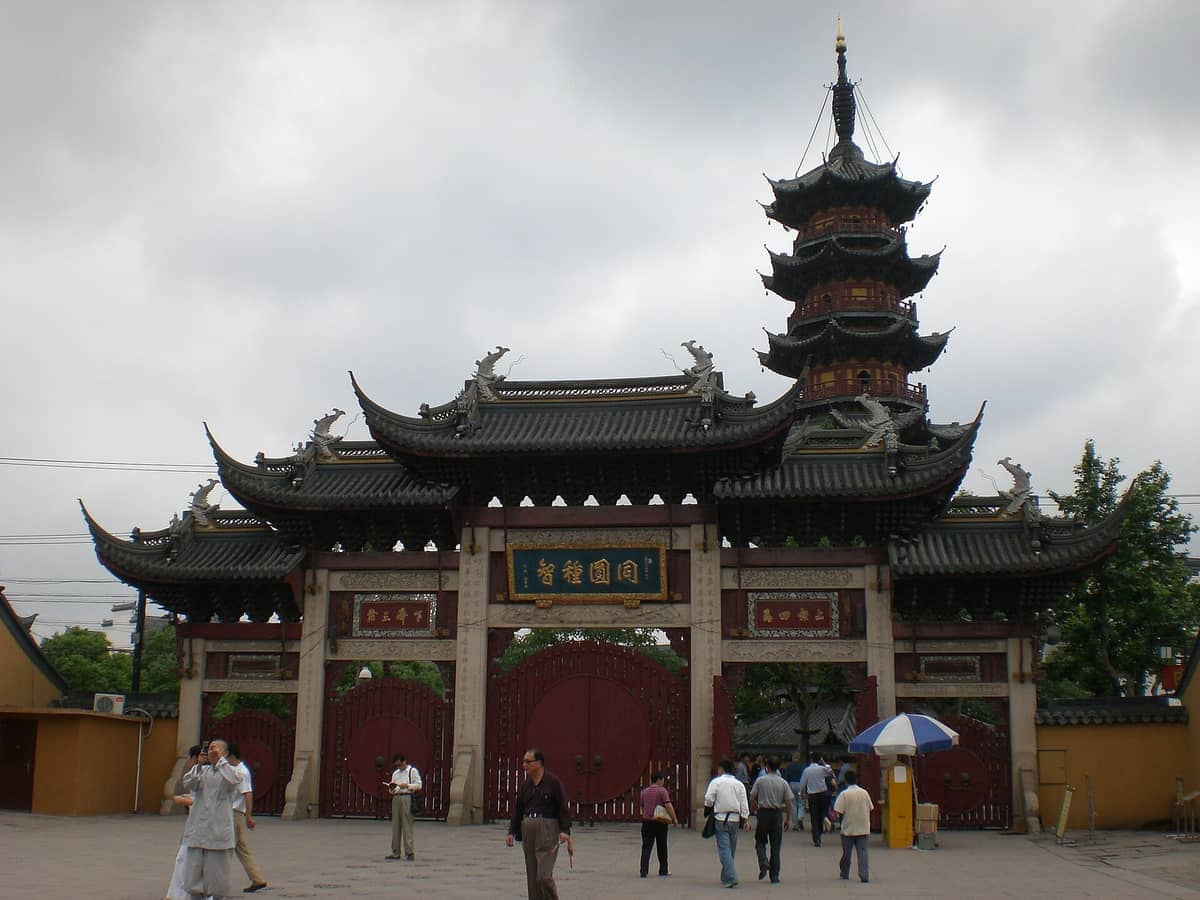
The West Bund AI Tower and the surrounding innovation complex represent the district's second identity: Shanghai's push to establish this strip as a hub for artificial intelligence companies and technology institutions. For most visitors this is background context rather than a destination, but it explains the new towers rising alongside the museums and why the neighborhood draws a particular professional crowd. A short detour inland brings you to Longhua Temple, Shanghai's largest active Buddhist temple complex and a site that has stood in various forms since the third century CE. The pagoda adjacent to the temple is one of the best‑preserved traditional multi‑story pavilion‑style pagodas in Shanghai and a rare surviving example of its type in the city.
Long Museum West Bund: contemporary art in a converted coal facility
Yuz Museum: large-scale international installation work, now at Panlong Tiandi in Qingpu rather than on the West Bund walk
West Bund promenade: 8.95 km of public riverfront open all day for walking, running, and cycling
Longhua Temple and Pagoda: active Buddhist complex with significant historical depth
Xujiahui commercial area: Grand Gateway 66 and Metrocity for shopping and food halls
Hengshan Road and surrounding lanes: independent cafes, wine bars, and concession-era architecture
If you are building a walking itinerary for the area, it connects naturally with the best self-guided walks in Shanghai. The riverside promenade is essentially flat and accessible, while the inland Xuhui streets offer a more textured urban walk through a mix of lane housing, restored concession-era villas, and neighborhood-scale commerce.
ℹ️ Good to know
The West Bund riverfront promenade is open as a public space around the clock, but individual museums keep their own hours and most are closed on Mondays. Always check opening times directly with each venue before visiting.
Eating & Drinking
The food scene in West Bund and Xuhui reflects the neighborhood's dual character. On the riverside, the museum cafes and waterfront restaurants tend toward international menus and design-forward interiors, with prices to match their locations. These are decent for a long lunch between gallery visits, and the river-view tables fill up quickly on weekend afternoons. Do not expect budget options along the water itself.
The better eating is a short walk inland. Xujiahui has several large food courts and supermarket-level dining options in Grand Gateway 66 and the surrounding malls, good for a fast, affordable meal from a wide range of Chinese regional cuisines. For something more specific, the streets around Tianping Road and Yongkang Road in the northern part of Xuhui offer the kind of small, owner-run noodle shops and local canteens that define Shanghai's neighborhood eating culture. If you want to understand the city's approach to noodles before or after exploring, the Shanghai noodles guide gives useful context on what to look for and order.
Hengshan Road and the streets branching off it have a well-developed coffee and wine bar scene that suits the early-evening pace of the neighborhood. Several independent cafes have built reputations for serious espresso programs, and the bar options here tend to attract a local professional crowd rather than backpackers or tour groups. For soup dumplings specifically, the Shanghai soup dumpling guide will direct you to the right spots across the city, including options accessible from the Xuhui metro network.
Museum cafes and waterfront restaurants: international menus, elevated prices, good for a long lunch
Xujiahui food courts in Grand Gateway 66: wide range, affordable, quick
Neighborhood noodle shops around Tianping Road: local, cash-friendly, unpretentious
Hengshan Road cafe and wine bar strip: independent, quality-focused, better for evenings
Longhua area street food vendors: snacks and bao near the temple, busiest on weekday mornings
💡 Local tip
Tipping is not customary in Shanghai restaurants, including in most hotel dining rooms. Service charges may appear in upscale venues but are not universal. You are not expected to add anything beyond the listed price.
Getting There & Around
Three metro lines serve the West Bund and Xuhui District, making the area straightforward to reach from most parts of Shanghai. Line 7 stops at Middle Longhua Road Station, which puts you close to the northern section of the West Bund promenade and the Longhua area. Line 11 covers Yunjin Road Station and Longyao Road Station, and together with Longhua Station on Lines 11 and 12 is useful for accessing different points along the waterfront. Line 12 intersects at Middle Longhua Road and Longhua, giving you additional connections toward Jing'an to the north and outer districts to the south. For the Xujiahui commercial hub, Lines 1, 9, and 11 all converge at Xujiahui Station, one of the busier interchange points in the metro network.
From the city center, the most direct approach is Line 9 from People's Square south toward Xujiahui, or Line 7 from Jing'an Temple area down toward Middle Longhua Road for the waterfront. The metro system covers most of Shanghai efficiently and signs are bilingual. For comprehensive guidance on navigating the city, the getting around Shanghai guide covers fares, metro maps, and practical tips for using ride-hailing apps.
Within the neighborhood, the West Bund promenade is best explored on foot or by bicycle. The path is flat, wide, and continuous, and rental bikes are available near some of the metro stations through app-based dockless systems. Walking the entire riverside stretch from north to south takes roughly two to three hours at a relaxed pace. From Xujiahui to the Long Museum on foot is approximately 25 to 30 minutes along Longhua Road, passing through the transition zone between the inland commercial district and the waterfront cultural strip.
Didi is the standard ride-hailing option for getting around if you want to avoid the metro. Fares from the Bund to the West Bund typically run in the range of 30 to 50 yuan depending on time of day and traffic, with the elevated ring road creating occasional bottlenecks during rush hours. Taxis are available but less convenient for hailing than using the app. Note that using Didi requires a phone number that can receive SMS verification and a payment method such as Alipay, WeChat Pay, or a supported international bank card.
Where to Stay
West Bund and Xuhui are not traditionally the first choice for first-time visitors to Shanghai, since the Bund, Jing'an, and the Former French Concession tend to absorb most of the hotel demand. That said, the area suits a specific type of traveler well. The guide to where to stay in Shanghai provides a full comparison of neighborhoods, but here is the case for Xuhui specifically.
The Xujiahui hub has a concentration of business-class hotels in the mid-to-upper price range, convenient for the metro connections and the commercial facilities in the area. Travelers attending events at the World Expo site or needing access to the southwestern districts find this location practical. The waterfront zone around West Bund has seen several new hotel openings as the development has progressed, with international brands positioning themselves near the cultural corridor. These properties tend toward the upper end of the market, with river views and proximity to the museum strip as the main selling points.
For travelers prioritizing the arts and preferring a quieter base, staying in Xuhui means you can walk to the Long Museum and Yuz Museum without competing with the tourist density of Nanjing Road or the Bund area. The neighborhood also provides easy access to the Former French Concession for evening dining without requiring you to sleep in the middle of it. If you are visiting for a longer stay and value residential-scale amenities over hotel-district convenience, the side streets of Hengshan Road and the lanes around Tianping Road offer a handful of smaller boutique options. For travelers focused on luxury travel in Shanghai, the newer West Bund waterfront properties represent a coherent alternative to the traditional Bund-facing options.
Honest Assessment: Who This Neighborhood Is For
West Bund and Xuhui reward travelers who have some interest in contemporary art, architecture, or simply want a riverside walk that has not been optimized for group tourism. The museums here are among the best in the city for serious collections, not curated-for-Instagram spectacle, and the promenade is one of the more genuinely pleasant public spaces in Shanghai. If you have two or three days in the city and are working through the main itinerary of the Bund, Lujiazui, and People's Square, West Bund makes a natural addition for a half-day or full day.
Where the neighborhood falls short is in the transitions between its zones. The walk between the waterfront and inland Xuhui passes through some unremarkable mid-century urban fabric, and the Xujiahui commercial node, while useful, is a mall district rather than a destination. The riverside museums are also closed on Mondays, which eliminates the primary reason to visit for some travelers; note that while the Long Museum remains on the waterfront, Yuz Museum has relocated from West Bund to Panlong Tiandi in Qingpu. After dark, the waterfront itself goes quiet quickly: the promenade is safe and lit but the food and bar activity concentrates inland, and getting between the two requires either a significant walk or a short ride.
First-time visitors with limited days who want to cover Shanghai's greatest hits efficiently are better served by staying closer to the Bund or Jing'an. West Bund is a second-visit neighborhood in the best sense: somewhere you graduate to when you already know the city well enough to appreciate what it is doing differently. The Shanghai contemporary art guide provides detailed coverage of the museums along the West Bund corridor if this is a primary reason for your visit.
⚠️ What to skip
Most West Bund museums are closed on Mondays. If your visit to Shanghai is short and you are planning specifically around the Long Museum, build your itinerary around this. Arriving on a Monday to find it closed is a frustrating and easily avoidable mistake.
TL;DR
West Bund is Shanghai's most coherent riverside arts district: a former industrial waterfront repurposed as a continuous public promenade with serious contemporary art museums including the Long Museum and Yuz Museum.
Best suited to travelers with an interest in contemporary art, architecture, or urban design, and to anyone wanting a riverside walk that functions as a genuine public space rather than a tourist attraction.
Inland Xuhui, particularly around Hengshan Road, offers tree-lined streets, independent cafes, and a quieter version of the Former French Concession atmosphere without the weekend crowds.
Metro Lines 7, 11, and 12 serve the waterfront; Lines 1, 9, and 11 connect at Xujiahui for inland Xuhui. The neighborhood is manageable without taxis for most daytime activity.
Not ideal as a base for first-time visitors focused on Shanghai's headline sights, and the strip between the waterfront and inland areas is less interesting than either endpoint. Museum closures on Mondays are a practical constraint worth planning around.
Three days is enough to cover Shanghai's essential contrasts: colonial waterfront, modern skyscrapers, art deco lanes, and some of the best urban food in China. This itinerary is built around the metro, organized by geography to minimize backtracking, and clear about what's worth your limited time.
Shanghai has one of the most diverse museum scenes in Asia, spanning 5,000 years of Chinese civilization, cutting-edge contemporary art, and world-class science. This guide covers the best museums in Shanghai by category, with practical tips on what to expect at each.
Shanghai rewards photographers at every turn, from the world-famous Bund skyline to laneway cafés draped in plane tree shade. This guide covers the 20 best photo spots in Shanghai, with specific advice on timing, angles, and what makes each location worth the trip.
Shanghai rewards walkers more than almost any other megacity in Asia. From the colonial grandeur of the Bund promenade to the plane-tree canopy of the French Concession and the regenerated industrial banks of Suzhou Creek, these self-guided routes are free, fully walkable, and rich with architectural and cultural detail. This guide gives you the routes, the logistics, and the practical detail to make the most of them.
Shanghai's temples are active places of worship with centuries of history behind them, not museum pieces. This guide covers the best Buddhist, Taoist, and Confucian temples in the city, from a golden shrine flanked by luxury malls to a 1,700-year-old complex with Shanghai's oldest surviving pagoda.
Shanghai is a city you can visit year-round, but when you go shapes everything from what you wear to how much you pay. This guide breaks down every season, the crowds, the climate quirks, and the festivals so you can plan with confidence.
Shanghai has one of the world's most dramatic skylines, and the city delivers it from every angle: glass-floored observation decks above the clouds, riverside promenades facing twin horizons, and rooftop bars with unobstructed Bund vistas. This guide covers the best spots to see it all, whether you're chasing the perfect photo at dusk or looking for the highest point in China.
Shanghai sits at the heart of one of China's best high-speed rail networks, putting ancient canal towns, mountain lakes, and imperial gardens within easy reach. This guide covers the top day trips from Shanghai with real costs, transport logistics, and a clear view of what's worth the journey.
Shanghai is one of Asia's most spectacular cities, and a surprising amount of it costs nothing to experience. This guide covers the best free attractions, from iconic waterfronts and heritage walks to museums with free-entry days and parks that locals actually use.
Shanghai has one of the world's most extensive metro systems, official taxi tariffs, a record-breaking Maglev train, and two major international airports. This guide breaks down every transport option with real fares, journey times, and what actually works best for travelers.
Shanghai rewards the curious traveller who looks beyond the Bund and Yu Garden. From a 1930s slaughterhouse turned art labyrinth to a basement full of Cold War propaganda posters, these are the places locals treasure and guidebooks overlook.
Shanghai sits at the top tier of Asia's luxury city-break destinations, with world-class hotels lining the Bund, a Michelin-starred restaurant scene that rivals Paris and Tokyo, and a shopping landscape anchored by flagship boutiques and heritage malls. This guide cuts through the noise to tell you exactly where to stay, eat, and spend your time, and when to go to get the most out of it.
Shanghai contains one of the world's most layered architectural landscapes: 52 colonial-era buildings on the Bund, one of the largest surviving Art Deco collections outside New York, and a Lujiazui skyline that rewrote the rulebook on supertall towers. This guide breaks it all down by era, district, and visiting logic.
Chinese New Year transforms Shanghai into a city of red lanterns, temple fairs, and reunion dinners, but it also brings closures, surging prices, and the world's largest annual human migration. This guide covers everything visitors need to know before arriving during Spring Festival.
Shanghai has quietly become one of Asia's most compelling contemporary art cities, with a scene distributed across state museums, private foundations, converted industrial spaces, and laneway galleries. This guide covers the essential venues across the city, from the West Bund riverfront to Suzhou Creek and the Bund.
Shanghai's food streets and night markets range from centuries-old snack courts near the City God Temple to massive outdoor markets running until 2am on weekends. This guide breaks down every major venue by location, hours, transport links, and what to actually order — so you spend less time searching and more time eating.
Shanghai delivers romance at every budget, from candlelit Bund rooftops and Huangpu River night cruises to slow afternoons in the French Concession. This guide breaks down the best couple experiences with real pricing, seasonal tips, and a clear view of what's worth your time.
Shanghai's hairy crab season runs from late September to early December, with distinct peak windows for female and male crabs. This guide covers the best restaurants, realistic price ranges, authenticity warnings, and practical booking tips to make the most of one of China's most celebrated annual eating events.
Autumn is widely considered the best season to visit Shanghai, but the three months play out very differently. This guide breaks down weather, crowds, seasonal food, key events, and practical logistics for September, October, and November so you can plan the right trip at the right time.
Spring is one of the most rewarding times to visit Shanghai, but each month feels different. This guide breaks down the weather, crowds, cherry blossom timing, and practical tips for March, April, and May so you can plan with confidence.
Shanghai at night is a different city entirely. The Bund glows across the river, French Concession bars fill up past midnight, and underground clubs don't peak until 2am. This guide breaks down where to go, when to arrive, what to pay, and what to skip.
Shanghai noodles are not one dish but an entire culinary category spanning delicate scallion oil noodles, rich braised pork belly noodles, and luxurious seasonal crab roe noodles. This guide breaks down every style worth knowing, with realistic price ranges, seasonal notes, and practical ordering tips for first-timers and returning visitors alike.
Shanghai has a reputation as a global financial powerhouse, but day-to-day costs are far more manageable than most visitors expect. From ¥3 metro rides to free museum admissions and ¥15 noodle bowls, this guide breaks down exactly how to explore one of the world's great cities without burning through your money.
Shanghai is one of Asia's safest major cities for tourists, but petty theft, overcharging, and a handful of persistent scams do catch visitors off guard. This guide breaks down exactly what to watch for, how to get around safely, and what to do if something goes wrong.
Shanghai is one of Asia's great shopping cities, with options ranging from luxury flagship stores and slick megamalls to fabric markets where tailors cut custom suits for a fraction of Western prices. This guide breaks down the best areas, what to expect, and how to avoid the traps.
Xiaolongbao are Shanghai's most iconic bite — thin-skinned, broth-filled, and deceptively tricky to eat without burning yourself. This guide covers where to find the best versions across the city, what to order by season, how much to pay, and the rookie mistakes that will ruin your first basket.
Shanghai is a city of 24.8 million people, 20 metro lines, and a learning curve that catches most first-timers off guard. This guide cuts through the noise with practical, specific advice on getting around, choosing the right season, understanding the neighborhoods, and avoiding the mistakes that waste your time and money.
Four ancient water towns sit within day-trip distance of Shanghai, each with a different character, price point, and crowd level. This guide cuts through the confusion with specific transport details, current ticket prices, and a ranking to help you choose the right one for your trip.
Shanghai rewards family travel more than most cities its size. From the immersive lands of Shanghai Disneyland to the dinosaur halls of the Natural History Museum, this guide covers the best activities for kids of all ages, when to visit, how to get around with children, and what to skip.
Shanghai is one of the most layered cities on earth, where Art Deco waterfront architecture stands opposite a forest of supertall skyscrapers, and century-old tea houses sit a short metro ride from world-class contemporary art museums. This guide covers the best things to do in Shanghai, organized by theme and neighborhood, with a clear view of what's worth your time and what to skip.
Shanghai cuisine is one of China's most distinct regional food traditions, built around sweetness, umami, and precision technique. This guide covers the dishes you should not leave without trying, where to find them, what to pay, and how to eat like someone who actually lives here.
Choosing where to stay in Shanghai shapes your entire trip. This guide breaks down the city's key neighborhoods by location, metro access, price range, and who each area suits best, so you can book with confidence.