What to Eat in Shanghai: Essential Dishes & Food Culture
Shanghai cuisine is one of China's most distinct regional food traditions, built around sweetness, umami, and precision technique. This guide covers the dishes you should not leave without trying, where to find them, what to pay, and how to eat like someone who actually lives here.
Plan and book this trip
Tools from our partner Travelpayouts help you compare flights and hotels. If you book through them, we may earn a commission at no extra cost to you.
Flights
Hotels map
TL;DR
- Shanghai cuisine leans sweet and rich — soy-braised dishes, soup-filled dumplings, and delicate seafood define the local table.
- Xiaolongbao (soup dumplings) cost ¥15–30 per steamer at good local spots; avoid the tourist-trap versions near Yu Garden unless you research the specific restaurant first.
- Hairy crab season runs late September to early December — mid-October to mid-November is the sweet spot for quality and availability.
- Street food breakfasts (jianbing, soy milk, fried dough sticks) disappear by mid-morning; plan early if you want the real thing.
- For the full seasonal picture, check the best time to visit Shanghai guide before you book.
Understanding Shanghai Cuisine: What Makes It Distinct
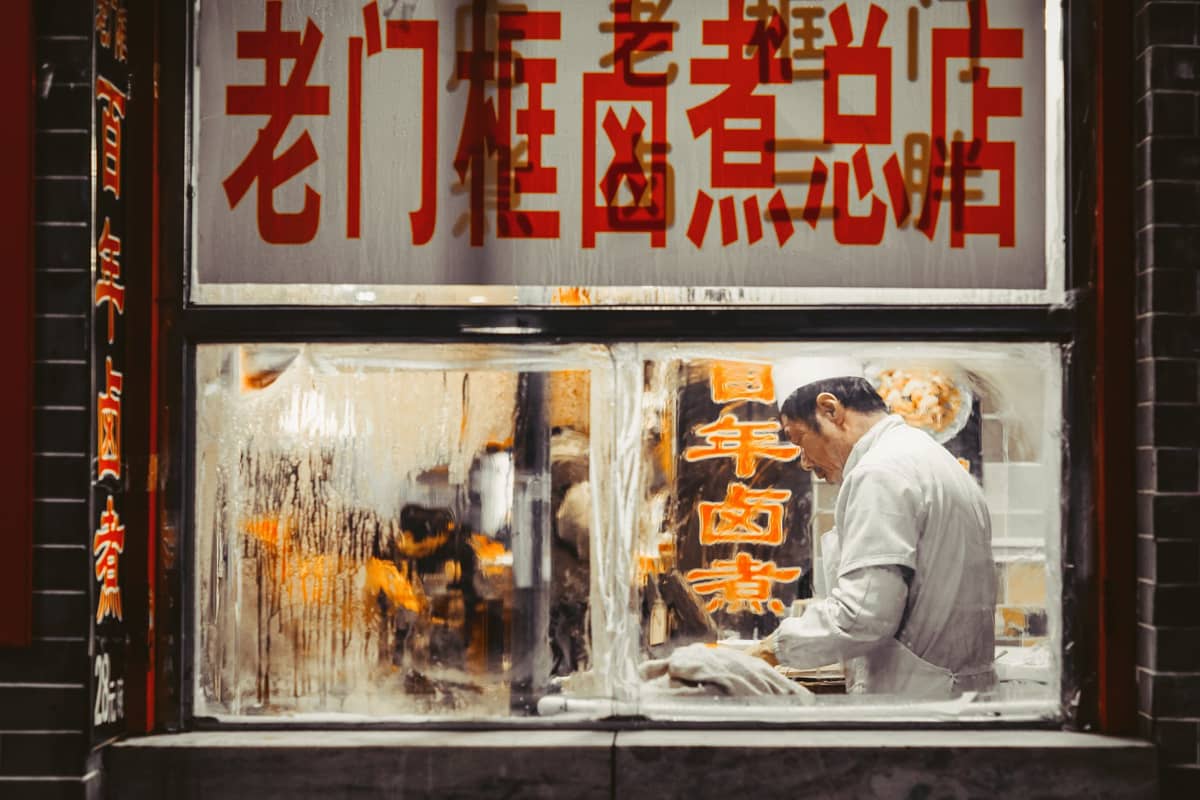
Shanghai cuisine (本帮菜, Benbang cai) is the local culinary tradition of the city itself, and it occupies a specific place within the broader landscape of Chinese regional food. Where Sichuan cooking punishes with chili and Cantonese cooking prizes pure ingredient flavor, Shanghai food trades in sweetness, soy depth, and slow-braised richness. The signature technique is hong shao — red-braising in soy sauce, Shaoxing rice wine, rock sugar, and aromatics until the meat lacquers and the sauce clings. Pork belly, tofu knots, and river fish all benefit from this treatment.
The city sits at the mouth of the Yangtze River Delta, which means freshwater seafood — crab, shrimp, eel, and fish — has always been central to the diet. The surrounding region (Jiangsu and Zhejiang provinces) shares culinary DNA with Shanghai, so you will find dishes that blur into Suzhou or Hangzhou cooking at many restaurants. This is not confusion: it reflects a genuine regional food culture that existed long before municipal boundaries.
Shanghai is a city of roughly 24.8 million people with deep exposure to global food culture. You will find excellent food from every Chinese province, and serious international dining across districts like the Former French Concession and Xintiandi. But this guide focuses on what is genuinely local and worth prioritizing.
The Dishes You Actually Need to Try
Not every 'famous Shanghai dish' deserves equal attention. Below is an honest ranking of what is worth seeking out, what is overhyped, and what requires specific timing or location to taste properly.
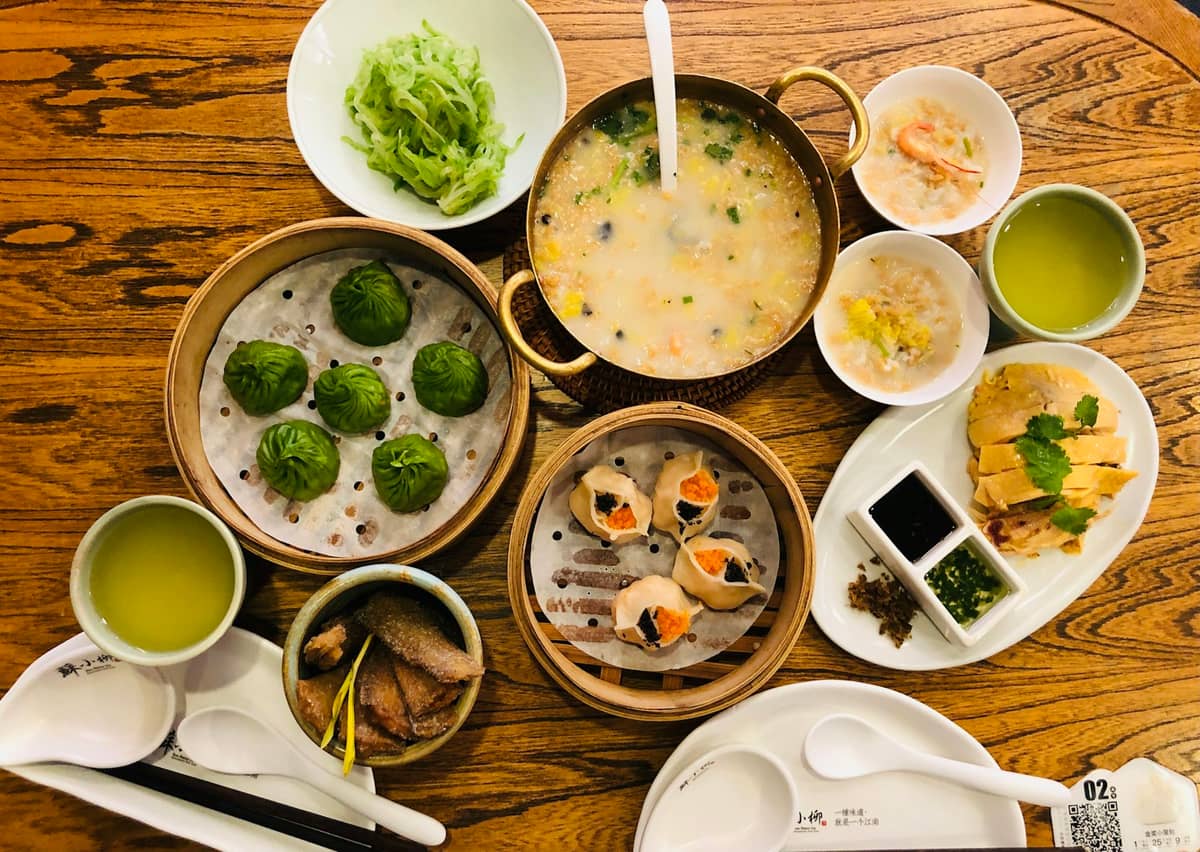
- Xiaolongbao (小笼包) — Soup Dumplings The single dish most associated with Shanghai abroad, and for good reason. A properly made XLB contains a thin pleated skin encasing seasoned pork and a puddle of gelatinized pork broth that liquefies when steamed. Price: ¥15–30 per steamer at reputable local shops. The technique is to place the whole dumpling on a spoon, bite a small hole, sip the broth, then eat. Scalding your mouth is avoidable with patience.
- Shengjianbao (生煎包) — Pan-Fried Pork Buns Thicker-skinned than XLB, these buns are proofed with yeast, filled with pork and broth, then pan-fried in a shallow iron wok until the base is golden and crisp. Sesame seeds and chopped spring onion finish the top. Price: ¥8–15 per order (typically 4 pieces). These are a proper Shanghai breakfast or lunch food — not a dumpling-restaurant menu item.
- Hong Shao Rou (红烧肉) — Red-Braised Pork Belly The dish that best illustrates Benbang cooking philosophy: pork belly slow-cooked until the fat is translucent, the skin gelatinous, and the sauce reduced to a glossy, sweet-savory coating. Available at traditional Shanghainese restaurants across the city, usually ¥50–120 per portion depending on establishment.
- Jianbing (煎饼) — Savory Breakfast Crepe Technically a northern import that has become a Shanghai street staple. A mung bean batter crepe cooked on a flat griddle, spread with hoisin and chili sauce, topped with a fried egg, crispy wonton cracker, and chopped scallion. Price: ¥8–12. Available mornings only — most stalls pack up before 10:30am.
- Yangcheng Lake Hairy Crab (阳澄湖大闸蟹) A seasonal luxury, available late September through early December. The female crabs (eaten October–November for their roe) and male crabs (November–December for their creamy tomalley) require no elaborate preparation — steamed whole, then dismantled with chopsticks and a small spoon. Price: ¥80–350 per crab depending on size and certification.
- Scallion Oil Noodles (葱油拌面) One of Shanghai's most deceptively simple dishes: noodles tossed with rendered scallion oil, soy sauce, and occasionally shrimp. At good local noodle shops, this costs ¥10–20 and demonstrates how much technique matters in minimal cooking.
⚠️ What to skip
Xiaolongbao near major tourist sites — especially the stalls directly outside Yu Garden and Yuyuan Bazaar — are frequently overpriced and inconsistent in quality. A steamer that costs ¥15 in a residential neighborhood can run ¥40–60 in these areas for an inferior product. Walk two or three blocks away from the main tourist drag and look for queues of locals.
Shanghai Street Food: What to Eat, What to Pay, When to Go
Street food in Shanghai is genuinely affordable if you eat where locals eat. A filling breakfast runs ¥15–25; a full street-food lunch costs ¥30–80 depending on what you order. Budget ¥150–200 per person for a half-day food crawl covering multiple stops. The price gap between tourist-area stalls and residential neighborhood stalls can be 200–400%, so location matters more than almost anything else.
The best street food hours are early: before 10am for breakfast items, and the lunch window of 11:30am–1pm for noodles and quick meals. Evening brings roasted sweet potatoes from carts (especially in autumn), skewered meats, and stinky tofu (chòu dòufu) — divisive but worth one attempt. The Shanghai food street guide maps out the best neighborhoods by category.
- Soy milk (豆浆, doujang) with fried dough sticks (油条, youtiao): ¥8–15 for both — the classic Shanghai breakfast pairing
- Cong you bing (葱油饼): scallion flatbread, fried crisp — ¥5–10 per piece
- Stinky tofu (臭豆腐): fermented, deep-fried, polarizing — ¥8–15 per portion
- Tang bao (汤包): soup-filled steamed buns at a slightly larger scale than XLB — ¥20–40
- Noodles or dumplings at a local canteen: ¥15–30 for a complete meal
💡 Local tip
Most Shanghai breakfast stalls operate on cash. Keep ¥5–20 notes on hand. WeChat Pay and Alipay work at many stalls too, but having cash is essential as a backup. Tipping is not expected anywhere in local food settings.
Hairy Crab Season: Timing, Pricing, and Avoiding Fakes
Yangcheng Lake hairy crab (大闸蟹, dazha xie) is Shanghai's most celebrated seasonal ingredient. The season officially opens in the last week of September and runs to approximately late December, but the quality window is narrower: mid-October to mid-November is when roe-heavy females and tomalley-rich males overlap at their best. Outside this window, you may find crabs marketed as hairy crabs, but they will not have the same richness.
Pricing varies significantly by source. At wet markets, live crabs sold by weight run approximately ¥80–140 per kilogram at season's start. At mid-range restaurants, expect to pay ¥80–150 per crab; certified Yangcheng Lake crabs with provenance tags cost ¥150–350 per crab. A full hairy crab feast at a specialist restaurant typically runs ¥200–500 per person. The restaurant prices include the labor-intensive experience of eating with the crab tools provided — many diners consider this worth the premium.
The fake-crab problem is real. Crabs grown in other lakes are sometimes sold under the Yangcheng Lake name. Genuine certified crabs carry a metal tag or rubber band with a QR code on the claw indicating origin and registered farm. Ask to see this before ordering in a restaurant, or buy from certified vendors. For more on planning an autumn visit around this experience, the Shanghai hairy crab guide goes into full detail on restaurants, wet market shopping, and eating technique.
ℹ️ Good to know
Hairy crab is not available year-round. Many visitors assume they can eat it any time of year because it appears on restaurant menus. Outside the September–December season, what you are eating is frozen crab, often from a different origin entirely. If hairy crab is a priority, plan your trip for October or November.
Seasonal Eating in Shanghai: What the Calendar Unlocks
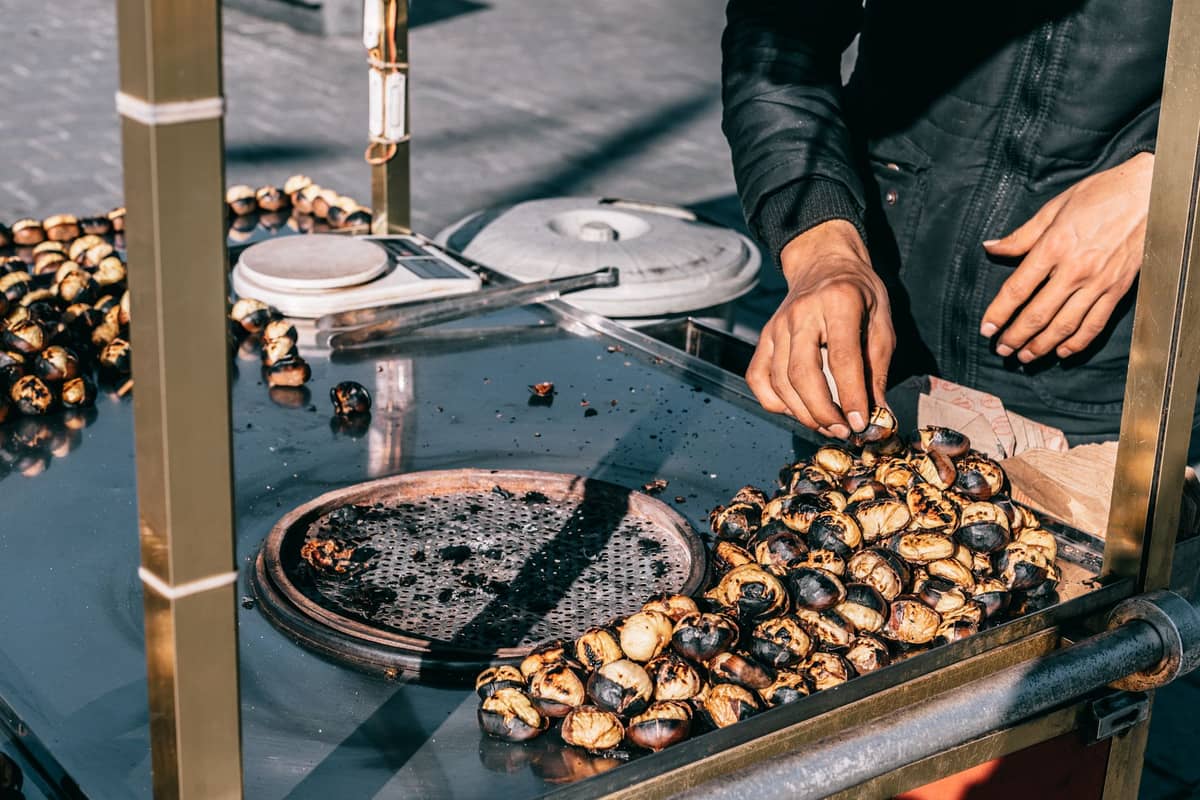
Shanghai rewards food-focused visitors who plan around the calendar. Autumn (September–November) is the strongest season for eating: hairy crab, roasted chestnuts, sweet osmanthus desserts, and the general excellence of cool-weather cooking. Spring brings river shrimp and fresh bamboo shoots — both briefly seasonal and worth seeking on restaurant menus. Summer eating is market-driven: cold noodles, bitter melon, and fresh lotus root appear in local canteens. For a full breakdown of what each season offers, read the Shanghai in autumn and Shanghai in spring guides.
One seasonal pattern that catches visitors off guard: Shanghai's soup dumpling shops adjust their recipes slightly by season, with fattier, richer fillings in winter and lighter versions in summer. This is not documented on menus but reflects the kitchen's response to local ingredient availability and eating habits. It is a small detail that separates a competent Benbang restaurant from a tourist-facing one.
Where to Eat: Neighborhoods and Practical Strategy
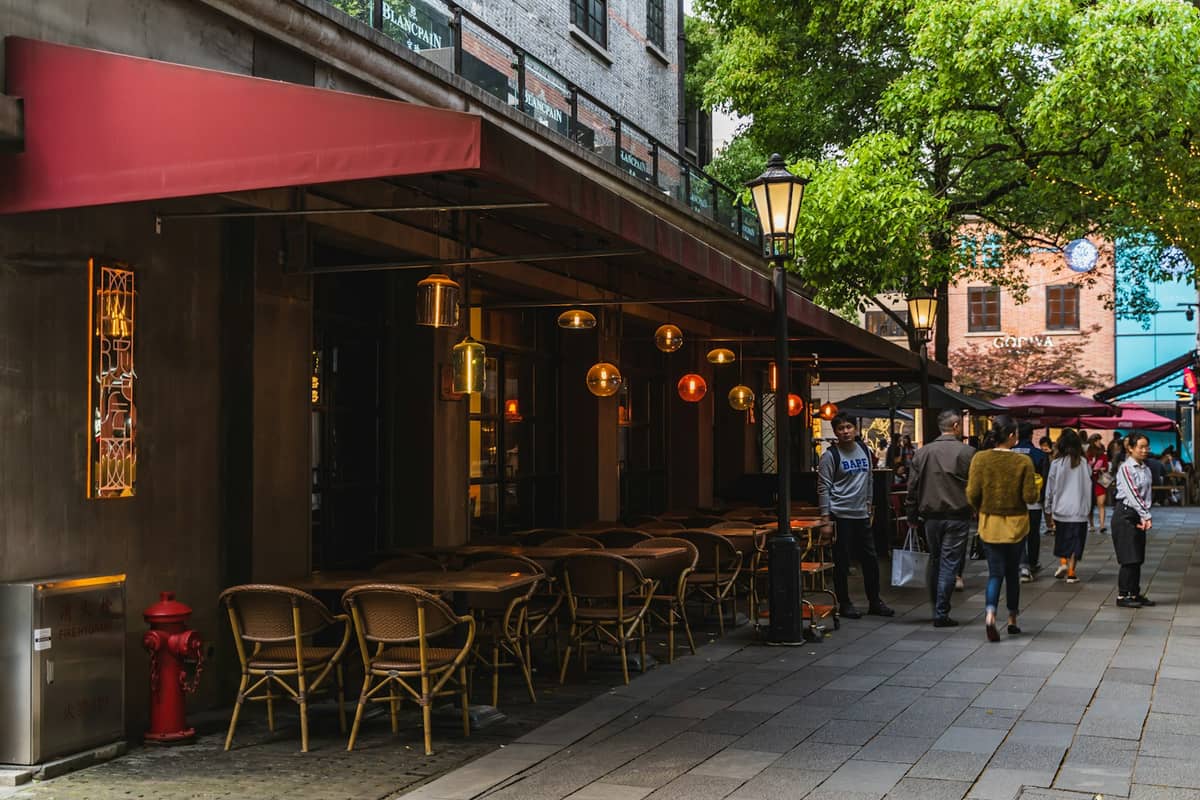
The Former French Concession concentrates mid-range to upscale Shanghainese restaurants alongside international dining, cafes, and bakeries. Tianzifang and the surrounding streets have tourist-oriented options but also some genuinely good local spots — you need to research specific names rather than wandering in. Jing'an district has reliable neighborhood canteens and a growing number of serious regional Chinese restaurants.
For soup dumplings specifically, the most reliable approach is to ask your accommodation for the nearest branch of a respected local chain, or use a Chinese food app (Dianping is the local equivalent of Yelp) to find high-rated spots within walking distance. The Shanghai soup dumplings guide covers the best dedicated XLB restaurants with current address details. For noodle lovers, the Shanghai noodles guide maps out the city's best bowls by style and district.
Old Town (Nanshi) around the City God Temple area has concentrated street food and traditional snack vendors, but prices are higher than average and quality varies. It is worth one visit for the atmosphere and specific snacks like tangyuan (glutinous rice balls) and osmanthus rice cakes, but it should not be your primary eating destination. Treat it as a supplement to eating in residential neighborhoods.
✨ Pro tip
Download Dianping (大众点评) before you arrive and set it to show restaurants near your location. Even without reading Chinese, the star rating, photo count, and price-per-person indicator (people icons and ¥ symbols) give you enough information to identify well-regarded local spots. Many restaurants listed there accept reservations through the app.
Budget Breakdown: What Eating in Shanghai Actually Costs
Shanghai food costs span an enormous range. Street level and canteen eating is among the best-value food experiences in any major global city. Fine dining at the top end matches international prices. Here is a realistic framework for 2025–26 based on current market rates.
- Budget: ¥30–80 per meal Street food, noodle shops, dumpling canteens, and local breakfast stalls. Filling and often excellent. Most residential neighborhoods have multiple options at this level.
- Mid-range: ¥80–200 per person Sit-down Shanghainese restaurants, regional Chinese cuisine spots, quality Japanese or Korean dining. This bracket covers most of the genuinely good food in the city.
- Upscale: ¥200–500+ per person Specialist hairy crab restaurants (in season), high-end Benbang fine dining, and the city's serious international restaurants. Worth budgeting for at least one meal if food is a travel priority.
- Half-day food crawl: ¥150–200 per person A practical budget for covering four to six stops across breakfast items, snacks, and a light lunch — the ideal format for first-time visitors exploring Shanghai cuisine.
If budget is a primary concern, the Shanghai on a budget guide covers eating strategies alongside free and low-cost activities. Shanghai food culture genuinely rewards low-budget eating — the best xiaolongbao in the city do not cost more than ¥30.
FAQ
What is the most famous food in Shanghai?
Xiaolongbao (soup dumplings) is the dish most internationally associated with Shanghai. Locally, shengjianbao (pan-fried pork buns) and hong shao rou (red-braised pork belly) are equally central to the Shanghainese food identity. Hairy crab is the most celebrated seasonal specialty.
When is the best time to visit Shanghai for food?
Autumn (October–November) is the strongest period, combining hairy crab season with mild weather and a full range of seasonal ingredients. Spring (March–April) is second-best, with fresh river shrimp and bamboo shoots appearing on menus. Summer is intense heat but brings good cold noodle culture.
Is street food in Shanghai safe to eat?
Yes, with normal common sense applied. Busy stalls with high turnover and visible cooking are consistently safe. Avoid pre-cooked items that have been sitting out for hours in summer heat. The popular misconception that all Chinese street food is unsafe does not reflect the reality of Shanghai's well-regulated urban food environment.
How do I know if hairy crabs are genuine Yangcheng Lake crabs?
Certified Yangcheng Lake crabs carry a metal or plastic tag with a QR code on the claw that traces back to a registered farm. Ask to see this tag before ordering at a restaurant, or look for it when buying at a wet market. Untagged crabs sold under the Yangcheng Lake name should be treated as unverified.
Can vegetarians eat well in Shanghai?
Yes, though it requires some navigation. Buddhist vegetarian restaurants (素食, sùshí) are present across the city, often near temples. Many Shanghainese dishes are vegetable or tofu-based, particularly stir-fried greens, tofu skin preparations, and braised vegetables. The challenge is that many 'vegetable' dishes are cooked with lard or pork-based broth in traditional settings — always clarify if this matters to you.