Shanghai Soup Dumplings (Xiaolongbao): Where to Eat the Best
Xiaolongbao are Shanghai's most iconic bite — thin-skinned, broth-filled, and deceptively tricky to eat without burning yourself. This guide covers where to find the best versions across the city, what to order by season, how much to pay, and the rookie mistakes that will ruin your first basket.
Plan and book this trip
Tools from our partner Travelpayouts help you compare flights and hotels. If you book through them, we may earn a commission at no extra cost to you.
Flights
Hotels map
TL;DR
- Xiaolongbao (小笼包) are soup dumplings, not steamed buns — the broth is locked inside a thin wrapper, not poured in separately.
- Nanxiang Steamed Bun Restaurant at Yu Garden is the most historically significant spot, open daily 7:30 a.m.–9:00 p.m. with pork xiaolongbao from around ¥28 for six.
- Crab-roe xiaolongbao are seasonal — only worth ordering from roughly October through November when hairy crabs are at peak.
- Always eat xiaolongbao fresh from the steamer: bite a small hole in the skin, let steam escape, drink the broth, then eat the rest.
- Budget around ¥25–60 per basket at local spots; Din Tai Fung runs ¥60–90 per basket. See our full Shanghai food guide for more dishes to pair with your dumpling crawl.
What Xiaolongbao Actually Are (And Why Shanghai Takes Credit)
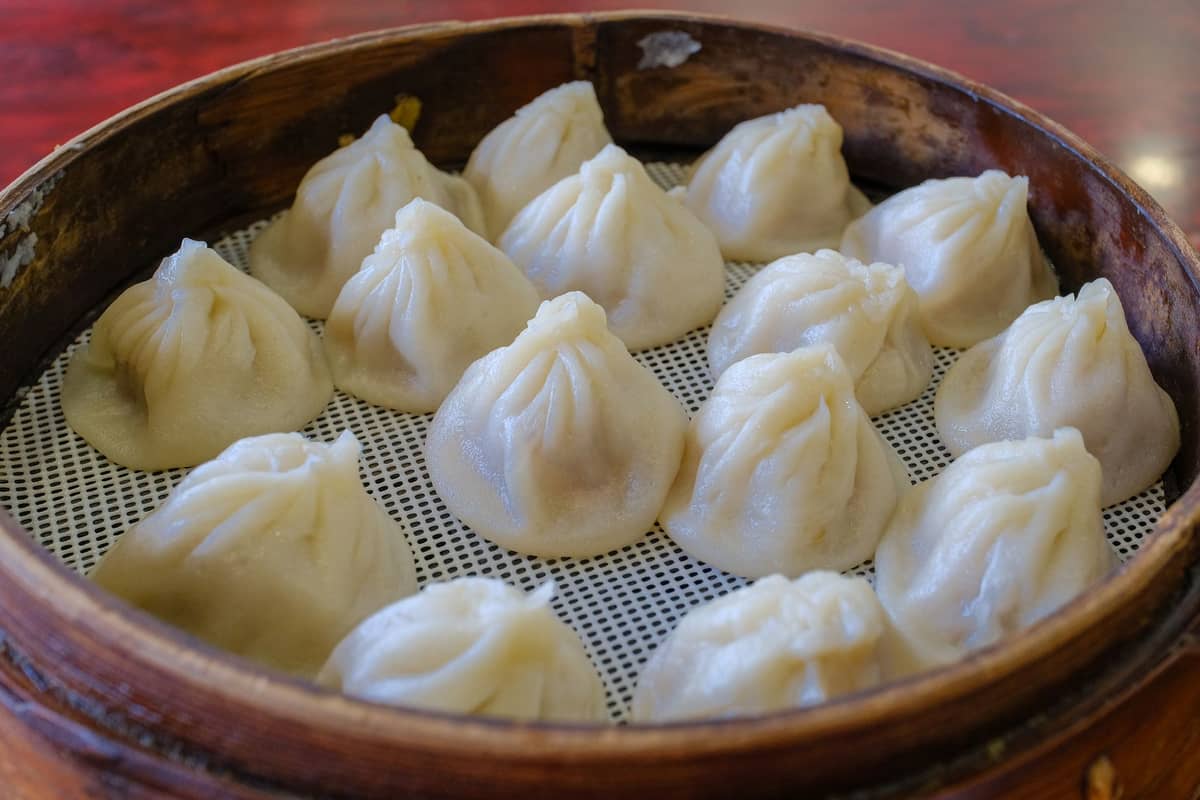
The name translates literally as 'small basket steamed bun,' but that undersells what's happening inside. Xiaolongbao are thin-dough dumplings filled with seasoned pork and a concentrated gelatinized broth that melts into liquid during steaming. When you pick one up, you're holding a small pouch of hot soup. That's the entire point, and it's why technique matters more than most visitors realize.
Shanghai's claim to xiaolongbao traces to Nanxiang, a district in Jiading that was once a separate town. The story most often told is that a local restaurateur named Huang Mingxian developed the dish in the 19th century, refining the skin thickness and broth concentration over time. Whether or not every detail of that origin is precise, Nanxiang's name is embedded in the dish's history, and the Nanxiang Steamed Bun Restaurant has operated a flagship outpost at the Yu Garden bazaar for decades — long enough that it's become a city institution regardless of tourist-trap concerns.
ℹ️ Good to know
Xiaolongbao are not the same as tangbao (soup bun) or shengjianbao (pan-fried bun). All three are Shanghai staples but have distinct skins, cooking methods, and textures. Shengjianbao have a thicker, doughier base and are fried rather than steamed — worth trying separately, not instead of xiaolongbao.
How to Eat Xiaolongbao Without Burning Yourself
This matters more than most guides admit. Xiaolongbao should arrive at the table still in the bamboo steamer, skin taut and broth hot. Do not jab the dumpling with your chopstick or lift it from the top fold — the skin tears easily and the broth will pour out onto the plate, which is a waste. The correct approach: use a flat soup spoon as a cradle, gently transfer one dumpling into it, then bite a small hole into the side of the skin. Let the steam escape for a few seconds. Tip the dumpling slightly and drink the broth from the opening. Then eat the rest in one or two bites, optionally dipping in the provided ginger-and-vinegar condiment.
The dipping condiment is worth paying attention to. Most restaurants serve xiaolongbao with a thin vinegar — usually Zhejiang black vinegar — alongside julienned fresh ginger. The acidity cuts through the rich pork fat and the ginger settles the stomach after several rounds of dumplings. Don't drown the dumpling in vinegar; a light dip is enough. Some places include a mild soy-based sauce as well, but the vinegar-ginger combination is the traditional pairing.
⚠️ What to skip
Never eat a xiaolongbao whole directly from the steamer. The broth inside can reach above 80°C. Biting in without releasing steam first causes serious burns to the mouth and throat — a genuinely common mishap with first-time visitors. Let it rest on your spoon for at least 1–2 minutes after arriving at the table.
Where to Eat the Best Xiaolongbao in Shanghai
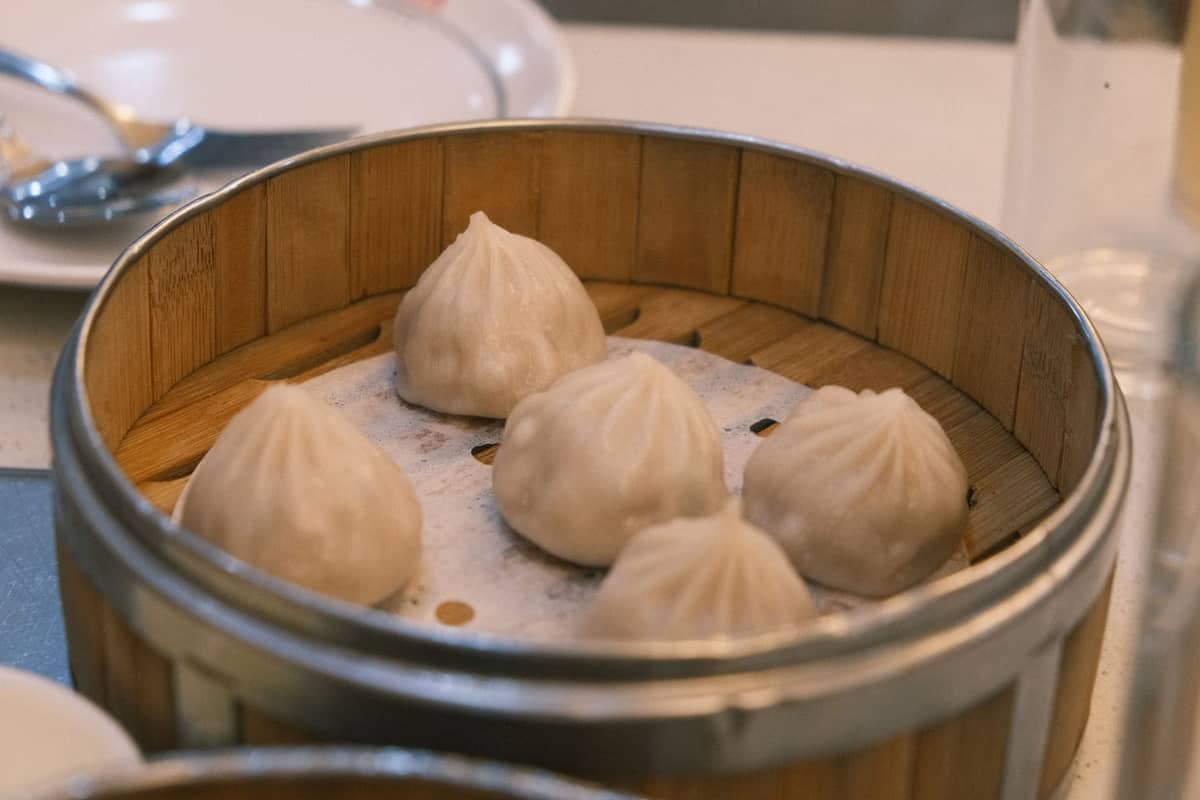
The city has no shortage of xiaolongbao vendors, but quality and context vary significantly. Below are the most reliable options across different budgets and neighborhoods. For a wider picture of where to eat across the city, the Shanghai food street guide covers the broader street-food landscape.
- Nanxiang Steamed Bun Restaurant (南翔馒头店) — Yu Garden The most historically significant spot in the city for xiaolongbao. The Yu Garden branch operates daily from approximately 7:30 a.m. to 9:00 p.m. Ground-floor takeaway is the fastest option; upper floors have table service and a broader menu. Pork xiaolongbao cost around ¥28 for six; crab-and-pork versions run approximately ¥58 for six (seasonal, autumn only). Queues at the ground-floor counter can exceed 30 minutes on weekends and public holidays — arrive before 9:00 a.m. or after 2:30 p.m. to reduce waiting time.
- Din Tai Fung (鼎泰豐) — Multiple Locations The Taiwanese chain with global reach maintains several Shanghai branches, including locations in Xintiandi and major shopping malls. Hours are typically 11:00 a.m. to 9:00 p.m., with last orders around 8:30 p.m. Basket prices run approximately ¥60–90 depending on filling and location. Din Tai Fung's skin is thinner and more consistently folded than most local competitors — it's engineered precision rather than artisanal variation. Worth trying for the quality control, but it's not a 'local experience.'
- Jia Jia Tang Bao (佳家汤包) — Various Branches A local chain with a strong reputation among Shanghai residents who take xiaolongbao seriously. Less visible to tourists than Nanxiang, which is partly the appeal. Lines form early on weekend mornings. Prices are lower than Din Tai Fung — expect to pay around ¥25–40 per basket depending on filling. The pork-and-crab version, when available seasonally, is considered by many regulars to be the better value pick over Nanxiang's equivalent.
- Yang's Dumplings (杨氏生煎) — Note the Distinction Yang's is known for shengjianbao (pan-fried dumplings), not steamed xiaolongbao — frequently confused by visitors. The two dishes share some DNA but are not the same. Yang's is worth visiting separately, but don't go expecting classic xiaolongbao.
- Hotel Dim Sum and Restaurant Chains Several mid-range and upscale restaurants in the Former French Concession and Jing'an serve refined xiaolongbao as part of broader Shanghainese menus. These are reliable fallback options if you're already in those neighborhoods and don't want to make a separate trip to Yu Garden or a Jia Jia branch. Quality is generally solid, pricing runs ¥45–80 per basket, and you get table service without the tourist-area queues.
Seasonal Fillings: Why Timing Changes What You Should Order
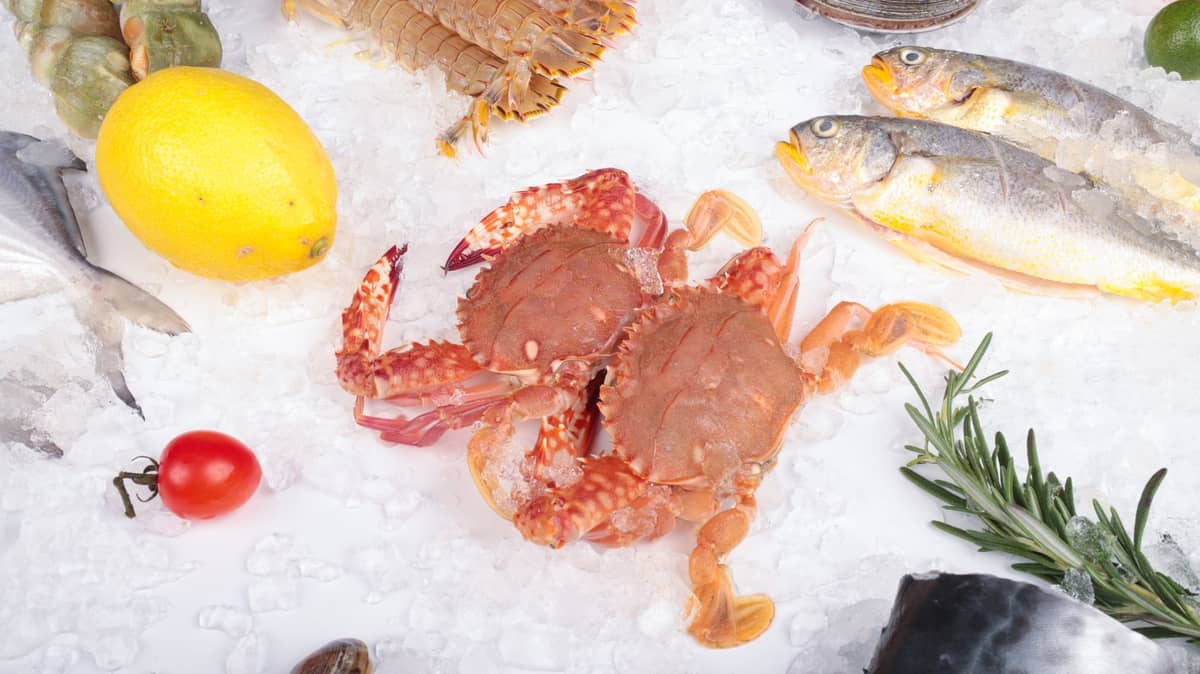
Shanghai's official food guidance is clear on this: xiaolongbao fillings follow the seasons, and eating them out of season means you're getting inferior ingredients or a manufactured approximation. The hairy crab season in autumn is when crab-roe xiaolongbao are worth the premium — typically October through November, when Yangcheng Lake hairy crabs are at peak supply.
The seasonal rotation, as documented by Shanghai's municipal food authorities, breaks down roughly as follows: spring brings fillings using malantou (Indian aster, a local foraged green with a mild bitterness), summer shifts toward lighter vegetable-based fillings, autumn is the window for crab roe, and winter introduces fillings using bamboo shoots dug in the cold months. If a restaurant offers crab-roe xiaolongbao in July, treat that as a warning sign rather than a bonus.
✨ Pro tip
If visiting in autumn, order both the standard pork and the crab-roe xiaolongbao side by side at Nanxiang or Jia Jia. The difference in richness and complexity between the two is significant — the crab roe adds a brackish, umami depth that the pork-only version doesn't have. It costs roughly twice as much per basket but makes for a useful comparison if you're only going once.
Pricing Breakdown and What to Expect
Xiaolongbao pricing in Shanghai is fairly predictable once you understand the tiers. Local teahouses and canteen-style spots charge around ¥20–35 for a basket of six to eight pork dumplings. Mid-tier restaurants and recognized chains (including Nanxiang's table-service floors and Jia Jia) sit in the ¥30–60 range depending on filling. Din Tai Fung and hotel restaurants push into the ¥60–90 bracket. Above that, you're paying for ambience, not better dumplings.
- Budget tier (¥20–40 per basket): local neighborhood spots, market stalls, Jia Jia Tang Bao counter service
- Mid tier (¥40–70 per basket): Nanxiang table service, reputable Shanghainese restaurants in the Former French Concession
- Premium tier (¥70–100+ per basket): Din Tai Fung, hotel restaurants, high-end Chinese dining venues
- Crab-roe surcharge: expect to pay roughly double the standard pork price at any tier during October–November
Tipping is not expected or customary in mainland Chinese restaurants, including xiaolongbao shops. Service charges are not standard at most local spots, though upscale hotels may include one. Payment is almost universally handled via Alipay or WeChat Pay in local restaurants — have a backup card or cash (Chinese yuan, CNY) ready. For broader logistics on getting around and paying for things, the guide to getting around Shanghai covers payment practicalities for visitors.
Neighborhood Strategy: Where to Combine Xiaolongbao with Sightseeing
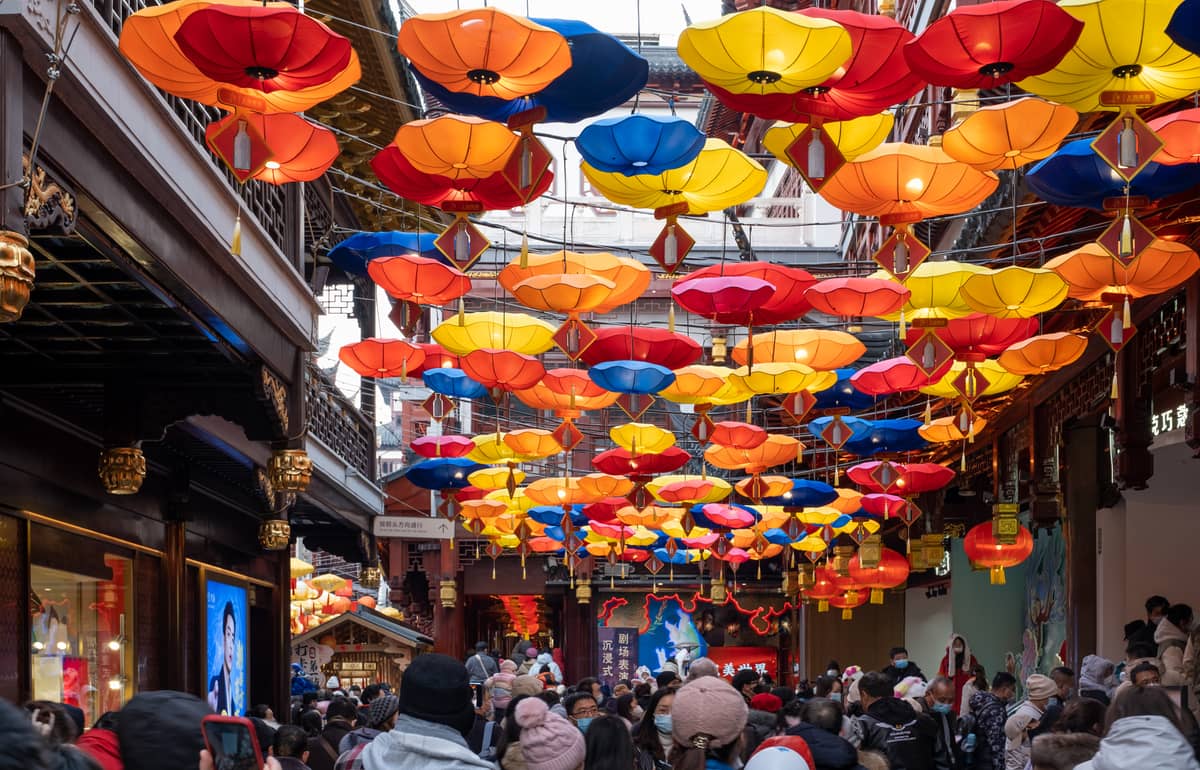
The Yu Garden Nanxiang branch sits inside the Yuyuan Bazaar complex in the Old Town. It's the most convenient stop if you're already planning to visit the City God Temple or Yu Garden itself — both are within a five-minute walk. The area is crowded year-round, especially on weekends, so factor queue time into your schedule.
If you're based in the Former French Concession or Jing'an, multiple restaurants in those neighborhoods serve reliable xiaolongbao without the tourist-area crowds. These are better options for a relaxed lunch where you can sit down, order multiple dishes, and take your time — xiaolongbao pair well with a bowl of Shanghai-style noodle soup on the side.
For visitors spending three days in the city, it's worth building at least two separate xiaolongbao stops into your itinerary — one classic (Nanxiang or Jia Jia) and one neighbourhood restaurant — to understand the range. The 3-day Shanghai itinerary has logical routes that connect food stops with major sights.
FAQ
What is the difference between xiaolongbao and other Shanghai dumplings?
Xiaolongbao are steamed, thin-skinned dumplings filled with pork and liquid broth. Shengjianbao are pan-fried with a thicker, chewier base and crisped bottom. Wontons (huntun) are boiled and typically served in soup. All three appear on Shanghai menus but are distinct dishes with different textures and eating experiences.
Is Nanxiang Steamed Bun Restaurant worth the queue?
For the historical significance and the chance to eat xiaolongbao at the most iconic address in the city, yes — once. The ground-floor takeaway queue moves faster than it looks. If you want a sit-down meal without a long wait, go on a weekday morning before 10:00 a.m. or try a neighbourhood restaurant instead. The quality is good but not categorically superior to what serious local spots like Jia Jia Tang Bao offer at lower prices.
When is the best time of year to eat crab-roe xiaolongbao in Shanghai?
October through November, coinciding with hairy crab season. This is when the roe used in premium xiaolongbao comes from crabs at peak quality. Outside this window, crab-roe versions either use frozen roe or are not offered at all. If you're visiting specifically for this dish, plan your trip for mid-October to mid-November.
How much should I budget for xiaolongbao in Shanghai?
At local and mid-tier spots, ¥25–60 per basket of six to eight dumplings is a reasonable expectation. A satisfying xiaolongbao meal with tea and a side dish typically costs ¥60–120 per person at these price points. Din Tai Fung and hotel restaurants will cost more — ¥150–250 per person — without a meaningful quality advantage over the best local options.
Can I find good xiaolongbao outside of the Yu Garden area?
Yes. Yu Garden's Nanxiang branch is famous but not the only serious option. Jia Jia Tang Bao has a loyal local following, and the Former French Concession and Jing'an both have competent restaurants serving xiaolongbao as part of broader Shanghainese menus. Avoiding the tourist concentration around Yu Garden often means shorter waits, lower prices, and a more relaxed atmosphere.