3 Days in Shanghai: The Perfect Itinerary
Three days is enough to cover Shanghai's essential contrasts: colonial waterfront, modern skyscrapers, art deco lanes, and some of the best urban food in China. This itinerary is built around the metro, organized by geography to minimize backtracking, and clear about what's worth your limited time.
Plan and book this trip
Tools from our partner Travelpayouts help you compare flights and hotels. If you book through them, we may earn a commission at no extra cost to you.
Flights
Hotels map
TL;DR
- Day 1 covers the Bund, People's Square museums, and Nanjing Road — all walkable or one metro stop apart.
- Day 2 focuses on the Former French Concession, Xintiandi, and Tianzifang — the best of Shanghai's low-rise, street-level character.
- Day 3 crosses the river to Pudong for the skyline towers, then wraps up with a Huangpu River cruise at dusk — the most dramatic way to end a Shanghai trip.
- The metro covers all three days efficiently. A 3-day pass costs ¥45 (Maglev sold separately at ¥50 one-way).
- Book museum tickets in advance online — many major attractions, including the Natural History Museum, no longer guarantee walk-in entry.
Before You Go: Logistics That Will Save You Time
Shanghai is a provincial-level municipality of the People's Republic of China, home to 24.8 million permanent residents across 6,340 square kilometers and 16 districts. For visitors, the relevant geography is much tighter: most of what you want to see sits within a few kilometers of the Huangpu River, split between the historic west bank (Puxi) and the modern east bank (Pudong). The metro system connects them efficiently, and three days is a realistic window to experience both sides without rushing.
Getting from Pudong International Airport (PVG) into the city: take the Maglev to Longyang Road (7-8 minutes, ¥50 standard or ¥40 with same-day boarding pass), then transfer to Metro Line 2 toward People's Square. Total time is around 40-55 minutes and costs under ¥55. The Maglev is not part of the standard metro network and requires separate ticketing. Alternatively, Metro Line 2 all the way from PVG takes 60-75 minutes for about ¥7-10. Taxis run ¥150-250 depending on traffic. For everything else during your stay, the metro is your best tool. A 3-day pass costs ¥45 and covers the full metro network — see the complete guide to getting around Shanghai for line maps and ticketing details.
⚠️ What to skip
Many of Shanghai's top museums now require advance online booking, even for free admission. The Natural History Museum, Science and Technology Museum, and Astronomy Museum all use WeChat mini-programs or official ticketing platforms. Same-day walk-ins are not guaranteed. Reserve your tickets 1-3 days ahead, especially on weekends and public holidays.
A few practical basics: Shanghai runs on China Standard Time (UTC+8), uses Chinese yuan (CNY/RMB), and operates on 220V/50Hz electricity with Type A, C, and I sockets — most hotels have multi-standard outlets. Tap water meets national treatment standards but is not recommended for drinking without boiling; bottled water is cheap and available everywhere. Tipping is not customary in local restaurants or taxis. Emergency numbers: police 110, medical 120, fire 119.
ℹ️ Good to know
Visa rules for China change frequently. Shanghai participates in 24-hour and 240-hour (10-day) transit visa-free policies for eligible nationalities arriving at PVG or Hongqiao. Some passport holders qualify for short-stay mutual exemptions. Verify your specific situation with official Chinese immigration authorities (en.nia.gov.cn) before booking — do not rely on outdated blog posts.
Day 1: The Bund, People's Square, and Nanjing Road
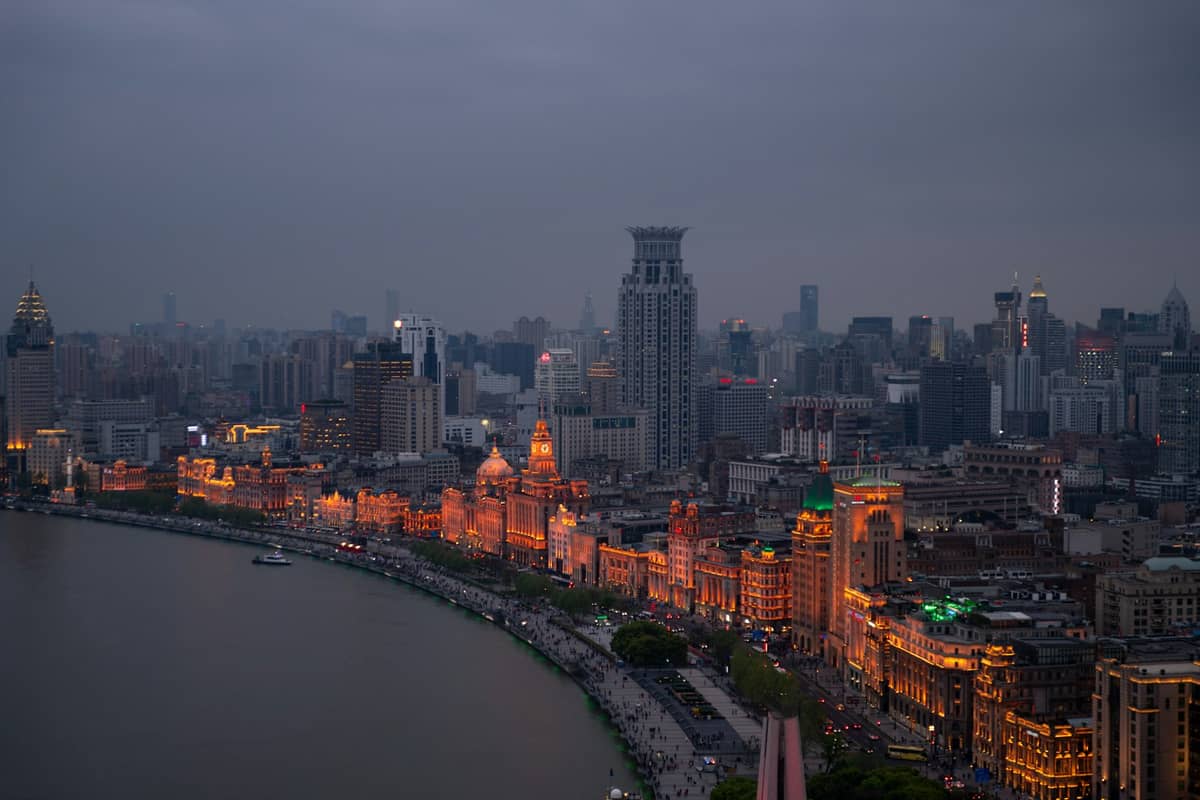
Start at the Bund promenade before 8am. The 1.5-kilometer waterfront walkway faces the Pudong skyline across the river, and the light in the morning is clean before the haze builds. The neoclassical and art deco facades behind you — the former HSBC Building, the Customs House, the Peace Hotel — date from Shanghai's treaty port era, roughly 1843 to 1943, when the city was divided into foreign concessions. By mid-morning the promenade fills with tour groups, so arriving early is the practical choice, not just the scenic one.
From the Bund, walk west along Nanjing Road to People's Square, about 15 minutes on foot. This is where three of Shanghai's best museums sit in close proximity. The Shanghai Museum on the south side of the square has one of China's finest collections of bronzes, ceramics, calligraphy, and furniture — free entry, but book online ahead of time. The Shanghai Urban Planning Exhibition Center is worth an hour if you want to understand how the city has transformed since the 1990s. Pick the museums that match your interests and don't try to do all three in one morning.
- Morning (7-9am) Walk the Bund promenade before crowds arrive. Cross Waibaidu Bridge toward Hongkou for a different angle on the skyline.
- Mid-morning (9-12pm) Shanghai Museum at People's Square — allow 2 hours minimum for the permanent collection. Book tickets in advance.
- Lunch Nanjing Road has tourist-priced restaurants on the pedestrian street itself. Walk one block north or south for better value local spots — noodle shops and dim sum restaurants are easy to find in the side streets off Nanjing West Road.
- Afternoon (2-5pm) Explore Nanjing Road Pedestrian Street for the retail spectacle, then head toward the Rockbund area for Shanghai's gallery district and the renovated waterfront north of the main Bund strip.
- Evening Return to the Bund at dusk when the Pudong towers light up. The view is genuinely impressive. Then dinner in the streets around East Nanjing Road station.
💡 Local tip
The Bund is most photogenic at blue hour, roughly 30-45 minutes after sunset, when the buildings on both sides of the river are illuminated but the sky still has color. Plan your evening accordingly — check sunset times for your specific travel dates.
Day 2: Former French Concession, Xintiandi, and Tianzifang
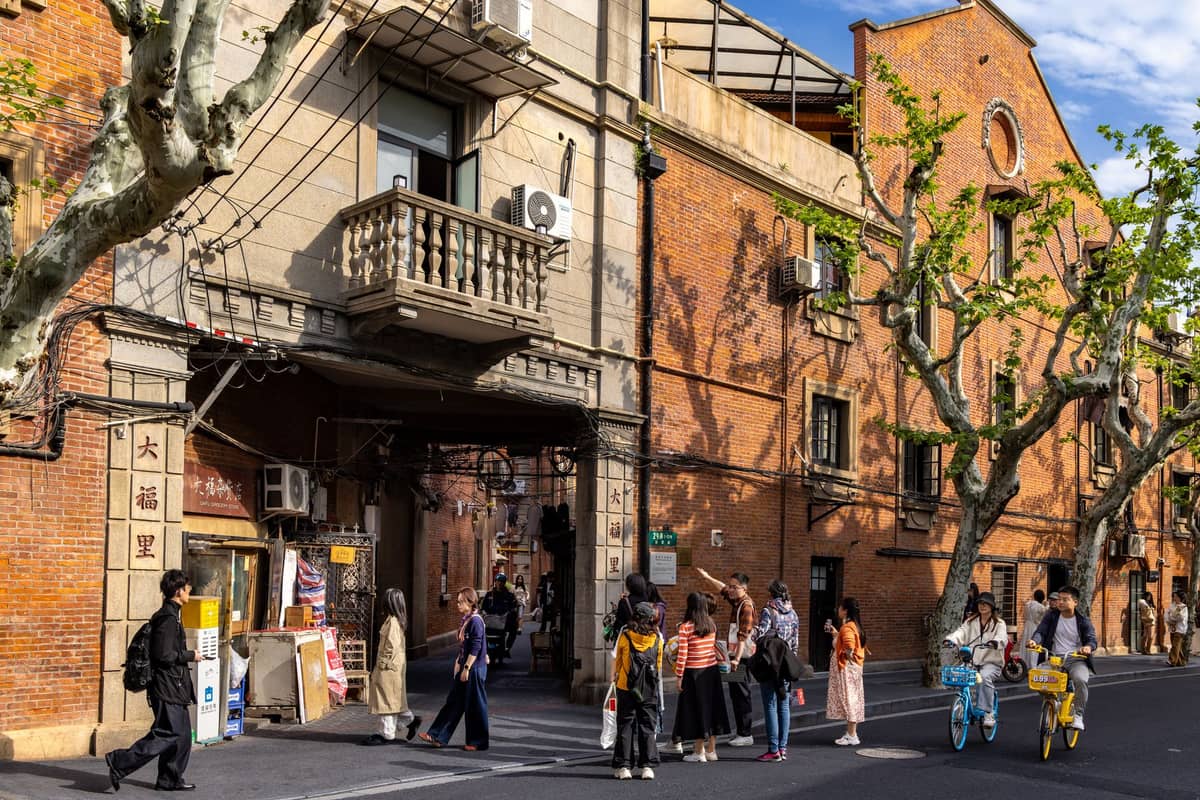
The Former French Concession is where Shanghai's street-level character is most concentrated. The neighborhood covers parts of Xuhui and Huangpu districts, roughly bounded by Huaihai Road to the north and Fuxing Road to the south. The tree-lined streets, plane trees shedding bark in summer, and the mix of 1920s and 1930s architecture give this area a texture that no other part of Shanghai replicates. It rewards slow walking more than efficient sightseeing.
Start at Xintiandi in the morning before the lunch crowds arrive. The shikumen (stone-gate) houses here have been converted into cafes, restaurants, and boutiques — it's commercially polished, but the architecture is genuine and the Memorial of the First CPC National Congress on the south block is an unexpectedly interesting historical site. From Xintiandi, walk south along Madang Road and then cut west through the residential lanes toward Fuxing Park. The park itself is a good place to watch locals do tai chi or play cards in the morning.
Spend the afternoon at Tianzifang — a warren of converted shikumen laneways off Taikang Road filled with independent shops, cafes, and studios. It's the more charismatic alternative to Xintiandi: narrower, less curated, better for browsing without a plan. The area gets crowded on weekend afternoons, so arrive before 2pm if possible. Afterward, walk north along Ruijin Road or Wukang Road — the latter lined with historic villas — toward the Huaihai Road shopping corridor for the early evening.
- Wukang Road: one of Shanghai's most photographed streets, a curved boulevard lined with French Concession-era buildings and the distinctive Normandie Apartments at the tip
- Fuxing Park: free entry, good for a 20-minute break between sights
- Sinan Mansions: restored 1920s garden villas converted to hotels and restaurants, quieter than Xintiandi
- Huaihai Road: the main shopping street of the concession, more local in character than Nanjing Road
- Shanghai Propaganda Poster Art Centre: a small, offbeat museum near Changshu Road metro with a serious collection of mid-20th century posters
Day 3: Pudong Skyline, the River, and Jing'an
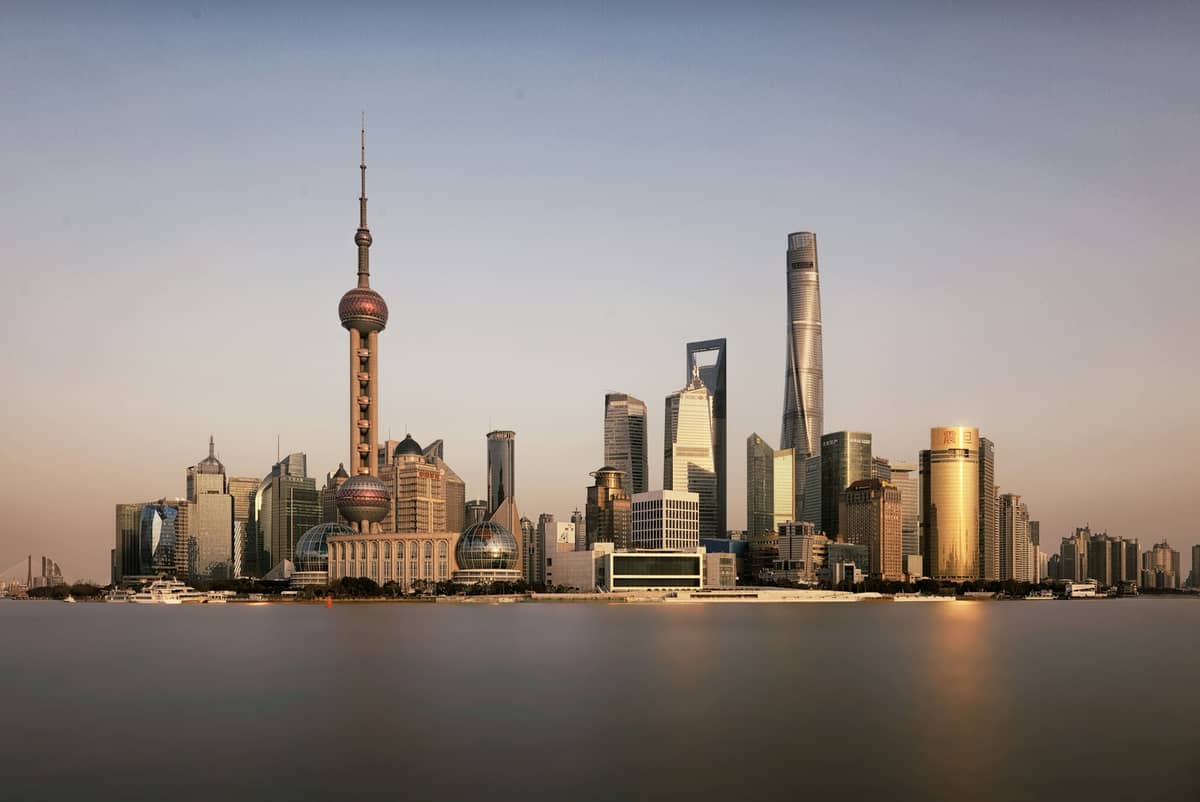
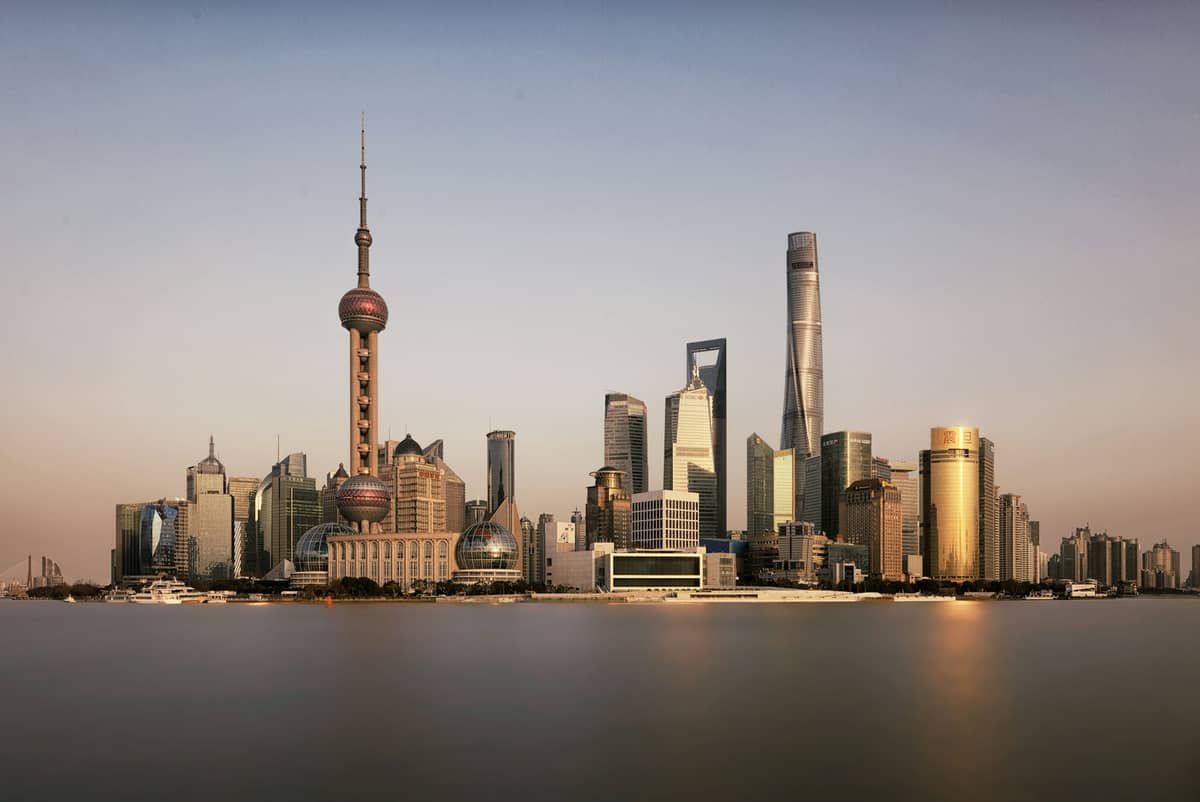
Cross to Pudong via Metro Line 2 to Lujiazui station. The trio of towers here — the Shanghai Tower (632m, the world's third-tallest building), the Shanghai World Financial Center (492m), and the Jin Mao Tower (420m) — form one of the most recognizable skylines on earth. The observation decks vary in price and experience: the Shanghai Tower's 118th-floor deck at 546 meters is the highest public observatory in the cluster, while the World Financial Center's "bottle opener" aperture at 474 meters offers a different perspective. Pick one; doing all three is redundant and expensive.
The Oriental Pearl Tower is the most recognizable tower in photos but offers the least impressive visitor experience of the group — the observation levels are lower and the crowds heavier. The Shanghai History Museum at its base, however, is genuinely good: well-curated exhibits on the city's development from fishing village to treaty port to global metropolis, with English labeling. Allow 90 minutes and book tickets ahead.
Return to Puxi in the afternoon. If you haven't visited Jing'an yet, this is the time. The Jade Buddha Temple is an active Buddhist monastery with two significant white jade Buddha statues — modest entry fee, genuinely atmospheric outside of peak tourist hours. Nearby, the Jing'an Temple sits incongruously between skyscrapers on Nanjing West Road, its golden roofs visible from the metro exit. End the day with a Huangpu River cruise at dusk — evening departures from the Bund piers run roughly 60 minutes and offer the best view of both Puxi and Pudong illuminated simultaneously.
✨ Pro tip
If the Shanghai Tower observation deck is your priority, go on a weekday morning and book online. Weekend afternoons involve long queues even with pre-purchased tickets. Clear days are rare in summer due to humidity haze — autumn (October to November) gives the clearest views and best photography conditions.
Eating Well Across 3 Days
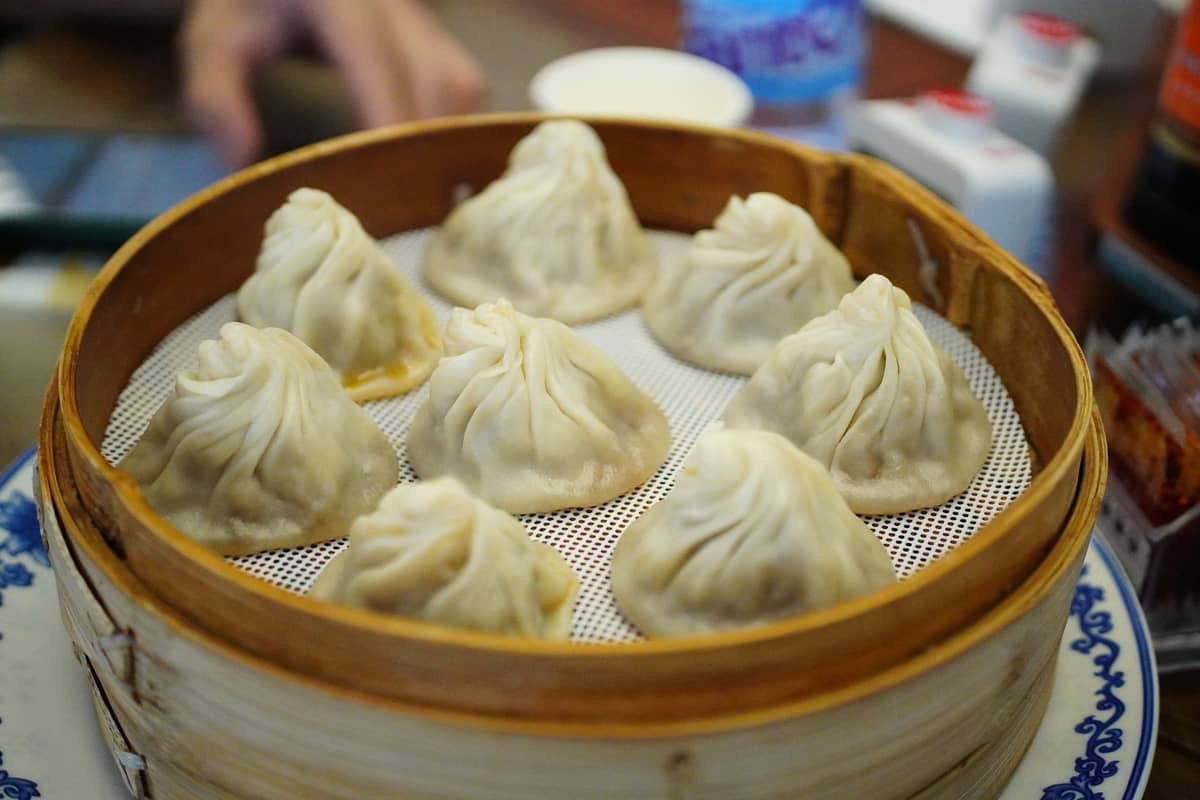
Shanghai has a distinct local cuisine that goes beyond what most visitors expect. The city's signature dishes lean toward sweetness and braised richness: hongshao rou (red-braised pork belly), smoked fish, and lion's head meatballs. For the full picture of what to order and where, the guide to eating in Shanghai covers everything from street food to high-end Shanghainese restaurants.
- Soup dumplings (xiao long bao) The definitive Shanghai snack. Din Tai Fung is reliable but tourist-priced; local chains like Jia Jia Tang Bao near People's Square offer better value at around ¥20-30 for a steamer. Order carefully — the broth inside is scalding.
- Shengjianbao (pan-fried pork buns) Crispier and more filling than soup dumplings, cooked in large flat pans. Yang's Fry-Dumpling (Yang Ji Sheng Jian) has multiple branches and is consistently good at under ¥15 for a portion.
- Noodles Spring onion oil noodles (cong you ban mian) are a Shanghai breakfast staple — simple, cheap, and excellent. Any neighborhood noodle shop will have them for ¥12-20.
- Hairy crab (seasonal) If visiting September through November, order hairy crabs — they're a Shanghai obsession during this period and worth the splurge at a specialist restaurant.
- Coffee and cafe culture Shanghai has one of the highest concentrations of specialty coffee shops in Asia. The Former French Concession is the epicenter — Seesaw, Manner, and dozens of independent roasters operate within a few blocks of each other.
Seasonal Timing and What It Affects
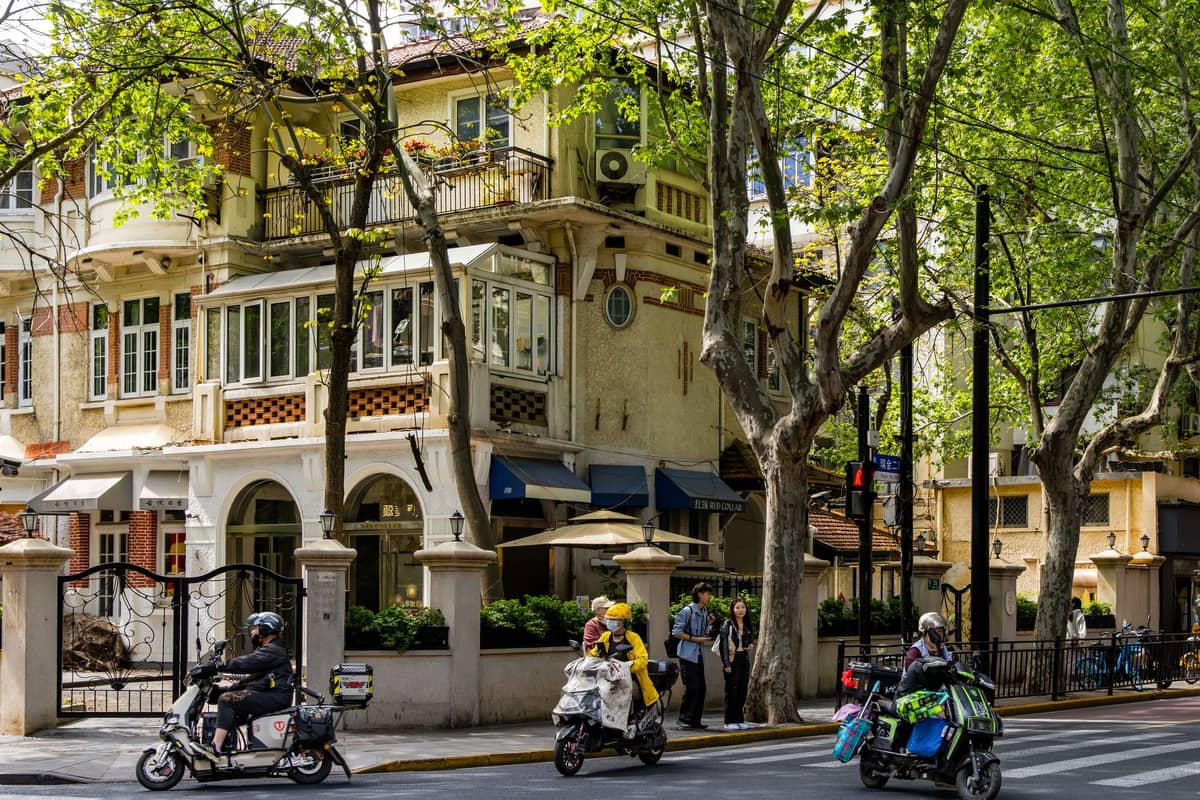
The best months to visit Shanghai are April to May and October to November. Spring brings warming temperatures (10-20°C daily mean) and the city's plane trees in new leaf. Autumn is clearer and drier, with daily means around 15-22°C, and offers the best conditions for outdoor photography and skyline views. Both periods avoid the extremes of Shanghai's humid subtropical climate. For more detail on how each season affects sightseeing, crowds, and costs, see the complete seasonal guide.
Summer (June to August) is genuinely difficult: daily highs regularly exceed 32°C with high humidity, and the meiyu (plum rain) season in June through early July brings extended wet periods. Typhoon-related storms can disrupt travel from July through September. Winter (December to February) is cold and damp, with frequent overcast days — not unpleasant for museum-focused itineraries, but the Bund views are often hazy. The Shanghai Chinese New Year period (late January or February) brings festive atmosphere but also crowds, some attraction closures, and significantly higher hotel prices.
FAQ
Is 3 days enough time to see Shanghai?
Three days covers the essential contrasts well: the colonial waterfront, Pudong's modern skyline, the French Concession's street character, and enough food stops to get a real sense of the cuisine. You won't exhaust the city — Shanghai rewards longer stays — but you'll leave with a genuine impression rather than a rushed one. If you have a fourth day, use it for a water town day trip (Zhujiajiao is the most accessible) or the West Bund museum corridor.
What is the best way to get around Shanghai in 3 days?
The metro is the right tool for almost everything. It's fast, cheap (¥3-10 per trip), air-conditioned, and has English signage throughout. A 3-day pass costs ¥45. Taxis and Didi ride-hailing are useful for late nights or destinations poorly served by metro. Walking is essential within neighborhoods like the French Concession — distances between sights are short enough that metro hops are sometimes slower than walking. The Maglev from Pudong Airport is worth taking for the experience, but it only runs to Longyang Road, not the city center.
Do I need to book Shanghai attractions in advance?
Yes, for most major museums. The Shanghai Museum, Natural History Museum, Science and Technology Museum, and Astronomy Museum all require advance online reservations — often through WeChat mini-programs — and do not guarantee walk-in entry. The Jade Buddha Temple and Jing'an Temple can typically be visited without booking, as can the Bund promenade itself. Observation decks (Shanghai Tower, World Financial Center) benefit from pre-booking on weekends. Check each attraction's official site shortly before travel, as policies update frequently.
Is Shanghai safe for solo travelers?
Shanghai ranks among the safer major cities for independent travel. Street crime is rare in tourist areas, metro signage is bilingual, and Didi works with international payment methods in most cases. The main practical risks for visitors involve scams rather than physical safety — art student approaches, tea house invitations, and counterfeit goods in certain markets are the classic ones. Being direct and skeptical about unsolicited approaches resolves most situations.
What should I skip in Shanghai if time is limited?
The Nanjing Road Pedestrian Street itself is worth a walk for the spectacle, but the shopping is generic and expensive relative to other areas. The Oriental Pearl Tower observation deck is overpriced compared to the Shanghai Tower or World Financial Center, and the views are lower. Yuyuan Bazaar (the market surrounding Yu Garden) is extremely crowded and the shops mostly sell the same tourist goods — the garden itself is pleasant, but the surrounding commercial area is easily the most aggressively touristic spot in the city. Yu Garden is worth visiting early morning on a weekday if traditional garden architecture interests you.