Tianzifang (田子坊): Shanghai's Laneway Arts District, Honestly Assessed
Tianzifang is a warren of converted shikumen alleyways in the Former French Concession, packed with independent studios, cafes, and craft shops. Free to enter and accessible from Dapuqiao Station, it rewards early visitors and confounds those who arrive expecting quiet authenticity on a weekend afternoon.
Quick Facts
- Location
- Lane 210, Taikang Road, Huangpu District, Shanghai
- Getting There
- Metro Line 9, Dapuqiao Station, Exit 1 — short walk north
- Time Needed
- 1.5 to 3 hours depending on pace; allow extra for coffee stops
- Cost
- Free entry to the public lanes; individual shops and cafes charge their own prices
- Best for
- Architecture walkers, independent shoppers, cafe seekers, photographers
What Tianzifang Actually Is
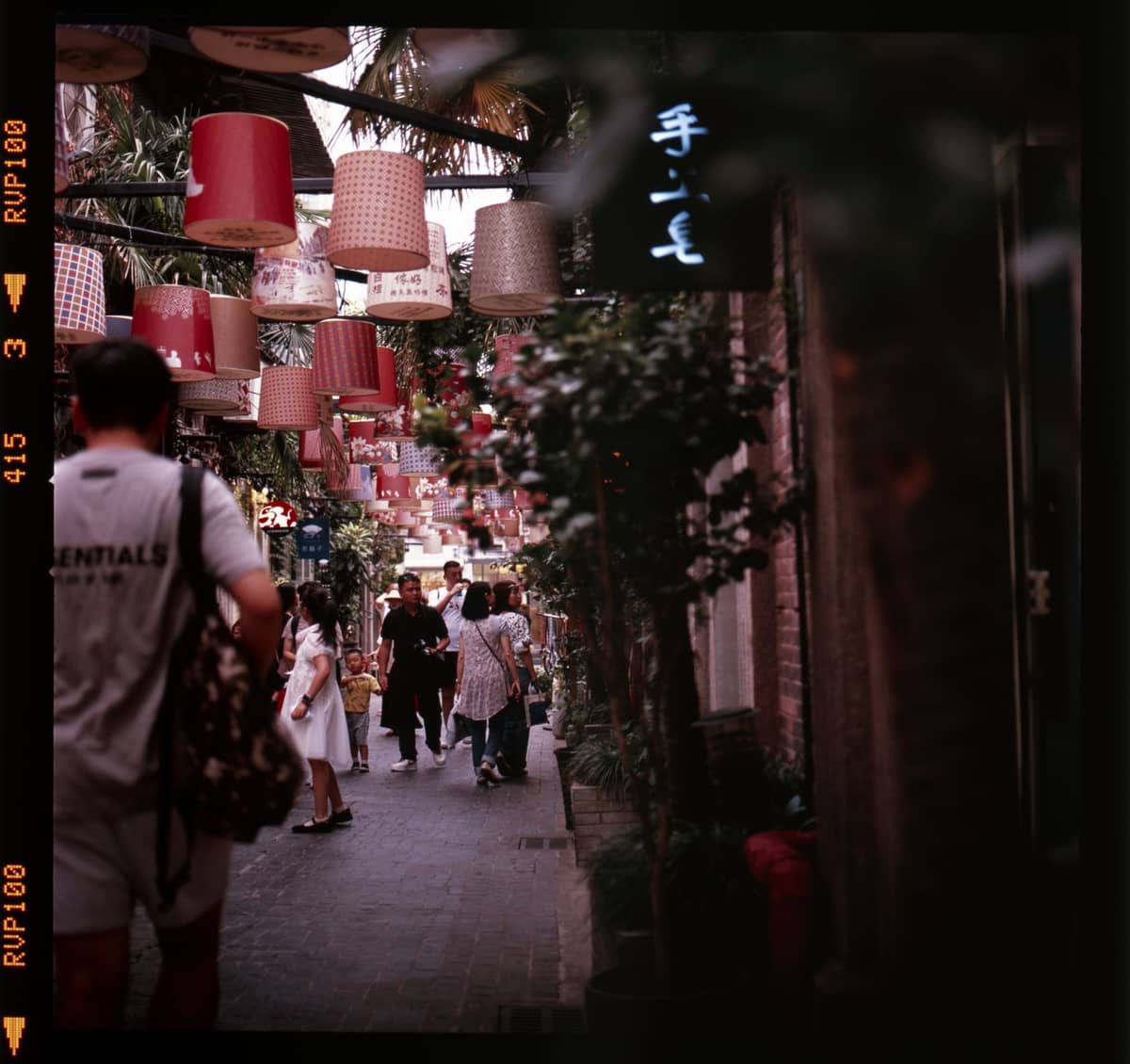
Tianzifang (田子坊) is a cluster of renovated shikumen residential laneways off Taikang Road in Shanghai's Former French Concession. The area covers three main alleys, Lanes 210, 248, and 274, and the sub-lanes that branch off them in every direction. What you'll find inside is a dense patchwork of small galleries, craft studios, clothing boutiques, souvenir stalls, tea houses, and independent cafes, all operating within buildings that were originally working-class residential blocks built between 1912 and 1936.
The shikumen style, meaning 'stone gate house', blended European terrace-house layouts with Chinese courtyard traditions. These were the everyday homes of Shanghai's middle and working classes during the concession era, not grand architecture by any measure, but coherent and deeply local. When urban redevelopment pressure mounted in the 1990s, artists began moving into the vacant ground-floor units on Taikang Road, and by the early 2000s, an informal creative cluster had formed. Rather than demolish the blocks, the area was gradually formalized as a pedestrian arts district.
The result sits somewhere between authentic neighborhood and managed attraction. Residents still live in the upper floors of many buildings, and the coexistence of tourism below and daily life above is part of what makes Tianzifang more interesting than a purely commercial development like Xintiandi, which relocated most of its original residents during renovation.
ℹ️ Good to know
Entry to the Tianzifang lanes is free and the public area is technically accessible around the clock. Most shops and cafes operate roughly 10:00 to 23:00, but hours vary by individual vendor. There is no ticket booth and no unified admission.
How the Experience Changes Through the Day
Arriving before 10:00 means walking largely empty lanes. The stone paving, worn smooth and slightly irregular underfoot, catches early morning light in a way that photographs extremely well. A few cafe owners are setting out chairs. The smell at this hour is coffee and damp stone, not yet the incense and fried snacks that emerge later. Elderly residents from the upper floors pass through on their way to nearby markets, and the contrast between their routine and the tourist infrastructure surrounding them is quietly striking.
By noon on any weekend, Tianzifang is full. The lanes are narrow, some barely wide enough for three people abreast, and crowds move slowly. This is when the experience becomes more difficult: navigating through tour groups, queuing for popular cafes, and losing the sense of discovery that the architecture promises. Weekday mornings are categorically better for anyone who came for the atmosphere rather than the shopping.
Late afternoon, roughly 16:00 to 18:00, brings a second wave of visitors but also better light for photography. The alleyways face in multiple directions, so some corners remain in shadow while others glow. By 20:00, the lanes thin out noticeably, and several of the rooftop bars and upper-floor cafes are worth the extra climb for the quieter vibe and the view down into the lit-up lanes below.
💡 Local tip
The best visit window is a weekday between 09:30 and 11:30. You'll have the architecture largely to yourself, most cafes will be open, and the light is workable for photography without the midday harshness.
Tickets & tours
Hand-picked options from our booking partner. Prices are indicative; availability and final rates are confirmed when you complete your booking.
Shanghai city and Zhujiajiao water town private tour with lunch
From 371 €Instant confirmationFree cancellationShanghai private tour with iconic landmarks of the old and new city
From 284 €Instant confirmationFree cancellationShangai Yuyuan Garden entrance tickets
From 9 €Instant confirmationFree cancellation
Getting There and Moving Around
The most direct route is Metro Line 9 to Dapuqiao Station, Exit 1. From the exit, walk north along Ruijin Er Road for roughly three to five minutes, then turn left onto Taikang Road. The main entrance to Lane 210 is immediately apparent, with small signs in English and Chinese. The walk from the metro exit to the first laneway takes under five minutes at a relaxed pace.
Tianzifang is also within comfortable walking distance of other parts of the Former French Concession. From Xintiandi to the north, the walk takes around 15 to 20 minutes on foot, passing through some of the neighborhood's better residential streets. Taxis and Didi are straightforward if you show the driver the Chinese characters 田子坊 or the address 泰康路210弄.
Inside the lanes, the layout is genuinely confusing on a first visit. There is no map at the entrance that accurately represents the full network of sub-alleys. The most useful approach is to enter at Lane 210, follow any lane that interests you, and accept that you will loop back through areas you've already seen. Getting slightly lost here is not a problem; the footprint is compact enough that you will always find your way back to Taikang Road within a few minutes.
⚠️ What to skip
The paving throughout Tianzifang is uneven, with raised thresholds, occasional steps, and slippery stone when wet. Wheelchair access is very limited, and pushchairs are difficult to maneuver in peak hours. Flat, closed-toe shoes are a practical choice.
What You'll Actually Find Inside
The retail mix is wide but uneven. At the higher end, there are genuine independent designers selling ceramics, hand-printed textiles, enamelware, and original artwork. Several studios double as workshops, and it's possible to watch artists working if you arrive during morning hours when production tends to happen before the customer flow builds. The Lane 210 core area and its immediate branches hold most of the more considered shops.
Elsewhere, particularly toward the Taikang Road frontage and in some of the outer alleys, the stock shifts toward mass-produced souvenirs: printed t-shirts, refrigerator magnets, and items that are identical to what you'd find in airport shops. This is not unique to Tianzifang, and it doesn't undermine the whole experience, but visitors expecting uniformly curated independent retail will encounter stretches of commercial noise between the better finds.
The food and drink offering is genuinely strong. Several cafes serve well-prepared espresso drinks in small, thoughtfully designed spaces. Tea rooms occupy some of the more intact interiors, with original tile floors and wooden furniture. There are also snack vendors selling local street food items along the lanes. For a more substantial meal, the restaurant options inside Tianzifang are limited and often priced for tourists; the streets immediately surrounding the area offer better value.
Photography Inside Tianzifang
Tianzifang is one of Shanghai's better photographic environments for architectural detail, and it earns a place in any guide to Shanghai's best photo spots. The textured brick walls, hanging laundry from upper-floor windows, narrow corridors with layered depth, and the play of light between buildings at different angles all provide material that is difficult to capture anywhere else in central Shanghai.
Wide-angle lenses work well in the broader lane sections, while a short prime lens is more practical in the tighter sub-alleys where there's simply no room to step back. The upper floors of some cafes and bars offer elevated angles looking down into the lanes, which gives a different perspective on the architecture that ground-level walking doesn't provide. Overcast days actually produce more even light in the narrow passages than direct sun, which creates harsh contrast.
Be aware that some shop owners object to photography inside their premises. It's straightforward courtesy to ask before photographing people or interiors. The lanes themselves are public space and freely photographable.
Honest Assessment: Hype vs. Reality
Tianzifang appears on almost every Shanghai itinerary, and that popularity creates a tension. The architecture and the underlying concept, an arts enclave preserved within a residential grid, are genuinely worth seeing. The shikumen building tradition is specific to Shanghai, and Tianzifang offers one of the more accessible ways to experience it without entering a museum.
But the experience on a busy Saturday afternoon can feel closer to a crowded outdoor mall than a creative neighborhood. The artists who originally made the area interesting have largely been displaced by rising rents, and what remains is more retail than studio. If you arrive with adjusted expectations, you will find genuine pleasure here: good coffee, interesting architecture, occasional quality craft work, and a spatial logic that is distinctly Shanghainese. If you arrive hoping for an active creative community buzzing with local life, you may find the reality underwhelming.
For a comparison, the M50 Creative Park on Suzhou Creek retains a stronger working-gallery character if contemporary art studios are the primary draw. Tianzifang's strength is its architecture and atmosphere, not its art scene.
Who Should Consider Skipping It
Travelers who are highly sensitive to crowds and find commercial tourist areas frustrating will struggle here on any weekend or public holiday. The lanes become genuinely congested, and the combination of narrow passages and slow-moving foot traffic removes most of the pleasure. Visitors with mobility limitations should be aware that the terrain is difficult and the crowds make navigation harder still.
Anyone with limited time in Shanghai should also weigh Tianzifang against alternatives in the same neighborhood. A walk along Wukang Road offers comparable French Concession architecture with far fewer crowds and a more lived-in character. Both are worth time if you have it; if you must choose, your preference for shopping versus street atmosphere should guide the decision.
Insider Tips
- The sub-alleys branching off the main Lane 210 corridor see significantly less foot traffic than the primary route. Turn into any unmarked side passage and you'll find quieter shops and sometimes the most interesting studios.
- Upper-floor cafes with rooftop or balcony seating book up quickly on weekends. If you spot one with a view, go up immediately rather than planning to return later.
- The residential character of the upper floors is real: avoid standing directly outside stairwells or apartment doors to photograph, and keep noise levels down in the quieter back sections of the lane network.
- Shops are generally open later than cafes. If you want to browse without crowds and aren't focused on coffee, a visit around 19:00 on a weekday gives you working shops and thin crowds.
- The stretch of Taikang Road immediately outside the Tianzifang entrances has several local restaurants aimed at neighborhood residents rather than tourists. For a meal before or after your visit, these offer better food at lower prices than anything inside the lanes.
Who Is Tianzifang For?
- Architecture enthusiasts drawn to Shanghai's shikumen residential building tradition
- Independent shoppers looking for ceramics, textiles, and craft work beyond the mainstream
- Coffee and cafe seekers who want interesting interiors alongside a decent cup
- Photographers working on street-level architectural detail and textural subjects
- First-time visitors to Shanghai building a mental map of what the Former French Concession once looked and felt like
Nearby Attractions
Other things to see while in Former French Concession:
- Fuxing Park
Fuxing Park is a historic French-style public garden at the heart of the former French Concession, offering free entry and a rare window into everyday Shanghai life. From early-morning tai chi practitioners to evening ballroom dancers, the park runs on its own unhurried rhythm — and it anchors one of the city's most rewarding walking neighborhoods.
- Sinan Mansions
Sinan Mansions is a restored early 20th-century garden villa compound in the heart of the Former French Concession. Free to enter and with its outdoor streets accessible at all hours, it combines architectural heritage, leafy pedestrian streets, and a curated mix of cafes, galleries, and boutiques within one of Shanghai's most atmospheric historic neighborhoods.
- Wukang Road
Wukang Road is a 1.17-kilometre historic street in Shanghai's Xuhui District, lined with 37 officially protected buildings from the early twentieth century. Free to walk at any hour, Wukang Road is a 1.17-kilometre historic street in Shanghai's Xuhui District, lined with 37 officially protected buildings from the early twentieth century. Free to walk at any hour, it is one of the clearest surviving examples of the Former French Concession's residential architecture and slow-paced street life.