Best Photo Spots in Shanghai: 20 Iconic Locations for Every Type of Photographer
Shanghai rewards photographers at every turn, from the world-famous Bund skyline to laneway cafés draped in plane tree shade. This guide covers the 20 best photo spots in Shanghai, with specific advice on timing, angles, and what makes each location worth the trip.
Plan and book this trip
Tools from our partner Travelpayouts help you compare flights and hotels. If you book through them, we may earn a commission at no extra cost to you.
Flights
Hotels map
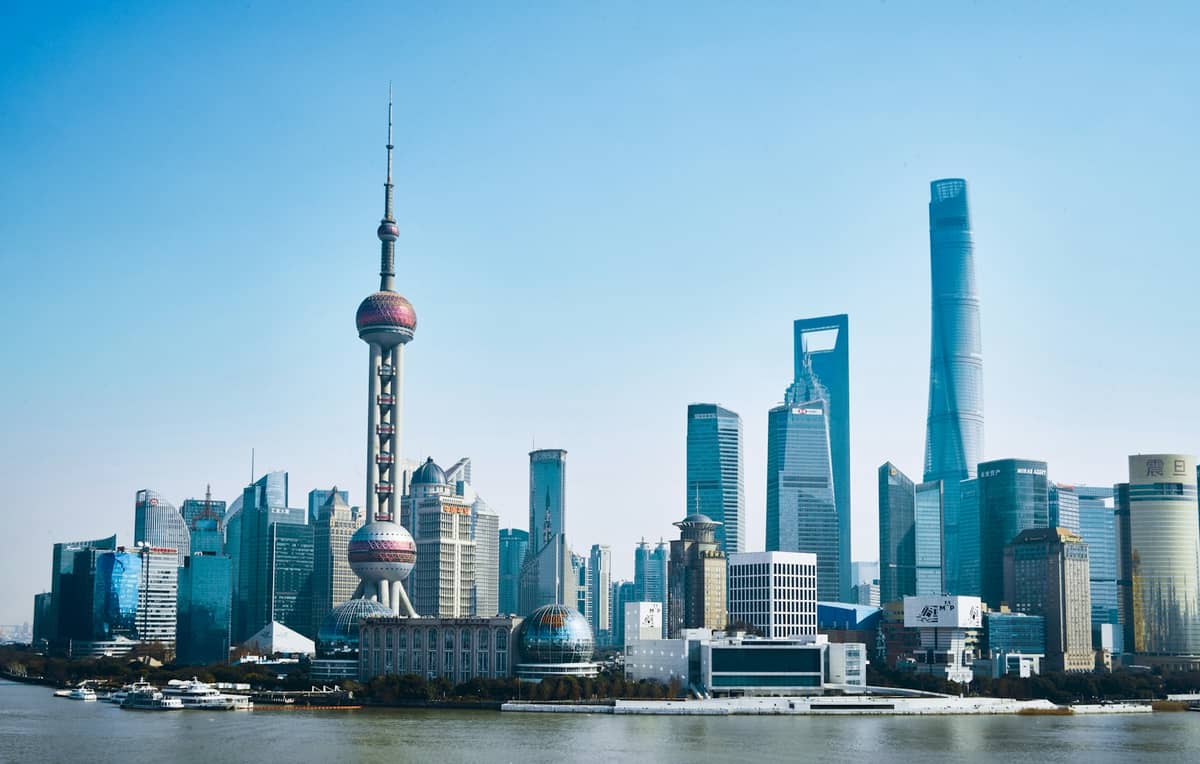
Few cities on earth pack so many visually distinct environments into such a compact area. Shanghai gives you 1930s Art Deco on one bank of the Huangpu and a forest of supertall glass towers on the other, Ming-dynasty garden walls a short metro ride from Brutalist concrete ramps, and French Concession boulevards that feel lifted from a different continent entirely. Whether you shoot on a phone or a full-frame camera, the city rewards patience and early starts. For a broader sense of where to spend your time, the best views in Shanghai guide covers elevated vantage points in detail, and the best self-guided walks guide maps out the most walkable photo routes. The spots below are grouped by theme so you can plan a day around a single neighborhood or mix across the city.
💡 Local tip
Drone photography over central Shanghai, including the Bund and Lujiazui, is largely restricted. Tripods are also limited on crowded Bund sections during peak hours and public holidays. Shoot handheld or use a small gorilla tripod at quieter times. Tripods are also limited on crowded Bund sections during peak hours and public holidays. Shoot handheld or use a small gorilla tripod at quieter times.
The Bund & Huangpu River: Shanghai's Essential Skyline
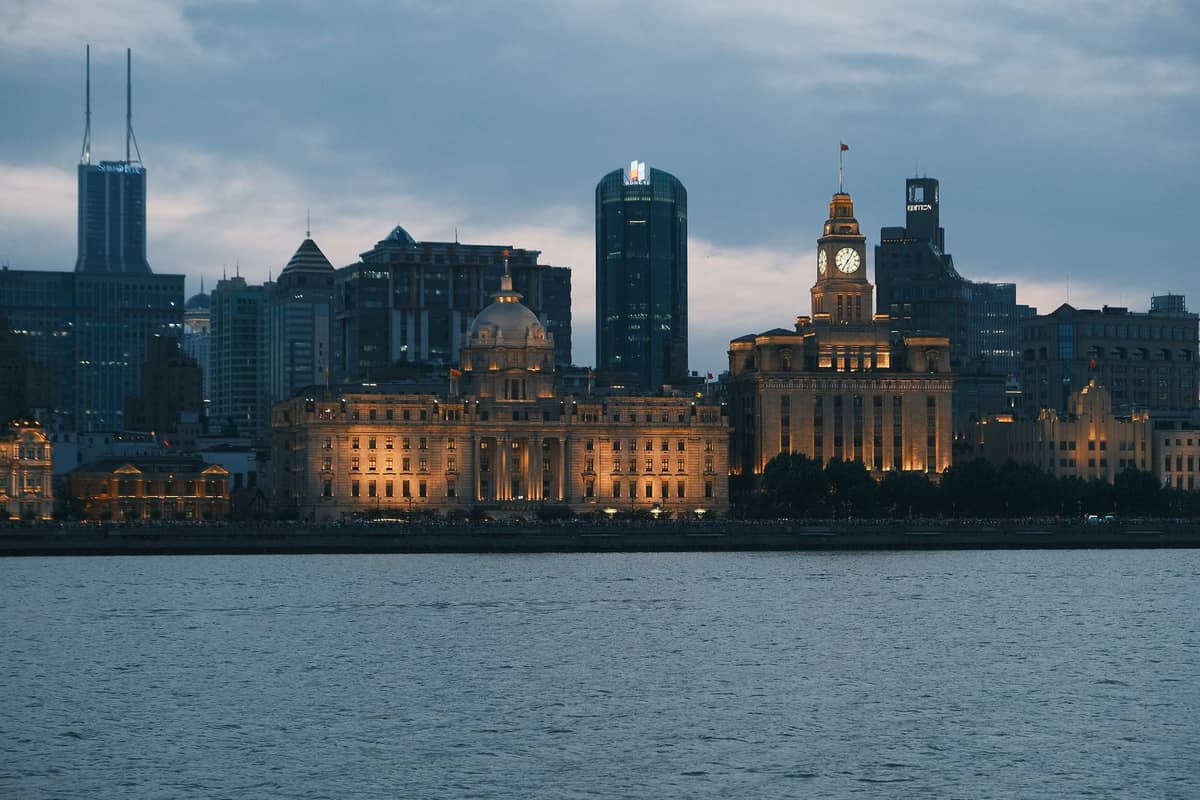
The Bund is the non-negotiable starting point, but the river offers more than one angle. Shooting from both banks at different times of day produces completely different results, and the cruise option gives you a third perspective entirely. Golden hour here falls fast, so arrive 30 minutes before sunset and stay for the first 90 minutes of the light show.
1. Shoot the Pudong Skyline from the Bund Promenade
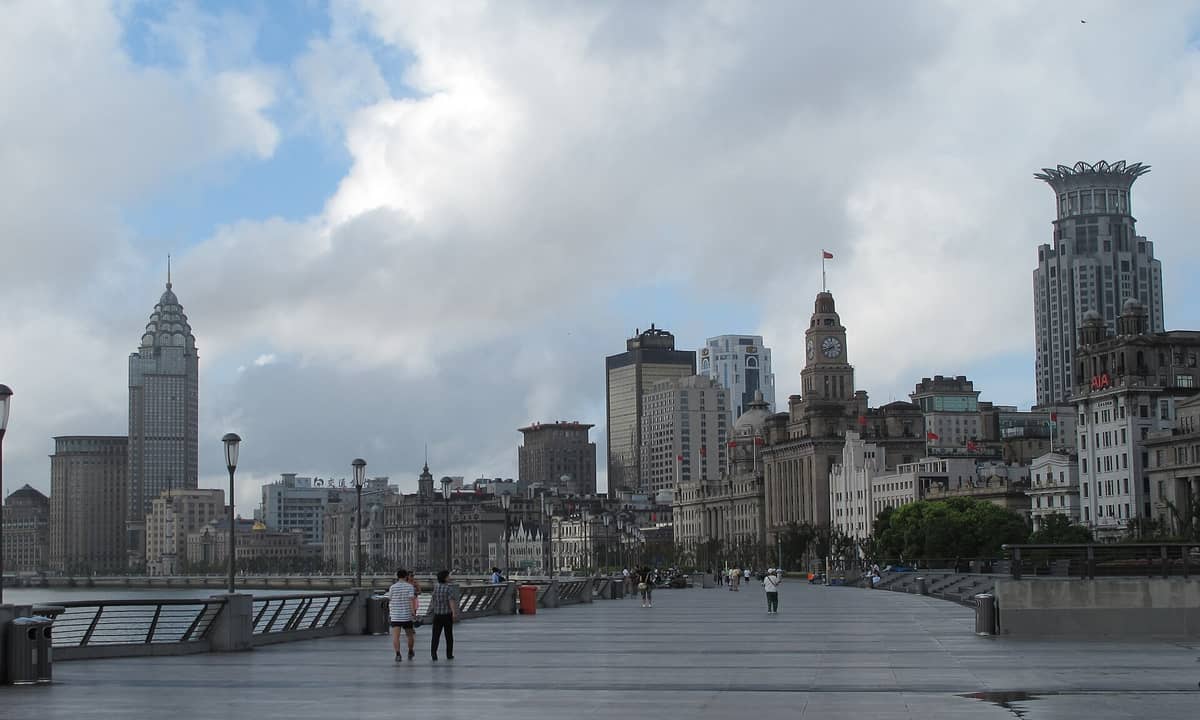
The classic shot: 52 heritage facades on your left, three supertall towers across the river. Arrive at dusk for warm light on the Pudong glass, stay until 22:00 when the full LED display fires up. Early morning (before 08:00) clears the crowds entirely.
Explore1. Shoot the Pudong Skyline from the Bund Promenade
The classic shot: 52 heritage facades on your left, three supertall towers across the river. Arrive at dusk for warm light on the Pudong glass, stay until 22:00 when the full LED display fires up. Early morning (before 08:00) clears the crowds entirely.
Explore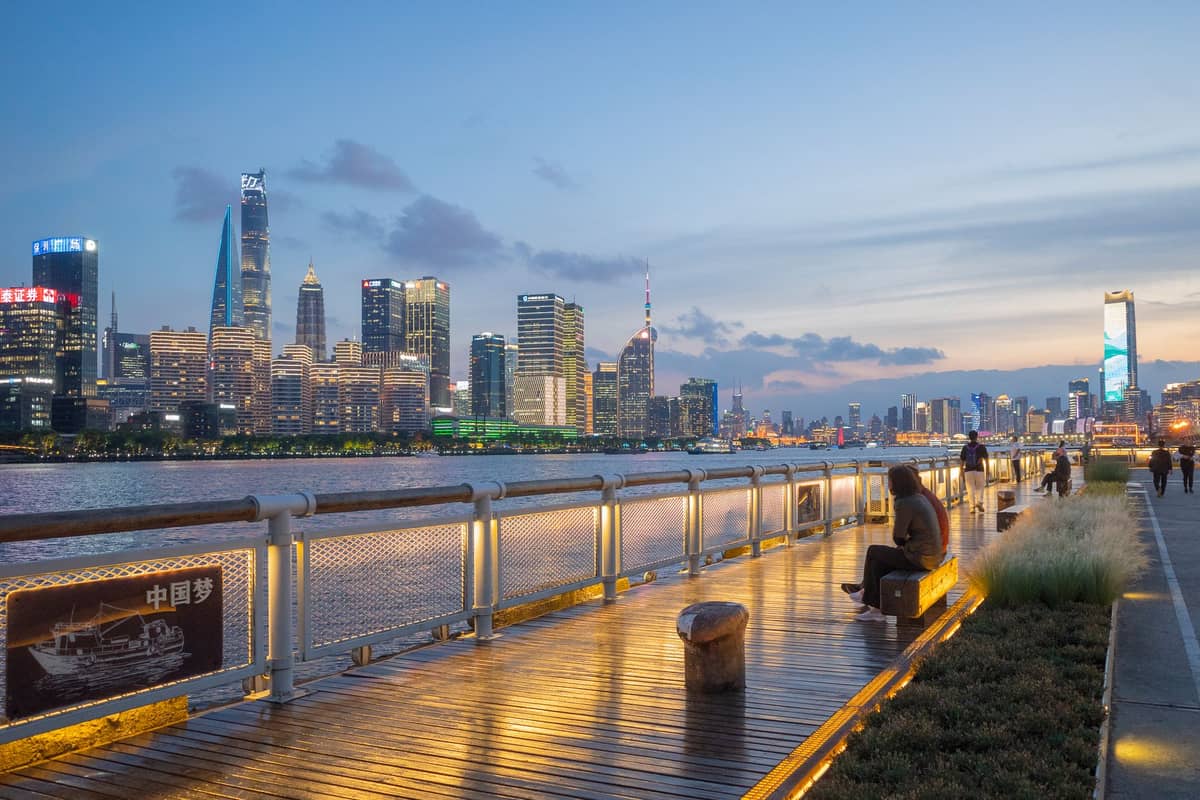
2. Reverse the Classic Shot from Lujiazui Riverside
The Pudong-side promenade gives you the Bund's Neoclassical row as your subject, with Shanghai Tower, the SWFC, and Jin Mao rising overhead. Around 06:30 the light catches the heritage buildings cleanly with almost no other photographers present.
Explore2. Reverse the Classic Shot from Lujiazui Riverside
The Pudong-side promenade gives you the Bund's Neoclassical row as your subject, with Shanghai Tower, the SWFC, and Jin Mao rising overhead. Around 06:30 the light catches the heritage buildings cleanly with almost no other photographers present.
Explore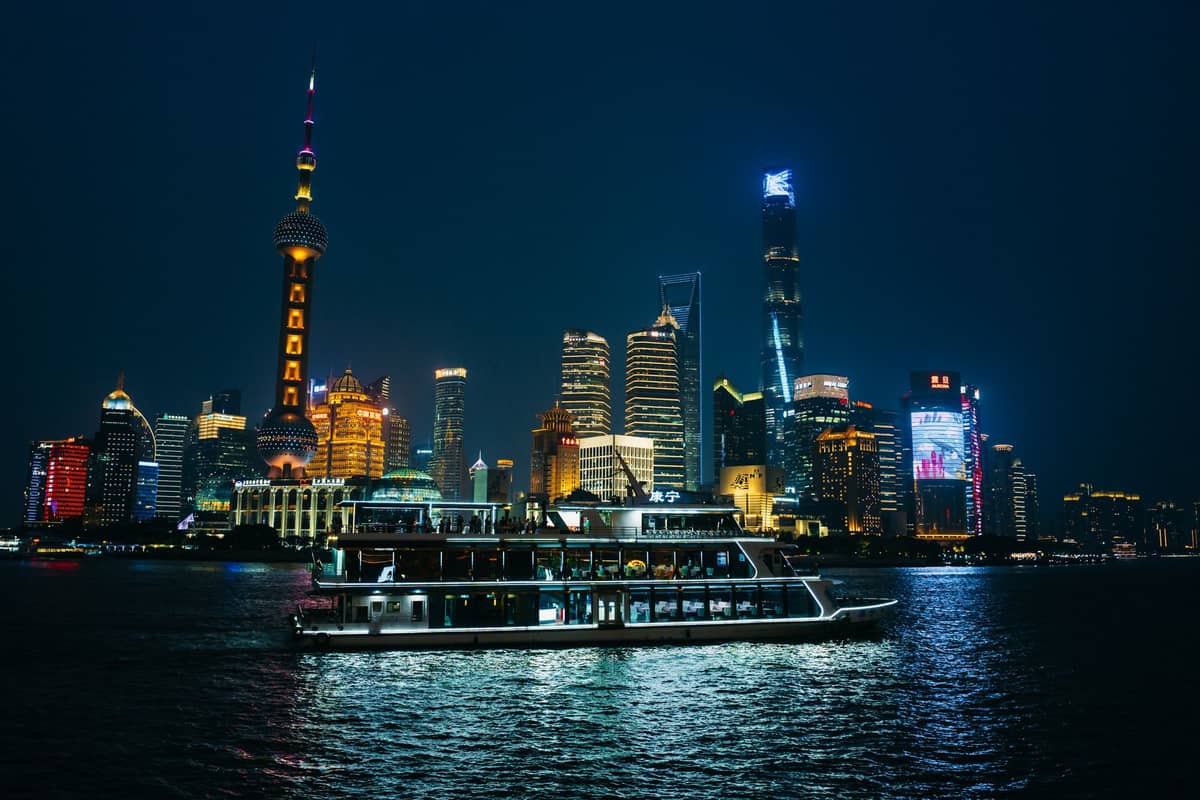
3. Photograph Both Skylines from the Water on a River Cruise
A Huangpu River cruise removes all foreground clutter and lets you frame the full sweep of both banks. The 50-minute evening loop is the most efficient option; shoot from the bow with a 24-70mm lens as you round the Lujiazui bend for the widest skyline composition.
Explore3. Photograph Both Skylines from the Water on a River Cruise
A Huangpu River cruise removes all foreground clutter and lets you frame the full sweep of both banks. The 50-minute evening loop is the most efficient option; shoot from the bow with a 24-70mm lens as you round the Lujiazui bend for the widest skyline composition.
ExplorePudong Towers: High-Altitude Photography
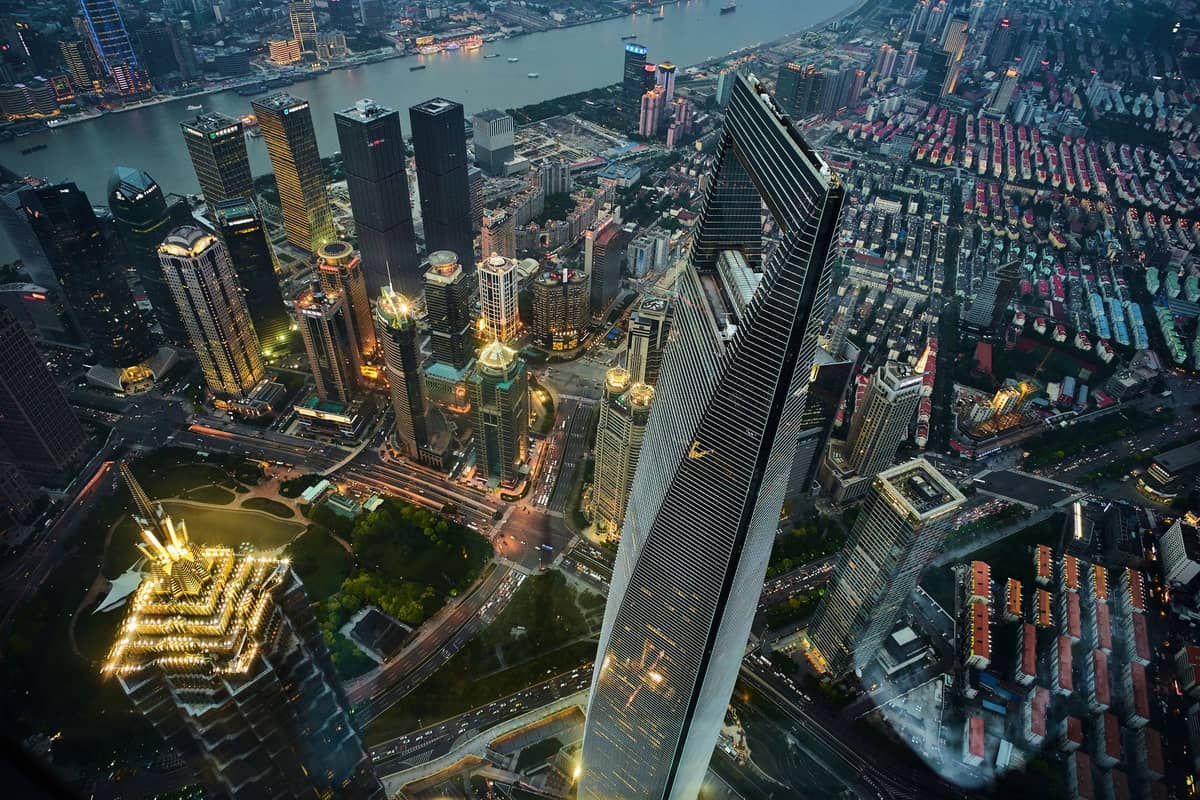
The three towers of Lujiazui each offer a distinct observation experience and a different photographic perspective. Visiting more than one in a day is possible but expensive; choose based on what you want in your frame. Clear winter days produce the sharpest views, while post-rainstorm conditions in summer cut through the haze dramatically.
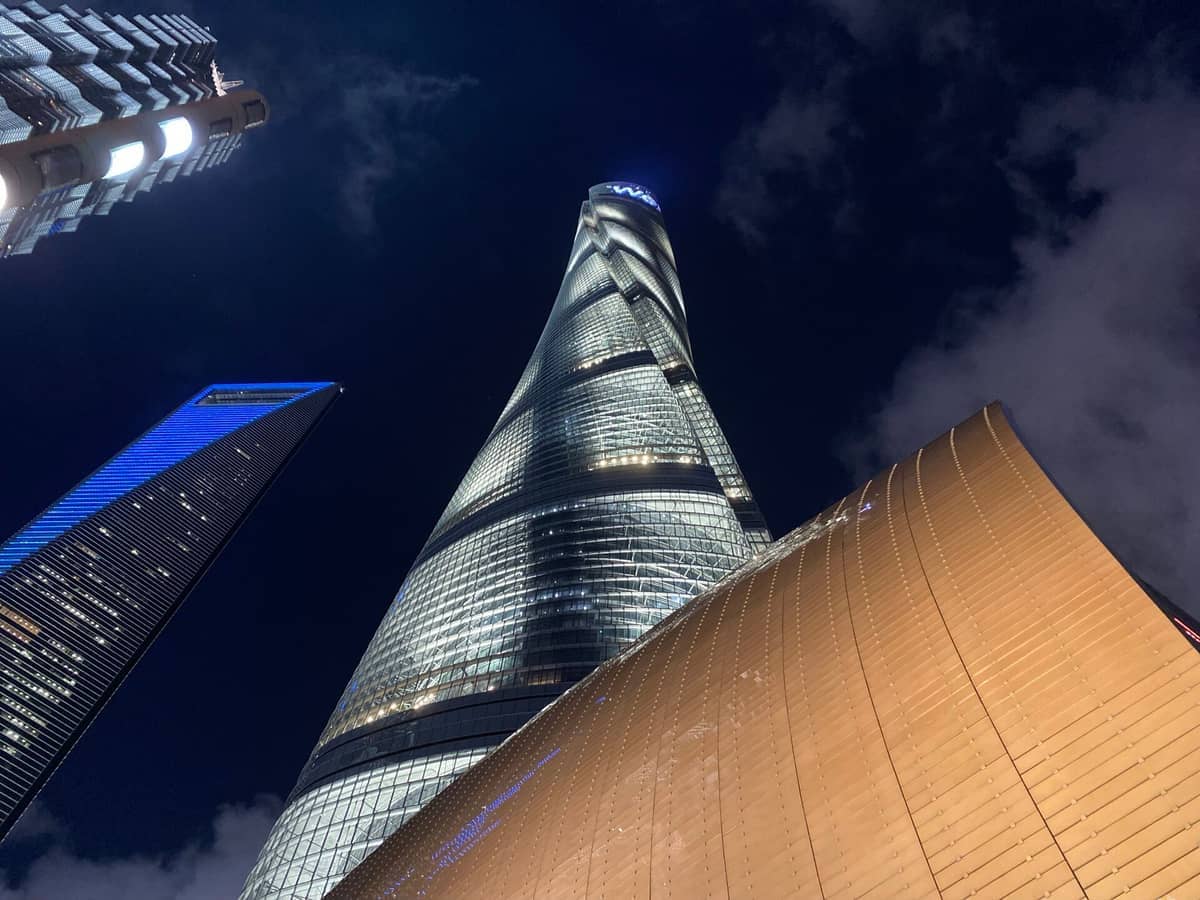
4. Shoot the Highest View in China from Shanghai Tower's 118th Floor
At 632 metres, the 118F deck puts the SWFC and Jin Mao below you, with the Bund as a thin stripe across the river. The glass-floored platform is particularly vertiginous. Tripods are not permitted; book tickets in advance for the clearest-day slots (around ¥180 standard adult rate, verify before visiting).
Explore4. Shoot the Highest View in China from Shanghai Tower's 118th Floor
At 632 metres, the 118F deck puts the SWFC and Jin Mao below you, with the Bund as a thin stripe across the river. The glass-floored platform is particularly vertiginous. Tripods are not permitted; book tickets in advance for the clearest-day slots (around ¥180 standard adult rate, verify before visiting).
Explore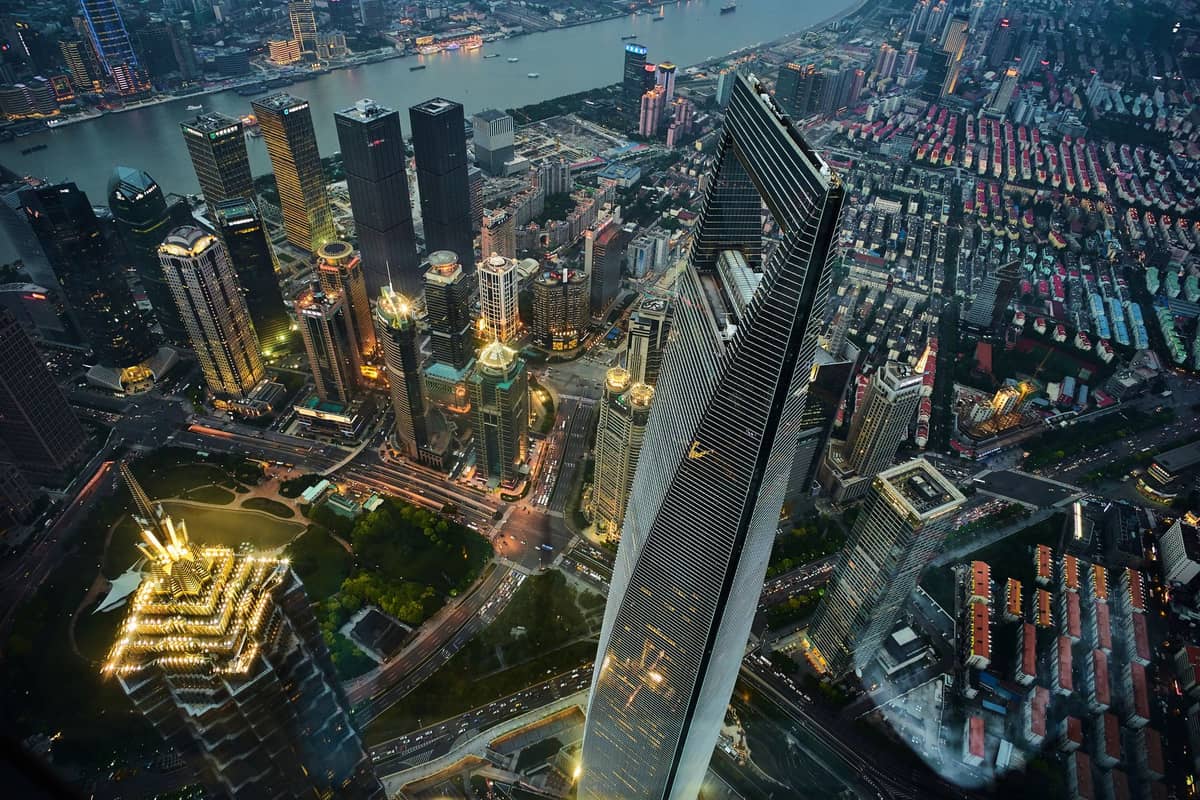
5. Walk the Glass-Floored Skywalk at the Shanghai World Financial Center
The SWFC's 100F Skywalk runs through the building's iconic trapezoidal opening, giving you an unobstructed view straight down to the street and direct sightlines to Shanghai Tower's twisting facade. It is the best spot in the city to photograph the architectural contrast between the two towers.
Explore5. Walk the Glass-Floored Skywalk at the Shanghai World Financial Center
The SWFC's 100F Skywalk runs through the building's iconic trapezoidal opening, giving you an unobstructed view straight down to the street and direct sightlines to Shanghai Tower's twisting facade. It is the best spot in the city to photograph the architectural contrast between the two towers.
Explore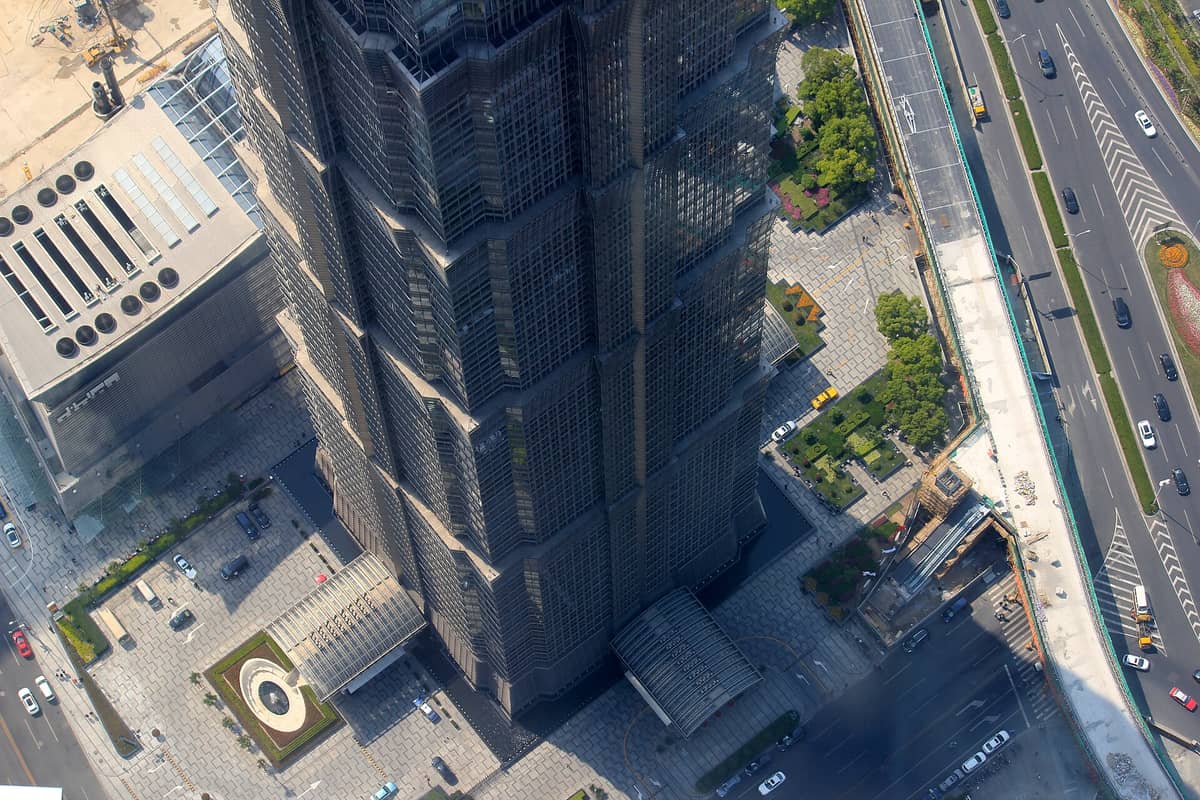
6. Look Down into the World's Tallest Hotel Atrium at Jin Mao Tower
Jin Mao's 88F observation deck is a solid skyline platform, but the real photographic prize is the Grand Hyatt atrium below: a 152-metre spiral of balconies that demands a wide-angle lens pointed straight down. Ask hotel security politely; non-guests are sometimes allowed into the lobby area.
Explore6. Look Down into the World's Tallest Hotel Atrium at Jin Mao Tower
Jin Mao's 88F observation deck is a solid skyline platform, but the real photographic prize is the Grand Hyatt atrium below: a 152-metre spiral of balconies that demands a wide-angle lens pointed straight down. Ask hotel security politely; non-guests are sometimes allowed into the lobby area.
Explore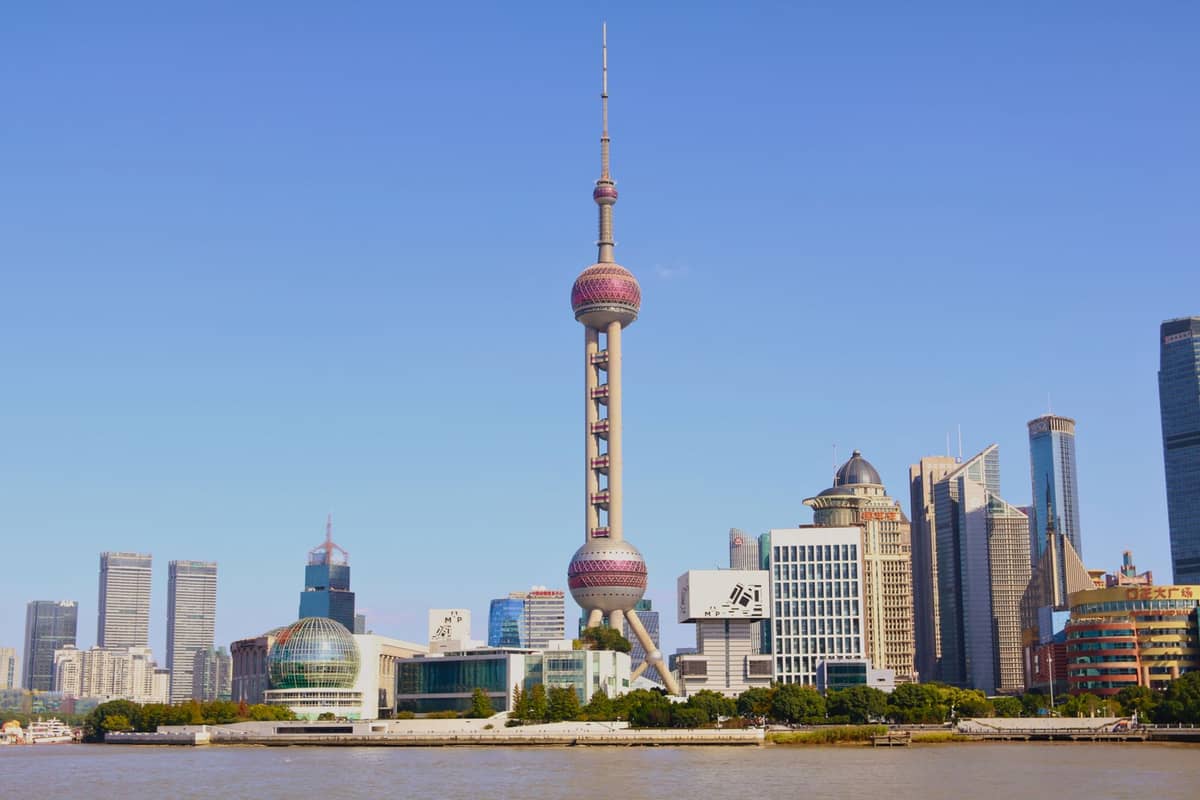
7. Frame the Retro-Futurist Icon from the Ground and from Inside
The Oriental Pearl's pink spheres photograph best from the Lujiazui promenade at dawn, with no crowds. The glass-floored sphere inside also produces dramatic downward shots over the river. Combined observation-and-museum tickets run around ¥199; verify current pricing before visiting.
Explore7. Frame the Retro-Futurist Icon from the Ground and from Inside
The Oriental Pearl's pink spheres photograph best from the Lujiazui promenade at dawn, with no crowds. The glass-floored sphere inside also produces dramatic downward shots over the river. Combined observation-and-museum tickets run around ¥199; verify current pricing before visiting.
ExploreFrench Concession Streets: Architecture and Atmosphere
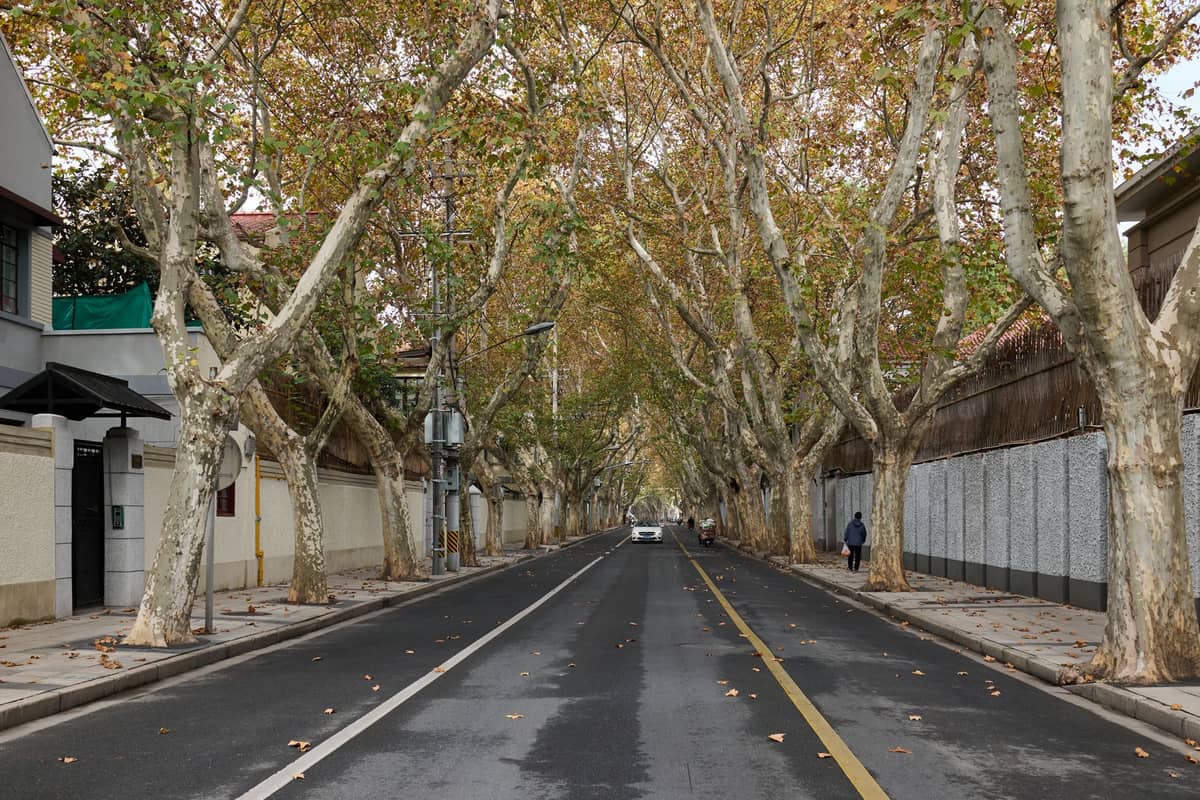
The Former French Concession is Shanghai's most photogenic neighborhood at street level. Plane trees canopy the roads, Art Deco villas sit behind wrought-iron gates, and independent cafés spill onto wide pavements. Morning light filters through the tree canopy particularly well in spring and autumn. The area also makes for one of the best walks in the city; the Shanghai architecture guide covers the heritage buildings here in depth.
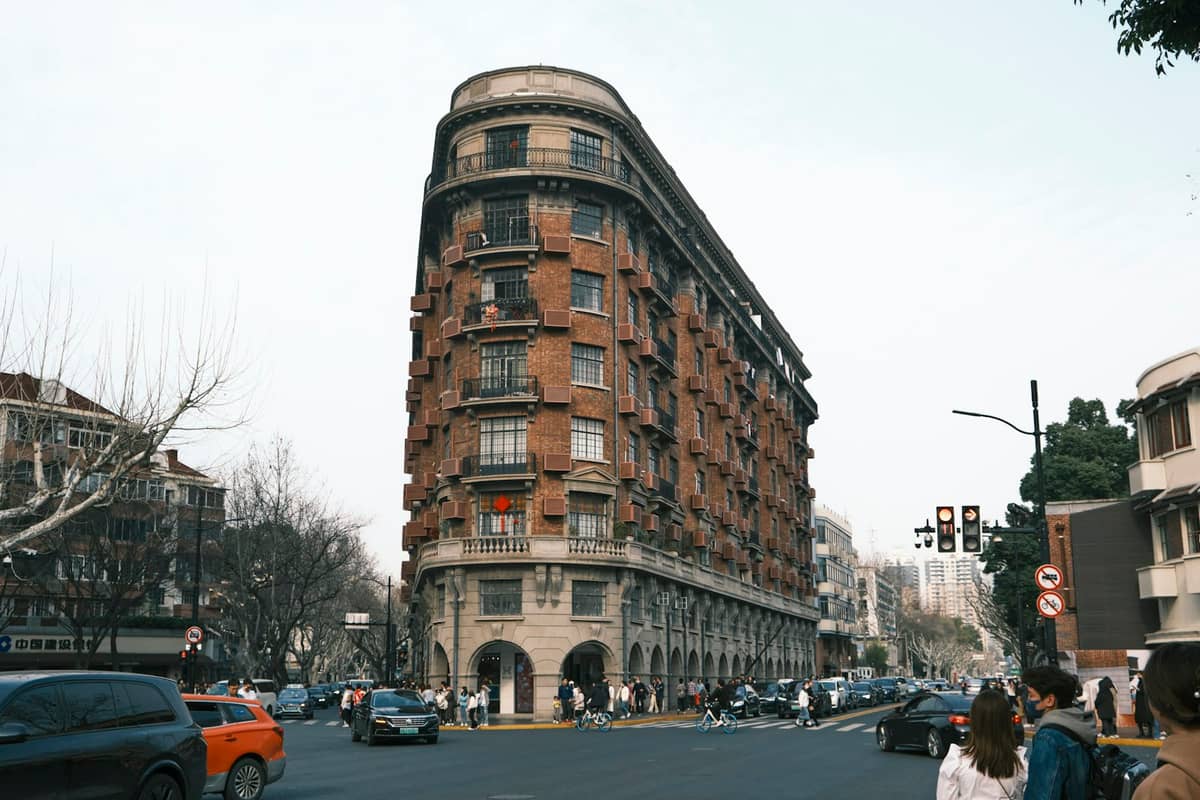
8. Photograph Shanghai's Most Iconic Street at Wukang Road
The curved Wukang Mansion at the road's northern tip is Shanghai's single most Instagrammed building. Shoot it from the narrow pedestrian island at the junction with Hunan Road for the full converging-perspective effect. Arrive before 09:00 on weekdays to avoid tour groups forming queues at the same spot.
Explore8. Photograph Shanghai's Most Iconic Street at Wukang Road
The curved Wukang Mansion at the road's northern tip is Shanghai's single most Instagrammed building. Shoot it from the narrow pedestrian island at the junction with Hunan Road for the full converging-perspective effect. Arrive before 09:00 on weekdays to avoid tour groups forming queues at the same spot.
Explore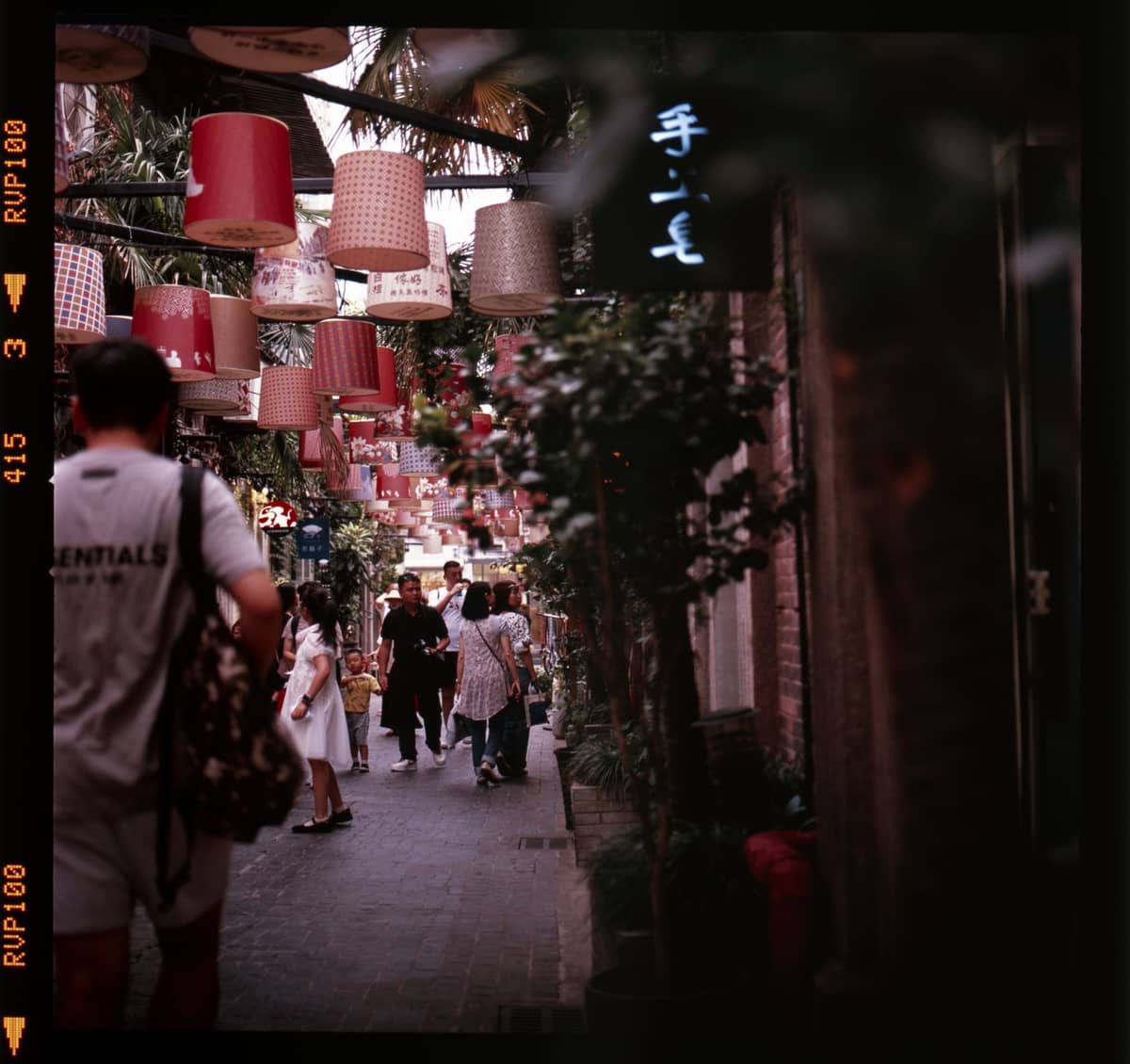
9. Find Texture and Color Inside Tianzifang's Shikumen Laneways
Tianzifang's narrow alleys reward slow exploration: peeling plaster walls, potted plants on window ledges, neon café signs reflected in wet stone. The deeper you go from the main entrances, the less crowded and more authentic the scenes. Overcast days soften the shadows beautifully in these tight lanes.
Explore9. Find Texture and Color Inside Tianzifang's Shikumen Laneways
Tianzifang's narrow alleys reward slow exploration: peeling plaster walls, potted plants on window ledges, neon café signs reflected in wet stone. The deeper you go from the main entrances, the less crowded and more authentic the scenes. Overcast days soften the shadows beautifully in these tight lanes.
Explore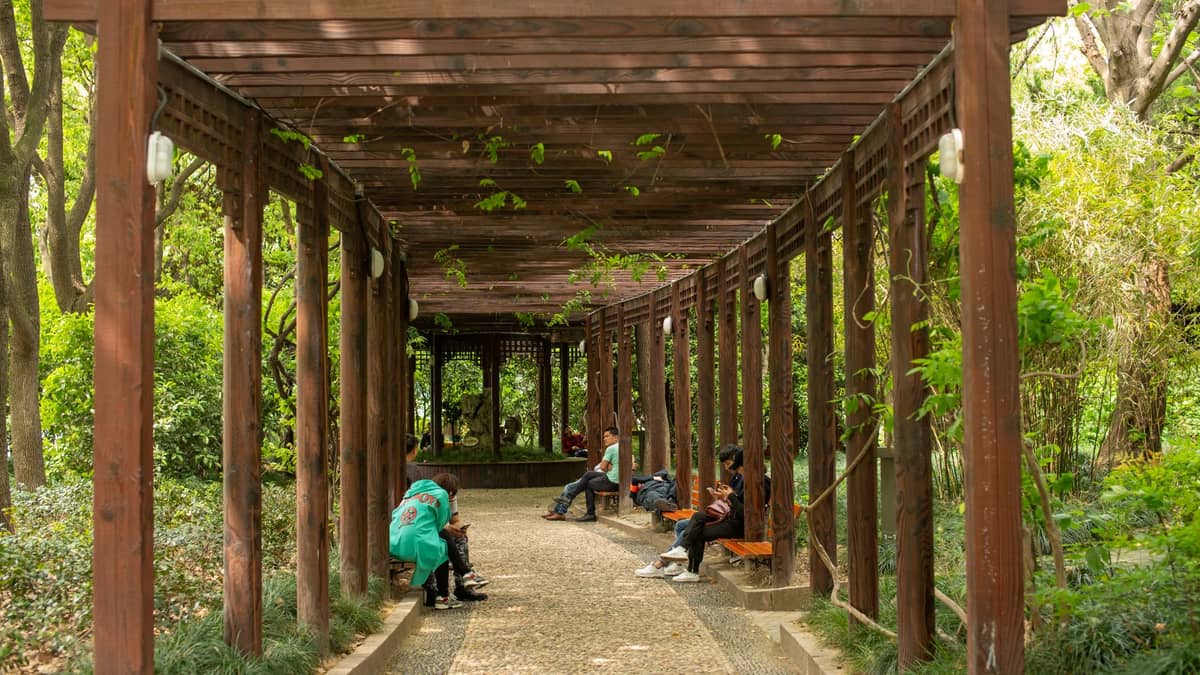
10. Capture Tai Chi and Morning Rituals at Fuxing Park
Before 09:00, Fuxing Park fills with locals doing tai chi, ballroom dancing, and group exercises beneath French-planted plane trees. It is one of the few places in central Shanghai where you can photograph genuine daily life in a beautiful garden setting without intruding on tourist crowds.
Explore10. Capture Tai Chi and Morning Rituals at Fuxing Park
Before 09:00, Fuxing Park fills with locals doing tai chi, ballroom dancing, and group exercises beneath French-planted plane trees. It is one of the few places in central Shanghai where you can photograph genuine daily life in a beautiful garden setting without intruding on tourist crowds.
Explore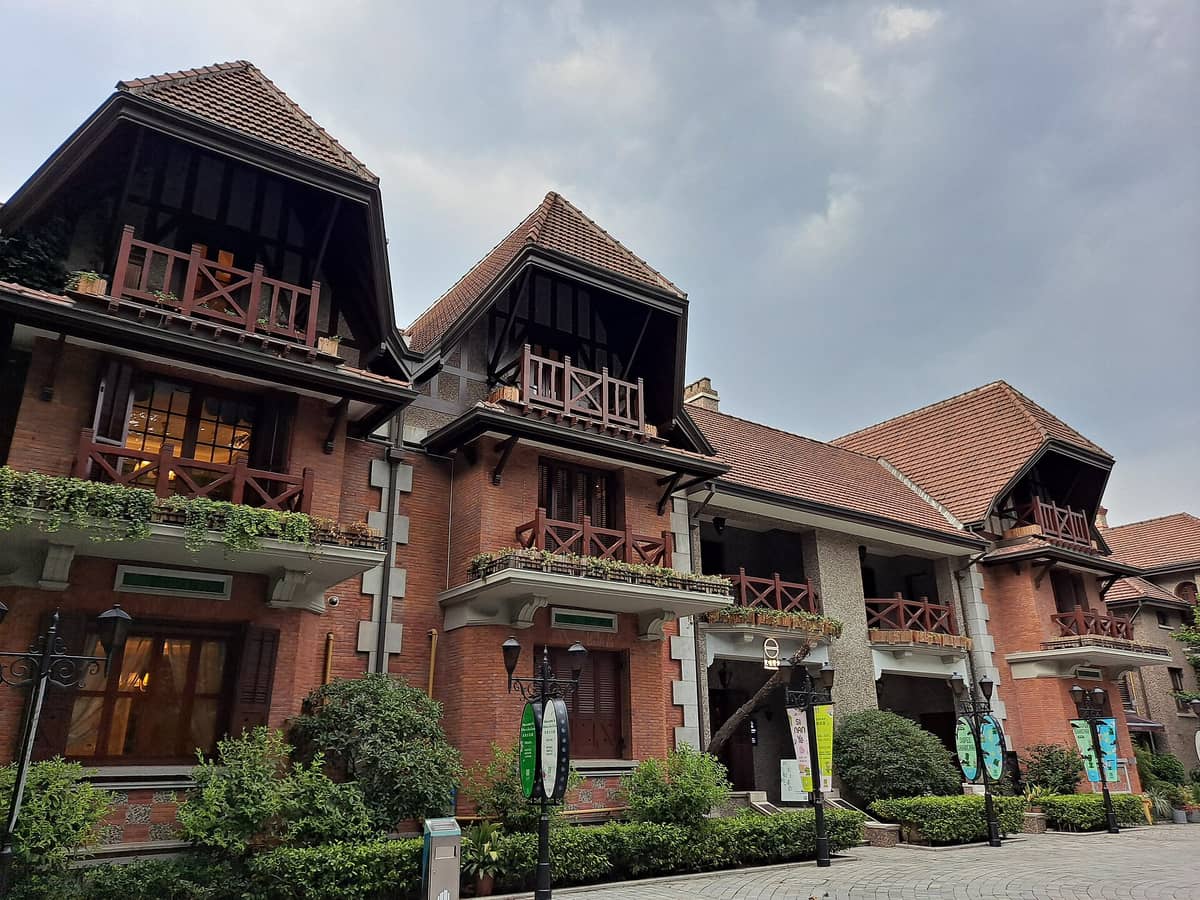
11. Explore the Restored Heritage Villas of Sinan Mansions
Fifty-one restored colonial villas arranged around quiet garden courtyards make Sinan Mansions one of the most elegant blocks in the city. The mix of Spanish, French, and Baroque architectural styles creates strong variety within a single pedestrian area. Late afternoon light warms the stone facades beautifully.
Explore11. Explore the Restored Heritage Villas of Sinan Mansions
Fifty-one restored colonial villas arranged around quiet garden courtyards make Sinan Mansions one of the most elegant blocks in the city. The mix of Spanish, French, and Baroque architectural styles creates strong variety within a single pedestrian area. Late afternoon light warms the stone facades beautifully.
ExploreOld Town, Gardens, and Water Towns: Classical Scenery
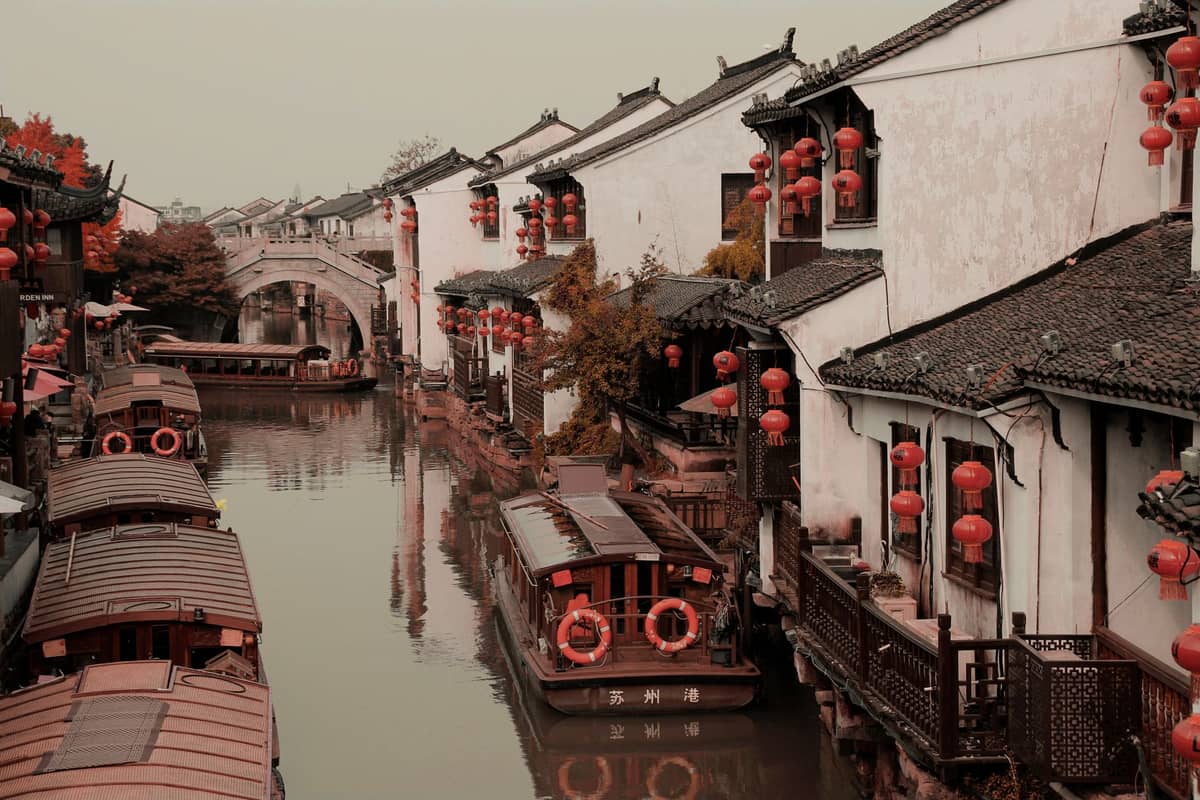
Shanghai's traditional Chinese visual identity survives in pockets: the walled world of Old Town and the canal towns to the west. These locations produce a completely different photographic mood from the modern city, and pairing them with a Bund shoot in the same day is entirely feasible. The Shanghai water towns guide covers the day-trip logistics in detail.
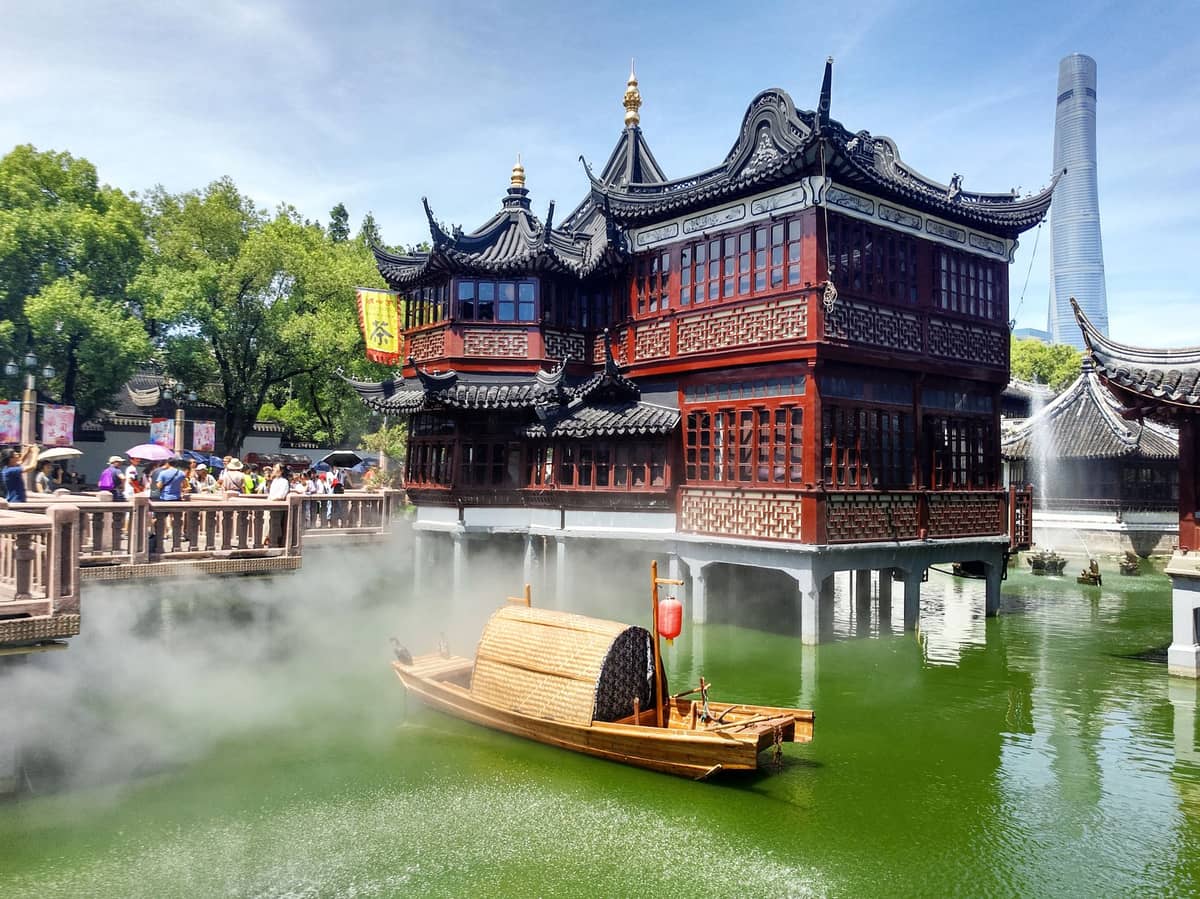
12. Photograph Classical Chinese Garden Design at Yu Garden
Rockeries, pavilions, koi ponds, and zigzag bridges across five acres of Ming-dynasty landscaping. The best compositions come from the covered walkways framing pavilions through circular moon gates. Go on a weekday morning when the garden opens to avoid tour group congestion on the main paths.
Explore12. Photograph Classical Chinese Garden Design at Yu Garden
Rockeries, pavilions, koi ponds, and zigzag bridges across five acres of Ming-dynasty landscaping. The best compositions come from the covered walkways framing pavilions through circular moon gates. Go on a weekday morning when the garden opens to avoid tour group congestion on the main paths.
Explore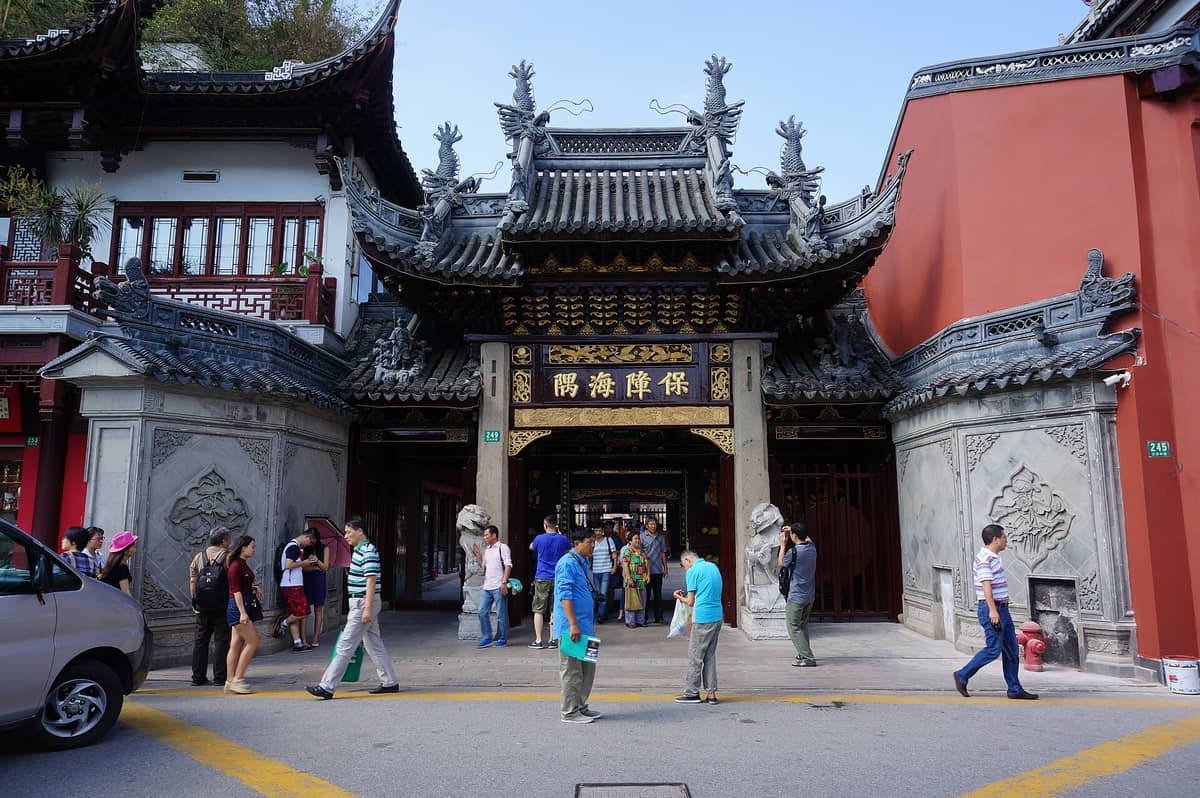
13. Shoot Incense Smoke and Taoist Architecture at the City God Temple
Thick incense smoke drifting past upturned eaves, worshippers in motion, and the contrast of ancient ritual within a city of skyscrapers: the City God Temple delivers layered scenes that work especially well with a longer focal length. Early morning on weekdays gives you worshippers without the souvenir stall crowds.
Explore13. Shoot Incense Smoke and Taoist Architecture at the City God Temple
Thick incense smoke drifting past upturned eaves, worshippers in motion, and the contrast of ancient ritual within a city of skyscrapers: the City God Temple delivers layered scenes that work especially well with a longer focal length. Early morning on weekdays gives you worshippers without the souvenir stall crowds.
Explore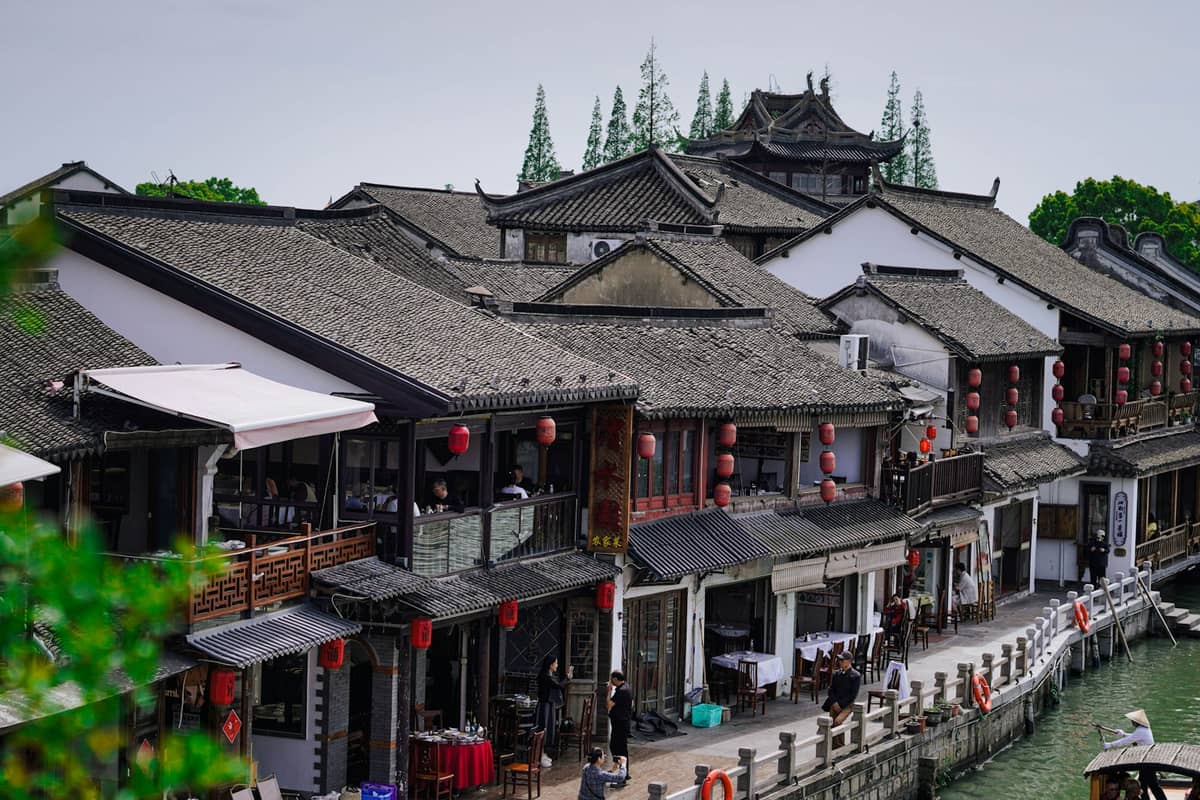
14. Shoot Canal Reflections and Stone Bridges at Zhujiajiao
Stone arch bridges over still green canals, whitewashed merchant houses, and gondola oarsmen create the classic Chinese water-town image. The Fangsheng Bridge at dawn, before the tourist boats arrive, offers the cleanest reflection shots. Zhujiajiao is 47 km from the city center; buses and tours depart daily.
Explore14. Shoot Canal Reflections and Stone Bridges at Zhujiajiao
Stone arch bridges over still green canals, whitewashed merchant houses, and gondola oarsmen create the classic Chinese water-town image. The Fangsheng Bridge at dawn, before the tourist boats arrive, offers the cleanest reflection shots. Zhujiajiao is 47 km from the city center; buses and tours depart daily.
Explore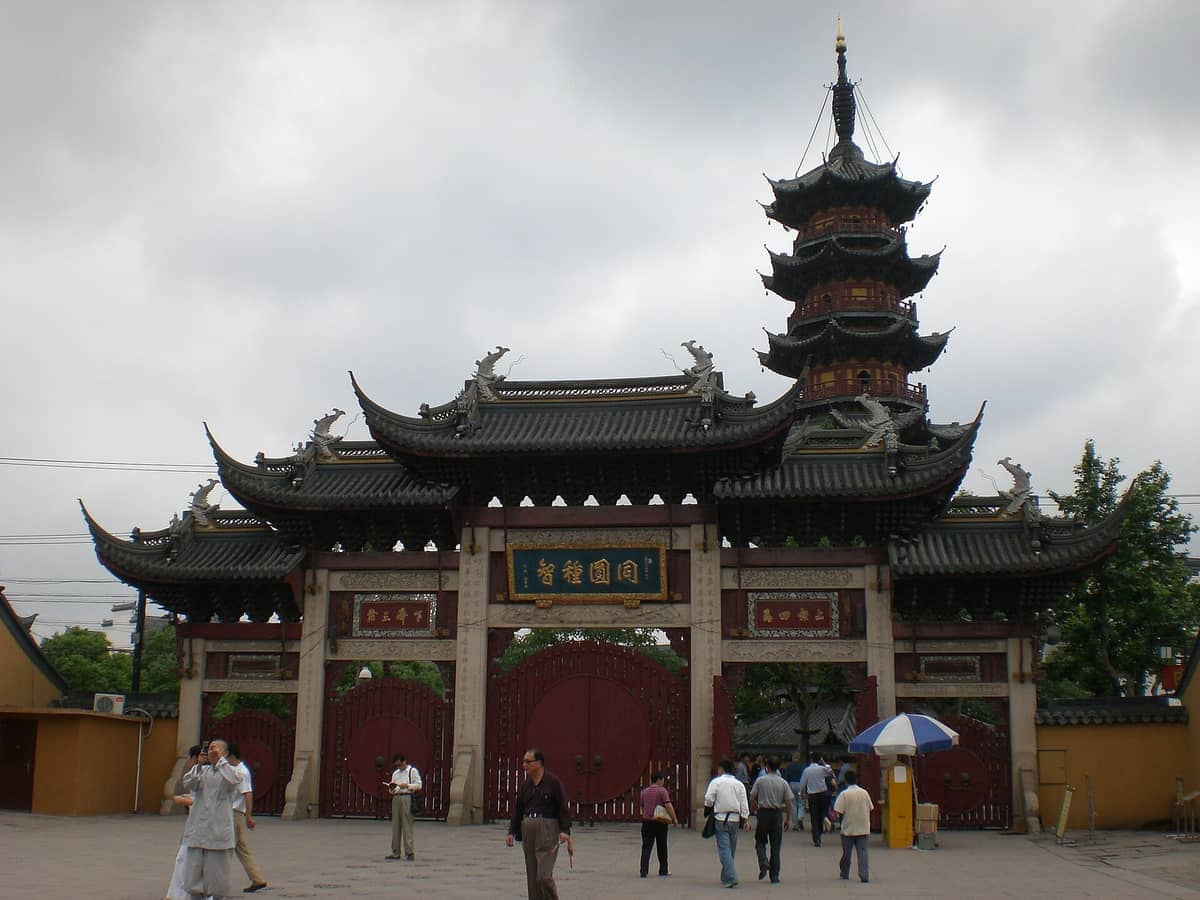
15. Frame Shanghai's Oldest Pagoda at Longhua Temple
The seven-storey brick pagoda rising above Longhua Temple's complex is one of Shanghai's most ancient structures and one of its most photogenic. Frame it through the temple gate for a compressed telephoto shot, or shoot wide from the garden paths. Cherry blossom season in late March adds dramatic foreground colour.
Explore15. Frame Shanghai's Oldest Pagoda at Longhua Temple
The seven-storey brick pagoda rising above Longhua Temple's complex is one of Shanghai's most ancient structures and one of its most photogenic. Frame it through the temple gate for a compressed telephoto shot, or shoot wide from the garden paths. Cherry blossom season in late March adds dramatic foreground colour.
ExploreArchitecture and Industrial Spaces: Creative and Contemporary
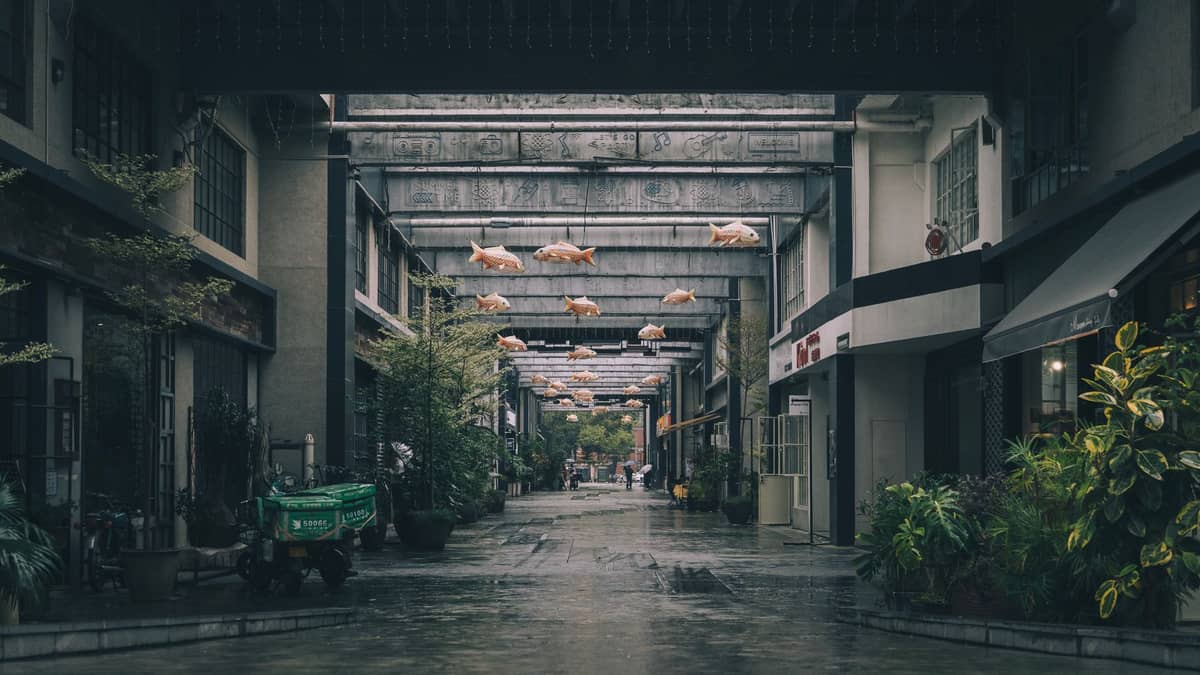
Shanghai's adaptive reuse projects have turned former factories, power plants, and industrial facilities into some of the city's most striking photographic subjects. The West Bund riverfront is the centre of this transformation, and the Hongkou and Suzhou Creek corridors add further interest for photographers drawn to industrial texture.
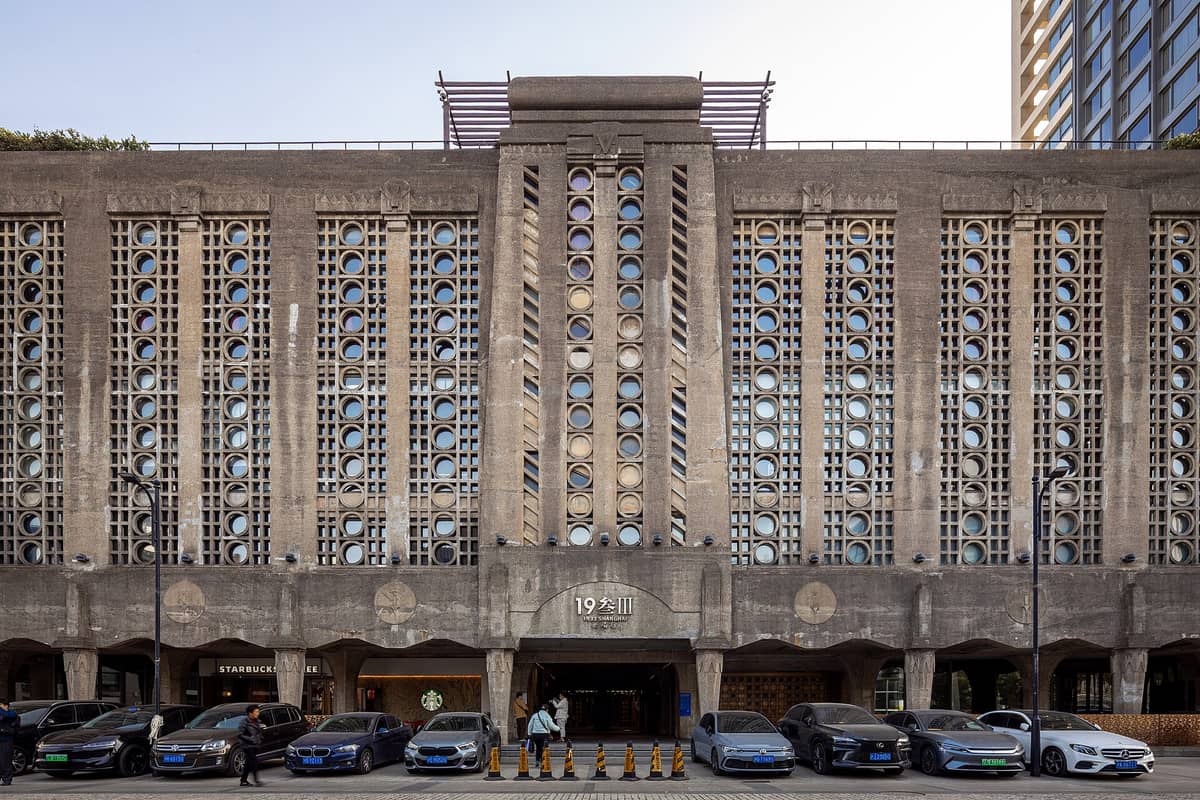
16. Explore the Spiralling Ramps and Bridges of 1933 Old Millfun
A former slaughterhouse with a Brutalist concrete interior of spiral cattle walkways, aerial bridges, and geometric cutouts that photograph unlike anywhere else in Shanghai. Shoot upward from the ground floor for vertiginous stacked-ramp compositions, or cross the narrow sky bridges for frame-within-frame perspectives.
Explore16. Explore the Spiralling Ramps and Bridges of 1933 Old Millfun
A former slaughterhouse with a Brutalist concrete interior of spiral cattle walkways, aerial bridges, and geometric cutouts that photograph unlike anywhere else in Shanghai. Shoot upward from the ground floor for vertiginous stacked-ramp compositions, or cross the narrow sky bridges for frame-within-frame perspectives.
Explore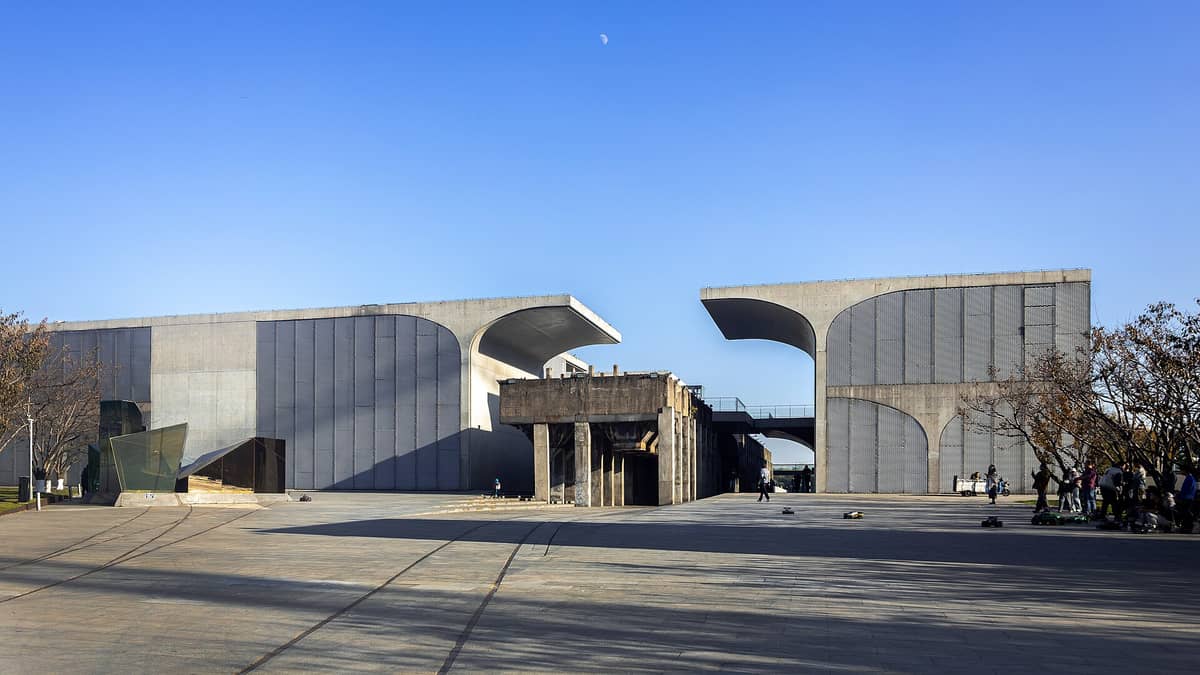
17. Photograph Industrial Architecture at the Long Museum West Bund
The converted coal hopper facility on the West Bund riverfront is architecturally spectacular even before you enter: massive concrete umbrella vaults over the entrance create dramatic shadow play. The interiors combine raw industrial structure with white gallery walls and world-class contemporary Chinese art.
Explore17. Photograph Industrial Architecture at the Long Museum West Bund
The converted coal hopper facility on the West Bund riverfront is architecturally spectacular even before you enter: massive concrete umbrella vaults over the entrance create dramatic shadow play. The interiors combine raw industrial structure with white gallery walls and world-class contemporary Chinese art.
Explore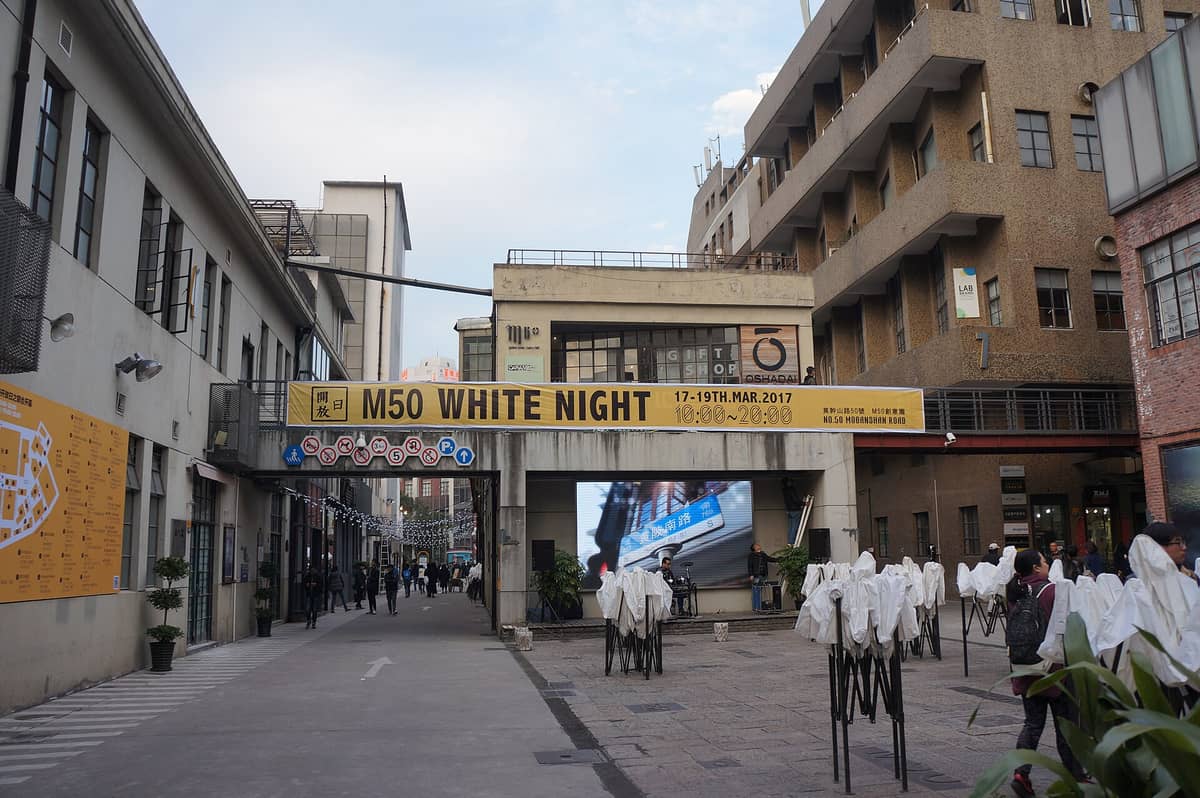
18. Shoot Street Art and Gallery Facades at M50 Creative Park
Industrial red-brick warehouses along Suzhou Creek covered in murals, gallery signage, and outdoor sculpture. M50 rewards a slow walk through its internal courtyards, where creative businesses leave work visible from the street. Saturday mornings are active with artists moving work and setting up exhibitions.
Explore18. Shoot Street Art and Gallery Facades at M50 Creative Park
Industrial red-brick warehouses along Suzhou Creek covered in murals, gallery signage, and outdoor sculpture. M50 rewards a slow walk through its internal courtyards, where creative businesses leave work visible from the street. Saturday mornings are active with artists moving work and setting up exhibitions.
Explore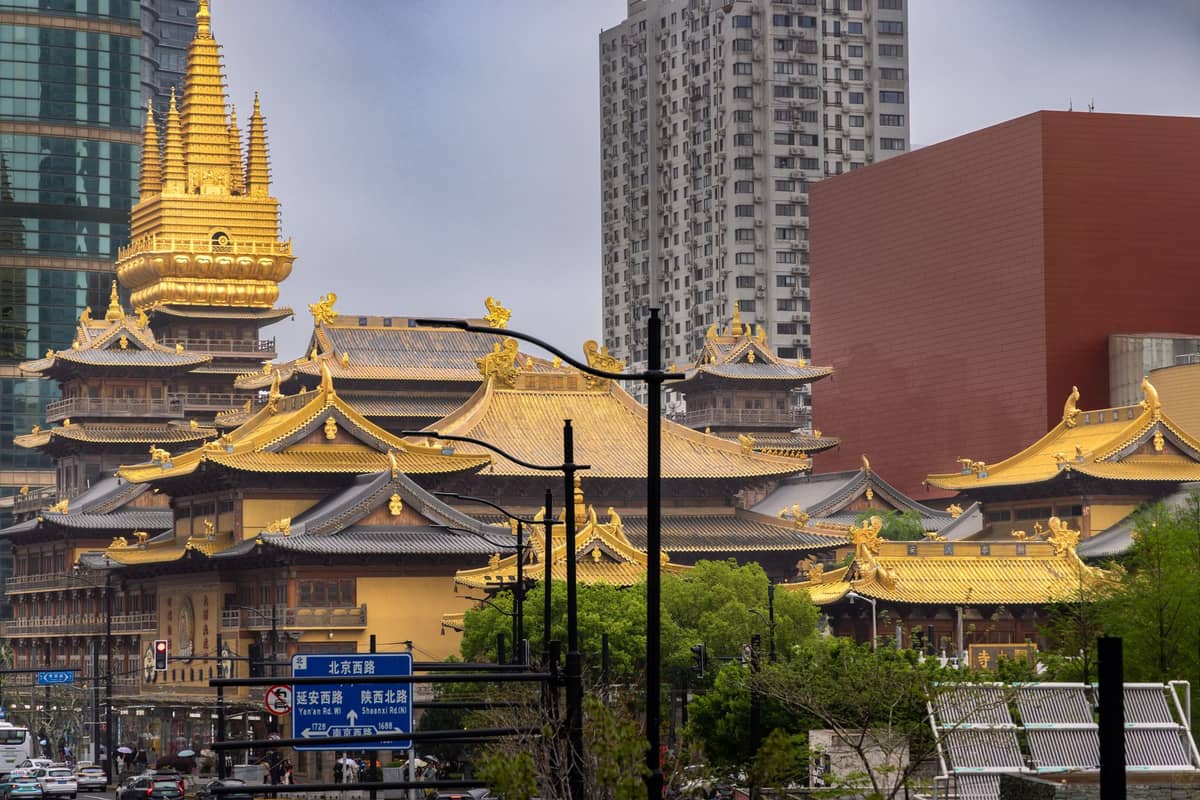
19. Capture the Gold-and-Red Temple Against Skyscrapers at Jing'an Temple
Few compositions in Shanghai are more visually striking than Jing'an Temple's golden roofs and red lacquer walls framed against the glass towers of Nanjing West Road. Shoot from the opposite pavement on Nanjing West Road with a 50mm lens in the late afternoon when the gold catches the western sun.
Explore19. Capture the Gold-and-Red Temple Against Skyscrapers at Jing'an Temple
Few compositions in Shanghai are more visually striking than Jing'an Temple's golden roofs and red lacquer walls framed against the glass towers of Nanjing West Road. Shoot from the opposite pavement on Nanjing West Road with a 50mm lens in the late afternoon when the gold catches the western sun.
Explore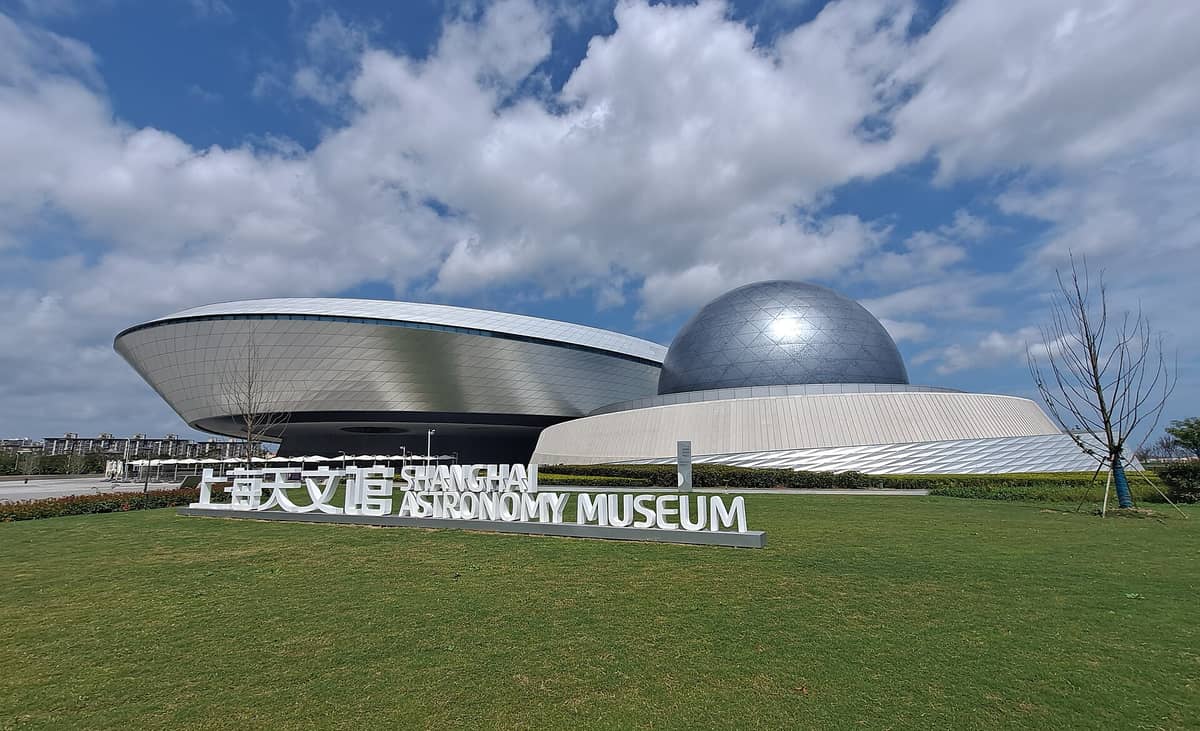
20. Photograph the Celestial Architecture of Shanghai Planetarium
Opened in 2021 in Pudong's Lingang area, the planetarium's three interlocking circular volumes are among the most photogenic pieces of contemporary architecture in China. The oculus sundial at the entrance casts precise light arcs on clear days. Its remote location means very few photographers make the trip.
Explore20. Photograph the Celestial Architecture of Shanghai Planetarium
Opened in 2021 in Pudong's Lingang area, the planetarium's three interlocking circular volumes are among the most photogenic pieces of contemporary architecture in China. The oculus sundial at the entrance casts precise light arcs on clear days. Its remote location means very few photographers make the trip.
Explore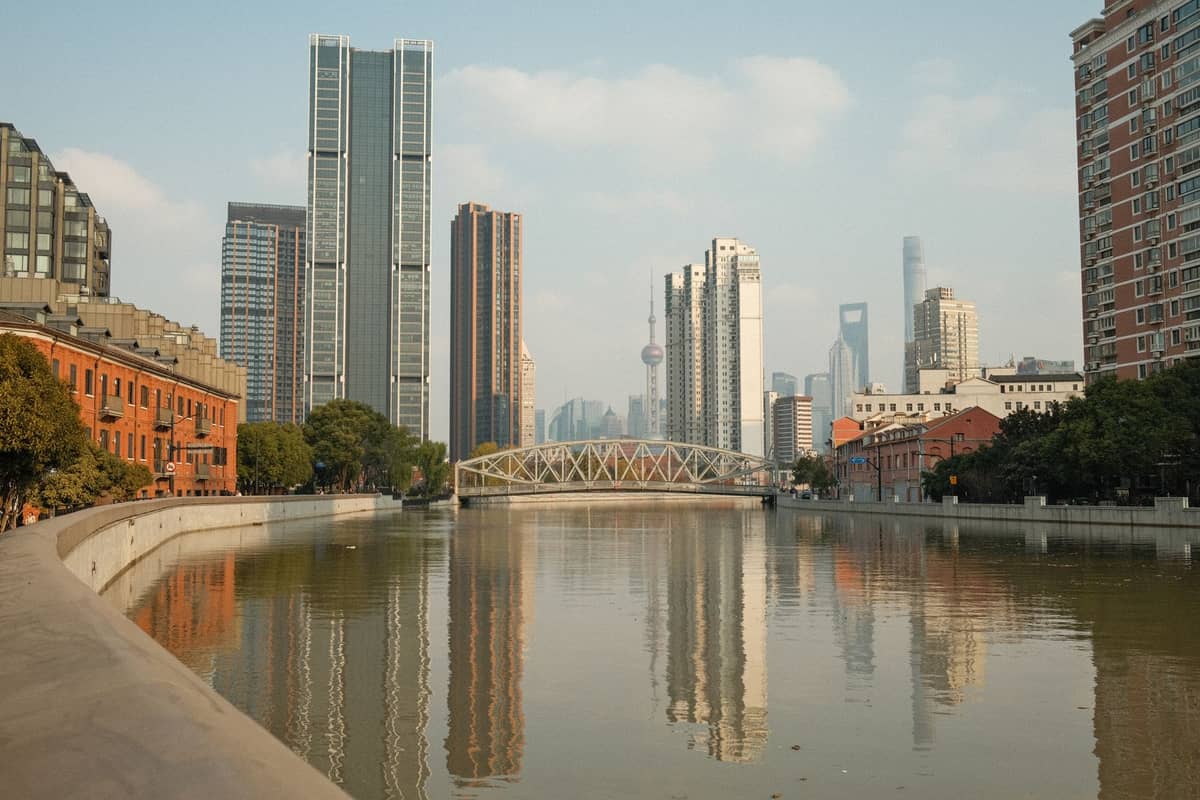
21. Walk the Converted Warehouse District Along Suzhou Creek
The riverside path connecting M50, the North Bund, and the old warehouse belt passes heritage iron bridges, converted grain silos, and emerging gallery spaces. Low winter light at around 15:00 creates long shadows across the water's surface. It is one of Shanghai's best walks for documentary-style urban photography.
Explore21. Walk the Converted Warehouse District Along Suzhou Creek
The riverside path connecting M50, the North Bund, and the old warehouse belt passes heritage iron bridges, converted grain silos, and emerging gallery spaces. Low winter light at around 15:00 creates long shadows across the water's surface. It is one of Shanghai's best walks for documentary-style urban photography.
ExploreFAQ
What is the best time of day to photograph the Bund?
Dusk, from roughly 30 minutes before sunset through to about 22:00, is the prime window. You get warm natural light on the Pudong towers early in that period, then the city's LED light show after dark. Early morning, before 08:00, offers soft diffused light and almost no crowds, which is ideal for tripod shots.
Can I use a drone to photograph Shanghai's skyline?
Drone flights over central Shanghai, including the Bund, Lujiazui, and the Huangpu River, are largely restricted and require registration with the Civil Aviation Administration of China (CAAC). Drone flights over central Shanghai, including the Bund, Lujiazui, and the Huangpu River, are largely restricted and require registration with the Civil Aviation Administration of China (CAAC). In practice, many of the city's best photography zones are no-fly areas for casual visitors. Stick to ground-level and observation deck shots. Stick to ground-level and observation deck shots.
Which observation deck gives the best photos: Shanghai Tower, SWFC, or Oriental Pearl?
Shanghai Tower (118F) gives the highest and most comprehensive 360-degree view, with the other towers below you. Shanghai Tower (118F) gives the highest and most comprehensive 360-degree view, with the other towers below you. The SWFC's Skywalk (100F) was historically best for shooting the glass canyon between towers. The Oriental Pearl photographs better from the outside than from within; its retro-futurist pink spheres are the photographic subject, not the platform. Tripods are not permitted on any of the major observation decks. The Oriental Pearl photographs better from the outside than from within; its retro-futurist pink spheres are the photographic subject, not the platform. Tripods are not permitted on any of the major observation decks.
When is the best season to photograph Shanghai?
April to May and October to November offer the most reliably clear skies, moderate temperatures, and the best natural light. Spring brings cherry blossom and fresh green plane tree leaves in the French Concession. Autumn light is golden and sharp. Summer is hazy, but the hour after a rainstorm clears the air dramatically for skyline shots.
What is the most photogenic street in Shanghai for architecture?
Wukang Road is the consensus answer for a single street: Wukang Road is the consensus answer for a single street: the curved Wukang Mansion at its northern tip is one of Shanghai's most photographed buildings, and the entire boulevard is lined with Art Deco and European-style villas under plane tree canopy. For a broader area, the lanes around Tianzifang offer more textural and street-photography opportunities. and the entire boulevard is lined with Art Deco and European-style villas under plane tree canopy. For a broader area, the lanes around Tianzifang offer more textural and street-photography opportunities.