Shanghai Water Towns: Which One Should You Visit?
Four ancient water towns sit within day-trip distance of Shanghai, each with a different character, price point, and crowd level. This guide cuts through the confusion with specific transport details, current ticket prices, and a ranking to help you choose the right one for your trip.
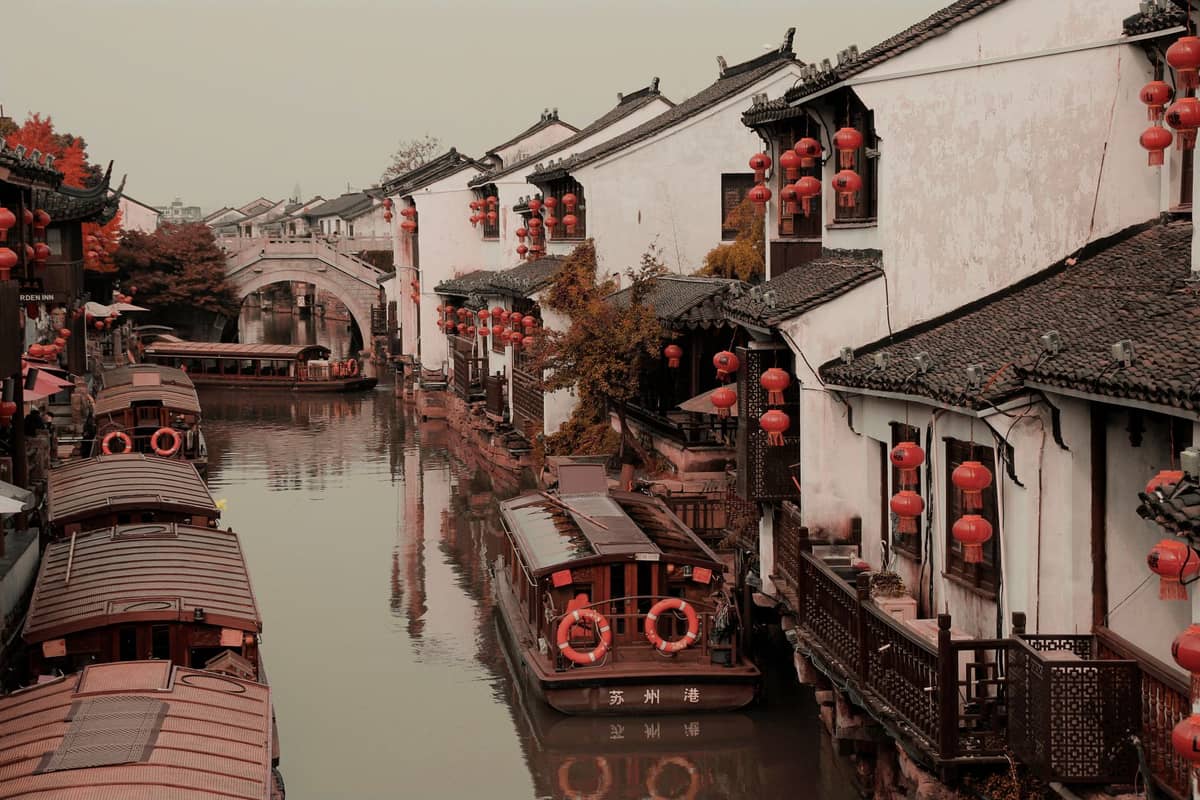
Plan and book this trip
Tools from our partner Travelpayouts help you compare flights and hotels. If you book through them, we may earn a commission at no extra cost to you.
Flights
Hotels map
TL;DR
- Zhujiajiao is the easiest pick: 60 minutes by metro, free entry to the old streets, and a CNY 60–80 combined ticket for heritage sites.
- Wuzhen is the most polished and photogenic, but requires more travel effort and has the highest ticket prices (up to CNY 190 combined).
- Xitang is the best option for evening atmosphere: dedicated night tickets (around CNY 50–80) and illuminated canals after dark.
- Tongli suits history lovers who want a quieter, less commercialized visit, with access to the UNESCO-listed Tuisi Garden included in the standard CNY 100 ticket. Pair it with a day trip from Shanghai for a full itinerary.
- Spring (March–April) and autumn (October–November) offer the most comfortable conditions; summer weekends at any of these towns can be extremely crowded.
Why Visit a Water Town Near Shanghai?
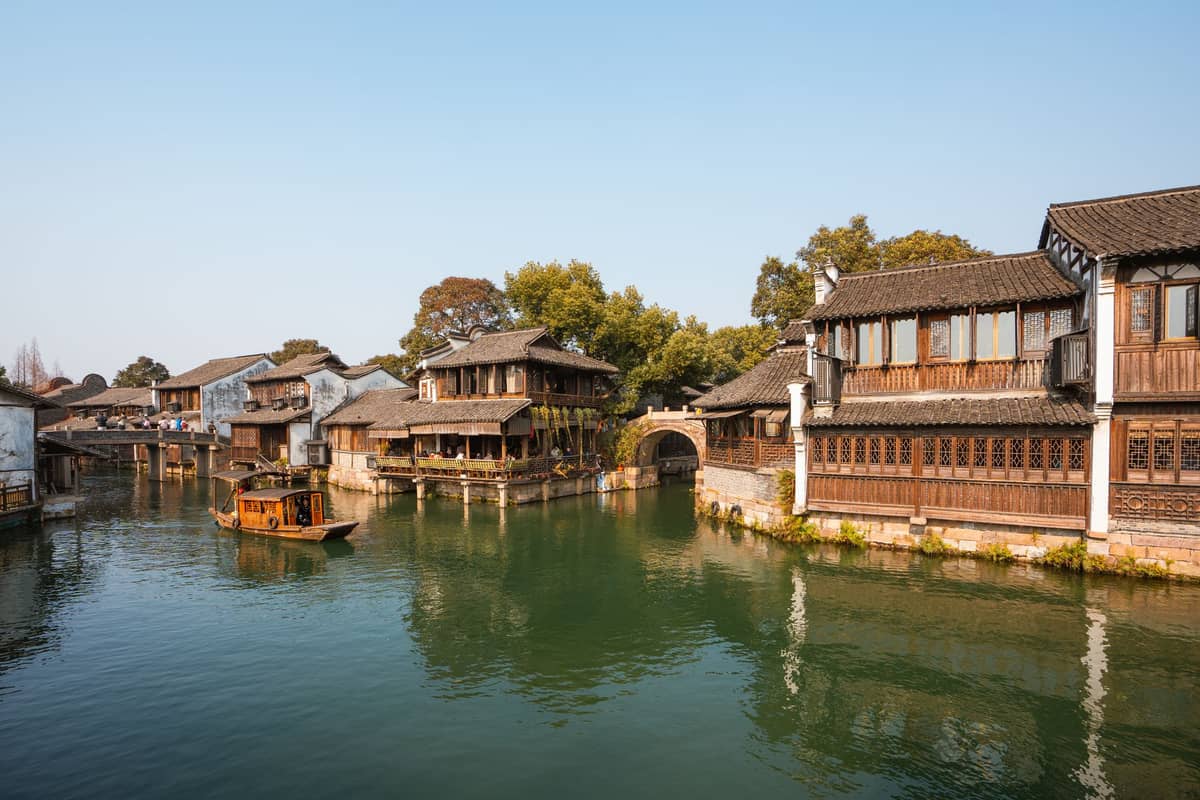
Shanghai's intensity is part of its appeal, but the Yangtze River Delta has spent over a thousand years building a different kind of beauty: slow canals, arched stone bridges, whitewashed Ming and Qing dynasty architecture, and the kind of quiet that a city of about 24.8 million permanent residents simply cannot offer. The region's ancient water towns preserve a way of life that predates the colonial-era skyline of the Bund by centuries, and they are all within two hours of central Shanghai.
The four towns featured in this guide, Zhujiajiao, Wuzhen, Xitang, and Tongli, are the most visited and best connected. They share stone-paved lanes, gondola rides along narrow waterways, and temple courtyards, but they differ significantly in distance, crowd levels, commercialization, ticket structure, and the type of experience they deliver. Picking the wrong one based on a stock photo can mean spending a full day somewhere that does not match your pace or interests.
Zhujiajiao: The Closest and Most Accessible
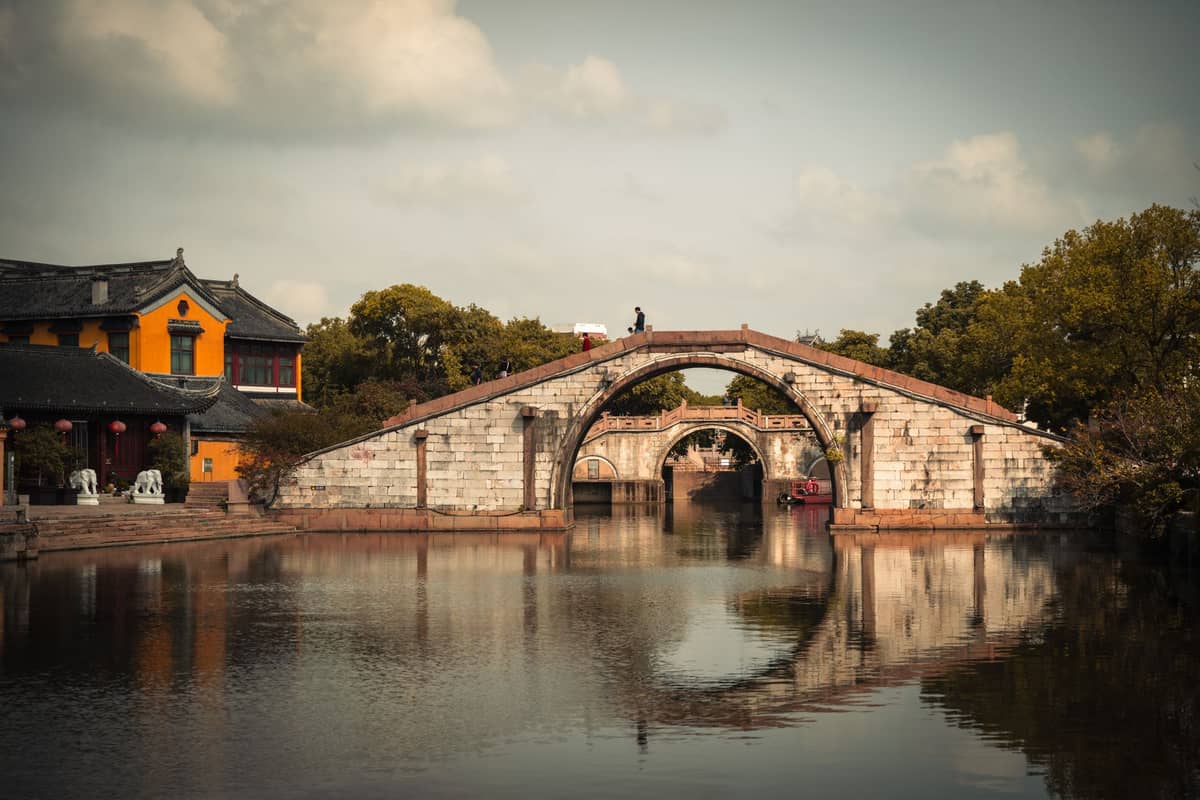
Zhujiajiao is the only major ancient water town that sits inside Shanghai's administrative boundaries, in the Qingpu District about 47 km west of People's Square. That geography matters enormously: you can reach it by metro without changing to a high-speed train, navigating an unfamiliar bus station, or paying for a guided tour.
Metro Line 17 runs from Hongqiao Railway Station west to Zhujiajiao Station in roughly 60–70 minutes, with a fare of around CNY 7–9. From the station, it is a short walk or a quick taxi ride to the old town entrance. An express bus from near People's Square takes a similar amount of time and costs about CNY 12 one way. A round-trip tourist bus from Shanghai Stadium runs approximately every 30 minutes from 07:00 for around CNY 24. For anyone on a tight schedule or budget, Zhujiajiao is the obvious choice. You can read more about navigating the city's transport network in our guide to getting around Shanghai.
The old streets of Zhujiajiao are free to walk. There are no entrance gates blocking the main lanes, which makes it fundamentally different from the other towns on this list. A combined ticket (currently around CNY 60–80, verify before travel) covers enclosed heritage attractions including Kezhi Garden, the Qing Dynasty Post Office, City God Temple, and several other historic buildings. A relaxed visit takes 3–4 hours, which makes it a realistic half-day trip. That said, Zhujiajiao is the most touristed of the four on weekends. If you go on a Saturday morning in summer, expect dense crowds along Fangsheng Bridge, the town's most photographed five-arch span. Weekday mornings, especially in autumn, are noticeably calmer. Check our dedicated entry for Zhujiajiao Water Town for more detail on what to see inside.
✨ Pro tip
Zhujiajiao's old streets are technically open around the clock, and most shops run from roughly 09:00 to 18:00 or 19:00. Arriving before 09:00 gives you an hour of calm before the tour groups arrive. The combination of early light on the canals and empty lanes is genuinely worth the early start.
Wuzhen: The Most Polished, the Most Expensive
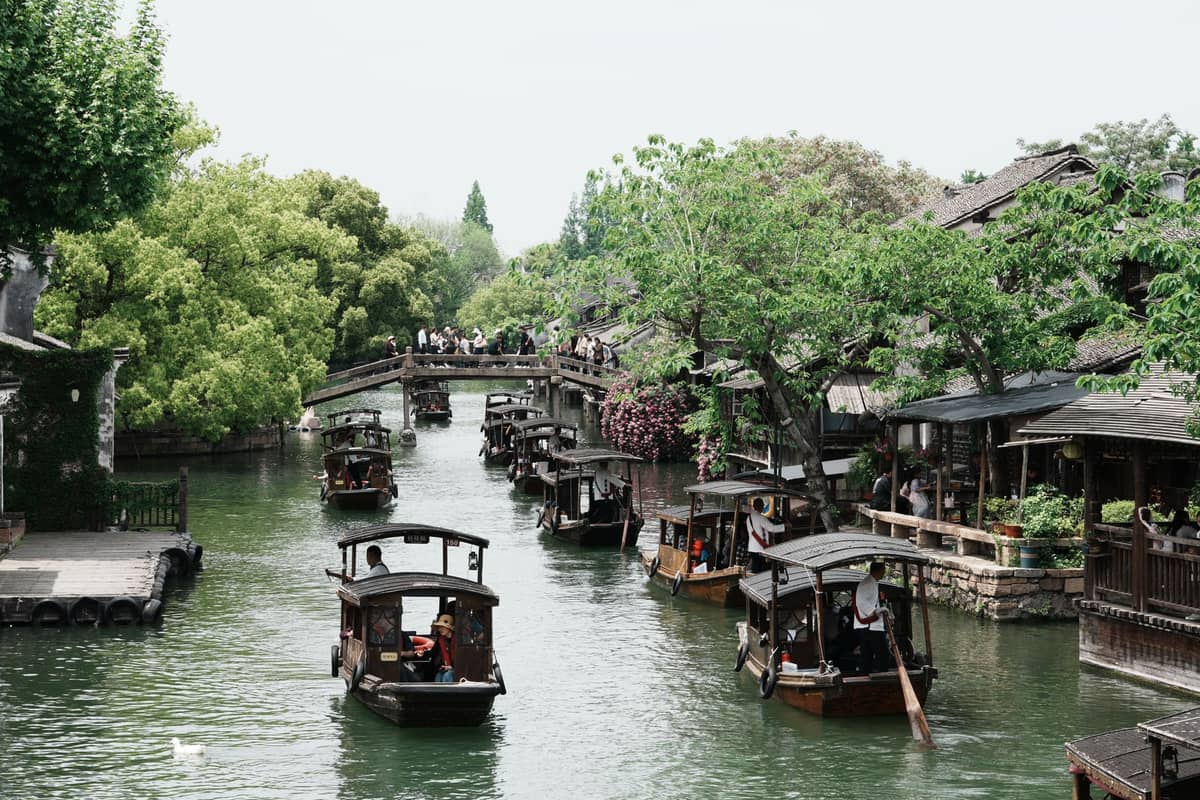
Wuzhen is in Zhejiang Province, about 130 km from Shanghai, and it requires a high-speed train from Shanghai Hongqiao Railway Station to Tongxiang (around 20–40 minutes, CNY 32–60), followed by bus K282 or a taxi for another 20–30 minutes to the entrance. The extra logistics are worth knowing about upfront, because this is not a spontaneous half-day trip.
The town is divided into two separately managed sections. Dongzha (East Gate) focuses on traditional craft demonstrations, folk culture, and the childhood home of writer Mao Dun. Xizha (West Gate) is the more atmospheric of the two: a fully pedestrianized historic zone with boutique accommodation, evening canal light displays, and a notably cinematic quality that makes it one of the most photographed places in eastern China. Adult tickets run around CNY 110 for Dongzha, CNY 150 for Xizha, and CNY 190 for a combined ticket. An evening-only Xizha ticket is available for around CNY 80 and is a genuine value if you plan your transport around arriving late afternoon.
Wuzhen is the most commercially developed of the four towns, which is either a selling point or a drawback depending on your perspective. The infrastructure is excellent, signage is clear, and English-language information is reasonably available. But the experience is managed within an inch of its life. If you want to wander into a lane and feel like you have genuinely discovered something, this is probably not the right choice. If you want extraordinary photography conditions and a smooth, well-organised visit, Wuzhen delivers.
⚠️ What to skip
Wuzhen's Xizha section requires overnight stays to fully experience its famous evening atmosphere if you are coming from Shanghai. The last buses back to Tongxiang station run in the early evening, so an evening-only day trip is tight. Budget travellers and anyone without accommodation booked should check return transport times carefully before planning a late visit.
Xitang: The Best for an Evening Visit
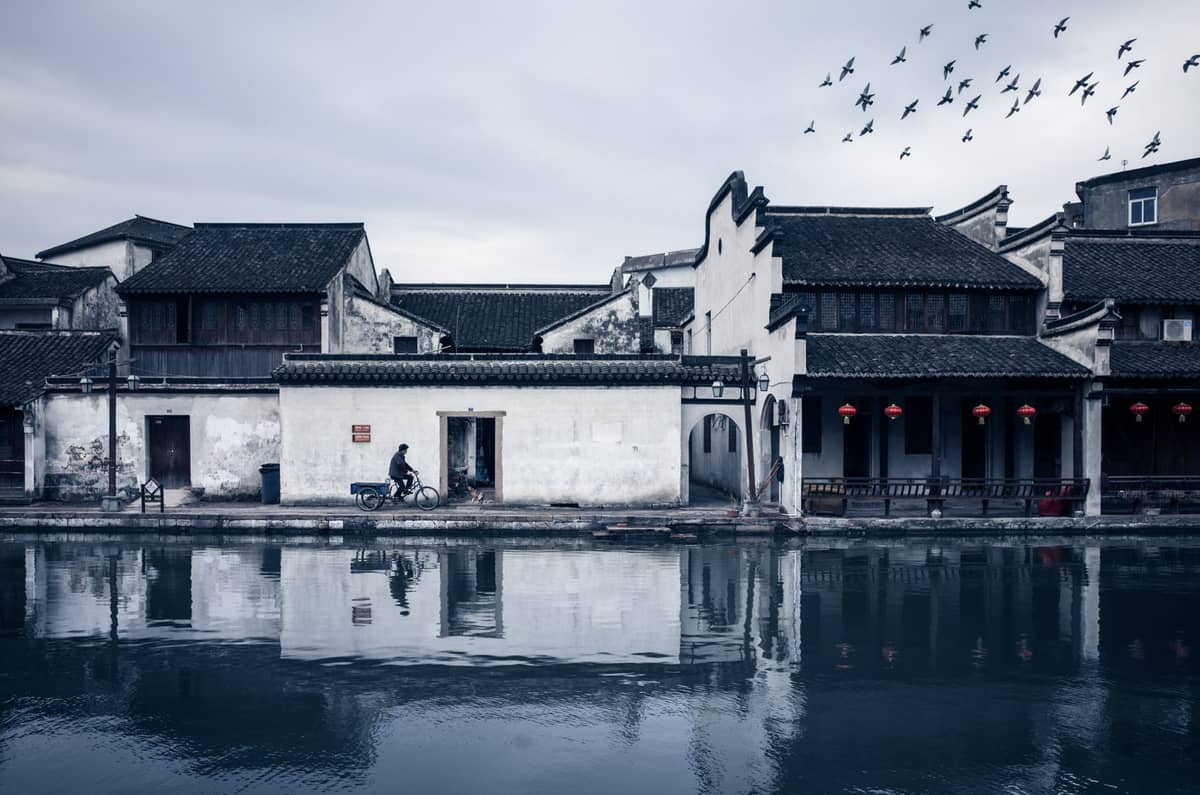
Xitang sits in Jiashan County, Zhejiang Province, roughly 80–90 km from central Shanghai. Getting there typically involves taking a high-speed train from Hongqiao to Jiaxing South or Jiashan South, then a taxi or bus to the town. The journey takes 1.5 to 2 hours in total. It is more effort than Zhujiajiao but less complicated than Wuzhen.
Where Xitang stands apart is its evening experience. The town is famous for the covered corridors (lang peng) that run along its canals, protecting pedestrians from rain, and for the way hundreds of red lanterns reflect off the water after dark. A daytime ticket runs around CNY 95, while a night ticket is lower at approximately CNY 50–60 depending on the season and current pricing. The night ticket structure makes Xitang the most practical option for an evening visit on a day trip, since prices drop and crowds thin as afternoon tour groups leave.
💡 Local tip
Xitang appeared in Mission: Impossible III, which drives a certain amount of curiosity tourism. The canal scenes are recognisable and the covered walkways are genuinely atmospheric. However, its location in Zhejiang means it is less convenient than Zhujiajiao for anyone without strong transport logistics. Confirm current train schedules to Jiashan or Jiaxing South before committing.
Tongli: The Quietest and Most Historically Intact
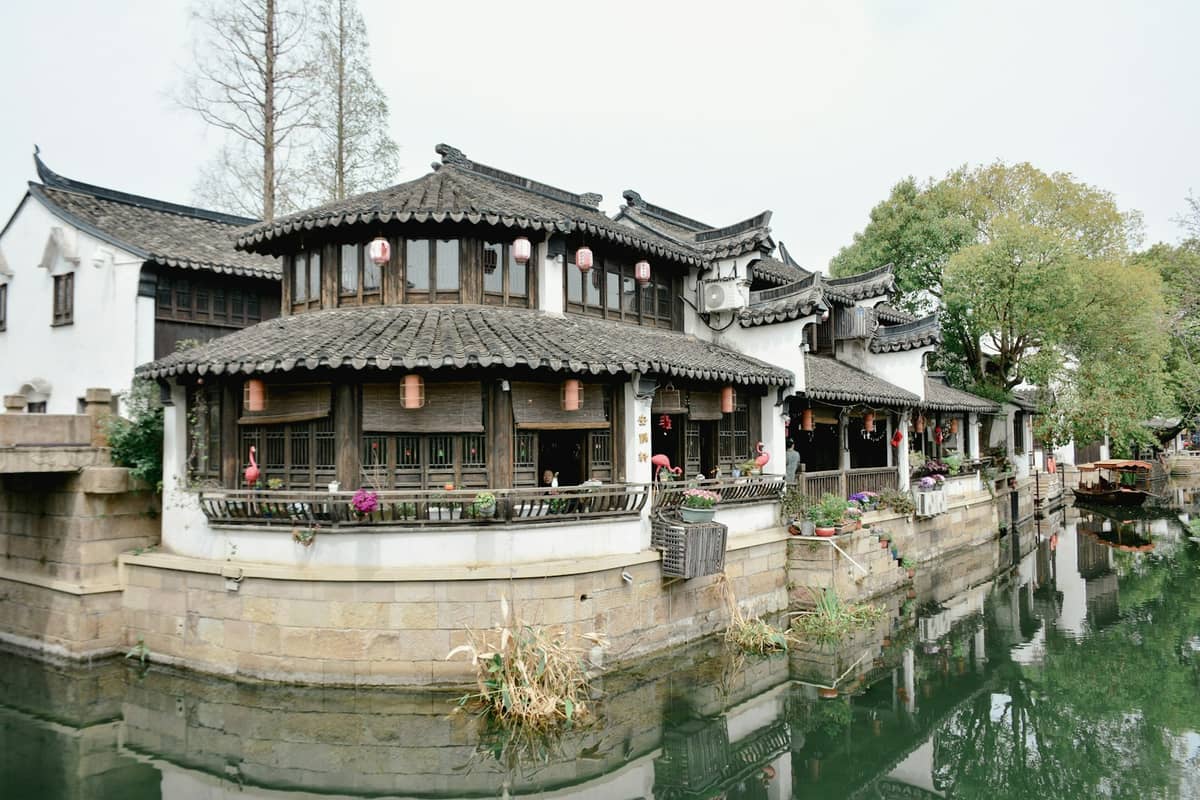
Tongli is part of the greater Suzhou area in Jiangsu Province, about 80 km from Shanghai. The most efficient route is a high-speed train from Shanghai Hongqiao to Suzhou (around 25–35 minutes, approximately CNY 30–50), followed by a bus or taxi to Tongli taking another 40–45 minutes. Total door-to-door travel is usually around 1.5 hours. This makes it a full day trip rather than a half-day excursion, but the town rewards the extra commitment. Combining it with a stop in Suzhou itself is worth considering; see our day trips from Shanghai guide for combined itinerary ideas.
The standard Tongli ticket costs around CNY 100 and includes access to Tuisi Garden, a classical garden built during the late Qing dynasty and now inscribed on the UNESCO World Heritage List as part of the Classical Gardens of Suzhou. The garden is considered one of the finest examples of classical Chinese garden design in Jiangsu, which is saying something in a province that also contains Suzhou's famous gardens. Tongli is smaller and less commercially saturated than Wuzhen or Xitang. Souvenir shops exist, but they are fewer and less aggressive. Canal boat rides are available and the town has a genuinely lived-in quality: locals use these streets, not just tourists.
Comparison: Which Water Town Is Right for You?
- Zhujiajiao Best for: first-timers, budget travellers, and anyone with limited time. 60 minutes by metro from central Shanghai. Free street access; combined heritage ticket CNY 60–70. Most crowded on weekends.
- Wuzhen Best for: photographers, couples, and travellers who want the most polished experience. 60–70 minutes total by high-speed train and bus. Combined ticket CNY 190; evening Xizha ticket CNY 80. Plan to stay overnight to fully experience the evening atmosphere.
- Xitang Best for: evening atmosphere and canal lantern scenes. 1.5–2 hours from Shanghai. Day ticket CNY 95–100; night ticket CNY 50–80. Covered canal corridors are unique to this town.
- Tongli Best for: history and garden enthusiasts who want fewer crowds. 1.5 hours from Shanghai via Suzhou. Standard ticket around CNY 100 including Tuisi Garden. Pairs well with a Suzhou day trip.
When to Go and What to Expect
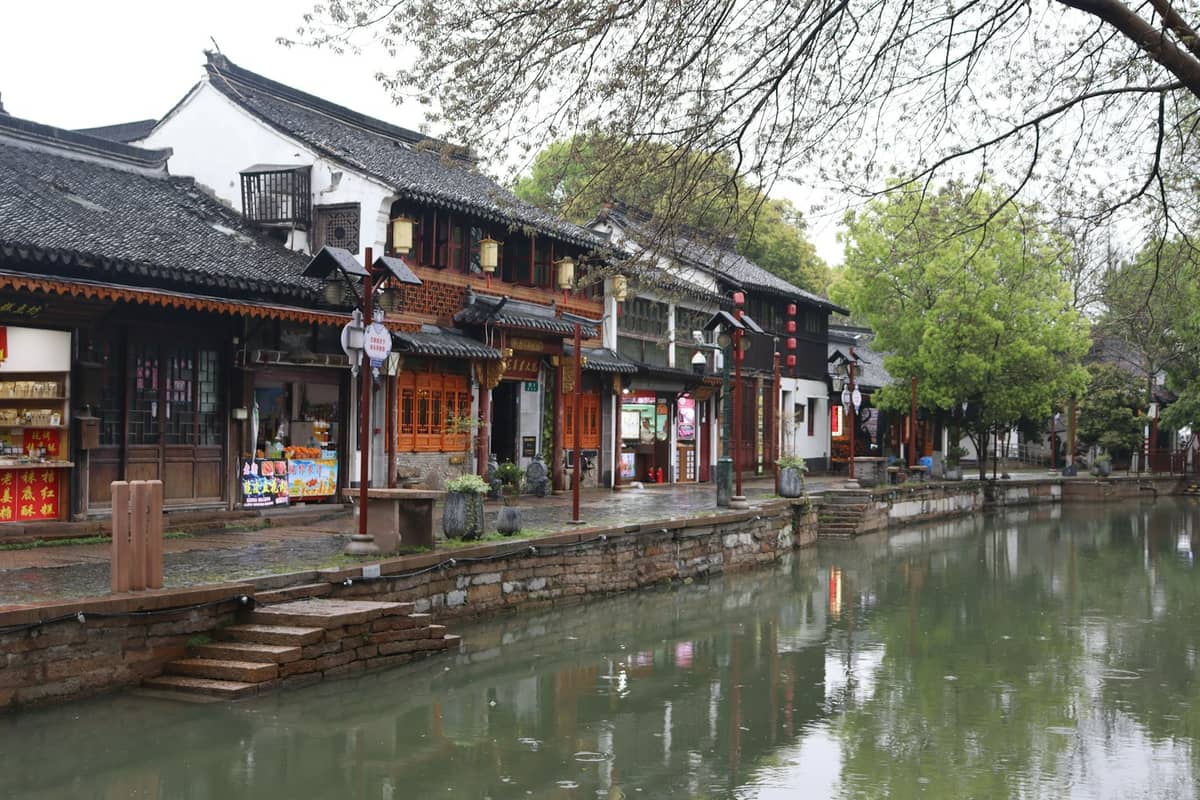
Spring (March to April) and autumn (October to November) are the most comfortable periods to visit any of these towns. Temperatures sit between roughly 10°C and 22°C, skies are generally clearer than summer, and the humidity is more manageable. Spring brings magnolia and cherry blossoms, which look particularly good reflected in still canal water. Autumn offers golden foliage and sharp afternoon light. For broader context on seasonal timing, our guide to the best time to visit Shanghai covers seasonal patterns across the region.
Summer (June to August) is the most challenging season. Daily highs frequently reach 32–34°C with high humidity, and Chinese national holidays in early May and early October see visitor numbers spike dramatically at all four towns. If summer is your only option, aim for weekday visits and arrive at opening time. The plum rain season (roughly June to early July) brings grey skies and concentrated rainfall that can make outdoor walking unpleasant, but also gives the water towns a misty, ink-wash quality that some photographers specifically seek out.
- Weekday mornings are consistently less crowded than weekend afternoons at all four towns.
- Chinese national holidays (Golden Week in early May and early October) bring extreme crowds; avoid if possible.
- Winter visits (December to February) mean fewer tourists and some atmospheric mist, but temperatures can drop below 5°C and some smaller shops close.
- Evening lantern lighting at Xitang and Wuzhen's Xizha zone typically begins around sunset, which falls as early as 17:00 in winter and as late as 19:30 in summer.
- Boat rides on the canals run at all four towns; prices and availability are best confirmed on arrival as they change seasonally.
All four towns have food worth eating. Look for local Jiangnan dishes: braised pork belly (hong shao rou), fried tofu with crab roe, steamed river fish, and glutinous rice cakes. Zhujiajiao is also known for its zongzi (sticky rice parcels). For context on Shanghai-area food more broadly, the guide to what to eat in Shanghai covers regional flavours and what to look for on menus.
ℹ️ Good to know
All prices and transport fares listed in this guide are based on sources current at time of writing but are subject to change. Ticket prices at Wuzhen, Xitang, and Tongli in particular are adjusted periodically by scenic area management. Verify current prices via official booking platforms (Trip.com, official scenic area websites, or the Shanghai Municipal Administration of Culture and Tourism at shanghaitourism.gov.cn) before your visit.
FAQ
Which Shanghai water town is closest to the city centre?
Zhujiajiao is the closest, located within Shanghai's own administrative boundaries in Qingpu District. It takes roughly 60–70 minutes by Metro Line 17 from Hongqiao Railway Station, or around the same time by express bus from near People's Square. No high-speed train or inter-provincial bus is required.
Can I visit a water town as a day trip from Shanghai?
Yes, all four towns are practical as day trips. Zhujiajiao is the easiest (metro, 60–70 min). Wuzhen, Xitang, and Tongli require a high-speed train from Shanghai Hongqiao Railway Station plus a connecting bus or taxi, with total journey times of 1.5–2 hours each way. For Wuzhen's evening Xizha experience, staying overnight is strongly recommended since the last return buses to the train station run early.
Do the water towns charge an entrance fee?
It depends on the town. Zhujiajiao's old streets are free to enter; tickets (currently around CNY 60–70) only apply to enclosed heritage sites inside. Wuzhen, Xitang, and Tongli operate as fully ticketed scenic zones where you pay at the gate to enter the historic area. Prices range from around CNY 95 (Xitang day ticket) to CNY 190 (Wuzhen combined ticket). Night tickets at Xitang and Wuzhen's Xizha zone are cheaper than full-day options.
Which water town is best for photography?
Wuzhen's Xizha section is the most consistently photogenic, with its evening lantern reflections, preserved wooden architecture, and pedestrian-only canal lanes. Xitang's covered corridors (lang peng) are also distinctive and photograph well at dusk. Zhujiajiao's Fangsheng Bridge is the most iconic single shot near Shanghai. Early morning at any of these towns, before 09:00, gives you empty lanes and soft light.
Are the water towns worth visiting in winter?
Winter (December to February) is the quietest period and has a particular atmospheric quality: mist over the canals, fewer tourists, and occasional frost on roof tiles. The trade-off is cold temperatures (often 4–7°C with damp chill), shorter daylight hours, and reduced shop and restaurant hours. If you are specifically interested in photography or solitude rather than a full cultural experience, winter can work well. Dress in warm layers and check whether specific heritage sites within the towns reduce their winter hours.