Best Day Trips from Shanghai: Suzhou, Hangzhou, Zhujiajiao & More
Shanghai sits at the heart of one of China's best high-speed rail networks, putting ancient canal towns, mountain lakes, and imperial gardens within easy reach. This guide covers the top day trips from Shanghai with real costs, transport logistics, and a clear view of what's worth the journey.
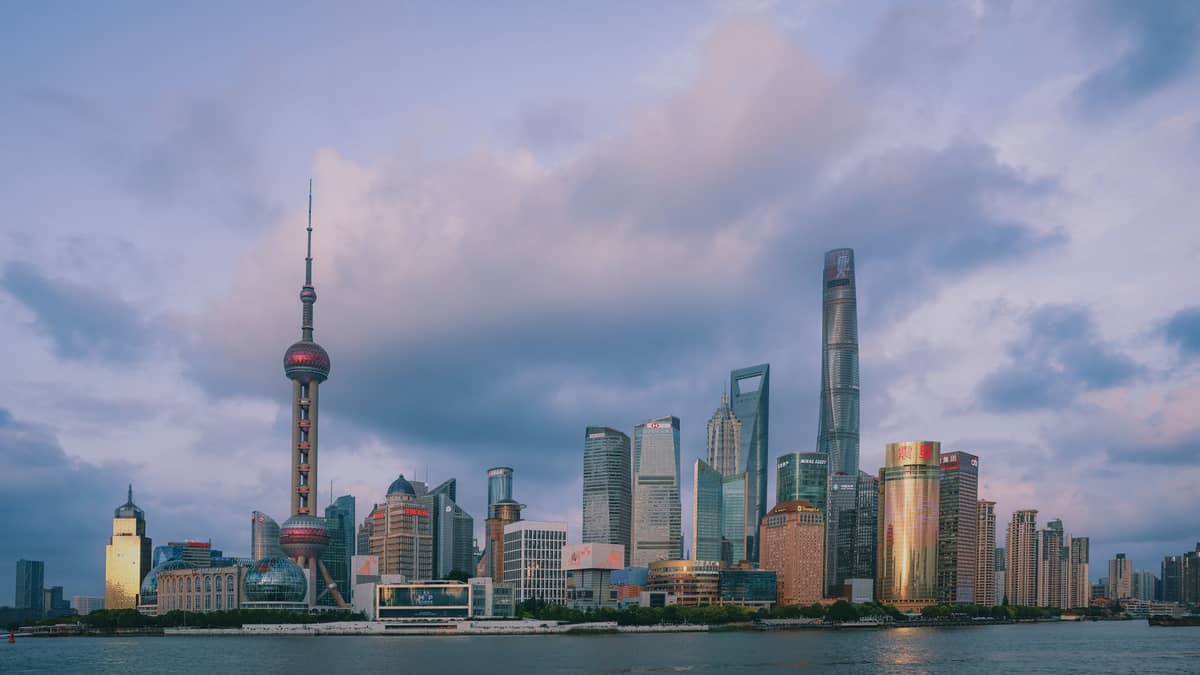
Plan and book this trip
Tools from our partner Travelpayouts help you compare flights and hotels. If you book through them, we may earn a commission at no extra cost to you.
Flights
Hotels map
TL;DR
- Suzhou is the easiest day trip: high-speed trains depart every few minutes, take around 25 minutes, and cost as little as ¥21 second-class.
- Hangzhou's West Lake is about 45-60 minutes from Shanghai Hongqiao on the bullet train, with fares around ¥73-117 one way.
- Zhujiajiao Water Town is reachable entirely by public transport (metro Line 17) in about 1 hour for roughly ¥10 each way — no guided tour required.
- Avoid Golden Week (early October) and Chinese New Year for all these destinations unless you book trains weeks in advance.
- See the full getting around Shanghai guide for metro routes and transport tips before you head out.
Why Shanghai Is a Perfect Base for Day Trips
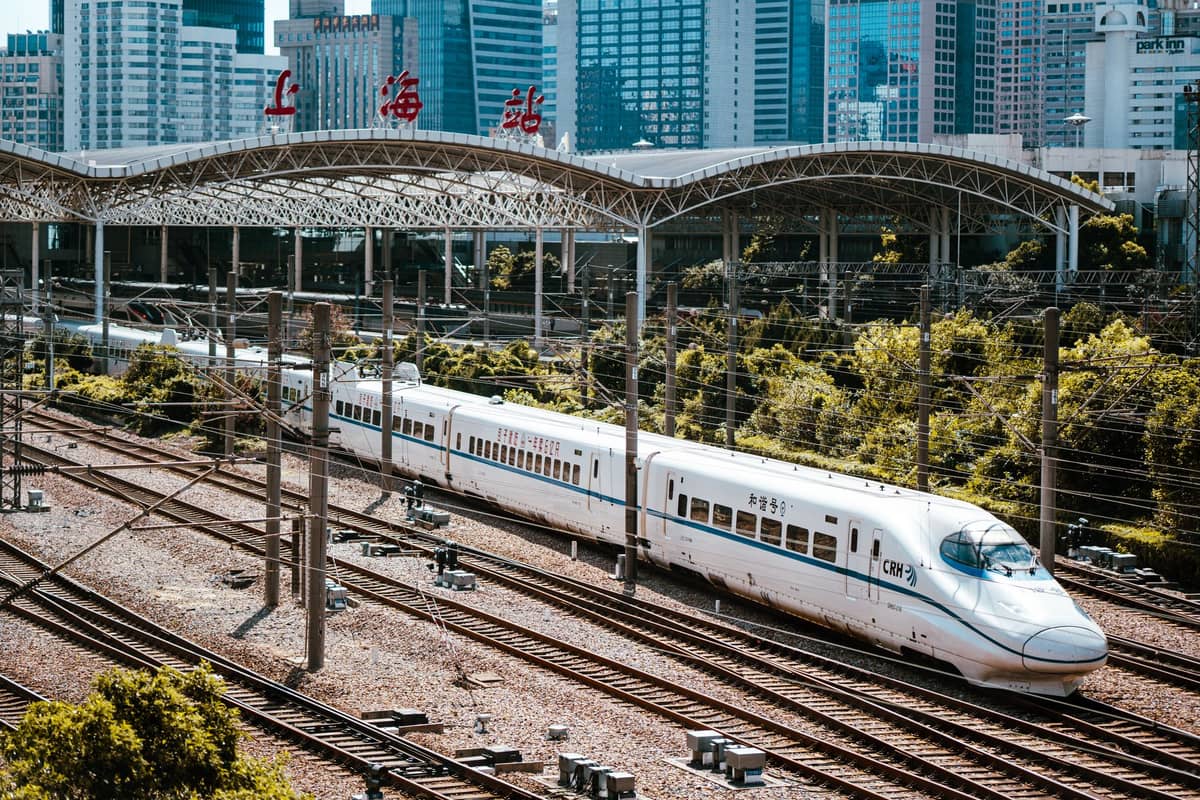
Shanghai Municipality sits at the mouth of the Yangtze River Delta, one of the most densely connected regions in China for high-speed rail. From Shanghai Hongqiao Railway Station alone, dozens of bullet trains depart every hour toward Suzhou, Hangzhou, Nanjing, and beyond. The practical upshot: you can be wandering a 1,000-year-old canal town or standing beside West Lake before 9am, then back for dinner on the Bund without rushing.
That said, not every day trip deserves equal billing. Some destinations that appear on generic lists require 2-3 hours each way and make more sense as overnight stops. This guide focuses on destinations that are genuinely manageable in a single day, with specific transport details and honest notes on what you'll actually find when you arrive.
ℹ️ Good to know
Shanghai operates on China Standard Time (UTC+8). High-speed trains from Hongqiao typically start before 7am and run until late evening, giving you a long usable window for day trips. Buy tickets in advance through the official China Railway app (12306) or at station windows — the 12306 platform can take some patience to set up.
Suzhou: Classical Gardens 25 Minutes Away
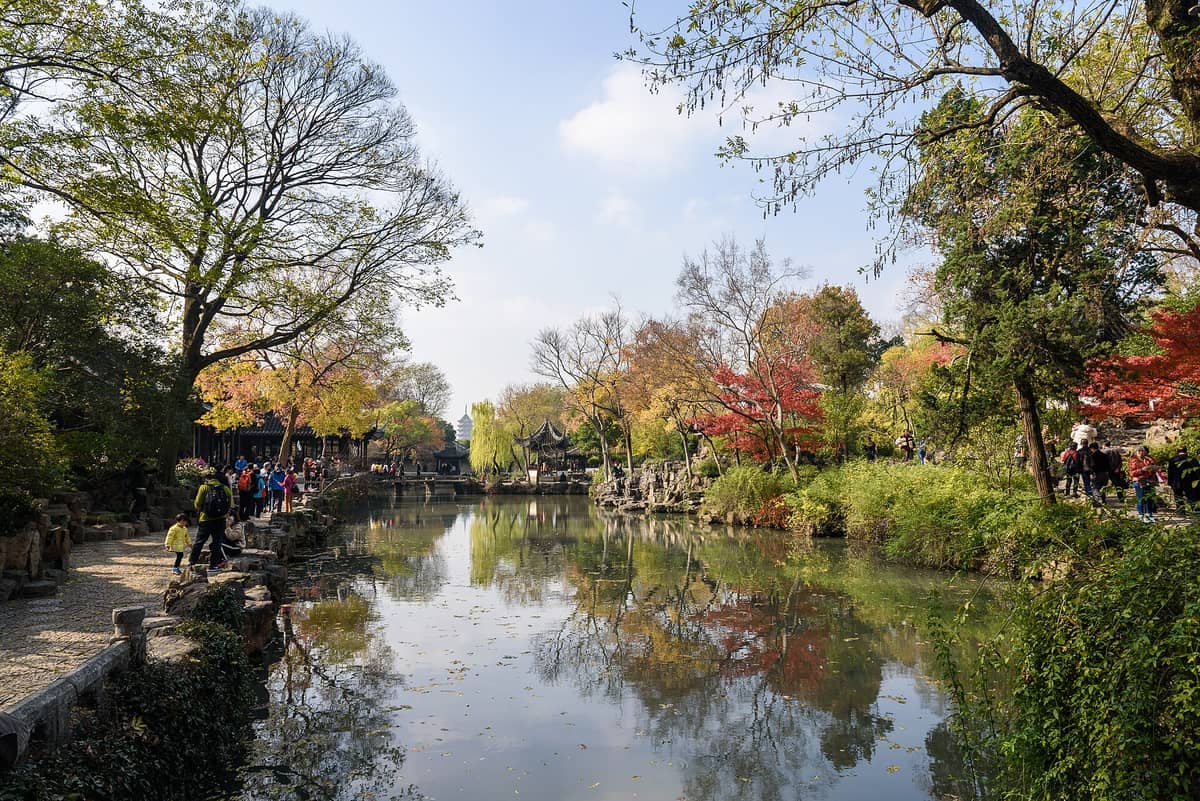
Suzhou is the most practical day trip from Shanghai by a significant margin. With frequent daily departures between the two cities, you essentially show up and board the next train. The fastest G-class bullet trains cover the route in around 25 minutes; slower D-class trains take 35-45 minutes. Second-class fares run ¥21-52 depending on train type and which Shanghai station you depart from (Hongqiao or Shanghai Station). A full day including train, UNESCO-listed garden entry fees, and a sit-down lunch typically comes to ¥150-300 per person.
The city's classical gardens are the main draw: the Humble Administrator's Garden (Zhuozheng Yuan) is the largest and most visited, while the Master of Nets Garden (Wangshi Yuan) is more intimate and often less crowded. Admission to each is generally ¥70-80 (verify current prices before visiting, as these are updated periodically). Beyond gardens, Suzhou's canal districts around Pingjiang Road offer a slower, more residential side of the city that most day-trippers miss by spending the whole day in garden queues.
⚠️ What to skip
Suzhou's main gardens attract enormous crowds during school holidays, Golden Week (1-7 October), and weekends in spring when the weather is mild. Weekday visits in shoulder season (March-April or October-November) are dramatically more pleasant. If you're visiting on a weekend, aim to be at the gates when they open — usually 7:30-8am.
- Transport G or D class bullet train from Shanghai Hongqiao or Shanghai Station to Suzhou Station or Suzhou North. Journey: 25-45 min. Fare: ¥21-52 second-class.
- Budget estimate ¥150-300 per person for train, garden entry, and meals.
- Best time to go Weekday mornings in April-May or October-November. Avoid Chinese public holidays entirely.
- Don't miss Pingjiang Road canal street for lunch and a slower pace after the main garden rush.
Hangzhou: West Lake and the Dragon Well Tea Hills
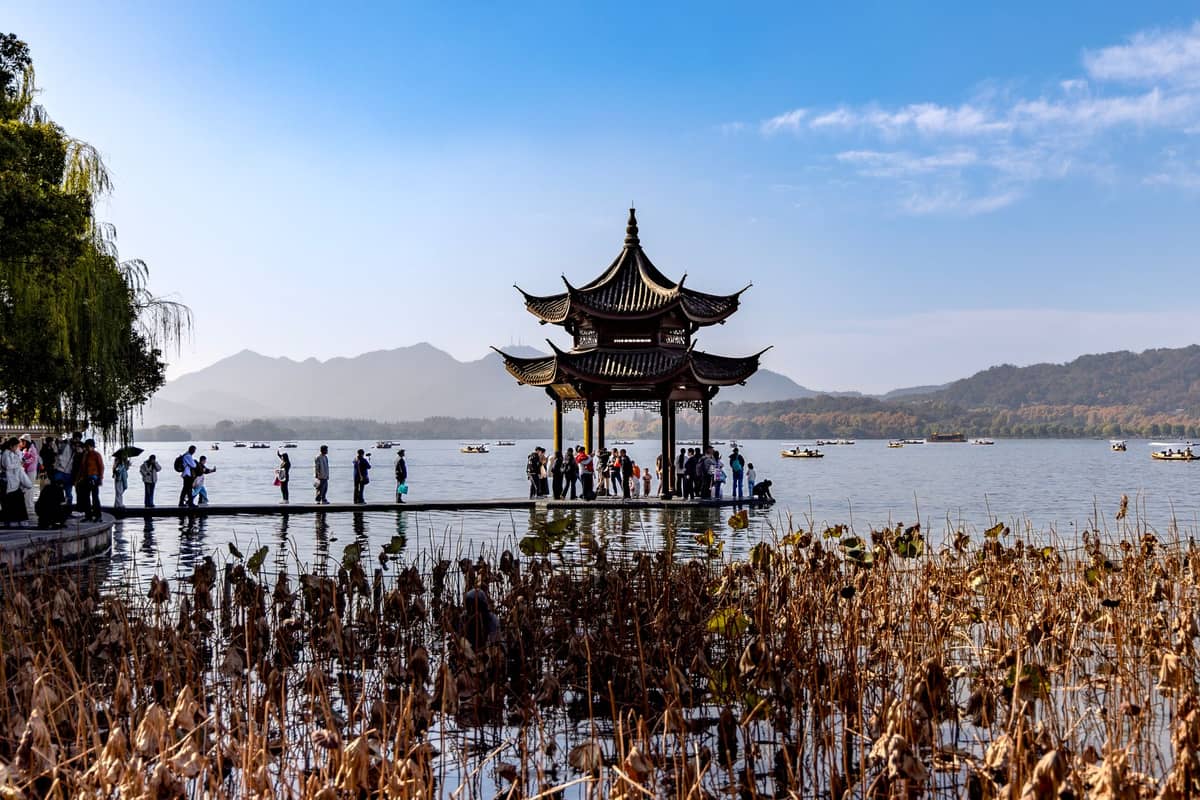
Hangzhou is slightly further than Suzhou but still squarely within day-trip territory. Bullet trains from Shanghai Hongqiao to Hangzhou East Station take about 45-60 minutes, with second-class fares around ¥73-117 one way. The city is the capital of Zhejiang Province and has a well-developed tourism infrastructure, which makes navigation straightforward even without a guide. Check the best time to visit guide if you're planning around seasonal conditions, since Hangzhou in July-August is genuinely uncomfortable: temperatures above 35°C and high humidity.
West Lake (Xi Hu) is the centerpiece and entry is free. You can walk the causeways, rent a bike along the lakefront, or take a boat to the mid-lake islands. The Dragon Well (Longjing) tea-growing area sits a short ride from the lake and is worth the extra effort — particularly in April when the spring harvest is underway. Total day spend including trains, a boat trip, tea tasting, and lunch typically falls around ¥200-400 per person.
A common mistake is treating Hangzhou as just a lakeside stroll. The old Hefang Street area near the City God Pavilion gives more cultural texture, and the China National Silk Museum is free and worth 90 minutes of anyone's afternoon. The return train from Hangzhou East runs frequently until late evening, so you're not rushed.
Zhujiajiao Water Town: The Best Option Inside Shanghai's Borders
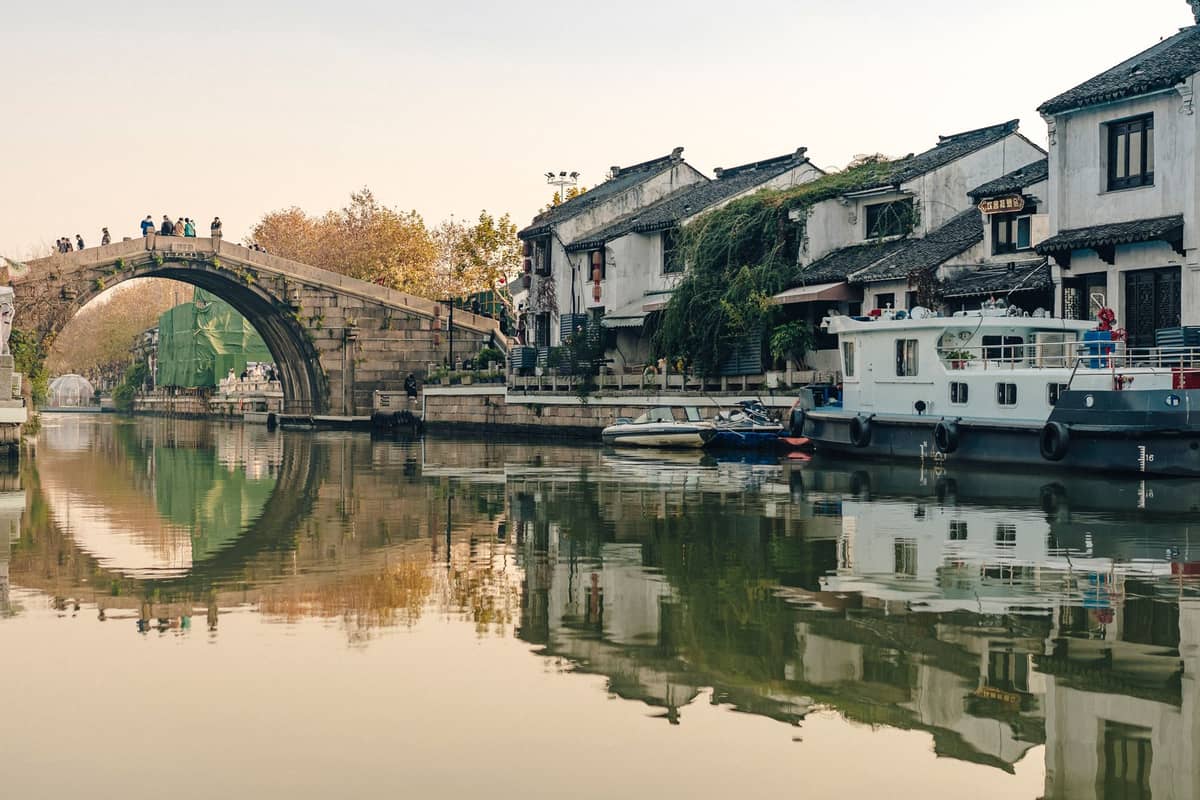
Zhujiajiao sits within Shanghai Municipality's Qingpu District, which means it's accessible on a single metro ride with no intercity train required. Metro Line 17 from Hongqiao connects directly to Zhujiajiao town, with the whole journey from central Shanghai taking about 1 hour and costing around ¥10 each way. For a sense of what you'll find there, the Zhujiajiao Water Town attraction page covers the layout in detail.
The most important thing to understand about Zhujiajiao: the old town itself is free to enter. You walk in off the street, explore the stone bridges (the five-arch Fangsheng Bridge is the standout), browse canal-side shops, and eat at waterfront restaurants without paying a cent in entry fees. Tickets are only required for specific enclosed attractions: a combined ticket covering Kezhi Garden, the Qing-era Post Office, Yuanjin Temple, and a few other sites is around ¥60. Neither is mandatory for a satisfying visit.
Boat rides are the other main cost. Short canal rides from the metro-side pier run roughly ¥40 per person. Boats from the central docks may be priced per boat (around ¥150 for up to 6 people), making them better value for small groups. Organized tours from Shanghai typically cost ¥350-600 per person including transport, guide, and tickets — a significant premium over doing it independently, with limited practical benefit given how easy the metro connection is.
💡 Local tip
Zhujiajiao is at its most photogenic early on weekday mornings before the tour groups arrive. By 11am on weekends, the main drag is shoulder-to-shoulder. If you arrive at 8:30am, you'll have the bridges and canals largely to yourself for the first hour. Bring cash for boat rides and smaller food stalls, as not all vendors accept mobile payment from foreign-registered apps.
Other Day Trip Options Worth Considering
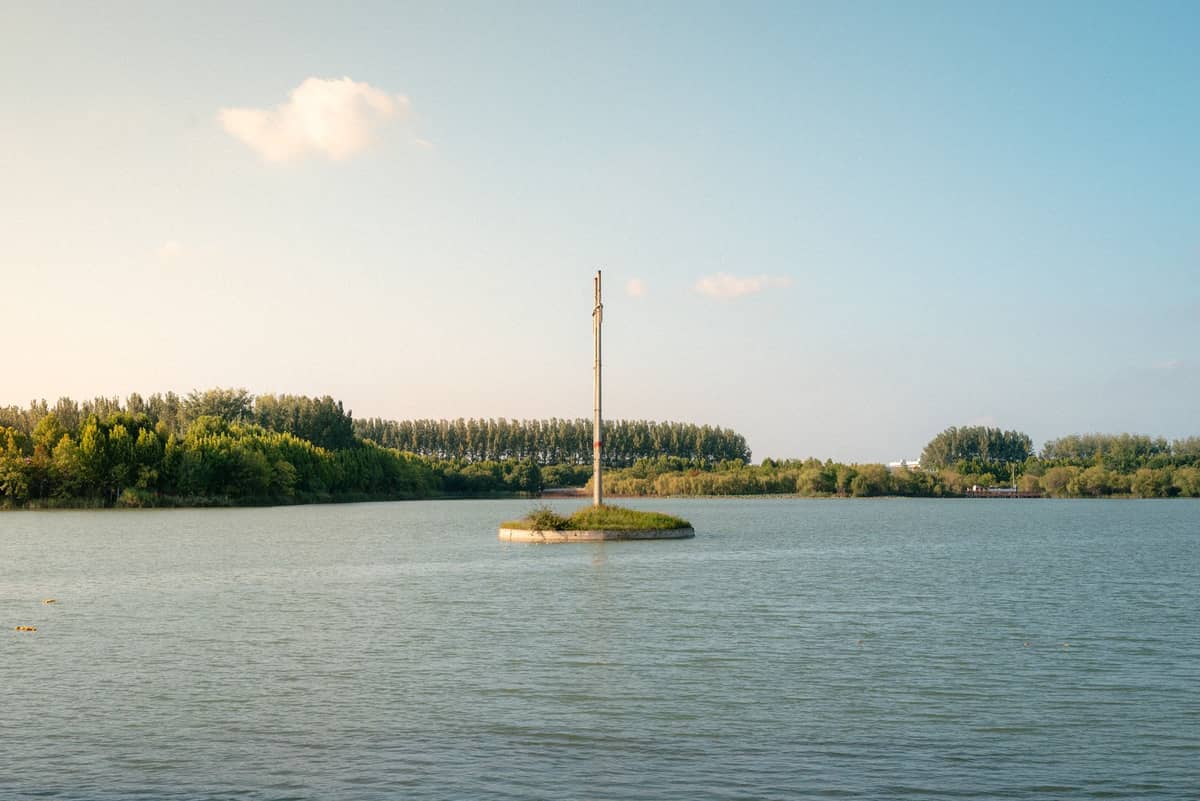
Beyond the top three, several other destinations deserve consideration depending on your interests. Chongming Island, accessible by tunnel from Baoshan District, offers flat cycling terrain and wetland nature reserves — a sharp contrast to Shanghai's urban density. It's covered in the Chongming Island attraction guide. The island suits visitors looking for outdoor space rather than cultural monuments.
Qibao Ancient Town in Minhang District is reachable by metro (Line 9) in about 30 minutes from People's Square, making it the fastest "water town" option from central Shanghai. It's smaller and more commercial than Zhujiajiao, but works well as a half-day addition to a Shanghai itinerary rather than a dedicated day trip. See the Qibao Ancient Town page for what to expect.
- Tongli (Suzhou area) A quieter water town near Suzhou, reached by bus or taxi from Suzhou South station. More authentic feel than Zhujiajiao on busy weekends, but adds 30-40 minutes of travel each way.
- Sheshan National Forest Park Metro Line 9 to Sheshan station. Hilly terrain with a basilica and forested trails. Good for families and a half-day outdoors without leaving Shanghai.
- Nanjing About 1 hour by G-class bullet train from Hongqiao. The Sun Yat-sen Mausoleum and Ming city walls are genuinely impressive, but the city rewards a full day or overnight more than a rushed day trip.
- Wuzhen A well-preserved water town in Zhejiang Province, but requiring about 2 hours of travel each way — better as an overnight stop or combined with Hangzhou.
Practical Tips for All Day Trips from Shanghai
Book train tickets as early as possible, particularly for weekend travel or trips around national holidays. The 12306 app and website are the official booking platforms; third-party services like Trip.com offer a more English-friendly interface at a small markup. For context on how Shanghai's transport network connects to these routes, the Shanghai transport guide is a solid starting point.
Budget planning varies significantly by destination and travel style. Independent travel to Suzhou or Hangzhou is genuinely economical. If you want a structured experience with an English-speaking guide, organized tours are available through platforms like Viator and Trip.com, generally in the US$130-220 range per person. For most travelers doing the key routes independently, that premium isn't justified. For tailored options and higher-end experiences, the luxury Shanghai travel guide covers private transport and guided day trip options.
- Carry a portable charger: a full day trip with navigation and photos will drain most smartphones.
- Download offline maps for your destination before leaving — coverage in transit zones can be patchy.
- Learn the Chinese name of your destination in characters: showing a taxi driver or local the characters removes any pronunciation barrier.
- Keep return train times realistic: popular trains on the Hangzhou and Suzhou routes fill up on weekends, so book your return in advance rather than assuming flexibility.
- Check the weather forecast specifically for your destination, not just Shanghai — Hangzhou and the Zhejiang coast can receive very different conditions.
✨ Pro tip
For Suzhou and Hangzhou, aim for a departure no later than 8am to maximize your usable time on the ground. A 7:30am train from Hongqiao gets you into Suzhou before 9am, giving you the garden opening rush without the midday crowds. On the return, trains run frequently enough that you can stay until early evening without stressing — just don't leave it too late on weekends.
FAQ
Do I need a guided tour for day trips from Shanghai, or can I do it independently?
Independent travel is straightforward for all the major day trips. Suzhou and Hangzhou are served by frequent high-speed trains with bilingual signage, and Zhujiajiao is directly accessible by Shanghai Metro Line 17. Guided tours add cost (typically ¥350-600 per person for Zhujiajiao, US$130-220 for intercity trips) with limited practical benefit unless you want a structured historical commentary or prefer having logistics handled entirely.
How far in advance should I book train tickets for Suzhou and Hangzhou?
For weekday trips in shoulder season (March-May, September-November), booking 1-3 days ahead is usually fine. For weekend departures or any travel during Golden Week (1-7 October), the Spring Festival period, or National Day, book as far in advance as possible — tickets for popular morning departures can sell out 2-3 weeks ahead. The official 12306 platform opens bookings 15 days in advance.
Is Zhujiajiao worth visiting, or is it too touristy?
Zhujiajiao is genuinely worth it, with the caveat that timing matters enormously. On a weekday morning in spring or autumn, the stone bridges, whitewashed canal buildings, and narrow lanes are atmospheric and relatively uncrowded. On a weekend afternoon in peak season, it can feel overwhelmingly commercial. The free entry to the town itself means the financial risk of a disappointing visit is low. Don't go on a Sunday in October expecting a quiet experience.
Which day trip from Shanghai is best for first-time visitors?
Suzhou is the strongest overall choice for first-timers: it's the fastest journey, the most frequent trains, the most affordable option, and the classical gardens are genuinely world-class. Hangzhou is a close second if you want more space and natural scenery. Zhujiajiao makes sense if you'd rather not deal with intercity trains and want to keep costs minimal.
What's the best time of year for day trips from Shanghai?
April-May and October-November are the most comfortable periods across all destinations — moderate temperatures, lower humidity, and (in spring) blossom season in Suzhou and Hangzhou. Summer (June-August) is hot and humid everywhere, with afternoon storms common and mosquitoes a factor in water towns. Winter is manageable but Hangzhou and Suzhou can be cold and damp in January-February. For more detail on seasonal conditions, see the guide to the best time to visit Shanghai.