Luxury Shanghai: The Complete Guide to High-End Hotels, Dining & Experiences
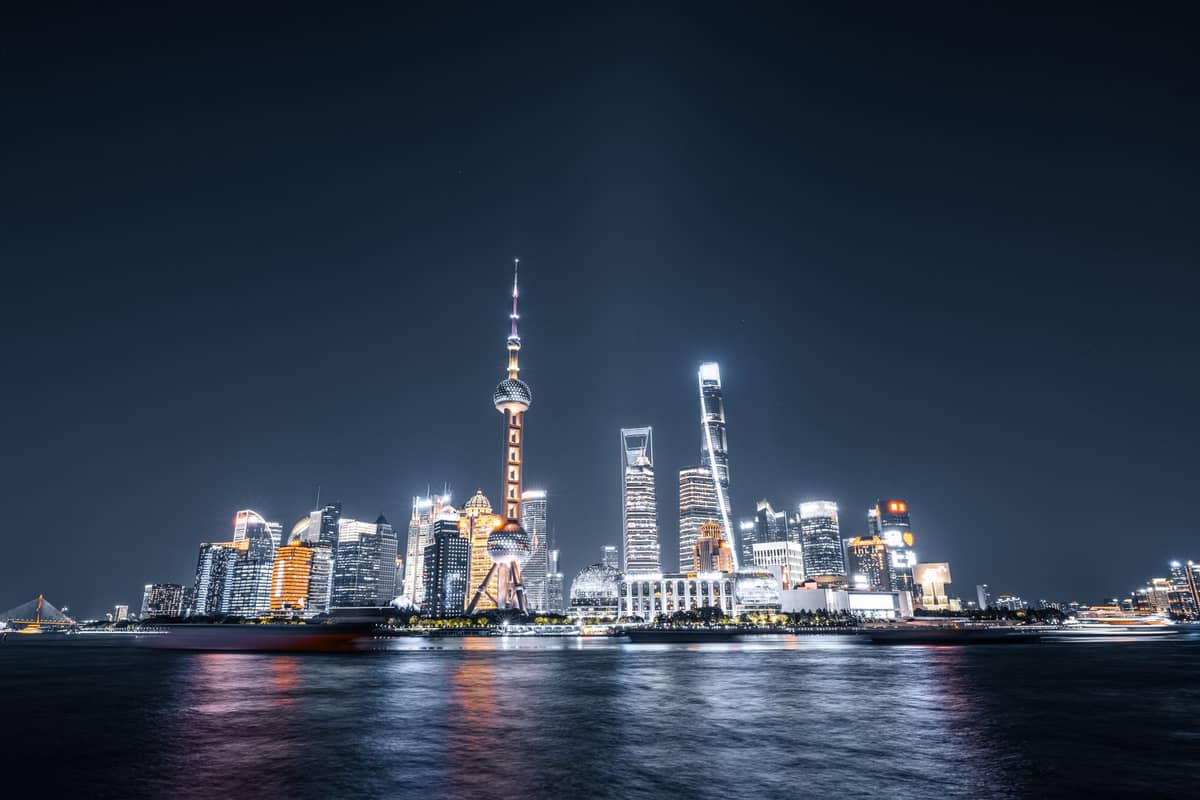
Shanghai sits at the top tier of Asia's luxury city-break destinations, with world-class hotels lining the Bund, a Michelin-starred restaurant scene that rivals Paris and Tokyo, and a shopping landscape anchored by flagship boutiques and heritage malls. This guide cuts through the noise to tell you exactly where to stay, eat, and spend your time, and when to go to get the most out of it.
Plan and book this trip
Tools from our partner Travelpayouts help you compare flights and hotels. If you book through them, we may earn a commission at no extra cost to you.
Flights
Hotels map
TL;DR
- Top luxury hotels on or near the Bund run ¥2,500–4,500/night for standard rooms; Bund-view suites reach ¥6,000–15,000+.
- Spring (April–May) and autumn (October–November) are the best seasons for luxury travel: mild temperatures, comfortable for walking, and ideal for rooftop dining.
- Michelin-starred dinners range from ¥400–1,500pp at one-star level to ¥2,000–2,800pp at three-star level, before wine.
- Luxury is not confined to the Bund: high-end options span Lujiazui in Pudong, the Former French Concession, and the West Bund arts corridor.
- Tipping is not expected in China; most five-star hotels include a service charge. Always verify visa-free entry eligibility before booking.
Why Shanghai Competes at the Top of the Luxury Travel Market
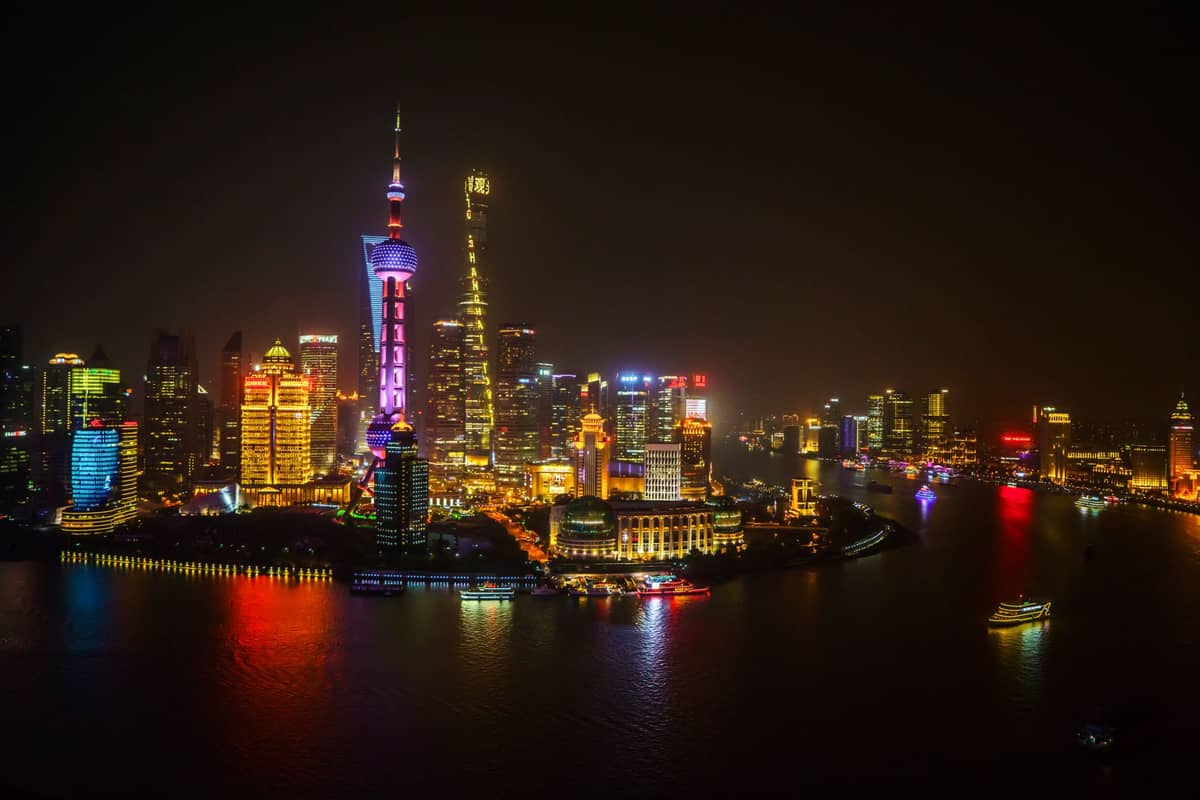
Shanghai is a provincial-level municipality directly under China's central government, home to 24.8 million permanent residents across 6,340 km² and 16 districts. That scale matters for luxury travelers because it means genuine competition: dozens of five-star hotels, hundreds of high-end restaurants, and a retail landscape where international flagships sit alongside homegrown Chinese designer labels. The city is not coasting on one famous skyline photograph.
The concentration of wealth, international business, and creative talent in Shanghai has produced a luxury ecosystem that is genuinely diverse. The Bund's heritage hotels face off against Pudong's glass-tower properties across the Huangpu River. The Michelin Guide has maintained a strong presence here since 2017. And the art scene, centered on the West Bund and M50 Creative Park, gives the city cultural credibility that pure financial hubs often lack.
ℹ️ Good to know
Shanghai operates on China Standard Time (UTC+8). The official currency is the Chinese yuan (Renminbi, CNY). Electricity is 220V/50Hz with Type A, C, and I sockets common — most five-star hotels offer universal sockets. Tap water is treated but not recommended for drinking without boiling; bottled water is standard in all luxury properties.
Best Luxury Hotels in Shanghai: Where to Stay and What to Expect
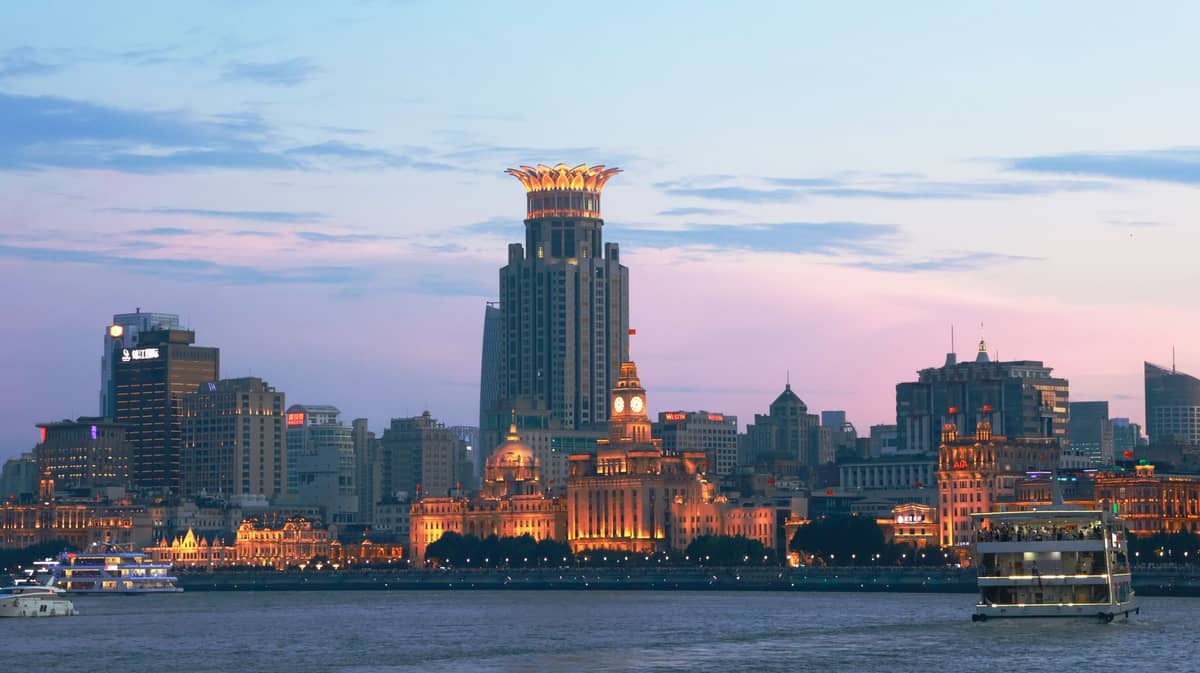
The most important decision for a luxury Shanghai stay is not which hotel, but which side of the Huangpu River. Staying on the Bund side (Huangpu District) puts you in heritage architecture with views toward Pudong's skyline. Staying in Lujiazui (Pudong) reverses that: you get the Bund as your view, with modern tower properties that tend to have larger rooms and more vertical space.
- Waldorf Astoria Shanghai on the Bund Occupies the 1910 Shanghai Club building on the Bund's northern stretch. Standard rates from around US$383/night. The Long Bar is one of the city's most atmospheric hotel bars. Book a Heritage Wing room if the Pudong skyline view matters to you.
- The Peninsula Shanghai Consistently rated among Asia's top hotels. Rates typically US$391–694/night, with April peaks around US$638 and slightly lower in July (~US$432). The Peninsula's fleet of Rolls-Royces handles airport transfers; the spa and rooftop pool are standout facilities.
- Bulgari Hotel Shanghai The most expensive option on this list at around US$902/night base rate. Opened in the historic Bund area, it combines Italian design sensibility with Shanghai materials and craftsmanship. Suited to travelers for whom exclusivity and design matter more than square footage.
- Mandarin Oriental Pudong A strong choice for travelers who prioritize room size and modern amenities. Pudong location means river and Bund views, proximity to the financial district, and easier access to the Shanghai Tower and Jin Mao Tower.
- The Middle House (Jing'an) For travelers who prefer the Former French Concession area over the Bund, this Swire property in Jing'an offers understated design and walkability to the city's best independent restaurants and boutiques.
Pricing context: standard rooms at leading five-star Bund properties run ¥2,500–4,500 per night, Bund-view suites ¥6,000–15,000+, and signature heritage suites in peak season above ¥20,000. These rates shift meaningfully by season: expect premiums of 20–40% during Golden Week (early October) and Chinese New Year (late January to February), when availability also tightens sharply.
⚠️ What to skip
Avoid booking luxury hotels during the week of Chinese New Year or Golden Week without reserving at least 3–4 months in advance. Rates at top properties can double, and Bund-view rooms sell out entirely. The trade-off is that the city itself is spectacular during these periods — fireworks, lanterns, and festive energy throughout the center.
Michelin-Starred Dining and the Shanghai Fine-Dining Scene
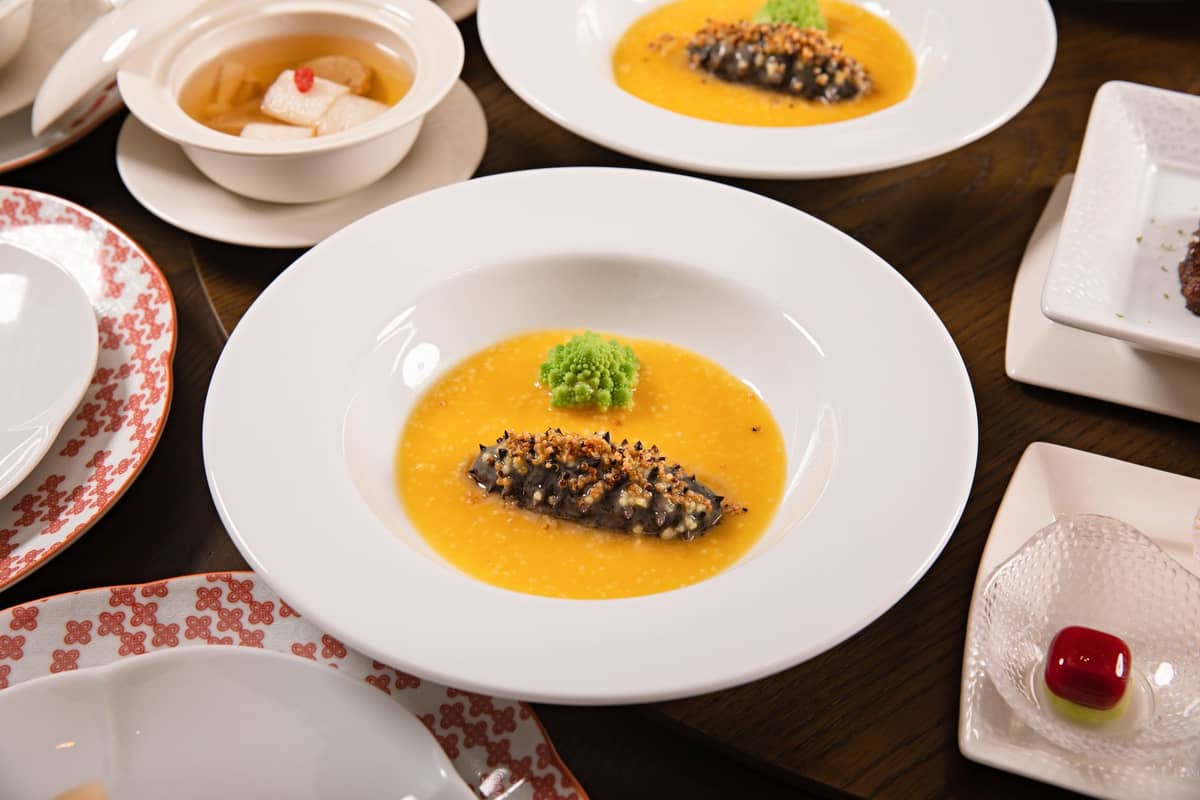
Shanghai's Michelin Guide currently lists one three-star restaurant, several two-star establishments, and a growing roster of one-star addresses. The three-star experience will cost roughly ¥2,000–2,800 per person for food alone; add a wine pairing and budget ¥500–2,000 more per head. Two-star dinners run ¥800–2,200pp, and one-star options are accessible at ¥400–1,500pp.
Da Vittorio Shanghai, holding two Michelin stars, lists a 14-course tasting menu at RMB 3,388 per person, with wine and beverage pairings around RMB 1,988 and 3,988, plus a weekday lunch set around RMB 1,188. Average lunch spend is around RMB 2,064 and dinner near RMB 3,000 before drinks. The restaurant typically operates Tuesday through Sunday, with lunch service around 12:00–13:30 and dinner from 18:00, closed Mondays — but verify current hours and menu pricing directly before booking, as tasting menus change seasonally.
Beyond the starred addresses, Shanghai's luxury dining scene extends into hotel restaurants, rooftop bars, and a cluster of ambitious Chinese fine-dining rooms. For context on what to eat across all price points, the what to eat in Shanghai guide covers the full spectrum from soup dumplings to premium Shanghainese cuisine. If you want to understand the broader restaurant landscape before committing to a Michelin booking, it is worth reading first.
✨ Pro tip
Lunch at a two-star Michelin restaurant in Shanghai often costs 30–40% less than dinner for a comparable menu. If budget is a consideration — or if you simply prefer finishing dinner at a rooftop bar rather than a formal dining room — lunch is the smarter booking. Weekday lunches are also significantly easier to reserve on short notice.
- Book Michelin-starred restaurants at least 2–4 weeks ahead for dinner, especially Friday and Saturday.
- Most fine-dining restaurants in Shanghai require a credit card to hold a reservation; cancellation policies are strict.
- Wine lists at European fine-dining rooms are strong but heavily taxed — imported wines carry significant duties in China, so expect to pay more than equivalent European restaurant prices.
- High-end Chinese restaurants (Cantonese, Shanghainese) often offer better value for money than European fine dining at comparable star levels.
- Hotel concierge teams at Peninsula, Waldorf, and Bulgari can secure reservations at short notice that are unavailable online — use this service if your hotel offers it.
Luxury Experiences Beyond Hotels and Restaurants
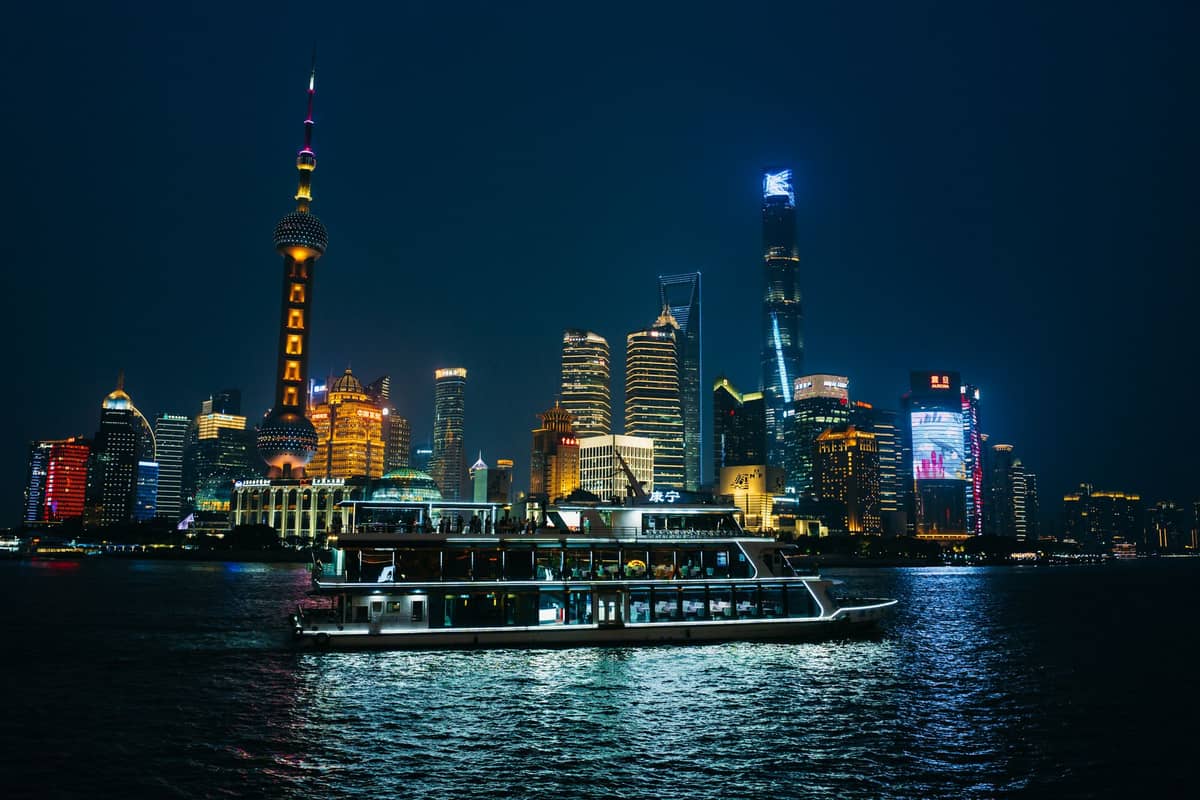
The Huangpu River cruise at night is one of Shanghai's genuinely impressive experiences regardless of budget, but a private charter puts it in a different category. Several operators offer private vessels for two to twelve people with catering, taking in the full arc from the Bund promenade to the bridges of the West Bund. Prices vary widely by vessel and duration — expect to pay significantly more than the standard tourist ferry, but the trade-off in privacy and flexibility is real.
For architecture enthusiasts, Shanghai's skyline is one of the densest concentrations of significant modern buildings on earth. The observation decks at the Shanghai Tower (632m, the world's third-tallest building) and the Shanghai World Financial Center offer different perspectives: the Tower looks down over everything, while the SWFC's Sky Walk at 474m provides a more intimate skyline experience. Neither is specifically a 'luxury' experience by price, but both reward the effort far more than the older Oriental Pearl Tower, which is largely a tourist trap at this point.
The West Bund arts corridor in Xuhui District has become Shanghai's most serious gallery district, anchored by the Long Museum West Bund and the Power Station of Art. For a deeper look at what Shanghai's contemporary art scene offers, the Shanghai contemporary art guide is worth reading before you plan your itinerary.
Luxury spas in Shanghai's five-star hotels are generally excellent, but the Peninsula Spa consistently ranks among the best in Asia by specialist travel publications. Treatments are priced accordingly — budget ¥1,500–3,500 for a signature treatment. Day-use spa and pool access can sometimes be arranged without a room booking; enquire directly with the hotel.
Luxury Shopping: Where the Best Addresses Actually Are
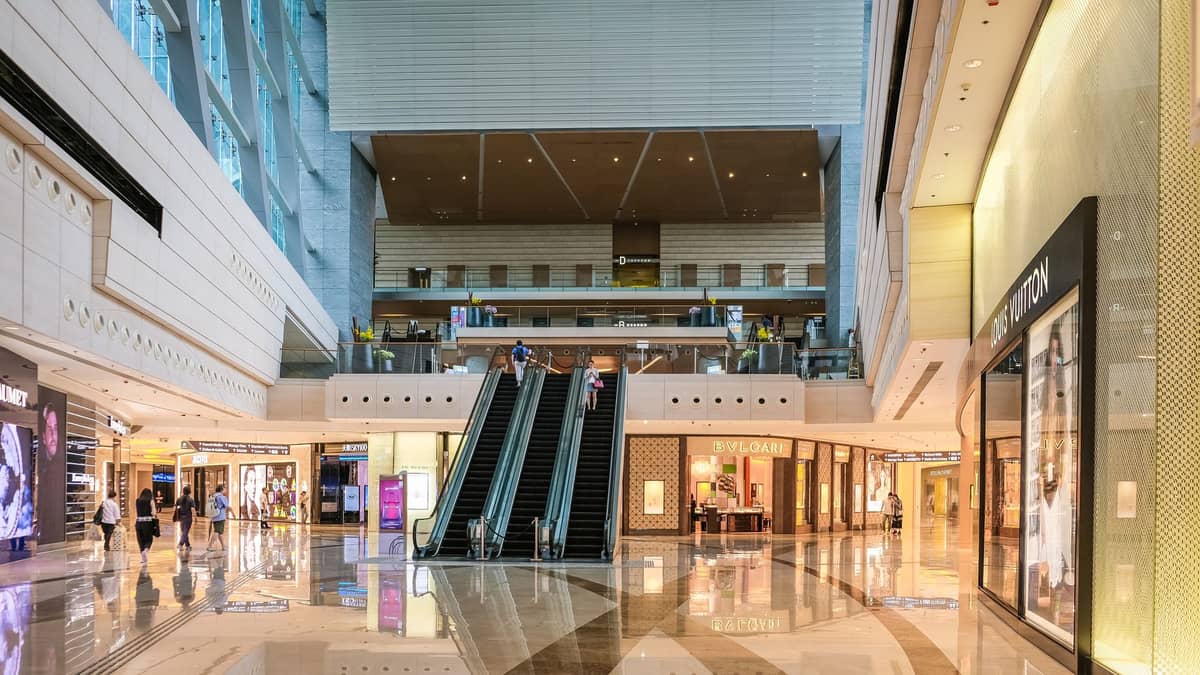
A common misconception is that luxury shopping in Shanghai means the Bund. In reality, the highest concentration of international flagship stores sits along Huaihai Road and in the malls of Xintiandi and Jing'an. Plaza 66 on Nanjing West Road houses Chanel, Hermès, Louis Vuitton, and Cartier in one building. IFC Mall in Lujiazui is the Pudong equivalent, convenient for guests staying on that side of the river.
For Chinese luxury and high-end contemporary design, the Former French Concession rewards walkers far more than any mall. Streets around Wukang Road and Anfu Road host independent Chinese designers, specialty tea houses, and concept stores that are genuinely interesting rather than formulaic. This is where Shanghai's luxury feels most distinctly local rather than interchangeable with Hong Kong or Singapore.
Seasonal note: major shopping peaks include Chinese New Year (late January to February), 618 (June 18), Singles' Day (November 11), and the December 12 year-end sale. During these periods, luxury malls are crowded and some hotels raise rates. Conversely, spring and autumn offer more comfortable conditions for walking between addresses, which matters when the distance between a hotel on the Bund and a boutique in the French Concession is 3–4 km on foot.
When to Visit for a Luxury Shanghai Trip
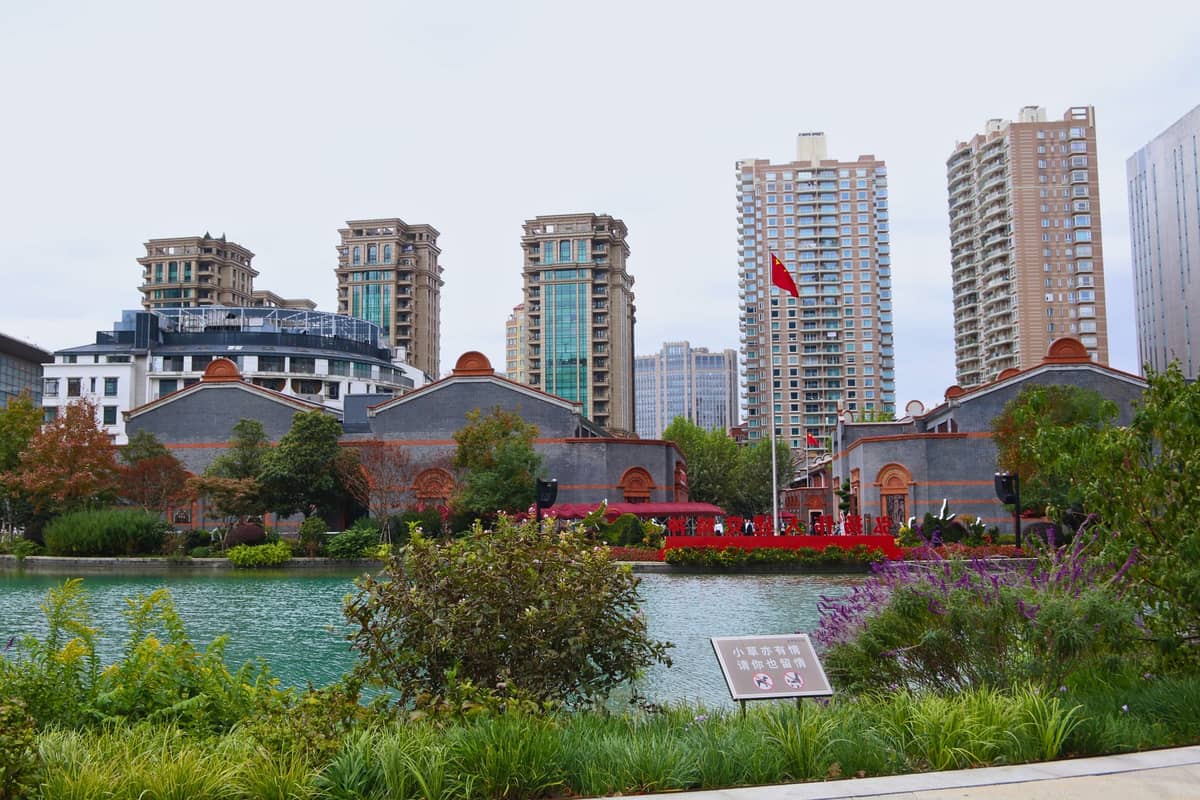
Climate data consistently points to April–May and October–November as the best months for luxury travel in Shanghai. Temperatures are moderate (10–22°C in spring, 15–22°C in autumn), humidity is lower than summer, and outdoor experiences, including rooftop dining, garden walks, and river cruises, are genuinely enjoyable. The best time to visit Shanghai guide covers seasonal trade-offs in more detail.
Summer (June–August) is not the preferred season for luxury travel, despite being peak season for some visitors. Daily highs regularly exceed 32°C with high humidity, and the plum rain (meiyu) season in June to early July brings persistent rainfall. Typhoon-related storms can disrupt outdoor plans from July to September. The honest assessment: summer in Shanghai is tolerable if your itinerary is mostly indoors (shopping, galleries, spa, fine dining), but it is not when the city is at its best.
Winter (December to February) is underrated for luxury travelers with a flexible itinerary. Hotel rates are lower, Michelin restaurants are easier to book, and the city has a different energy. Temperatures average 4–7°C, which is cold but manageable. The downside is that outdoor experiences and river cruises lose some of their appeal.
💡 Local tip
If you are planning a luxury trip around a specific experience, time it carefully: the hairy crab season runs roughly October to December, making autumn the best time for high-end Shanghainese seafood dining. Spring cherry blossom peaks in late March to early April and coincides with excellent weather. Both periods combine well with the optimal hotel rates found outside Golden Week and Chinese New Year.
Getting to and Around Shanghai as a Luxury Traveler
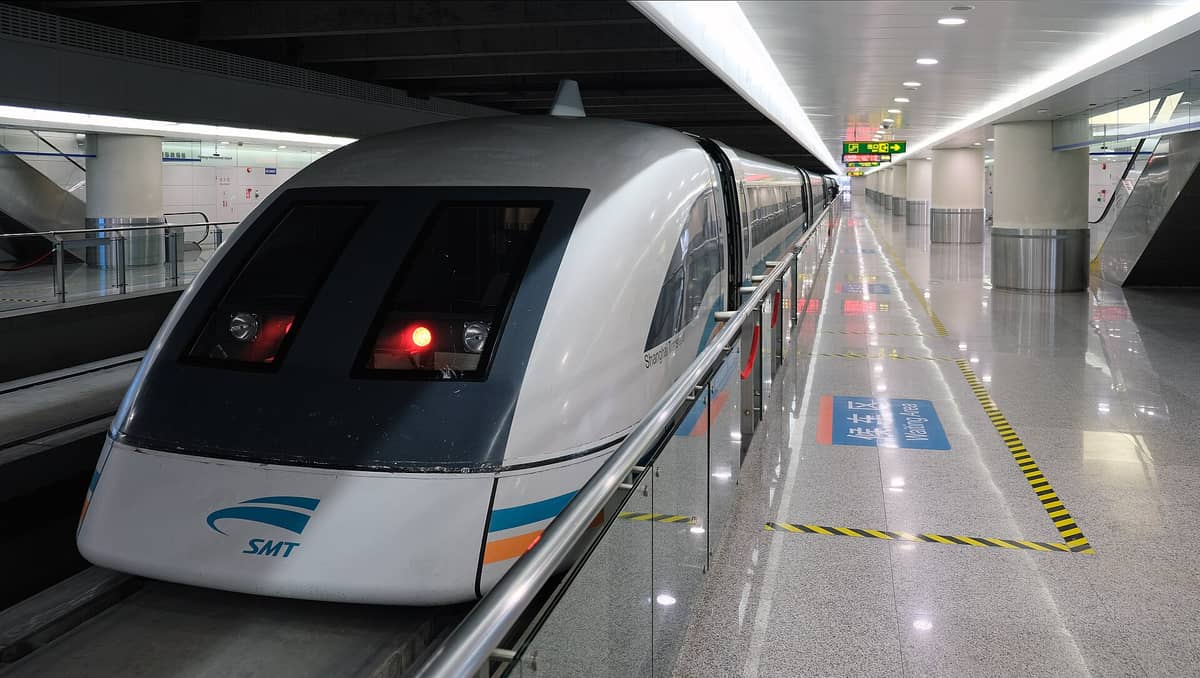
Most international long-haul flights arrive at Shanghai Pudong International Airport (PVG), located roughly 30 km east of central Shanghai. The options for getting into the city range from the Shanghai Maglev (the world's fastest commercial train, covering the 30 km to Longyang Road in 7–8 minutes at ¥50 one-way) to taxis and Didi ride-hailing at ¥150–250 to central areas, depending on traffic and time of day. For luxury travelers, a hotel-arranged transfer is the most friction-free option and typically costs ¥300–600 for a premium vehicle, but eliminates the uncertainty of taxi queues after a long flight.
Within the city, the Shanghai Metro is genuinely excellent for a megacity of this scale, with bilingual signage, clean stations, and fares of roughly ¥3–10 per journey depending on distance. However, for luxury travelers moving between the Bund, French Concession, and Pudong with luggage or shopping, Didi (the dominant ride-hailing platform, requiring a China-compatible mobile number and payment method) is the practical solution. The getting around Shanghai guide covers logistics for all transport modes in detail.
Visa requirements are time-sensitive and change frequently. Shanghai has participated in 24, 72, and 144-hour transit visa-free policies for eligible nationalities, and broader visa-free arrangements exist for certain passport holders. Verify your eligibility against current National Immigration Administration notices before booking. Do not rely on information that is more than a few months old.
FAQ
What is the best area to stay for luxury hotels in Shanghai?
The Bund (Huangpu District) offers the most iconic heritage properties with Pudong skyline views. Pudong's Lujiazui reverses the view, giving you the Bund as your backdrop with more modern, spacious rooms. For travelers who prefer walkability to restaurants and boutiques over river views, Jing'an and the French Concession area offer strong luxury options like The Middle House. Each area suits a different travel style — there is no single 'best' location.
How much should I budget per night for a luxury hotel in Shanghai?
Standard rooms at leading five-star Bund properties typically run ¥2,500–4,500 per night (roughly US$350–620). Bund-view suites range from ¥6,000–15,000+. The Peninsula Shanghai averages US$391–694/night depending on season, while Bulgari Hotel Shanghai starts around US$902/night. Rates rise 20–40% during Golden Week and Chinese New Year.
Do I need to tip at luxury restaurants and hotels in Shanghai?
Tipping is not traditionally expected in mainland China. Most five-star hotels include a service charge (typically 10–15%) in their rates. At Michelin-starred restaurants, a service charge is usually included in the bill. Leaving a small additional tip is not offensive but is also not expected or required.
When is the worst time to visit Shanghai for a luxury trip?
July and August are the most challenging months: temperatures regularly exceed 32°C with high humidity, typhoon-related rains can disrupt outdoor plans, and hotel rates at top properties are still elevated due to peak tourist demand. Golden Week (first week of October) and Chinese New Year are expensive and crowded — rates spike, top restaurants are fully booked, and the Bund becomes very crowded. Spring and autumn are consistently better for luxury travel.
Is luxury in Shanghai only around the Bund?
No — this is a common misconception. High-end hotels, restaurants, and retail are spread across multiple districts: Lujiazui in Pudong, Jing'an along Nanjing West Road, Xintiandi and the Former French Concession for boutiques and design restaurants, and the West Bund for gallery-focused experiences. The Bund is the most iconic address, but limiting a luxury itinerary to that strip means missing much of what makes Shanghai interesting.