Shanghai Contemporary Art Scene: Best Galleries & Museums to Visit
Shanghai has quietly become one of Asia's most compelling contemporary art cities, with a scene distributed across state museums, private foundations, converted industrial spaces, and laneway galleries. This guide covers the essential venues across the city, from the West Bund riverfront to Suzhou Creek and the Bund.
Plan and book this trip
Tools from our partner Travelpayouts help you compare flights and hotels. If you book through them, we may earn a commission at no extra cost to you.
Flights
Hotels map
Shanghai's contemporary art scene is not concentrated in a single museum district but scattered across the city in ways that reward exploration. The West Bund has emerged as the most coherent art corridor, but equally important venues sit on the Bund, along Suzhou Creek, and deep inside the Former French Concession. A few practical notes before you go: many state museums offer free general admission but charge for special exhibitions (commonly 20-200 CNY), most venues close on Mondays, and hours can shift around installation periods, so checking official WeChat accounts or venue websites before visiting is always worth the 30 seconds it takes.
✨ Pro tip
The West Bund Art & Design fair (usually November) and the Shanghai Biennale (biennial, typically autumn) are the two calendar anchors that draw international collectors and curators. Plan around them if you want to see the scene at full intensity.
Major Contemporary Art Museums
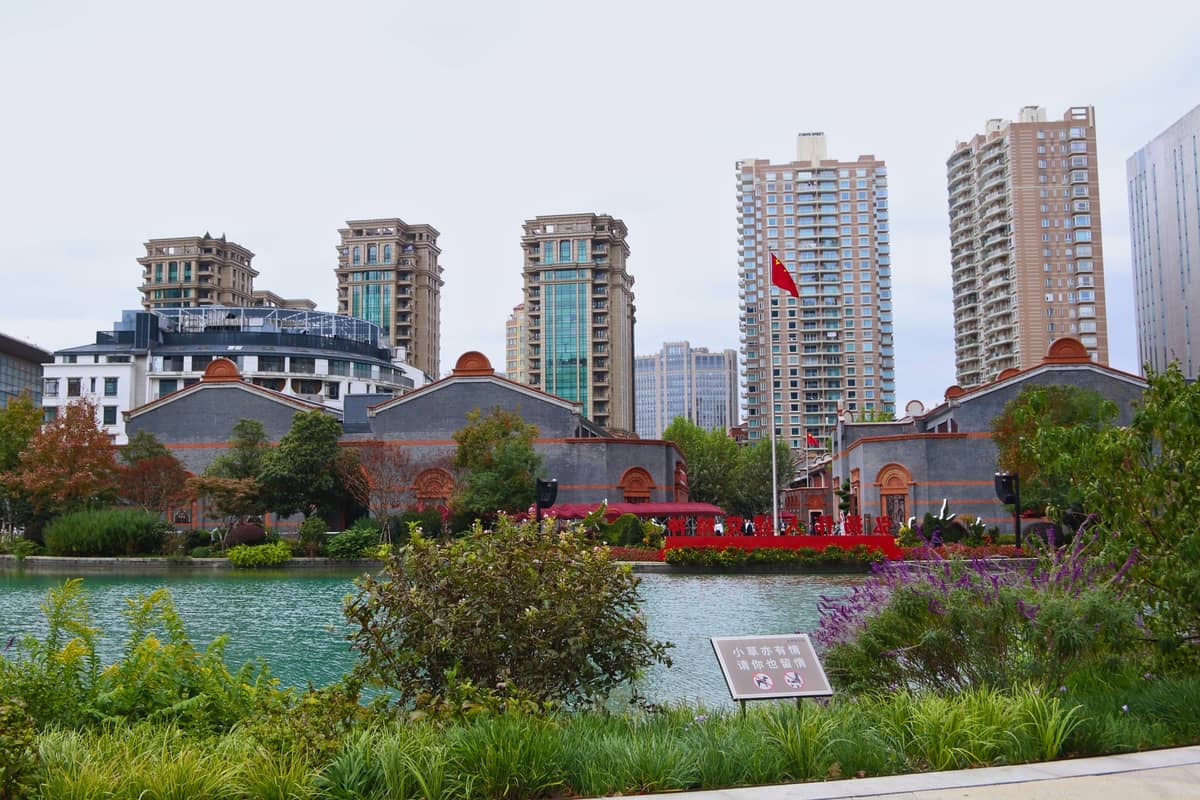
These are the venues with the institutional weight and physical scale to host major international and Chinese contemporary art. Shanghai's museum landscape has transformed dramatically since 2010, and several of these spaces now rank among the most significant contemporary art institutions in Asia.
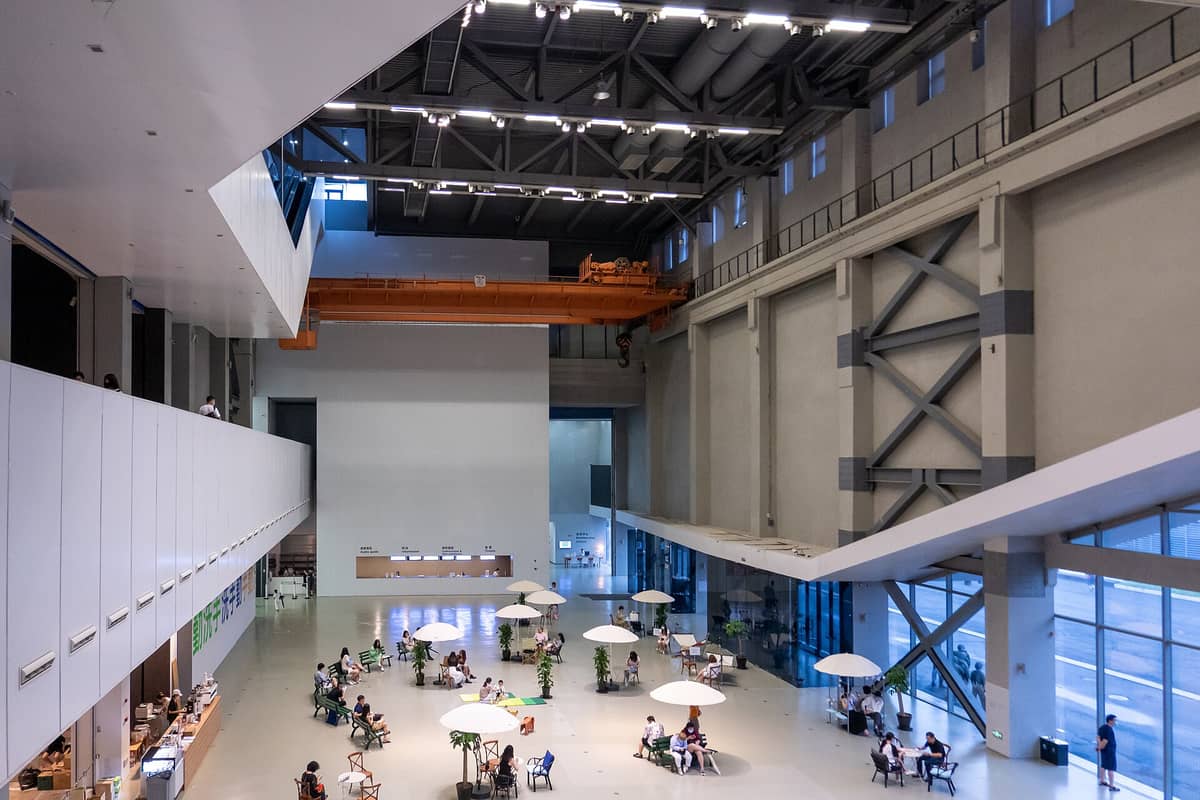
1. Experience the Shanghai Biennale at Power Station of Art
China's first state-run contemporary art museum, housed in a converted 1897 power plant. This is the permanent home of the Shanghai Biennale. General admission is often free; special exhibitions run 60-100 CNY. Closed Mondays. Allow 2-3 hours.
Explore1. Experience the Shanghai Biennale at Power Station of Art
China's first state-run contemporary art museum, housed in a converted 1897 power plant. This is the permanent home of the Shanghai Biennale. General admission is often free; special exhibitions run 60-100 CNY. Closed Mondays. Allow 2-3 hours.
Explore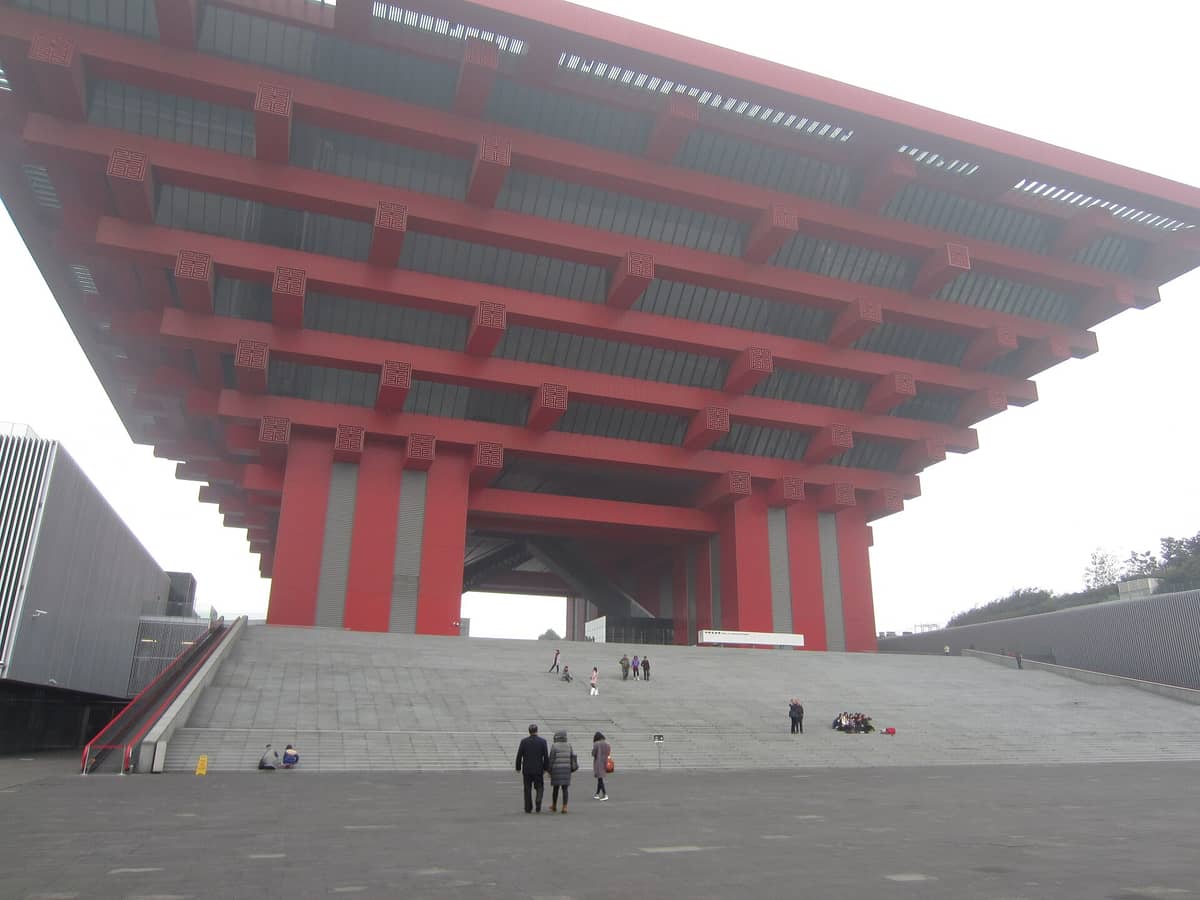
2. See 14,000 Works of Modern Chinese Art at the China Art Museum
Housed in the red inverted-pyramid China Pavilion from Expo 2010, this is China's largest art museum with 27 galleries. Free admission (Tuesday-Sunday, last entry 17:00). The building alone is worth the trip to Pudong.
Explore2. See 14,000 Works of Modern Chinese Art at the China Art Museum
Housed in the red inverted-pyramid China Pavilion from Expo 2010, this is China's largest art museum with 27 galleries. Free admission (Tuesday-Sunday, last entry 17:00). The building alone is worth the trip to Pudong.
Explore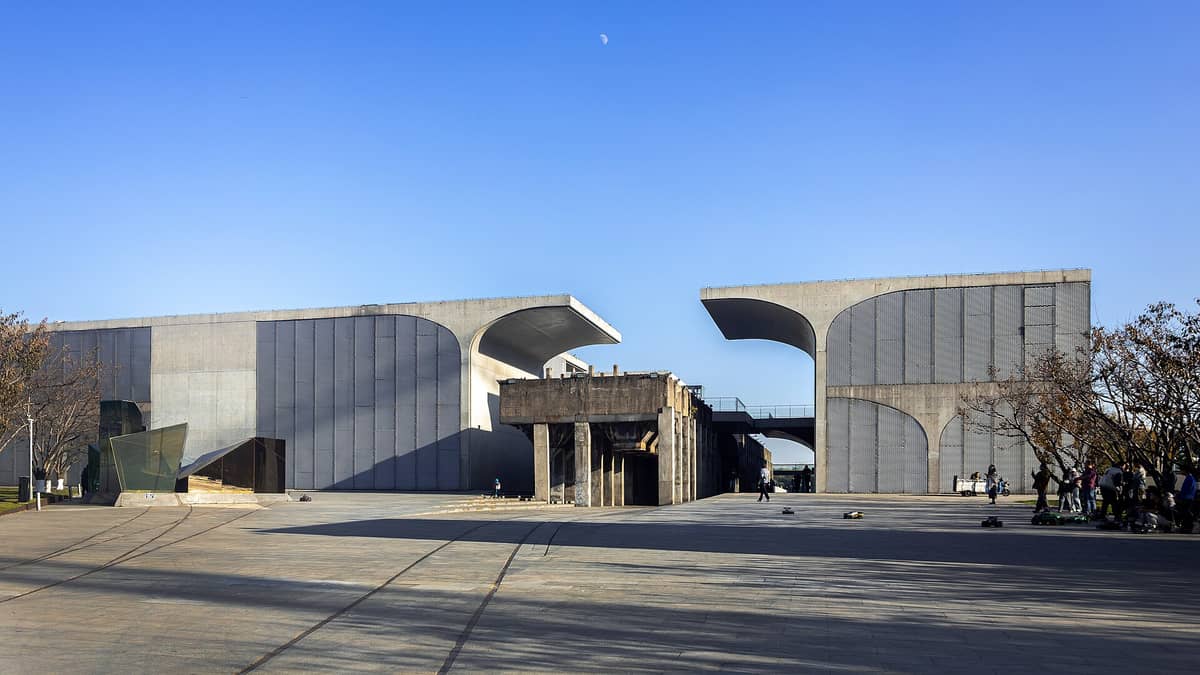
3. Discover One of China's Finest Private Collections at Long Museum West Bund
A converted coal hopper facility on the West Bund riverfront holding one of China's most important private collections of modern and contemporary Chinese art. The industrial architecture is as striking as the works inside. Budget 2 hours minimum.
Explore3. Discover One of China's Finest Private Collections at Long Museum West Bund
A converted coal hopper facility on the West Bund riverfront holding one of China's most important private collections of modern and contemporary Chinese art. The industrial architecture is as striking as the works inside. Budget 2 hours minimum.
Explore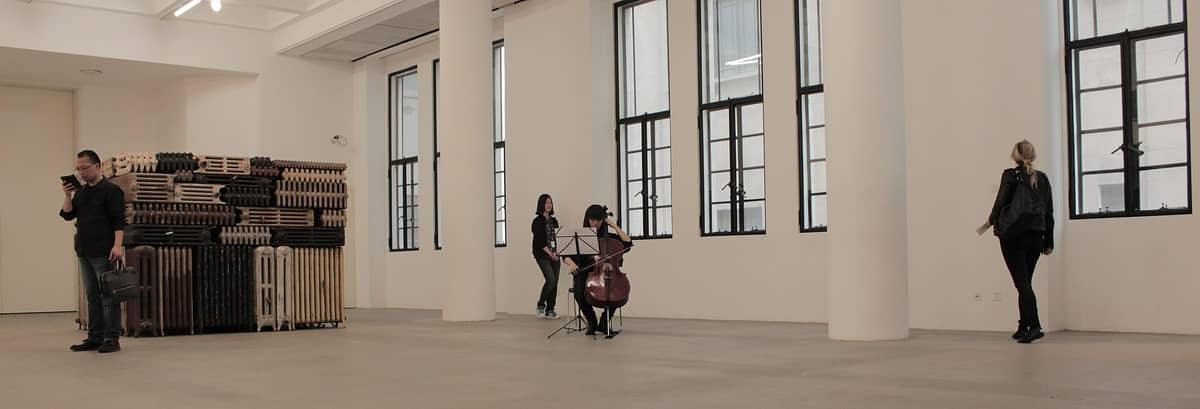
4. See Cutting-Edge Art Inside a 1932 Art Deco Masterpiece at Rockbund
A restored 1932 Art Deco building on the North Bund presenting cutting-edge Chinese and international contemporary art. The combination of heritage architecture and rigorous programming is unique in Shanghai. Shows rotate regularly, so check current exhibitions before visiting.
Explore4. See Cutting-Edge Art Inside a 1932 Art Deco Masterpiece at Rockbund
A restored 1932 Art Deco building on the North Bund presenting cutting-edge Chinese and international contemporary art. The combination of heritage architecture and rigorous programming is unique in Shanghai. Shows rotate regularly, so check current exhibitions before visiting.
ExploreGalleries & Creative Districts
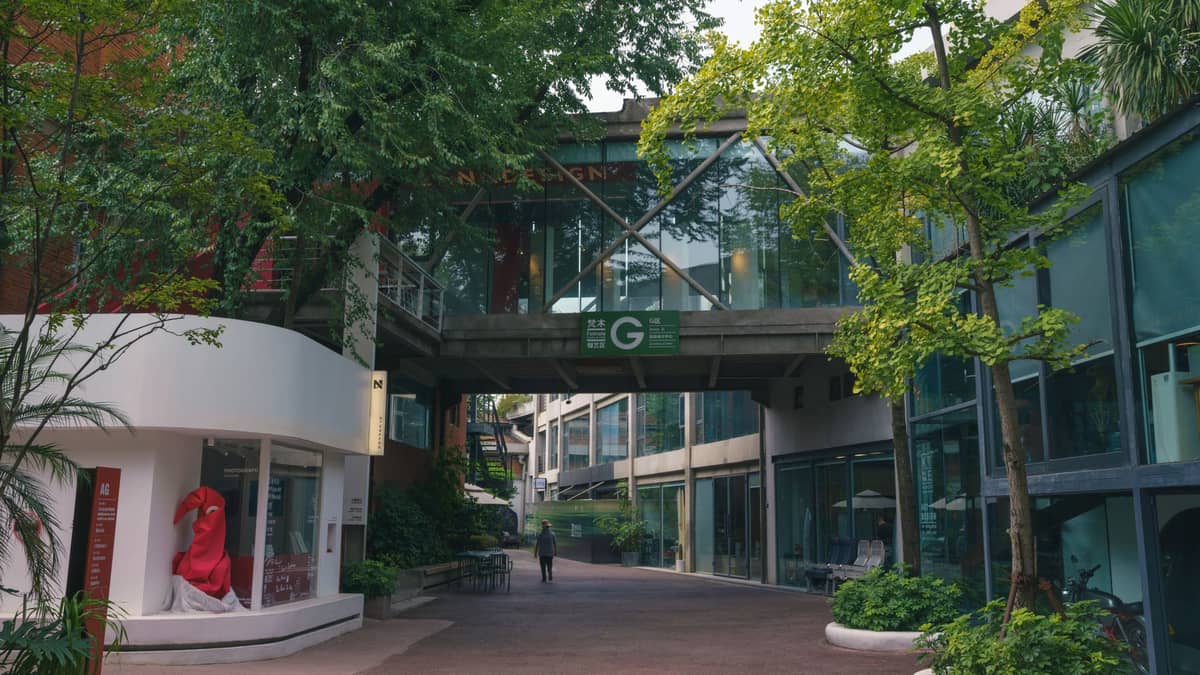
Beyond the major institutions, Shanghai's gallery ecosystem is rich and genuinely international. The best concentration of independent and commercial galleries sits along Suzhou Creek at M50 and on the West Bund, but the West Bund and Xuhui riverfront is where the most ambitious new spaces have opened in recent years. For a self-guided gallery walk that connects multiple venues in a single afternoon, the Suzhou Creek and West Bund routes are the most rewarding.
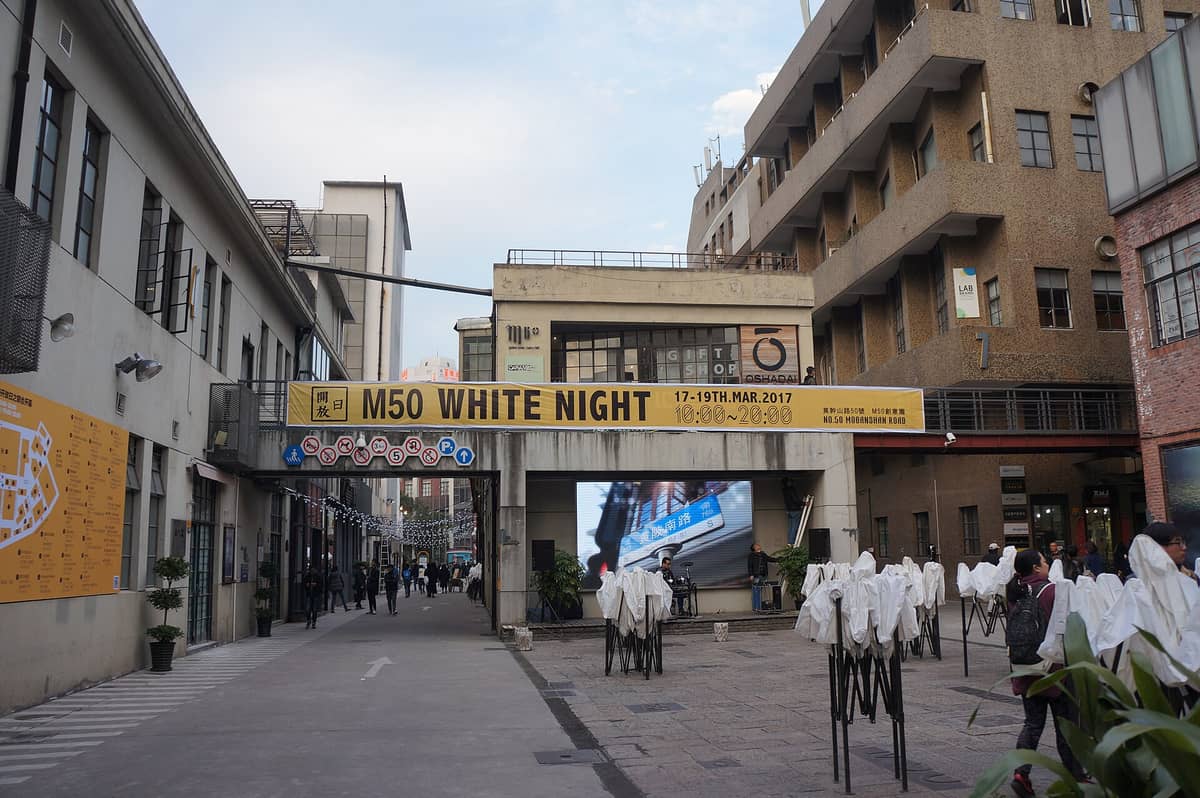
5. Explore Shanghai's Leading Gallery Hub at M50 Creative Park
Over 100 galleries and studios spread across converted textile mill warehouses on Suzhou Creek. This is the best place in Shanghai to find emerging Chinese contemporary art and talk directly with artists. Free to enter; individual galleries set their own hours. Allow a half-day.
Explore5. Explore Shanghai's Leading Gallery Hub at M50 Creative Park
Over 100 galleries and studios spread across converted textile mill warehouses on Suzhou Creek. This is the best place in Shanghai to find emerging Chinese contemporary art and talk directly with artists. Free to enter; individual galleries set their own hours. Allow a half-day.
Explore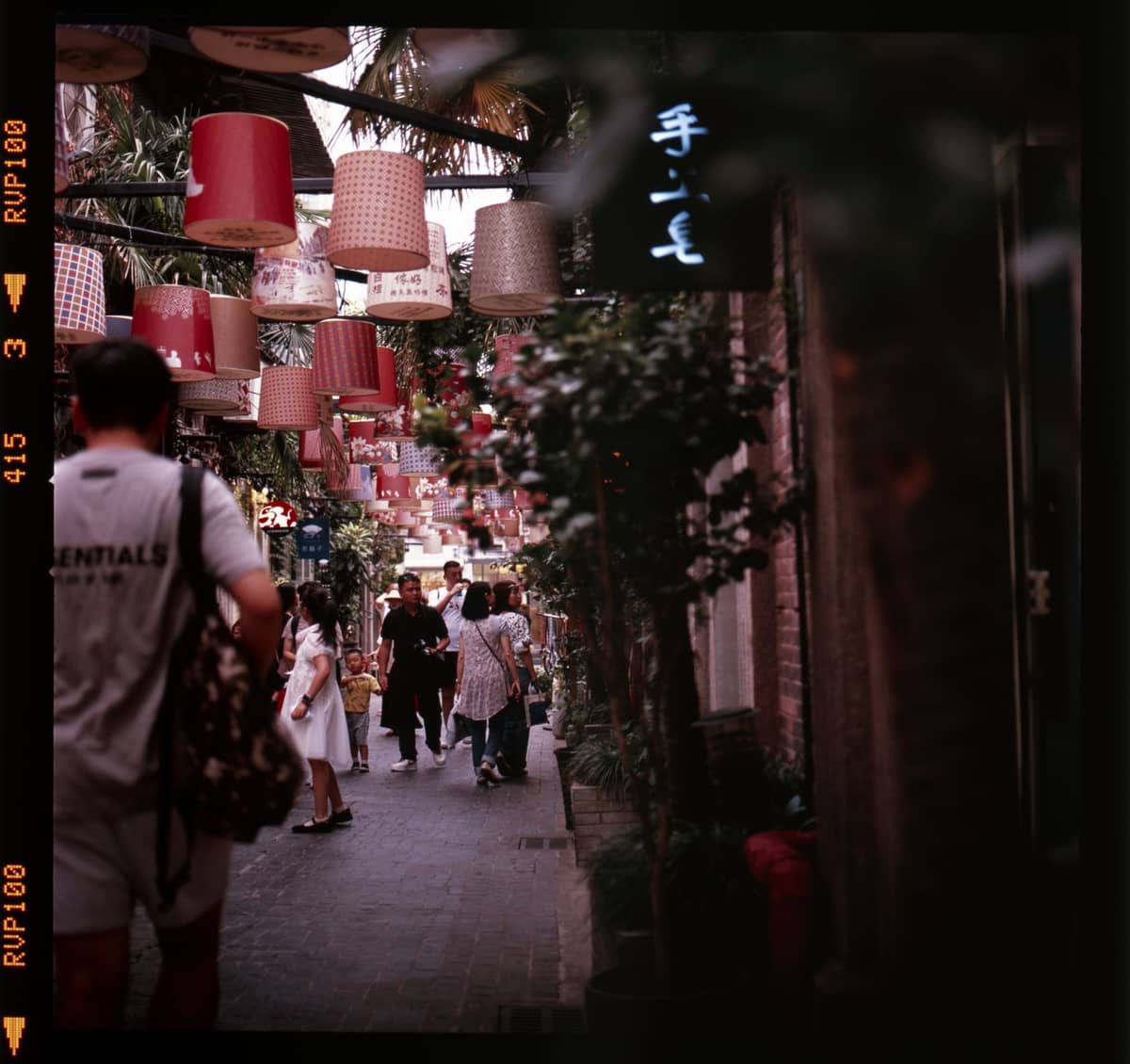
6. Find Independent Art Studios in Tianzifang's Shikumen Laneways
A network of converted Shikumen laneways in the French Concession with art studios, craft shops, and small galleries mixed among cafes. The art offering is more modest than M50 but the atmosphere is unique. Best explored on weekday mornings before crowds arrive.
Explore6. Find Independent Art Studios in Tianzifang's Shikumen Laneways
A network of converted Shikumen laneways in the French Concession with art studios, craft shops, and small galleries mixed among cafes. The art offering is more modest than M50 but the atmosphere is unique. Best explored on weekday mornings before crowds arrive.
Explore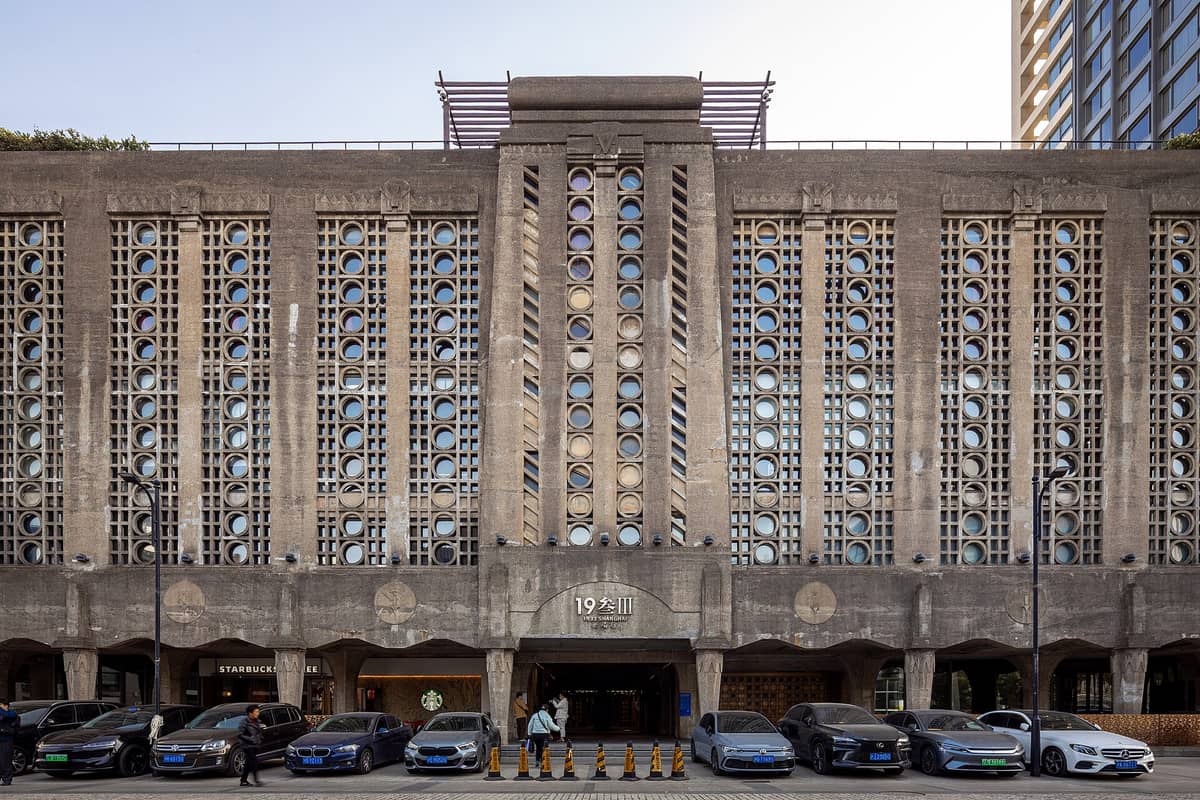
7. Visit Art Installations Inside 1933's Brutalist Concrete Labyrinth
A 1933 slaughterhouse in Hongkou with a surreal Brutalist interior of spiralling ramps and cattle walkways, now housing creative businesses, pop-up art installations, and events. The architecture is the main draw, but rotating creative programming makes each visit different.
Explore7. Visit Art Installations Inside 1933's Brutalist Concrete Labyrinth
A 1933 slaughterhouse in Hongkou with a surreal Brutalist interior of spiralling ramps and cattle walkways, now housing creative businesses, pop-up art installations, and events. The architecture is the main draw, but rotating creative programming makes each visit different.
Explore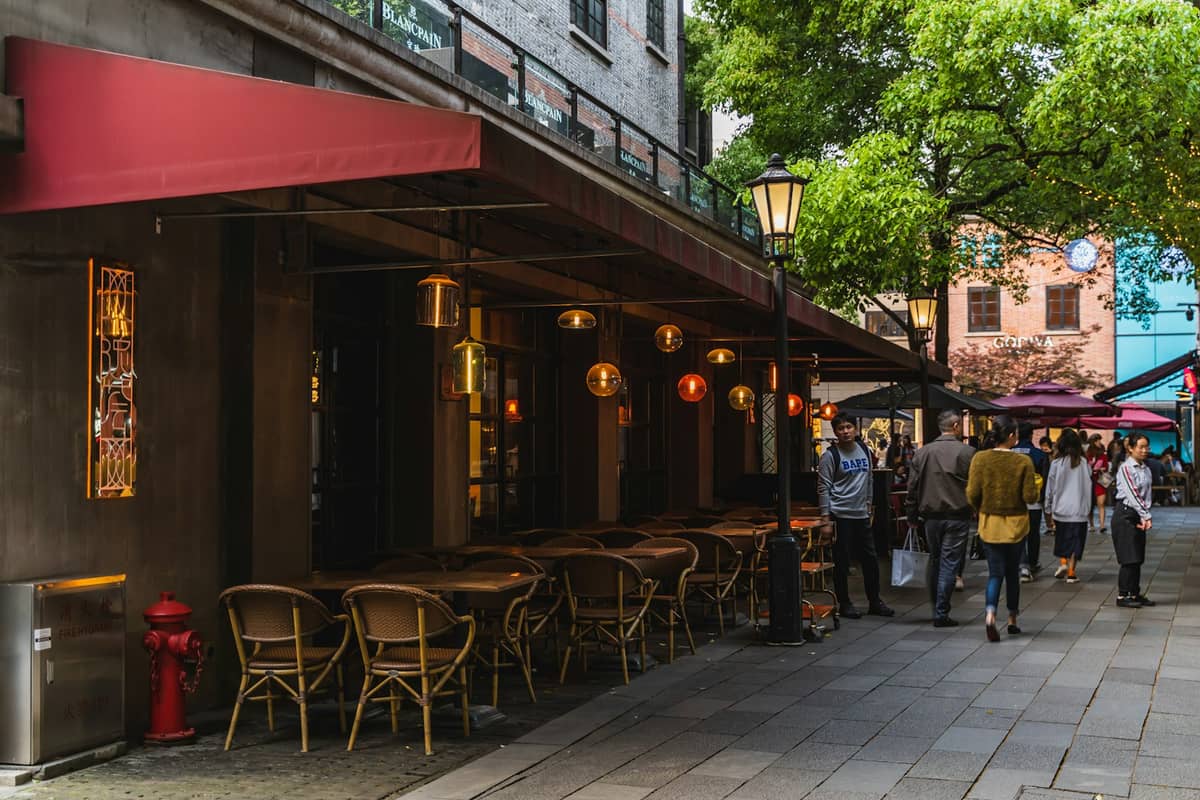
8. Browse Design and Gallery Spaces in Xintiandi's Shikumen Complex
Xintiandi's restored Shikumen complex includes gallery spaces and design boutiques alongside its restaurants and bars. It is a less obvious art destination than M50, but the quality of design retail and occasional installation art is high. Easy to combine with nearby museums.
Explore8. Browse Design and Gallery Spaces in Xintiandi's Shikumen Complex
Xintiandi's restored Shikumen complex includes gallery spaces and design boutiques alongside its restaurants and bars. It is a less obvious art destination than M50, but the quality of design retail and occasional installation art is high. Easy to combine with nearby museums.
ExploreArchitecture as Art: Buildings Worth Visiting for Their Design
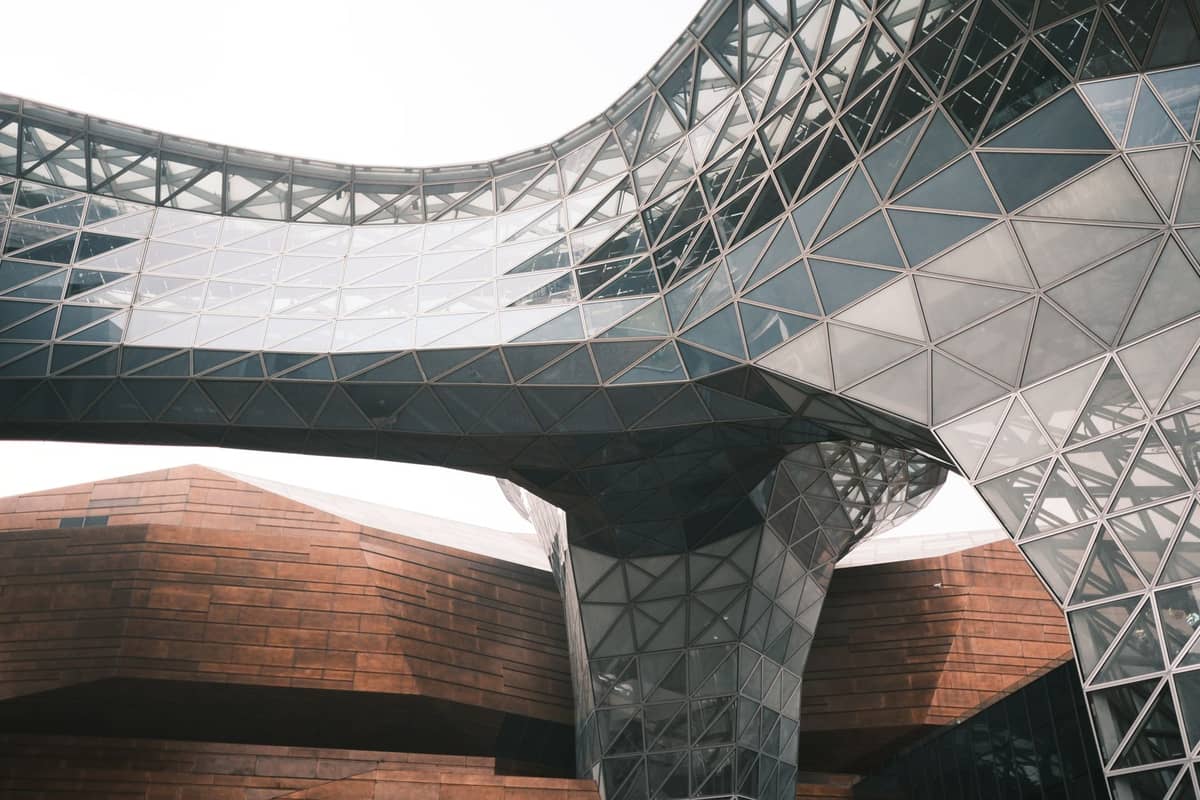
In Shanghai, the boundary between architecture and art is particularly porous. Several of the city's most compelling contemporary spaces are as significant for their architecture as for what they contain. The Shanghai architecture guide covers the full city, but for the contemporary art scene specifically, the following buildings are essential.
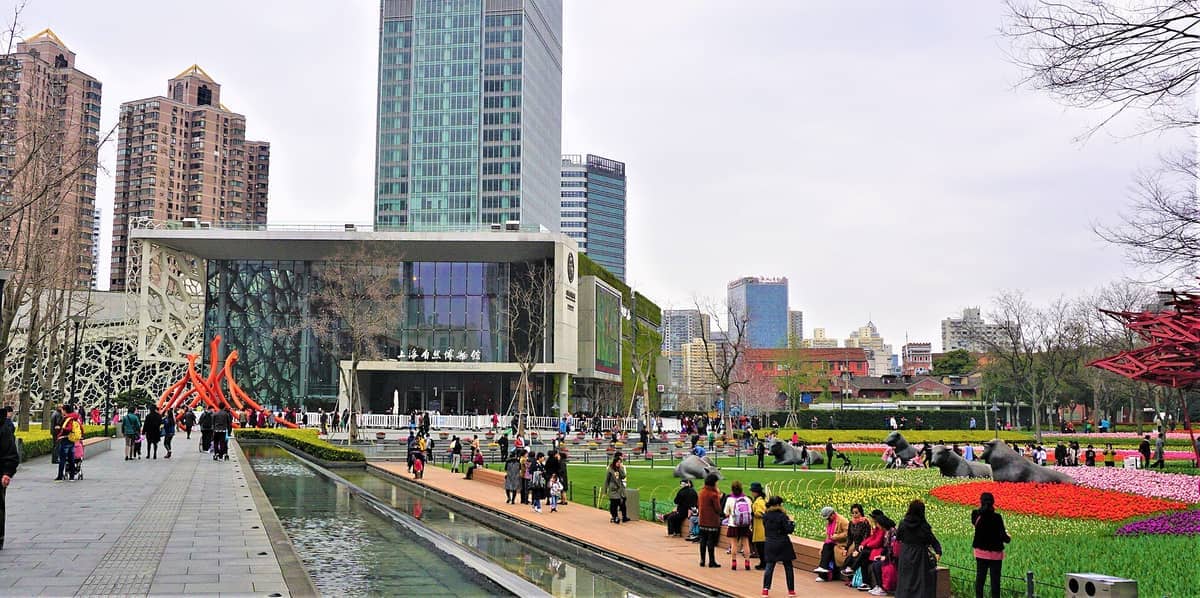
9. Study the Shell-Inspired Architecture of Shanghai Natural History Museum
Designed by Perkins+Will with a shell-inspired facade wrapping around a sunken courtyard, this 2015 building in Jing'an Sculpture Park is one of Shanghai's finest pieces of contemporary architecture. The design integrates the building with the surrounding landscape in genuinely inventive ways.
Explore9. Study the Shell-Inspired Architecture of Shanghai Natural History Museum
Designed by Perkins+Will with a shell-inspired facade wrapping around a sunken courtyard, this 2015 building in Jing'an Sculpture Park is one of Shanghai's finest pieces of contemporary architecture. The design integrates the building with the surrounding landscape in genuinely inventive ways.
Explore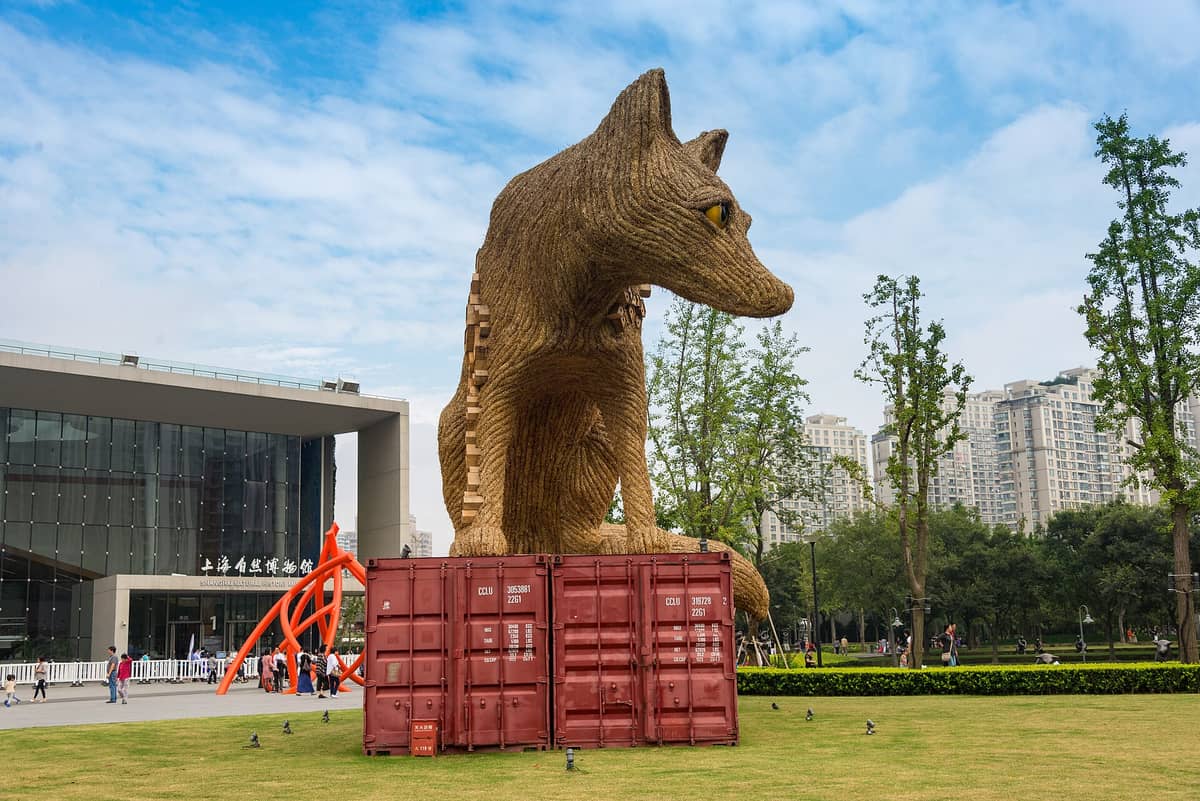
10. See Large-Scale Sculpture Installations at Jing'an Sculpture Park
A contemporary urban park surrounding the Natural History Museum with rotating large-scale sculpture installations, a sunken garden, and a moat-like water feature. One of Shanghai's most beautifully designed public spaces and free to enter. New installations arrive periodically throughout the year.
Explore10. See Large-Scale Sculpture Installations at Jing'an Sculpture Park
A contemporary urban park surrounding the Natural History Museum with rotating large-scale sculpture installations, a sunken garden, and a moat-like water feature. One of Shanghai's most beautifully designed public spaces and free to enter. New installations arrive periodically throughout the year.
Explore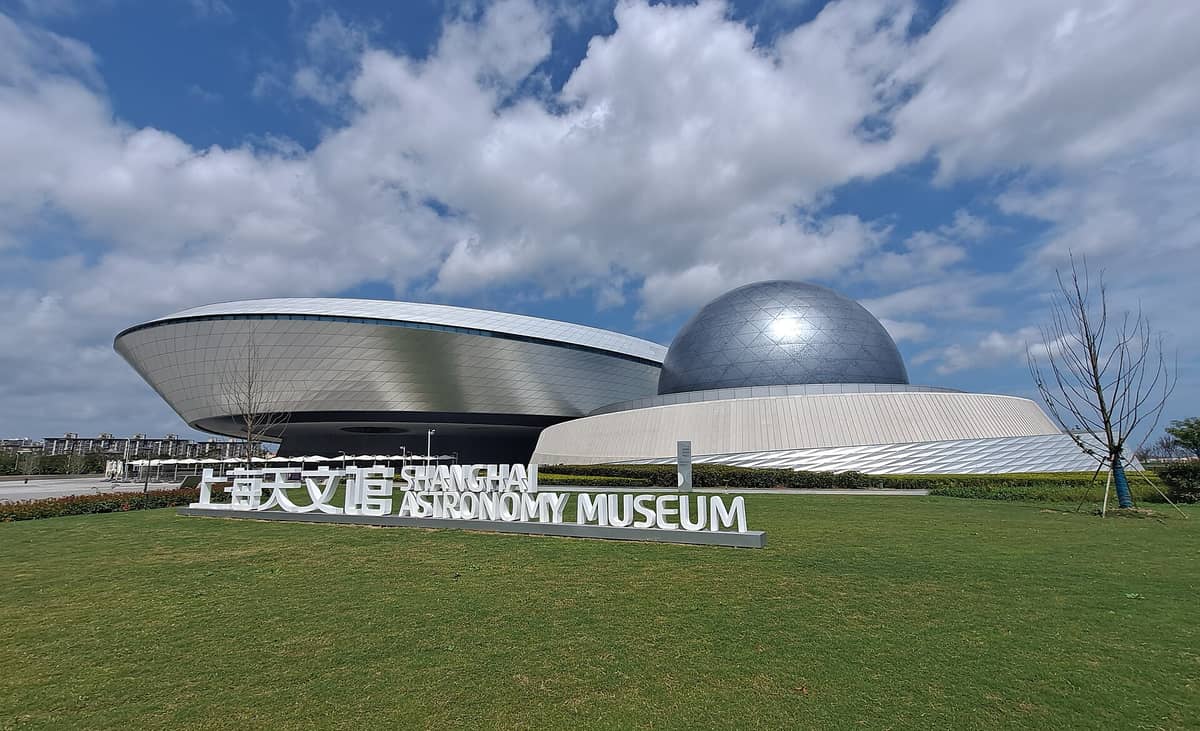
11. Experience the Geometric Architecture of Shanghai Planetarium
Opened in 2021 in Pudong's Lingang area, this is among the world's largest planetariums by building area. Its spherical architecture is designed to align with celestial events, making the building itself an astronomical instrument. Allow a full day if visiting with the exhibits.
Explore11. Experience the Geometric Architecture of Shanghai Planetarium
Opened in 2021 in Pudong's Lingang area, this is among the world's largest planetariums by building area. Its spherical architecture is designed to align with celestial events, making the building itself an astronomical instrument. Allow a full day if visiting with the exhibits.
Explore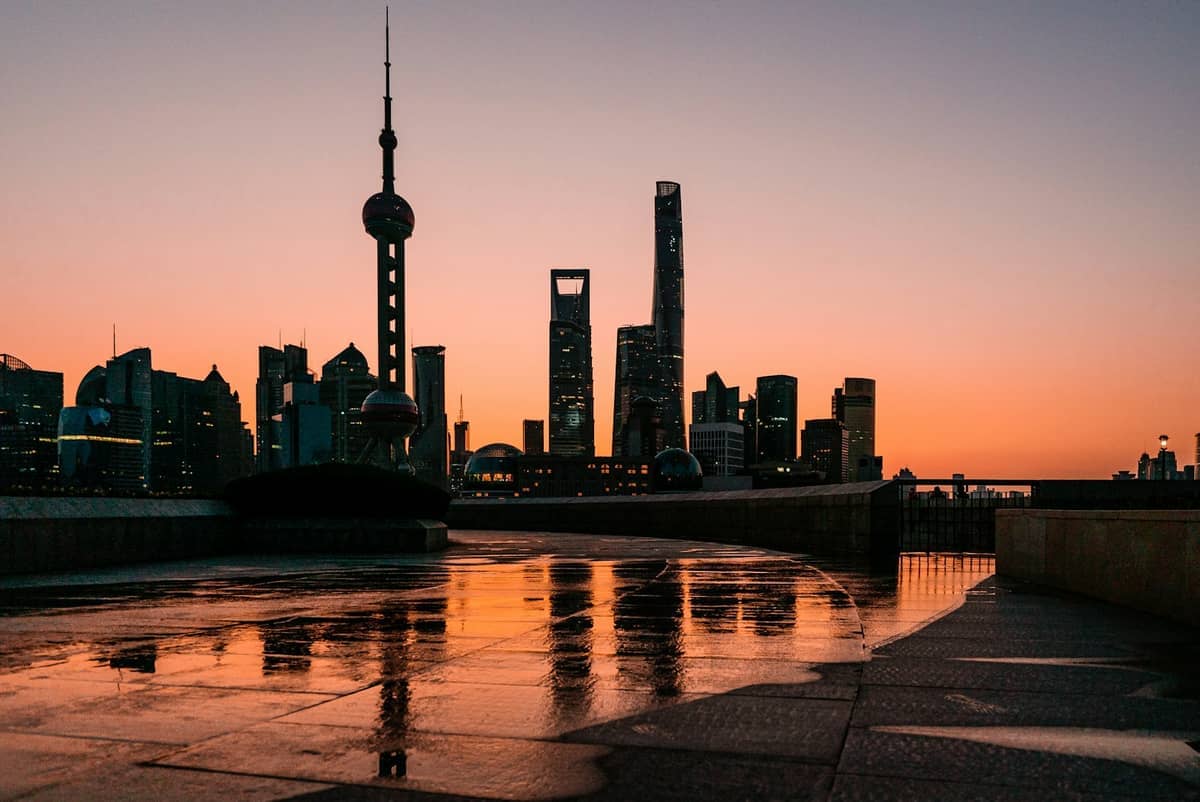
12. Walk the Heritage Streetscapes of the Emerging North Bund Arts District
A cluster of restored early 20th-century heritage buildings north of Suzhou Creek, now part of a major cultural and financial redevelopment. New gallery spaces and creative tenants are arriving regularly, making this one of Shanghai's most interesting areas to watch right now.
Explore12. Walk the Heritage Streetscapes of the Emerging North Bund Arts District
A cluster of restored early 20th-century heritage buildings north of Suzhou Creek, now part of a major cultural and financial redevelopment. New gallery spaces and creative tenants are arriving regularly, making this one of Shanghai's most interesting areas to watch right now.
ExploreHistory, Film, and Cultural Memory
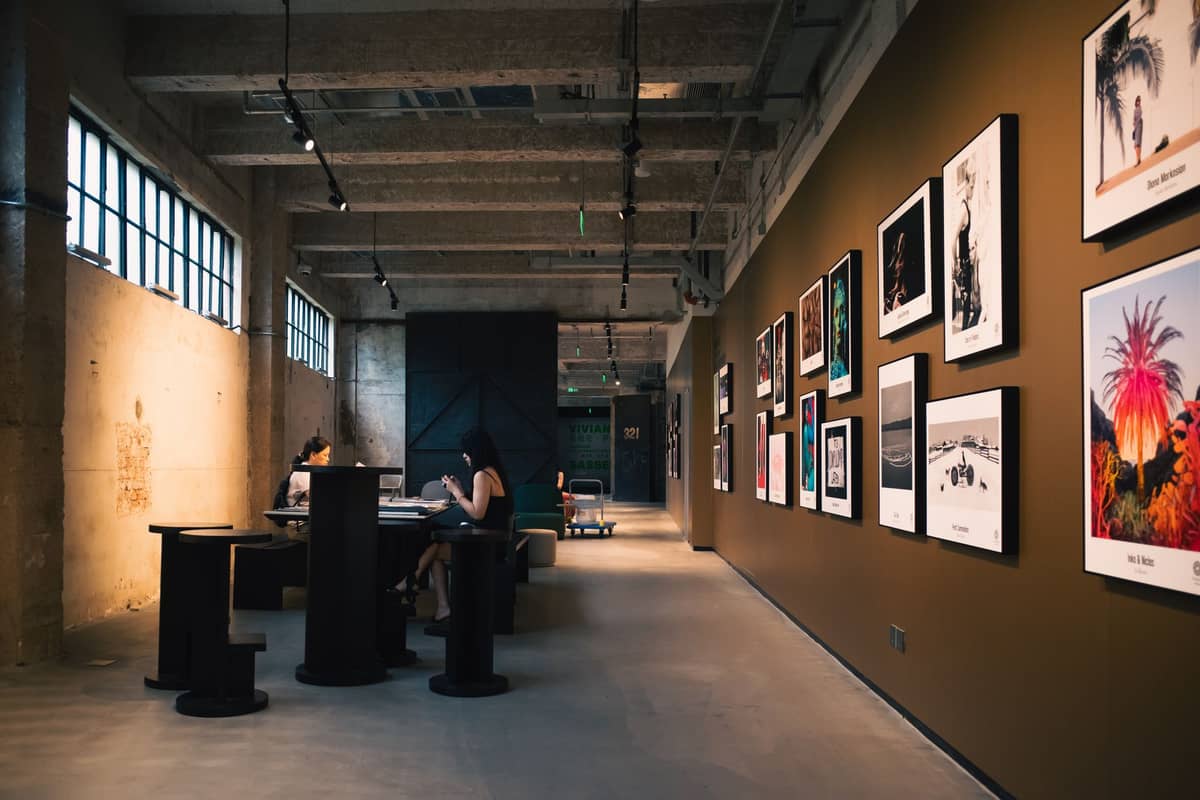
Shanghai's contemporary art scene exists in constant dialogue with the city's layered history. Several museums engage directly with that history, from propaganda culture to colonial-era cinema, in ways that are more intellectually adventurous than their modest profiles suggest. These are some of the most thought-provoking spaces in the city.
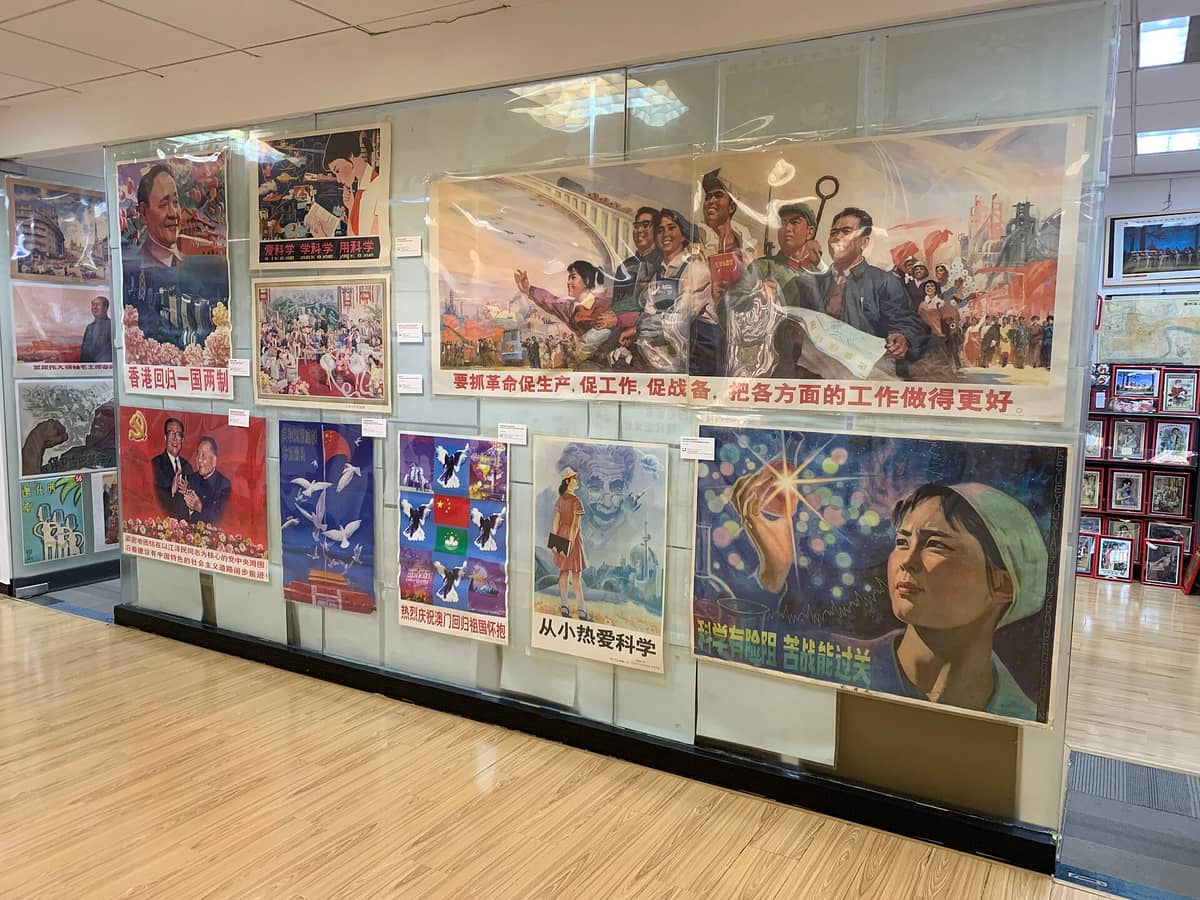
13. Examine Mao-Era Graphic Art at the Propaganda Poster Art Centre
A hidden basement museum in the French Concession holding one of the world's largest collections of original Chinese Communist propaganda posters from the 1950s to 1980s. The graphic design quality is extraordinary. It is one of Shanghai's most unusual and genuinely thought-provoking spaces.
Explore13. Examine Mao-Era Graphic Art at the Propaganda Poster Art Centre
A hidden basement museum in the French Concession holding one of the world's largest collections of original Chinese Communist propaganda posters from the 1950s to 1980s. The graphic design quality is extraordinary. It is one of Shanghai's most unusual and genuinely thought-provoking spaces.
Explore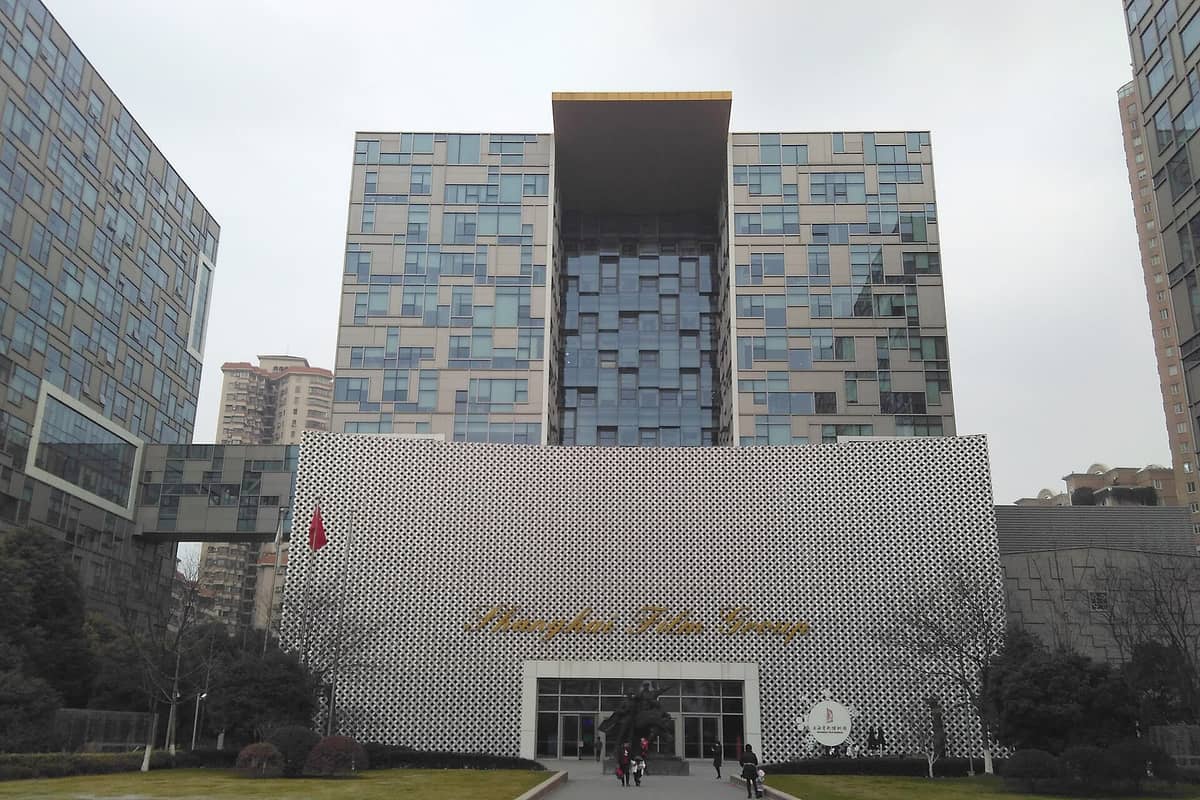
14. Explore Chinese Cinema History at the Shanghai Film Museum
Housed in the former Shanghai Film Studio complex in Xuhui, this museum covers Chinese cinema history with original props, interactive exhibits, and a reconstruction of a 1930s Shanghai film set. It is consistently underrated and deserves 2 hours of serious attention from culture-focused visitors.
Explore14. Explore Chinese Cinema History at the Shanghai Film Museum
Housed in the former Shanghai Film Studio complex in Xuhui, this museum covers Chinese cinema history with original props, interactive exhibits, and a reconstruction of a 1930s Shanghai film set. It is consistently underrated and deserves 2 hours of serious attention from culture-focused visitors.
Explore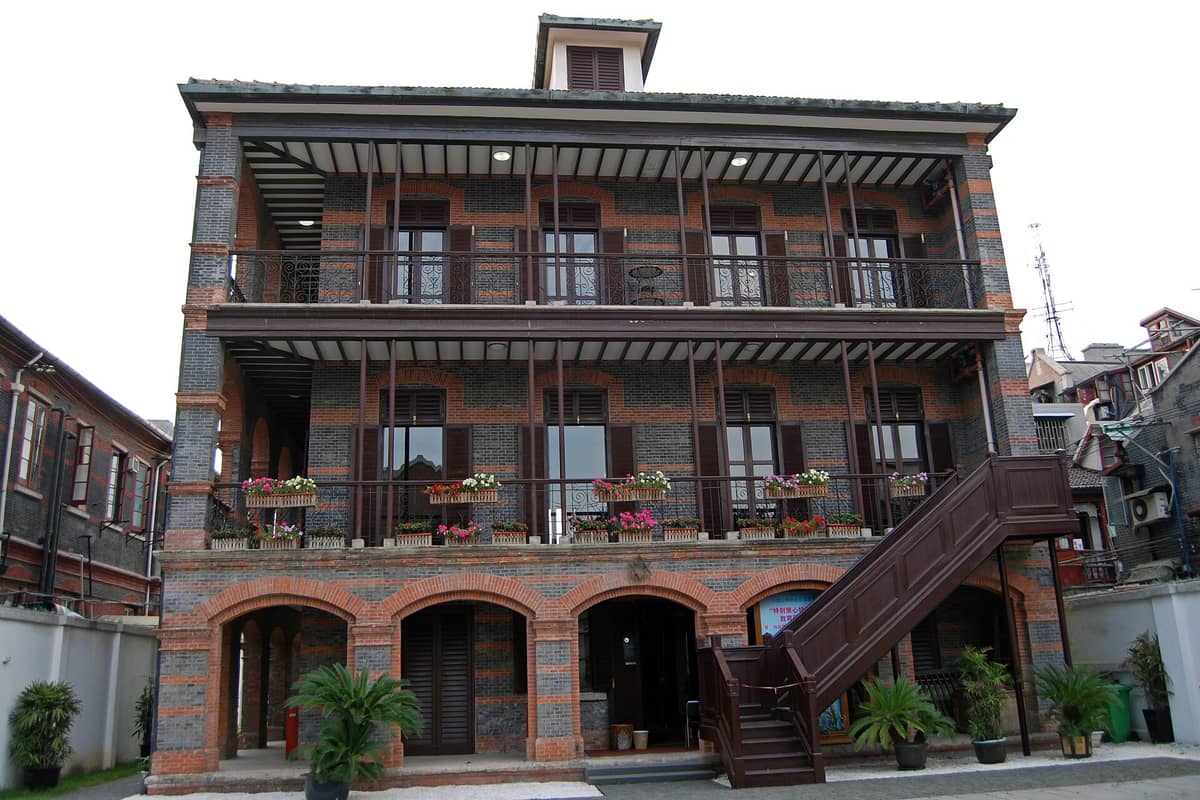
15. Understand Shanghai's Wartime History at the Jewish Refugees Museum
Set in the restored Ohel Moshe Synagogue in Hongkou, this museum documents the stories of 20,000+ Jewish refugees who found safety in Shanghai between 1933 and 1941. One of the most significant Holocaust-related sites in Asia, and one of Shanghai's most moving cultural experiences.
Explore15. Understand Shanghai's Wartime History at the Jewish Refugees Museum
Set in the restored Ohel Moshe Synagogue in Hongkou, this museum documents the stories of 20,000+ Jewish refugees who found safety in Shanghai between 1933 and 1941. One of the most significant Holocaust-related sites in Asia, and one of Shanghai's most moving cultural experiences.
Explore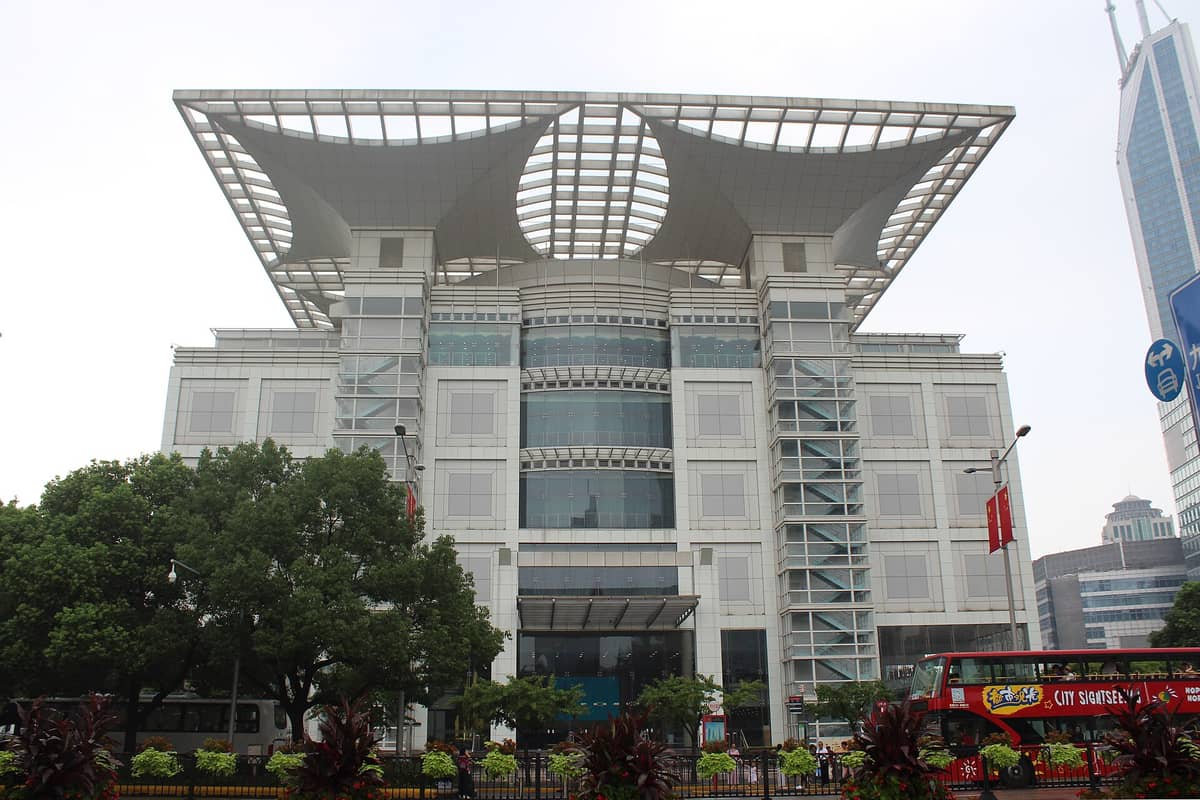
16. See Shanghai's Future at the Urban Planning Exhibition Center
A museum on People's Square dedicated to Shanghai's urban development, featuring a massive scale model of the entire city and interactive exhibits on its past and future. The scale model alone is extraordinary. Underrated by tourists but essential for understanding how Shanghai thinks about itself.
Explore16. See Shanghai's Future at the Urban Planning Exhibition Center
A museum on People's Square dedicated to Shanghai's urban development, featuring a massive scale model of the entire city and interactive exhibits on its past and future. The scale model alone is extraordinary. Underrated by tourists but essential for understanding how Shanghai thinks about itself.
ExploreArt-Adjacent Walks and Streetscapes
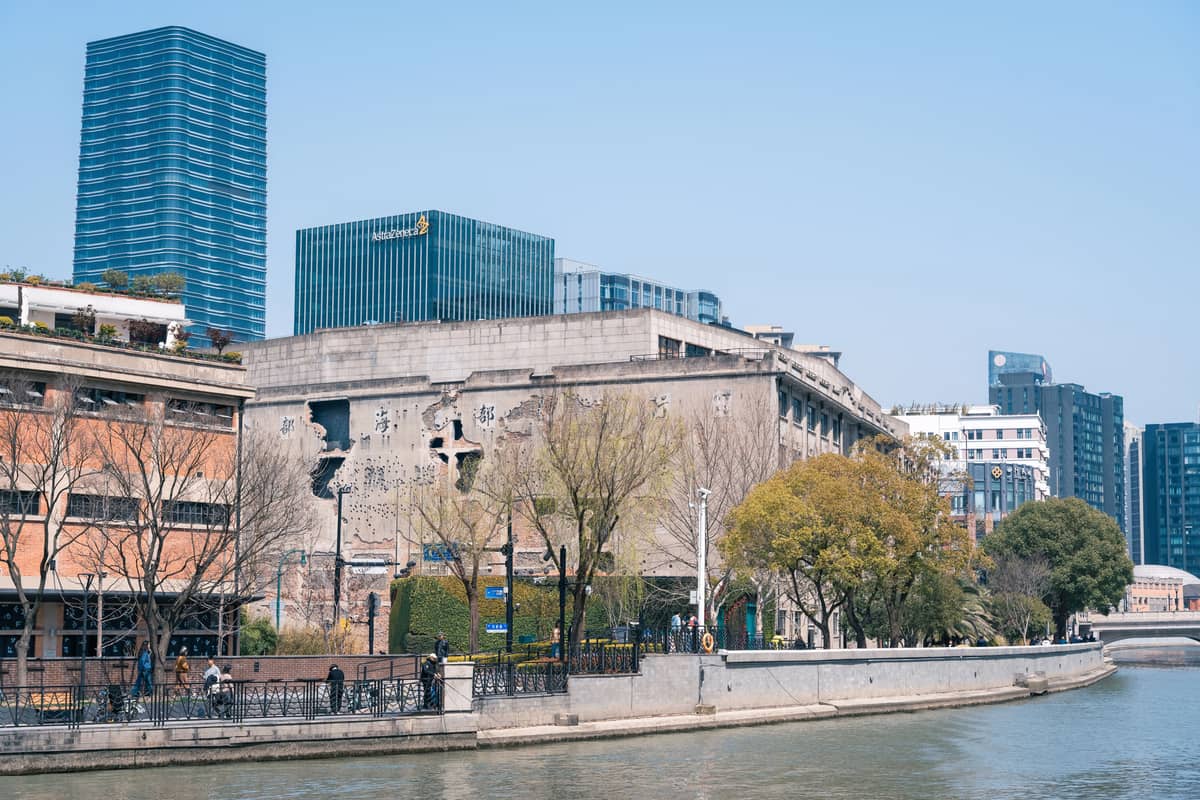
Some of Shanghai's most compelling art experiences happen not inside a building but on the street. The city's best walking routes pass gallery clusters, street art, architectural landmarks, and public sculpture in ways that reward slow, deliberate exploration. The best photography spots in the city overlap significantly with the contemporary art scene.
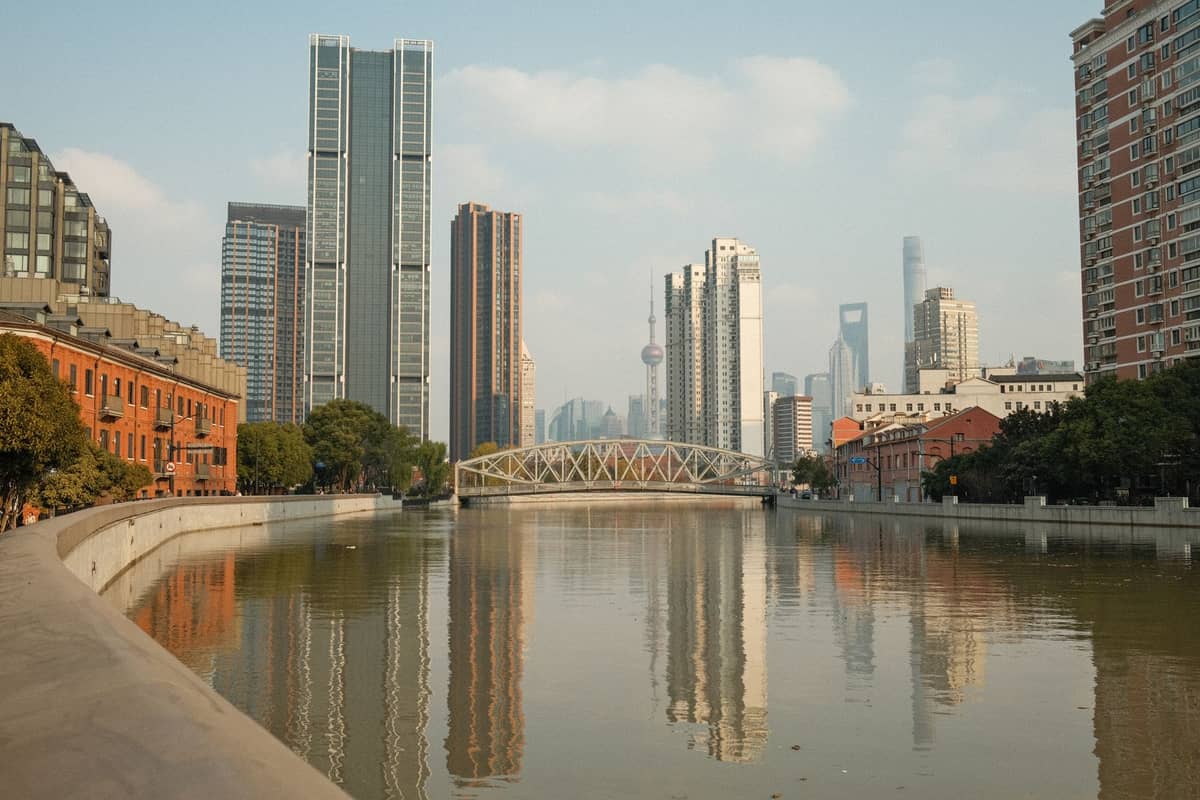
17. Walk the Suzhou Creek Route Connecting M50 to the North Bund
A scenic riverside walk connecting M50 Creative Park, the North Bund, and historic warehouse districts, passing converted industrial buildings, heritage bridges, and emerging gallery spaces. One of Shanghai's best self-guided urban walks, and free. Allow 2-3 hours at a comfortable pace.
Explore17. Walk the Suzhou Creek Route Connecting M50 to the North Bund
A scenic riverside walk connecting M50 Creative Park, the North Bund, and historic warehouse districts, passing converted industrial buildings, heritage bridges, and emerging gallery spaces. One of Shanghai's best self-guided urban walks, and free. Allow 2-3 hours at a comfortable pace.
Explore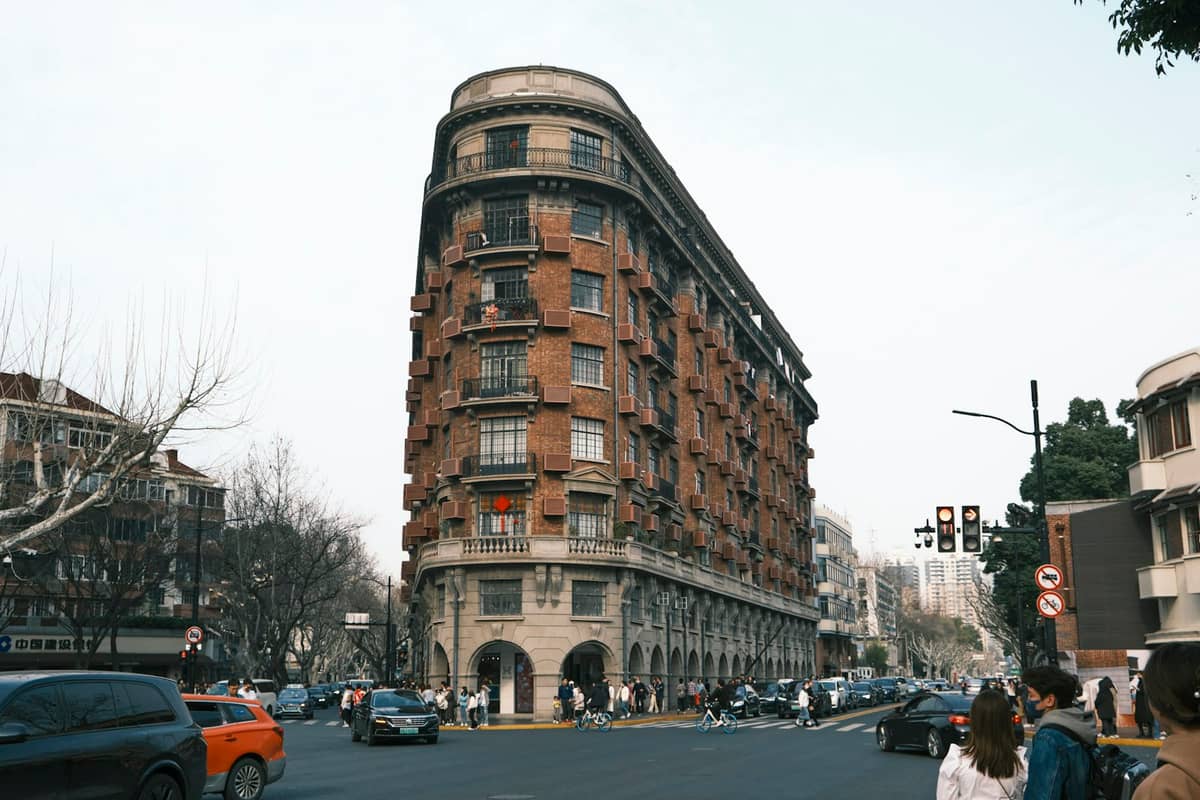
18. Browse Galleries and Boutiques Along Wukang Road's Art Deco Streetscape
Shanghai's most photogenic street, a curved boulevard in the French Concession lined with Art Deco villas now housing cafes, boutiques, and small galleries. The Wukang Mansion at the northern tip is one of the city's most photographed buildings. Best on a weekday morning.
Explore18. Browse Galleries and Boutiques Along Wukang Road's Art Deco Streetscape
Shanghai's most photogenic street, a curved boulevard in the French Concession lined with Art Deco villas now housing cafes, boutiques, and small galleries. The Wukang Mansion at the northern tip is one of the city's most photographed buildings. Best on a weekday morning.
Explore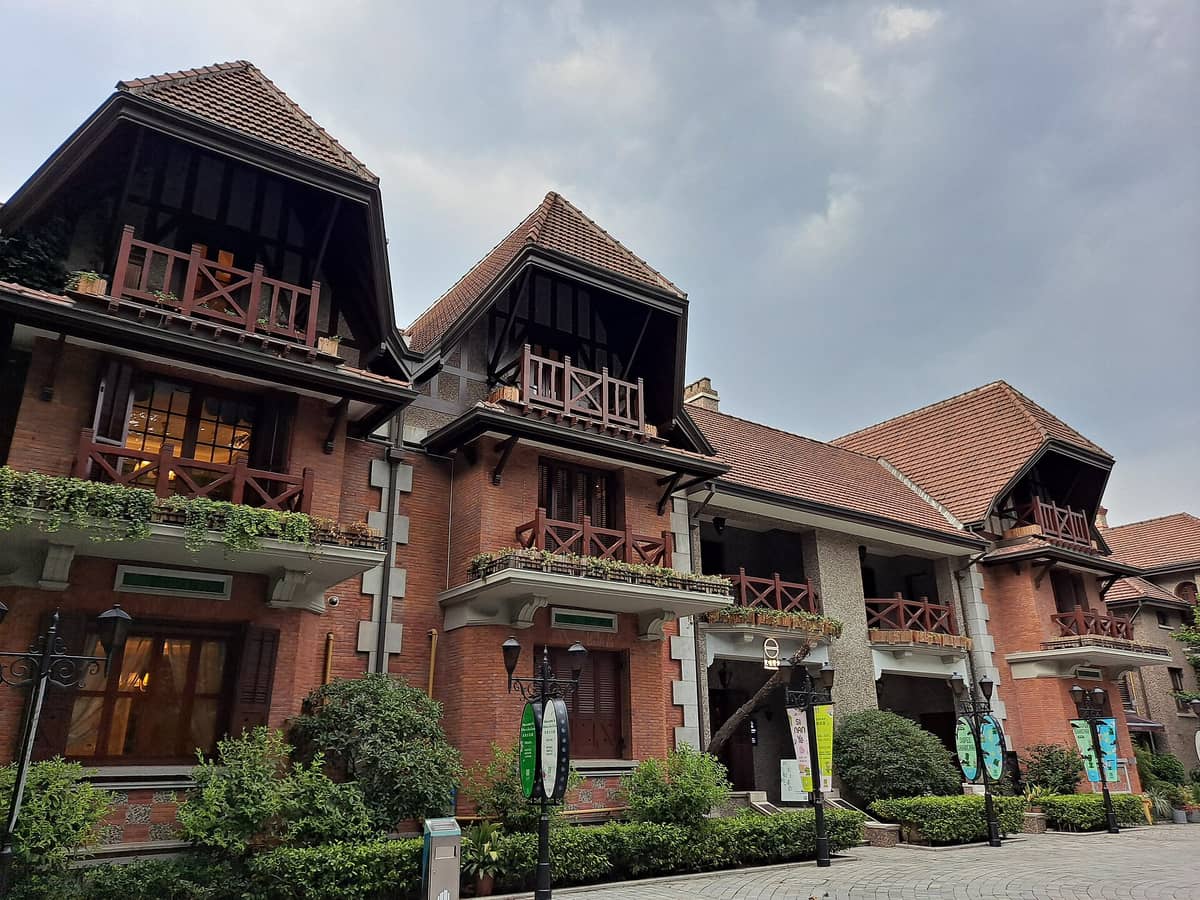
19. Discover Heritage Adaptive Reuse at Sinan Mansions
A restored complex of 51 heritage villas in the French Concession, once home to Sun Yat-sen and other historical figures, now housing boutique hotels, restaurants, and cultural spaces. One of Shanghai's best examples of heritage architecture given new creative life. Free to walk through.
Explore19. Discover Heritage Adaptive Reuse at Sinan Mansions
A restored complex of 51 heritage villas in the French Concession, once home to Sun Yat-sen and other historical figures, now housing boutique hotels, restaurants, and cultural spaces. One of Shanghai's best examples of heritage architecture given new creative life. Free to walk through.
ExploreFAQ
Which is the best contemporary art museum in Shanghai for a first-time visitor?
Power Station of Art is the strongest single choice: it is China's first state-run contemporary art museum, housed in a dramatic converted power plant, and is the permanent home of the Shanghai Biennale. General admission to the main museum halls is usually free, with separate tickets required for major special exhibitions. For Chinese contemporary art specifically, Long Museum West Bund has one of the most important private collections in the country.
Is admission free at Shanghai's art museums?
Not always. Several major state museums, including the China Art Museum and often Power Station of Art, offer free general admission Tuesday through Sunday. However, special exhibitions at these venues and most private museums charge entry fees, roughly 20-200 CNY per person depending on the show. Always check the venue's official website or WeChat account before visiting.
When is the best time to visit Shanghai's art scene?
Autumn is the most active season. The Shanghai Biennale (biennial, usually November to March) anchors the calendar, and the West Bund Art & Design fair typically runs in November, drawing international galleries and collectors. Spring (April-May) is also excellent, with pleasant weather and a full exhibition schedule. Most venues close on Mondays.
How do I get between the major art venues without a taxi?
The West Bund venues (Long Museum, Power Station of Art, Shanghai Film Museum) are walkable from each other and accessible via metro Line 4 to Luban Road or via dedicated West Bund shuttles. M50 on Suzhou Creek is best reached from Jiangning Road or Changshou Road metro stations (Line 13), followed by a 10–15 minute walk. The Rockbund Art Museum is a short walk from the Bund along the riverfront.
Is M50 Creative Park still worth visiting or has it become too touristy?
M50 remains the most concentrated gallery destination in Shanghai, with over 100 galleries and studios that range from serious commercial spaces to artist-run projects. The area has become well-known but has not lost its working character. Weekday mornings are when you are most likely to encounter artists in studios and have genuine conversations with gallerists.