Shanghai Jewish Refugees Museum: The Story of a Wartime Sanctuary
Set inside the historic Ohel Moshe Synagogue in Hongkou District, the Shanghai Jewish Refugees Museum tells one of World War II's most extraordinary stories: how Shanghai became a refuge for roughly 20,000 European Jews when nearly every other door in the world was closed. It is a small museum with an outsized emotional weight.
Quick Facts
- Location
- 62 Changyang Road, Hongkou District, Shanghai (上海市虹口区长阳路62号)
- Getting There
- Metro Line 12, Tilanqiao Station (Exit 1 or 2–3), 3–5 min walk
- Time Needed
- 1.5–2.5 hours
- Cost
- Adults ¥20 | Seniors (60+) ¥15 | Students (under 23) ¥10 | Children under 1.3 m free
- Best for
- History enthusiasts, Jewish heritage travelers, those interested in WWII and Sino-Jewish relations
- Official website
- www.shhkjrm.com/en
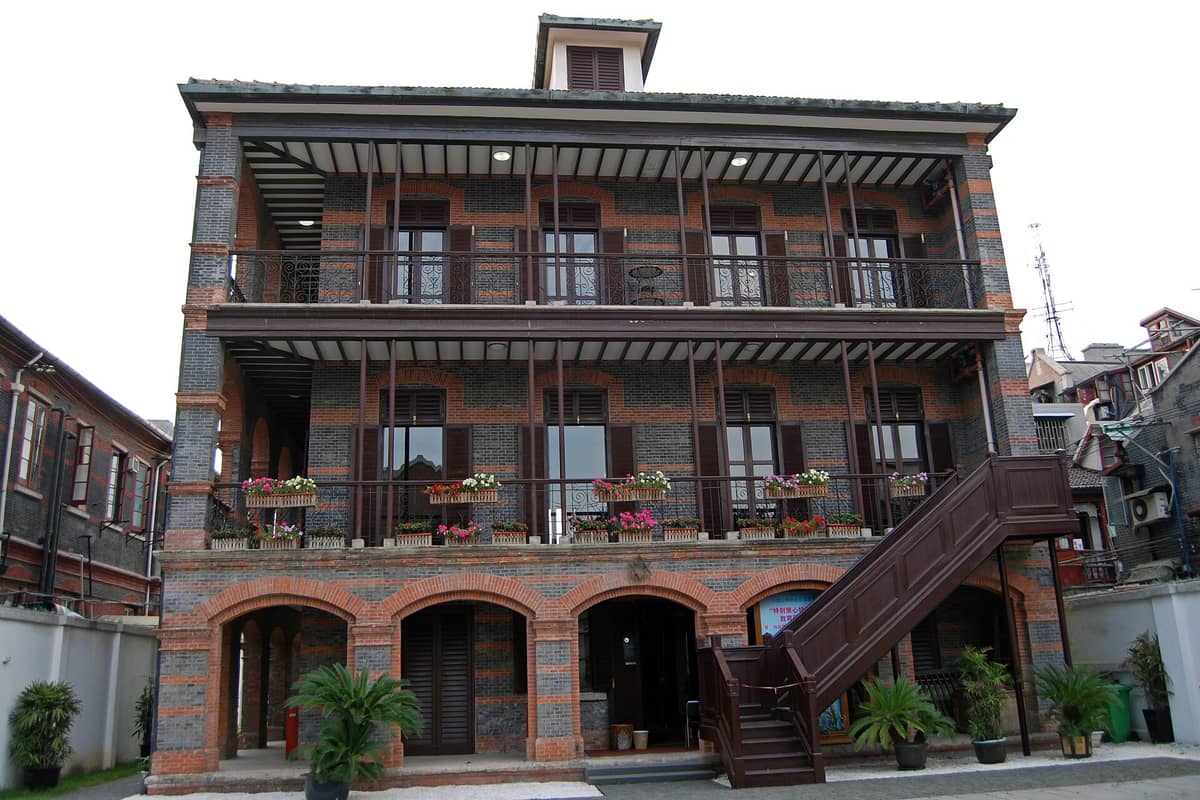
What the Shanghai Jewish Refugees Museum Is
The Shanghai Jewish Refugees Museum (上海犹太难民纪念馆) opened in 2007 around the shell of the Ohel Moshe Synagogue, a Russian Jewish-built house of worship completed in 1927 on what was then a quiet lane in Hongkou. The synagogue and the surrounding few blocks became the unlikely center of one of history's most improbable refuge stories: between 1933 and 1941, as European nations one by one shut their doors, Shanghai required no visa for entry. Roughly 20,000 Jewish refugees, mostly from Germany and Austria, made it here. Many had nowhere else to go.
The museum is not large. It occupies the original synagogue building plus a modern extension that roughly doubles the exhibition space. But its subject matter is so specific and its documentation so careful that most visitors find the time passes faster than expected. What you will see is a curated record of displacement, resilience, and improbable survival, told through photographs, personal objects, identity papers, letters, and the testimonies of survivors.
ℹ️ Good to know
Open Tuesday to Sunday, 09:00–17:00. Last entry is 16:00. Closed on Mondays. Verify current hours on the official website before visiting, as holiday closures are announced separately.
The History Behind the Building
Hongkou in the 1930s and 1940s was already a dense, mixed neighborhood north of Suzhou Creek, home to working-class Chinese families, Japanese residents, and Sephardic and Russian Jewish merchants who had lived in Shanghai for decades. When the wave of Central European refugees arrived, Hongkou absorbed most of them because rents were low and the existing Jewish community had already established institutions there, including the Ohel Moshe Synagogue.
After Japan occupied Shanghai in 1941 and entered World War II, the Japanese authorities in 1943 designated a small area of Hongkou, roughly one square mile, as a restricted zone for 'stateless refugees,' which in practice meant the Jewish refugees who had arrived after 1937. This zone, which Western sources often call the Shanghai Ghetto, was crowded and difficult, but crucially it was not an extermination camp. Residents needed passes to leave for work or school, but daily life, synagogue services, newspapers, cafes, and cultural organizations continued inside.
The story of how Shanghai's Jewish community survived while so many others perished in Europe is one that most visitors from outside China have never heard in detail. The museum fills that gap with precision. If you are building a wider picture of Shanghai's layered past, the Rockbund Art Museum and the area around Hongkou and the North Bund offer additional context about the neighborhood's international history.
Tickets & tours
Hand-picked options from our booking partner. Prices are indicative; availability and final rates are confirmed when you complete your booking.
Shanghai city and Zhujiajiao water town private tour with lunch
From 371 €Instant confirmationFree cancellationShanghai private tour with iconic landmarks of the old and new city
From 284 €Instant confirmationFree cancellationShangai Yuyuan Garden entrance tickets
From 9 €Instant confirmationFree cancellation
What You Will See Inside
The ground floor of the original synagogue building has been converted into the primary exhibition hall. The wooden gallery balcony that once separated men and women during services still runs along the upper level, now used as additional display space. The ark where Torah scrolls were kept remains in place on the eastern wall, cleaned and preserved, a quiet focal point even without its original religious function.
The exhibitions are arranged chronologically and thematically. Early sections explain the context of Nazi persecution in Germany and Austria, why emigration was chosen, and the bureaucratic nightmare of acquiring papers. There are original passports stamped with the red 'J' that German authorities added to identify Jewish citizens, shipping tickets, and photographs taken on the decks of ships arriving at the Huangpu River.
Later galleries cover daily life inside the restricted zone: the Heime (shared dormitories), the Ward Road Heim, the schools and hospitals the community built for itself, and the small cafes and newspapers that kept a semblance of normal life going. Survivor testimony, displayed in video booths and on printed panels, is specific and personal. One account describes the smell of Hongkou's open-air market in summer. Another describes a bar mitzvah held in the synagogue in 1944. These granular details give the museum its texture.
The 2023 extension houses additional multimedia exhibits and a wall dedicated to individuals, showing photographs and names of documented refugees. International visitors sometimes spend a long time at this wall. The English-language signage throughout the museum is thorough, and English audio guides are available.
💡 Local tip
The audio guide is worth renting. Several exhibits have limited panel text, and the audio fills in significant historical detail that is not on the walls.
How the Visit Feels at Different Times of Day
The museum opens at 09:00 and the first hour is noticeably quieter. The light inside the original synagogue building is best in the mid-morning, when it falls through the upper windows at an angle that makes the preserved woodwork and the ark particularly legible. If you visit on a weekday morning, you may have some sections almost to yourself.
By late morning and into early afternoon, the museum receives school groups, tour buses, and independent travelers. The video booth areas become harder to linger in, and the wall of individual photographs gets crowded. If the content matters to you and you want to read slowly, go early or go close to the 16:00 last entry on a weekday afternoon, when tour groups have typically moved on.
The neighborhood outside is worth spending time in before or after. The streets around Changyang Road still have a lower-rise, lived-in quality different from most of central Shanghai. Some of the lane houses (lilong) visible within a few blocks date from the same era as the refugee settlement, though they are in various states of repair. The area is quieter and less polished than the Bund waterfront, which suits the museum's subject matter.
Getting There and Practical Information
The most direct approach is Metro Line 12 to Tilanqiao Station. Exits 1, 2, or 3 all deposit you within a short walk of 62 Changyang Road. The walk takes about three to five minutes along a flat, straightforward street. Line 4 at Dalian Road Station (Exit 6) is an alternative if you are coming from Pudong or a different part of the city, but it requires a slightly longer walk.
Bus routes 13, 22, 134, 868, 875, and 934 serve the Changyang Road area. If you are combining the museum with other sites in Hongkou, the North Bund waterfront is accessible by continuing on Line 12 or by walking south toward Suzhou Creek. For a broader view of how to structure your time in this part of Shanghai, the guide to getting around Shanghai covers the metro network in useful detail.
Admission prices are modest: ¥20 for adults, ¥15 for seniors aged 60 and over, ¥10 for students aged 23 and under with valid ID, and free for children under 1.3 meters tall (up to two per adult). Visitors with disabilities and qualifying service personnel enter free with documentation. Accessibility details for step-free routes and elevator availability inside the building are not fully specified in public visitor information; contact the museum directly at shhkjrm.com if you have specific mobility requirements before visiting.
⚠️ What to skip
The museum is closed every Monday. If your itinerary is tight and Monday is your only free day in this part of Shanghai, plan accordingly.
Photography and What to Bring
Photography is generally permitted throughout the museum without flash. The preserved interior of the original synagogue building, particularly the ark and the gallery balcony, photographs well in mid-morning natural light. The wall of individual refugee photographs in the newer extension benefits from the overhead lighting in that space, which is more even.
Bring your student or senior ID if you qualify for reduced admission. A jacket or light layer is useful year-round, as the interior of the older building can be cooler than the outside temperature. In Shanghai's summer months (June through August), when humidity is high and temperatures regularly exceed 32°C, the air-conditioned interiors are a genuine comfort. In winter, the older building can feel drafty near the entrance, so an extra layer helps.
Shanghai's climate means spring (April to May) and autumn (October to November) are the most comfortable periods for exploring neighborhoods on foot before and after the museum. The best time to visit Shanghai guide has more detail on seasonal conditions across the city.
Who Should Temper Their Expectations
This is a serious, document-heavy museum. Visitors looking for immersive technology, theatrical displays, or a quick sensory experience may find it slower and more text-intensive than they expected. The exhibition design is straightforward rather than spectacular, and some areas of the older building show their age. The emotional impact of the content is real and cumulative, but it requires patience and a willingness to read.
Children under about ten may find the content difficult to engage with at the pace adults will want to set. The museum does not have dedicated child-oriented programming visible in standard visitor information. For families with younger children looking for historically interesting but more visually immediate experiences in Shanghai, other options may suit the group better.
If you have a full day in Hongkou and want to balance the museum with something more architecturally oriented, the Shanghai architecture guide points to several nearby streets worth walking. The wider Hongkou area also contains the 1933 Old Millfun complex, a remarkable piece of industrial architecture from the same decade as the refugee period.
Insider Tips
- Arrive within the first 30 minutes of opening on a weekday. The original synagogue hall is most atmospheric with morning light and minimal crowds, and you can move through the opening exhibits at your own pace before tour groups arrive.
- The wall of individual refugee photographs in the 2023 extension is searchable in some databases maintained by organizations such as Yad Vashem. If you have a personal or family connection to Jewish refugees in Shanghai, researching names before visiting can make the wall a much more specific experience.
- The surrounding streets, particularly the blocks between Changyang Road and Zhoushan Road, still contain lane-house buildings (lilong) from the 1930s and 1940s. A 20-minute walk through this area before entering the museum gives the context of the neighborhood's physical scale during the refugee period.
- The museum's newer extension, opened in 2023, is significantly better ventilated and better lit than the older building. If you fatigue easily in enclosed spaces, note that you can move between buildings during your visit.
- English-language guided tours are sometimes available for groups if arranged in advance through the museum website. Individual visitors rely on the audio guide, which covers content that is not fully represented on the exhibition panels.
Who Is Shanghai Jewish Refugees Museum For?
- Travelers with an interest in World War II history beyond the European and Pacific theaters
- Jewish heritage travelers tracing the global diaspora story
- History students or educators looking for a well-documented primary source museum
- Visitors who want to understand Hongkou's layered international past beyond its current character
- Anyone spending two or more days in Shanghai who wants a thoughtful counterpoint to the city's contemporary skyline narrative
Nearby Attractions
Other things to see while in Hongkou & North Bund:
- 1933 Old Millfun
Built in 1933 as a municipal slaughterhouse and now reinvented as a design and cultural destination, 1933 Old Millfun is one of Shanghai's most photogenic and architecturally unusual spaces. Entry is free, the building is genuinely extraordinary, and the Hongkou location makes it an easy add-on to a day exploring the North Bund area.
- North Bund Riverside
The North Bund Riverside is a roughly 2.5 km public promenade along the Huangpu River's north bank in Hongkou District. Free to enter and far less crowded than the Bund opposite, it offers some of Shanghai's most photogenic views of the historic waterfront and Pudong skyline from an angle most visitors never see.