Rockbund Art Museum: Contemporary Art Inside a Bund Landmark
Housed in the former Royal Asiatic Society building completed in 1933, Rockbund Art Museum brings serious contemporary art to one of Shanghai's most storied streets. From rotating exhibitions across multiple floors to a sixth-floor café with views toward the Huangpu River, it rewards visitors who want more than a walk along the waterfront.
Quick Facts
- Location
- 20 Huqiu Road, Huangpu District, Shanghai (near The Bund)
- Getting There
- Nanjing East Road Station (Metro Lines 2 & 10), approx. 10-minute walk
- Time Needed
- 1.5 to 2.5 hours depending on exhibition
- Cost
- Approx. 50–80 CNY standard depending on exhibition; free admission during select programs (verify before visiting)
- Best for
- Contemporary art lovers, architecture enthusiasts, Bund explorers
- Official website
- www.rockbundartmuseum.org
What Is the Rockbund Art Museum?
The Rockbund Art Museum (RAM) is one of Shanghai's most architecturally distinctive contemporary art spaces, occupying a heritage building at 20 Huqiu Road, less than a five-minute walk from the Bund promenade. Opened as an art museum in 2010 after sensitive renovation, the building was originally completed in 1932 as the home of the Royal Asiatic Society, a learned society that served as one of colonial Shanghai's main intellectual and cultural institutions. The society held public lectures, maintained one of the city's most significant libraries, and shaped the intellectual life of the treaty-port era.
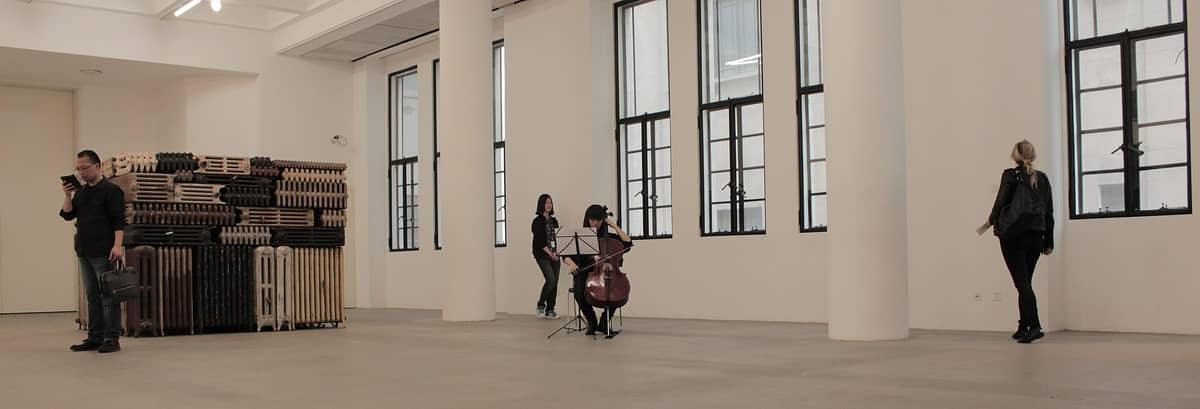
Today, RAM operates as a non-commercial institution focused on contemporary and experimental art, running a rotating programme of exhibitions by both Chinese and international artists. The museum does not maintain a permanent collection on view. Instead, each show is treated as a distinct curatorial project, meaning what you see depends entirely on when you visit. That unpredictability is part of the appeal, though it also means you should check the current exhibition before committing the trip.
💡 Local tip
Check the museum's official website or WeChat mini-program before visiting. Opening hours and admission fees have varied between programmes, and reservation may be required during special events or free-admission periods.
The Building: Art Deco Meets Shanghai History
The structure at 20 Huqiu Road is one of the more restrained examples of 1930s institutional architecture on the Bund fringe. Where many nearby buildings lean into full Art Deco theatrics, the Royal Asiatic Society building has a composed, almost scholarly quality: stone-clad facades, relatively plain window proportions, and a verticality that reads as dignified rather than showy. It fits its original purpose well. The renovation that converted it into RAM retained the bones of the original while opening up gallery spaces across multiple floors. For those already interested in Shanghai's architectural history, the building itself is worth examining carefully before you even step inside.
The Rockbund district immediately surrounding the museum has been redeveloped as a curated heritage precinct, with several other early 20th-century buildings restored and repurposed along Huqiu Road and the adjacent lanes. Walking the block before or after your museum visit gives you a compressed sense of the Bund's northern edge as it might have looked in its trading-port heyday, minus the noise and smell of the waterfront.
Tickets & tours
Hand-picked options from our booking partner. Prices are indicative; availability and final rates are confirmed when you complete your booking.
Shanghai city and Zhujiajiao water town private tour with lunch
From 371 €Instant confirmationFree cancellationShanghai private tour with iconic landmarks of the old and new city
From 284 €Instant confirmationFree cancellationShangai Yuyuan Garden entrance tickets
From 9 €Instant confirmationFree cancellation
What a Visit Actually Feels Like
RAM is a quiet museum by Shanghai standards. The entrance on Huqiu Road is understated, easy to walk past if you are not looking for it. Once inside, the building's floor plan is vertical rather than expansive: exhibitions unfold across multiple levels connected by stairs and a lift, so you move through the space in a fairly directed sequence. Gallery rooms vary in scale from intimate to warehouse-proportioned depending on how the floor is being used for each show.
Lighting throughout is handled seriously, which matters for photography and for the quality of the viewing experience. Sound from the street disappears almost immediately after entering. On weekday mornings, the museum can be nearly empty, giving you unhurried time with whatever work is on display. Weekend afternoons bring more visitors, particularly younger Shanghai residents and art students, though it rarely reaches the crowd density of a blockbuster institution.
The sixth floor is often accessible via lift without purchasing an exhibition ticket when the café is operating as a public space, making it a legitimate stop even for visitors who are uncertain about the current show. On clear days the upper levels offer angled views toward the Huangpu River and the northern Bund skyline, though RAM is not primarily a viewpoint destination.
ℹ️ Good to know
The sixth-floor café is often reachable without an exhibition ticket when open to the public, making it a useful stop for a break during a longer Bund walk, subject to current access policies.
Opening Hours and Tickets
The museum is generally open Wednesday through Sunday from 11:00 to 18:00, with last admission around 30 minutes before closing. Tuesday is typically a members’ day with limited, adjusted hours mainly for RAM’s membership programme The museum is closed on Monday. These hours have been adjusted during special programming periods, including extended hours and free-admission windows, so the official website and WeChat mini-program are the most reliable sources before you visit.
Standard admission has typically been in the range of 50 to 60 CNY per person, though certain exhibition periods or public programmes have offered free entry, sometimes requiring advance reservation through the museum's digital channels. Cash and card payment options are generally available, but mobile payment via Alipay or WeChat Pay is widely used at cultural institutions across Shanghai and is worth having set up.
⚠️ What to skip
Ticket prices and opening hours are time-sensitive. Always verify current fees and reservation requirements on the official RAM website at rockbundartmuseum.org before making plans.
Getting There and Finding the Entrance
From Nanjing East Road Station (Metro Lines 2 and 10), the walk to the museum takes roughly ten minutes through the mid-Bund area. Head east toward the river, then north along Zhongshan East No. 1 Road before turning onto Huqiu Road. The entrance at number 20 is on your right. If you are already walking the Bund waterfront, the museum is a natural detour at the northern end of the promenade, near the Astor House Hotel cluster.
Taxis and ride-hailing via Didi are straightforward options if you are coming from elsewhere in the city. Show the driver the Chinese address: 上海市黄浦区虎丘路20号. The surrounding streets are narrow heritage lanes, so drop-off may be on the main road rather than directly at the door.
Best Time to Visit
Weekday mornings are the calmest time to visit RAM. The museum sits in an area that draws significant foot traffic on weekend afternoons, particularly from visitors combining it with a walk along the Bund or a visit to Yuyuan Bazaar further south. Arriving at opening on a Tuesday or Wednesday keeps crowd density low and gives you the best light in the upper-floor galleries.
Seasonally, Shanghai's spring (April to May) and autumn (October to November) months offer comfortable walking temperatures for combining the museum with a broader Bund exploration. Summer humidity and heat can make the walk from the metro less pleasant, and the Bund promenade itself gets very crowded. For more context on timing a visit to the city, see the guide on the best time to visit Shanghai.
Photography and Practical Notes
Photography policies inside RAM vary by exhibition and are usually posted at the entrance to each show. Some installations permit photography without flash; others restrict it entirely out of respect for artist agreements. The exterior of the building and the surrounding Rockbund precinct are freely photographable and offer clean architectural shots in morning light before the tour groups arrive.
The building has lift access to upper floors, which helps with mobility, though the historic structure has the kind of thresholds and uneven surfaces typical of a renovated 1930s building. Visitors with specific mobility requirements should contact the museum directly before visiting, as comprehensive accessibility information is not fully detailed in public listings.
Bag storage is typically available at the entrance desk. The museum is not large enough to require a full day, but if you are planning a longer art itinerary in Shanghai, pairing it with nearby institutions or heading across town to explore the broader contemporary art scene makes sense.
Who Should Skip This
Visitors primarily interested in Shanghai's historical narrative or traditional culture may find RAM's programming abstract or disconnected from the city's more accessible heritage sites. The exhibitions skew toward conceptual and experimental work, and there is no permanent collection to anchor a visit if the current show does not appeal. If contemporary art is not your preference, the area around the Bund offers no shortage of alternatives, and the museum is easy to pass over without missing something irreplaceable.
Families with young children may also find the experience less engaging here than at dedicated family-oriented venues. The quiet, gallery-focused environment is better suited to adults and older teenagers with a genuine interest in art.
Insider Tips
- The sixth-floor café is accessible without buying an exhibition ticket. It is a calm place to stop mid-walk along the Bund, particularly useful on hot or rainy days.
- The Rockbund precinct surrounding the museum has its own architectural interest. Arrive 15 minutes early and walk the full length of Huqiu Road to take in the cluster of restored 1930s buildings before going inside.
- RAM frequently collaborates with international artists and biennale circuits, so check the exhibition calendar several weeks in advance if you are planning a trip specifically around the programming.
- If you want the galleries to yourself, arrive within the first 30 minutes of opening on a weekday. The museum is small enough that even modest afternoon crowds can make it feel busy.
- The museum's WeChat mini-program is often the fastest way to confirm current hours, reserve entry during free-admission periods, and check any special event programming. Set up WeChat Pay before your visit if you plan to purchase tickets on arrival.
Who Is Rockbund Art Museum For?
- Contemporary art enthusiasts seeking international-calibre exhibitions in a heritage setting
- Architecture-focused travellers exploring the 1930s built fabric of the Bund district
- Repeat Shanghai visitors who have covered the major historical sights and want a more curated cultural experience
- Travellers building a broader art itinerary across the city's museum landscape
- Anyone walking the northern Bund who wants a quiet, indoor break from the waterfront crowds
Nearby Attractions
Other things to see while in The Bund:
- Huangpu River Cruise
A cruise on the Huangpu River places you between two of the most photogenic waterfronts on earth: the colonial stone facades of the Bund on one bank and the science-fiction skyline of Lujiazui on the other. Whether you go at midday or after dark, the experience distills Shanghai's split identity into a single, slow-moving panorama.
- The Bund Promenade
The Bund Promenade stretches 1.5 kilometres along the Huangpu River in central Shanghai, placing you between two of the world's most dramatic skylines: a row of early-20th-century colonial financial buildings on one side, and the glass-and-steel towers of Lujiazui on the other. Entry is free, access is around the clock, and no ticket or reservation is needed.