Best Time to Visit Shanghai: A Season-by-Season Breakdown
Shanghai is a city you can visit year-round, but when you go shapes everything from what you wear to how much you pay. This guide breaks down every season, the crowds, the climate quirks, and the festivals so you can plan with confidence.
Plan and book this trip
Tools from our partner Travelpayouts help you compare flights and hotels. If you book through them, we may earn a commission at no extra cost to you.
Flights
Hotels map
TL;DR
- April–May and October–November are the best months to visit Shanghai: mild temperatures (14–25°C in spring, 17–25°C in autumn), manageable crowds, and the most comfortable conditions for outdoor sightseeing along the Bund and beyond.
- June–August is hot (27–33°C), extremely humid, and hit by both the Meiyu plum rain season (mid-June to early July) and typhoon-related storms (July–September). Not impossible, but demanding.
- January is the coldest month, averaging around 5°C, with damp, grey skies — Shanghai winters are colder than most visitors expect.
- Chinese New Year (late January–February) and National Day Golden Week (October 1–7) bring massive domestic crowds and higher hotel prices — avoid or book months ahead.
- Shanghai's metro system and extensive public transport make the city navigable in any weather — see getting around Shanghai for logistics.
Understanding Shanghai's Climate Before You Book
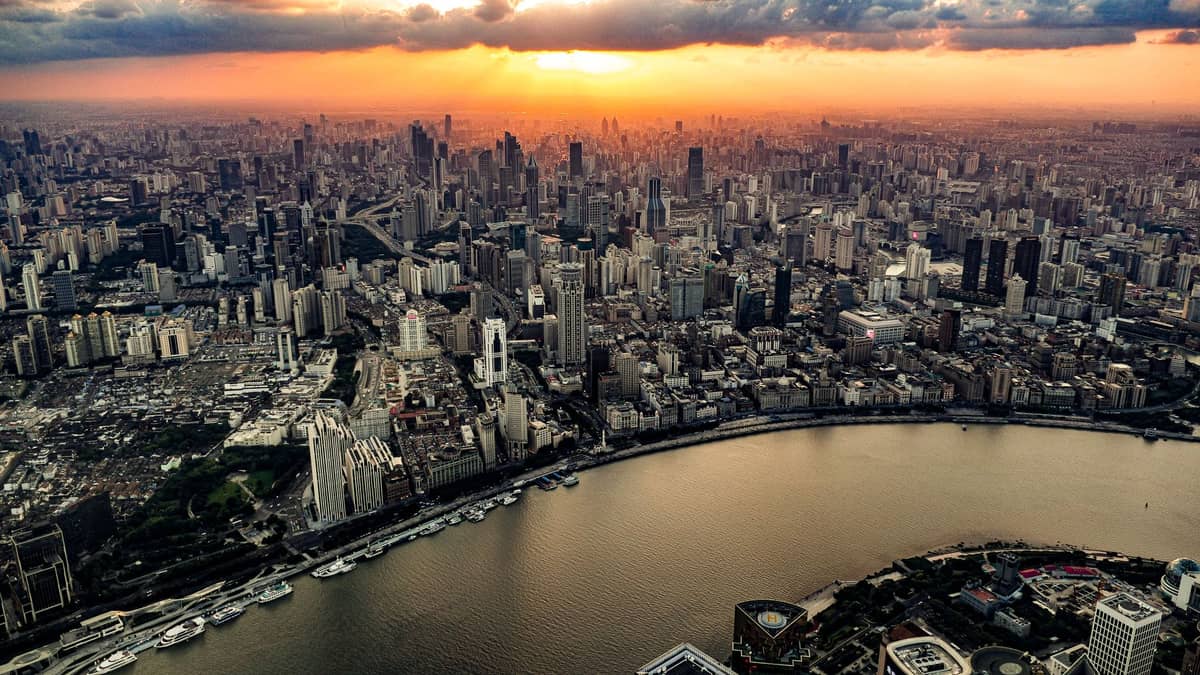
Shanghai sits at roughly 31°N on the eastern coast of China, at the mouth of the Yangtze River delta. Its humid subtropical climate (Köppen Cfa) means four genuinely distinct seasons, not the tropical uniformity some first-timers expect. The city averages around 4–5 metres above sea level, so there's no elevation relief from summer heat. What you get instead is a coastal humidity that amplifies both the summer heat and the winter chill far beyond what a thermometer alone suggests.
The two most common misconceptions: that summer is when you get the best weather, and that winters are mild because Shanghai is 'southern China.' Neither is true. June, July, and August are among the wettest months of the year, with heavy rainfall, periodic typhoon bands, and oppressive humidity. January — the coldest month — has a mean temperature just under 5°C with persistent damp winds that make it feel several degrees colder. Plan around these realities, not the brochure version.
ℹ️ Good to know
Shanghai operates on China Standard Time (CST), which is UTC+8 year-round. China does not observe daylight saving time, so there's no clock change to account for when planning connections.
Spring (March–May): The Most Reliable Window
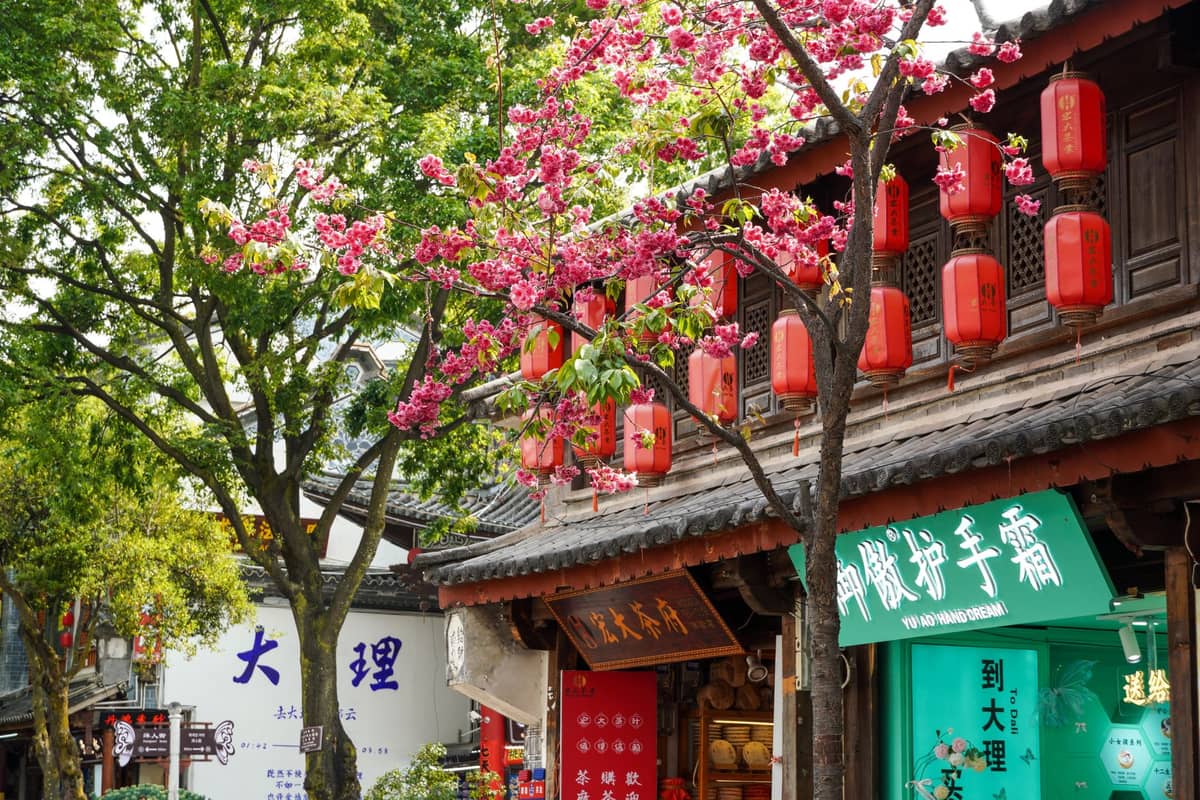
Spring is the most consistently comfortable season for visiting Shanghai. Temperatures climb from around 10°C in early March to highs near 25°C by late May. Rainfall increases as spring progresses, but it's generally scattered and manageable rather than the drenching downpours of summer. The city's plane trees leaf out along the avenues of the Former French Concession, making late March through April the best time to walk the neighbourhood's streets. Parks like Fuxing Park are at their most photogenic with spring blossoms.
April is widely considered the sweet spot: temperatures hover between 14°C and 22°C, humidity is still moderate, and the summer crowds haven't arrived. May edges warmer and sees a slight uptick in rainfall but remains excellent for sightseeing. The one caveat: the Labour Day holiday (around May 1–5) generates a domestic travel surge with noticeably busier attractions and higher hotel rates for that specific window. Book accommodation at least six to eight weeks ahead if travelling over Labour Day.
💡 Local tip
For photography, late March to mid-April offers the best light and clearest skies of the year. Air quality tends to improve significantly after winter, and the low humidity keeps visibility sharp — useful for skyline shots from Pudong or across the river from the Bund.
Summer (June–August): High Season, Hard Work
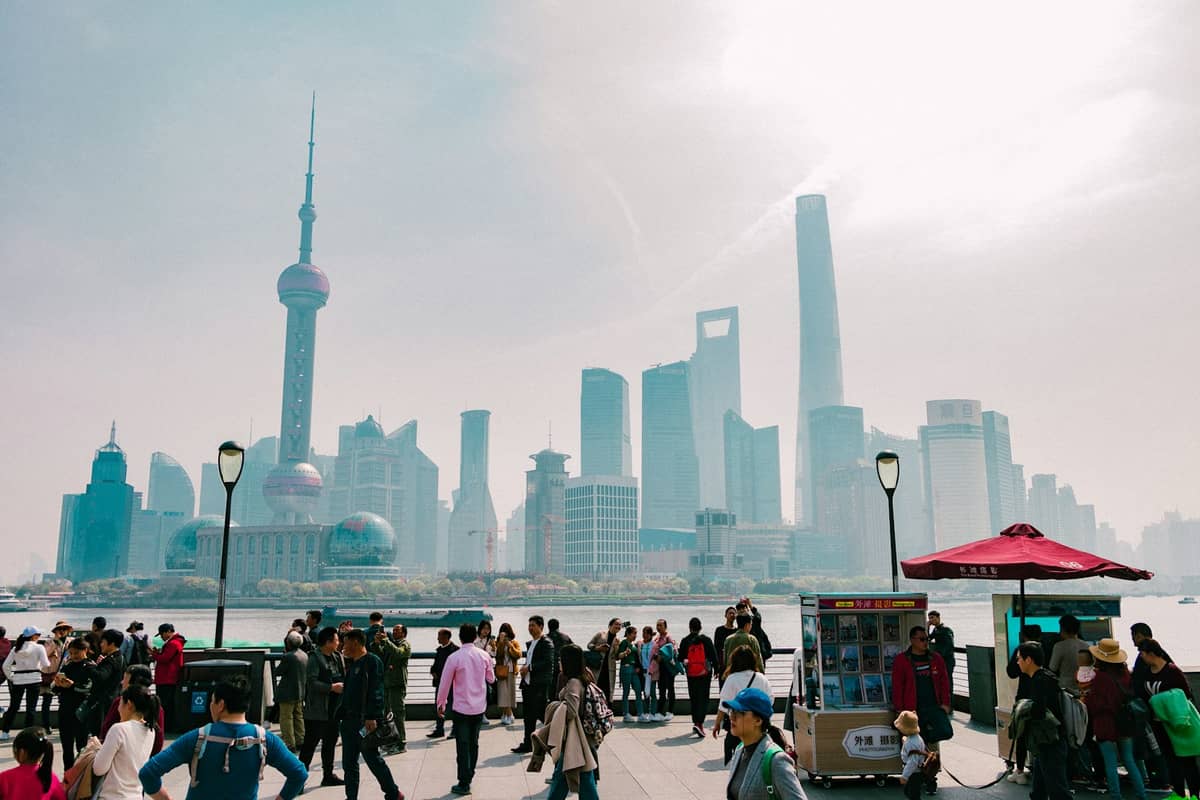
Summer in Shanghai is not for the heat-averse. Daily highs regularly reach 31–33°C from late June through August, paired with humidity that makes the air feel closer to 38–40°C in practice. The city does not cool down much at night either, with lows often staying above 25°C in July and August. Air conditioning is ubiquitous in hotels, restaurants, and the metro, but the moments between them — queueing outside an attraction, walking between neighbourhoods — are genuinely uncomfortable.
The Meiyu plum rain season typically runs from mid-June to early July, bringing persistent grey skies and heavy, frequent rainfall for days at a stretch. This is not occasional afternoon showers; it can rain continuously for a week. Once the Meiyu lifts, July and August become brutally hot and sunny, but also vulnerable to typhoon-related weather systems that can bring sudden intense storms with little warning. Shanghai has solid drainage infrastructure, but major typhoons occasionally disrupt transport and close outdoor attractions.
- Who summer suits Travellers on fixed school-holiday schedules, those prioritising indoor attractions like the Shanghai Museum or contemporary art spaces, and visitors who find quieter international crowds (fewer Western tourists than spring).
- What to prepare for A quality compact umbrella you keep on you at all times, lightweight moisture-wicking clothing, and the discipline to check typhoon forecasts if travelling in August or September.
- Honest trade-off Hotel rates and flight prices are high in summer due to domestic tourism demand. You pay peak prices for the least comfortable weather of the year.
Autumn (September–November): The Other Sweet Spot
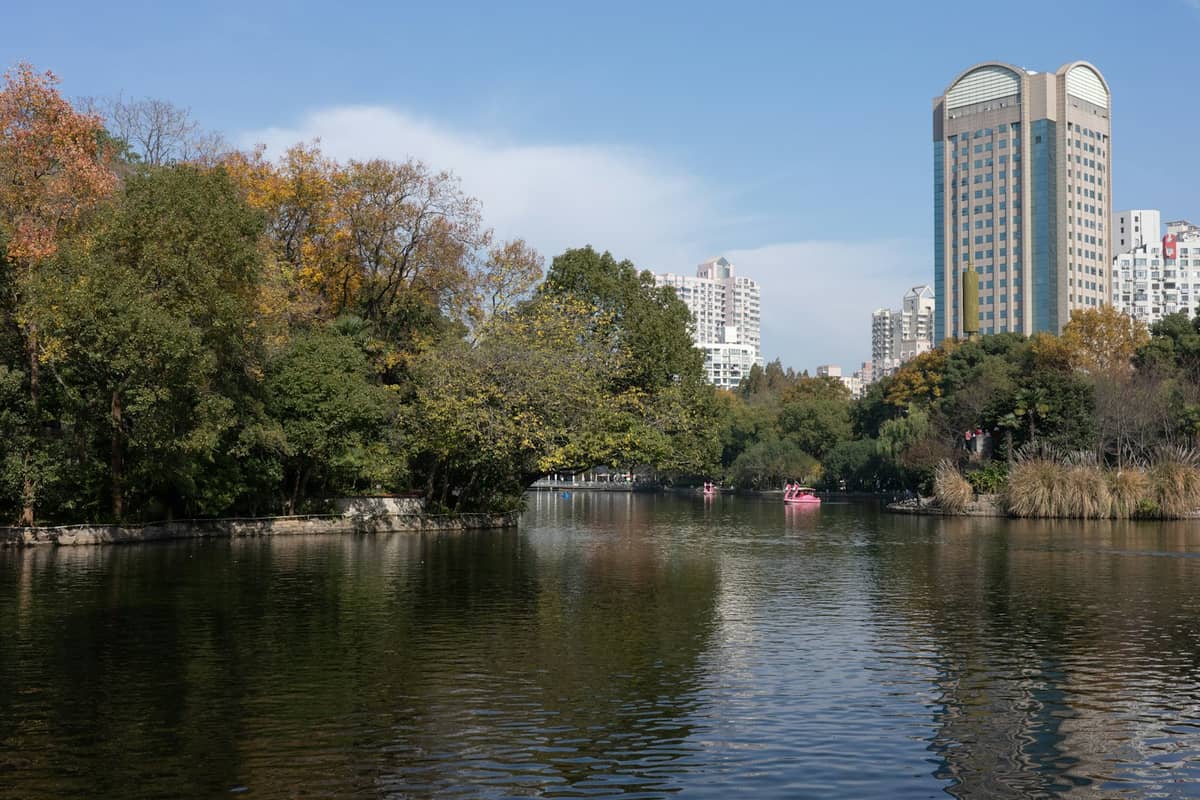
October is the month most seasoned Shanghai travellers point to as the best single month to visit. Temperatures settle into the 17–25°C range, skies are frequently clear, humidity drops sharply after summer, and the city has an energy that spring lacks — street markets, outdoor dining, and events like the autumn cultural calendar fill the calendar. Early November extends this comfort window before temperatures start falling noticeably.
The major complication is National Day Golden Week, which runs from October 1 to 7. This is one of China's busiest domestic travel periods: popular attractions like Yu Garden see enormous queues, transport links fill up weeks in advance, and hotel prices spike sharply. If your dates overlap with Golden Week, either book accommodation three to four months ahead or plan an itinerary that leans on neighbourhood walks and less-visited spots rather than major ticketed attractions. After October 7, the city settles back into a comfortable, less crowded rhythm.
September still carries some typhoon risk in the first half of the month, and temperatures remain warm (24–28°C). It's a viable option but autumn doesn't truly feel settled until early October. Late November brings a genuine chill — average highs drop to around 14°C — but the hairy crab season (September through November) makes this one of the best periods for food-focused travel, with Shanghainese restaurants at their seasonal peak.
Winter (December–February): Cold, Quiet, and Underrated for Some
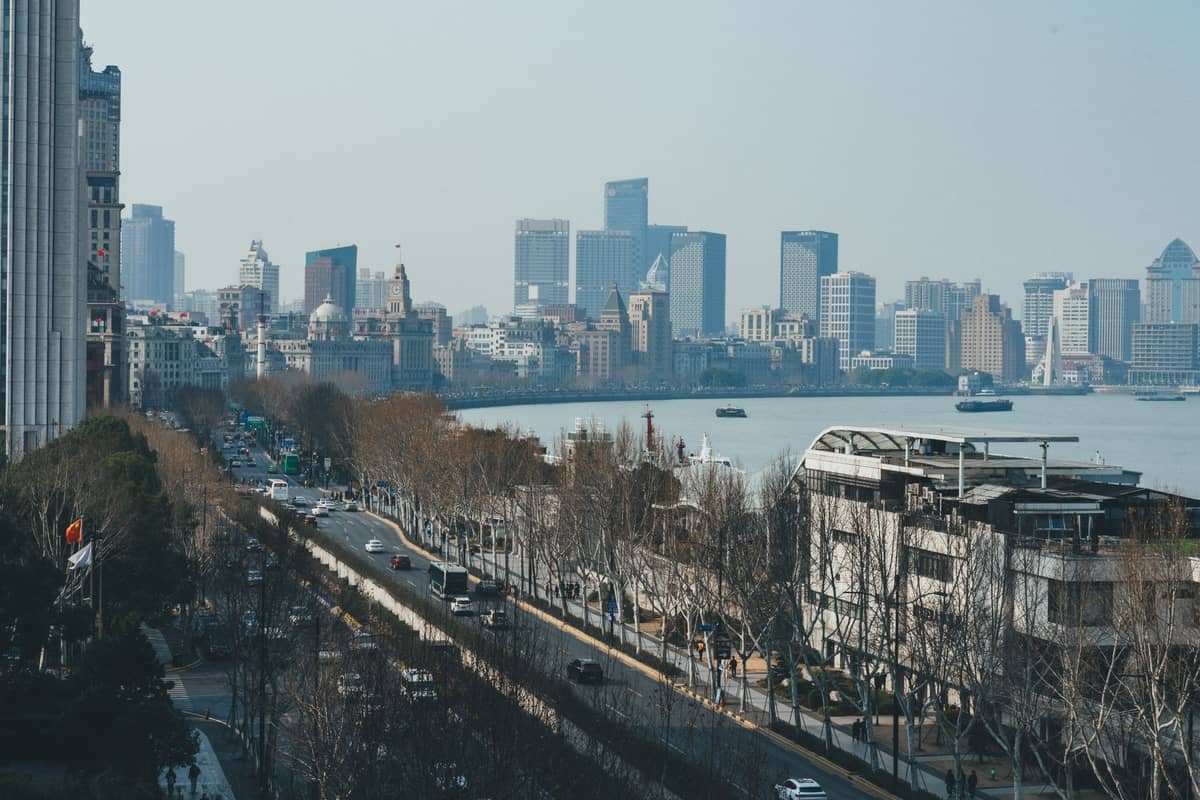
Winter is Shanghai's low season for international visitors, and it shows in hotel pricing and crowd levels. The Bund on a January weekday morning is a different experience from peak season: almost empty, with moody winter light over the Huangpu River. For travellers who prioritise atmosphere over comfort, and who don't mind layering up, winter has a particular appeal. Museum visits, dumpling restaurants, and indoor cultural spaces are far more enjoyable when you're not jostling with crowds.
The reality check: January averages around 5°C with daily highs rarely exceeding 8–10°C, and the combination of cold and humidity is penetrating. Shanghai buildings are not always well-heated by northern European or North American standards — expect to keep a layer on indoors in older buildings and budget guesthouses. Chinese New Year (date shifts annually between late January and February) creates a complex dynamic: some restaurants and shops close for several days, domestic travel surges in the days before the holiday, but the city itself quiets down as residents travel home. The Lunar New Year in Shanghai can be atmospheric if you plan around the closures.
⚠️ What to skip
Do not underestimate Shanghai winters based on latitude. The damp, windchill-amplified cold is more uncomfortable than dry cold at similar temperatures. Pack a proper winter coat, not just a light jacket, if visiting December through February.
Key Dates and Crowd Patterns to Plan Around
Beyond the seasonal weather, Shanghai's crowd patterns are driven by China's national holiday calendar. These dates affect accommodation prices, transport availability, and queue lengths at major attractions more than almost any other factor. The two biggest pinch points are Chinese New Year and National Day Golden Week, but Labour Day (early May) and the Qingming Festival (early April) also generate noticeable domestic travel spikes.
- Chinese New Year (late Jan–Feb) The single busiest travel period in China. Transport out of Shanghai fills weeks before the holiday as residents return home. The city quiets mid-holiday, then surges again. Some local restaurants and shops close for 3–7 days. Book well in advance or plan for limited dining options.
- Qingming Festival (early April) A 3-day public holiday with moderate domestic travel. Mild impact on Shanghai's visitor experience, but worth noting when pricing accommodation in early April.
- Labour Day Golden Week (May 1–5) A 5-day holiday that generates significant domestic tourism. Attractions get crowded, prices rise, but the spring weather is worth tolerating the extra bodies.
- National Day Golden Week (Oct 1–7) The second-largest travel period after Chinese New Year. Hotel prices peak, Yu Garden and the Bund see maximum crowds. Book 2–3 months ahead for October travel.
- Shanghai Marathon (November) Road closures affect parts of the city centre on race day. If you're visiting in November, check the date — it can disrupt taxi and ride-hail routes near the Bund area.
For travellers who want good weather without peak crowds, the optimal windows are mid-April to late April (after Qingming, before Labour Day) and mid-October to early November (after Golden Week, before it turns cold). These two-to-three-week windows are the closest Shanghai gets to a sweet spot on all dimensions simultaneously. Pair either with a focused 3-day Shanghai itinerary and you'll cover the city's highlights without fighting the worst of the crowds.
✨ Pro tip
If you're visiting during Golden Week or Chinese New Year and can't change dates, focus on Pudong's skyline attractions (book tickets online in advance), early-morning walks along the Bund before 8am, and neighbourhood exploration in Jing'an or the West Bund — areas that absorb crowds better than the historic core.
FAQ
What is the best month to visit Shanghai?
October is the most consistently recommended month: clear skies, temperatures between 17–25°C, low humidity, and a lively cultural calendar. The main caveat is National Day Golden Week (October 1–7), which brings peak domestic crowds and higher hotel prices. If you can visit after October 7, you get autumn's best weather with far fewer tourists. April is the closest spring equivalent.
What is the rainy season in Shanghai?
Shanghai has two distinct wet periods. The Meiyu (plum rain) season typically runs from mid-June to early July, bringing persistent heavy rainfall for days at a time. A second wet period occurs from late July through September, driven by typhoon-related weather systems moving up the coast. July is often the wettest month of the year, with June and August also very wet. Spring (March–May) and autumn (October–November) are relatively drier.
Is Shanghai worth visiting in winter?
Yes, but with realistic expectations. January and February are cold (averaging around 5°C), damp, and grey. The upside: hotel rates drop significantly, major attractions are far less crowded, and indoor experiences like the Shanghai Museum, soup dumpling restaurants, and contemporary art spaces are genuinely enjoyable. If you don't mind layering up and checking holiday closure dates around Chinese New Year, winter offers a more local, less touristic version of the city.
Should I avoid Shanghai during Chinese New Year?
Not necessarily avoid, but plan carefully. In the week before the holiday, domestic transport is extremely crowded as people travel home. During the holiday itself (roughly 7 days), some local restaurants and smaller shops close. The city quiets down noticeably, which can actually be atmospheric. Prices for remaining open hotels and restaurants can be higher. If you do visit, book everything — accommodation, restaurants, transport — well in advance and check individual venue holiday hours.
How hot does Shanghai get in summer and is it manageable?
Summer highs regularly reach 32–35°C with humidity that makes it feel significantly hotter. July and August are the most intense months. It is manageable if you build your itinerary around it: start outdoor sightseeing early (before 10am), retreat indoors during the 12–4pm heat peak, and use Shanghai's excellent metro system rather than walking between neighbourhoods. That said, if you're heat-sensitive or travelling with young children or elderly family members, spring or autumn are strongly preferable.