Shanghai at Chinese New Year: What to Expect in the City During Spring Festival
Chinese New Year transforms Shanghai into a city of red lanterns, temple fairs, and reunion dinners, but it also brings closures, surging prices, and the world's largest annual human migration. This guide covers everything visitors need to know before arriving during Spring Festival.
Plan and book this trip
Tools from our partner Travelpayouts help you compare flights and hotels. If you book through them, we may earn a commission at no extra cost to you.
Flights
Hotels map
TL;DR
- Chinese New Year (Spring Festival) is a multi-day public holiday, not a single day. The official rest period typically spans 7-8 days, and festive activity continues for roughly two weeks until the Lantern Festival.
- Expect higher hotel prices, fully booked transport, and reduced business hours. Book flights, trains, and accommodation at least 6-8 weeks in advance.
- The city is cold in late January and February, averaging 4-10°C, so pack layers. Check our best time to visit Shanghai guide for full seasonal context.
- Major temples, parks, and riverside areas host free or low-cost New Year events, making this one of the more festive and affordable times to experience local culture.
- The Lantern Festival on the 15th day of the first lunar month marks the end of Spring Festival, not the beginning. Do not leave before it if you want the full experience.
When Is Chinese New Year in Shanghai?
Chinese New Year follows the lunar calendar, so the date shifts each year by Western standards. In 2026, the New Year falls on February 17, with the official public holiday running February 15-23. In 2025, it fell on January 29. The pattern means the holiday can arrive anywhere from late January to mid-February, so always check the specific year's calendar before planning.
The official public holiday covers 7-8 days, but Spring Festival in practice stretches much longer. Many Shanghai residents begin traveling home in the week before New Year's Eve, and businesses slow down noticeably even before the formal holiday starts. On the other end, the Lantern Festival on the 15th day of the first lunar month (around 2-3 weeks after New Year's Day) marks the ceremonial close of the season. If your trip falls anywhere in this extended window, you will feel the effects.
ℹ️ Good to know
New Year's Eve (the night before New Year's Day) is the single most important evening of the entire festival. Family reunion dinners fill every restaurant in the city. Temple visits, fireworks, and red envelope exchanges concentrate on this night and the first two days that follow. Plan your itinerary around it.
What Actually Happens in the City
Shanghai during Spring Festival is genuinely two different cities layered on top of each other. The first is emptier than usual: millions of migrant workers and students leave Shanghai to return to their home provinces during what Chinese call Chunyun, the Spring Festival travel rush. The metro is quieter on New Year's Day itself. Some neighborhoods feel almost deserted compared to a normal January weekend.
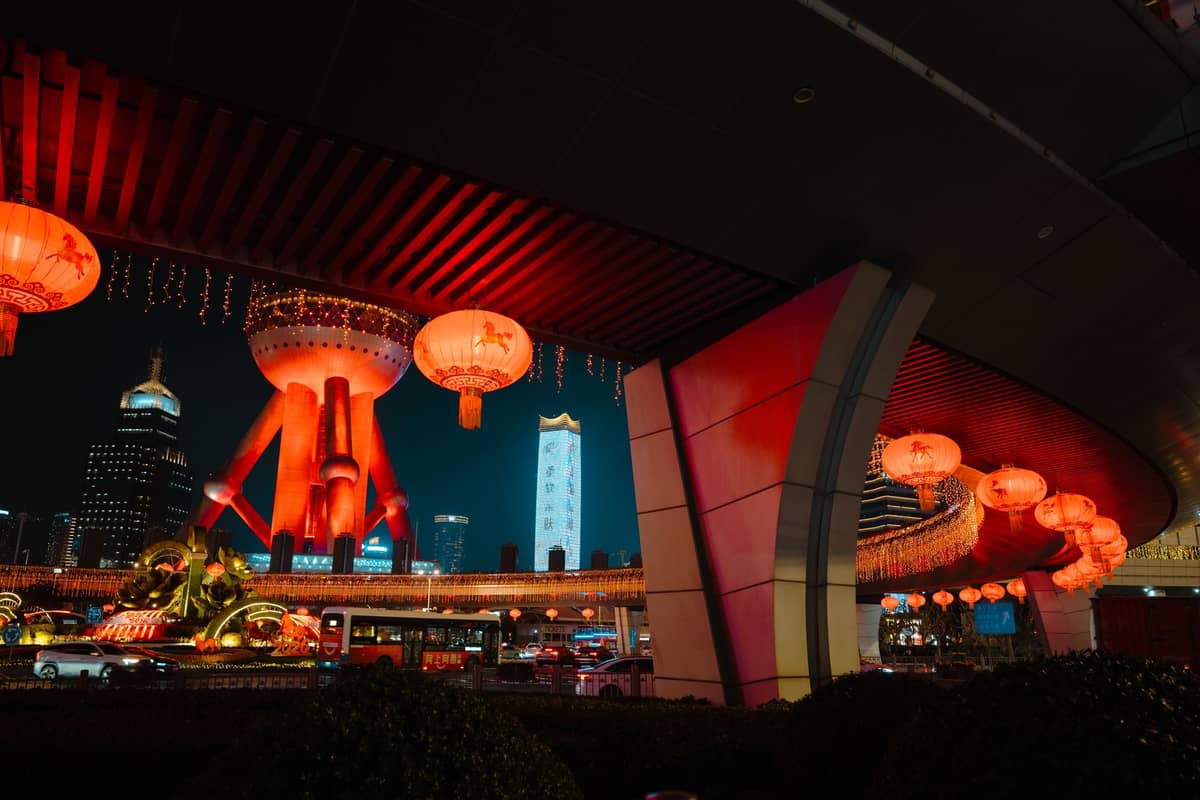
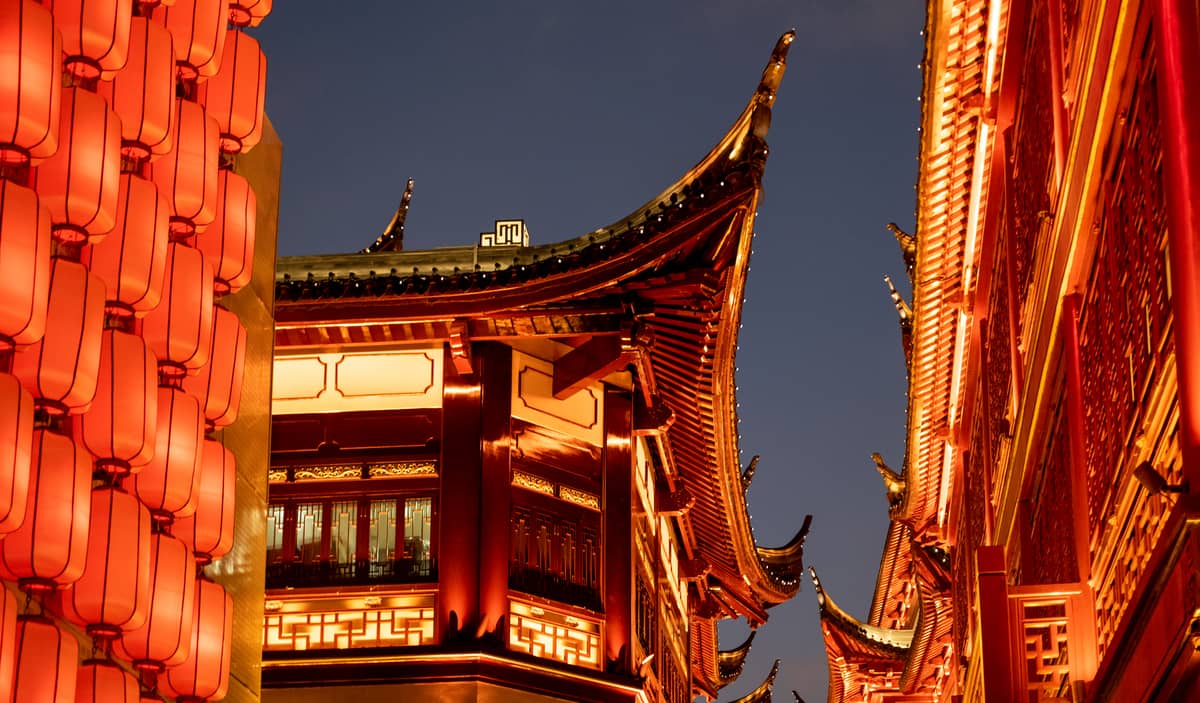
The second city is the one tourists come for. The Yuyuan Garden area in the Old Town becomes one of the most spectacular lantern displays in eastern China, drawing enormous crowds after dark. Longhua Temple, one of the oldest in Shanghai, holds a famous bell-ringing ceremony on New Year's Eve that attracts both locals and visitors. The Bund promenade is lit up, street vendors sell traditional snacks, and red decorations cover shopfronts throughout the Former French Concession and Nanjing Road.
Temple fairs (庙会, miào huì) are the defining street experience of Shanghai's New Year. The Yu Garden lantern fair is the most famous, running for roughly two weeks from New Year's Eve. The City God Temple complex nearby is packed with food stalls, folk performances, and traditional craft vendors. Arrive early in the morning on weekdays if you want to experience it without being shoulder-to-shoulder with crowds.
- Yu Garden Lantern Fair Runs from New Year's Eve for approximately two weeks. The elaborate lantern sculptures change theme each year according to the zodiac animal. Entry to the garden area itself requires a ticket, but the surrounding bazaar streets are free to walk.
- Longhua Temple Bell Ceremony On New Year's Eve, the temple rings its bell 108 times at midnight, a Buddhist tradition believed to dispel misfortune. Tickets sell out weeks in advance. The surrounding Longhua area also hosts a temple fair in the days that follow.
- The Bund and Huangpu Riverfront No fireworks are officially permitted over the river in the central districts, but the illuminated skyline and festive decorations make New Year's Eve on the Bund a compelling atmosphere. Expect thick crowds from 8pm onward.
- Lantern Festival Events On the 15th day of the first lunar month, parks across the city, including Century Park in Pudong and Fuxing Park in the French Concession, host lantern displays and cultural performances. This is often less crowded than the New Year's Eve events.
Closures, Disruptions, and What Stays Open
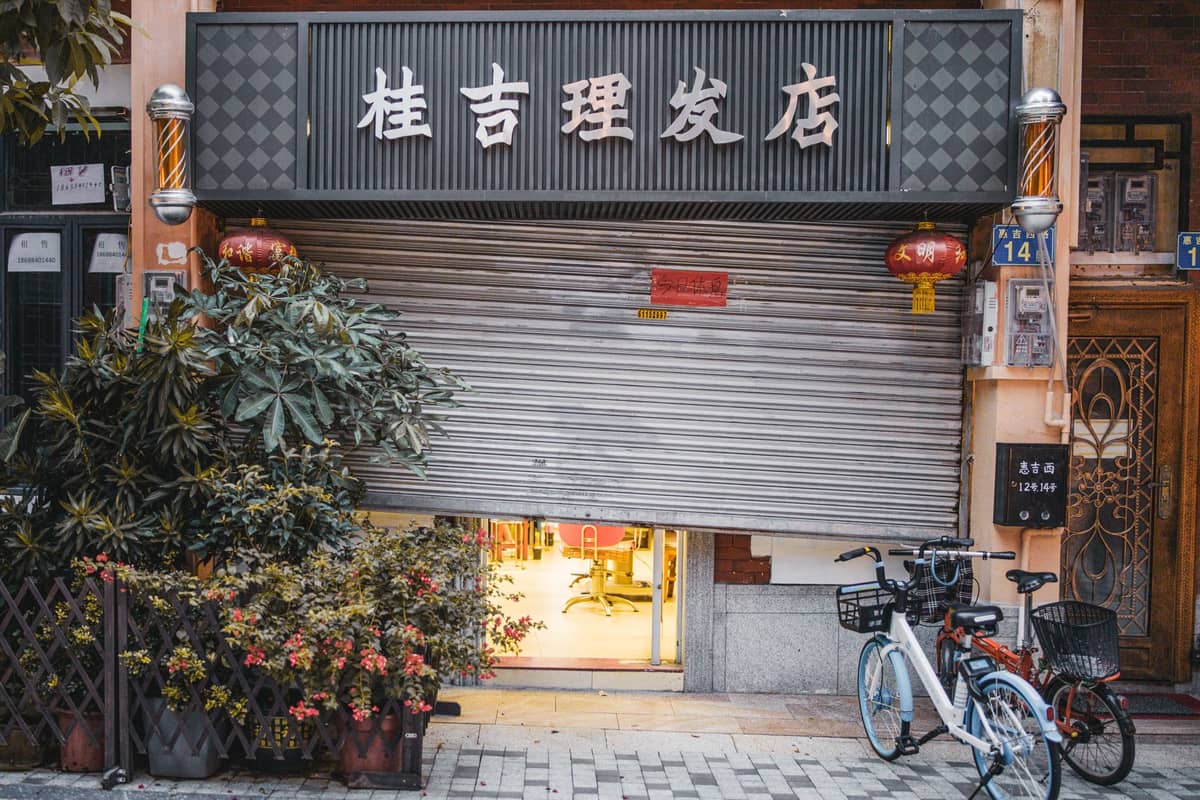
This is where many visitors are caught off guard. Government offices, banks, post offices, and most non-essential services close for the core public holiday, typically the first three to seven days. Small family-run restaurants, local markets, and neighborhood shops often close for two to four weeks as owners return to their hometowns. Do not assume that a restaurant you liked on a previous trip will be open.
Major shopping malls, chain restaurants, tourist attractions, and large supermarkets generally stay open, sometimes with reduced hours or a skeleton staff. Museums and official attractions may operate on a holiday schedule with capped visitor numbers. Many attractions require advance online ticket booking year-round, but during Spring Festival, tickets for popular sites sell out days ahead. Check each venue's official WeChat account or website for real-time information.
⚠️ What to skip
Do not rely on Google Maps or TripAdvisor listings for opening hours during Spring Festival. Many small businesses close without updating their online profiles. When in doubt, call ahead, or ask hotel staff to check in Mandarin on your behalf. Food delivery apps like Meituan can also reveal which local restaurants are actually operating.
The Shanghai Metro runs on a modified holiday timetable but does not close. Taxis and ride-hailing services through Didi remain available, though surge pricing is common on New Year's Eve and the Lantern Festival night. For transport planning throughout your stay, see the full guide to getting around Shanghai.
Booking Transport and Accommodation
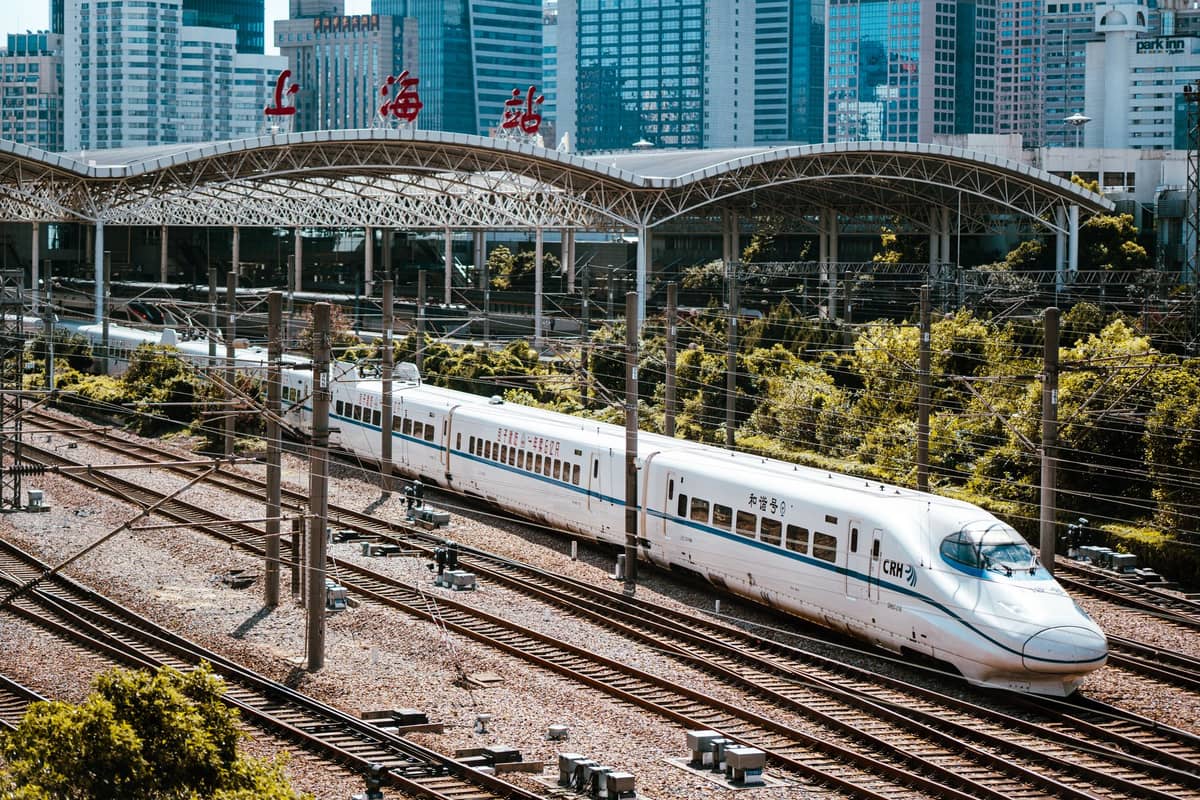
Spring Festival triggers Chunyun, the annual travel rush that sees an estimated 9.4–9.5 billion trips taken across China in a 40-day window. High-speed rail tickets from Shanghai to Beijing, Guangzhou, Chengdu, and other major cities sell out within minutes of going on sale, which happens 15 days before the travel date on the national rail booking system (12306.cn). International flights also fill up and spike in price. If you are traveling into or out of Shanghai around the holiday, six to eight weeks of lead time is a minimum, not a suggestion.
Hotels in the city center see occupancy rates climb during the holiday week. Four and five-star properties near the Bund, Xintiandi, and Jing'an often apply holiday surcharges of 20-50% above standard rates. Boutique hotels in the French Concession sell out faster than large chains. Budget travelers should look at Jing'an and Hongqiao, where supply is higher. Wherever you stay, book with free cancellation given the volatile nature of travel during this period.
✨ Pro tip
If you are flexible on dates, arriving two or three days before New Year's Eve and leaving in the week after the official holiday ends (but before the Lantern Festival) gives you the best combination of festive atmosphere, manageable crowds, and normal business hours. The very first day of the holiday is often surprisingly quiet in the city itself, since so many residents have already left.
Weather, Clothing, and Practical Conditions
Chinese New Year falls in late January or February, squarely in Shanghai's cold season. Temperatures average around 4-10°C during the day, dropping to 1-3°C at night. Shanghai's winter is damp rather than dry-cold, which makes it feel colder than the thermometer suggests. Rain is possible throughout, and foggy mornings are common. This is not beach weather, but it is entirely manageable with the right kit.
- Pack a waterproof outer layer. Rain at 4°C while standing in a temple fair queue is genuinely miserable without one.
- Thermal underlayers or a mid-layer fleece are useful for long evenings outdoors, particularly at the Yu Garden lantern fair or on the Bund.
- Comfortable walking shoes with grip matter. Streets around temple areas can be slippery when wet and crowded.
- Red clothing is not required, but wearing it is considered festive and appreciated by locals. Avoid all-white outfits, which are associated with mourning in Chinese tradition.
- Air quality in Shanghai during winter can fluctuate. Checking the AQI before outdoor events is sensible, especially for children or those with respiratory sensitivities.
For a fuller picture of Shanghai in February, including what else is happening in the city during this month, the Shanghai travel tips guide covers practical essentials that apply year-round but become especially relevant during busy holiday periods.
Food, Traditions, and What to Eat
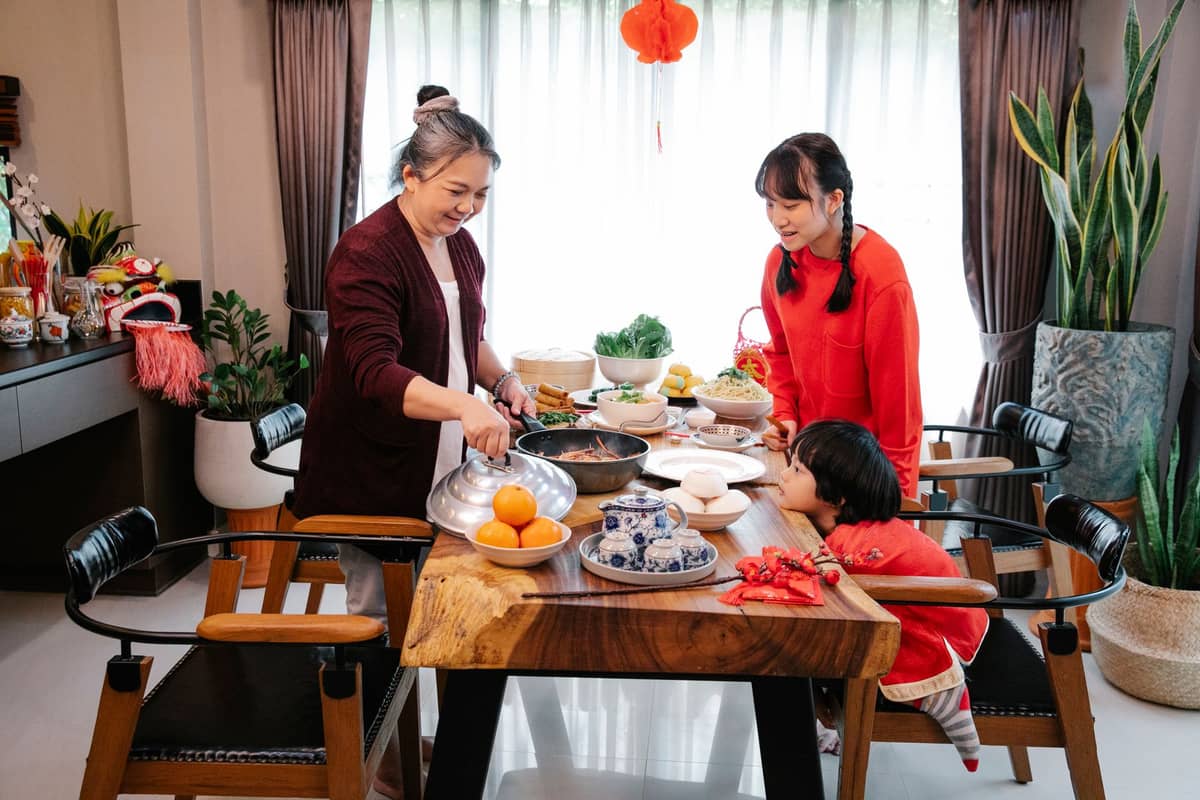
Spring Festival food in Shanghai follows specific traditions. The reunion dinner on New Year's Eve is the year's most important meal, centered around dishes with symbolic meaning: fish (年鱼, niányú) represents surplus, niangao (年糕, sticky rice cake) represents rising fortune, and tangyuan (sticky rice balls in broth) signal family unity. Most locals eat this meal at home or at a pre-booked restaurant with family. If you want to experience a proper reunion banquet, some hotels offer set menus for non-residents, typically priced at ¥300-800 per person. Book these weeks in advance.
Street food at temple fairs runs to traditional snacks: candied hawthorn (糖葫芦, tánghúlú), fried glutinous rice cakes, sesame balls, and various dumplings. For visitors who want to understand Shanghai's food culture beyond the holiday context, the what to eat in Shanghai guide and the dedicated Shanghai soup dumplings guide are solid references. Note that many of the most famous xiao long bao restaurants do close for the full holiday week, so check before making plans around a specific restaurant.
💡 Local tip
Supermarkets are one of the best places to observe Spring Festival food culture without reservation fees or crowds. Carrefour, RT-Mart, and Hema Fresh stores stock an enormous range of seasonal snacks, gift boxes, and festival foods in the two weeks before New Year's Eve. It is also a practical way to stock up if your preferred restaurants are closed.
Is Chinese New Year a Good Time to Visit Shanghai?
The honest answer depends entirely on what you want from the city. If you are visiting primarily for architecture, contemporary art, fine dining at specific restaurants, or day trips to water towns, Spring Festival is probably not the ideal window. Many of the experiences that define Shanghai at its best either close down or operate at reduced capacity.
If you want to see Chinese urban culture at its most alive and layered, Spring Festival is extraordinary. The lantern displays are genuinely spectacular. The energy around temple fairs, with three generations of families eating street food and posing for photos next to zodiac sculptures, is the kind of scene you will not find at any other time of year. Visiting Longhua Temple during the New Year period or walking the Former French Concession streets covered in red lanterns offers a version of the city that most short-stay visitors never see.
Budget travelers should also note that, counterintuitively, some costs drop during the holiday. Since millions of residents leave the city, competition for taxis and delivery services in quieter neighborhoods is lower. Entry prices for most attractions do not increase. Some restaurants that stay open run New Year specials at normal prices. The main costs that genuinely spike are transport to and from Shanghai, and accommodation in the most popular tourist neighborhoods.
FAQ
Do shops and restaurants close during Chinese New Year in Shanghai?
Many small, family-run businesses close for one to four weeks. Large shopping malls, chain restaurants, and major supermarkets generally stay open with modified hours. Tourist attractions and museums usually remain open but may require advance ticket booking. Always verify specific venues before visiting during the holiday period.
How far in advance should I book hotels and transport for Chinese New Year in Shanghai?
At least six to eight weeks before travel. High-speed rail tickets open for booking 15 days before departure and sell out within hours for popular routes. Flights fill up and spike in price from two months out. Central hotels in the Bund, Jing'an, and Xintiandi areas book out fastest, so search early.
Are there fireworks in Shanghai during Chinese New Year?
Fireworks are restricted in the central urban districts of Shanghai due to safety and pollution regulations. Some outer districts and suburban areas may permit them, and private celebrations do happen. The main visual spectacle in the city center is the lantern displays, particularly at Yu Garden, rather than public fireworks.
What is the Lantern Festival and when does it happen?
The Lantern Festival marks the end of Spring Festival and falls on the 15th day of the first lunar month, usually two to three weeks after New Year's Day. In Shanghai, parks and historic districts hold lantern displays and cultural events on this night. It is a common misconception that the Lantern Festival is the start of Chinese New Year. It is the conclusion.
Is Chinese New Year a good time for first-time visitors to Shanghai?
It depends on priorities. First-time visitors who want to cover all the major sights, eat at specific restaurants, and take day trips will find Spring Festival disruptive. Those with flexibility who want to experience Chinese cultural traditions and festive atmosphere will find it rewarding. The key is adjusting expectations and planning around closures rather than against them.