Shanghai Hairy Crab Season: When to Go, Where to Eat, and What to Pay
Shanghai's hairy crab season runs from late September to early December, with distinct peak windows for female and male crabs. This guide covers the best restaurants, realistic price ranges, authenticity warnings, and practical booking tips to make the most of one of China's most celebrated annual eating events.
Plan and book this trip
Tools from our partner Travelpayouts help you compare flights and hotels. If you book through them, we may earn a commission at no extra cost to you.
Flights
Hotels map
TL;DR
- Hairy crab season in Shanghai runs from late September to early December, with females peaking in mid to late October and males peaking in late October to November.
- Yangcheng Lake crabs are the gold standard, but not every crab labeled as such is genuine. Stick to licensed restaurants and reputable chains like Freshippo (Hema).
- Expect to pay ¥80–150 per crab at local spots, ¥150–300 at tourist-oriented venues, and ¥300–800+ per person for a full dinner at quality restaurants.
- Book weekend tables at top hairy crab restaurants weeks in advance during October and November.
- Weather and flooding can shift opening dates and reduce supply, as happened in 2025 when the Yangcheng Lake season effectively peaked in late October rather than early October. Check our guide to Shanghai in autumn for broader seasonal context.
What Are Hairy Crabs and Why Do They Matter in Shanghai
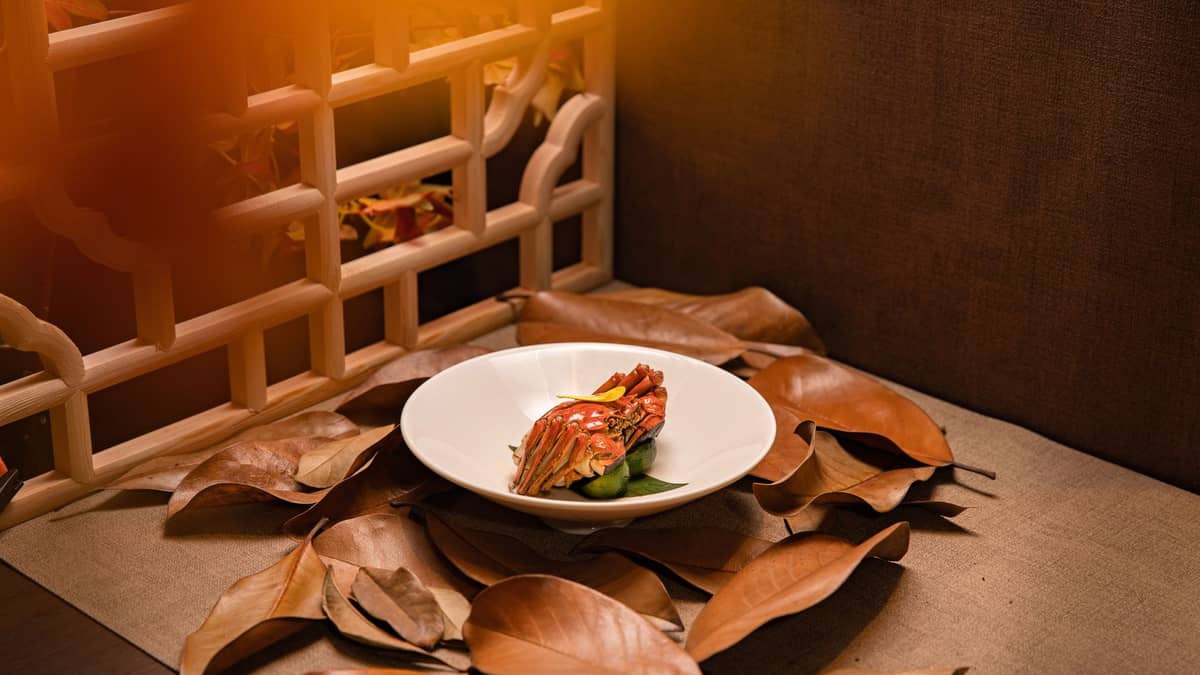
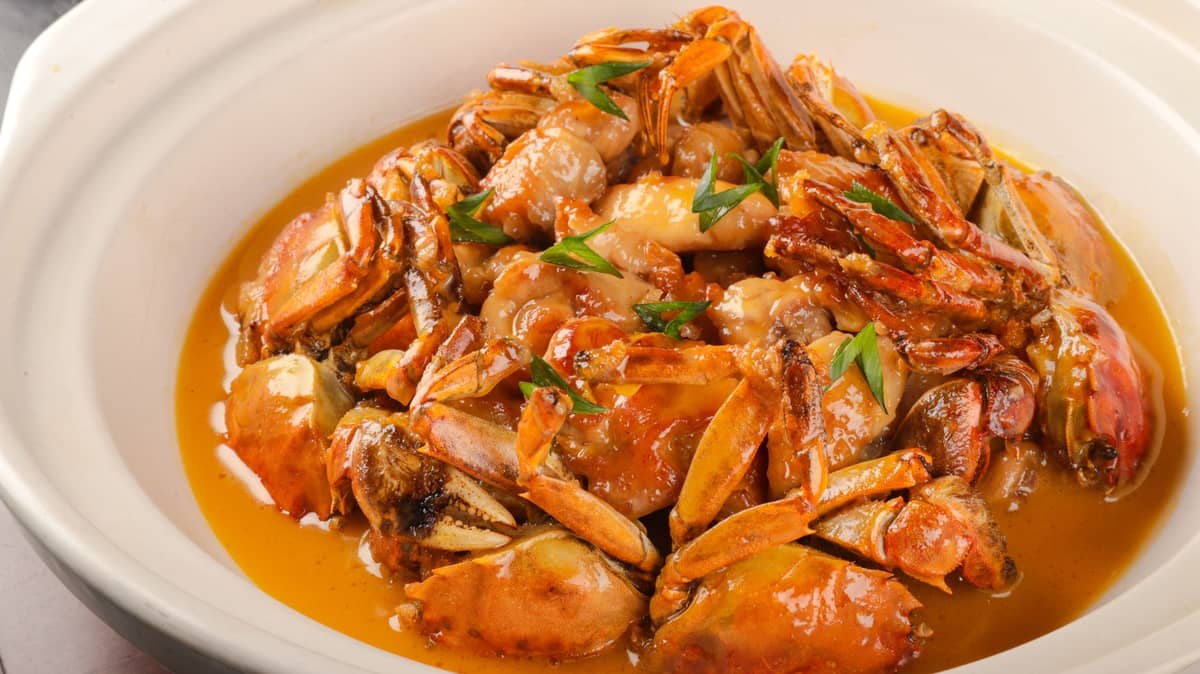
Chinese mitten crab, known locally as da zha xie (大闸蟹), is one of the most anticipated seasonal foods in the entire Chinese culinary calendar. These small freshwater crabs are prized for their intensely rich roe (in females) and creamy white fat (in males), with a flavor that has no real equivalent in Western seafood. For Shanghainese food culture, the arrival of hairy crab season is roughly equivalent to truffle season in France or Beaujolais Nouveau in Paris: a genuine annual event that shapes restaurant menus, family gatherings, and gift-giving for months.
The most prestigious origin is Yangcheng Lake (阳澄湖) in neighboring Suzhou, about 80 km from central Shanghai. Crabs from this lake carry an official certification system and are considered the benchmark for quality. But Shanghai's markets and restaurants source hairy crabs from a wide network of lakes and aquaculture farms across Jiangsu, Zhejiang, and beyond. Understanding this distinction matters: you can eat excellent hairy crabs in Shanghai without paying a premium for Yangcheng Lake certification, but you should know what you are getting. For a broader look at what to eat during your trip, see our complete Shanghai food guide.
When Is Hairy Crab Season in Shanghai: A Month-by-Month Breakdown
The official Yangcheng Lake opening is announced each September by the Suzhou Yangcheng Lake Hairy Crab Association. Recent opening dates fell on 27 September 2024 and 26 September 2025. These dates mark when certified Yangcheng Lake crabs can legally enter the market, but the practical window for eating well in Shanghai extends well beyond that initial announcement.
- Late September (opening weeks) The season officially begins, but crabs are still maturing. Early stock can be undersized or less rich. Enthusiasm runs high and prices are often at their peak. Good for the experience, not necessarily the best eating.
- October (peak for females) Female crabs reach their fullest roe in October. This is when serious crab lovers prioritize females. Demand is highest, restaurant bookings are hardest to secure, and prices reflect that. The ideal window is roughly mid to late October in a normal year.
- Late October to November (peak for males) Male crabs hit their prime when the white fat (膏) fills out fully. Many experienced eaters argue that November males from a good lake are the finest thing the season produces. Crowds thin slightly compared to October, and prices at some venues begin to ease.
- December (tail end) Supply drops sharply and quality becomes inconsistent. Some restaurants pull hairy crab from the menu entirely by mid-December. A few specialist spots hold on through early December with the last of the season's males.
⚠️ What to skip
In 2025, weather disruptions in the Yangcheng Lake area pushed the practical maturity of crabs into late October. Weather-related disruptions are not rare. Before planning a trip specifically around hairy crab season, check current season reports from the official Suzhou Yangcheng Lake Hairy Crab Association, as opening dates and quality windows can shift by several weeks.
Where to Eat Hairy Crab in Shanghai: From Michelin to Market Price
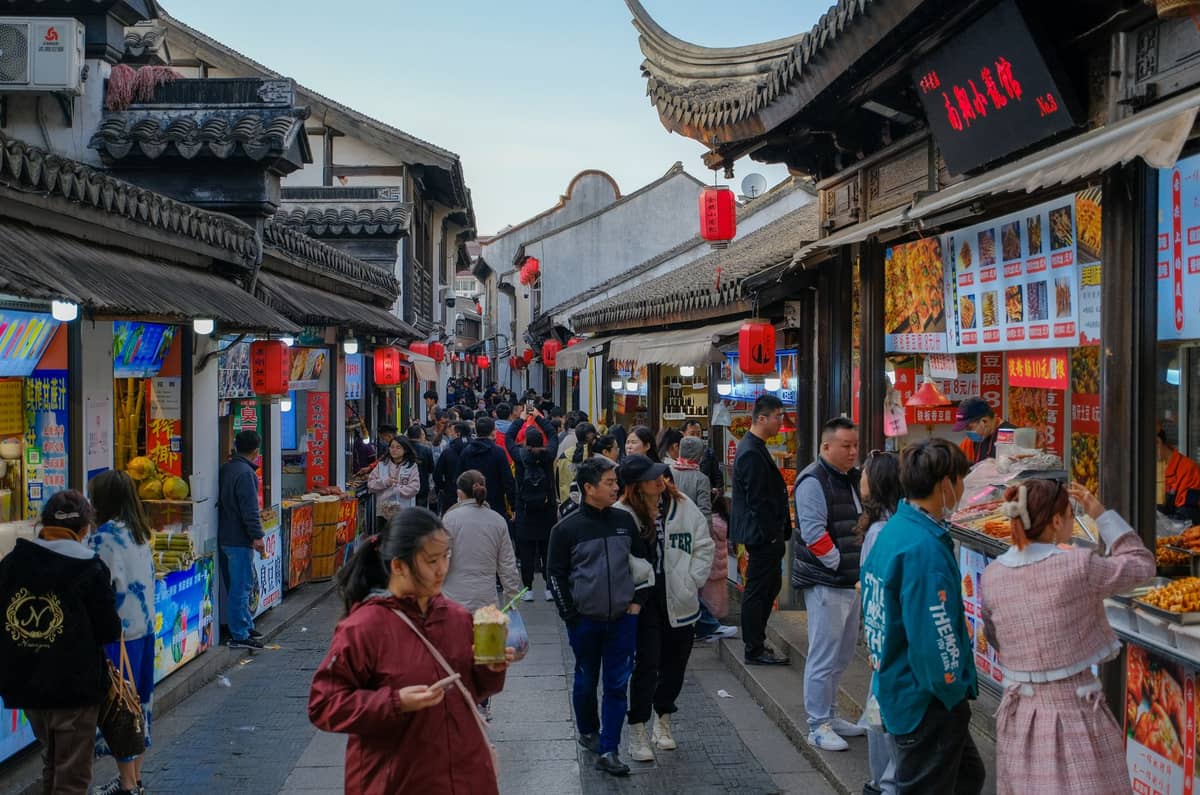
Shanghai has no shortage of places serving hairy crab during the season, ranging from white-tablecloth specialists to supermarket prepared food counters. The list below focuses on options that combine quality, reputation, and practical accessibility for visitors.
- Wang Baohe (王宝和) – Huangpu District One of Shanghai's oldest Shanghainese restaurants and probably the most famous address for hairy crab in the city. Steamed hairy crab is the centerpiece of the autumn menu, priced at roughly ¥120–260 per pair depending on size and origin. Open approximately 11:00–14:00 and 17:00–21:00 daily during the season, with crab available from roughly October through December. Reservations are strongly recommended, especially on weekends in October.
- Cheng Long Hang (成隆行) – Huangpu District A Michelin-recognized crab specialist located at 216 Jiujiang Road, Huangpu (phone: +86 21 6321 2010). The menu is built around hairy crab in multiple preparations, not just steamed, which sets it apart from more traditional venues. Season runs approximately October through December. Book well ahead.
- Freshippo (Hema / 盒马) – citywide Alibaba's supermarket chain is one of the most reliable sources for buying live hairy crabs to prepare yourself or to eat at the in-store dining counter. Crabs are clearly labeled by origin and weight, prices are transparent, and turnover is high. Particularly good for solo travelers or those who want to understand the product without committing to a restaurant dinner.
- Licensed neighborhood crab restaurants Look for restaurants displaying the official Yangcheng Lake certification hologram on their crabs if that origin matters to you. Many solid local spots in the Former French Concession and Jing'an serve quality crabs from other reputable lakes at more accessible prices. Ask the staff directly about origin rather than assuming.
⚠️ What to skip
Avoid unlicensed roadside hairy crab stalls, particularly those claiming Yangcheng Lake origin at suspiciously low prices. Counterfeit labeling is a documented problem: crabs from cheaper lakes are sold with fake certification tags. The plastic ring tag from the official Yangcheng Lake authority is the main authenticity marker, but even these can be counterfeited by sophisticated vendors. When in doubt, buy from established restaurants or major supermarket chains.
What You Will Actually Pay: A Realistic Price Guide
Hairy crab pricing in Shanghai spans an unusually wide range depending on origin, size, venue, and timing within the season. Here is what the numbers look like in practice.
- Single crab at a local neighborhood restaurant ¥80–150 per crab for a mid-size specimen from a reputable non-Yangcheng Lake source. Honest pricing for solid quality.
- Single Yangcheng Lake certified crab A genuine mid-size female (around 175g) trades at approximately ¥100–180 per crab at reputable outlets. Males in prime November condition can run higher.
- Tourist-area and upscale restaurant pricing ¥150–300 per crab is common in venues catering to visitors or in premium dining rooms. Some Michelin-level spots price crabs individually by weight at market rate, which can push well above this range.
- Full hairy crab dinner (per person) At quality restaurants with multiple crab dishes, seasonal sides, Shaoxing rice wine, and service, expect ¥300–800+ per person. Budget-end options in local spots can come in around ¥200–300 per person if you order carefully.
- Gift boxes (for taking home or sending) Live crab gift boxes are a major part of the season's economy. A box of four to six certified Yangcheng Lake crabs typically costs ¥200–600 depending on size and certification tier. These are sold extensively at supermarkets, online, and at dedicated crab shops.
💡 Local tip
Pair hairy crab with warm Shaoxing rice wine (绍兴黄酒) rather than beer or white spirits. This is the traditional combination, and most serious crab restaurants stock multiple grades. The wine's warmth is said to balance the crab's cold nature in traditional Chinese dietary thinking, and practically speaking, it genuinely complements the richness of the roe and fat in a way that lighter drinks do not.
How to Eat Hairy Crab Properly
Hairy crab is eaten slowly and deliberately. A full crab, particularly a roe-laden female, can take 20 to 30 minutes to eat correctly. Most restaurants provide a small toolkit: scissors, a tiny mallet, a pick, and sometimes a brush. The process involves removing the apron (the flap on the underside), lifting the shell to access the roe or fat, and then working through the body and claws methodically. Rushing destroys the experience.
Female crabs are traditionally eaten first in the season because the roe (orange-red and intensely rich) is the prize. Male crabs have a different kind of reward: the white creamy fat that fills the body cavity at peak season. Ordering one of each and comparing them side by side is a reasonable approach if you want to understand what the fuss is about. Most restaurants are happy to walk first-time diners through the process if you ask.
Hairy crab is traditionally considered a cold-natured food in Chinese dietary culture, which is why ginger tea, warm Shaoxing wine, and vinegar dipping sauce with shredded ginger are standard accompaniments. The vinegar cuts the richness and the ginger provides warmth. If you have a sensitive stomach, eating large quantities of crab at a single sitting is genuinely inadvisable regardless of your views on traditional food theory. This is worth knowing before ordering four crabs for yourself. For the full picture of autumn eating in Shanghai, check our guide to Shanghai food and the Shanghai food street guide for complementary seasonal options.
Practical Tips for Planning Around Crab Season
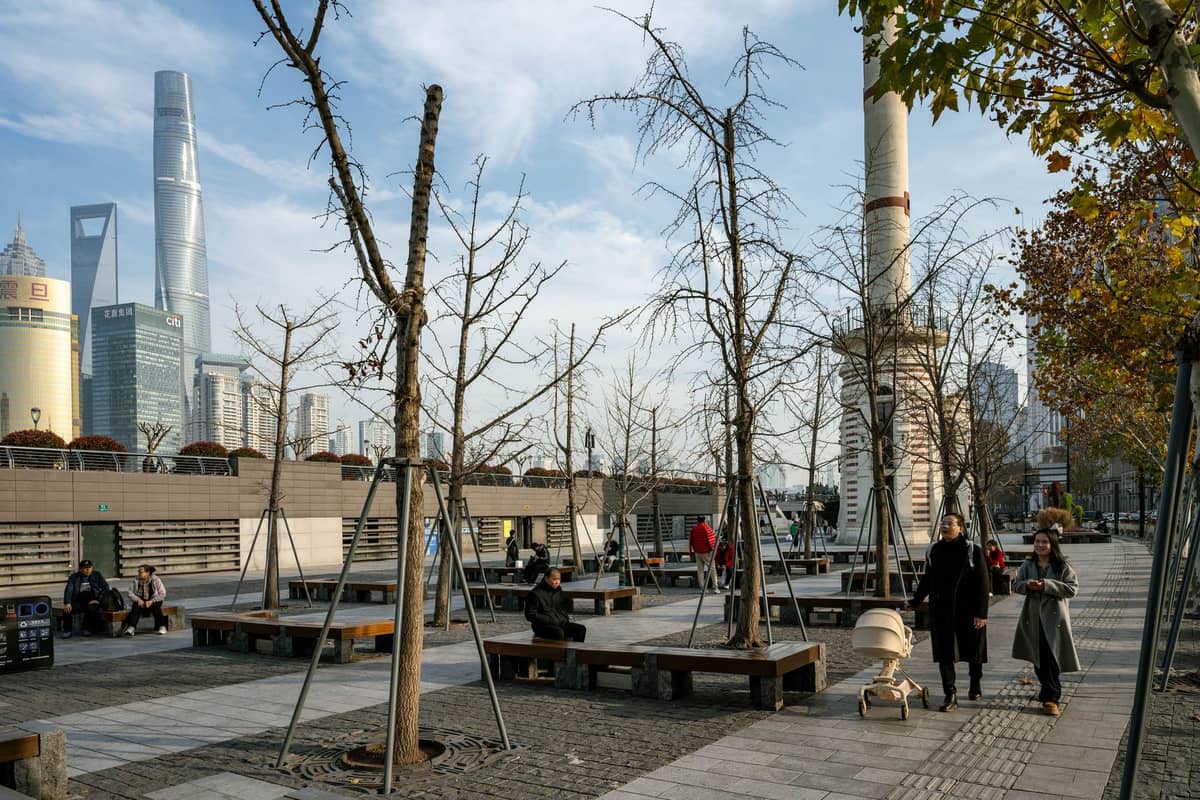
Hairy crab season overlaps with Shanghai's most pleasant weather window. October and November bring mild temperatures, lower humidity compared to summer, and generally clear skies. This makes the season genuinely good timing for a broader visit, not just eating. See our best time to visit Shanghai guide for a full seasonal comparison, and our Shanghai in autumn guide for what else is worth doing during this period.
- Book restaurant tables for October and early November weekends at least two to three weeks in advance at popular spots. Weekday lunches are significantly easier to secure.
- If you want to visit Yangcheng Lake itself and eat crabs at source, the lake area near Kunshan and Suzhou is reachable as a day trip from Shanghai. The experience of eating at a lakeside restaurant watching the crab boats is worth it for food enthusiasts.
- Check whether your hotel concierge has relationships with crab restaurants. Many luxury hotels in Shanghai negotiate seasonal allocations and can secure tables that are nominally fully booked.
- If hairy crab is the primary reason for your trip, build in flexibility around the first and last weeks of the season, which are the most susceptible to quality inconsistency and supply disruption.
- Supermarkets and wet markets sell live crabs for self-preparation. If you have access to a kitchen, buying from Freshippo or a trusted wet market and cooking them yourself (steaming for 15–20 minutes) is both authentic and economical.
✨ Pro tip
The best value window for hairy crab in Shanghai is usually the second and third weeks of November. The tourist rush of early October has subsided, male crabs are at or near their peak fat content, and some restaurants begin offering slight price reductions to sustain demand. You get better crabs, better tables, and marginally lower prices than at the season's opening.
Shanghai's autumn food season extends well beyond hairy crab. Seasonal hairy crab menus often include dishes built around crab roe: crab roe tofu, crab roe noodles, crab roe soup dumplings. For the latter, Shanghai's xiao long bao scene during crab season is worth its own attention. See our Shanghai soup dumplings guide for where to find the best crab roe xiaolongbao during the season.
FAQ
When exactly is hairy crab season in Shanghai?
The season runs from late September to early December. Yangcheng Lake officially opens in late September (recent dates: 27 September 2024 and 26 September 2025). Female crabs peak in October when roe is fullest. Male crabs peak in late October through November when their white fat is richest. The final weeks of November and early December see declining supply and variable quality. Weather can shift these windows, and in 2025 the main harvest did not reach large-volume market availability until after mid-October.
How do I know if a hairy crab is genuinely from Yangcheng Lake?
Certified Yangcheng Lake crabs carry an official plastic ring tag issued by the Suzhou Yangcheng Lake Hairy Crab Association. However, counterfeit tags exist. The most reliable approach is to buy from established licensed restaurants or reputable supermarket chains like Freshippo (Hema), which have reputational and legal incentives to maintain accurate labeling. Be skeptical of very cheap crabs claimed to be Yangcheng Lake origin at informal market stalls.
How much should I budget for a hairy crab dinner in Shanghai?
At a good local restaurant, budget ¥200–400 per person for a meal centered on one or two crabs with side dishes and Shaoxing wine. At Michelin-level or tourist-facing venues, ¥500–800+ per person is realistic. Individual crabs cost ¥80–150 at neighborhood spots and ¥150–300 at higher-end venues. A single certified Yangcheng Lake female crab of good size typically costs ¥100–180 at reputable outlets.
Should I eat female or male hairy crabs?
Both, ideally, at different points in the season. Females are best in October when their roe (bright orange-red, intensely rich) is at its fullest. Males are better in late October through November when their white creamy fat fills the body cavity. If you can only eat crabs once, match your visit timing to the appropriate sex. Many restaurants offer combination orders of one female and one male, which is a sensible way to compare both.
Can I buy hairy crabs to cook myself in Shanghai?
Yes. Freshippo (Hema) supermarkets across Shanghai sell live hairy crabs with clear origin labeling and consistent quality. Wet markets also sell live crabs during the season. Steaming is the correct method: around 15–20 minutes depending on size. Serve with black vinegar and shredded ginger. This is a practical and affordable option if you have access to a kitchen.