Shanghai in Autumn: What to Expect in September, October & November
Autumn is widely considered the best season to visit Shanghai, but the three months play out very differently. This guide breaks down weather, crowds, seasonal food, key events, and practical logistics for September, October, and November so you can plan the right trip at the right time.
Plan and book this trip
Tools from our partner Travelpayouts help you compare flights and hotels. If you book through them, we may earn a commission at no extra cost to you.
Flights
Hotels map
TL;DR
- October is the standout month: lower humidity, October is the standout month: lower humidity, stable temperatures around the low-to-mid 20s, and manageable crowds compared to Golden Week (October 1–7), which you should avoid or plan carefully around., and manageable crowds compared to Golden Week (October 1–7), which you should avoid or plan carefully around.
- September still feels like summer — expect highs above 30°C, humidity, and a real chance of typhoon disruption, especially in the first half of the month.
- November brings the best sightseeing conditions and Shanghai's famous ginkgo season; pair it with hairy crab season for a genuinely local autumn experience.
- The Huangpu River cruise runs peak-season pricing (¥120 day / ¥150 night per person) through November 25, making autumn a good window for that activity.
- For a broader seasonal comparison before you commit to dates, see the best time to visit Shanghai guide.
Month-by-Month Weather Breakdown
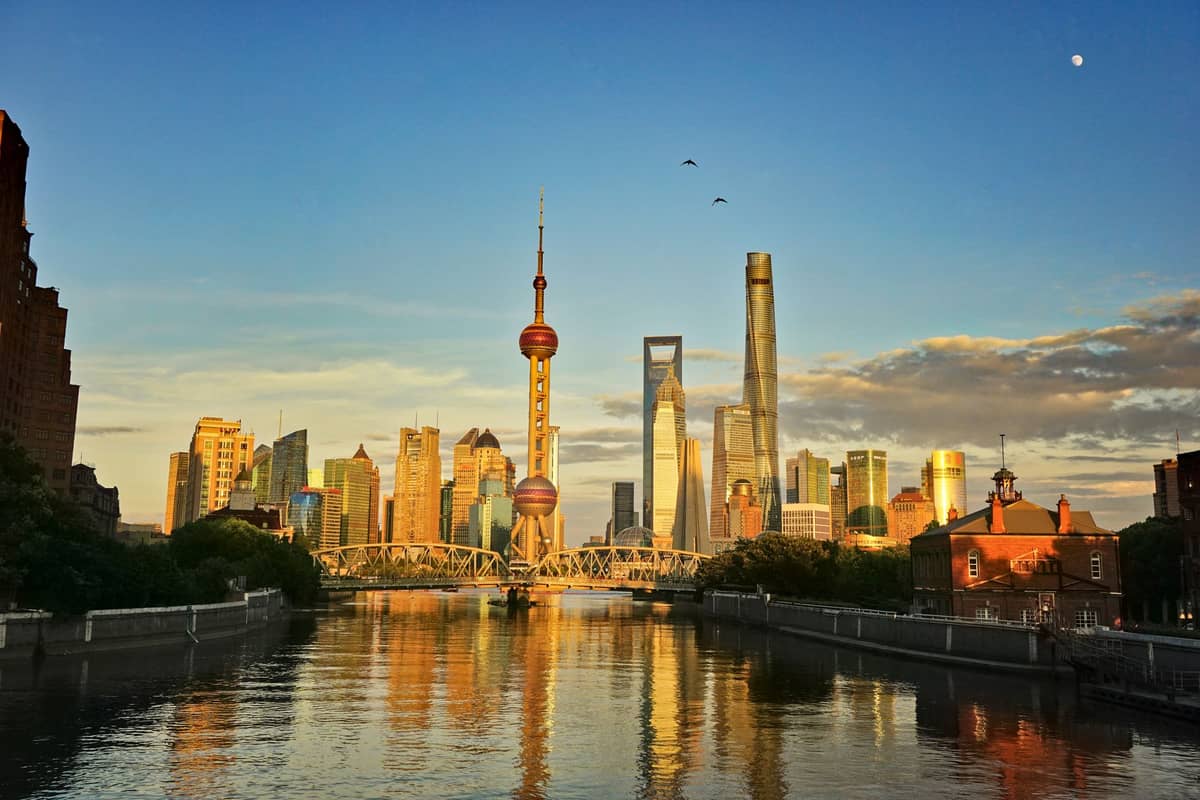
Shanghai sits at around 31°N on the eastern coast of China, in a humid subtropical climate zone. Autumn — typically September through November — does not arrive all at once. The temperature swings between early September and late November can be dramatic, so treating 'autumn' as a single planning unit is a mistake.
- September Daily highs still regularly reach 30–33°C in the first half of the month. Humidity stays high, and the typhoon season is not over — tropical systems tracking up the coast can bring sudden heavy rain and strong winds, particularly before mid-September. By late September, temperatures begin to ease toward the mid-20s. Pack as you would for summer, with a light layer for evenings.
- October The most comfortable month for walking and outdoor sightseeing. Daily means sit around 18–22°C, humidity drops noticeably, and rainfall is lower than summer months. The first week is Golden Week (National Holiday), meaning domestic tourist volumes spike dramatically — attractions, hotels, and transport are under significant pressure. After October 7, crowds thin and conditions are excellent.
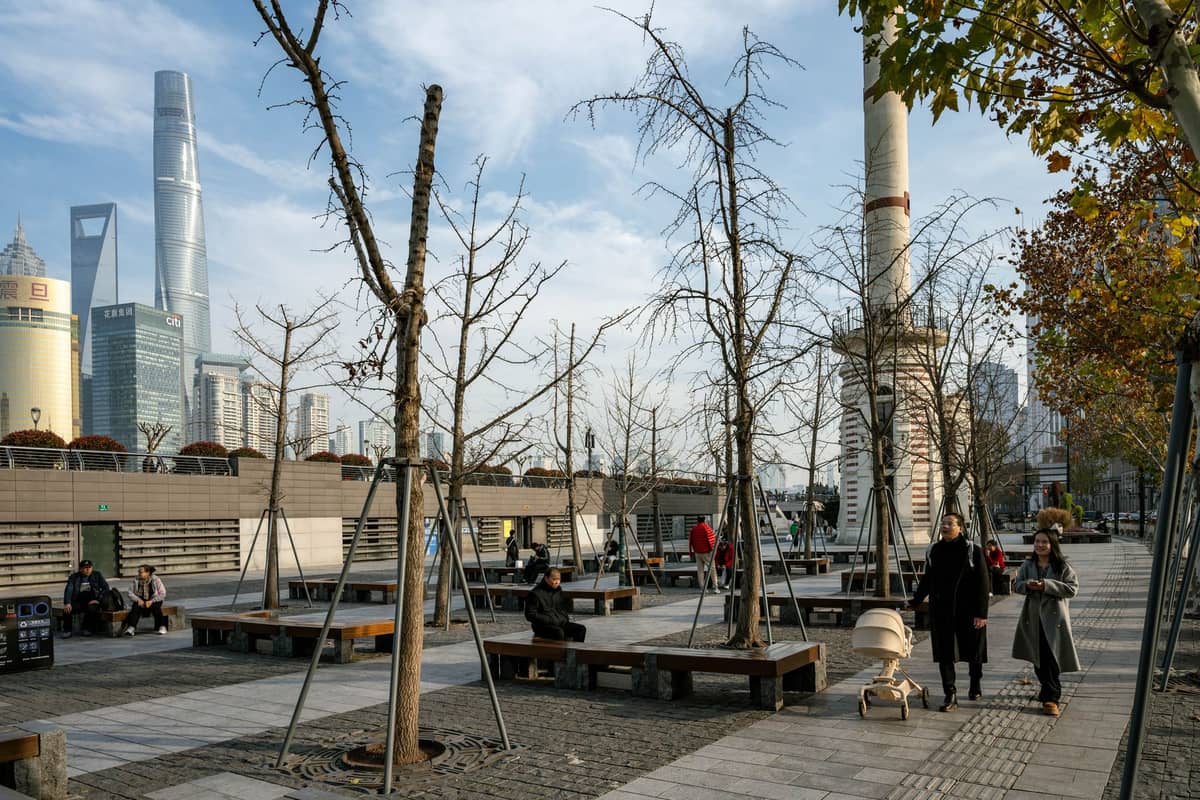
- November Temperatures cool steadily from around 18°C at the start to roughly 10–13°C by late November. Rain is less frequent than summer, and the air is often clearer, improving visibility for skyline views. Late November marks the peak of ginkgo season, when Pudong Avenue, Huashan Road, and parks across the city turn yellow. Pack a proper jacket — a light cardigan is not enough after mid-month.
⚠️ What to skip
Do not assume September means autumn weather. The first two weeks of September are meteorologically closer to summer. Typhoon alerts can cause travel disruption at short notice. Check the China Meteorological Administration forecast (cma.gov.cn) before any day trips or outdoor plans.
Crowds, Costs, and Golden Week
Shanghai receives visitors year-round, but autumn creates sharp contrasts in crowd levels depending on the week you visit. Understanding the Chinese public holiday calendar is essential for planning.
Golden Week (National Day Holiday, October 1–7) is one of the two largest domestic travel periods in China. Shanghai draws enormous numbers of domestic tourists during this week. Hotel prices rise significantly, popular attractions like Yu Garden, the Bund promenade, and Nanjing Road see long queues, and intercity trains sell out quickly. If your dates overlap with Golden Week, either book everything at least six to eight weeks ahead, or adjust your itinerary to favor less-visited neighborhoods and experiences.
The Mid-Autumn Festival (the date shifts annually based on the lunar calendar, typically falling in September or early October) is a public holiday but involves less travel disruption than Golden Week — most people celebrate locally. It is, however, worth timing a visit to Yu Garden or the Bund for the festive lantern displays and mooncake season atmosphere.
- Book hotels for Golden Week at least 6–8 weeks in advance; prices can be significantly higher than shoulder-week rates.
- Mid-October through mid-November is the sweet spot: cooler weather, post-holiday calm, and no major domestic travel surges.
- Shanghai Tourism Festival typically runs through September into October — check the official Shanghai tourism calendar for events, outdoor performances, and city-wide promotions.
- Late November crowds at ginkgo spots (especially Pudong Avenue) build on weekends; go on a Tuesday or Wednesday morning for photos without crowds.
What to Do in Autumn: Seasonal Highlights
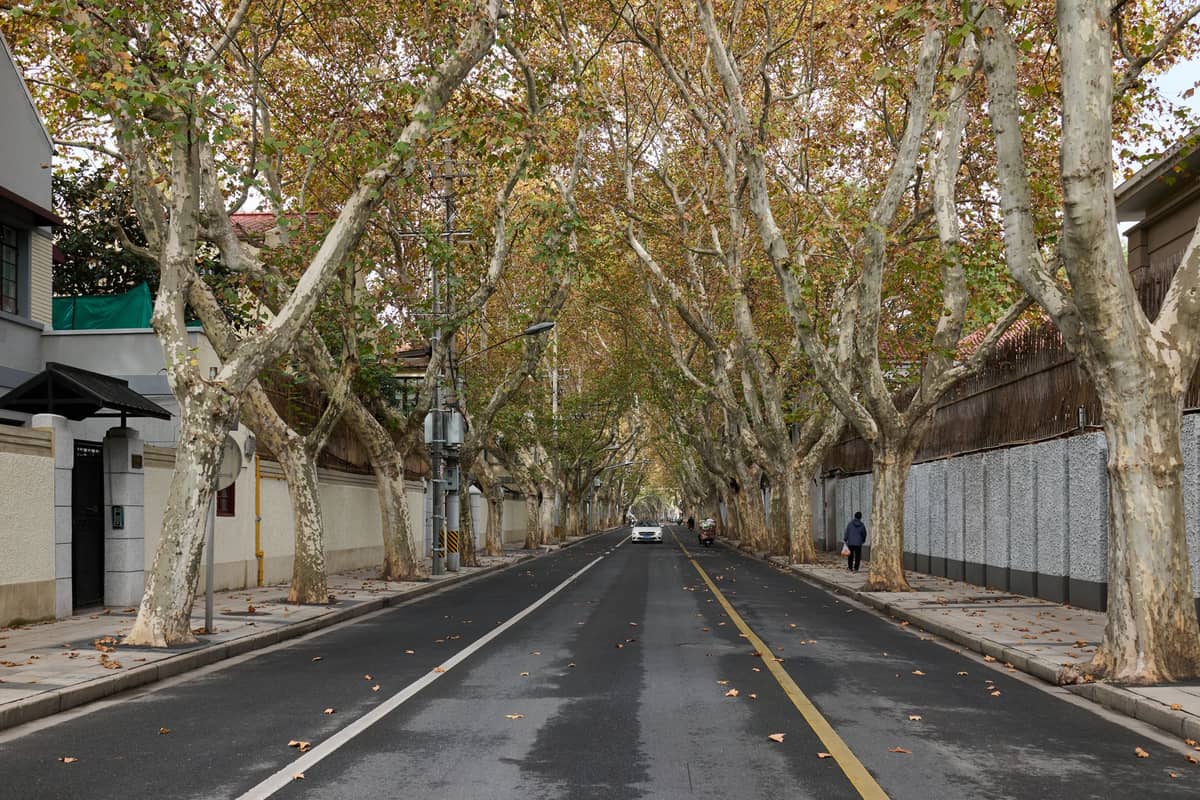
Autumn gives you some of Shanghai's best outdoor conditions, which matters in a city where walking between neighborhoods is one of the genuine pleasures. The Former French Concession's plane tree canopy starts turning in October; by early November the combination of filtered light and golden leaves makes it one of the better urban walking experiences in Asia.
For outdoor walking routes that make the most of autumn foliage and architecture, the best self-guided walks in Shanghai guide covers the key routes through the Former French Concession and along Wukang Road, which peak visually in late October and early November.
The Huangpu River cruise operates peak-season pricing through November 25, with day voyages at ¥120 per person and evening cruises at ¥150 per person. Autumn evenings on the river, with the Pudong skyline lit up and the air finally clear and cool, are considerably more comfortable than the humid summer equivalent. Book in advance for weekend evening slots.
Museum season also benefits from the cooler months. Shanghai's major institutions — including the renovated Shanghai Museum and the Power Station of Art — run major autumn exhibitions. Late October and November are good months to prioritize indoor-outdoor combinations: a morning at a museum, an afternoon walk, and a riverside evening.
✨ Pro tip
For ginkgo viewing, the best-known streets are Pudong Avenue (Pudong New Area) and the stretch of Huashan Road near Xujiahui. Peak color typically falls in November, though the exact timing shifts by one to two weeks depending on the year's temperatures. Follow Shanghai's official city accounts or local apps for real-time updates on peak color days.
Autumn Food: Hairy Crab Season and What Else to Eat
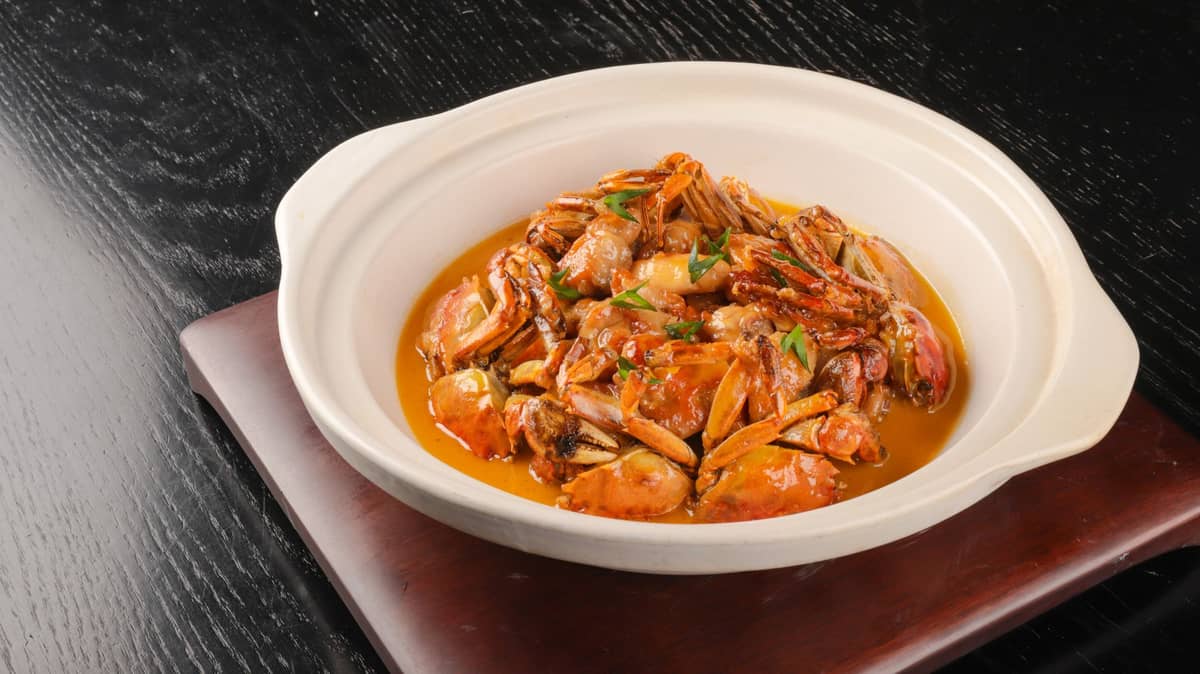
If there is one food experience that defines Shanghai autumn, it is hairy crab. Yangcheng Lake hairy crabs (Mitten crabs) are in season from roughly September through November, with October and November considered the prime months. Restaurants across the city, from high-end Shanghainese dining rooms to neighborhood specialty spots, build seasonal menus around them.
Pricing varies significantly by crab size and restaurant tier. Budget at least ¥100–200 per crab at a mid-range restaurant for genuinely good quality; tourist-facing spots near major attractions sometimes charge more for lower quality. The Shanghai hairy crab guide covers where to eat, how to verify authenticity (look for the lake authority tag on each crab's leg), and how to order if you don't read Chinese.
Beyond hairy crab, autumn is a good season for Shanghai's broader food scene. Cooler evenings make outdoor eating more appealing, and the city's soup dumplings (xiaolongbao) taste even better when the temperature drops. Street food markets in areas like Old Town and around Yuyuan Bazaar are more comfortable to browse in October than in the summer heat.
ℹ️ Good to know
Tipping is not customary in mainland Chinese restaurants, including upscale ones. Service charges may be included at international hotel restaurants, but at local Shanghainese spots, simply pay the bill. This applies year-round, including during busy autumn festivals.
What to Pack for Shanghai in Autumn
Packing for September through November requires more range than most other seasons. The month spread is wide enough that what works in late September will not work in late November.
- September: Light summer clothing plus one or two layers for evenings. A compact umbrella or light rain jacket is essential — typhoon-related rain can be sudden and heavy.
- October (early): Transitional layers — short sleeves during the day, a light jacket for mornings and evenings. Comfortable walking shoes are more important than ever as this is prime sightseeing weather.
- October (late) and November: A proper mid-weight jacket, long trousers, and a scarf. By late November you will want a warm coat for evenings, especially near the river where wind chill is real.
- All months: Comfortable, flat-soled walking shoes. The old stone streets of Tianzifang and Yu Garden are unforgiving on thin soles.
- Sun protection: October sun in Shanghai is still strong enough to burn. Sunscreen and sunglasses are not just for summer.
- Voltage adapter: Standard supply is 220V / 50Hz. Sockets include Type A, Type I, and Type C — many hotels provide multi-standard outlets, but a universal adapter is good insurance.
Practical Logistics for Autumn Travel
Shanghai is a well-connected city with reliable public transport, but a few logistics points are worth addressing specifically for autumn travel.
Most visitors arrive at Pudong International Airport (PVG), around 30–40 km east of central Shanghai. Metro Line 2 connects the airport to Lujiazui, People's Square, and Jing'an Temple in about 60–75 minutes for around ¥7–10. The Maglev train covers the airport to Longyang Road in 7–8 minutes (¥50, or ¥40 with a same-day boarding pass), where you transfer to Metro Line 2 for the rest of the journey. Taxis from PVG to central areas typically cost ¥150–250 depending on traffic and time of day, plus highway tolls. For full transport options, see the getting around Shanghai guide.
During Golden Week, metro lines serving tourist areas (particularly Line 2 through Lujiazui and Line 10 toward the French Concession) get extremely crowded during peak hours. Traveling before 9am or after 9pm helps significantly. Didi Chuxing (China's dominant ride-hailing app) requires a China-compatible mobile number and a Chinese payment method — set this up before you arrive, not at the airport.
Visa rules for China change periodically and must be verified before travel. China operates 24-hour, 72-hour, and 144-hour transit visa-free arrangements for eligible nationalities transiting through Shanghai's international airports — the permitted area of stay and eligible passport list are updated by the National Immigration Administration (en.nia.gov.cn). Do not rely on information older than a few months for entry requirements.
Internet access: foreign apps and websites including Google, Instagram, and WhatsApp are not accessible in mainland China without a VPN. VPN legality and availability is a sensitive area subject to Chinese regulations — research your options before departure and understand that access is not guaranteed. Download offline maps, translation apps (such as those that work offline), and any content you will need before you land.
FAQ
Is autumn the best time to visit Shanghai?
October and November are widely considered the most comfortable months for visiting Shanghai. Temperatures are moderate (roughly 13–24°C depending on the month), humidity drops sharply compared to summer, and the city's parks and streets look their best with seasonal color. September is technically autumn but still feels like summer, with heat, humidity, and typhoon risk. If your only option is September, aim for the second half of the month.
What is Golden Week and should I avoid it?
Golden Week is the National Day holiday running from October 1 to 7. It is one of the busiest domestic travel periods in China. Shanghai's major attractions, hotels, and transport links see dramatic crowd and price increases. If you cannot avoid these dates, book accommodation at least six to eight weeks ahead and expect queues of 30–60 minutes at popular sites like Yu Garden and the Bund. The week after Golden Week (from around October 8) sees a sharp drop in crowds with no corresponding drop in weather quality — it is an excellent time to visit.
When is hairy crab season in Shanghai?
Yangcheng Lake hairy crabs are in season from approximately September through November. Female crabs (prized for their roe) peak in October; male crabs (valued for their fat) peak in November. Most Shanghai restaurants with a serious Shanghainese menu offer seasonal crab dishes during this window. Look for the official lake authority tag attached to each crab's leg to verify authenticity — untagged crabs may not be genuine Yangcheng Lake product.
When do the ginkgo trees turn yellow in Shanghai?
Ginkgo color typically peaks in late November, sometimes stretching into very early December depending on that year's temperatures. Key spots include Pudong Avenue in Pudong New Area, sections of Huashan Road, and several parks across the city. Weekday mornings offer the best combination of good light and manageable crowds. The exact peak shifts by one to two weeks year to year, so check local reports close to your travel dates.
What should I pack for Shanghai in November?
November in Shanghai requires a proper autumn wardrobe, not just light layers. Daytime temperatures at the start of the month can still be mild, but by late November evenings drop noticeably, especially near the river. A mid-weight to warm jacket, long trousers, a scarf, and comfortable closed-toe walking shoes cover most situations. Light rain is possible throughout the month, so a compact umbrella is worth carrying.