Best Food Streets & Night Markets in Shanghai: The Complete Guide
Shanghai's food streets and night markets range from centuries-old snack courts near the City God Temple to massive outdoor markets running until 2am on weekends. This guide breaks down every major venue by location, hours, transport links, and what to actually order — so you spend less time searching and more time eating.
Plan and book this trip
Tools from our partner Travelpayouts help you compare flights and hotels. If you book through them, we may earn a commission at no extra cost to you.
Flights
Hotels map
TL;DR
- Shanghai cuisine is best explored at street level: the city is part of China’s network of 120+ officially recognized nighttime consumption zones, and several of its key food streets now hold formal cultural-gastronomic status with hygiene oversight.
- The City God Temple Food Court near Yu Garden offers 500+ local snacks but closes early — it's an early-evening destination, not an all-night spot.
- Sijing Night Market in Songjiang is Shanghai's largest outdoor night market, running until 2am on Fridays and Saturdays.
- Peak dining hours across most venues are 19:30–21:30; arrive before 19:00 on weekends to avoid the longest queues.
- Summer (June–August) brings the best pop-up riverfront markets. See our guide to what to eat in Shanghai for a full rundown of must-try dishes before you go.
How Shanghai's Food Scene Actually Works
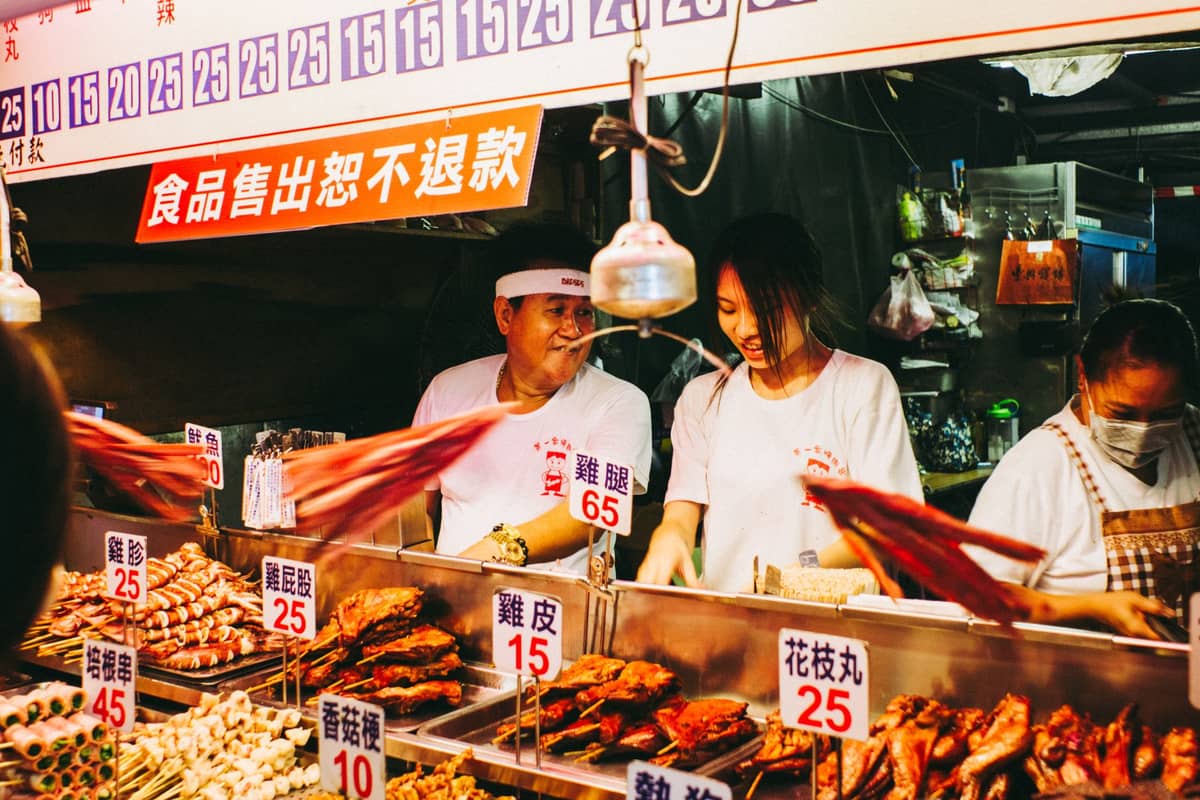
Shanghai cuisine sits at the intersection of Jiangnan cooking traditions and a century of cosmopolitan influence. Sweetness appears more often than in northern Chinese food — red-braised pork, sweet soy-glazed fish, and drunken chicken all carry a distinctly local sugar note. But the streets tell a more complex story: Sichuan hotpot parlours, Xinjiang lamb skewer carts, Hunanese chilli dishes, and Cantonese dim sum have all found permanent homes here alongside Shanghainese classics. When you're navigating Shanghai's food streets, you're eating from all of China at once.
The municipal government now officially recognizes over 120 street gastronomic zones across Shanghai's 16 districts. Around 30 of those carry a formal 'cultural-gastronomic space' designation, meaning they're subject to hygiene inspections, vendor licensing, and quality monitoring. That's important context: the idea that night markets are chaotic or unregulated is outdated. The best venues operate more like permanent outdoor food halls than informal pop-ups.
ℹ️ Good to know
Payment: most food stalls at Shanghai's markets accept WeChat Pay and Alipay. Cash (Chinese yuan, CNY) is a reliable backup but some vendors no longer keep change. International visitors should set up a payment app before arriving or carry small denominations.
Central Food Streets: Old Town and Huangpu
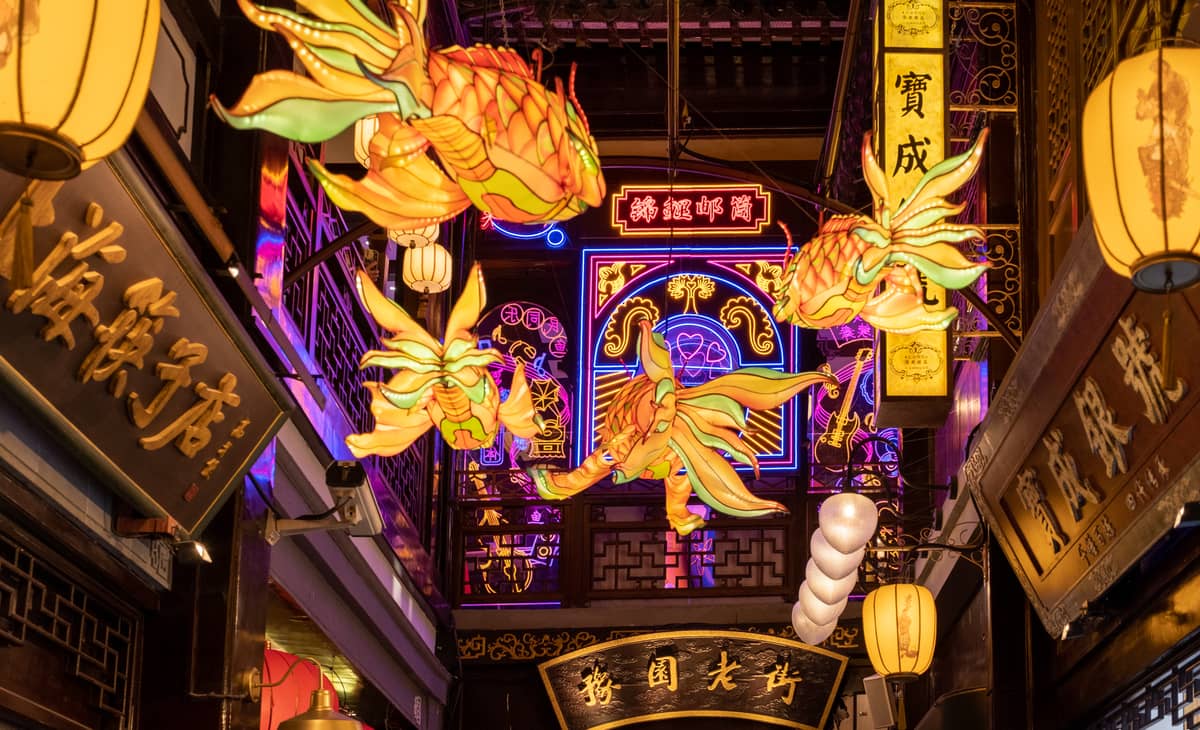
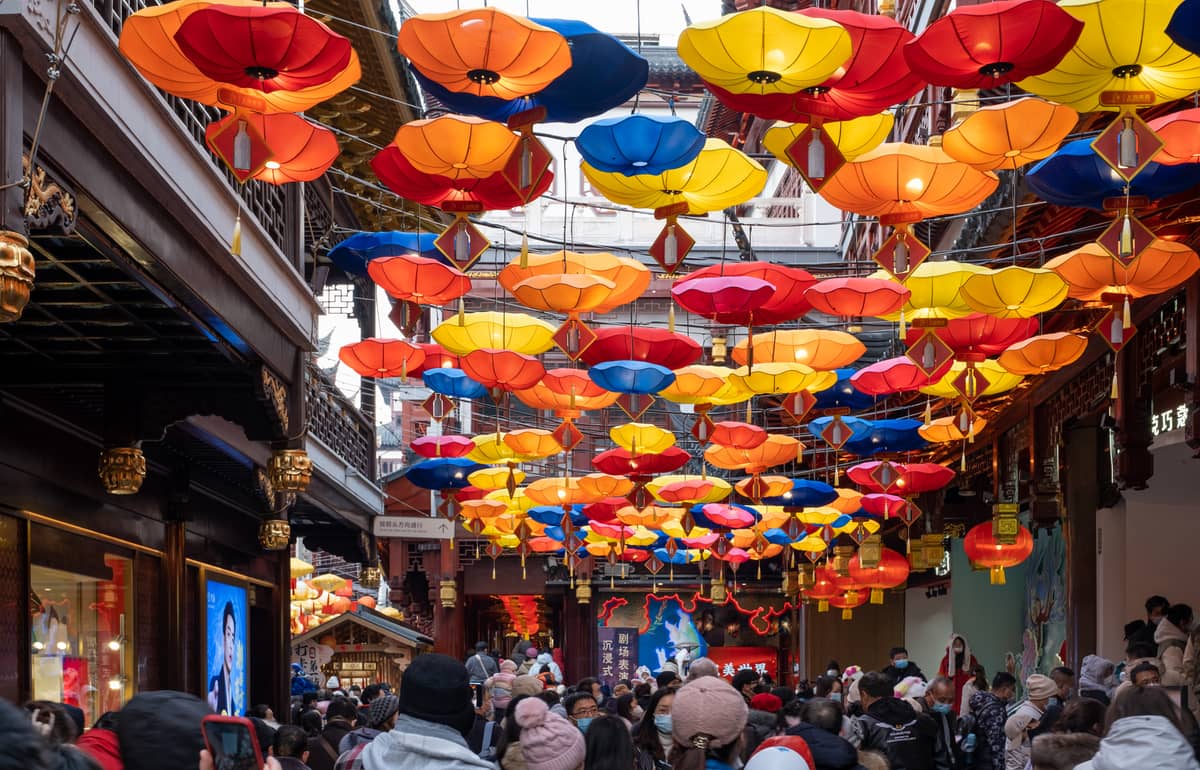
The City God Temple food court, known locally as Chenghuangmiao, is Shanghai's most famous snack concentration. Inside the commercial zone surrounding Yu Garden, you'll find over 500 varieties of local snacks: pan-fried soup dumplings (shengjian mantou), glutinous rice balls (tangyuan), deep-fried tofu, osmanthus rice cakes, and the endlessly photogenic dragon beard candy. The area is dense, lively, and genuinely representative of old Shanghai street food culture.
What most guides don't tell you: Chenghuangmiao is an early-evening destination, not a late-night one. The 'Yuyuan Night Feast' atmosphere peaks between 17:00 and 20:00 when the lanterns come on and the light is best for photos. By 22:00, most stalls are winding down. If you're planning a midnight snack run, you need to look elsewhere. Metro Line 10 to Yuyuan Station (Exit 1) gets you within a 600-metre walk. Weekends and national holidays see the heaviest crowds — arriving before 17:30 is worth the effort.
South Yunnan Road (Nan Yunnan Lu) is a different energy entirely. This historic food street focuses on sit-down Shanghai and Sichuan dishes rather than grab-and-go snacks. It's a better choice if you want a proper meal rather than a parade of small bites. Nearby Huanghe Road runs a similar format, with older-style restaurants that have been feeding lunch crowds and dinner diners for decades. Wujiang Road, just off Nanjing West Road, is more compact and better suited to quick bites between sightseeing.
⚠️ What to skip
Tourist-trap alert: some snack stalls around Yu Garden charge significantly above market rate for items like crab claws and grilled seafood. These are aimed at visitors who don't know local pricing. Cross-check prices before ordering, and stick to the established dumpling and pastry vendors for the best value.
Night Markets: The Suburban Circuit
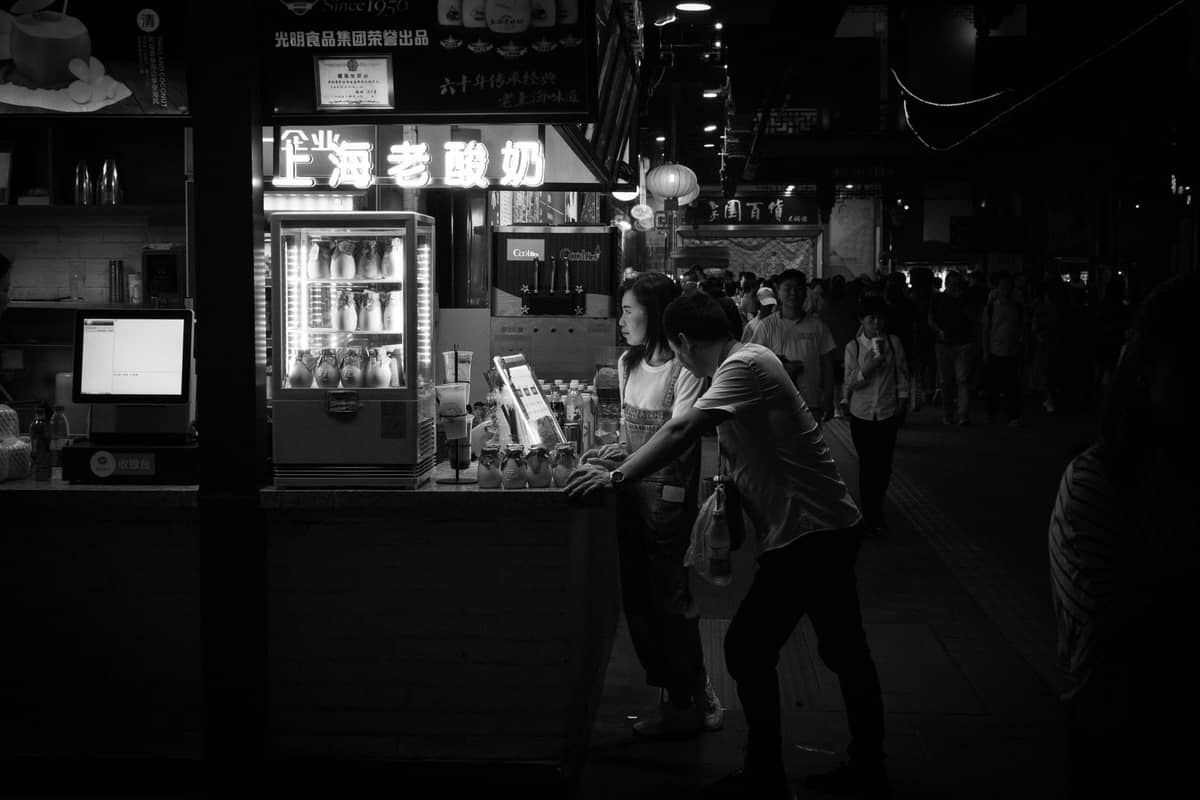
Shanghai's largest and most atmospheric night markets are not in the city centre. They're in the outer districts — Songjiang, Pudong, and Minhang — where land is cheaper, vendor density is higher, and the atmosphere is less performatively touristy. These are the markets where Shanghainese families actually go to eat on weekend evenings.
- Sijing Night Market (Songjiang District) The largest outdoor night market in Shanghai, located at No. 2 Sibao Road, Songjiang. Opens early evening and runs until 2am on Fridays and Saturdays — genuinely late by Shanghai standards. Expect a wide range of cooked food stalls alongside clothing and household goods. Best visited by taking the metro to Sijing Station and then a short taxi or ride-hail from there. Peak time: 19:30–22:00.
- Zhoupu Night Market (Pudong New Area) A long-running suburban market with 200+ stalls covering cooked food, produce, and general goods. Popular with Pudong residents and rarely on the tourist circuit, which keeps prices honest. Accessible from Zhoupu Metro Station. Better for an authentic local atmosphere than for Instagram moments.
- Jinjiang Night Market (Minhang District) Located near Jinjiang Action Park at No. 201 Hongmei Road, Minhang, adjacent to Metro Line 1. More compact than Sijing but convenient if you're staying in the southwest of the city. Operates on a standard evening schedule rather than late-night hours.
A practical note on timing: most suburban night markets open between 16:30 and 18:00 and close around 23:00–midnight on weeknights, with extensions to 2am on Fridays and Saturdays. The consistent peak window across venues is 19:30 to 21:30. If you want to browse without shoulder-to-shoulder crowds, arrive at 18:00 when stalls are just getting going and the queues haven't formed yet.
Seasonal & Pop-Up Markets: Summer Riverfront Scene
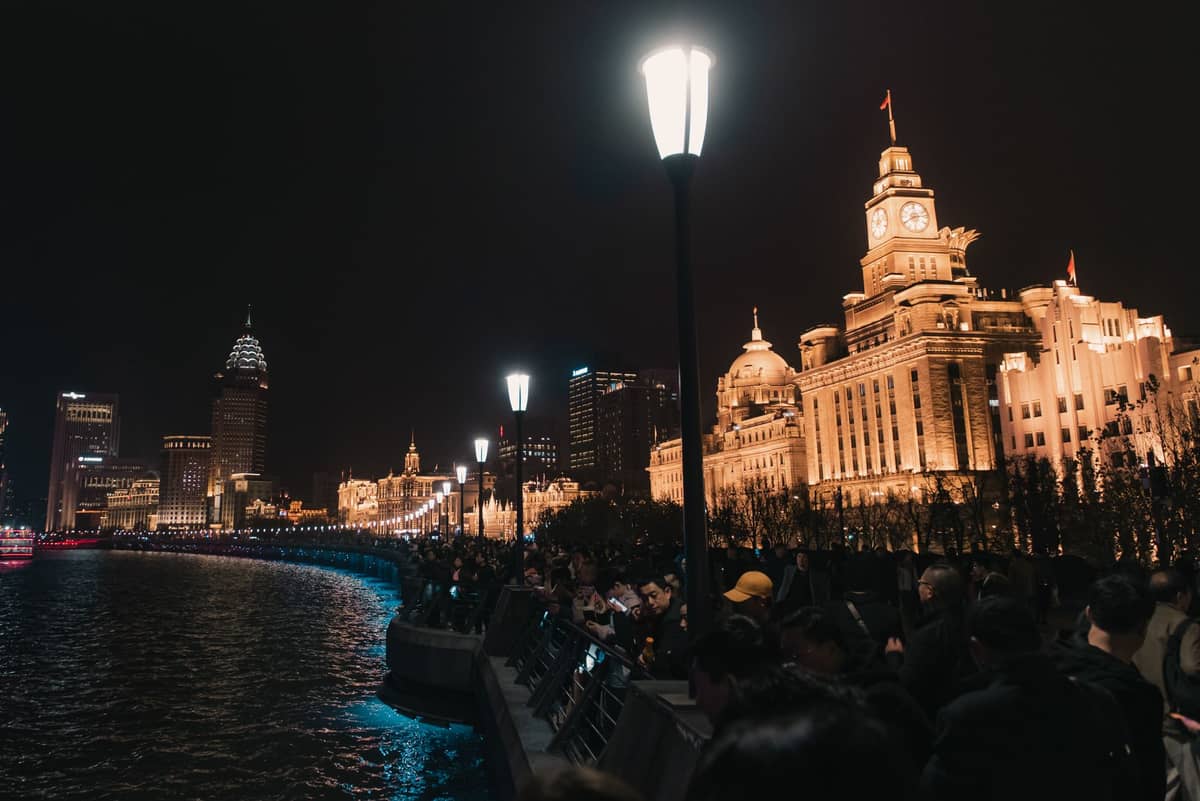
June through August is when Shanghai's pop-up market culture peaks. The city's riverfront locations — particularly along the West Bund and in Pudong near the New Bund area — host festival-style night markets that are a genuinely different experience from the permanent suburban markets. Venues like the West Bund Dream Center, New Bund Red Lane, and Expo Culture Park run weekend markets with craft food vendors, live music, and the kind of design-forward presentation that targets a younger, more affluent crowd. These typically operate Friday through Sunday, roughly 16:00–22:00, with some running to midnight or 2am. See the Shanghai nightlife guide for the most current lineup of summer markets and their exact dates.
The Bingo Festival and related markets in Pudong — including the Super Brand Mall Bingo Market — are specifically tied to August dates, with evening sessions generally starting around 19:00 for the Super Brand Mall main venue and around 19:00–21:00 at satellite sites like Expo Culture Park. These change year to year in terms of location and format, so the Shanghai Municipal Government English portal and Pudong New Area government site are the most reliable sources for current dates before you visit.
✨ Pro tip
For the most current information on pop-up markets and festival-style events, follow Shanghai's official municipal WeChat account for night market announcements. Information circulates faster there than on English-language travel sites, and opening hours are posted with same-week accuracy. A local contact or hotel concierge can also help translate announcements.
What to Eat: A Practical Ordering Guide
Knowing what to order separates a good night market visit from an average one. Shanghai's street food canon has clear highlights, and understanding the local names means you're not relying on translated menus that may not exist. For a comprehensive breakdown of dishes, the Shanghai soup dumplings guide covers xiaolongbao and shengjian in detail, while the broader what to eat in Shanghai guide maps the full culinary landscape.
- Shengjian mantou: pan-fried pork buns with crispy bottoms and soup inside — the street food version of xiaolongbao, and the better choice at market stalls where steamers aren't always maintained properly.
- Cong you bing: scallion pancakes, either plain or stuffed with egg and ham. Deceptively filling for around ¥5–8.
- Stinky tofu (chou doufu): the smell is the point. Deep-fried versions at Shanghai markets are milder than the Hunanese style — a reasonable entry point if you haven't tried it.
- Jianbing: thin crepe folded around egg, crispy wonton, hoisin, and chilli paste. Originally northern Chinese but fully adopted by Shanghai's street food scene.
- Tangyuan: glutinous rice balls in sweet broth, particularly associated with the City God Temple area. Best in cooler months.
- Lamb skewers (yang rou chuan): Xinjiang-style, heavy on cumin and chilli. Look for smoke rising from charcoal grills — that's the stall worth queuing at.
- Shengjian bao vs xiaolongbao: at a market stall, always choose shengjian. They hold heat better, survive the walk from stall to eating spot, and the crispy base adds texture that steamed dumplings can't match outdoors.
Planning Your Visit: Practical Logistics
Getting to Shanghai's food streets is straightforward if you're based in the central districts. The metro covers most locations, and Didi (China's dominant ride-hail app) fills the gaps for suburban markets. For context on getting around the city more broadly, the getting around Shanghai guide covers metro lines, fares, and ride-hailing setup in detail. One important note: Didi requires a Chinese phone number and a linked payment method (WeChat Pay or Alipay) to use effectively — sort this out before your first evening out.
The best season for combining food streets with broader sightseeing is October to early November. Temperatures sit in the 15–22°C range, the summer humidity is gone, and the outdoor markets are comfortable to navigate without sweating through dinner. Spring (April–May) is a close second. Summer markets have the best selection of pop-up venues but the heat and humidity between 18:00 and 21:00 is genuinely uncomfortable. For full seasonal context, see the best time to visit Shanghai guide.
Budget planning: at a typical suburban night market, a full evening of eating across three or four stalls costs ¥50–120 per person. Central tourist-oriented streets like the City God Temple area run 20–40% higher for equivalent items. Drinks (bubble tea, fresh fruit juice, canned beer) add ¥10–20 per item. Markets remain among the cheapest ways to eat well in Shanghai compared with most sit-down restaurants — even the budget ones.
- Arrive early (18:00–18:30) on weekends to get first pick of fresh stock and skip peak queues.
- Carry small denomination cash (¥5, ¥10, ¥20 notes) as a backup even if you primarily use mobile payments.
- Wear comfortable, closed-toe shoes — older markets have uneven paving and puddles from food prep.
- Check hours the day you visit: markets occasionally close for weather, local holidays, or vendor events without advance notice online.
- At Chenghuangmiao specifically, the light is best for photography between 17:30 and 19:00 when lanterns are lit but the sky still has color.
FAQ
What is the best night market in Shanghai?
For sheer scale and late hours, Sijing Night Market in Songjiang is the strongest option — it's officially recognized as Shanghai's largest outdoor night market and runs until 2am on Fridays and Saturdays. For central convenience and historic atmosphere, the City God Temple food court near Yu Garden is the most visited, though it's an early-evening destination that winds down by 22:00 rather than a true night market.
Are Shanghai night markets safe for tourists?
Yes. The approximately 30 venues that hold official 'cultural-gastronomic space' status are subject to hygiene inspections and vendor licensing. General street safety in Shanghai is high. The main risks are tourist-oriented price inflation at central snack streets and the standard urban cautions around pickpocketing in dense crowds. The Shanghai scams and safety guide covers common issues worth knowing before you visit.
What time do food streets and night markets open and close in Shanghai?
Most markets open between 16:30 and 18:00. On weeknights, they typically close by 23:00–midnight. On weekends, the larger suburban markets like Sijing and Zhoupu often run to around 2am. Peak crowds and the best stall selection land between 19:30 and 21:30. The City God Temple area peaks earlier, around 17:00–20:00, and quietens significantly after that.
Do I need cash at Shanghai night markets?
Not necessarily, but it helps. The vast majority of stalls accept WeChat Pay and Alipay. Cash (Chinese yuan, CNY) remains a reliable backup, particularly at smaller or older markets. International visitors should set up a mobile payment method before visiting — hotels and banks in central Shanghai can assist — and carry ¥50–100 in small notes as a fallback.
Which food streets in Shanghai are best for authentic local food, not tourist versions?
The suburban night markets in Songjiang (Sijing), Pudong (Zhoupu), and Minhang (near Jinjiang Night Market) serve a local residential customer base and are the most authentic options. In the central city, South Yunnan Road and Huanghe Road have a stronger local food focus than the more tourist-oriented snack streets around Yu Garden and Nanjing Road.