Shanghai Noodles: A Complete Guide to the City's Best Noodle Dishes
Shanghai noodles are not one dish but an entire culinary category spanning delicate scallion oil noodles, rich braised pork belly noodles, and luxurious seasonal crab roe noodles. This guide breaks down every style worth knowing, with realistic price ranges, seasonal notes, and practical ordering tips for first-timers and returning visitors alike.
Plan and book this trip
Tools from our partner Travelpayouts help you compare flights and hotels. If you book through them, we may earn a commission at no extra cost to you.
Flights
Hotels map
TL;DR
- Shanghai noodles is a broad category covering at least six distinct dishes, not a single recipe.
- Scallion oil noodles (cong you ban mian) are the city's most iconic style, recognized by the Shanghai government as a traditional local dish. Prices run roughly ¥10–20.
- Price range spans from around ¥10 for plain broth noodles to ¥80 for seasonal crab roe noodles — budget and splurge options coexist.
- Seasonality matters: toppings and availability shift across the year, particularly during hairy crab season (autumn) and spring's fresh fish period. See our full Shanghai food guide for broader context.
- Tipping is not expected in local noodle shops. Ordering is straightforward even without Mandarin if you know the dish names.
Understanding Shanghai Noodles: Not One Dish, But Many
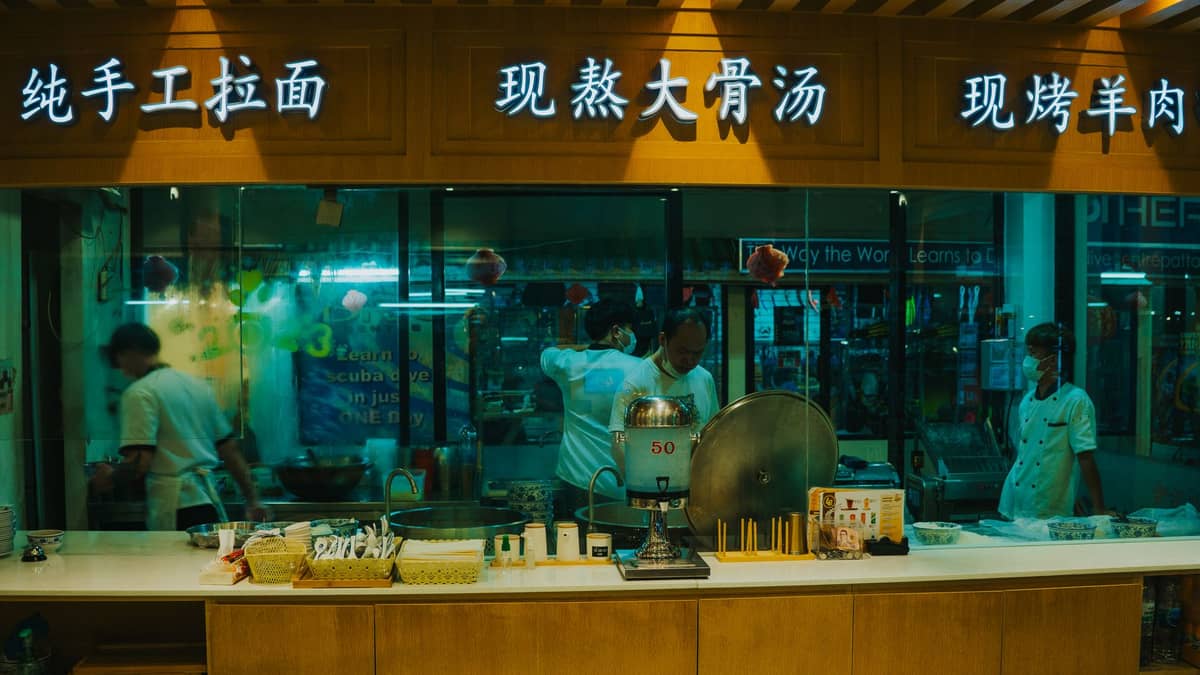
One of the most persistent misconceptions about Shanghai noodles is that they refer to a single standardized recipe. In practice, the term covers a family of dishes that share a regional identity but differ dramatically in flavor, price, and occasion. Some are everyday breakfast staples costing under ¥15. Others are seasonal luxuries served only when fresh river crabs or yellow croaker fish are at peak quality. Knowing the difference prevents you from ordering the wrong bowl for the wrong moment.
Shanghainese cuisine as a whole is built around seasonality. The city's official tourism guidance explicitly notes that spring favors bamboo shoots, summer leans toward lighter cold dishes and noodles, autumn revolves around hairy crab, and winter gravitates to braises and cured foods. Noodle toppings follow this rhythm exactly, which means the bowl you eat in April is genuinely different from the one available in October. This is not a tourist-marketing angle; it reflects how local restaurants actually source and menu-plan. Noodle toppings follow this rhythm exactly, which means the bowl you eat in April is genuinely different from the one available in October. This is not a tourist-marketing angle; it reflects how local restaurants actually source and menu-plan.
ℹ️ Good to know
A common assumption is that Shanghai noodle dishes are uniformly heavy. Local guidance actually points the other way: Shanghainese often eat more noodles in summer precisely because lighter noodle meals suit the heat better than rice-based dishes.
The Six Essential Shanghai Noodle Dishes
These are the styles you will encounter on menus across the city, from street-level shops to sit-down restaurants. Each has a distinct character, price point, and best season.
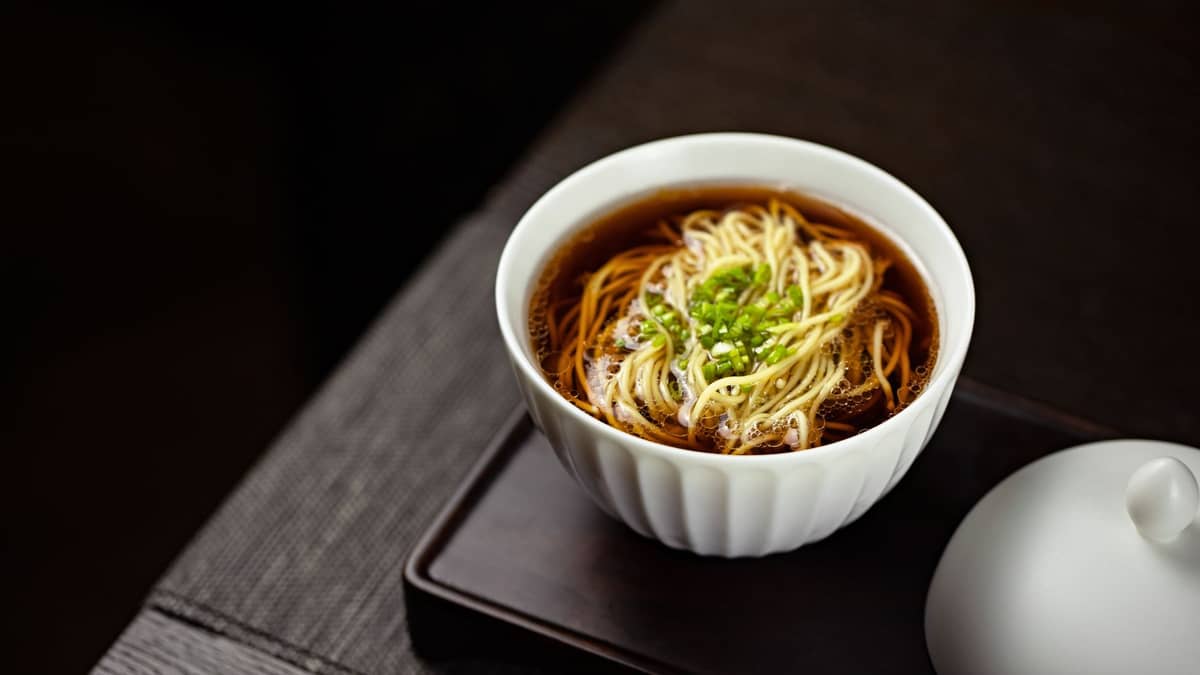
- Scallion Oil Noodles (Cong You Ban Mian) — ¥10–20 The city's most celebrated noodle dish, officially recognized by the Shanghai Municipal Government as a traditional local specialty. Thin wheat noodles are tossed with slow-cooked scallion-infused oil and a splash of soy sauce. No broth, no protein required. The quality hinges entirely on the oil and the noodle texture, which is why a great version at a small shop can outperform a mediocre one at a tourist-facing restaurant. The Shanghai government features this dish in its October–December seasonal food promotions, but you can find it year-round.
- Plain Clear-Broth Noodles (Qing Tang Mian) — ¥8–15 The benchmark for any serious noodle shop. A clear, lightly seasoned pork or chicken broth with plain noodles, sometimes topped with a soft-boiled egg or a sprinkle of green onion. Locals judge a restaurant's quality by this dish first. If the broth lacks depth, the rest of the menu is unlikely to impress.
- Braised Pork Belly Noodles (Hong Shao Rou Mian) — ¥20–30 Thick, glossy slices of soy-braised pork belly over noodles in a rich broth that borrows from the same technique used for Shanghai's famous hong shao rou. This is a winter-leaning dish, though it appears on menus throughout the year. The pork should be meltingly soft with lacquered skin intact.
- Spicy Minced-Pork Noodles (Zha Jiang Mian Shanghai Style) — ¥15–25 Not to be confused with Beijing's zha jiang mian, which uses a darker, fermented soybean paste. The Shanghai interpretation is softer in flavor and often includes a chili element. A weekday-lunch staple in office-district canteens and local noodle shops around Jing'an and Huangpu.
- Yellow Croaker Fish Noodles (Huang Yu Mian) — ¥30–45 A seasonal dish built around fresh yellow croaker (huangyu), a fish deeply embedded in Shanghainese cooking. The fish is braised or fried and served over noodles in a milky-white, umami-forward broth. Quality and availability peak in spring when croaker is freshest. Expect prices toward the higher end of the range at reputable spots.
- Crab Roe Noodles (Xie Fen Mian) — ¥40–80 The prestige option, and genuinely seasonal. Real crab roe noodles use the roe and fat from hairy crabs (da zha xie), which are only in season from approximately October to December. Outside this window, some shops offer frozen or imitation versions at lower prices, but the texture and flavor drop noticeably. During peak crab season, expect queues at respected shops and prices toward the top of the range.
⚠️ What to skip
Outside late September–early December, be skeptical of 'crab roe noodles' priced below ¥40. Out-of-season crab roe is often frozen or imitation. If you want the real thing, time your visit to autumn.
Seasonal Strategy: When to Eat What
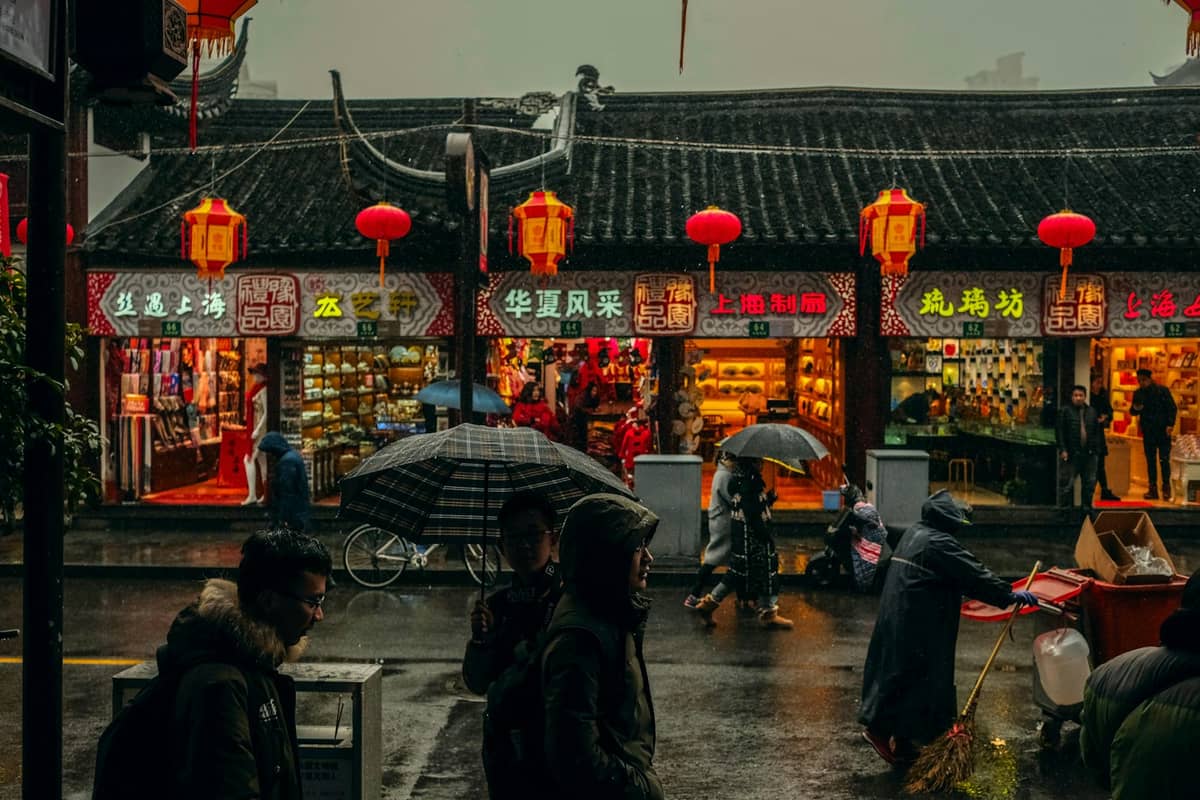
Shanghainese food culture is unusually attuned to the calendar, and noodle dishes are no exception. If you're planning your trip around food, our guide to the best time to visit Shanghai covers the broader seasonal picture, but here's how it applies specifically to noodles.
Spring (March to May) is the window for bamboo shoot toppings and other fresh seasonal ingredients. Summer (June to August) is actually prime noodle season for locals: the heat makes lighter cold-tossed noodles and clear-broth bowls more appealing than heavier rice meals. Scallion oil noodles eaten at room temperature are a popular summer lunch. Autumn (September to November) is hairy crab territory. Crab roe noodles dominate food coverage in local media during October and November, and restaurants often run special seasonal menus. Winter (December to February) shifts toward richer, warming options: braised pork belly noodles and thick broth bowls become the default.
✨ Pro tip
The Shanghai government's 'Global Taste in Shanghai' promotion actively features scallion oil noodles among highlighted local dishes. During this period, some participating restaurants offer special presentations — worth checking current listings on the Shanghai tourism official site before you visit.
Where to Find Good Noodles by Neighborhood
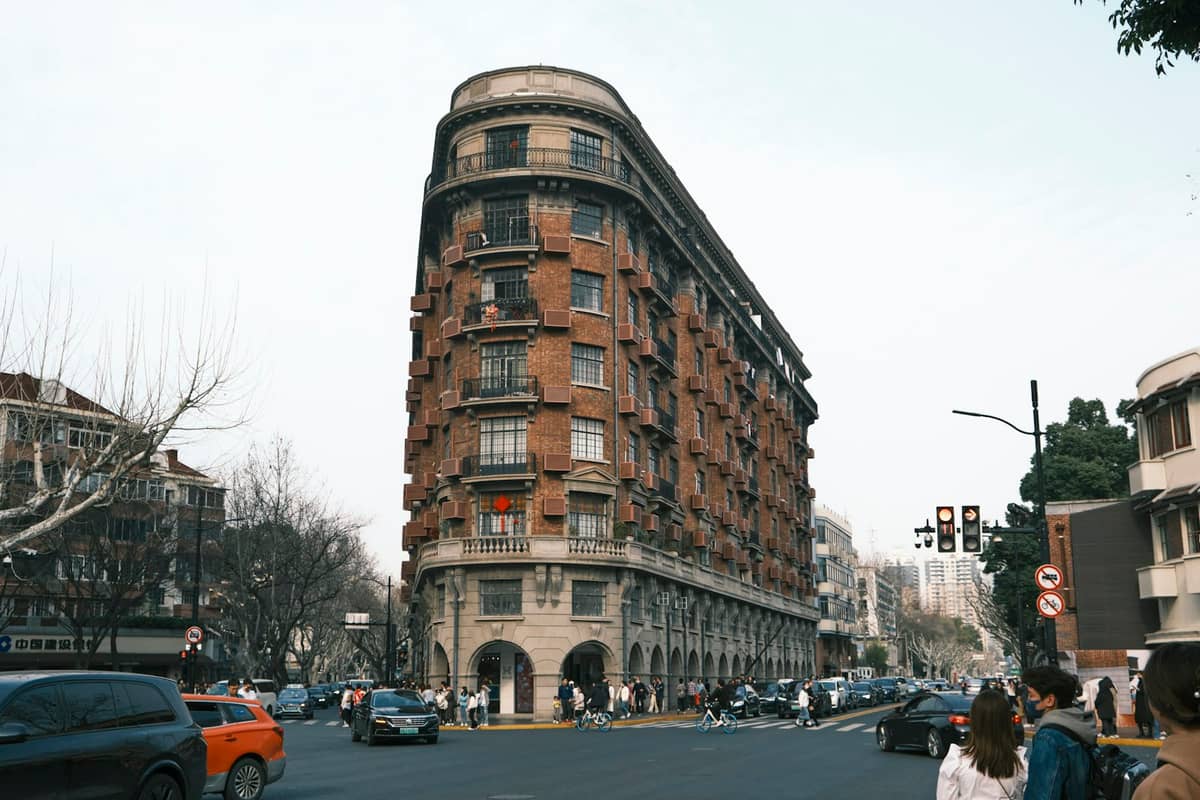
Shanghai's noodle culture is distributed across the city rather than concentrated in one district, though certain neighborhoods reward dedicated food exploration. The Former French Concession has a strong concentration of both traditional local shops and newer updated takes on classic dishes. Streets around Wukang Road and Fuxing Park host long-standing neighborhood restaurants where scallion oil noodles and braised pork belly noodles are daily staples.
For a more local, less tourist-oriented experience, the streets around Jing'an offer canteen-style noodle shops frequented by office workers and residents rather than visitors. These tend to be the most honest price-to-quality propositions in the city. A bowl of braised pork belly noodles here might cost ¥22; the same dish in a polished Xintiandi restaurant could run ¥45 or more.
In the Old Town (Nanshi) area near Yu Garden and the City God Temple, noodle shops cater to a mixed local and tourist crowd. Quality varies widely here. Clear-broth noodles and scallion oil noodles from established shops in the area are reliable; anything marketed as 'traditional Shanghai noodles' with an English-only menu warrants caution on pricing.
Pudong's commercial districts around Lujiazui have fewer standout traditional noodle shops, though food courts in major malls often stock decent versions of the classics. If you're spending time on the east bank of the river, the Shanghai food street guide covers some of the better-value eating options in that part of the city.
Practical Ordering Tips and Pricing Breakdown
Most local noodle shops in Shanghai operate on a simple counter-order or table-service model. In straightforward neighborhood places, you order at the counter, pay, and receive a number or wait at a table. Mandarin is the working language, and English menus are rare outside tourist-heavy areas. Having the Chinese names of dishes written on your phone helps significantly.
- Scallion oil noodles: 葱油拌面 (cong you ban mian)
- Plain clear-broth noodles: 清汤面 (qing tang mian)
- Braised pork belly noodles: 红烧肉面 (hong shao rou mian)
- Spicy minced-pork noodles: 炸酱面 (zha jiang mian)
- Yellow croaker fish noodles: 黄鱼面 (huang yu mian)
- Crab roe noodles: 蟹粉面 (xie fen mian)
Payment in local noodle shops is almost universally handled through WeChat Pay or Alipay. Cash is accepted at most establishments but increasingly less common as the default. Foreign visitors without a linked Chinese bank account can now add international credit cards to WeChat Pay for basic transactions, though the process requires some setup before arrival. Tipping is not expected or practiced in noodle shops of any tier, from street stalls to mid-range restaurants.
💡 Local tip
For budget travelers: plain clear-broth noodles and scallion oil noodles at ¥8–20 are among the best-value meals in Shanghai. A filling lunch at a local noodle shop rarely exceeds ¥25 per person, which is significantly cheaper than most tourist-area restaurants. For more budget eating strategies, see the Shanghai on a budget guide.
For the full picture of what to order beyond noodles, including dumplings, cold appetizers, and seasonal specialties, the what to eat in Shanghai guide covers the broader Shanghainese menu in depth. And if soup dumplings are on your list alongside noodles, the dedicated Shanghai soup dumplings guide covers xiaolongbao shops and ordering etiquette in detail.
What Separates a Great Bowl from a Mediocre One
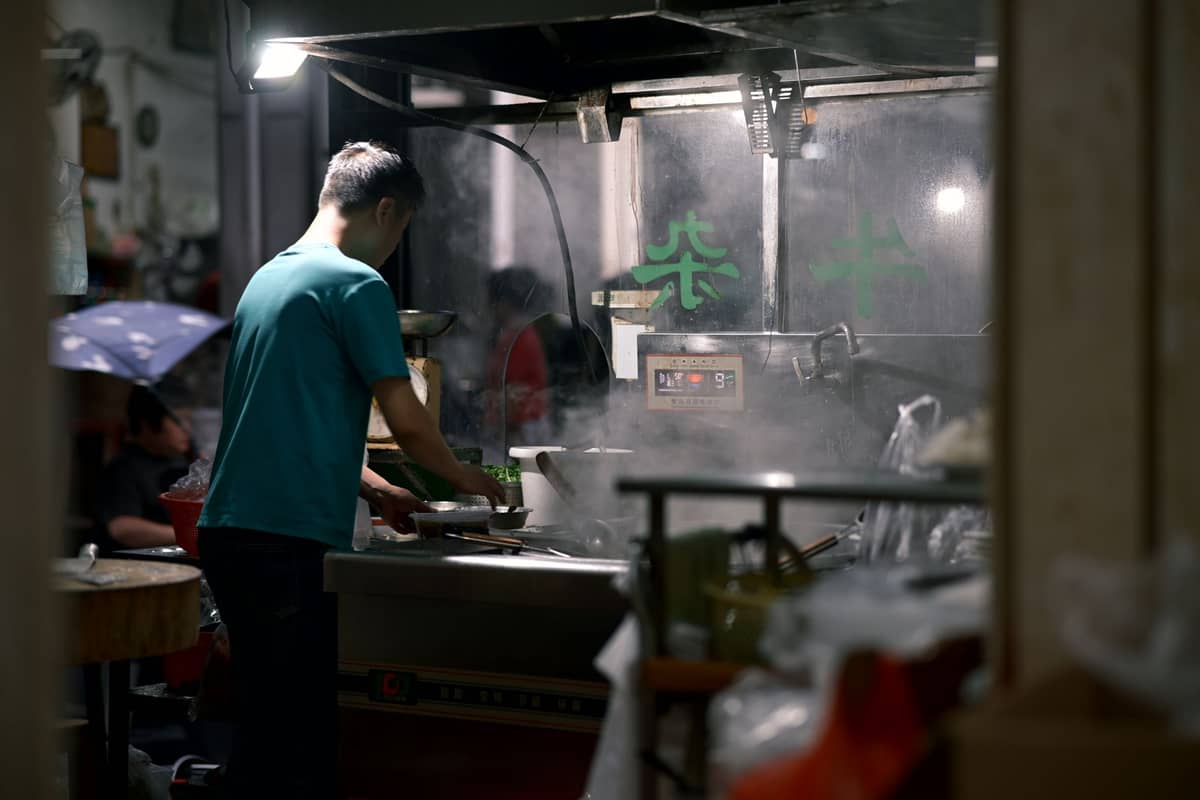
The noodle itself matters more than most visitors expect. Shanghai-style noodles are typically thin to medium wheat noodles with a slight chew. They should hold their texture for several minutes in broth without turning soft. A shop that cooks noodles to order will outperform one that pre-cooks batches. You can often tell by the wait time: two minutes suggests pre-cooked; five to seven minutes suggests fresh-cooked.
For scallion oil noodles specifically, the scallion oil is the make-or-break element. It should be fragrant without tasting burnt, and the oil should coat the noodles evenly rather than pooling at the bottom. The soy sauce component should add depth without making the dish overly salty. A well-made version of this dish at a local shop is one of the most satisfying and underpriced meals available in Shanghai.
Broth-based noodles should be judged first on the liquid. A pale, watery broth in a clear-soup noodle indicates shortcuts in the stock. The best versions have a clean but complex flavor from long-simmered bones and aromatics. Yellow croaker fish noodles should produce a milky, almost opalescent broth from the fish carcass, which is a reliable quality marker.
FAQ
What are Shanghai noodles exactly?
Shanghai noodles is not one single dish. It refers to a category of noodle dishes from Shanghai cuisine, including scallion oil noodles, braised pork belly noodles, yellow croaker fish noodles, crab roe noodles, spicy minced-pork noodles, and plain clear-broth noodles. Each has a distinct flavor profile and typical price range.
How much do noodles cost in Shanghai?
Prices range from around ¥8–15 for plain clear-broth noodles to ¥40–80 for seasonal crab roe noodles. Scallion oil noodles typically run ¥10–20, braised pork belly noodles ¥20–30, and yellow croaker fish noodles ¥30–45. Prices are higher in tourist-facing or upscale restaurants.
When is the best time to eat crab roe noodles in Shanghai?
Crab roe noodles use roe from hairy crabs (da zha xie), which are in season from approximately October to December. This is the only period when fresh crab roe is available. Out-of-season versions using frozen or artificial roe are significantly inferior and not worth the price.
Are scallion oil noodles really that good, or is it overhyped?
When made well, scallion oil noodles are genuinely excellent: simple, deeply savory, and texturally satisfying. The dish is recognized by the Shanghai government as a traditional local specialty for good reason. The caveat is that quality varies a lot between shops. A mediocre version at a tourist-area restaurant can disappoint, while a carefully made bowl at a neighborhood shop is consistently impressive.
Can I order Shanghai noodles without speaking Mandarin?
Yes, with some preparation. Having the Chinese characters for each dish saved on your phone allows you to point and order without difficulty in most local shops. Very few street-level noodle shops have English menus. In tourist areas like Xintiandi or near Yu Garden, English menus are more common but prices are typically higher.