Shanghai on a Budget: How to Visit Without Overspending
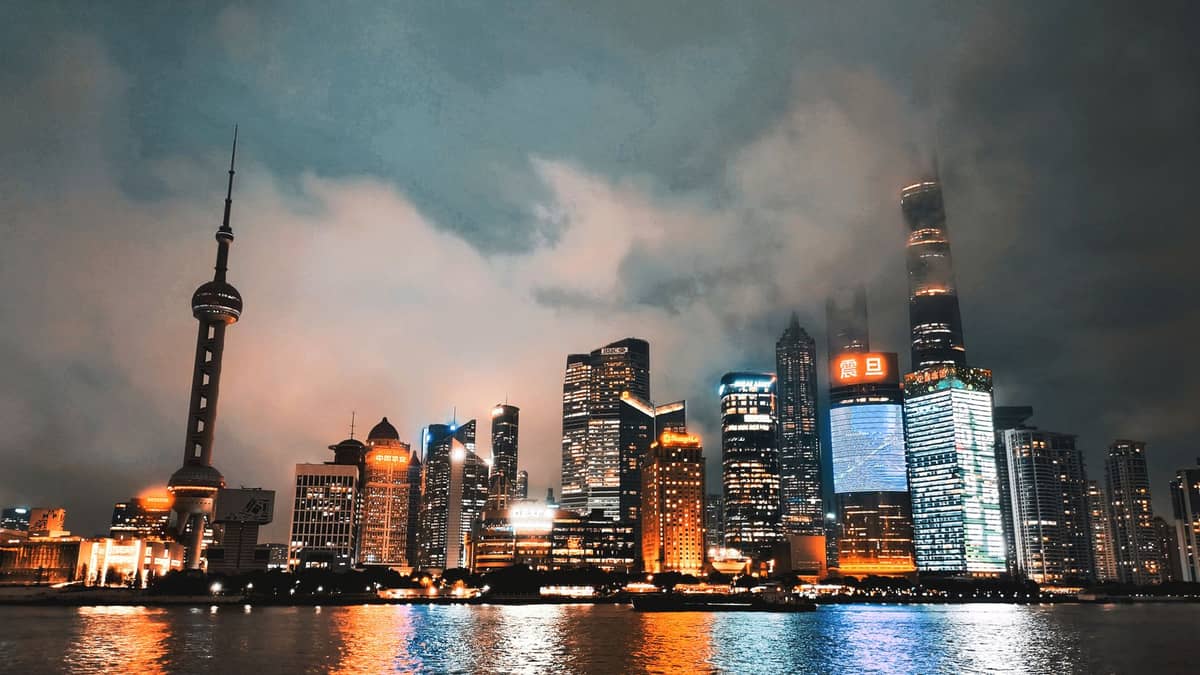
Shanghai has a reputation as a global financial powerhouse, but day-to-day costs are far more manageable than most visitors expect. From ¥3 metro rides to free museum admissions and ¥15 noodle bowls, this guide breaks down exactly how to explore one of the world's great cities without burning through your money.
Plan and book this trip
Tools from our partner Travelpayouts help you compare flights and hotels. If you book through them, we may earn a commission at no extra cost to you.
Flights
Hotels map
TL;DR
- A realistic backpacker daily budget is ¥200–350 (roughly USD 28–50), covering a hostel bed, street food, public transport, and free attractions.
- The Shanghai Metro is your best friend: fares run ¥3–15 per trip, and a 3-day unlimited pass costs just ¥45. See getting around Shanghai for the full breakdown.
- The Shanghai Museum at People's Square offers free permanent exhibitions, but you must book in advance via WeChat — walk-ins are not guaranteed entry.
- Alipay and WeChat Pay now accept international cards, making cashless payments easy for foreign visitors — but carry some cash for small vendors.
- Avoid visiting during Chinese New Year (January–February) and summer school holidays (July–August) if you're on a tight budget — crowds spike and free quotas for museums fill up fast. Check the best time to visit Shanghai for timing advice.
What Does a Day in Shanghai Actually Cost?
Shanghai is not a cheap city by Chinese standards, but it is very manageable by international ones. A solo traveler staying in a hostel dorm, eating at local restaurants and food courts, using the metro, and focusing on free or low-cost sights can get through the day on ¥200–350 (approximately USD 28–50). Step up to a private hotel room and the occasional paid attraction and you're looking at ¥500–800 per day. Fine dining, rooftop bars, and international hotels push costs well past ¥1,500.
- Hostel dorm bed ¥80–150 per night in central areas like Jing'an or the Former French Concession
- Budget guesthouse or economy hotel ¥200–400 per night for a private room
- Metro fare ¥3–5 for most central trips; maximum ¥15 per single journey
- Street food or food court meal ¥15–35 per person
- Sit-down local restaurant ¥40–80 per person without alcohol
- Paid museum entry (e.g. special exhibitions) ¥50–148 depending on the exhibition
- Bottle of water (convenience store) ¥2–4
ℹ️ Good to know
Shanghai's currency is the Chinese yuan, also called Renminbi (RMB). The code is CNY. All prices in this guide are in Chinese yuan (¥). At the time of writing, ¥1 ≈ USD 0.15, but verify the rate before you travel.
Getting Around Cheaply: Metro, Passes, and the Maglev Trap
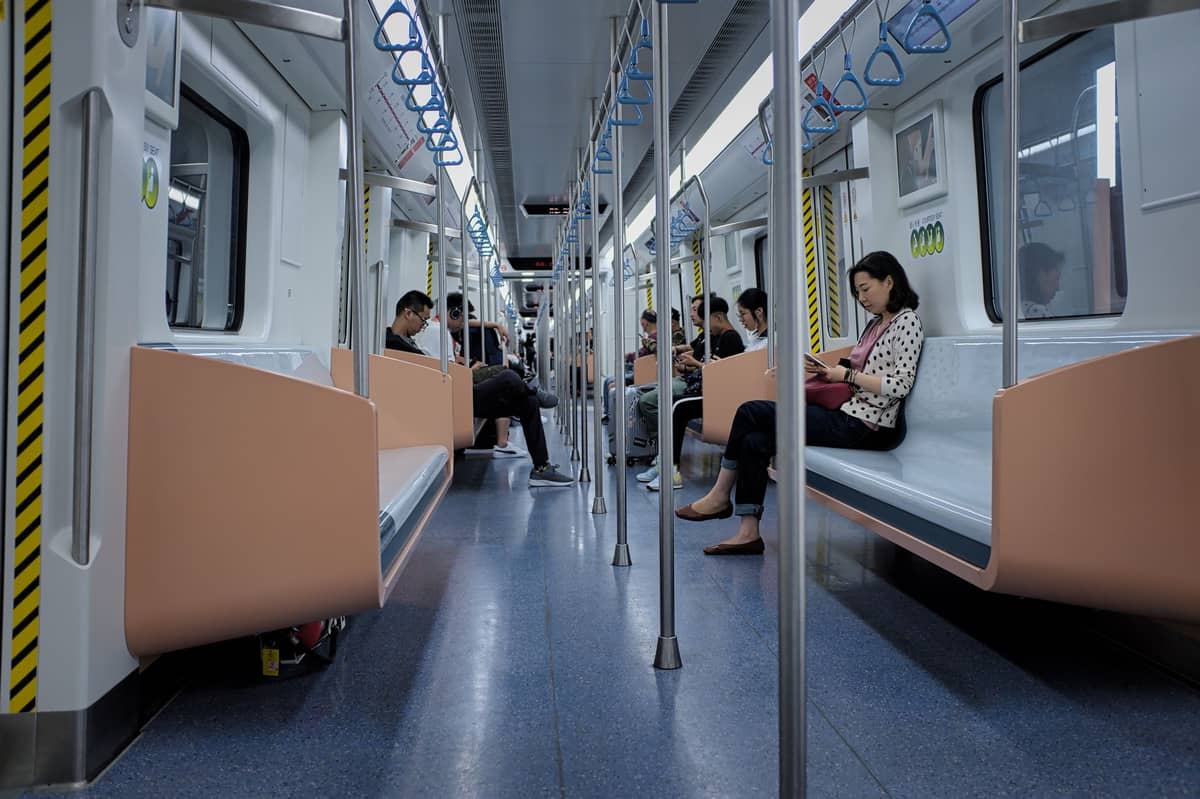
The Shanghai Metro is one of the world's largest rapid transit networks and, for budget travelers, the single most important tool in the city. Fares are distance-based: ¥3 covers the first 6 km, then ¥1 is added per 10 km (or per 20 km beyond the 16 km mark), with a maximum of ¥15 per journey. In practice, most trips between central neighborhoods — say, People's Square to Jing'an Temple, or the Bund to Tianzifang — cost ¥3–5. The average metro fare city-wide is around ¥4.23 per ride, which is extremely competitive by global standards.
For short stays, consider the unlimited day passes: a 1-day pass costs ¥18 (24 hours from first tap) and a 3-day pass costs ¥45 (72 hours), both valid on standard metro lines. The Maglev is not included. These make sense if you plan to cross the city multiple times per day. The Shanghai Maglev is excluded from all metro passes — it operates on a separate ticketing system. A one-way Maglev journey between Pudong Airport (PVG) and Longyang Road Station takes 7–8 minutes and costs ¥50, reduced to ¥40 with same-day boarding pass proof. The round-trip fare is ¥80. It is fast, and it is genuinely impressive, but it deposits you at Longyang Road, from which you still need the metro to reach the city center. Factor in the combined cost and journey time before deciding it's worth it over simply taking Metro Line 2 all the way.
⚠️ What to skip
The Maglev is NOT included in any metro day pass or the Shanghai Public Transportation Card's free-ride quota. Any source claiming otherwise is incorrect. Budget travelers should default to Metro Line 2 from Pudong Airport: it takes 60–70 minutes to central Shanghai and costs ¥7–9 — a saving of over ¥40 versus the Maglev plus onward metro.
The Shanghai Public Transportation Card requires a ¥20 refundable deposit and works across metro, bus, ferry, and some taxis. It is the most convenient option for stays of more than a few days. Alternatively, Alipay and WeChat Pay now support international credit and debit cards for metro QR code payments, so you can pay directly from your phone without a local bank account. This is a significant change from even two or three years ago and removes a major friction point for foreign visitors. That said, carry ¥200–300 in cash for small vendors, older canteens, and any place that looks like it predates smartphones.
Free and Low-Cost Attractions Worth Your Time
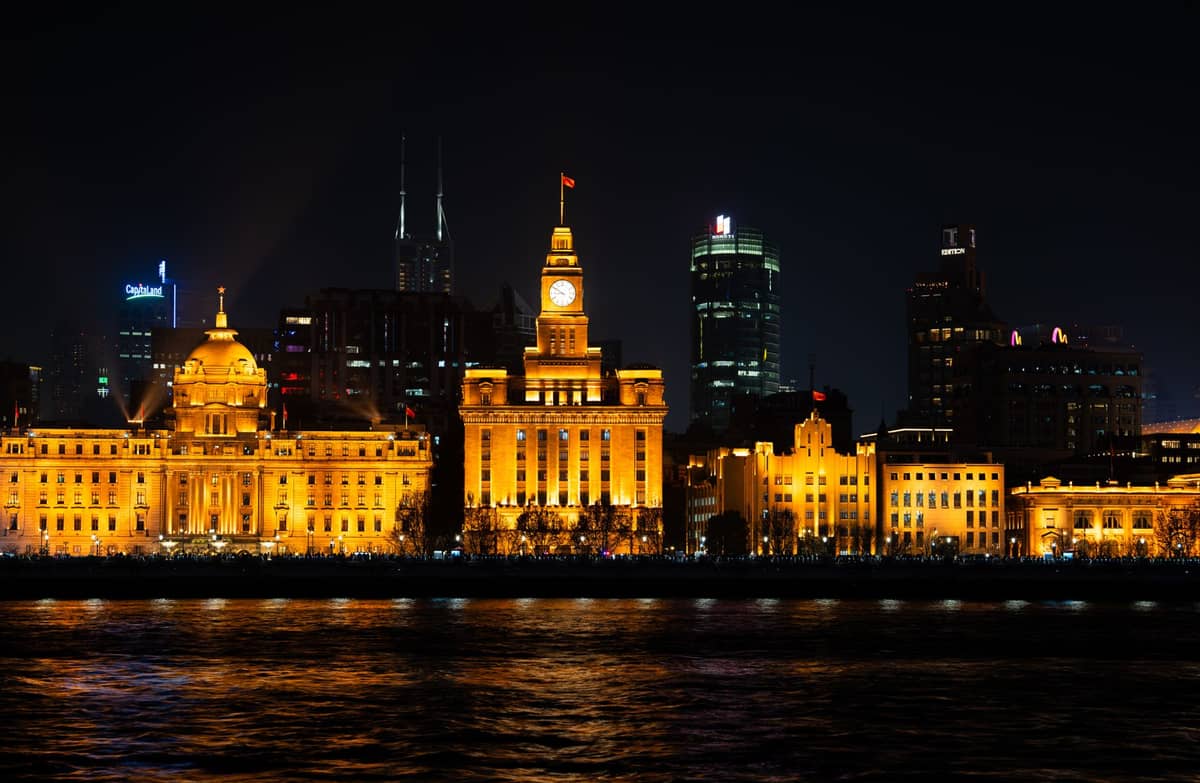
Shanghai rewards budget travelers who do their research. Several of the city's best experiences cost nothing. The Bund promenade is free to walk at any hour — and the skyline view across to Lujiazui is genuinely one of the world's great urban panoramas. Similarly, a stroll through the Former French Concession costs nothing beyond metro fare. The plane tree-lined streets, art deco villas, and independent cafes are reason enough to spend half a day here.
- Shanghai Museum (People's Square) Free permanent exhibitions, but mandatory advance reservation via official WeChat account. Bring passport for entry.
- The Bund and Huangpu Riverfront Free to walk. Best at dawn for photos without crowds, or at night for the light show.
- M50 Creative Park (Suzhou Creek) Free entry to the gallery complex; individual exhibitions may charge ¥10–30.
- Fuxing Park (Former French Concession) Free entry; one of the best spots to watch locals do morning tai chi or evening ballroom dancing.
- Tianzifang (Taikang Road) Free to wander the laneway complex; budget ¥30–80 if you buy food or craft items.
- Wukang Road Free architecture walk through one of Shanghai's most photogenic historic streets.
- Jing'an Sculpture Park Free outdoor art space in central Jing'an.
Paid attractions are worth budgeting for selectively. The Shanghai Natural History Museum charges around ¥30 and offers exceptional value. The Power Station of Art — one of Asia's most respected contemporary art venues — has free or low-cost permanent collection access. Special exhibitions at major museums can cost ¥148 or more, and while some are worth it, they should be treated as a deliberate budget line rather than a spontaneous decision. Weekday visits and non-holiday periods sometimes offer discounted tickets (around ¥135 vs. ¥148 full price), but these concessions typically exclude summer peak dates, winter holidays, and weekends.
✨ Pro tip
The Shanghai Museum's free permanent collection is genuinely world-class — bronzes, ceramics, calligraphy, and ancient coins spanning thousands of years of Chinese history. Reserve your slot well in advance (especially July–August and around Chinese New Year) because the free daily quota fills up. Reservations open on the museum's official WeChat account; you'll need a WeChat account linked to a phone number to access it.
Where and What to Eat Without Overspending
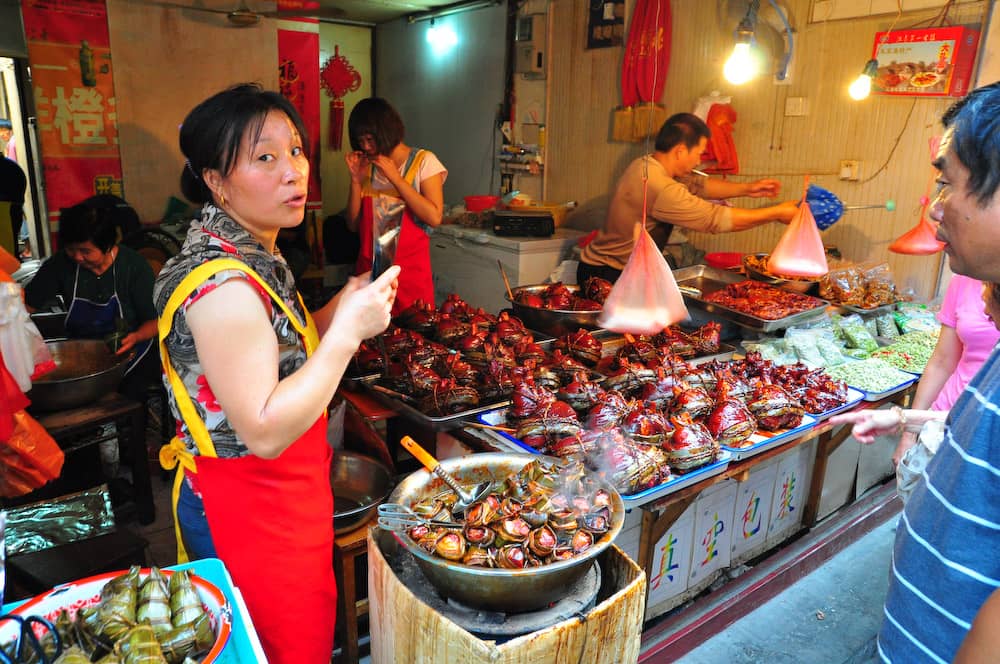
Food is where Shanghai's budget potential really shows itself. A bowl of Shanghai-style noodles at a local shop costs ¥15–25. A portion of xiaolongbao (soup dumplings) at a neighborhood restaurant — not a tourist-facing one on Nanjing Road — runs ¥20–35 for a steamer basket. The key is knowing which venues to avoid.
Food courts inside shopping malls are consistently good value and enormously varied. Most major malls have a basement or upper-floor food court where ¥25–45 buys a complete meal from dozens of regional Chinese cuisines. These are popular with local office workers, which is a reliable quality signal. Street-level vendors selling scallion pancakes (cong you bing), egg crepes (jianbing), and skewers are often ¥5–15 per item and make for an excellent and authentic breakfast or snack. For a proper sit-down meal, look for restaurants where the menu has photos but no English translation — that's usually where the prices are aimed at local customers.
⚠️ What to skip
Nanjing Road and the immediate surrounds of Yu Garden are tourist pricing zones. A meal that costs ¥30 two streets away will cost ¥80–120 here. This is not a scam — it is market pricing — but budget travelers should treat these areas as walkways rather than dining destinations. Check our guide to Shanghai scams and safety tips for other situations to watch for.
For a curated approach to eating well on a budget, the what to eat in Shanghai guide covers the essential dishes and where to find them at fair prices. If you want to explore further, the Shanghai food street guide maps out the best concentrated eating streets across different districts.
Payments, Mobile Apps, and Practical Money Logistics
China's digital payment infrastructure is exceptional, and as of 2024–2025, both Alipay and WeChat Pay accept international Visa, Mastercard, and some other cards directly. You can link your foreign card to either app and use QR code payments at the vast majority of shops, restaurants, metro gates, and markets. This is genuinely transformative for foreign visitors and removes the old friction of needing a Chinese bank account to function day-to-day.
That said, the setup process requires time and a working foreign phone number. Do this before arriving in China if possible, as some app verification steps require a stable internet connection that may be complicated by China's internet regulations. A VPN may be needed to access certain foreign apps and websites; the legal status and availability of VPNs in China is a time-sensitive topic — verify current guidelines with official sources before travel. Tipping is not customary in mainland China. Most local restaurants, taxis, and shops do not expect tips, and attempting to tip can sometimes cause confusion. Upscale hotels and international restaurants may include a service charge.
Timing Your Visit to Keep Costs Down
When you visit has a meaningful impact on the budget experience. The peak periods — Chinese New Year (usually January–February), the week-long Golden Week holidays in May and October, and the summer school break (July–August) — bring significantly higher hotel prices, fully booked free museum slots, and heavier crowds throughout the city. Avoiding these windows is the single most effective way to make a Shanghai trip more affordable. The spring months (April–May) and autumn (October–November) offer the most comfortable temperatures — daily means of 10–20°C in spring and 15–22°C in autumn — and generally lower accommodation rates outside the Golden Week spike.
Winter (December–February) is the low season for tourism and often the cheapest time to find hostel beds and economy hotels. Temperatures drop to daily means of 4–7°C in January, with frequent grey, damp days. This is not uncomfortable for travelers accustomed to cold climates, and the lack of crowds at popular spots can be genuinely pleasant. Summer (June–August) is the least recommended season for budget visitors: heat and humidity are intense (highs regularly above 32°C), the meiyu rainy season runs through June into early July, and typhoon-related rains affect July–September. Hotel prices also peak in summer, which undermines the budget case.
Budget-Friendly Neighborhoods to Stay In
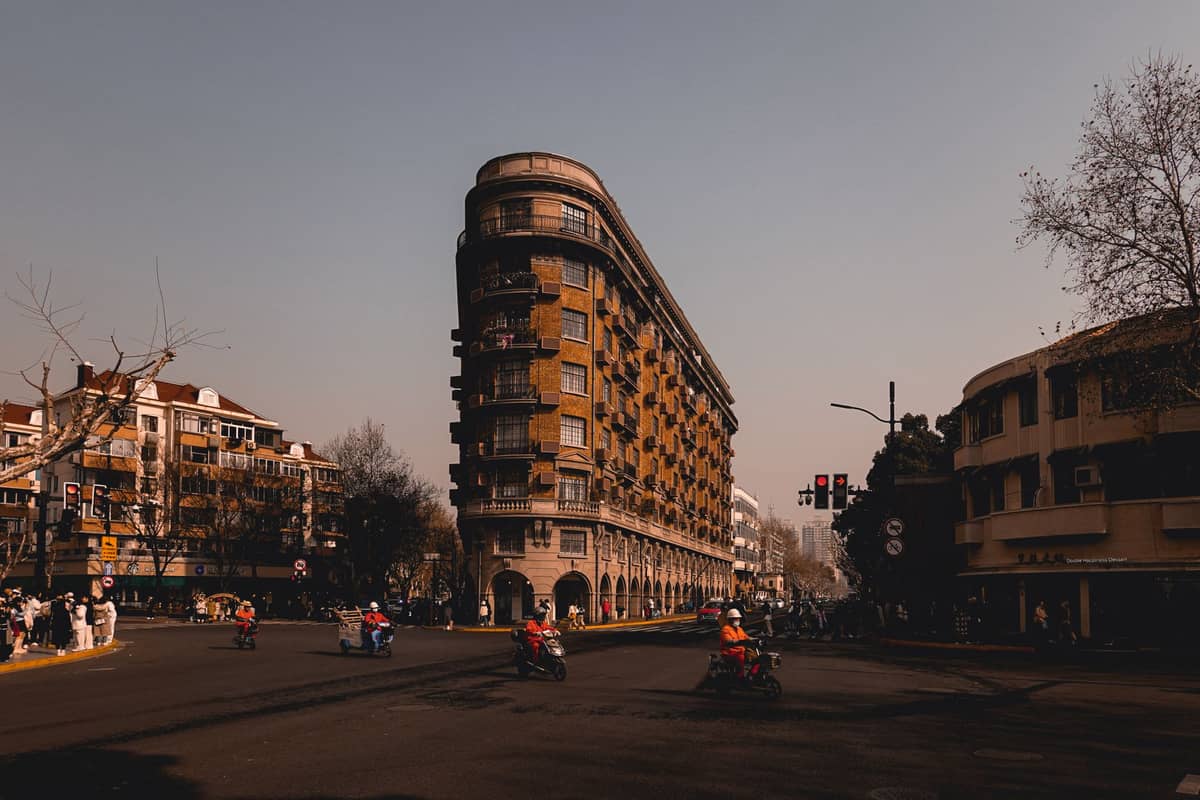
Where you base yourself affects both cost and convenience. Jing'an District sits at the geographic center of the metro network and has a good spread of budget and mid-range accommodation alongside excellent street food and transport links. The Former French Concession is atmospheric but slightly more expensive; hostels here tend to be popular with independent travelers for good reason. Pudong, east of the river, has large modern hotels that sometimes offer competitive rates, but it feels disconnected from the city's street-level character, especially for first-time visitors.
For a focused accommodation search, the where to stay in Shanghai guide breaks down each neighborhood by price range, transport access, and what kind of traveler it suits best. If you're trying to pack a lot into a few days, the 3-day Shanghai itinerary is designed to be efficient without requiring expensive taxis or wasted transit time.
FAQ
Is Shanghai cheap or expensive compared to other Asian cities?
Shanghai sits in the middle. It is more expensive than Bangkok, Hanoi, or Kuala Lumpur, but cheaper than Tokyo, Hong Kong, or Singapore for most day-to-day expenses. Public transport and food at local venues are very affordable; accommodation and international-facing restaurants are priced more in line with a European city.
Can I use a credit card in Shanghai, or do I need cash?
International credit cards are accepted at large hotels, department stores, and upscale restaurants, but many local eateries, markets, and smaller shops operate on mobile payment only (Alipay or WeChat Pay). Setting up one of these apps with your foreign card before arrival is strongly recommended. Keep ¥200–300 in cash as a backup.
Which museums in Shanghai are free to enter?
The Shanghai Museum at People's Square offers free access to its permanent collection, but requires advance reservation via its official WeChat account and a valid passport. The Power Station of Art has free or low-cost permanent collection access. Several smaller district-level museums and memorial halls also offer free entry. Verify current policies on official museum websites before visiting, as free quotas and reservation systems can change.
Is the metro pass worth buying in Shanghai?
The 3-day unlimited metro pass at ¥45 makes sense if you plan to make five or more trips per day across longer distances. For lighter use — two or three trips per day to nearby neighborhoods — single-journey tickets at ¥3–5 each will likely cost less. The pass does not cover the Maglev train. If you're staying for a week or more, the Shanghai Public Transportation Card (¥20 refundable deposit) is the most convenient option.
What are the biggest budget mistakes to avoid in Shanghai?
Four stand out: eating near major tourist sites like Nanjing Road or Yu Garden where prices are 2–3x local rates; taking a taxi when the metro goes to the same destination in similar time; taking the Maglev without accounting for the onward metro leg; and visiting during Chinese New Year or summer school holidays when free museum quotas vanish and hotel rates spike. Planning around these four points alone will meaningfully reduce your costs.