Shopping in Shanghai: Best Malls, Markets & Streets
Shanghai is one of Asia's great shopping cities, with options ranging from luxury flagship stores and slick megamalls to fabric markets where tailors cut custom suits for a fraction of Western prices. This guide breaks down the best areas, what to expect, and how to avoid the traps.
Plan and book this trip
Tools from our partner Travelpayouts help you compare flights and hotels. If you book through them, we may earn a commission at no extra cost to you.
Flights
Hotels map
TL;DR
- Nanjing Road Pedestrian Street is open 24 hours, but individual shops typically run 10:00–22:00 daily.
- For luxury shopping, focus on Huaihai Middle Road and the Lujiazui malls in Pudong.
- Qipu Road is a wholesale clothing market, not a tourist bazaar. Serious bargains exist, but go early.
- South Bund Fabric Market is legitimate for custom tailoring. Budget ¥800–2,000 for a suit and allow 2–3 fitting days.
- During Chinese national holidays and Singles' Day (November 11), mall hours extend and crowds surge significantly. Plan around the best time to visit Shanghai if crowds are a concern.
Understanding Shanghai's Shopping Landscape
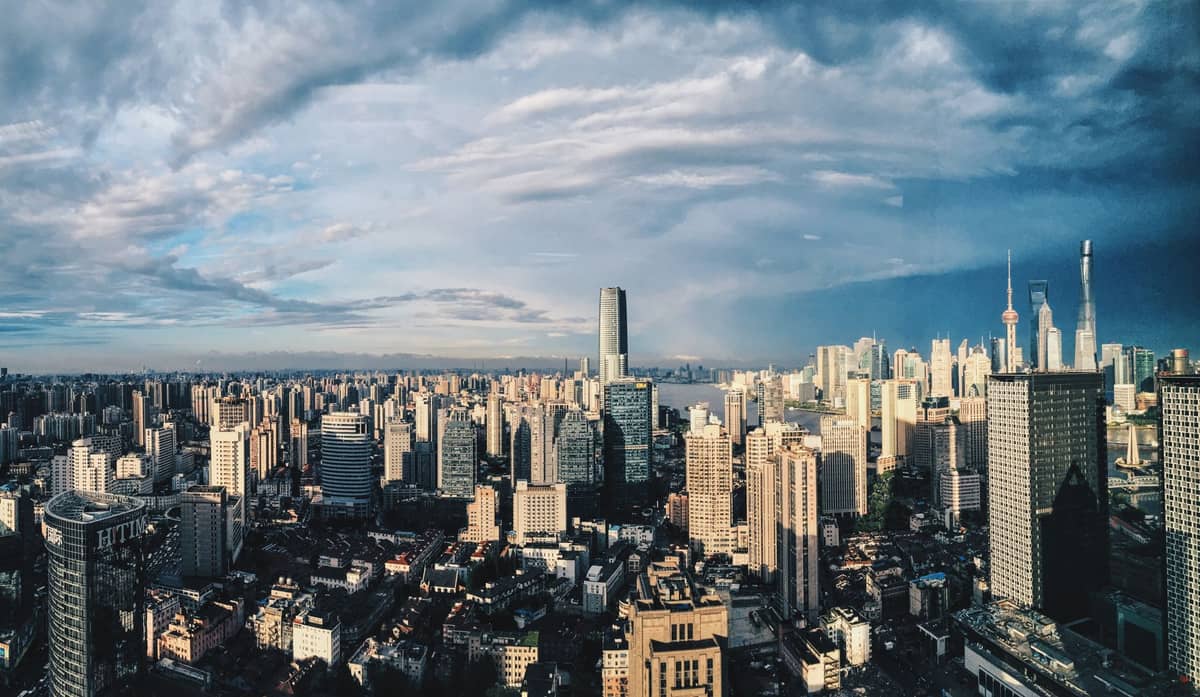
Shanghai operates as a provincial-level municipality directly under China's central government, a city of 24.8 million permanent residents spread across 16 districts. That scale matters for shopping: different neighborhoods have entirely different retail characters, and what works in Lujiazui will be useless in Qipu Road. Getting oriented before you spend a day wandering will save real time and money.
The city divides neatly into a few shopping tiers. The Bund and surrounding Huangpu District anchor the historic commercial core, while the Former French Concession offers a different mix of boutiques, concept stores, and independent labels. Pudong's Lujiazui handles the luxury-mall experience with a skyline backdrop. Budget and wholesale markets cluster further out or underground, away from tourist foot traffic.
ℹ️ Good to know
Payment: Most Shanghai shops, malls, and markets accept Alipay and WeChat Pay. Foreign-issued credit cards work in major malls and department stores but are often refused at markets and smaller vendors. Carry some Chinese yuan (CNY/RMB) for market shopping, fabric markets, and street stalls. Visa and Mastercard are increasingly accepted in luxury retail.
The Big Shopping Streets: Nanjing Road and Huaihai Road
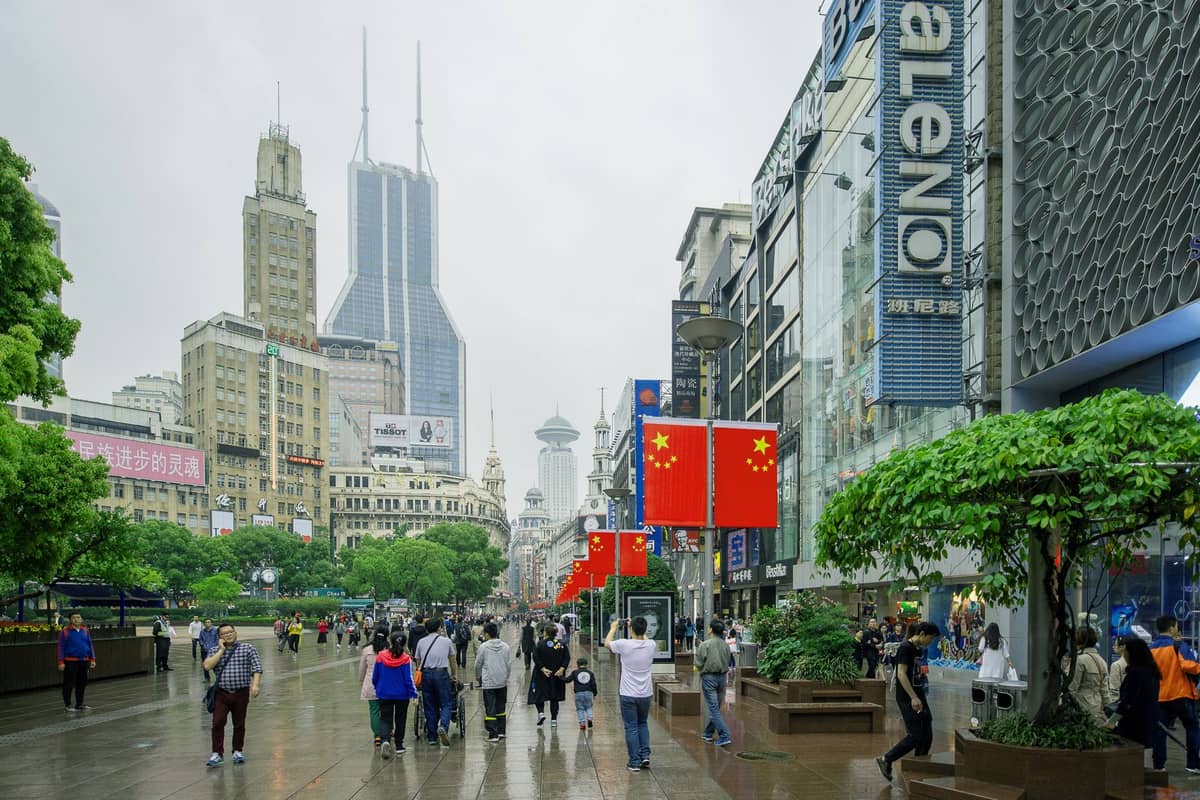
Nanjing Road Pedestrian Street is Shanghai's most famous commercial strip, and also its most touristy. The eastern section, running from the Bund to People's Square, draws enormous crowds, especially on weekend afternoons when peak congestion hits around 15:00 on Saturdays. It's worth walking once for the spectacle and the sheer density of stores, but experienced shoppers usually prefer the western extension toward Jing'an for a slightly calmer atmosphere. Access is easy via Nanjing Road Pedestrian Street stations on Metro Line 2 and Line 10. The street itself is accessible 24 hours, though shops run roughly 10:00–22:00.
Huaihai Middle Road is where locals with disposable income actually shop. It runs through the former French Concession and packs more than 400 fashion and lifestyle stores into a single corridor, anchored by high-end malls including iapm, K11, Hong Kong Plaza, and Times Square. The atmosphere is noticeably more local than Nanjing Road East, the architecture is more interesting, and the retail mix skews toward international mid-market and luxury rather than souvenir shops and chain restaurants. Metro Line 1 serves the road at Huangpi South Road and Shaanxi South Road stations, with additional access via Lines 10 and 13 at nearby Xintiandi.
💡 Local tip
Shopping timing: Weekday mornings between 10:00 and 12:00 offer the lightest crowds on both Nanjing Road and Huaihai Road. Avoid Saturday afternoons if you dislike dense crowds. Both streets are significantly busier during Chinese public holidays.
Best Malls in Shanghai by District
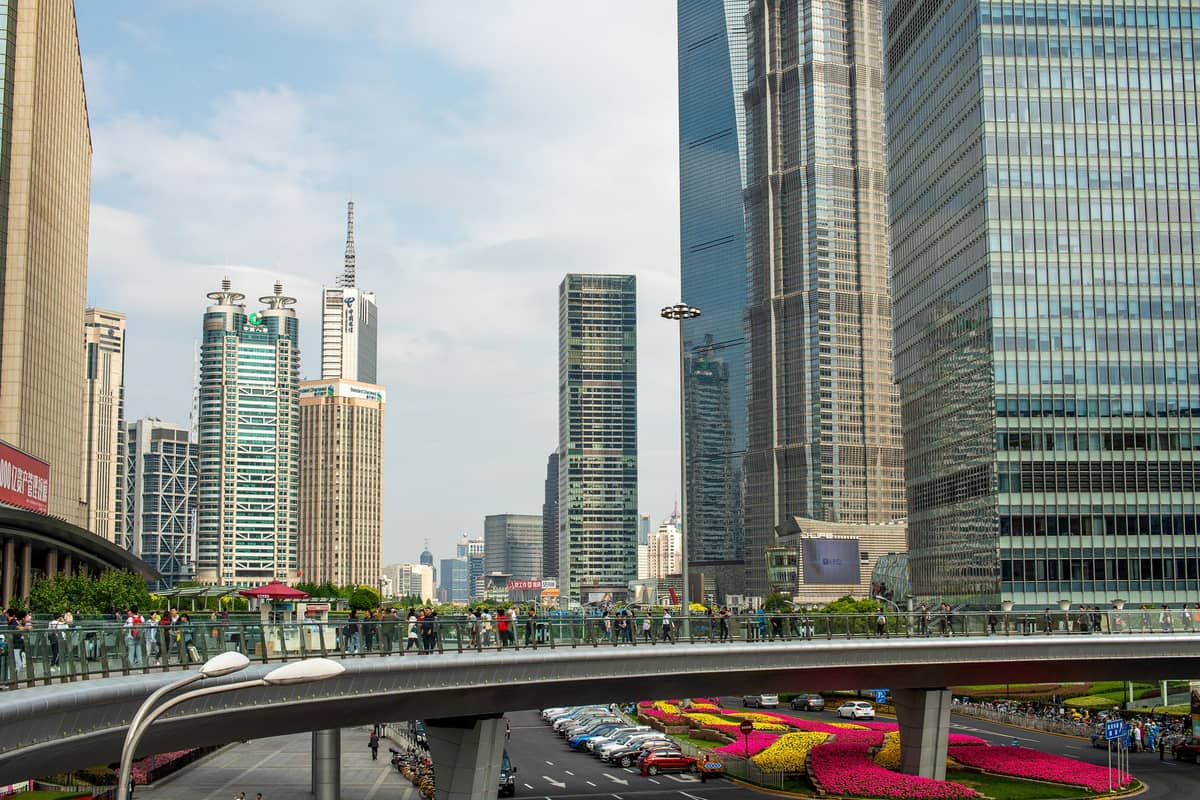
Shanghai's major malls are concentrated in four areas: Lujiazui in Pudong, Xujiahui in the southwest, Jing'an along Nanjing West Road, and the Huaihai Road corridor. Each has a distinct price point and clientele.
- Super Brand Mall, Lujiazui One of the largest malls in Shanghai, sitting directly across from the Oriental Pearl Tower. Strong on international brands, family dining, and a cinema. Hours: typically 10:00–22:00 daily. Good choice after visiting Pudong's skyline attractions.
- iapm, Huaihai Road A night-owl favorite because it stays open later than most competitors, with restaurant floors running until midnight or beyond. Strong mid-luxury fashion mix and consistently good food court. Metro: Line 1, Shaanxi South Road.
- K11 Art Mall, Huaihai Road Integrates contemporary art installations with retail — genuinely worth a wander even if you're not shopping. Occupies multiple basement levels and has a reliable mix of international and Chinese designer brands. Hours: 10:00–22:00.
- Grand Gateway 66, Xujiahui A behemoth in the southwest that locals use for everything from fast fashion to appliances. Less polished than Lujiazui malls but more authentically local in feel. Hours: around 10:00–22:00. Metro: Line 1/Line 9 Xujiahui.
- CITIC Square, Nanjing West Road High-end mall catering to the Jing'an business crowd, with international luxury and lifestyle brands. Compact layout compared to the Lujiazui giants. Hours: 10:00–22:00.
- Global Harbor, Zhongshan North Road Further west than most tourist itineraries reach, but worth knowing for authorized electronics retail and a wider range of local Chinese brands. Massive scale; allow extra time.
For context on how these districts relate to each other, see the breakdown in the getting around Shanghai guide. Shanghai's metro system connects all major mall districts efficiently, and most journeys across the shopping areas take under 30 minutes on Line 1 or Line 2.
Markets, Bargains, and Specialist Shopping
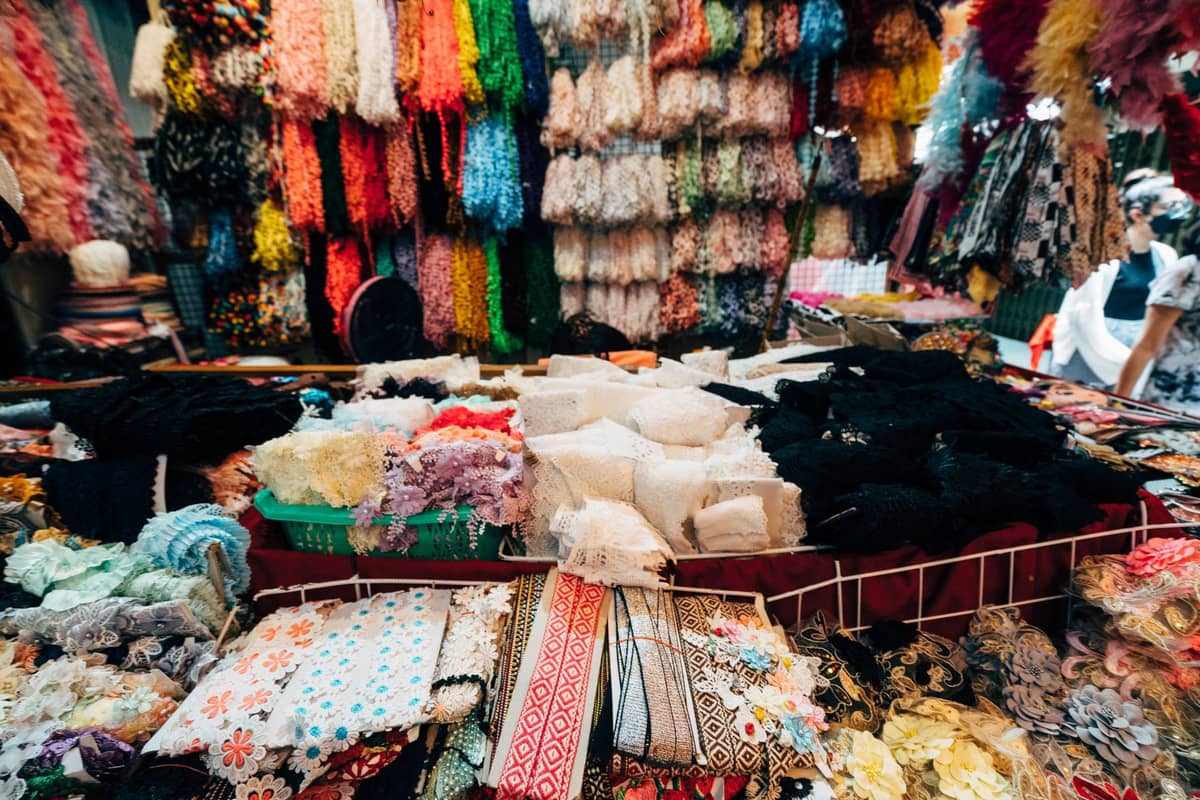
Markets in Shanghai require more patience and a different strategy than malls. Prices are rarely fixed, English is less common, and the quality range is extreme. That said, if you know what you're looking for, several markets offer genuinely good value.
Qipu Road (七浦路) in Hongkou District is primarily a wholesale clothing hub, not a tourist attraction. The wholesale window runs roughly 06:00–10:00, when buyers stock up in bulk at very low per-unit prices. After 10:00, it shifts to retail and the prices rise accordingly, but deals on basics, casualwear, and seasonal fashion are still available until around 18:00. Don't expect a comfortable browsing experience: it's dense, loud, and requires negotiation. Come with a clear idea of what you want and a price in mind.
Yuyuan Bazaar, next to the Yu Garden in the Old City, is the main tourist souvenir market and prices reflect that. Traditional handicrafts, tea sets, chopsticks, silk goods, and trinkets are all available, but bargaining is expected and opening prices are often three to five times the realistic sale price. Hours run approximately 09:00–18:00. Worth visiting for the atmosphere and architecture even if you don't buy anything.
- AP Plaza (Science & Technology Museum metro, Line 2): Underground market for phone accessories, small electronics, cables, travel adaptors, and phone cases. Hours around 10:00–21:00. Good for practical tech accessories at low prices; not a place for high-value electronics purchases.
- South Bund Fabric Market (Nanwai Jing Fabric Market): Multi-floor market where vendors sell fabric by the metre and connect buyers with in-house tailors. Custom suits start around ¥800–2,000 depending on fabric choice; silk qipao from around ¥600. Allow at least two visits for fittings if you want something well-made. Hours roughly 09:00–18:00 daily.
- Dongtai Road Antique Market: Formerly a long-standing street market for vintage items, antiques, Mao-era memorabilia, and reproduction ceramics; it has been demolished and is now permanently closed, so guides that still list it as a shopping option are out of date.
⚠️ What to skip
Replica goods: Markets selling counterfeit branded goods (replica handbags, watches, shoes) operate in Shanghai, sometimes from unmarked rooms accessed through coded entrances. Purchasing counterfeit goods is illegal in China and can result in confiscation. Customs authorities in many countries also seize counterfeit items on return. AP Plaza is known for unbranded accessories and phone cases, which is a different category to replica luxury goods.
Boutique Streets and Neighborhood Shopping
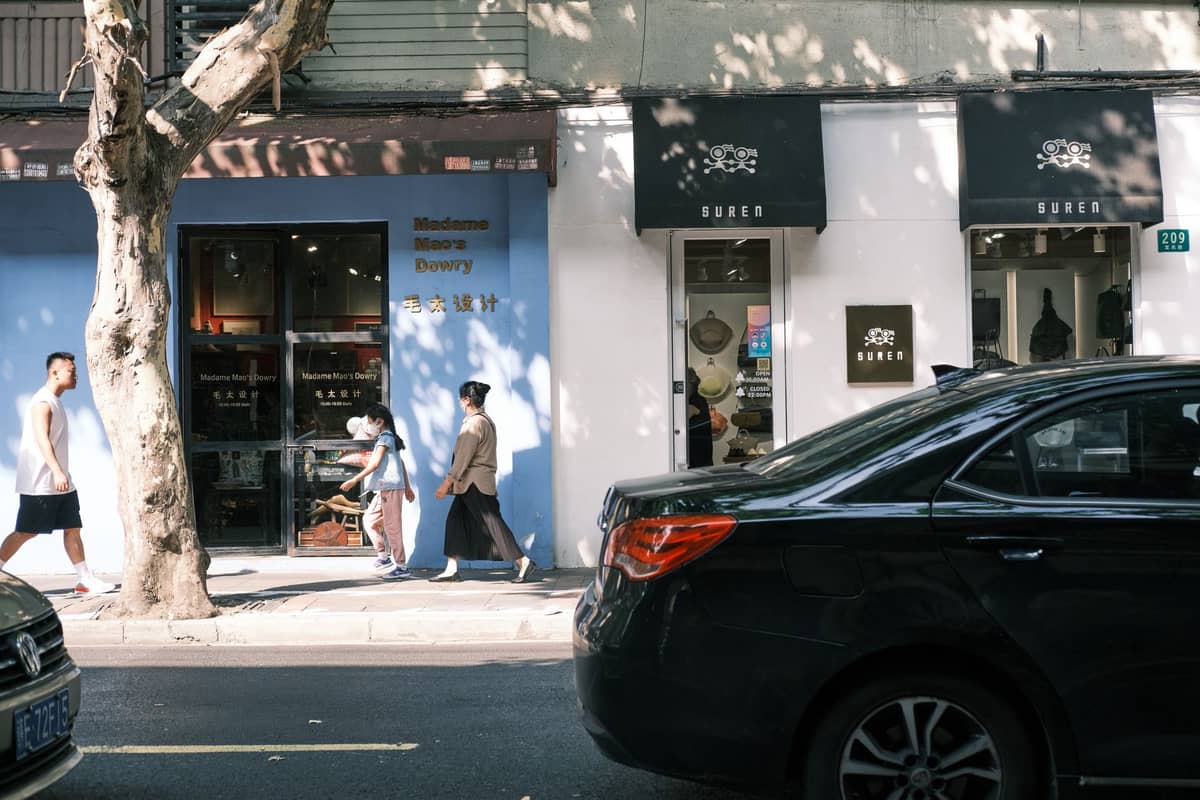
The Former French Concession contains Shanghai's most interesting independent retail, concentrated along streets like Wukang Road and the lanes branching off Julu Road, Fumin Road, and Changle Road. You'll find Chinese designer labels, vintage clothing stores, independent bookshops, specialty tea and coffee, and home goods that don't appear in any mall. Pricing is generally transparent and non-negotiable. This area rewards slow walking rather than targeted shopping.
Xintiandi offers a curated, upscale version of the boutique experience in a restored shikumen (stone gate) architecture setting. The retail is solid but skews toward international lifestyle brands rather than local independents. Worth combining with a visit to the Xintiandi complex for food and coffee. Prices are full retail with no bargaining.
For art, prints, and creative goods, the M50 Creative Park on Moganshan Road houses galleries and studios where artists sometimes sell work directly. The quality ranges from genuinely interesting to commercial reproduction, but it's a better environment for buying art than any tourist market. Open most days, with individual gallery hours varying.
Practical Tips for Shopping in Shanghai
Shanghai's major malls and shopping streets operate roughly 10:00–22:00 daily as a baseline. Restaurant and food court floors often run until 23:00 or later. During Chinese national holidays and major commercial events like Singles' Day (around November 11), some malls extend to 23:00 or later and offer heavy discounts on domestic and international brands.
Chinese New Year is the one period when shopping logistics get complicated. Large malls stay open with promotional sales, but smaller markets often reduce hours or close for several days. If you're visiting in January or February, verify market hours in advance. Winter evenings outside holiday periods are generally quieter than autumn afternoons, which are the peak shopping season.
- Bargaining is appropriate in markets (Qipu Road, Yuyuan Bazaar, fabric markets) but not in malls, branded stores, or boutiques. Attempting to bargain in a regular shop will embarrass rather than save money.
- Tax refunds: China operates a tourist tax refund scheme for purchases above a certain threshold at participating retailers. Look for 'Tax Free Shopping' signage. Refunds are processed at the airport, so keep receipts and allow extra time before departure.
- Electronics: Buy electronics from authorised retailers in major malls or brand flagship stores, not from markets. Warranty coverage and compatibility with your home country's voltage and frequency (Shanghai uses 220V, 50Hz) need checking.
- Sizing: Chinese clothing sizes typically run smaller than European and North American equivalents. Try before buying, especially in markets where returns are rarely possible.
- Receipts: Always take a receipt (发票, fapiao) for significant purchases. It's your only recourse if goods are faulty.
For a broader view of how shopping fits into a Shanghai trip, the things to do in Shanghai guide covers how to structure days across different neighborhoods. If budget is a concern, shopping on a budget in Shanghai is very achievable with the right markets and timing.
FAQ
What are the best shopping areas in Shanghai for tourists?
Huaihai Middle Road is the strongest all-around option: good mix of international brands, local labels, and anchor malls like K11 and iapm, with a more local atmosphere than Nanjing Road East. For souvenirs and traditional goods, Yuyuan Bazaar near the Old City is the obvious choice, though prices are inflated. For tailored clothing, head directly to the South Bund Fabric Market.
Is bargaining expected in Shanghai shops and markets?
Bargaining is normal in outdoor markets (Qipu Road, Yuyuan Bazaar, Dongtai Road, fabric markets) but is not appropriate in malls, department stores, or branded boutiques. In markets, starting at 40–50% of the asking price and working up from there is a reasonable approach. Vendors who refuse to negotiate will simply say no.
What time do Shanghai malls close?
Most major malls close at 22:00. Food court and restaurant floors often stay open until 23:00 or midnight. During national holidays and shopping festivals like Singles' Day (November 11), some malls extend to 23:00 or later. The streets themselves (Nanjing Road, Huaihai Road) are accessible 24 hours.
Where can I buy custom-made clothes or suits in Shanghai?
The South Bund Fabric Market (Nanwai Jing Fabric Market) is the main destination for custom tailoring. Multiple vendors on several floors sell fabric by the metre and work with in-house tailors. Custom suits typically start at ¥800–2,000 depending on the fabric, and qipao from around ¥600. Allow at least two days for fittings if you want a well-fitted result.
Are electronics cheaper in Shanghai than in Western countries?
For major branded electronics (Apple, Sony, Samsung), prices in Shanghai are often comparable to or slightly higher than Western markets after accounting for currency differences, because China charges import duties and VAT. Accessories, cables, and unbranded tech goods at markets like AP Plaza can be significantly cheaper. Avoid buying high-value electronics from market stalls: stick to brand flagship stores or authorized dealers in major malls.